
Asia’s cruise scene has expanded rapidly, offering travelers a mix of modern cities, ancient landmarks, and tropical escapes connected by sea. From Japan’s bustling ports and Thailand’s beach islands to Vietnam’s limestone bays and Indonesia’s remote wildlife reserves, each stop delivers something distinct. These destinations are not only convenient for itineraries but also earn their reputation through memorable shore experiences, efficient facilities, and easy connections. Together, they show why Asia remains one of the most exciting regions for cruising today.
1. Singapore
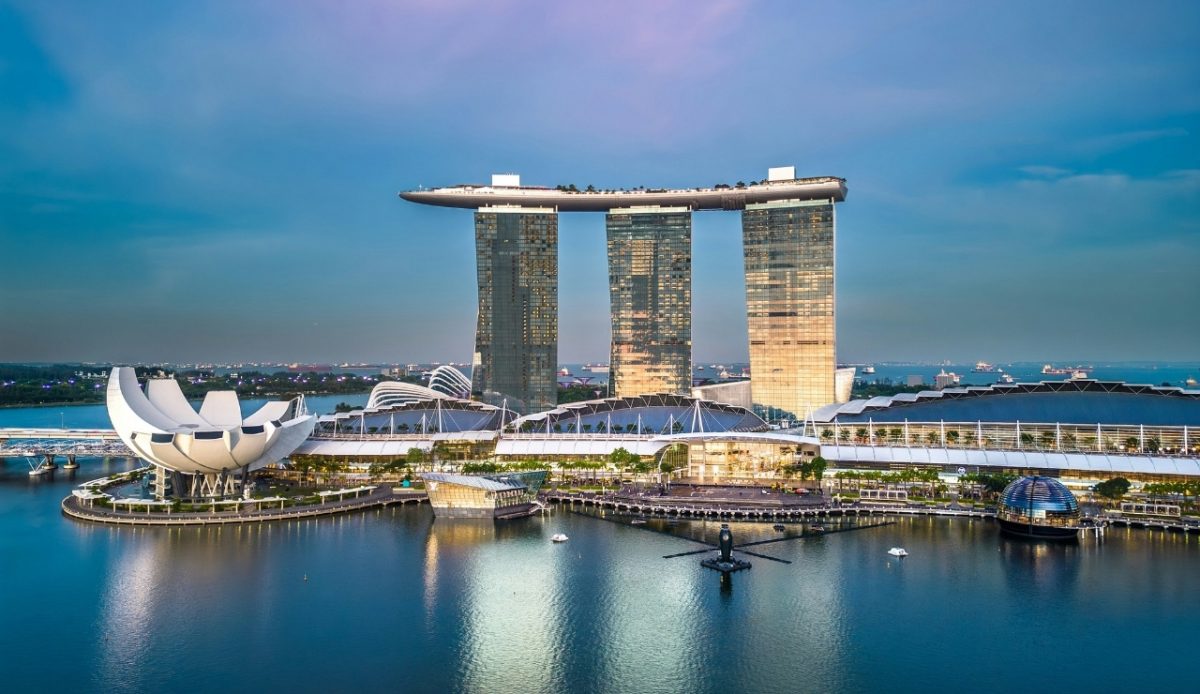
Singapore has become Asia’s main cruise hub thanks to its efficient terminals at Marina Bay and HarbourFront. The city’s location between the Pacific and Indian oceans makes it a logical starting or ending point for many regional itineraries. Travelers can explore Gardens by the Bay, Chinatown, and Orchard Road before boarding. The city’s transportation system allows smooth transfers between the airport and port, while top cruise lines such as Royal Caribbean and MSC use it as a homeport for Southeast Asian routes. Visitors also enjoy Sentosa’s beaches and Marina Bay’s skyline views before departure.
2. Hong Kong
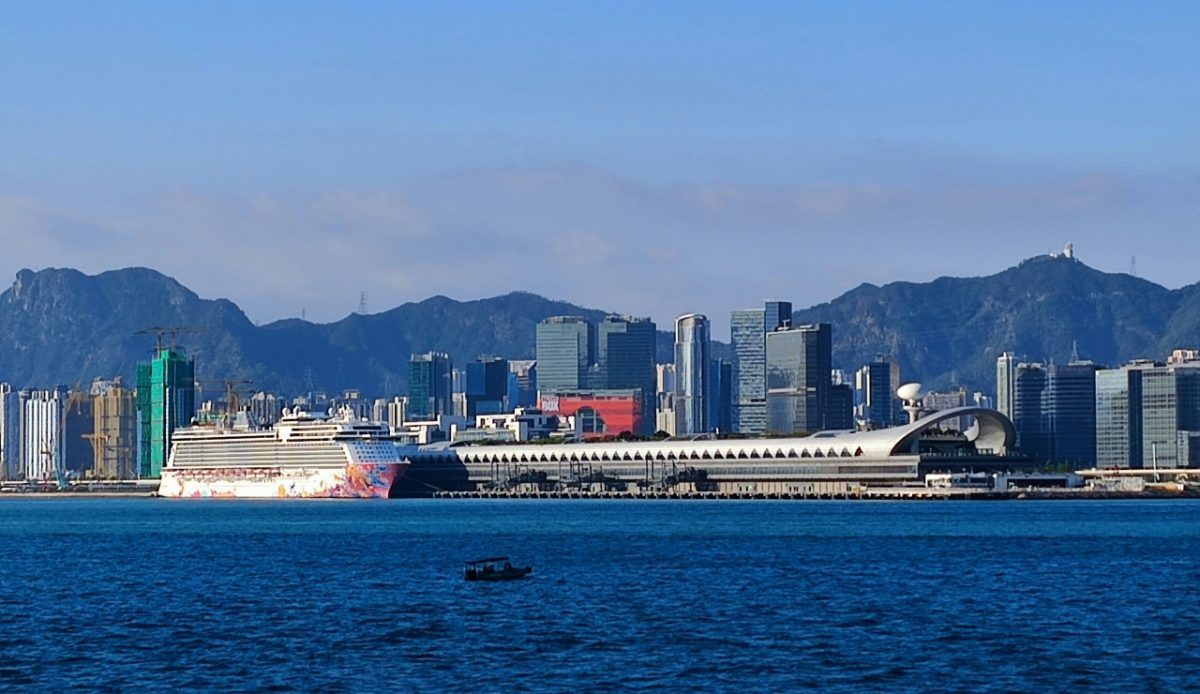
Few sail-ins are as dramatic as entering Victoria Harbour, framed by Hong Kong’s skyline. The Kai Tak and Ocean terminals welcome ships from around the world. Before departure, visitors can ride the Peak Tram, explore night markets, or take a ferry to Kowloon for local dining. Hong Kong’s efficient transit and multilingual environment make it an easy port for travelers. It also serves as a gateway to South China itineraries that include ports in Hainan, Xiamen, and Taiwan. Many passengers spend extra nights exploring Lantau Island or shopping in Mong Kok.
3. Tokyo (Yokohama)
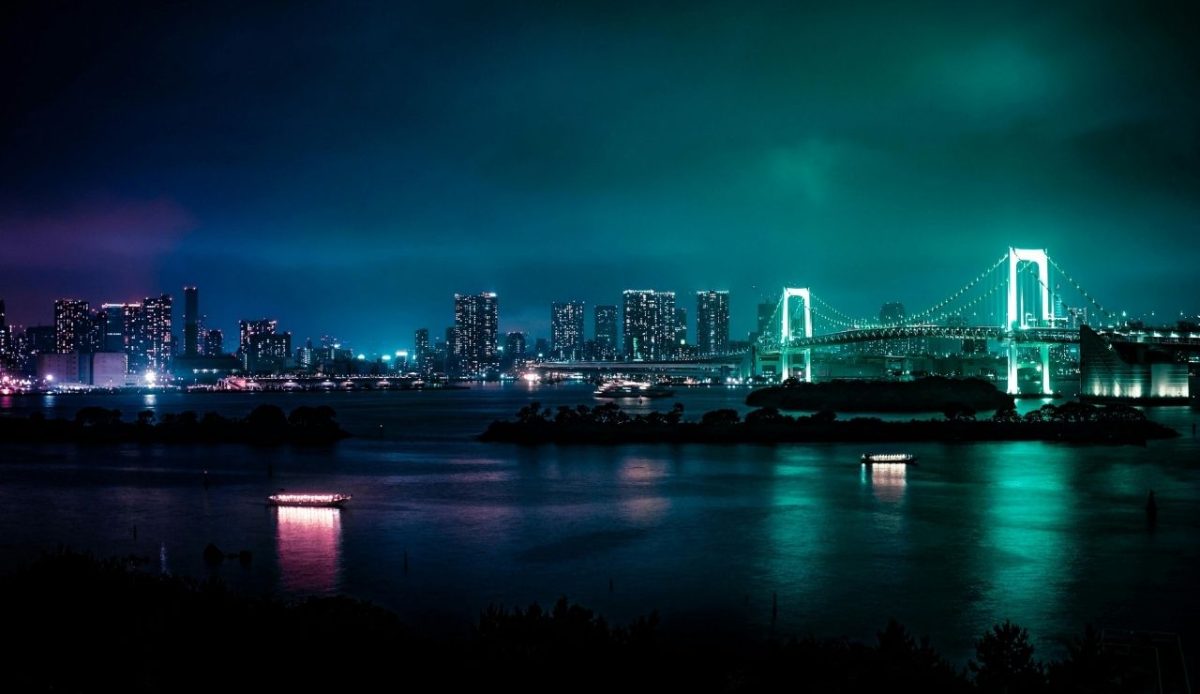
Most cruises visiting Japan dock in Yokohama, roughly an hour from Tokyo. The port’s location gives access to Japan’s capital, where passengers can see landmarks like the Imperial Palace, Shibuya Crossing, and the traditional Asakusa district. Cruise terminals in Yokohama are modern and close to attractions such as the Cup Noodles Museum and Chinatown. Many voyages departing here circle Japan or continue toward Alaska, South Korea, and Taiwan, making it one of Asia’s most diverse embarkation points. Travelers often extend stays to experience Mount Fuji and Hakone’s hot springs.
4. Osaka (for Kyoto and Nara)
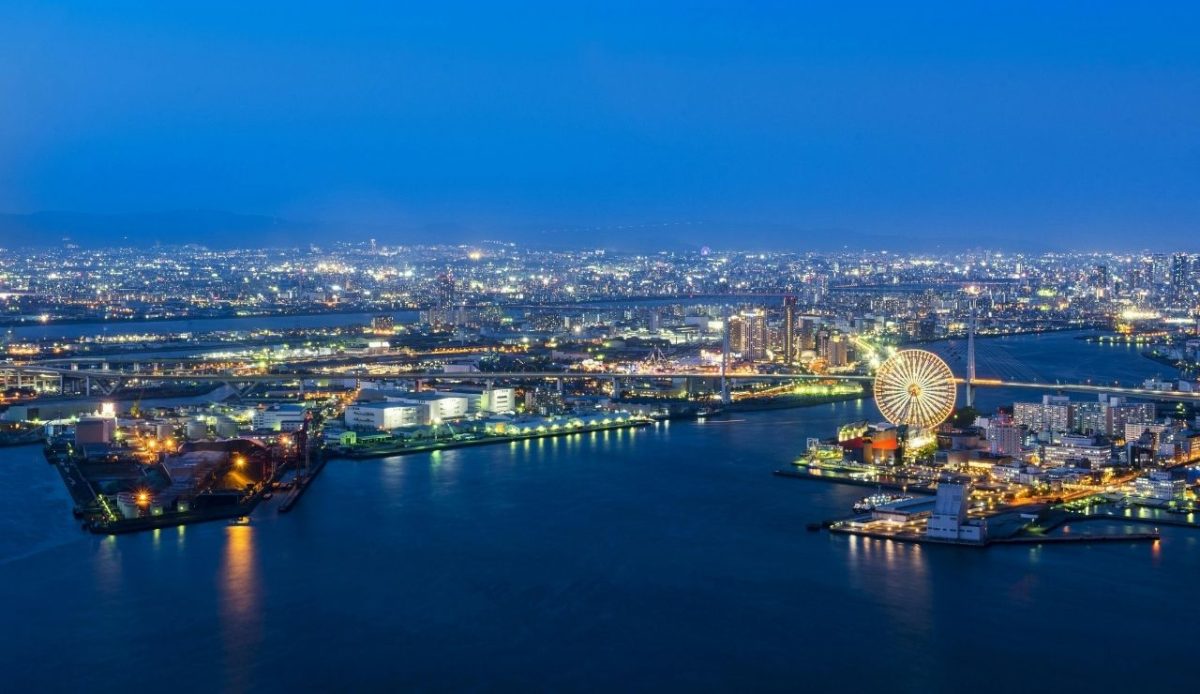
Cruise ships calling at Osaka give passengers the chance to reach Japan’s cultural heart—Kyoto’s temples and Nara’s ancient parks are only short rides away. The city itself offers modern entertainment districts like Dotonbori and historic Osaka Castle. Local food such as takoyaki and okonomiyaki is a highlight near the port. Osaka’s location on Honshu’s southern coast makes it a common stop on itineraries connecting Tokyo with Nagasaki, Fukuoka, and regional East Asian ports. Many visitors use the stop to experience bullet train travel to Kyoto for a day.
5. Penang (George Town), Malaysia
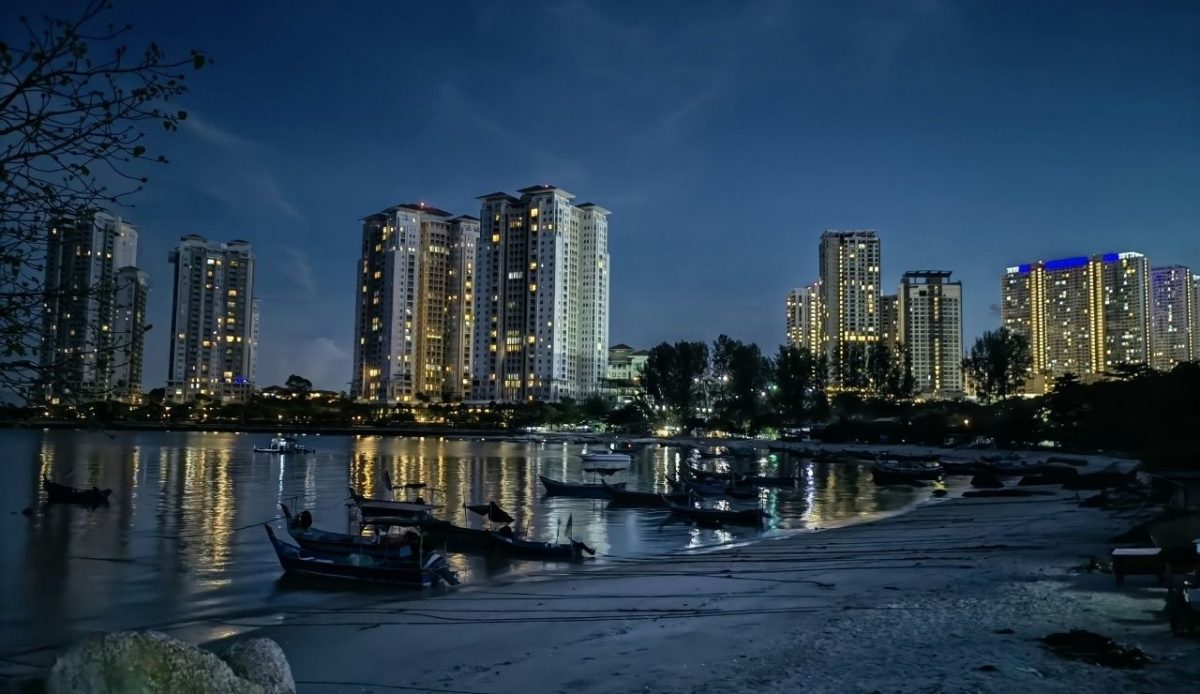
Penang’s port at Swettenham Pier brings passengers directly into George Town, a UNESCO World Heritage site. Its colonial architecture, colorful shophouses, and street food culture create a distinct atmosphere. Travelers can explore temples, art murals, and hawker centers on foot or by trishaw. The island’s compact layout makes it easy to see much in one day. Penang’s role on Southeast Asian routes connects it with ports in Thailand and Singapore, offering a convenient mix of history, cuisine, and easy sightseeing. Many travelers also take funicular rides to Penang Hill for wide city views.
6. Busan, South Korea
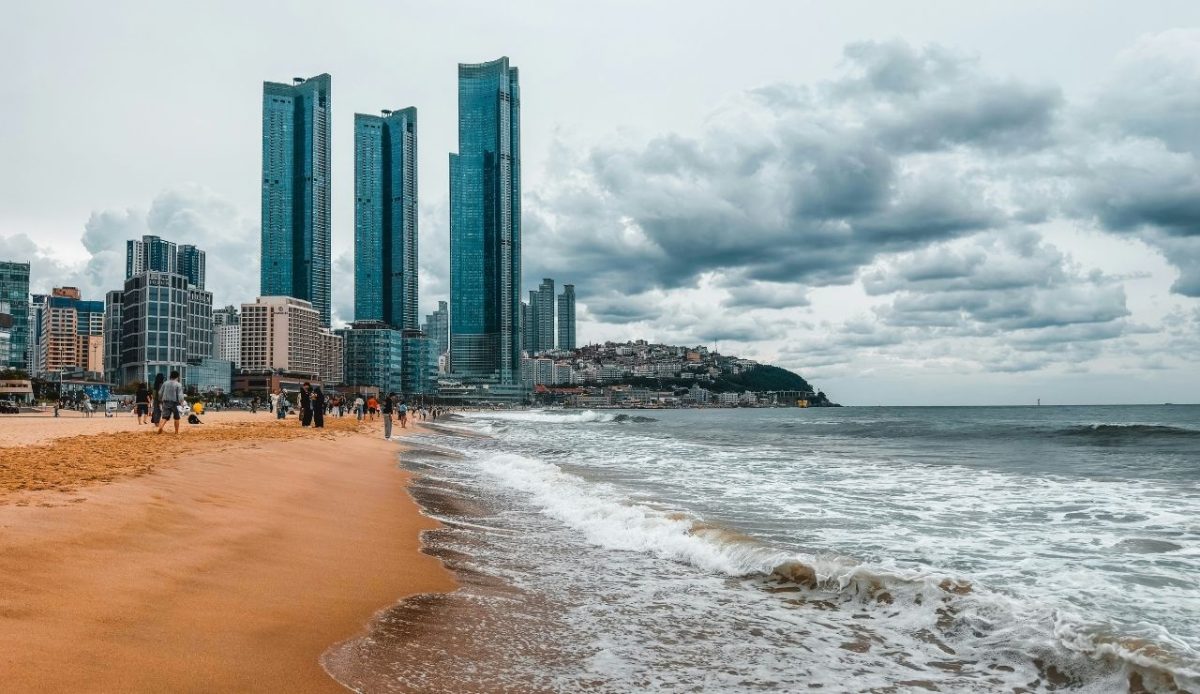
Busan is South Korea’s largest port and one of Asia’s busiest cruise destinations. Ships dock close to the city center, where passengers can visit the Jagalchi Fish Market, Haeundae Beach, and Gamcheon Culture Village. The city’s blend of coastal scenery and urban energy makes it appealing to both first-time visitors and returning travelers. Cruise itineraries often pair Busan with Japanese ports like Fukuoka and Nagasaki, offering convenient regional connections across the Sea of Japan. Many tourists also ride the cable car over Songdo Bay for panoramic harbor views.
7. Jeju Island, South Korea
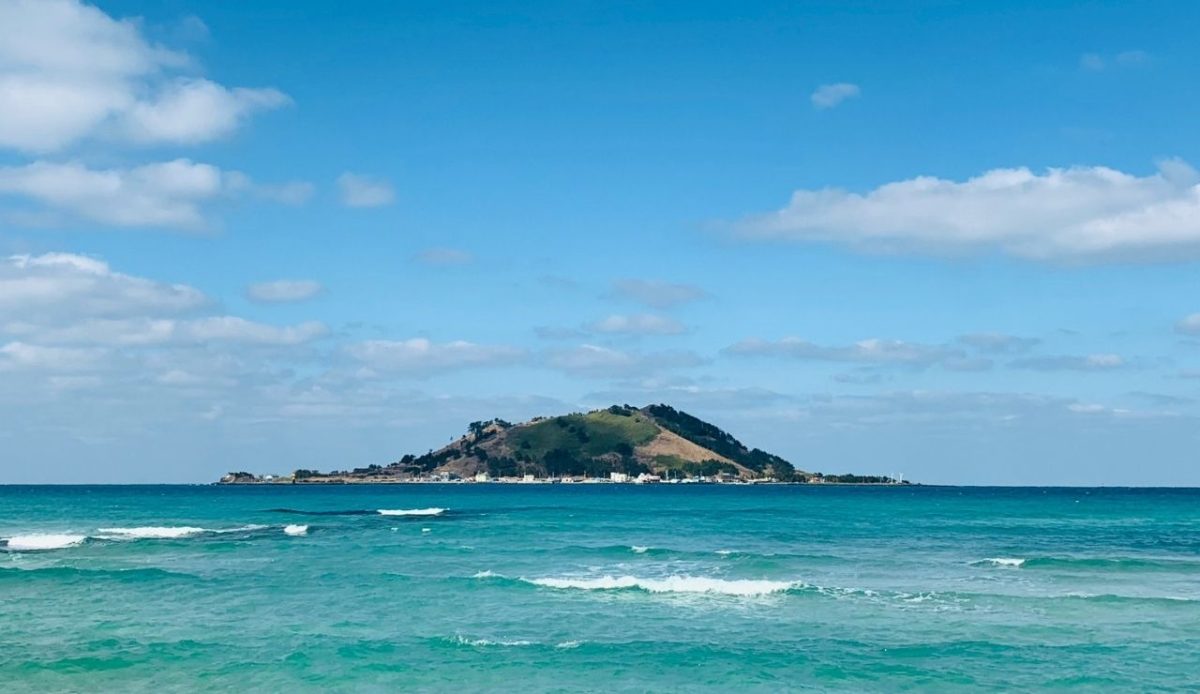
Jeju Island is known for its volcanic landscapes, lava tubes, and relaxed atmosphere. Cruise passengers often explore Hallasan National Park, waterfalls, and the scenic coastal roads surrounding the island. Local tours also feature traditional villages and tea plantations. Jeju’s port is well-equipped for both large and small ships, making it a standard stop on Northeast Asian cruises. Its mild climate and natural diversity provide a refreshing contrast to busier city ports. Visitors often include Jeju’s folk museums and seaside hikes in their itineraries.
8. Taipei via Keelung, Taiwan
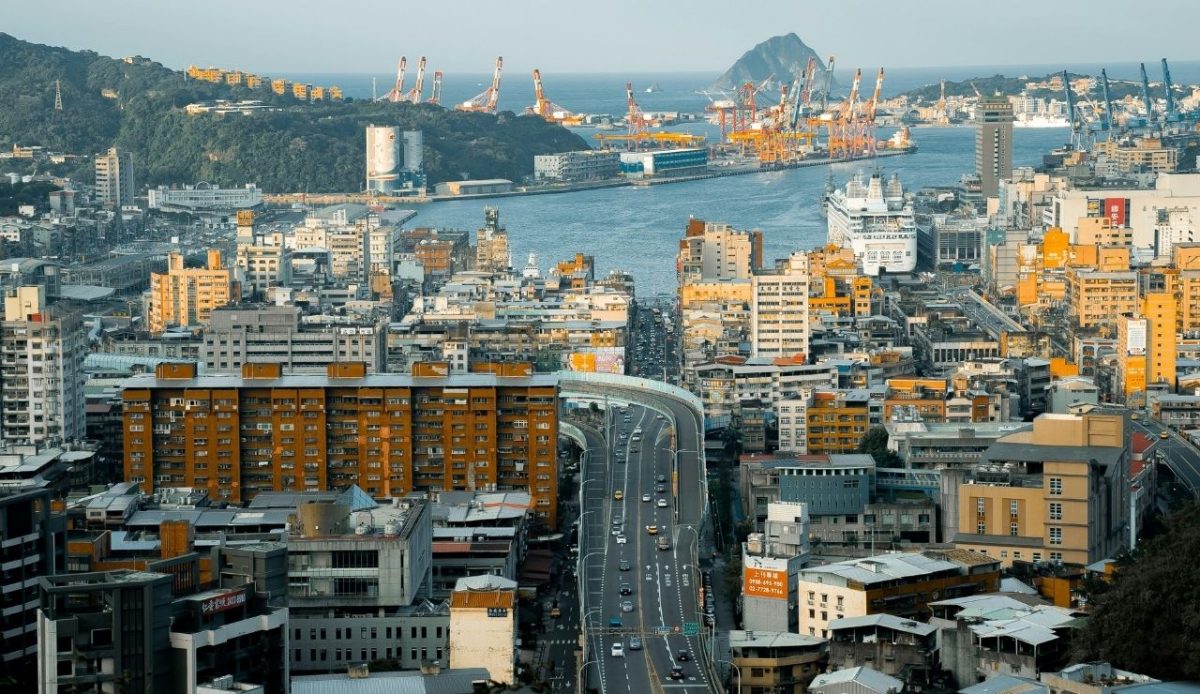
Cruises to northern Taiwan arrive in Keelung, just 30 minutes by train from Taipei. Visitors can explore Taipei 101, the National Palace Museum, and the vibrant night markets before returning to their ships. The port area itself has been upgraded with new passenger terminals and clear transportation links. Keelung’s location makes it ideal for itineraries traveling between Japan, the Philippines, and Hong Kong. The city’s balance of urban culture and mountain views appeals to a wide range of travelers. Many guests also visit Jiufen’s hillside streets or Yehliu’s rock formations nearby.
9. Bangkok via Laem Chabang, Thailand
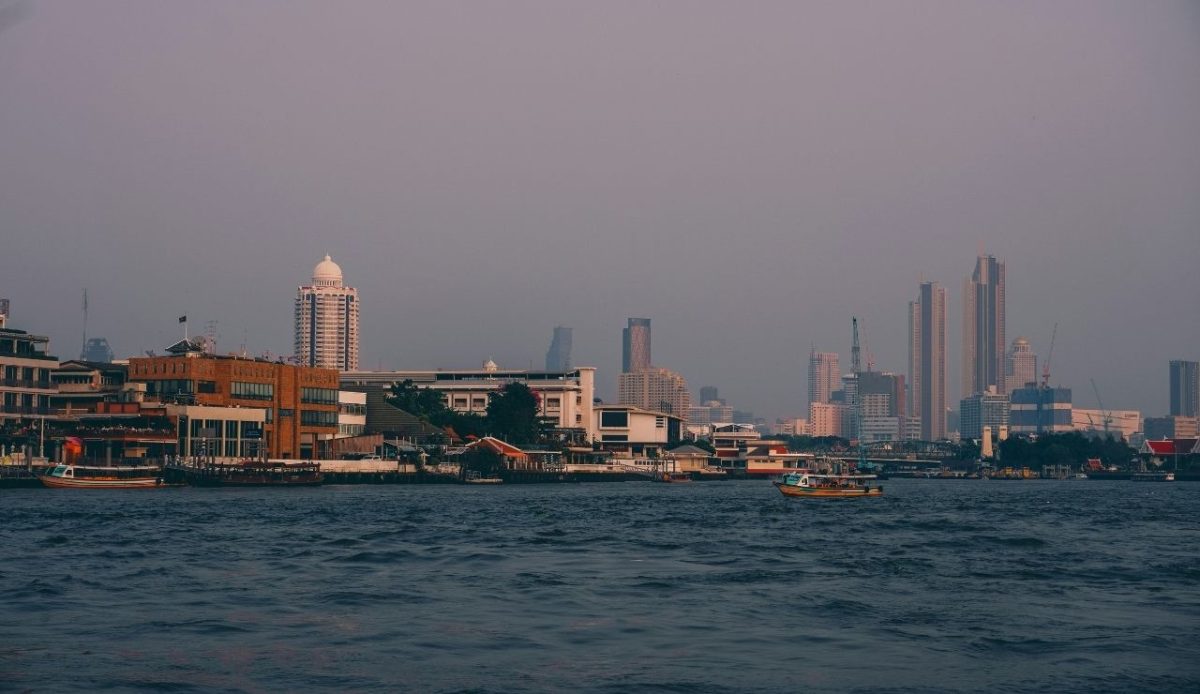
Laem Chabang serves as the main gateway for Bangkok, located about two hours from the port. Most visitors take excursions to Bangkok’s Grand Palace, Wat Pho, and Chao Phraya River cruises. Those staying near the port can enjoy Pattaya’s beaches and nightlife. Cruise lines often schedule overnight stays here to allow more time for sightseeing. The port’s scale and infrastructure make it suitable for the largest vessels visiting Southeast Asia, connecting with routes that include Singapore and Vietnam. Travelers often add floating market tours for local flavor.
10. Koh Samui, Thailand
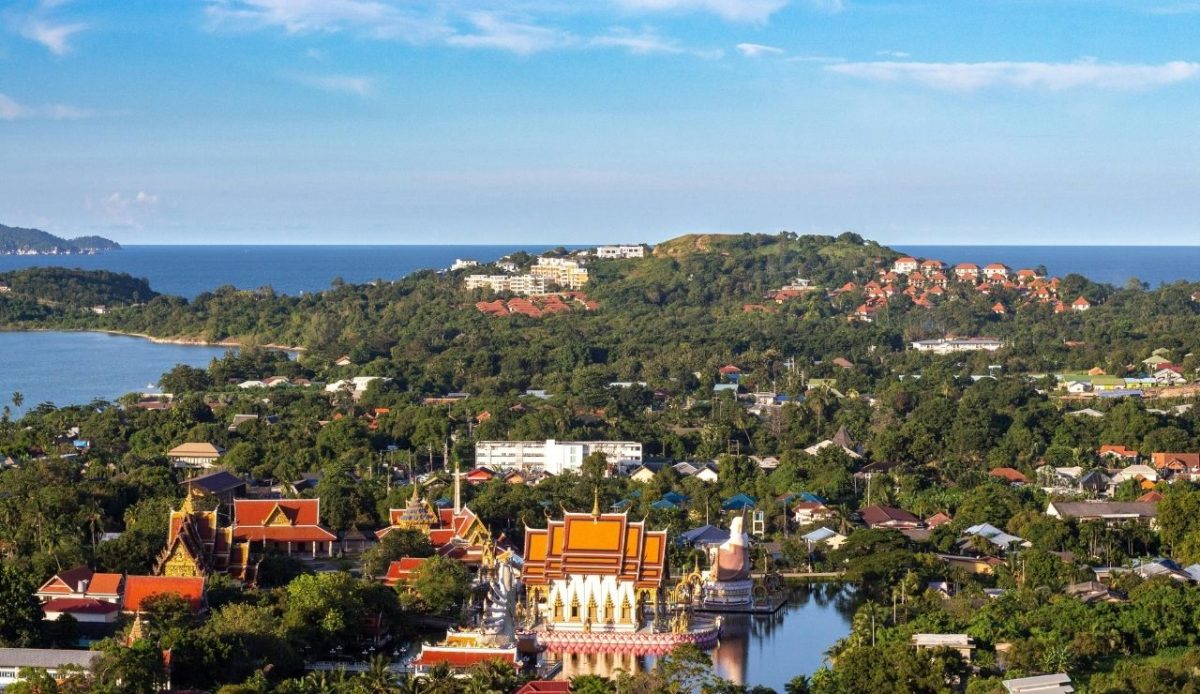
Cruise ships anchor offshore and tender passengers to Koh Samui, known for its relaxed resorts and palm-lined beaches. Travelers can spend the day visiting temples like Wat Plai Laem, waterfalls in the island’s interior, or cafés along Fisherman’s Village. The port’s smaller scale gives visitors a more local experience compared to Thailand’s major cities. Koh Samui’s natural charm and accessible tours make it a recurring stop for regional cruise routes linking Thailand, Malaysia, and Cambodia. Many passengers enjoy snorkeling at nearby Ang Thong Marine Park before returning.
11. Phuket, Thailand
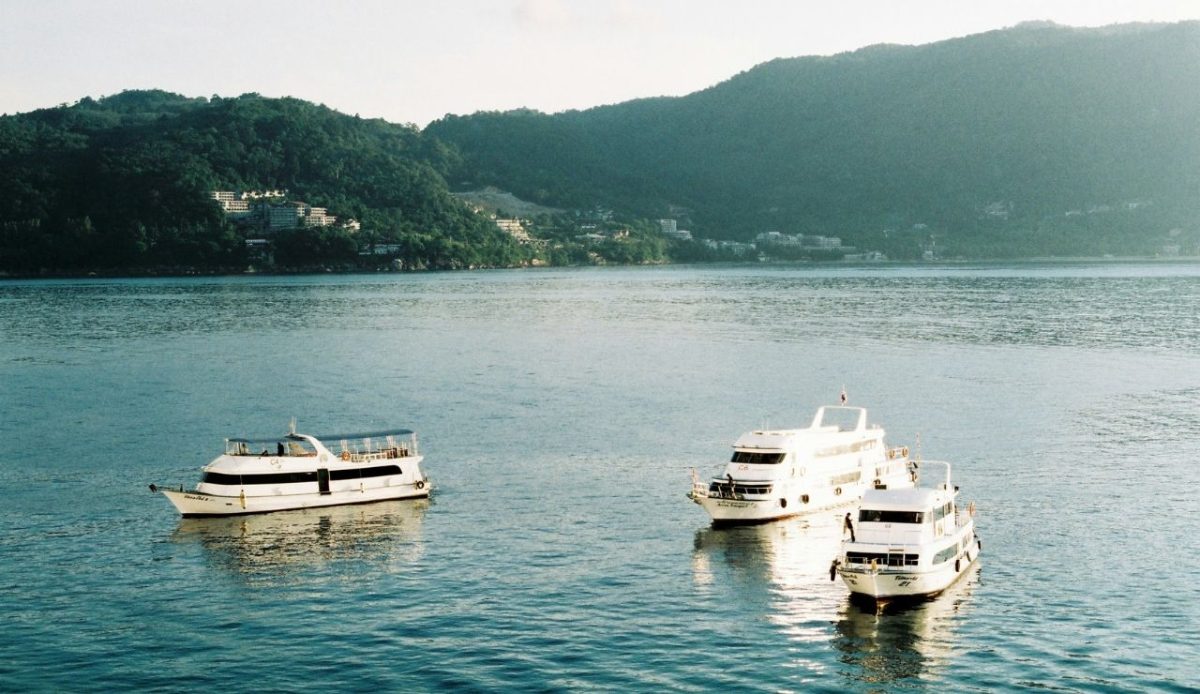
Phuket is one of Thailand’s most visited cruise stops, known for its blend of beaches, island excursions, and lively markets. Ships anchor off Patong Bay or dock at the Deep Sea Port near Phuket Town. Passengers can join day tours to Phang Nga Bay, visit temples such as Wat Chalong, or enjoy snorkeling off nearby islands. The island’s range of activities suits both adventure seekers and those wanting a relaxed day by the sea. Cruise lines often schedule longer stays to give visitors time to experience its variety. Visitors also enjoy Thai cooking classes and street food walks near the port.
12. Bali (Benoa), Indonesia
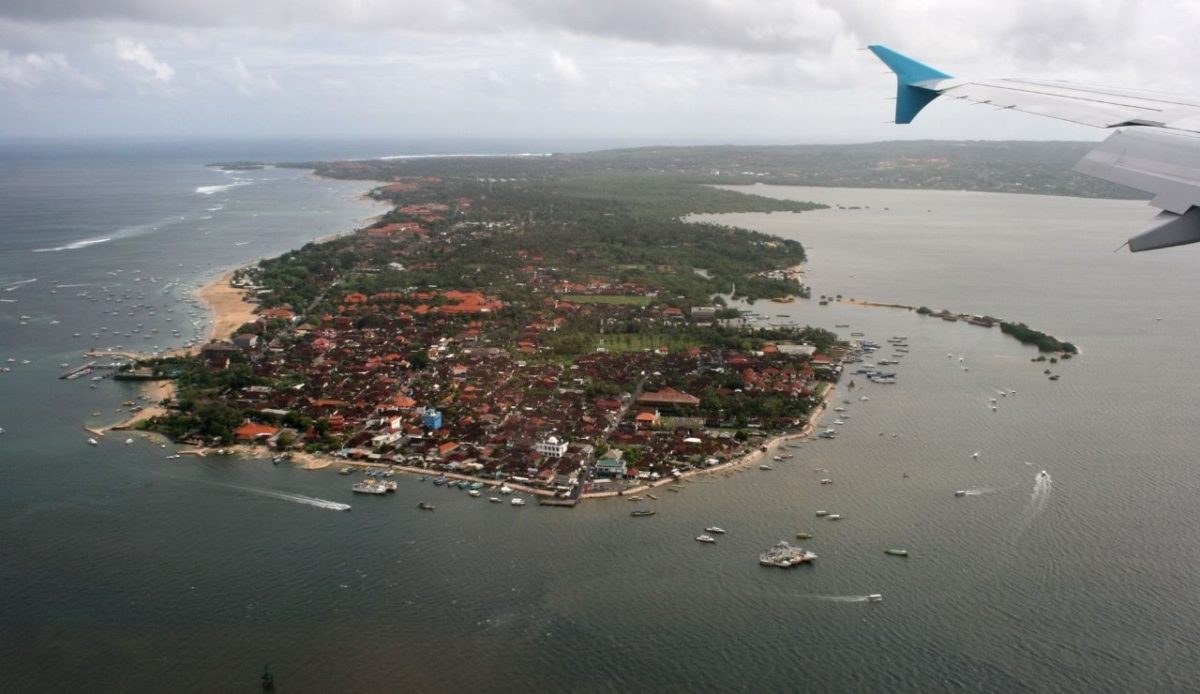
Bali’s Benoa Harbor handles most cruise arrivals to the island, located near the resort areas of Kuta and Nusa Dua. Passengers can spend their day visiting Uluwatu Temple, traditional dance performances, or scenic rice terraces in Ubud. The island’s art markets and beaches add plenty of variety for short stays. Cruise lines often use Bali as both a turnaround and featured port on Southeast Asian and Australian itineraries. Local guides and well-organized shore tours make it easy for visitors to experience the highlights within a limited time. Many travelers also explore Seminyak’s cafes or local craft villages before returning to their ships. Its combination of culture, scenery, and accessibility keeps Bali at the top of most Asian cruise itineraries.
