
Tourism can help a downtown, yet problems start when visitor spending becomes the main plan. Cities that chase conventions, cruise crowds, or nightlife dollars sometimes build districts that work only on weekends. Rents rise, daily services leave, and streets get managed like event space. When demand drops, empty storefronts follow because few residents rely on the area. The cities below show how attraction-first projects, from festival marketplaces to overtourism hot spots, left cores less flexible and harder to live in. Residents were pushed to the edges, and public budgets were steered toward branding instead of upkeep.
1. Baltimore, Maryland
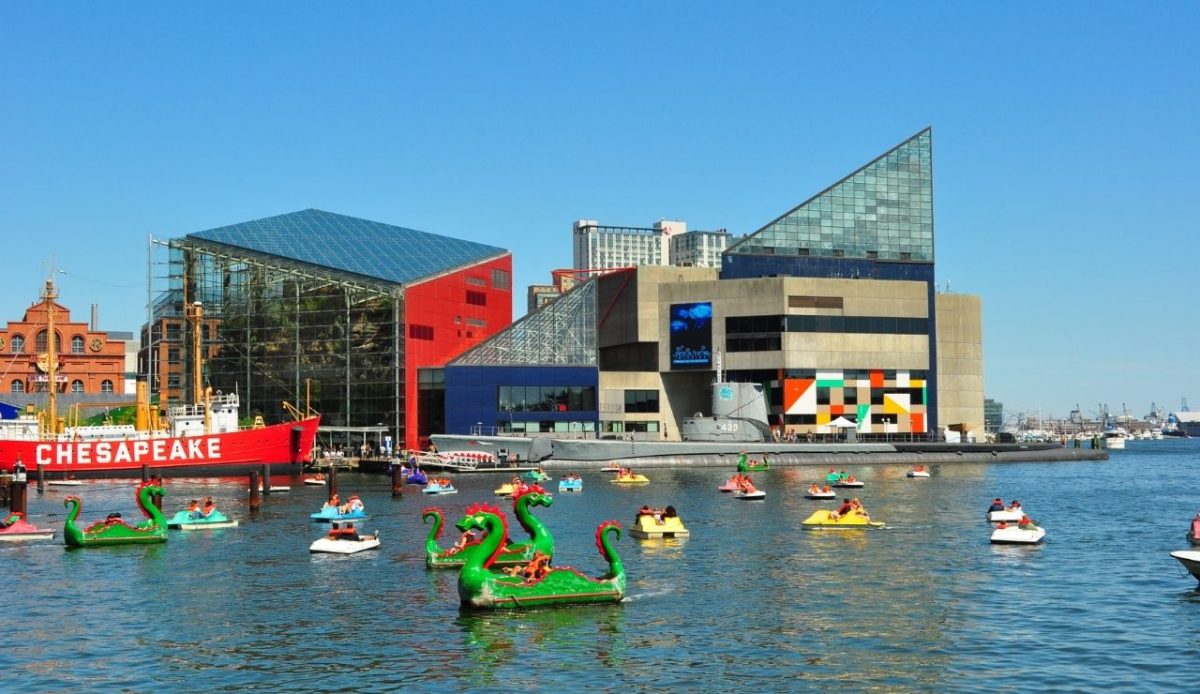
Baltimore’s Inner Harbor was promoted as a waterfront draw, with a mall-like complex and big-ticket attractions set apart from nearby blocks. That separation meant local errands and housing were underbuilt, so the area depended on visitors and event days. When retail changed, and traffic dipped, vacancies spread, and the surrounding streets did not pick up the slack. Public investment kept being aimed at the showcase zone, while everyday downtown needs were left behind, and a broader recovery was slowed. The result was a core that felt like a trip stop, not a neighborhood that could support itself year-round.
2. Jacksonville, Florida
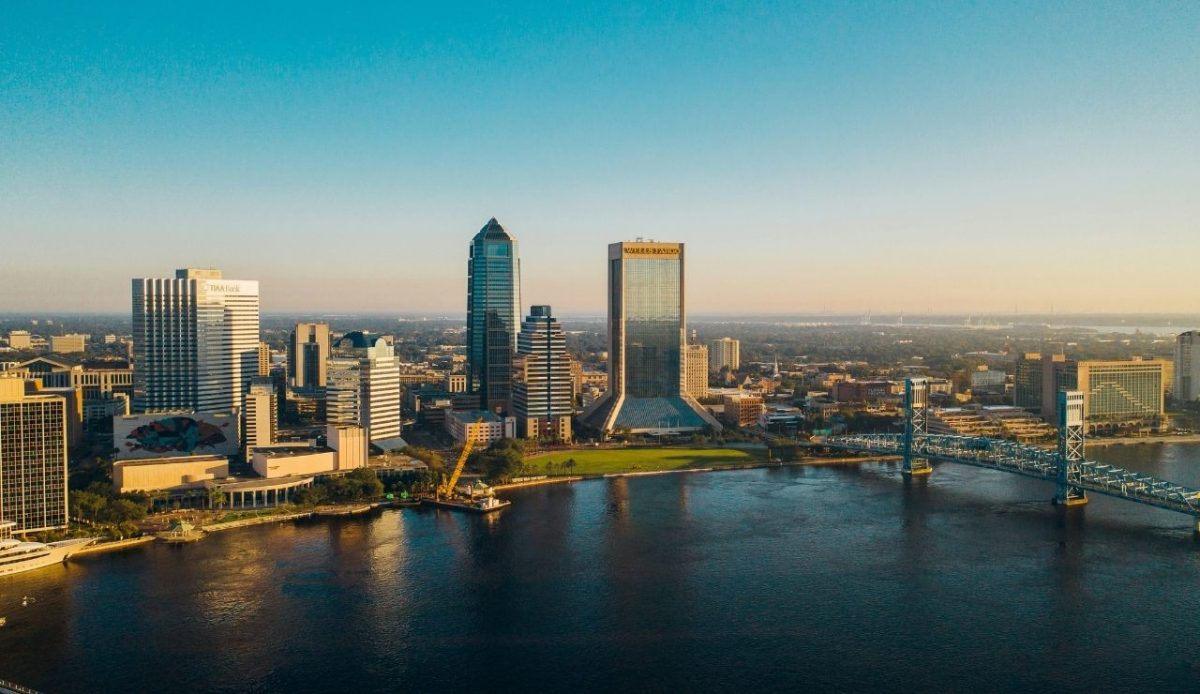
Jacksonville built the Landing as a festival marketplace meant to pull tourists and suburban crowds into the city center. It worked during concerts and holidays, but routine daytime use stayed thin because housing and small services nearby were limited. As dining and retail habits shifted, the complex declined, and the surrounding streets lacked enough mixed uses to absorb the loss. When the site was closed and later removed, a large gap remained, showing how a single attraction can postpone the harder work of building a lived-in downtown. Parking lots and event security replaced street life, so the riverfront felt busy only in short bursts.
3. Norfolk, Virginia
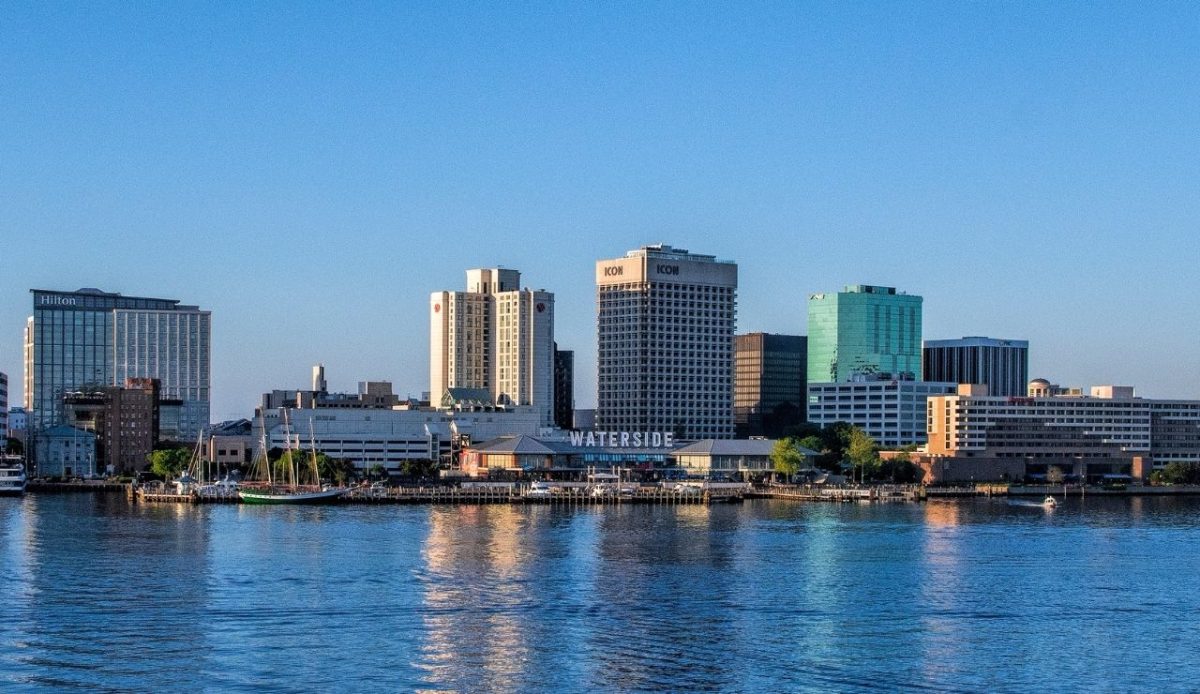
Norfolk leaned on a waterfront visitor formula, using festival-style retail and entertainment to signal that downtown had been “fixed.” Because the model relied on dining, drinks, and seasonal crowds, it struggled to create steady foot traffic on ordinary weekdays. Local workers and residents had fewer reasons to be there beyond events, and adjacent blocks gained less spillover than planners expected. As tenants turned over, public attention kept circling back to the waterfront showpiece, while the wider core waited for housing, offices, and transit links to catch up. Weekend festivals filled the gap for a time, yet the pattern stayed fragile.
4. New York City, New York
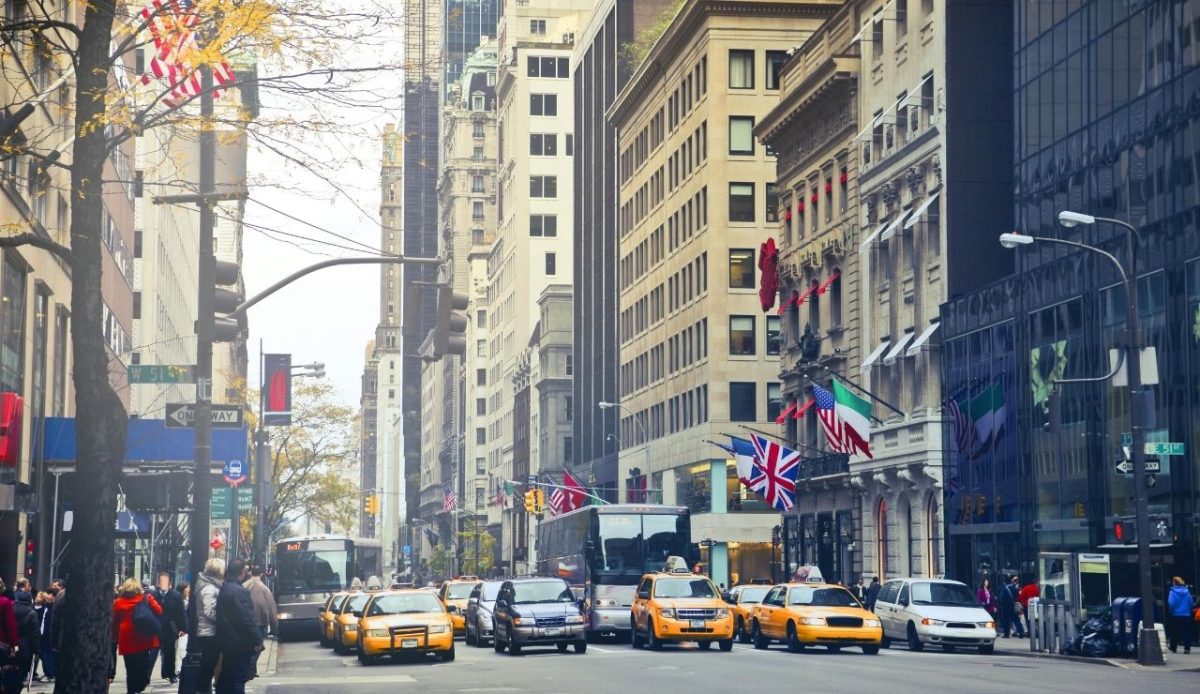
New York City’s South Street Seaport was rebuilt around festival retail and tourist dining, counting on shoppers and sightseers to revive lower Manhattan’s waterfront. Leases favored chain concepts and themed venues, which made the district less useful for nearby residents. When consumer habits shifted, the area required repeated reinventions, and public subsidies were questioned. Instead of knitting into surrounding streets with housing and everyday services, the Seaport often operated as a managed attraction zone, leaving downtown vitality dependent on curated programming and seasonal crowds.
5. New Orleans, Louisiana
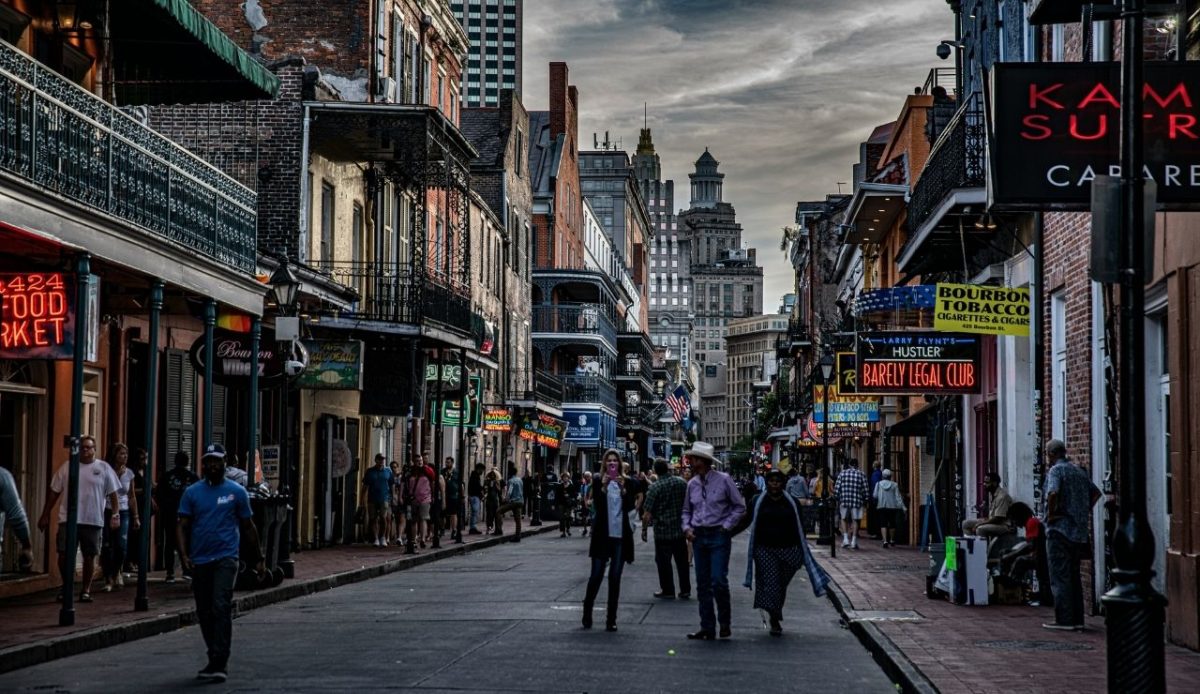
New Orleans placed much of its downtown tourist machine inside the French Quarter, where short-term rentals, bar density, and party branding crowded out daily life. As visitor demand grew, housing for locals was reduced, and basic services became harder to find near the core. Street management turned toward crowd control, and conflicts over noise and behavior became routine. When travel slowed, the narrow business base was exposed because many jobs and storefronts were tied to nightlife spending. A historic district was treated like an entertainment product, and resilience suffered over time, too.
6. Nashville, Tennessee
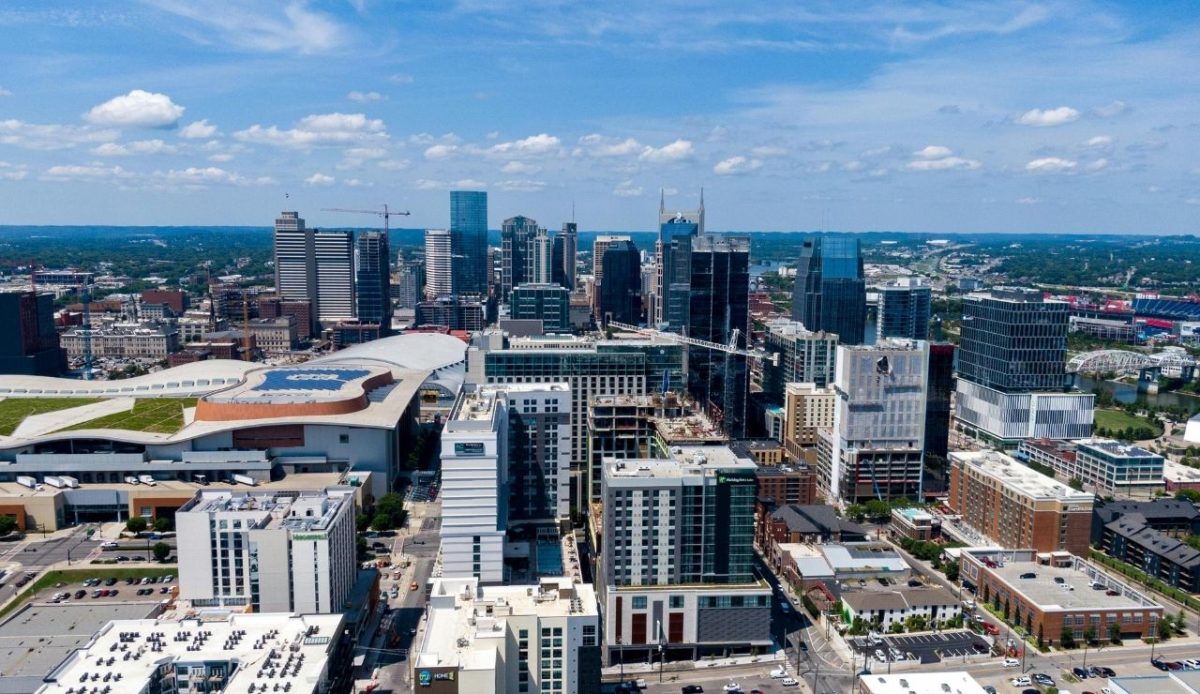
Nashville marketed Lower Broadway as a must-see strip, and downtown investment followed the visitor pipeline of bars, themed venues, and party buses. As crowds swelled, streets were periodically closed, and policing was pulled toward entertainment management. Rising rents and a single-industry feel pushed out stores that served residents, so daytime needs were thinned. When conventions or big weekends slow, the corridor has fewer anchors to keep it balanced. Service workers commute from farther out, and local ownership becomes harder. A downtown that could have supported mixed-use blocks was instead optimized for short stays.
7. Venice, Italy
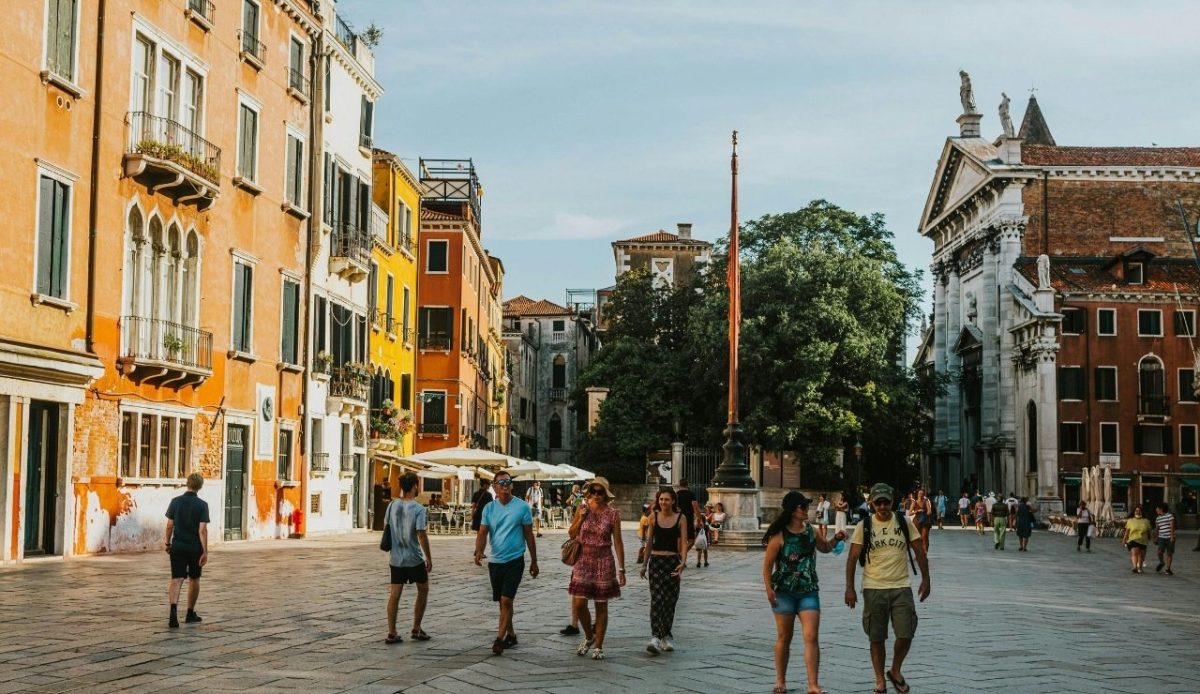
Venice’s historic center was marketed as a once-in-a-lifetime stop, and daily functions were gradually displaced by visitor demand. Shops shifted toward souvenirs and quick meals, while long-term housing was reduced as short rentals grew. Cruise and day-trip surges packed key routes, so public space was managed for crowd flow and policing. Residents reported that basic errands required leaving the core, and school-age families moved away. Controls for day visitors were introduced only after damage was visible. The downtown fabric remained beautiful, yet it was used as a stage set, and local life was squeezed.
8. Barcelona, Spain
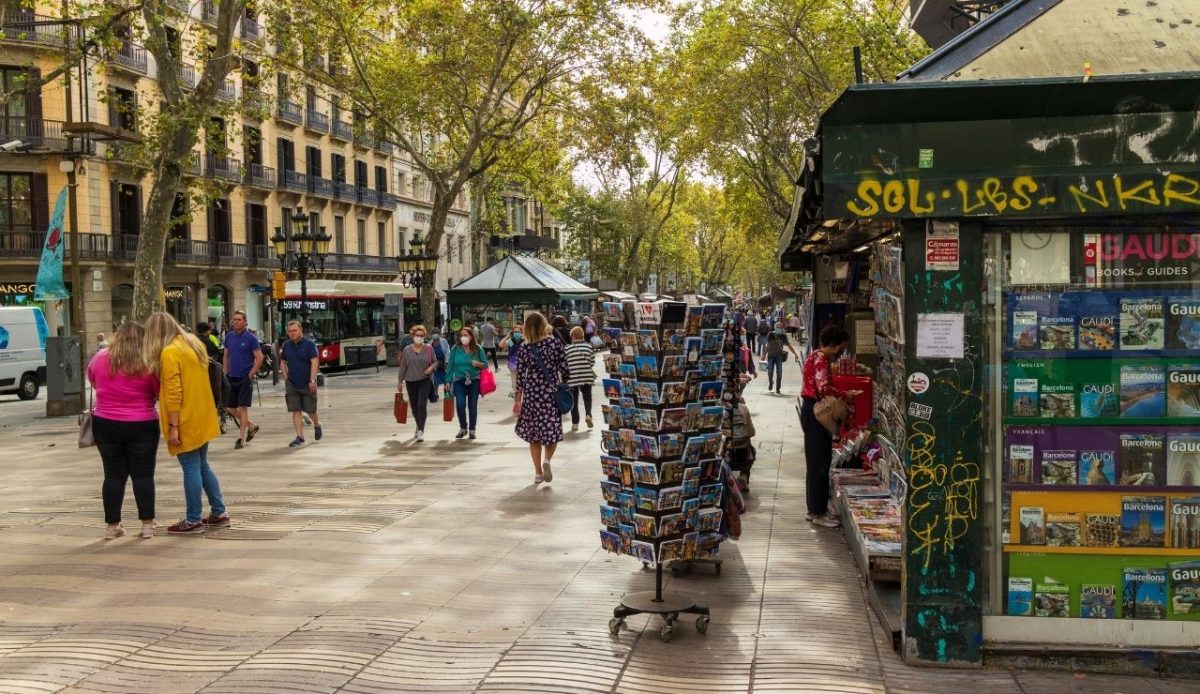
Barcelona’s central districts were promoted through architecture and nightlife, and tourist demand began to set prices for the core. As short-term rentals expanded, long-term leases tightened, and resident turnover rose. In peak months, transit and sidewalks are filled, and curb space shifts toward visitor services. Streets that once served mixed neighborhoods were refocused on visitor movement, with bars and souvenir retail displacing daily shops. Protests and policy crackdowns followed, including limits aimed at reducing nuisance impacts. The city kept its appeal, but the downtown experience became less local, and housing pressure intensified.
9. Amsterdam, Netherlands
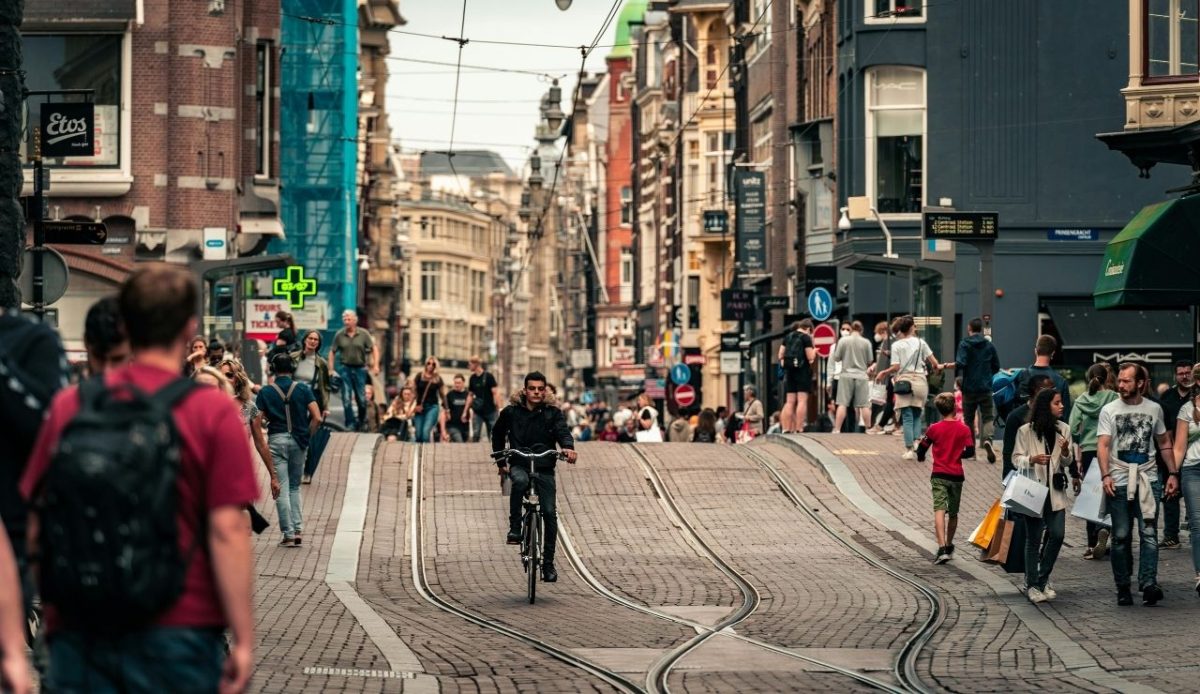
Amsterdam’s center was promoted heavily as a party-friendly city break, and that branding drew large numbers of short-stay visitors. Nightlife concentration increased noise, litter, and public disorder complaints, so residents’ use of central streets was reduced. Shops shifted toward tourist retail, while everyday services became harder to find in the core. In response, the city pursued measures to curb nuisance tourism, including limits on certain activities and marketing changes. The turnaround efforts show how a downtown can be harmed when visitor volume is treated as the main growth engine. Too.
10. Dubrovnik, Croatia
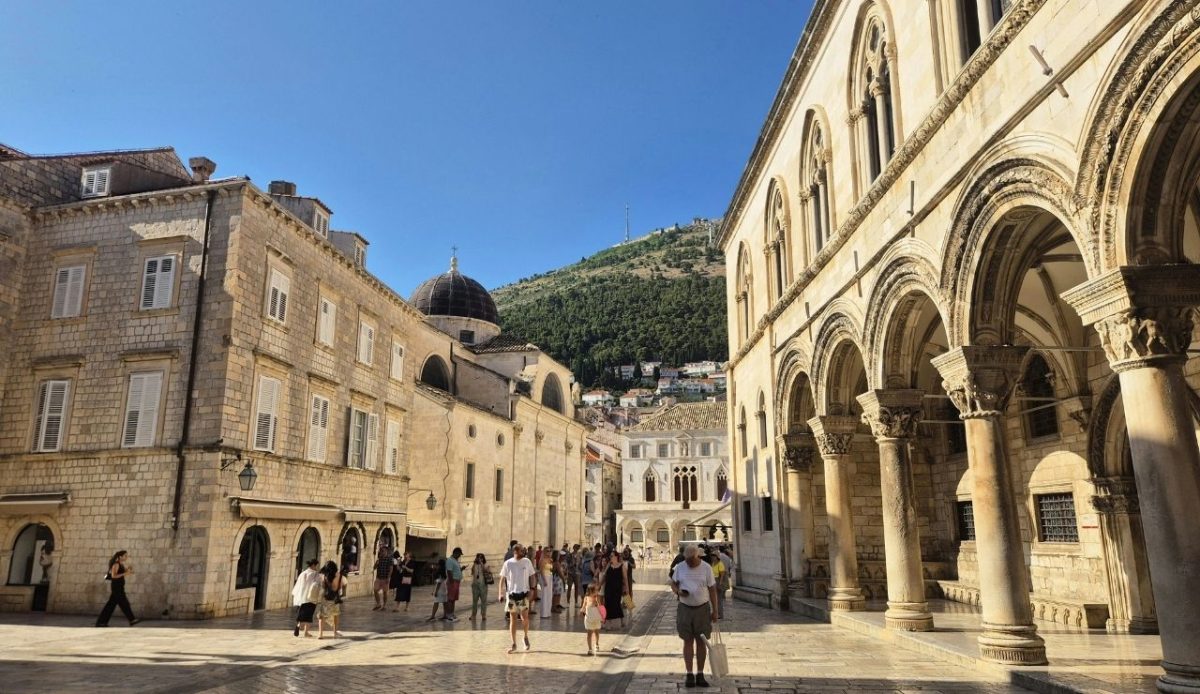
Dubrovnik’s Old Town became a cruise and filming magnet, and downtown planning tilted toward managing waves of day visitors. Stores turned to souvenirs and quick dining, while local shopping options thinned. Congestion on the main streets created a controlled-entry feel, and public services were stressed during peak arrivals. As housing was converted for short stays, resident presence in the walled core declined and prices rose for locals. Visitor controls were later adopted to reduce crowding, yet the local economy remained tied to high-volume tourism, leaving the historic center less adaptable.
11. Kyoto, Japan
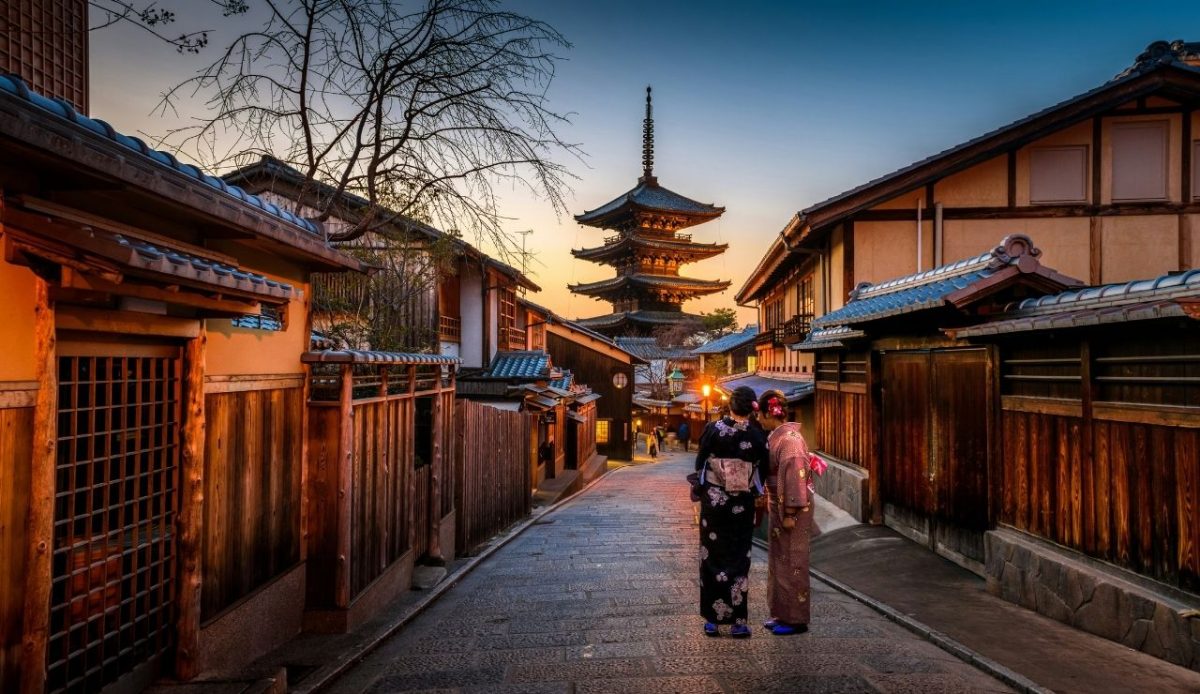
Kyoto’s traditional neighborhoods were pushed by global tourism campaigns, and visitor etiquette problems showed up in the historic core. Crowded lanes and photo chasing disrupted residents, and local transit was strained in peak seasons. As homes were converted for short stays, resident turnover rose near major sights. Businesses pivoted to tourist services, while daily-use shops became rarer in key corridors. Restrictions in parts of Gion were introduced to protect privacy and reduce harmful behavior. Kyoto remains culturally rich, yet the downtown experience can feel curated for outsiders, and community tolerance has been tested.
12. Reykjavík, Iceland
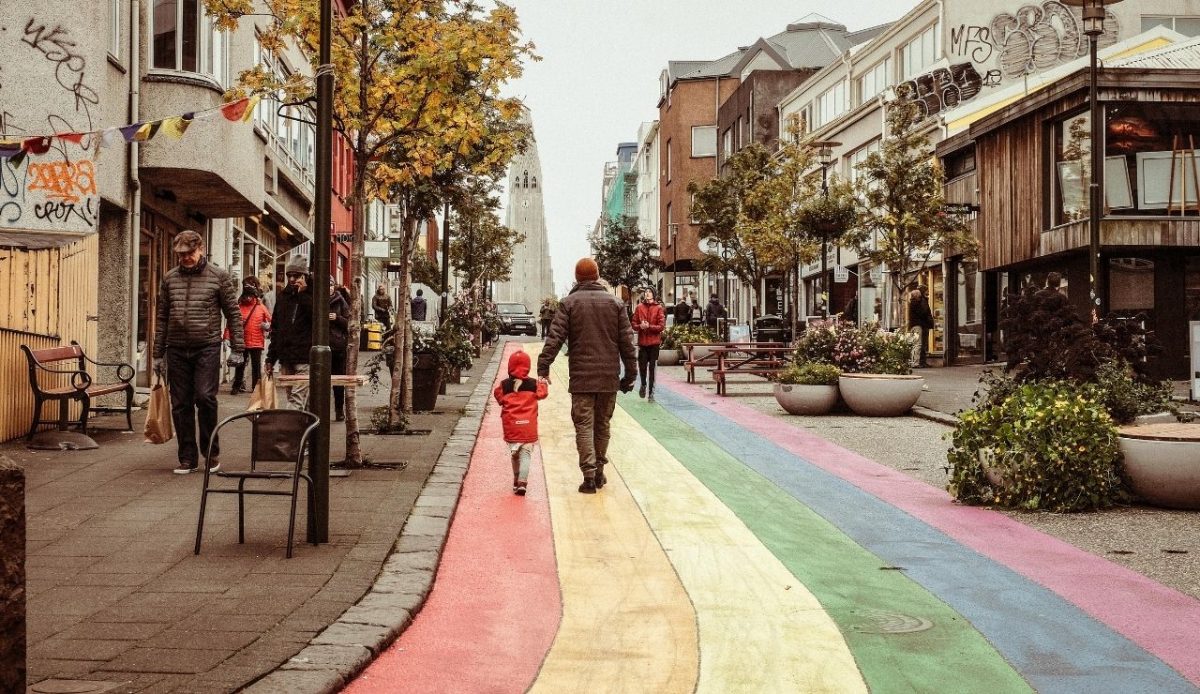
Reykjavík’s center was reoriented around international visitors as Iceland’s tourism boom accelerated, and downtown space shifted toward hotels, tours, and bars. Short-stay demand raised prices for housing and pushed residents outward, reducing year-round neighborhood activity. Streets became crowded in summer, and local services were replaced by visitor-facing retail. Because the city is small, the concentration was felt quickly, and strains showed up in rentals and noise complaints. When tourism fluctuates, the core faces risk because so much of its storefront economy depends on travelers rather than locals.
