
Here’s the reality most travelers are running into lately. Crossing a border isn’t the quick, routine stop it used to be. What once felt like a 10-minute formality has quietly turned into an hour-long gamble, sometimes worse. Growing tourism, heavier freight traffic, tighter inspections, and staffing shortages are all stacking up at the same time. The result is predictable. Lines stretch, tempers rise, and even well-planned trips hit unexpected delays. From busy U.S. land crossings to major international checkpoints, these bottlenecks are becoming the new normal. Knowing where waits pile up can save you serious time and stress.
1. San Ysidro Port of Entry
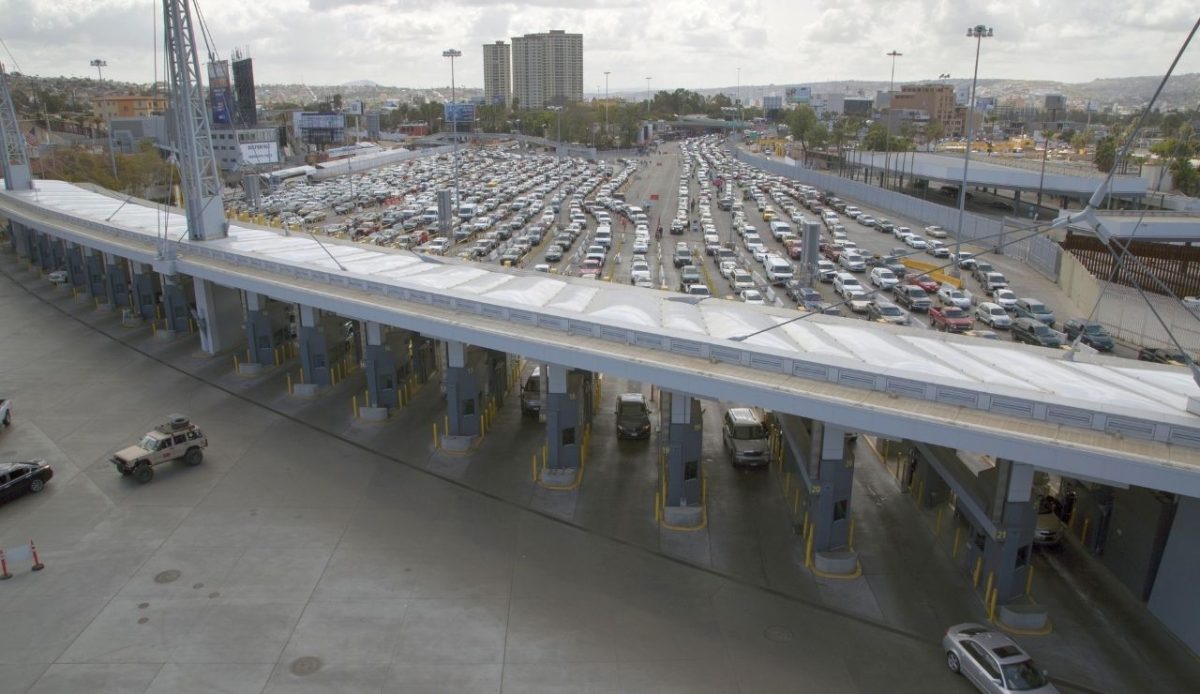
This crossing moves more people than any other land border point in the Western Hemisphere, so even small hiccups ripple fast. Thousands of workers commute daily between Tijuana and San Diego, plus shoppers, students, and tourists. Add stepped-up inspections and random secondary checks, and the lines swell quickly. During peak hours, drivers routinely report two to three-hour waits, while pedestrian lanes can snake for blocks. What this really means is that San Ysidro isn’t just busy; it operates at full capacity almost all day. When staffing dips or a few lanes close, everything slows at once.
2. Peace Arch Border Crossing
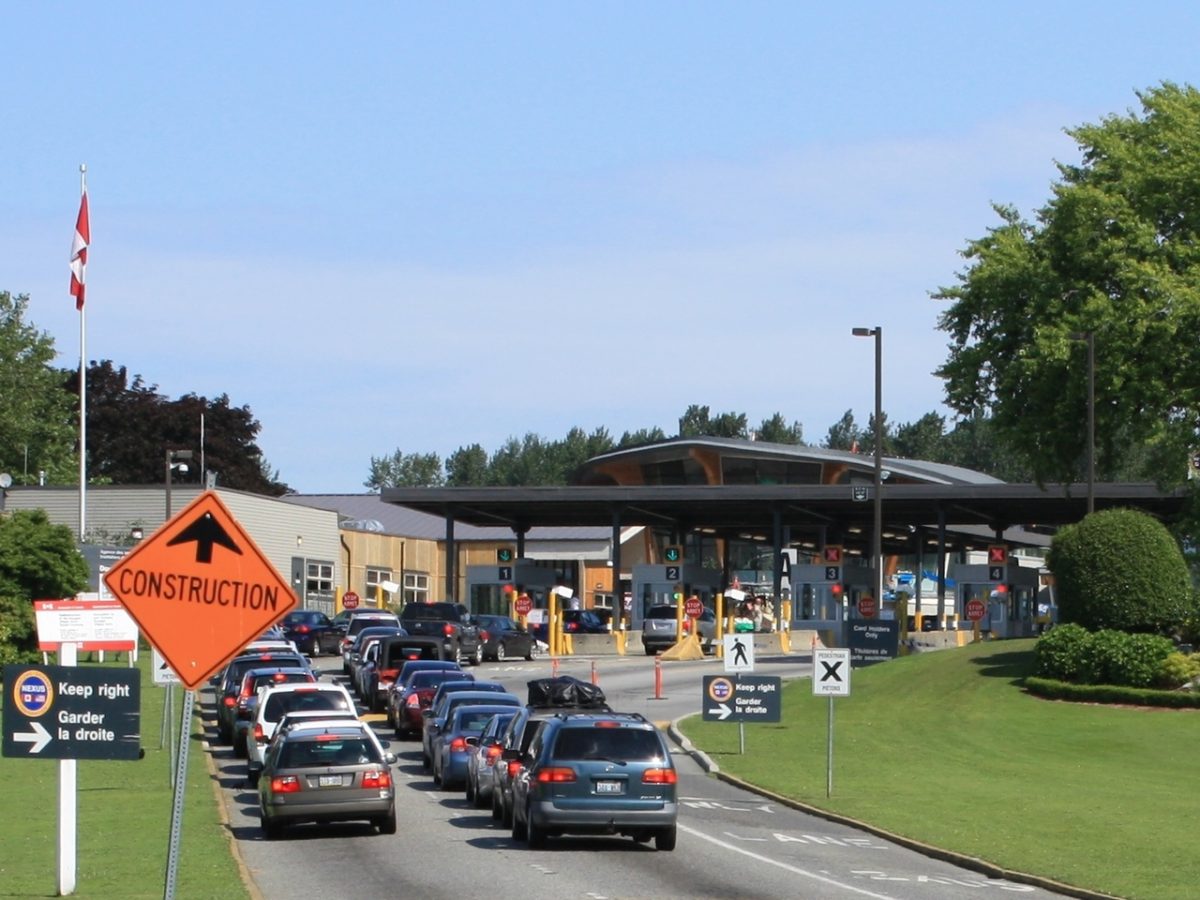
Peace Arch feels deceptively calm because of the park and monument, but traffic tells a different story. It sits right on the busy Vancouver to Seattle corridor, which means holiday weekends can overwhelm the inspection booths. Families heading south for shopping or flights mix with freight trucks and commuters. Even a short surge can create mile-long backups on Interstate 5. Officers process vehicles carefully, which improves security but slows turnover. The result is a crossing that can flip from smooth to gridlocked in under an hour, especially during summer and long weekends.
3. Pacific Highway Border Crossing
Unlike Peace Arch, Pacific Highway is freight-heavy. Think semis, trailers, and customs paperwork. Commercial shipments take longer to inspect than private cars, and that’s where delays build. When truck volumes spike or paperwork issues arise, the entire line stalls. Drivers sometimes wait hours just to reach the booth. Since this crossing handles a large share of West Coast trade, slowdowns ripple into supply chains, affecting everything from grocery deliveries to retail inventory. It’s a reminder that border wait times are not just a traveler problem; they’re an economic one.
4. Thousand Islands Bridge Border Crossing
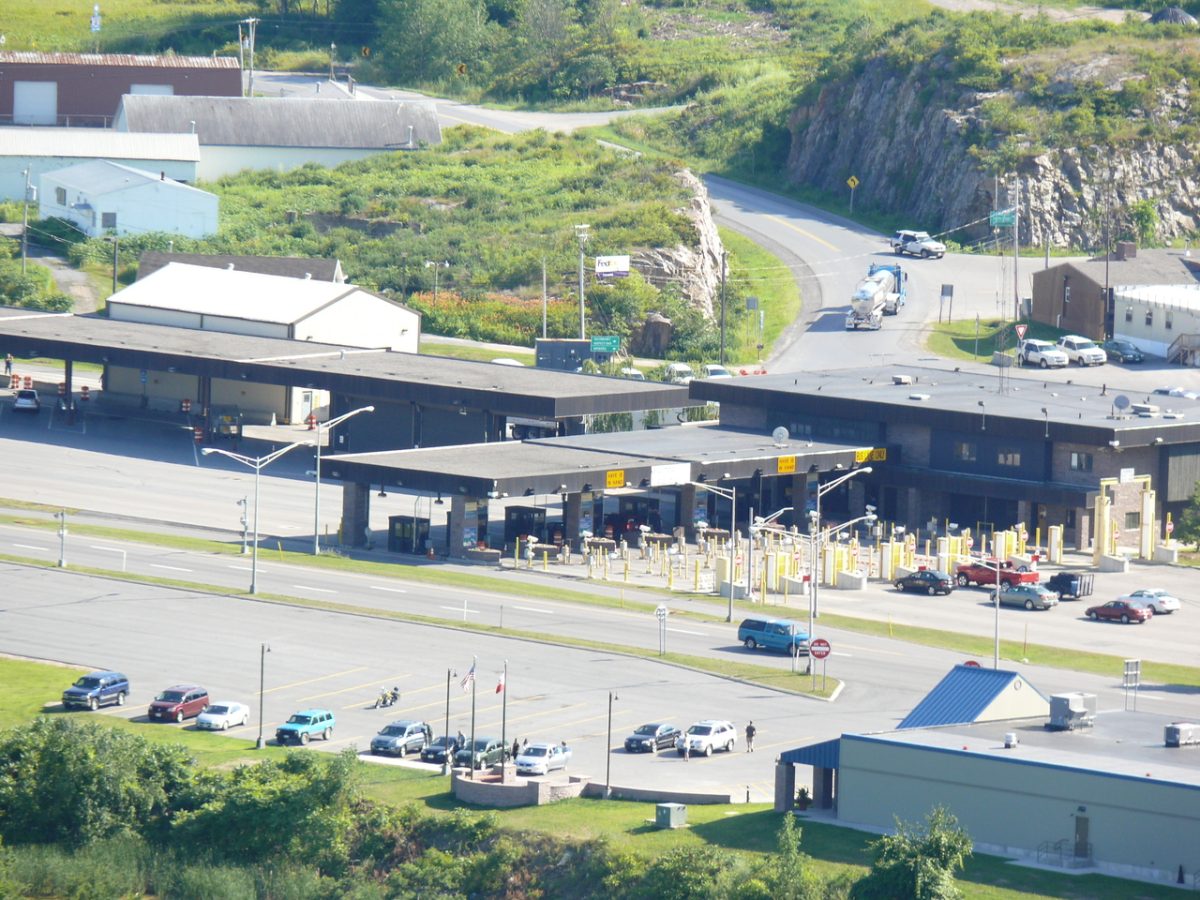
This crossing looks scenic enough to feel like part of the vacation, until you hit the line. Sitting along a popular tourism route between Ontario and New York State, it sees huge seasonal swings. Summer weekends bring campers, RVs, and boats, which all take longer to process. Larger vehicles need extra checks and space, slowing everyone behind them. A 15-minute crossing on a weekday can stretch past an hour on a busy Friday. The charm of the view doesn’t change the math. More vehicles plus limited booths equals longer waits.
5. Lewiston – Queenston Bridge
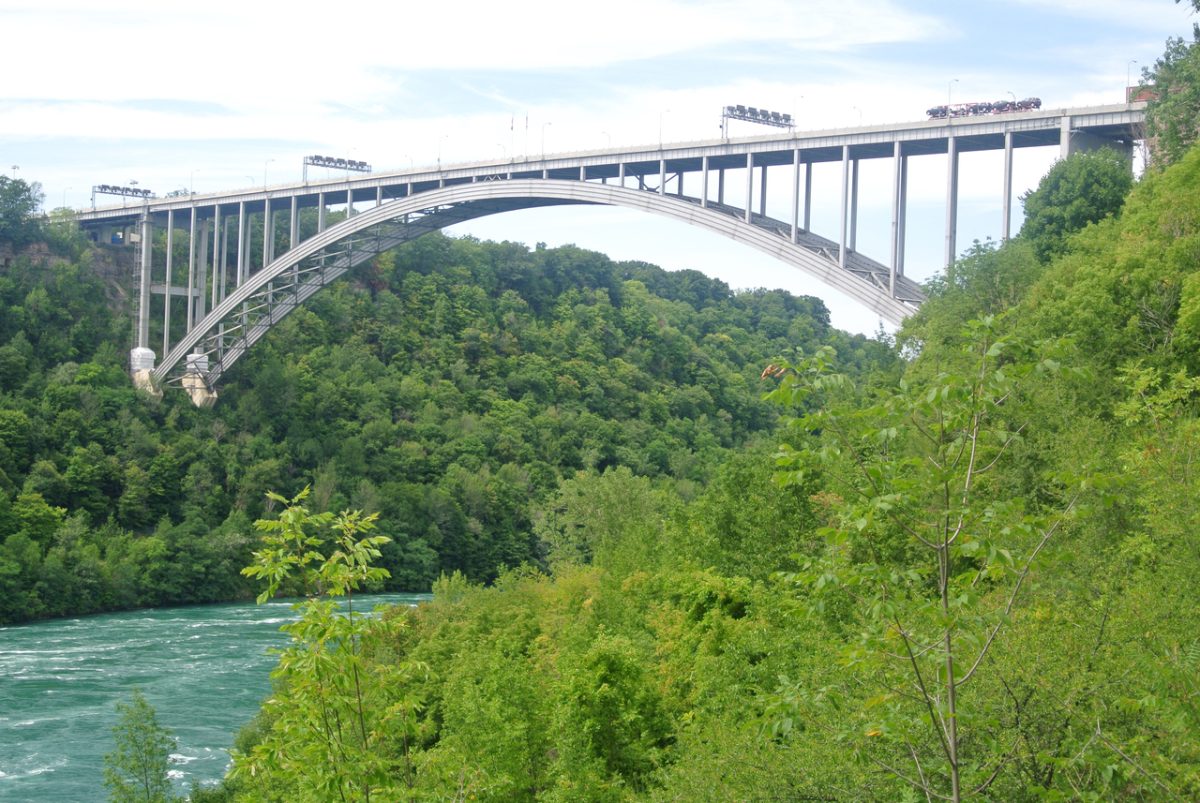
Lewiston–Queenston handles a lot of commercial traffic, which naturally slows things down. Trucks require more documentation and occasional inspections that can take several minutes each. Multiply that by hundreds of vehicles, and the delays stack up. It’s also a key route for drivers avoiding more tourist-heavy crossings near Niagara Falls. That detour strategy often backfires, creating congestion here too. The crossing works best midweek, but on Fridays or holiday eves, wait times easily climb past an hour, sometimes much longer for freight.
6. Rainbow Bridge Border Crossing
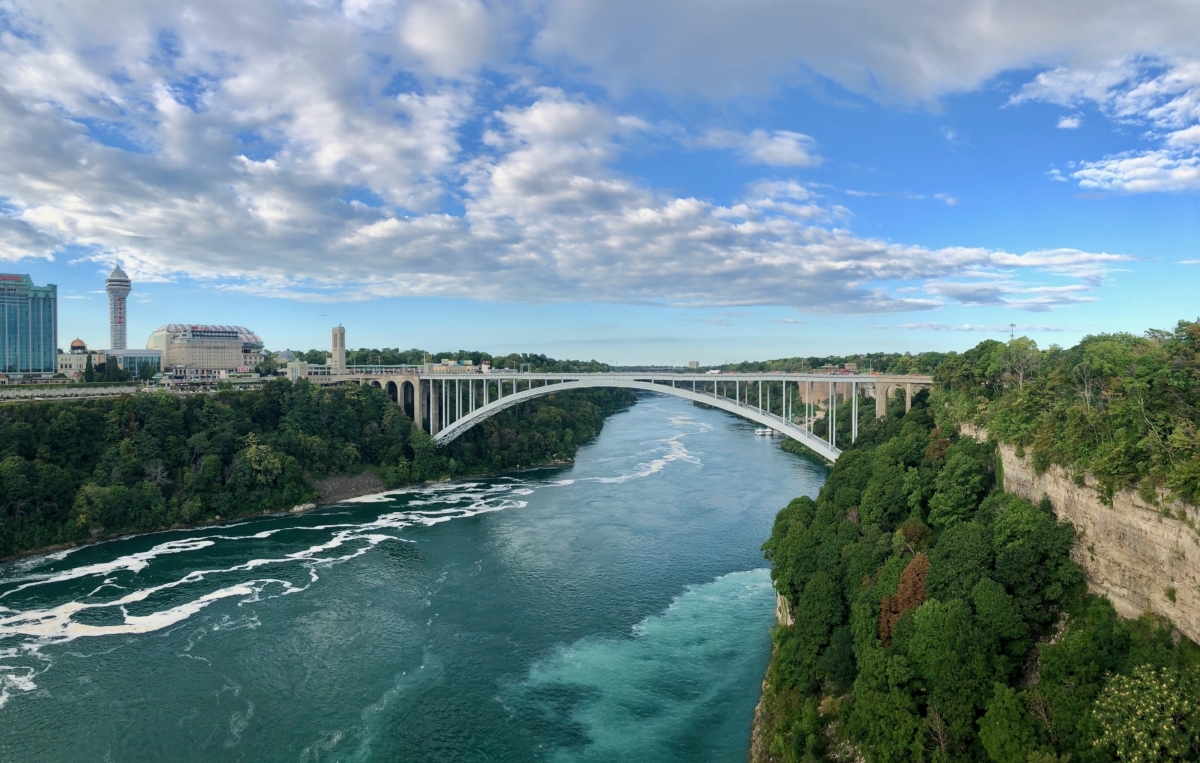
Rainbow Bridge is built for views and foot traffic, not speed. It’s popular with tourists who want to walk between the U.S. and Canada, which adds another layer of screening. Pedestrian processing can slow vehicle lanes, especially during peak sightseeing months. Buses and tour groups add more complexity. This isn’t a commuter crossing, it’s a tourist one, so flows are unpredictable. Midday can feel chaotic. If you arrive at the wrong moment, you’re stuck idling with a postcard view while the line inches forward.
7. Dorohusk-Yahodyn border crossing
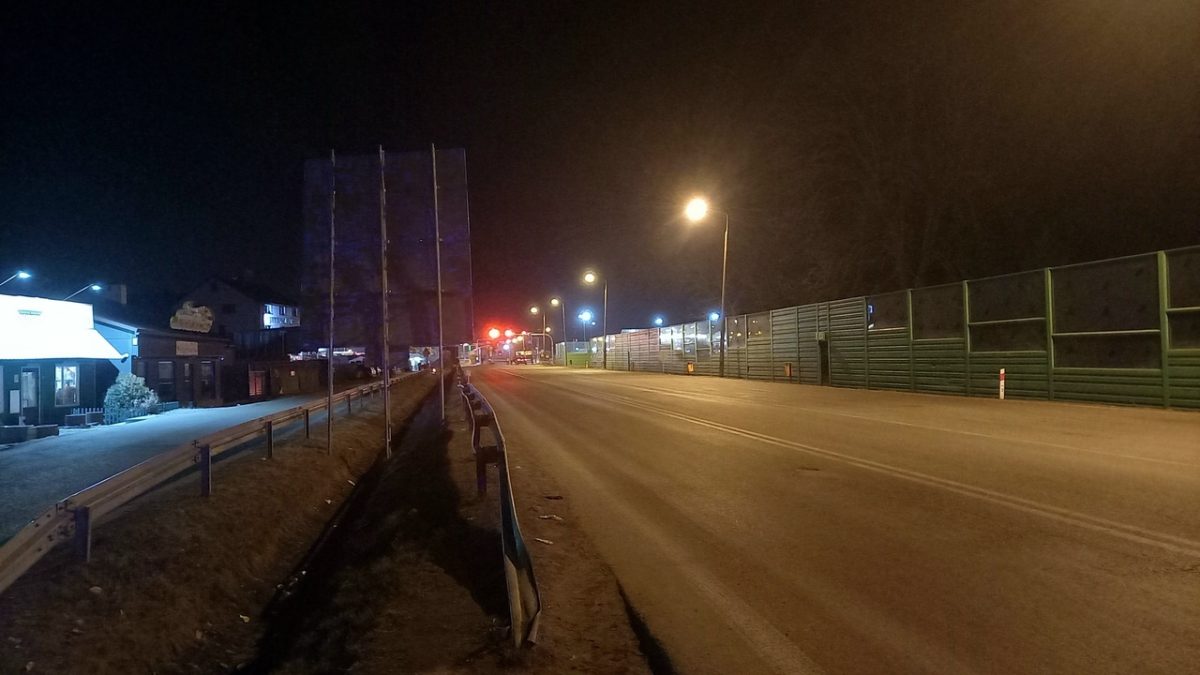
Here, the scale of delay is on another level. This crossing has seen truck lines stretch for miles, sometimes lasting days rather than hours. Increased trade flows, war-related logistics, and periodic protests by transport groups have all squeezed capacity. When freight inspections slow, there is nowhere for trucks to go, so they simply park on the approach roads. Drivers sleep in their cabs while waiting. It’s less a queue and more a temporary settlement of vehicles. For businesses moving goods, this turns delivery schedules into guesswork.
8. Korczowa-Krakovets border crossing
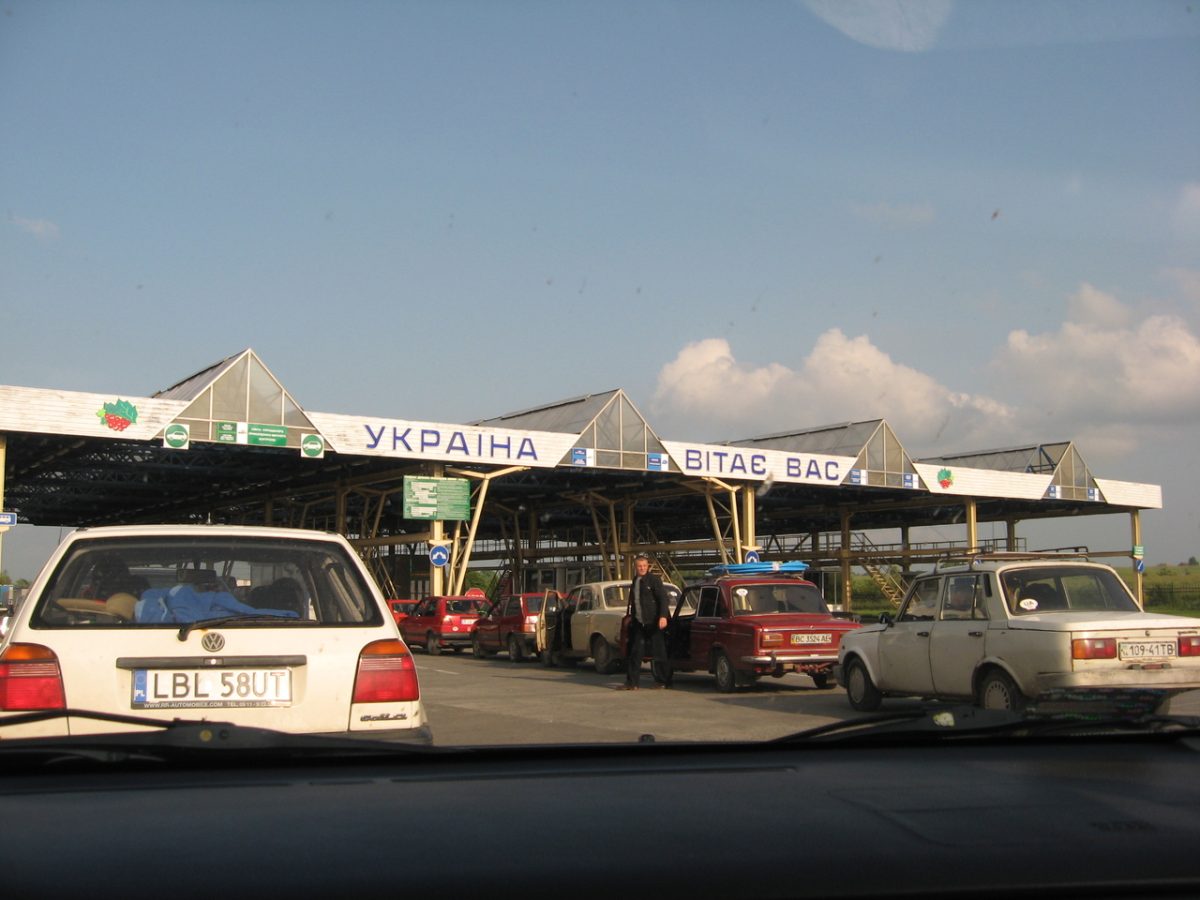
Korczowa–Krakovets acts as another major gateway between the European Union and Ukraine, so it absorbs both commercial and humanitarian traffic. That mix makes processing complicated. Relief shipments, private vehicles, and heavy freight all compete for the same space. Security checks are thorough, which slows throughput but remains necessary. During peak periods, drivers plan for multi-hour waits as standard practice. This crossing shows how geopolitical pressure and everyday travel can collide, turning a routine checkpoint into a bottleneck.
9. Medyka-Shehyni border crossing
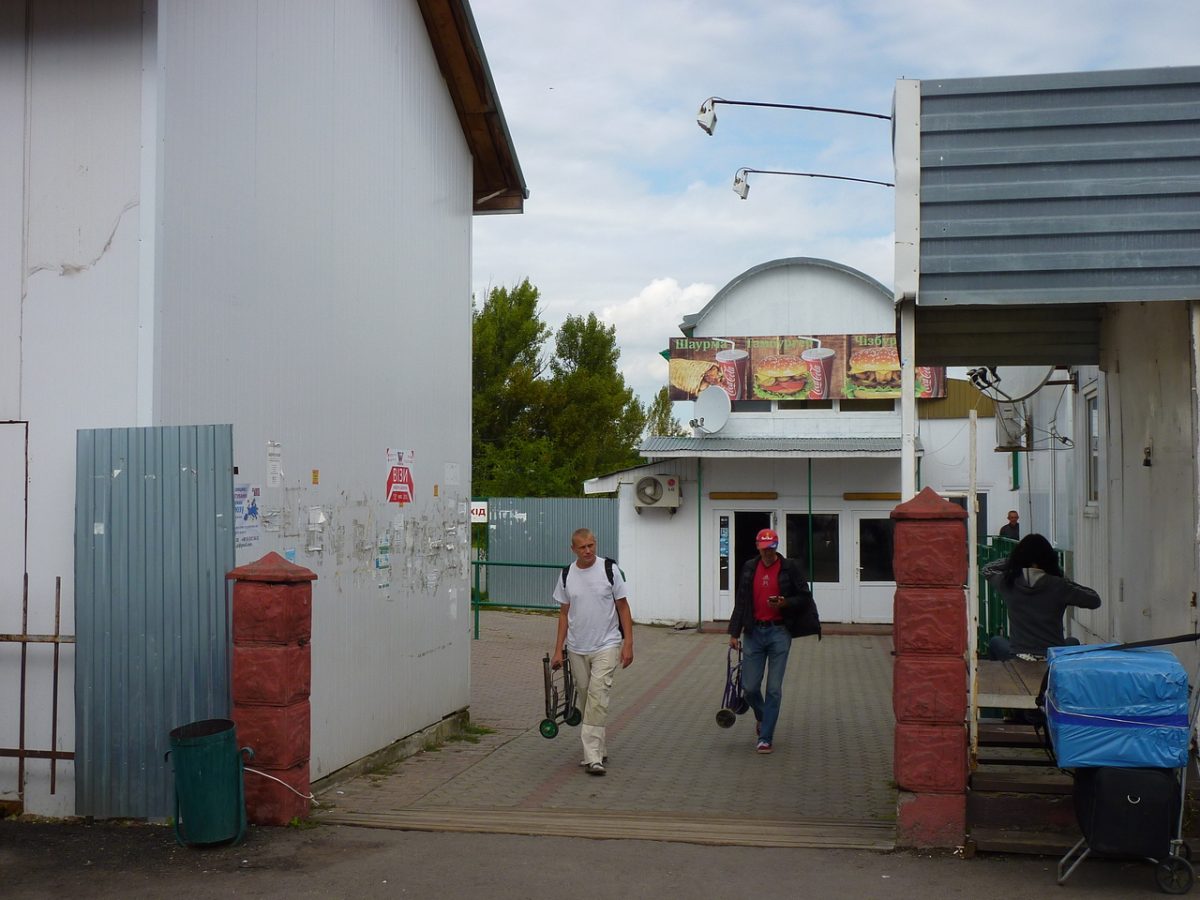
Medyka–Shehyni is heavily used by pedestrians and buses, not just cars. That adds complexity that most crossings don’t face. People on foot with luggage, aid workers, and families all need individual checks. Processing takes time, especially during surges. Even when vehicle traffic looks manageable, pedestrian lines can spill out for hours. It’s a human-heavy crossing, and that slows things naturally. The pace reflects careful screening rather than inefficiency, but the wait still tests patience.
10. Hrebenne-Rava-Ruska border crossing
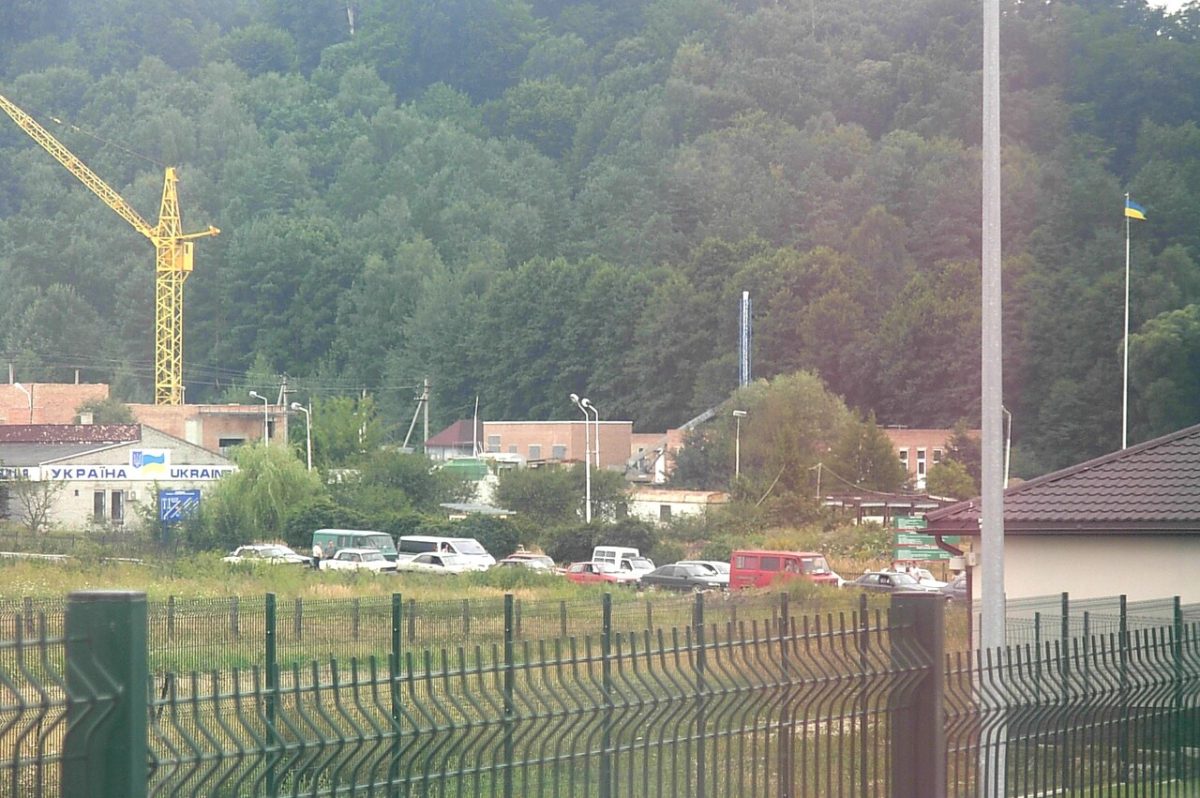
This crossing quietly handles a large share of cargo, which means steady pressure all day. Unlike tourist spots that spike seasonally, Hrebenne–Rava-Ruska deals with constant freight demand. If even a few inspections take longer than expected, queues stack fast. Drivers often arrive expecting delays and bring supplies accordingly. The wait has become part of the routine. It’s a practical reminder that borders serving trade rarely get downtime, and constant use naturally stretches capacity.
11. Shenzhen Bay Port
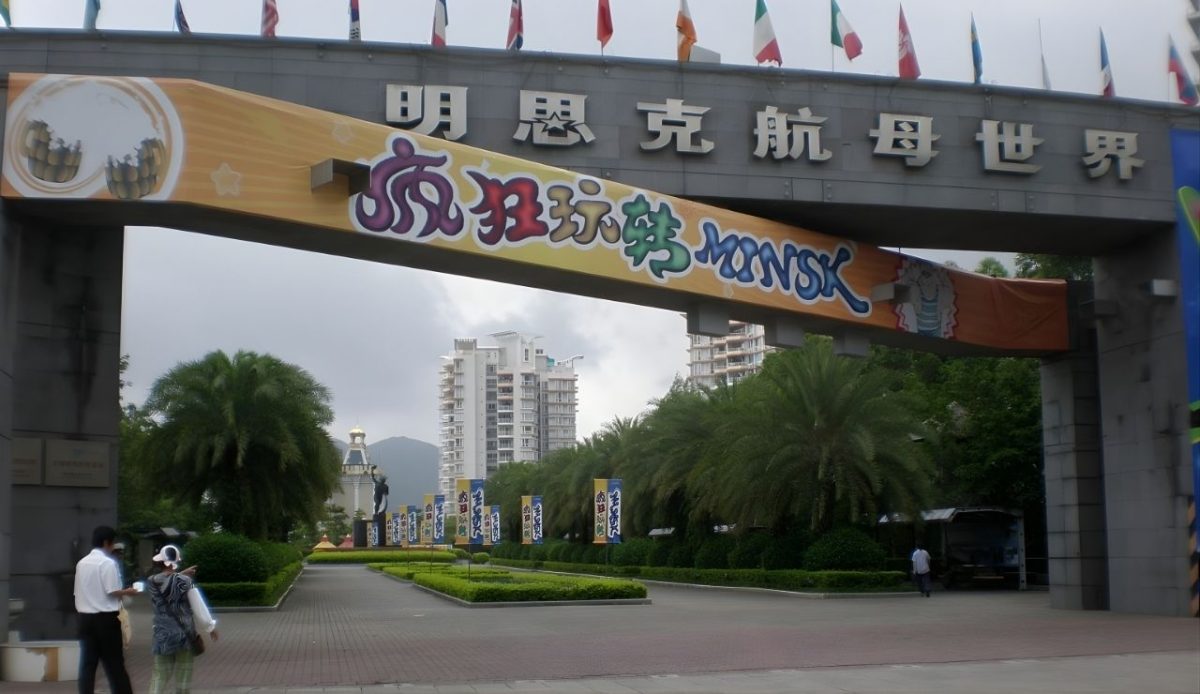
Major Chinese checkpoints like Shenzhen Bay face intense holiday surges. During Lunar New Year or national holidays, daily crossings jump into the millions. Even well-designed facilities struggle with that volume. Long immigration lines and vehicle inspections slow everything down. Families traveling with bags and gifts take longer to process, which compounds delays. The system works most days, but during peak travel, demand simply outpaces capacity. Planning around holidays becomes essential if you want to avoid marathon waits.
12. Frankfurt Airport
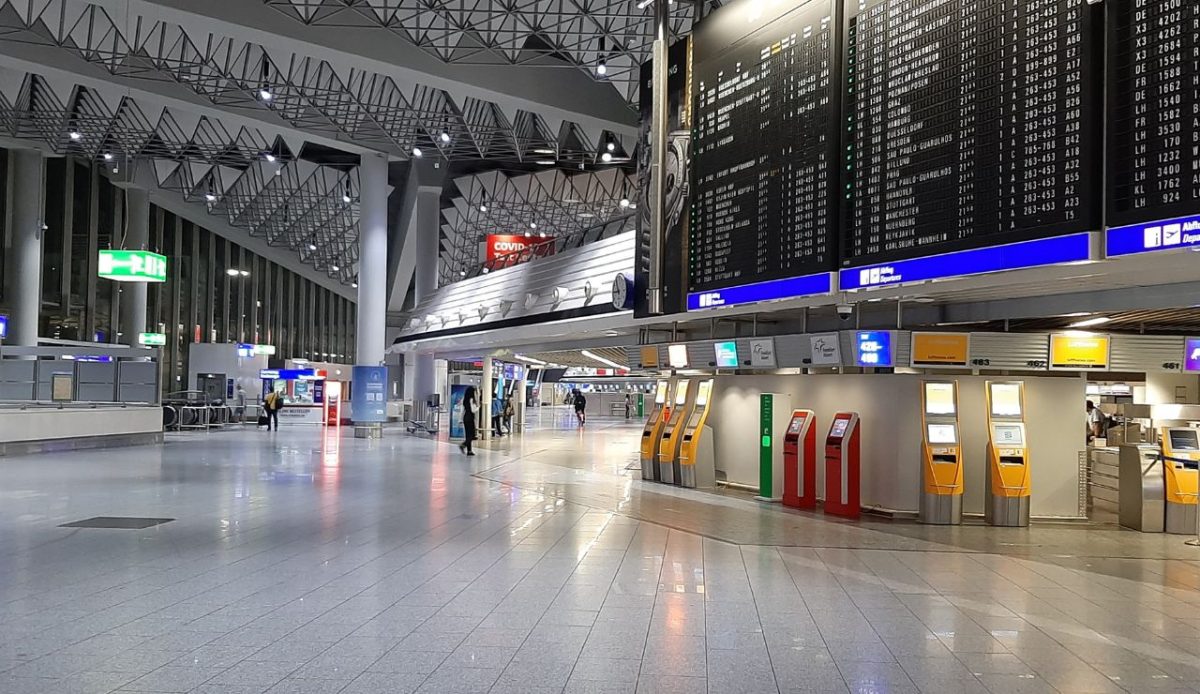
Airports count as border crossings too, and places like Frankfurt feel the strain as new biometric systems roll out across Europe. Extra steps, such as fingerprint or facial scans add seconds to each traveler. Multiply that by thousands of passengers, and queues grow quickly. Even small technical glitches can halt automated gates. The goal is stronger security and better tracking, but during the transition period, travelers often face hour-long lines. It’s a reminder that modernization can temporarily slow things before it speeds them up.
