
Bondi is iconic, but its open-ocean setting can bring steady swell, shifting sandbars, and rips that test casual swimmers. Australia also has beaches where calmer water is produced by bays, headlands, reefs, rock pools, or creek mouths that blunt wave force. Many have clear swim zones and frequent patrols in peak season, which helps visitors choose safer entry points. Crowds are often lighter, the surface chop is lower, and visibility can be better for kids and first-time snorkelers. Conditions still change daily, so flags and local notices matter, yet these spots are usually gentler than Bondi for a relaxed dip.
1. Parsley Bay, Sydney
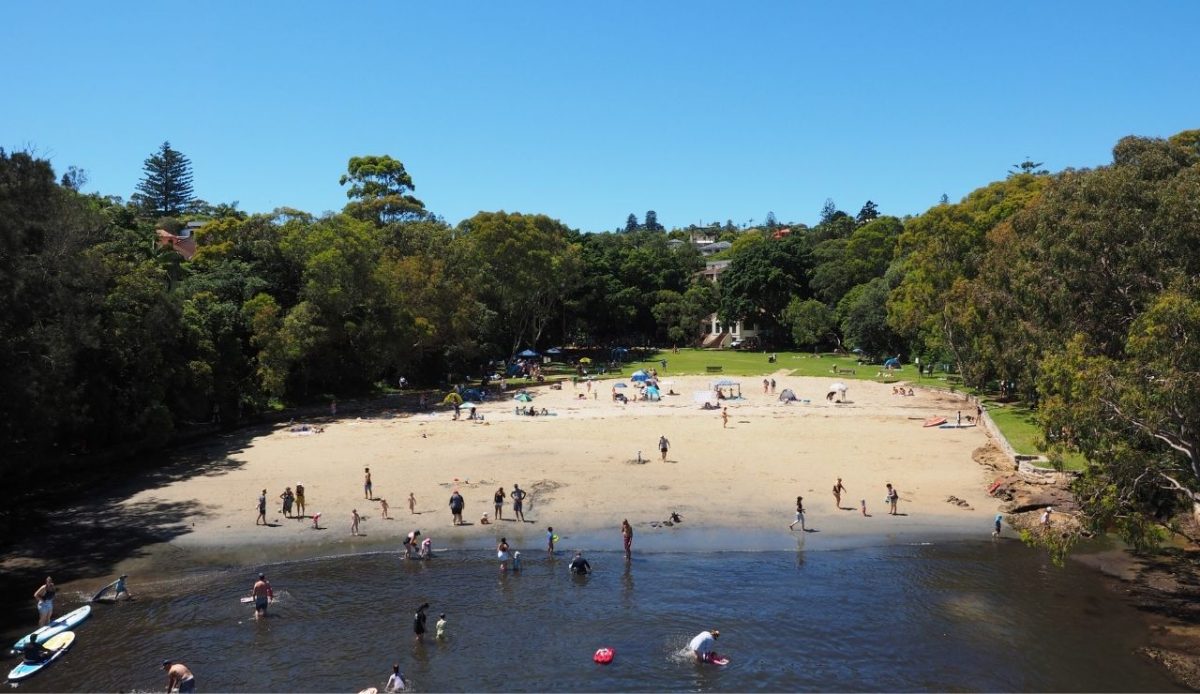
Parsley Bay is a small harbour inlet with a narrow mouth that reduces wave energy and limits strong currents. Swimmers often find the surface calmer than open beaches, which supports easy floating and steady laps close to shore. An enclosed swimming section is frequently used, helping beginners keep bearings and avoid drifting. Because the bay is compact, sound carries and supervision is easier when children are in the water. Tides still affect depth and clarity, so plan for mid to high tide, and keep clear of the wharf and mooring lines. If rain has been heavy, wait a day so runoff settles and water quality improves.
2. Balmoral Beach, Sydney
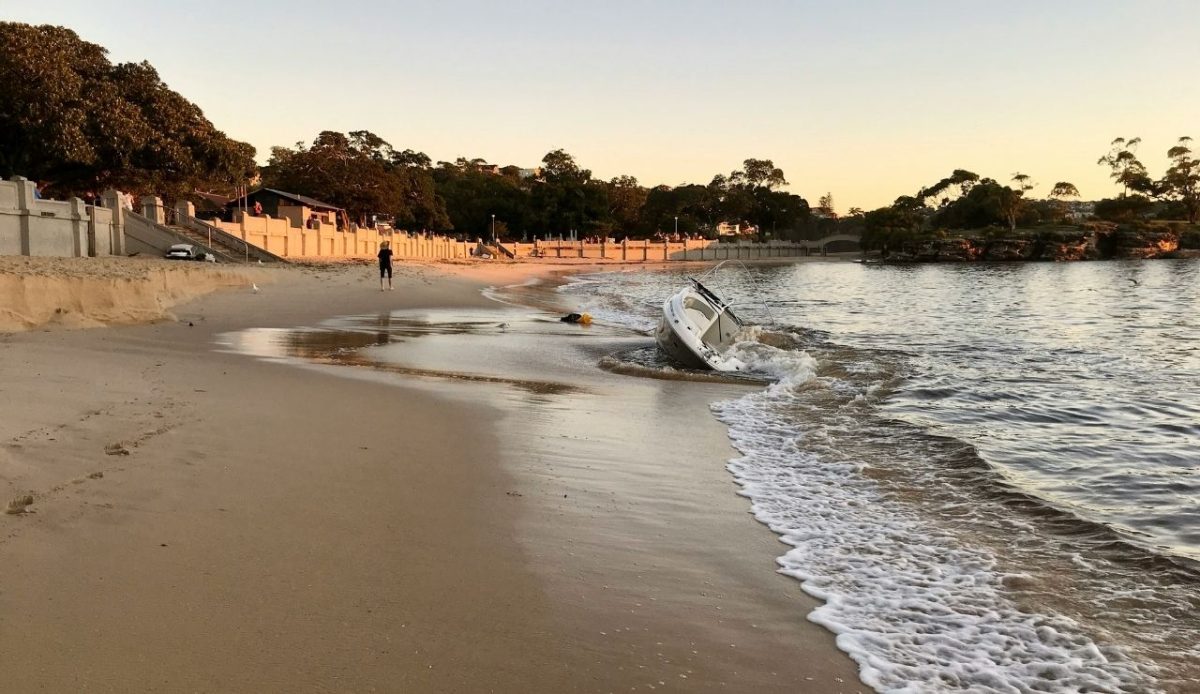
Balmoral Beach is set within Sydney Harbour, so most ocean swell is blocked before it reaches the sand. That protection usually keeps waves small and the waterline stable, which helps less experienced swimmers maintain control. The seabed slopes gently, allowing gradual depth change and easy exits when a break is needed. During peak season, lifeguards and flags guide visitors toward safer lanes, while nearby facilities support longer stays. For the calmest swim, choose a time with lighter wind, keep distance from paddle craft routes, and avoid the busiest boat launch areas. If you swim for exercise, follow the flags and consider a swim buoy.
3. Shelly Beach, Manly
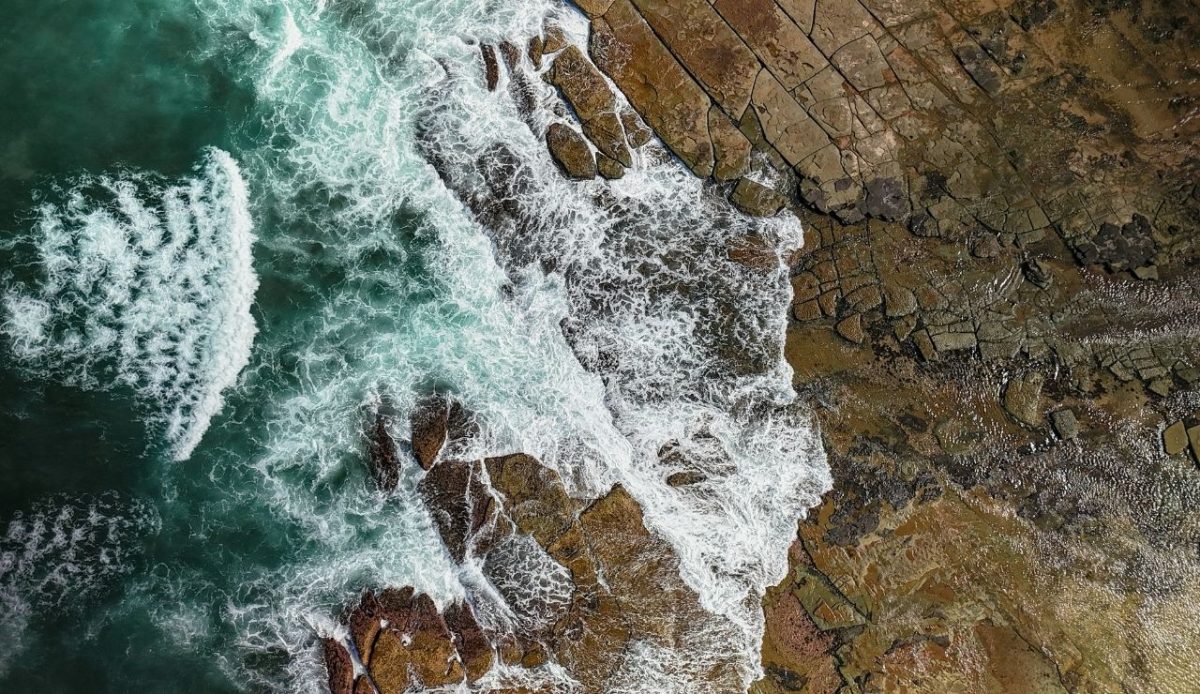
Shelly Beach lies in a sheltered cove beside Manly, facing away from the strongest Pacific swell. With less wave action, swimmers can focus on breathing rhythm and steady strokes rather than timing sets. The marine protected area limits disruptive activities, and visibility can be better for beginner snorkelers near the rocky margins. Rips are less common than on open surf beaches, yet conditions can still shift with tide and wind. Enter via the sandy center for the gentlest footing, and treat the rock edges with care because algae can make them slick after high tide. When busy, pass wide of snorkel groups to avoid bumps.
4. Little Manly Cove, Sydney
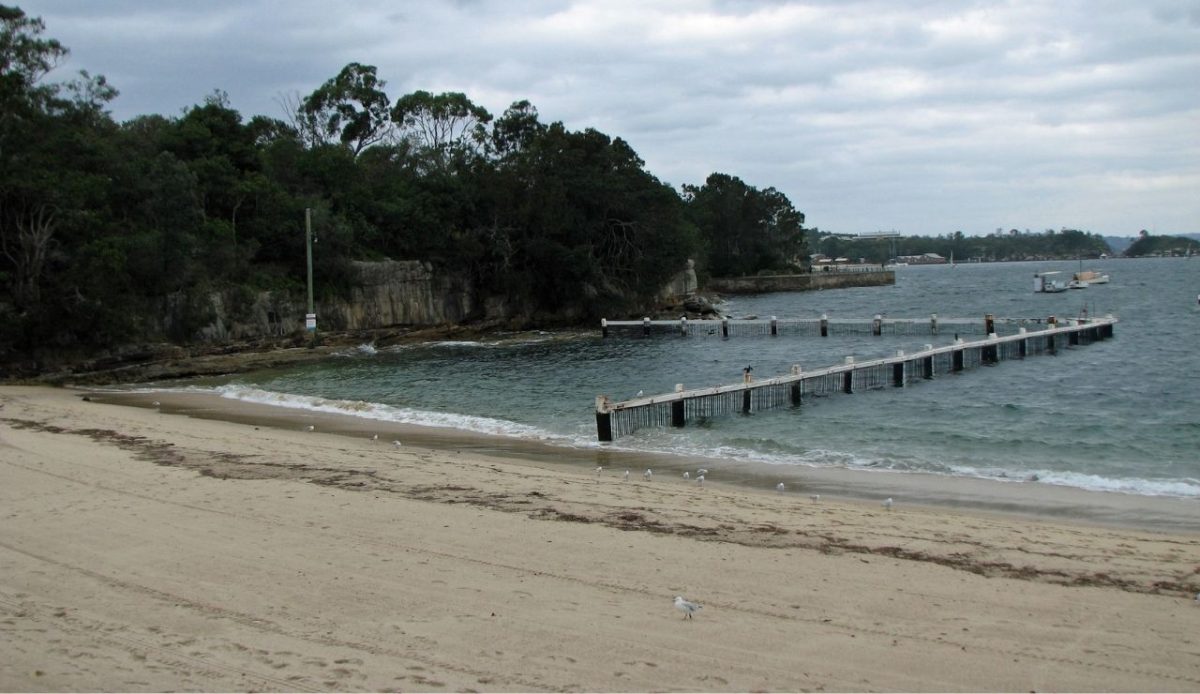
Little Manly Cove provides a harbour swim that feels controlled because the water is protected from ocean swell by surrounding land. A shark net and a defined swimming area are often used, which can reassure visitors who dislike open surf. The cove is narrow, so drifting is limited and it is easy to keep landmarks in view. Because the beach is small, it can fill quickly on weekends, so arrive early and keep children within arm’s reach near the steps and rocks. Look for the quietest water behind the net and avoid times when ferry wakes are frequent. Swim at slack tide when current is weakest. Always stay in daylight.
5. Noosa Main Beach, Queensland
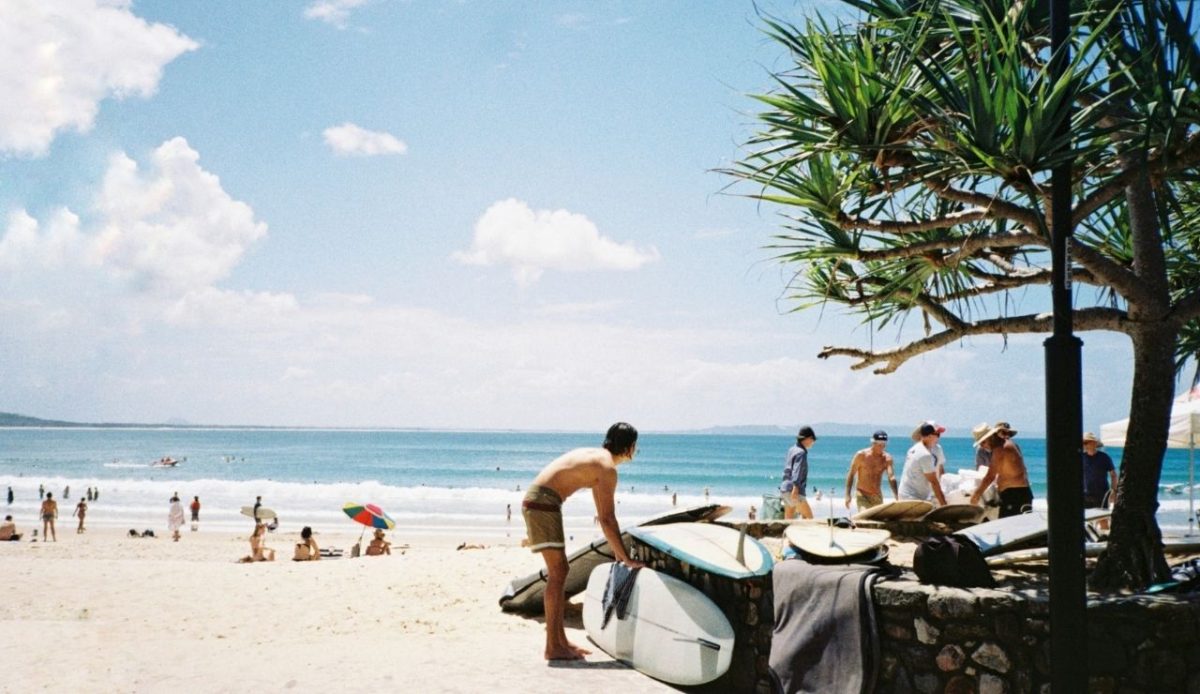
Noosa Main Beach faces north, which helps block the dominant southerly swell that drives rougher surf along much of the east coast. Wave height is often lower, and the shoreline shelves gradually, supporting steady wading and easier exits. Patrol flags guide swimmers toward safer lanes during busy periods, which reduces risk for visitors unfamiliar with local currents. For the calmest water, choose early morning before sea breezes build and avoid the river mouth area after heavy rain. Shops and shade are close, yet sun reflection off flat water can burn quickly, so use protection. The headland also helps block wind-driven chop.
6. Greenmount Beach, Queensland
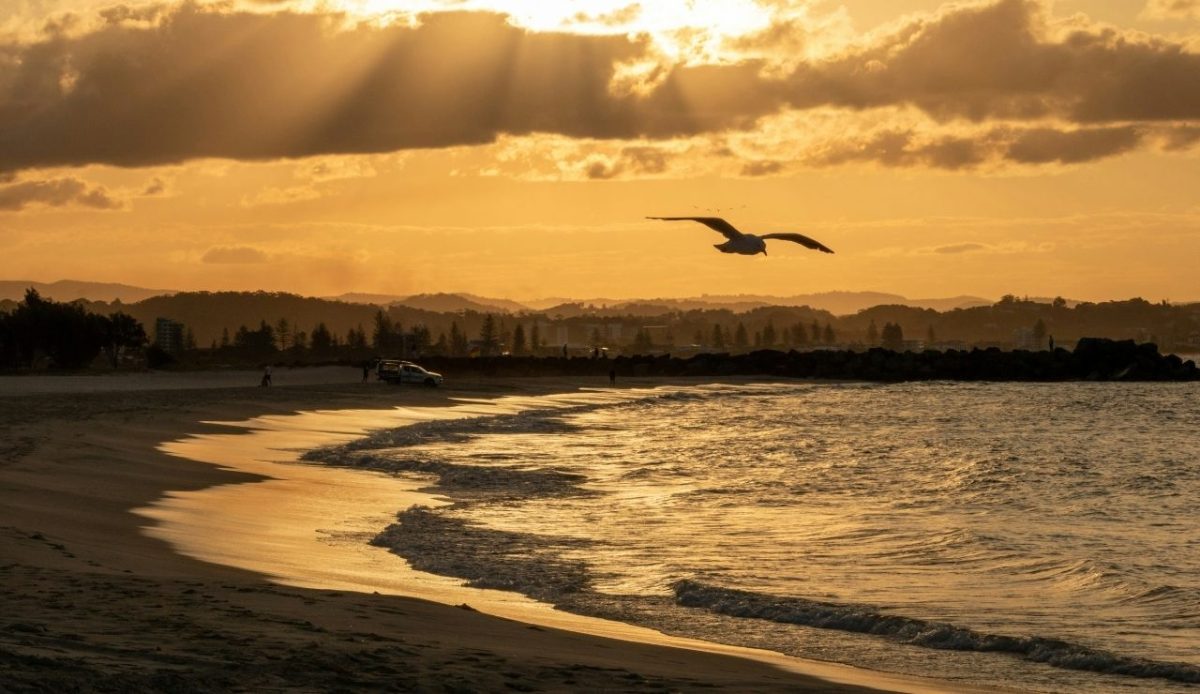
Greenmount Beach, near Coolangatta, benefits from headland protection that reduces direct swell compared with many open Gold Coast breaks. Smaller waves and clearer swim zones can make it feel calmer than Bondi, especially for people who want to stay in waist to chest depth. Patrol coverage is common in peak season, and the beach profile often supports predictable entry. Still, currents can appear, so stay between flags, avoid swimming near rocks, and step out if the water begins pulling sideways. After storms, sandbars can shift, so ask lifeguards where the safest swim lane is that day. If a rip is spotted, move toward shore at once.
7. Tallebudgera Creek, Queensland
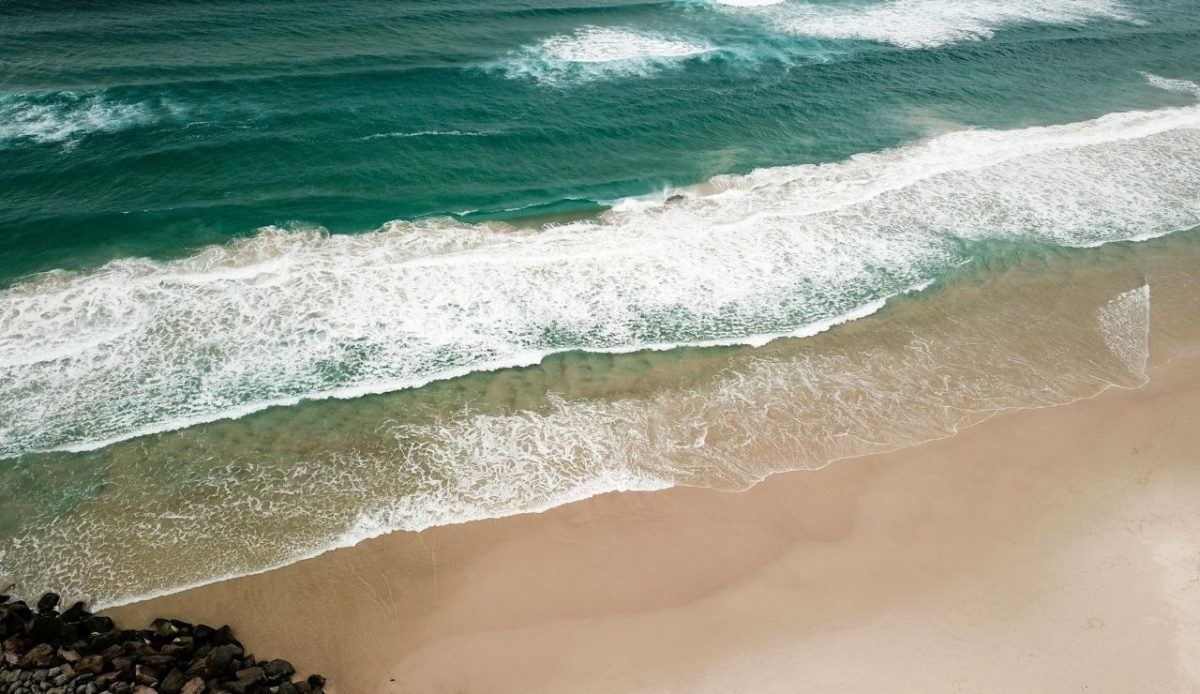
Tallebudgera Creek offers a flat-water alternative where the current is usually gentler than ocean surf, especially away from the bar. Because the banks create shelter, the surface can stay smooth for floating, beginner paddling, and slow laps along the sand. The safest approach is to pick a section with clear visibility and avoid the main channel used by boards and small craft. Swim on a rising tide for cleaner water movement, and keep an eye on children since depth can change quickly near the edges. On busy days, keep right of the main paddling lane and exit if you feel the current strengthen.
8. The Basin, Rottnest Island, Western Australia
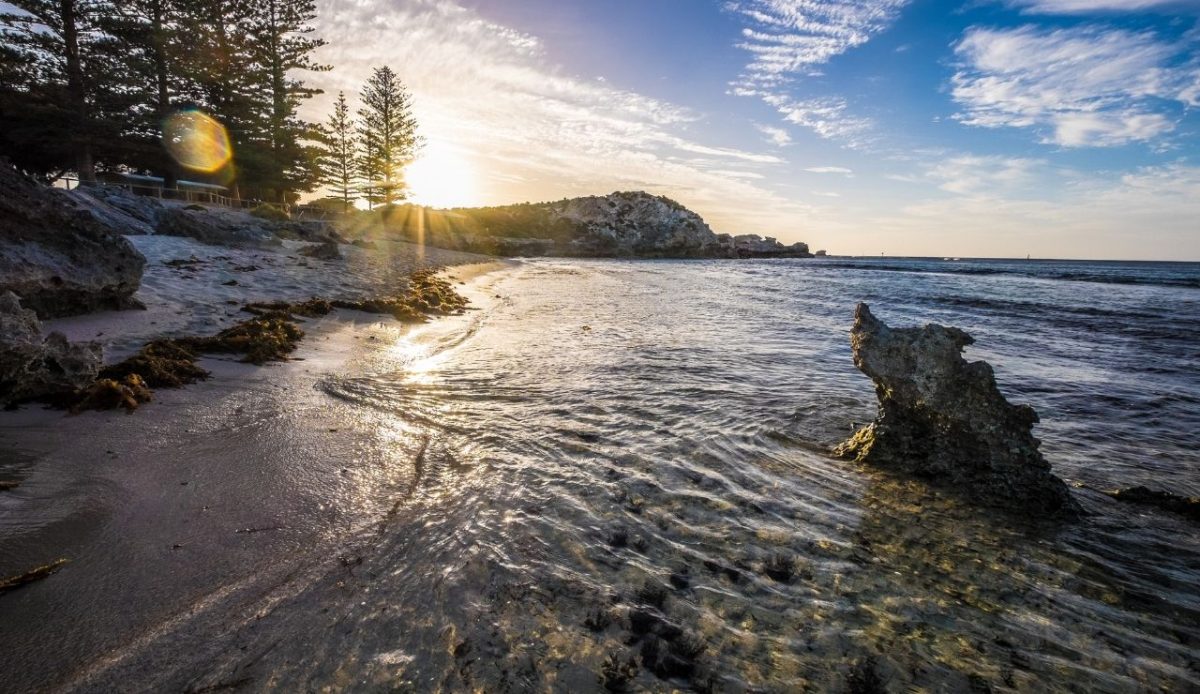
The Basin on Rottnest Island is known for protected, clear water that often behaves like a natural lagoon. Rock formations help break wave energy, so swimmers can enter without timing sets and can pause safely in the shallows. Because visibility is good on many days, people often combine a gentle swim with short snorkel loops close to shore. Conditions can still shift with wind, so avoid swimming alone, watch footing on limestone, and follow any local safety notices on the island. Rangers post updates at key paths, and those notes are worth reading before you enter the water. A short walk from the lookout lets you gauge swell before you swim.
9. Greens Pool, Western Australia
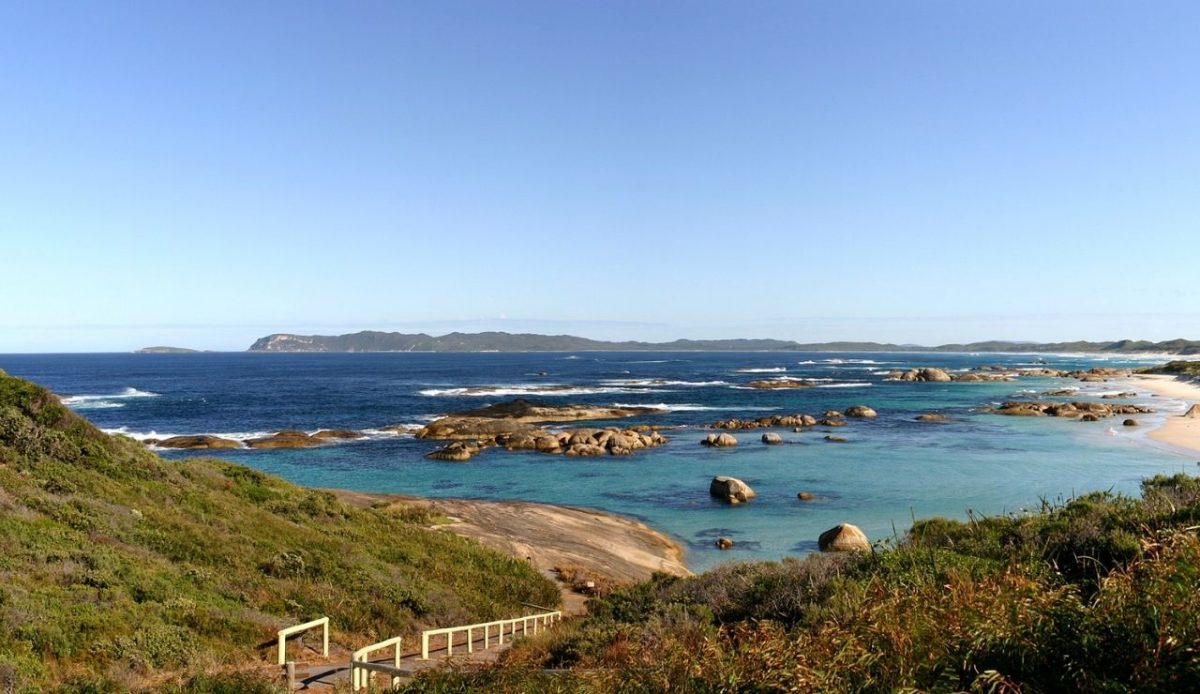
Greens Pool near Denmark is protected by large granite boulders that block Southern Ocean swell before it reaches the swim area. The result is usually calm, clear water where families can wade and float without strong breakers. Because the rocks create a natural barrier, currents tend to be limited compared with open beaches, though waves can still wash over in storms. Check conditions at the lookout, keep children away from rock ledges, and plan for midday light if you want the clearest visibility. Even with protection, the ocean can surge in winter, so visit only when the pool looks calm from shore.
10. Half Moon Bay, Melbourne, Victoria
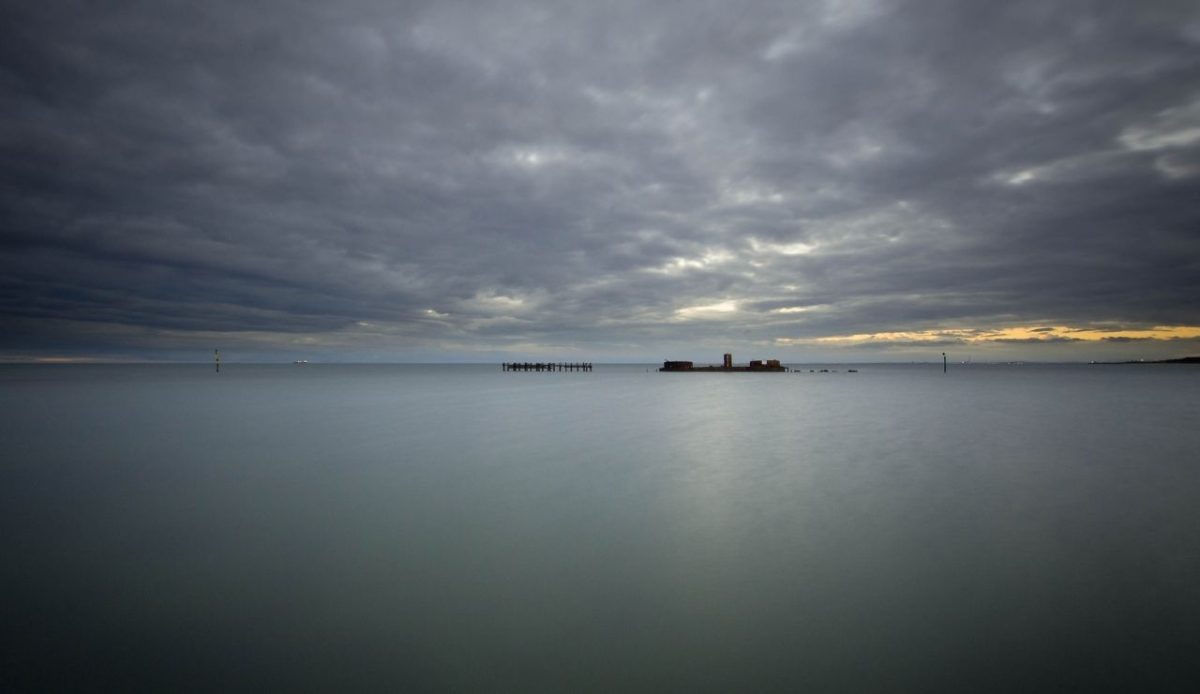
Half Moon Bay at Black Rock is sheltered inside Port Phillip, so it avoids the strong ocean swell that shapes surf beaches. That protection often keeps the water surface calmer and makes entry easier for people who dislike breakers. The nearby pier and historic sea bath area provide clear reference points, helping swimmers stay oriented close to shore. Because the bay can have boat activity, choose a swim zone away from craft, watch for sudden depth near the rocks, and follow posted water-quality notices. Water temperature can feel cool, and a short acclimation period helps prevent overexertion.
11. Sorrento Front Beach, Victoria
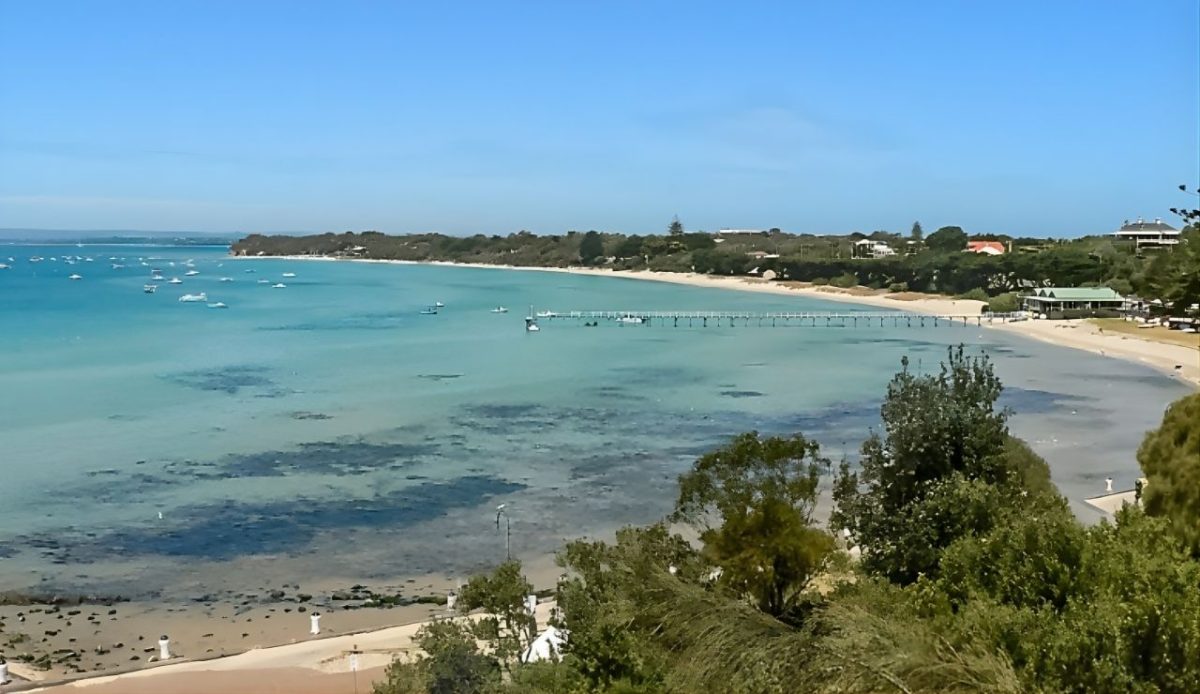
Sorrento Front Beach faces Port Phillip Bay, giving it generally gentler water than the peninsula’s back-beach surf side. Small waves and a protected setting support relaxed swimming and safer play for children under supervision. It is still important to note that tidal flow in the wider area can be strong, so staying close to shore and reading signs matters. Pick calm weather for the smoothest surface, avoid jumping from structures, and use designated access points to reduce the risk of slipping. Families often prefer the front beach for calmer play, but supervision remains essential near deeper patches.
12. Glenelg Beach, Adelaide, South Australia
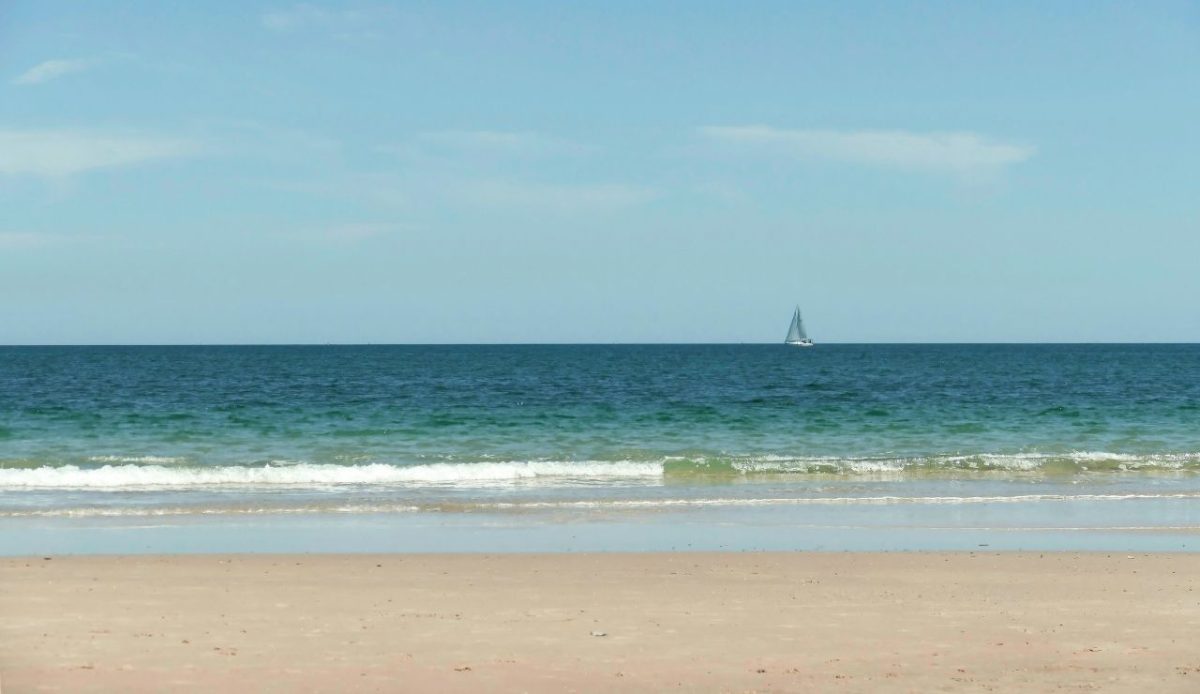
Glenelg is Adelaide’s classic metro beach, with a long, gently sloping shoreline that often provides calmer swimming than exposed surf coasts. Patrolled areas in peak season help visitors choose safer zones, and the broad sand makes it easy to enter and exit without scrambling over rocks. Because the area is popular, swimmers should keep clear of jetty lines and watercraft paths. For the safest experience, swim near lifeguards, follow flag guidance, and avoid late-day winds that can add chop and reduce visibility. Trams and services make access easy, yet the safest swim is still the one kept within flagged boundaries.
