
Hotels work hard to make each stay comfortable, yet many guests unintentionally make that task harder. People often forget that hotels are shared spaces where noise, clutter, or careless habits affect everyone. Actions like talking loudly in hallways, ignoring “Do Not Disturb” signs, or misusing amenities disrupt both staff and other travelers. Paying attention to small courtesies helps rooms stay clean, hallways quiet, and service consistent. A little awareness turns an ordinary visit into a respectful, peaceful stay for all.
1. Using Speakerphone In Lobbies, Elevators And Corridors

Speakerphone calls often annoy travelers who expect peace in public areas. Whether a business chat or a video call, the echo turns private talk into background noise for strangers. Elevators amplify every word, and lobbies lose their calm atmosphere. Most hotels suggest using headphones, but many ignore the reminder. Holding the phone directly or using earbuds helps maintain politeness. Respecting shared spaces allows others to unwind without hearing conversations meant for someone else entirely.
2. Sneaking In Extra Guests Or Pets Against Policy

Bringing extra guests or unregistered pets seems harmless until issues appear. Room limits exist for safety, cleaning, and insurance reasons. Overcrowding strains bedding, towels, and plumbing systems not built for that use. Unregistered pets can cause allergies or leave odors that require deep cleaning and chemical treatment. Hiding extra occupants breaks policy and adds unfair pressure on staff. Being honest with the front desk helps maintain safety and fairness while avoiding surprise charges during checkout.
3. Smoking Or Vaping In Nonsmoking Rooms

Ignoring nonsmoking rules creates lasting problems for the next guest. Smoke and vapor seep into carpets, vents, and curtains, leaving smells that professional cleaning cannot remove easily. Detectors now sense both vapor and nicotine particles, and violations bring heavy cleaning fees. Designated outdoor spots exist for this reason. Stepping outside keeps rooms fresh and prevents the next traveler from breathing stale air. Following these basic rules protects your reputation and avoids unexpected penalties.
4. Cooking On Hot Plates Or With Open Flames
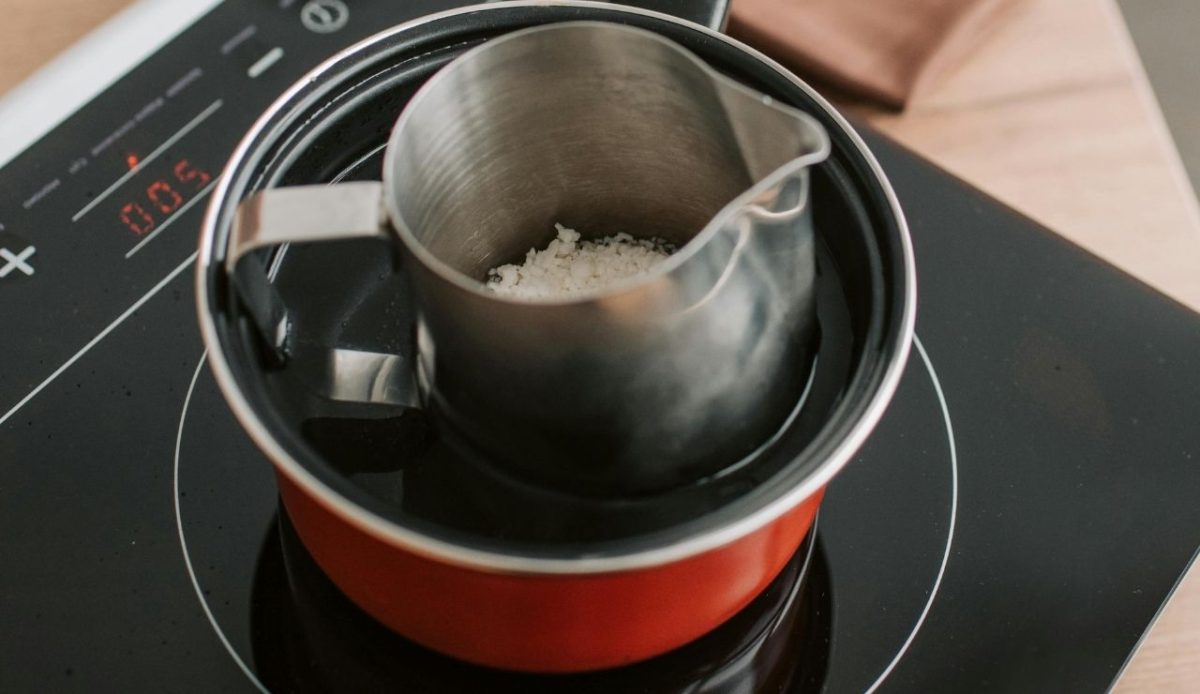
Portable stoves, candles, and hot plates create serious fire hazards in rooms without proper ventilation. Even simple meals release smoke and grease that stick to walls and fabric. Cooking odors linger for days and require professional cleaning services. Accidental flames or spills can ruin furniture and trigger alarms across the floor. Travelers who need to cook should choose rooms with kitchenettes or use shared microwaves. Responsible cooking habits help maintain fire safety standards across the hotel.
5. Leaving Wet Towels On Carpets And Furniture
Damp towels can stain carpets and cause mildew that spreads fast in humid rooms. When placed on chairs or rugs, moisture seeps into padding and leaves marks that never disappear. Hanging towels on racks or over the shower bar prevents damage and keeps the air dry. Housekeeping appreciates guests who help maintain cleanliness with small, thoughtful actions like this. It also keeps replacement costs low, which benefits future travelers with better-maintained rooms.
6. Tampering With Smoke Detectors Or Window Locks
Covering or disabling smoke detectors can cause false alarms and safety violations. Blocking a detector often alerts staff immediately and results in fines or eviction. Opening window locks or forcing them wider can break seals and damage climate control systems. These actions may seem small but endanger others on the floor and void insurance coverage. Leaving safety equipment untouched keeps systems functional and ensures everyone remains protected throughout their stay.
7. Ignoring Do Not Disturb And Service Preference Signs
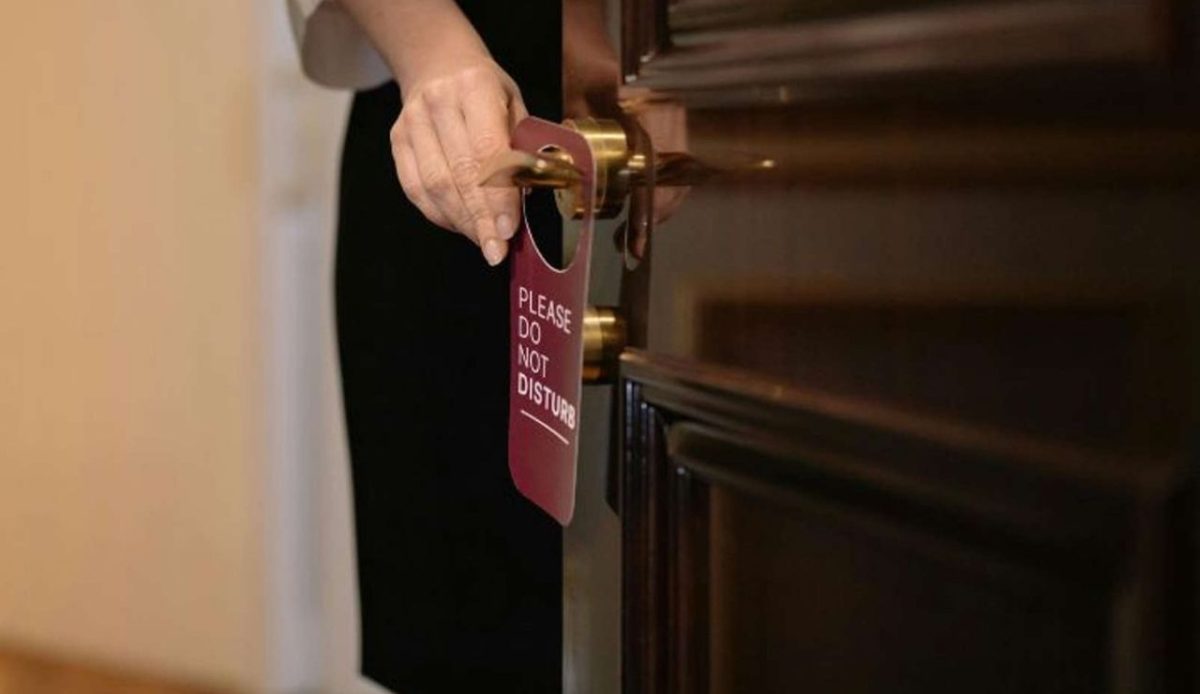
“Do Not Disturb” tags and service cards help hotels plan cleaning schedules efficiently. Ignoring them leads to confusion, missed housekeeping, or unwanted entry during private time. Some guests forget to remove the tag and later complain about skipped service or missing towels. Taking a moment to communicate with staff or remove the sign when leaving avoids misunderstandings. Respecting these signals supports staff coordination and keeps daily operations organized across the property.
8. Expecting Instant Housekeeping While Staying In The Room
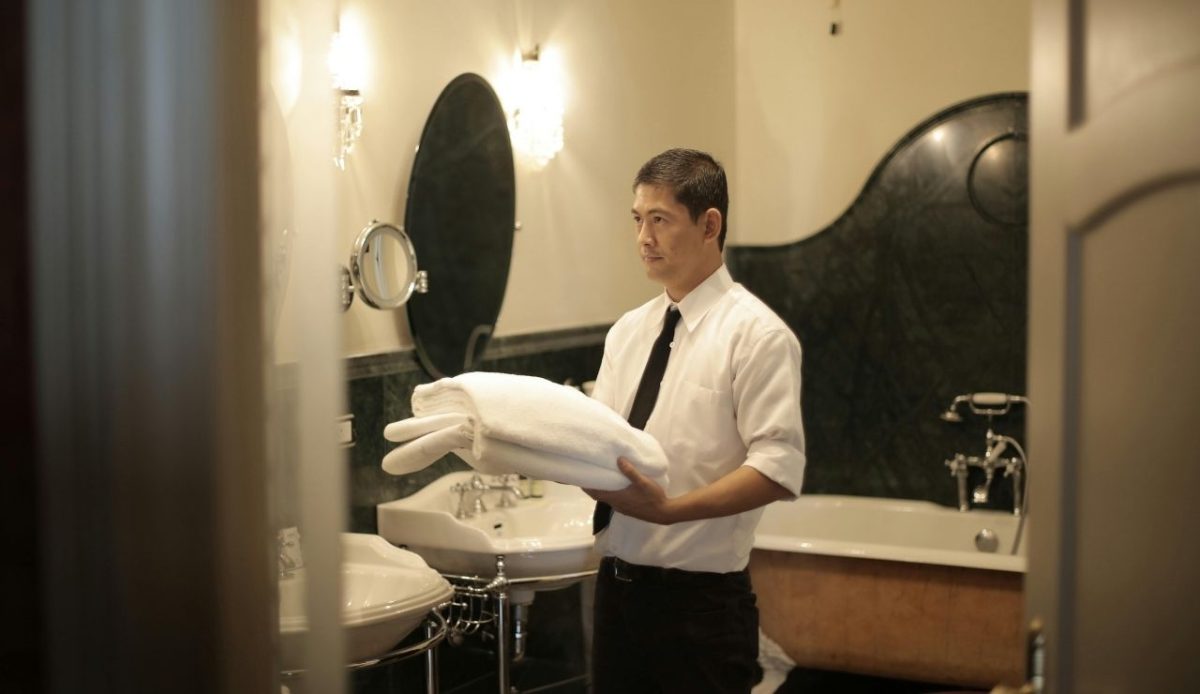
Housekeeping works fastest when rooms are empty. Guests who stay inside while expecting full service slow down the process for the entire floor. Staff must work around luggage and personal items, which limits what they can clean safely. Stepping out for a short walk or giving a specific time window helps them finish the job properly. This small act shows respect for staff schedules and ensures your room is cleaned with complete attention to detail.
9. Leaving Trash Food Spills And Dishes In The Room

Food waste and used dishes left in hallways create smells and attract insects that spread quickly. Even inside rooms, crumbs and spills damage carpets and furniture over time. Staff provide trash bins and collection options for a reason. Calling the front desk for pickup or leaving items on designated carts is considerate and efficient. Good cleanup habits show respect for shared spaces and help maintain hygiene standards that benefit every guest in the building.
10. Overusing The Front Desk For Simple Requests You Can Self-Serve
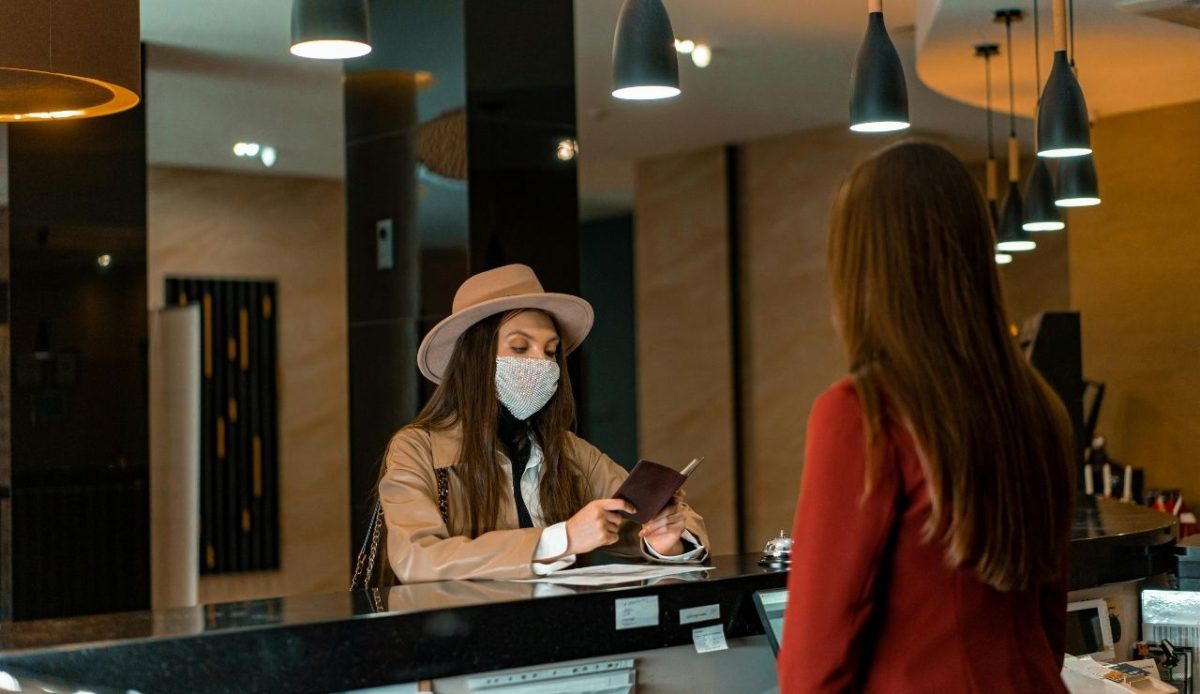
Front desk staff manage check-ins, checkouts, and emergencies all day. Calling them for small things like resetting a TV or finding towels wastes time for everyone waiting. Most hotels post QR codes or digital guides with answers to common questions. Checking those first shows consideration and helps employees focus on more urgent matters. Learning to handle small tasks independently makes your stay smoother and improves service for other guests at the same time.
11. Refusing To Tip Staff Where Customary

Tipping remains a gesture of appreciation for those who clean rooms or carry luggage daily. Many guests skip it, assuming service fees cover the work, but most staff depend on those small amounts to support their income. A few dollars each night or a short thank-you note can brighten their day. Recognizing the people behind the scenes builds goodwill and keeps morale high. Showing gratitude often results in faster, friendlier service during your stay.
12. Pocketing Towels Robes And Room Accessories As “Souvenirs”

Taking hotel towels, robes, or even small decorations might seem harmless, but it’s considered theft and has real consequences. Every item that goes missing increases replacement costs, which eventually get passed on to future guests. It also slows down housekeeping, since staff need to restock and reorder before the next check-in. To prevent losses, many hotels now place discreet tracking chips in linens. If you truly like something, check the gift shop or ask the front desk. Leaving items behind helps keep rooms affordable and ready faster.
