
Climate pressure isn’t a distant forecast anymore. In many U.S. destinations, visitors already run into hotter peak seasons, smoky air, repeat flooding, or closures after fire and storm damage. It doesn’t mean you should stop traveling, but timing and backup plans matter more.
This list flags places where climate-linked conditions increasingly shape the trip, heat advisories, water limits, shoreline erosion, and shorter “ideal” seasons. Impacts vary year to year, and local agencies keep adapting.
Treat these as planning signals: book flexible stays, watch official alerts, and build wiggle room into outdoor itineraries. The trip can still shine, but it may require a smarter Plan B.
1. Miami Beach, Florida
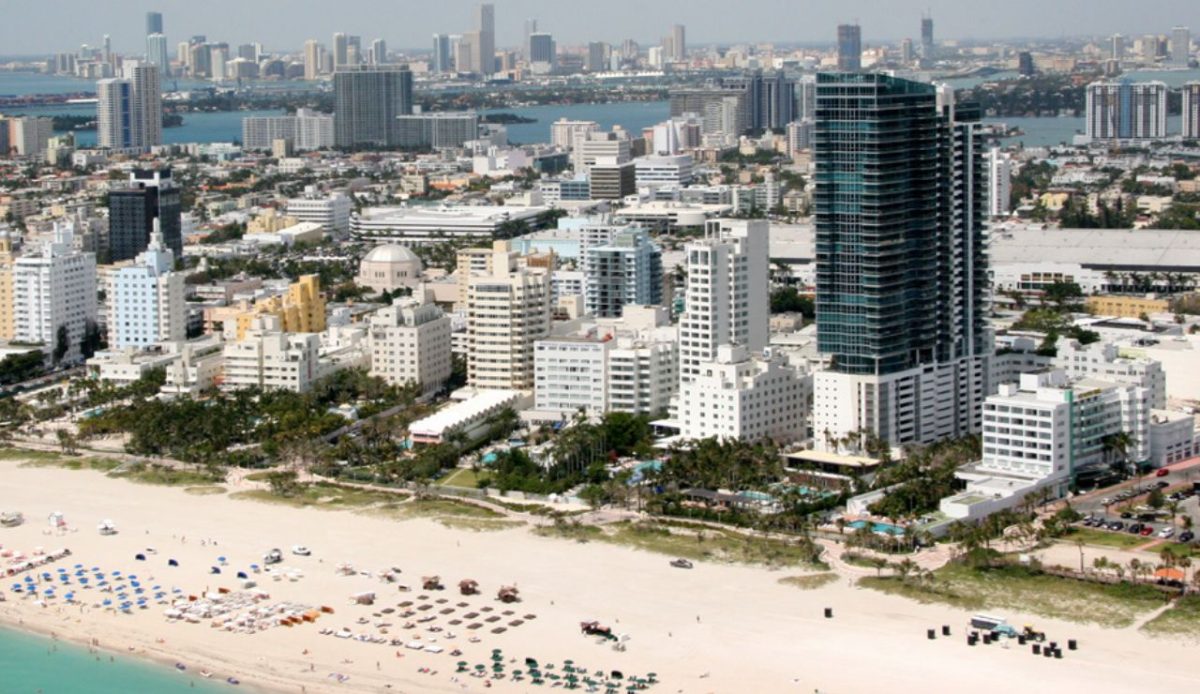
Miami Beach sells sun and ocean access, but higher tides and heavier rain increasingly mean “sunny-day” flooding and street ponding in low spots. That can disrupt beach access, parking, and rideshare pickups, especially during peak weekends.
The city has invested in pumps and raised roads, yet the flooding risk still varies block by block. Visitors may notice detours, construction zones, and sudden closures after king tides or overnight storms.
For a smoother trip, choose lodging with flexible cancellation, avoid tight airport transfer windows, and plan indoor backups. If you rent a car, budget extra time for alternate routes and garage searches.
2. Florida Keys, Florida
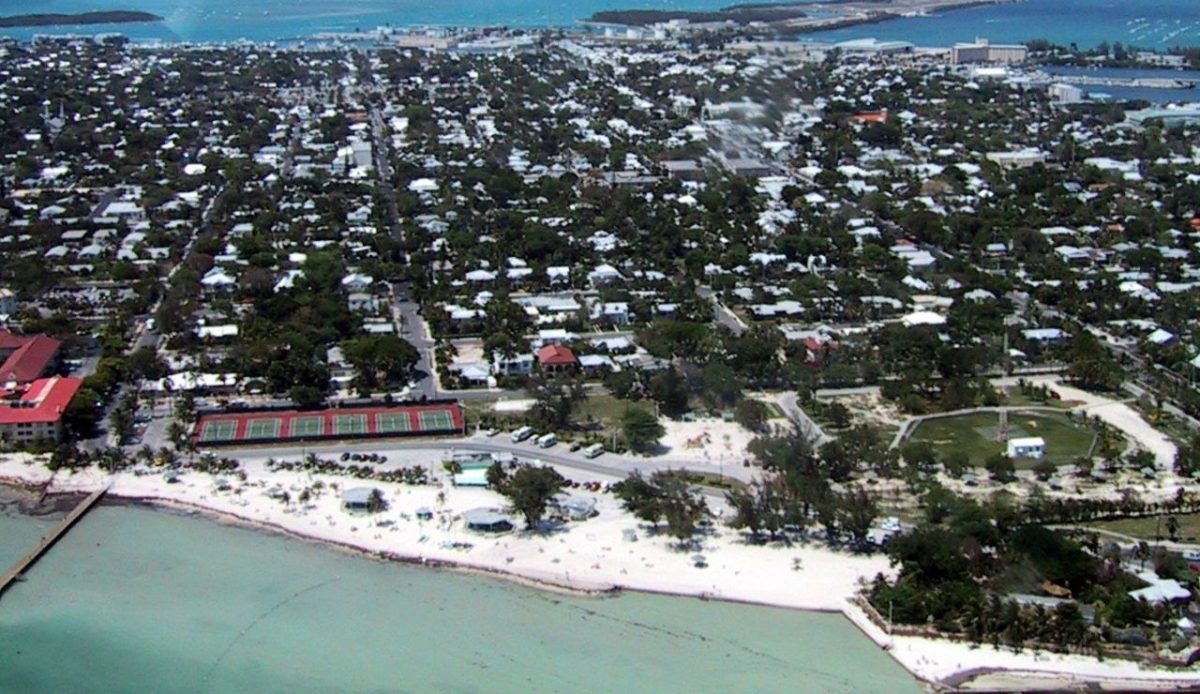
The Keys look like a year-round escape, yet warming seas and stronger heat stress increasingly affect the reefs that power snorkeling and diving. When water stays hot, coral bleaching risk rises, and visibility can suffer after storms churn shallow flats.
On land, higher tides and heavy rain can overwhelm low-lying roads and canals, creating localized flooding that complicates getting between islands. Services also feel stretched during peak season when one closure funnels traffic to the same highways.
To stay flexible, book tours with clear weather policies, schedule water activities early in the trip, and keep a “land day” plan for museums, Key West walks, or sunset sails when conditions change fast.
3. Lake Tahoe, California–Nevada
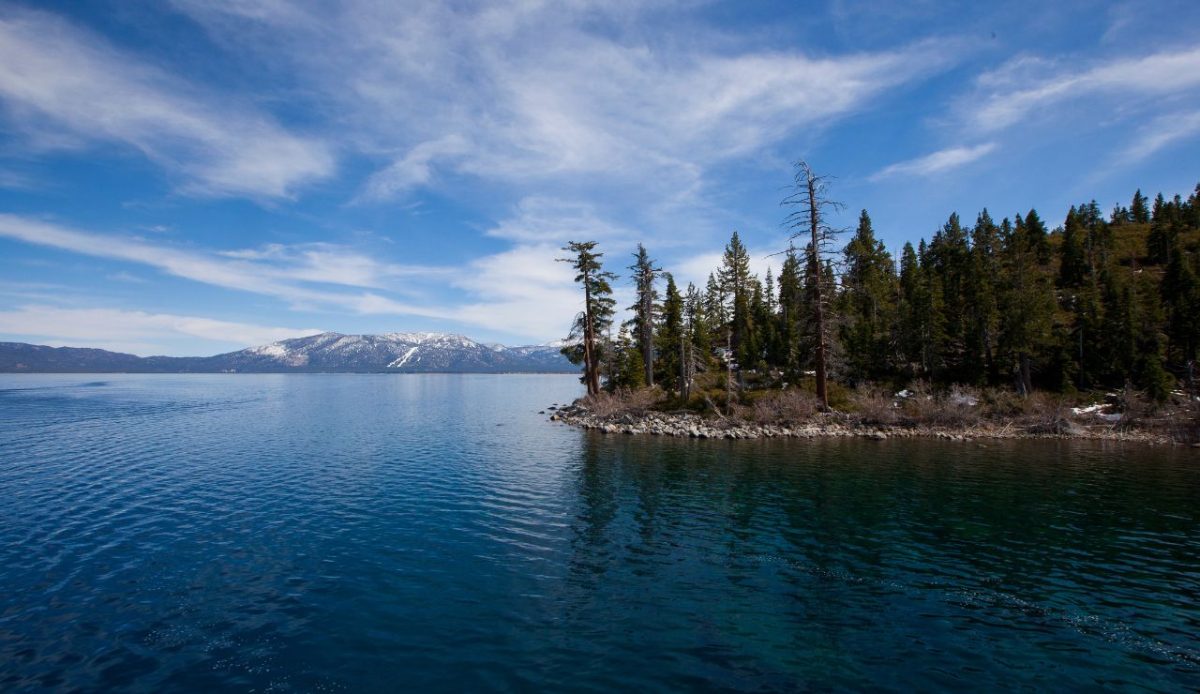
Tahoe’s summer image is blue water and pine air, but longer fire seasons and smoke events increasingly shape peak travel. Even when flames aren’t nearby, regional smoke can reduce visibility, limit outdoor exercise, and trigger beach closures for air-quality alerts.
Wildfire risk also affects access: road closures, evacuation warnings, and heavy traffic on the basin’s few exit routes can change a weekend plan in hours. That uncertainty hits families and day-trippers who count on last-minute flexibility.
Pack N95 masks, book lodging with generous change terms, and build “smoke-proof” activities into your itinerary, like spas, museums, or lakefront dining. If conditions shift, leaving early is often easier than waiting.
4. Glacier National Park, Montana
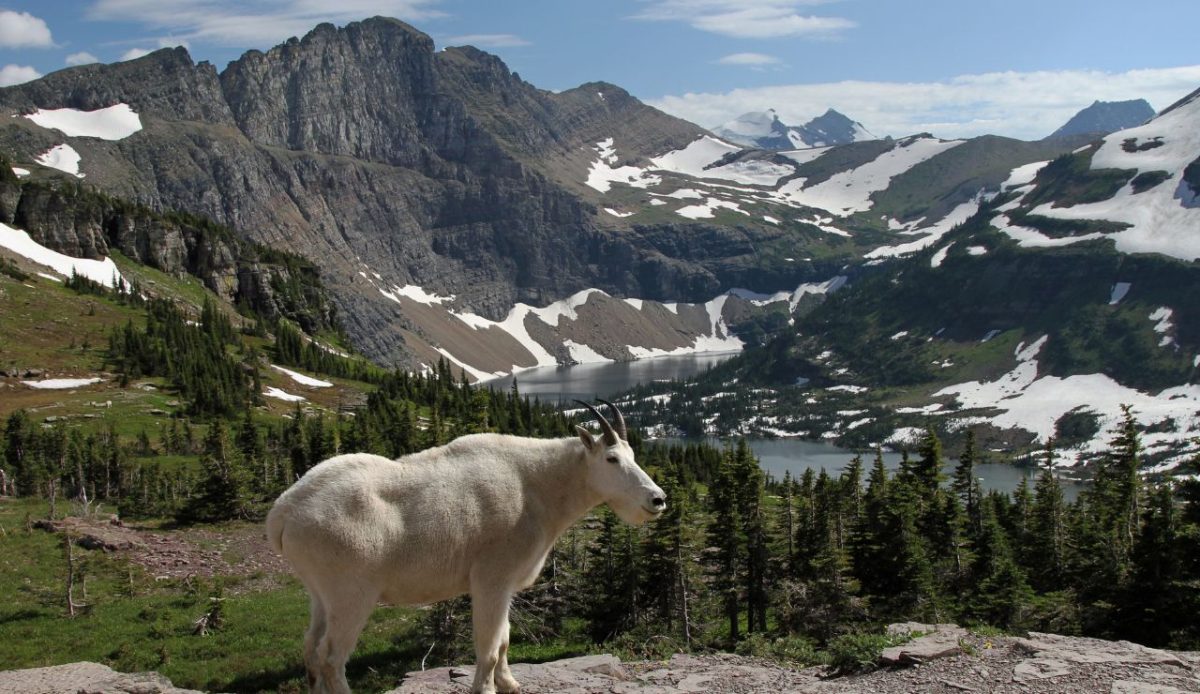
Glacier’s headline scenery is changing as warming drives continued glacier retreat and shorter snow seasons. Visitors still find dramatic peaks and lakes, but late-summer trips can feel hotter, with smaller snowfields and more exposed trails.
Climate-linked shifts also show up in operations: wildfire smoke can obscure views, and fire restrictions can limit campfires or close areas during extreme conditions. Peak crowds then compress into the remaining open corridors.
Plan for variability. Target early-season hikes for snow-fed waterfalls, carry sun protection for exposed alpine routes, and keep alternate trails mapped if a zone closes. Booking lodging and transit with flexibility helps when the smoke or fire danger changes daily.
5. West Maui and Lahaina area, Hawaii
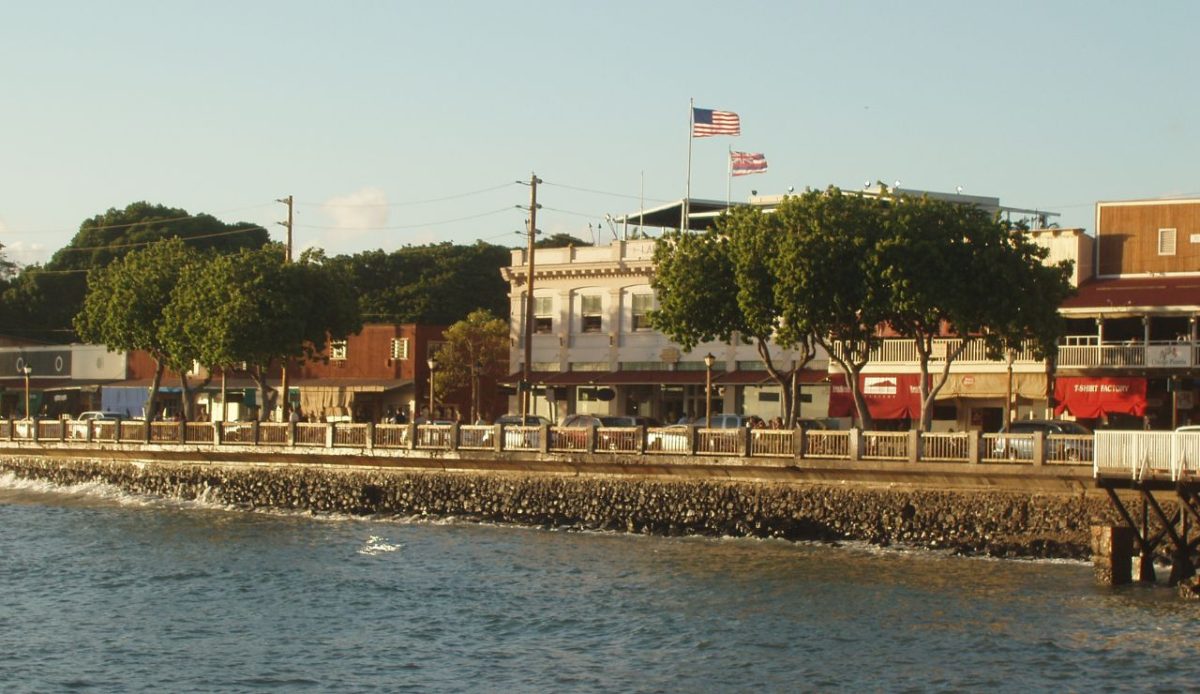
Maui remains a top draw, but recent wildfire disasters show how heat, drought, and wind can collide with devastating results. Even as recovery continues, travelers may encounter restricted areas, changed traffic patterns, and limited services near the hardest-hit zones.
Beyond fire, warmer ocean conditions can bring rougher surf days and stress reef ecosystems that support snorkeling. Dry stretches also raise water-use concerns that affect landscaping and some visitor amenities.
Book with flexibility and follow local guidance on closures and etiquette. Spread time across the island, reserve activities with clear cancellation terms, and keep indoor alternatives for smoky, windy, or rainy days.
6. Phoenix, Arizona
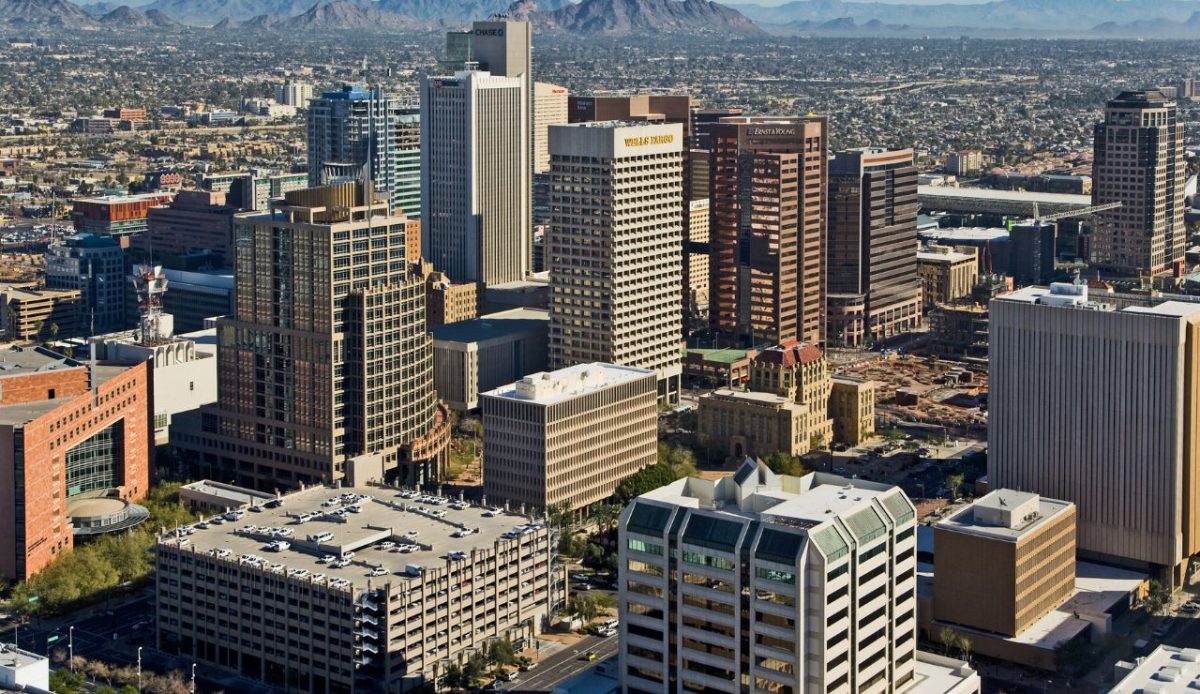
Phoenix tourism is thriving, but extreme heat is now a core planning factor, not a rare event. Summer highs can push outdoor sightseeing into early-morning windows, and heat advisories can change what feels safe for hiking, golf, or long walks.
Heat also stresses infrastructure: airports, roads, and vehicles work harder, and power demand rises. Visitors may notice fewer comfortable daytime options and heavier reliance on air-conditioned attractions.
The fix is pacing. Schedule outdoor activities at sunrise, keep water and electrolytes with you, and plan midday breaks indoors. If you’re visiting with kids or older travelers, build a “cool-first” itinerary and treat afternoon desert excursions as optional.
7. New Orleans, Louisiana
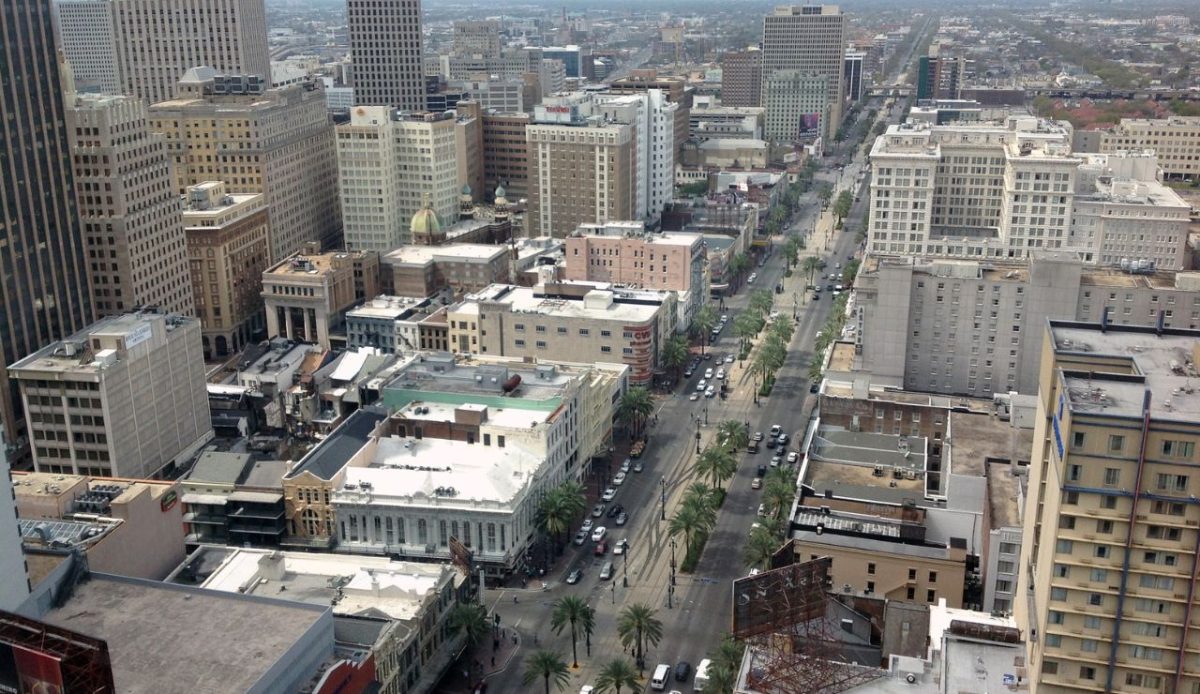
New Orleans delivers food and music year-round, but heavier rainfall and stronger storms raise the odds of flooded streets, disrupted flights, and sudden event changes. Even without hurricane landfalls, intense downpours can overwhelm drainage and make short trips take much longer.
Heat and humidity also shape the experience, pushing walking-heavy itineraries into shorter windows. During extreme weather, staffing can thin, and visitors may find limited transportation options.
Build flexibility into arrival and departure days, choose lodging on higher ground when possible, and keep refundable reservations for tours. Pack breathable clothing, plan midday indoor stops, and monitor alerts when storms track into the Gulf.
8. Outer Banks, North Carolina
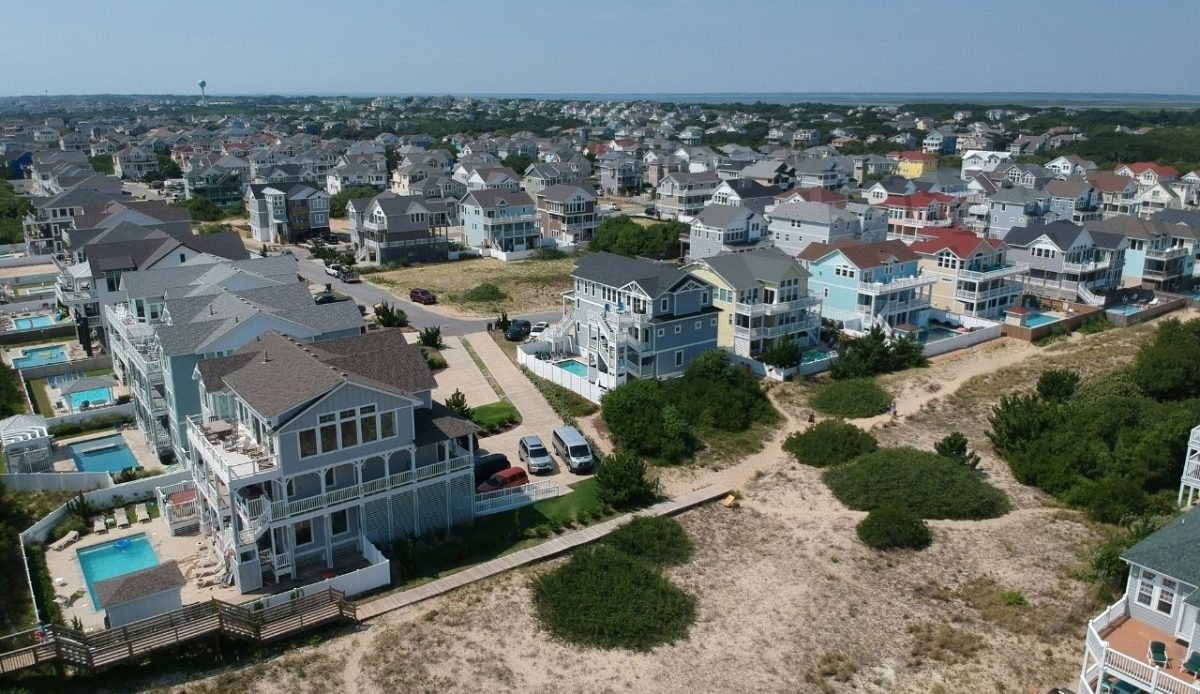
The Outer Banks are built on shifting barrier islands, and sea-level rise, stronger storms, and chronic erosion increasingly affect beach access and driving routes. After major weather, dunes can breach, roads can flood, and sections may close while crews rebuild.
For travelers, that means the “same” rental location can feel different year to year. Ocean conditions can also turn rough, limiting swimming days and changing surf safety quickly.
To avoid surprises, book rentals with clear storm policies, keep an eye on bridge and highway advisories, and don’t stack a tight schedule around one beach access point. Have backup plans for lighthouses and mainland day trips.
9. Juneau and Southeast Alaska
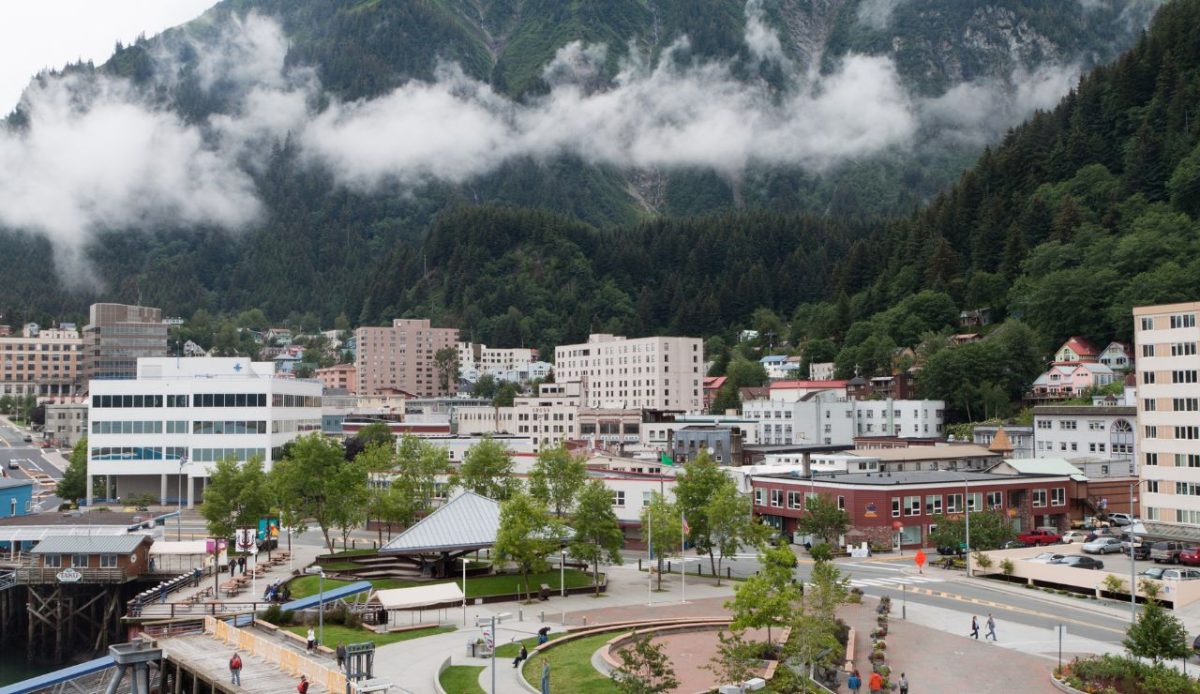
Southeast Alaska’s draw is glaciers, whales, and cool summer air, yet warming temperatures are reshaping the experience. Glaciers continue to retreat, which can change viewing angles, shorten safe access to ice, and shift the timing of meltwater-fed excursions.
Weather volatility is another factor. Heavy rain and occasional landslide risk can disrupt roads and trails, while cruise-day crowding concentrates visitors into narrow downtown corridors.
Book excursions with flexible rebooking, layer for fast-changing conditions, and avoid scheduling every highlight on the same day. If a glacier trip gets canceled, keep alternatives ready, such as whale watching, museums, or hikes that don’t depend on one viewpoint.
10. Colorado ski towns (Aspen–Vail corridor)
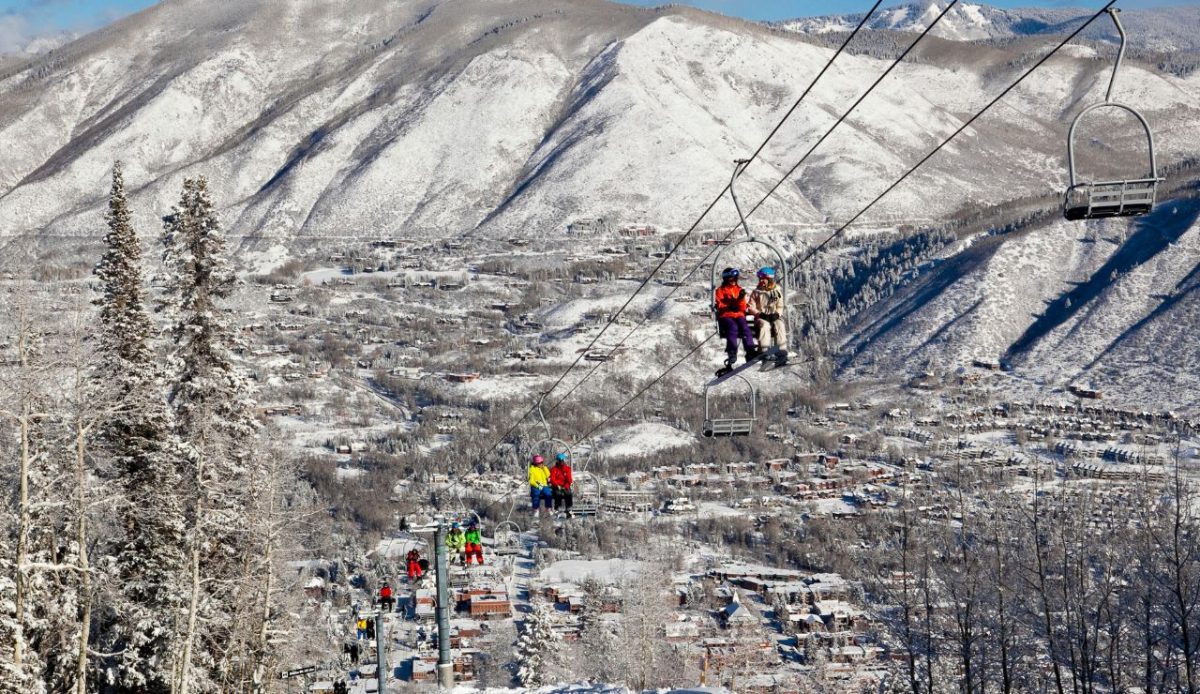
Rocky Mountain ski towns still deliver big winters, but warmer stretches and more variable snowpack increasingly affect season timing and trail conditions. Early-season openings can be uncertain, and mid-winter thaws can create icy cycles that change the feel of runs and backcountry access.
In summer, the pressure flips: hotter days, drier forests, and wildfire smoke can cloud mountain views and limit long hikes. Trails may close during high fire danger or after storm damage.
If you’re planning a “perfect snow” trip, book later with flexible change terms and consider higher-elevation terrain. For summer visits, monitor smoke forecasts, start hikes early, and keep indoor options, spas, galleries, gondolas ready when air quality drops.
11. Salt Lake City and the Great Salt Lake, Utah
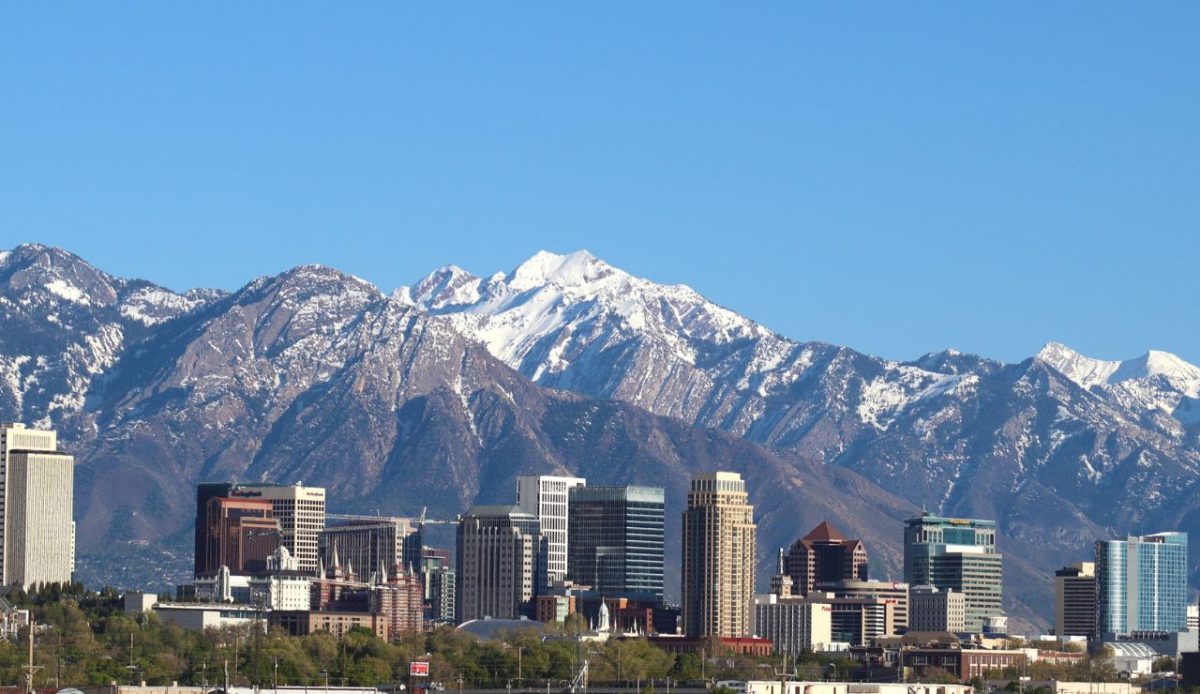
Salt Lake City trips often include the Great Salt Lake for birding, sunsets, and easy nature access. But long-term low lake levels have exposed more lakebed, which can contribute to dust events when winds pick up and conditions are dry.
For visitors, that can mean hazier views, scratchy air days, and more caution for outdoor workouts, especially during the heat. It also changes shoreline access points as marinas and wetlands adjust to shifting waterlines.
Before you go, check air-quality forecasts, pack eye drops or a mask if you’re sensitive, and plan flexible outdoor days. Pair lake visits with indoor options so you’re not stuck if dust or heat ramps up.
12. Death Valley National Park, California
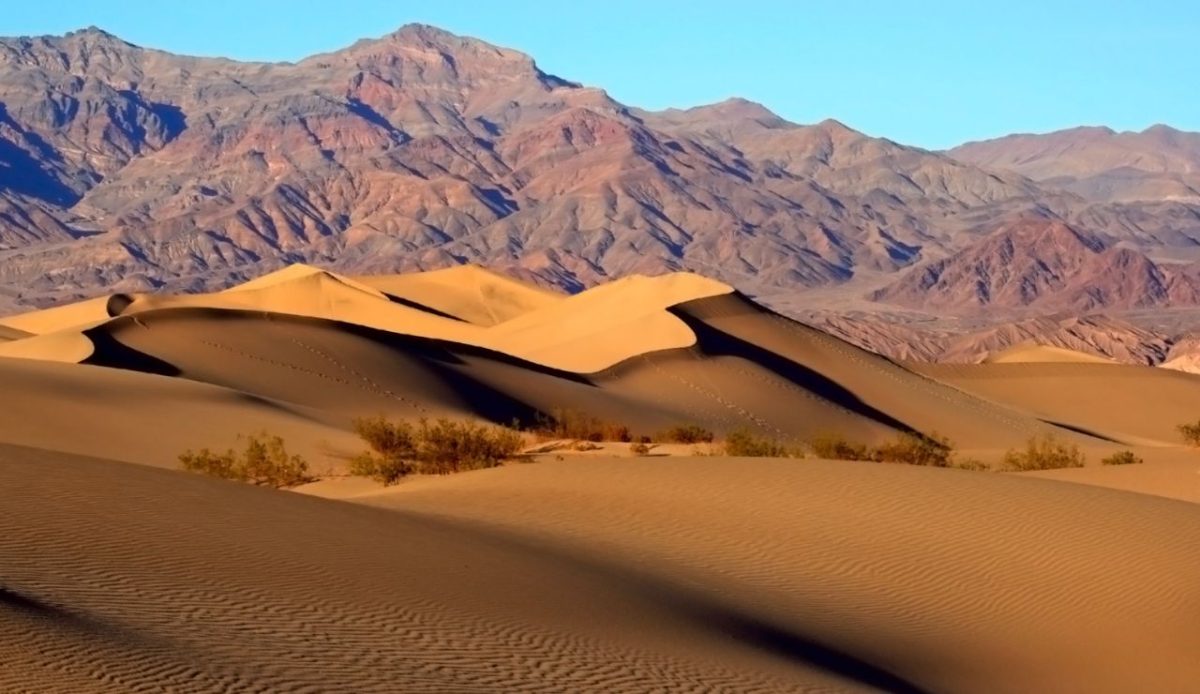
Death Valley has always been extreme, but record heat and flash-flood damage make timing and safety even more critical. Summer conditions can be dangerous for casual sightseeing, and even shoulder seasons can bring heat spikes that surprise visitors.
Storms are the other wildcard. Heavy rain can wash out roads, close canyons, and cut access to viewpoints for days or weeks while repairs happen. That can shrink what you can see on a short trip.
Plan visits for cooler months, start early, and carry more water than you think you need. Check road status the day you drive in, keep a full tank, and build alternate stops if a key road is closed.
