
Ride share pickup at airports is constrained by curb lane length, garage stall counts, and app geofences that limit where cars can stop. When several flights arrive together, the same loop road serves taxis, buses, and private pickups, so queues spill into travel lanes.
Many airports relocate Uber and Lyft loading into garages or remote lots because curb dwell blocks traffic and breaks time limits. The added walk, elevator ride, or shuttle step increases wrong zone choices and missed matches.
Each section reviews one airport where a pickup rule, relocation, or demand spike has intensified confusion at a specific access point. The chain is tracked from constraint to outcome, including longer waits, repeat circulation, and ramp backup.
1. John F. Kennedy International Airport
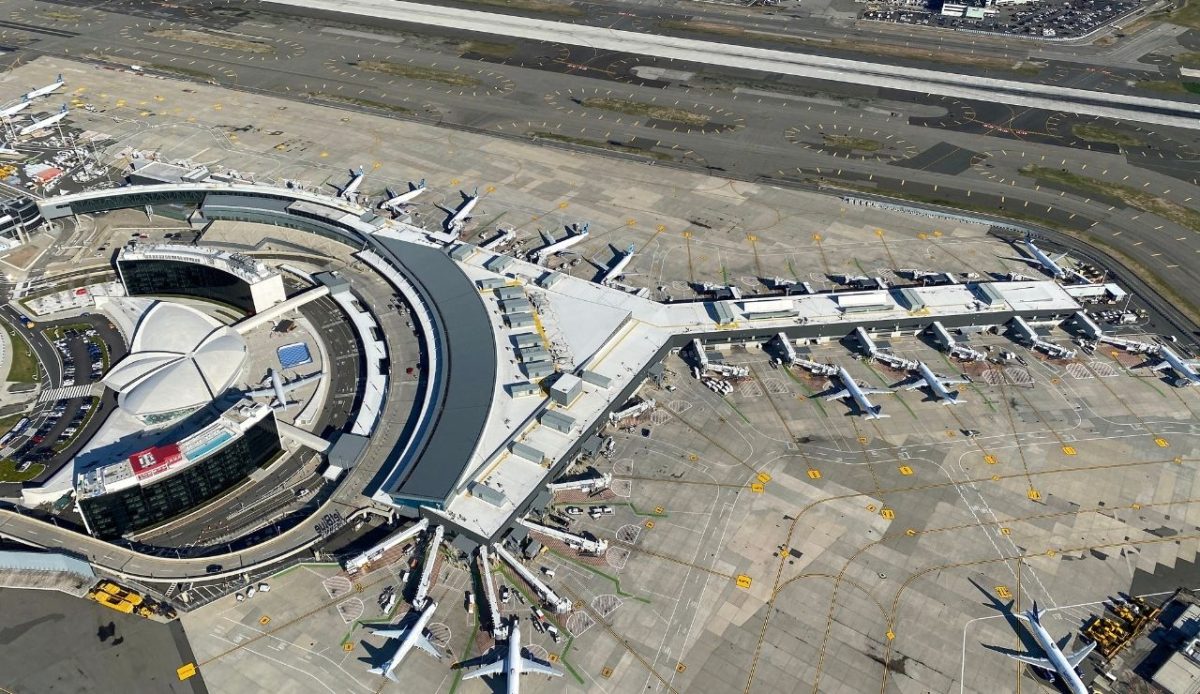
At John F. Kennedy International Airport, Terminal 4 uses a narrow arrivals loop where construction phases reduce curb length and add lane shifts. When several widebody flights unload, buses and pickups share the same curb, so a few stopped cars block through lanes.
Ride app pickups for Terminal 4 are sent to Lot 66 during peak hours under Port Authority rules aimed at limiting curb dwell. The relocation adds a shuttle or longer walk, and riders often request it before reaching the lot, which increases wrong zone selections.
Stall supply in the lot is fixed, so drivers idle or circle when the rider is delayed at baggage claim. Extra circulation loads the same ramps used by shuttles and taxis, and the loop backs up into terminal access roads.
2. Los Angeles International Airport
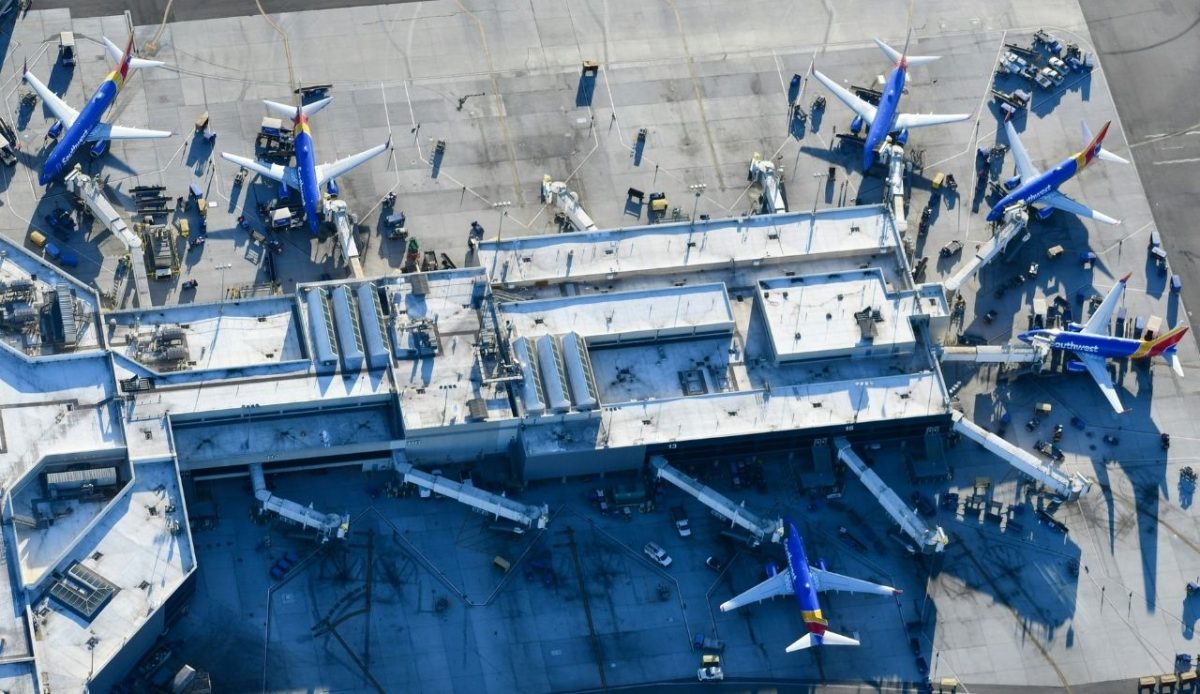
Los Angeles International Airport runs all terminals on a one-way central loop with limited curb depth and tight merges. When afternoon arrival banks hit, the loop slows, and ride-share drivers struggle to reach the assigned door without blocking a travel lane.
Most standard ride app pickups are routed to LAX, a remote lot near Terminal 1 reached by shuttle from many terminals. The policy reduces curb conflicts, but it adds transfer time and increases missed matches when riders request before they board.
Shuttle arrivals release riders in waves that can exceed the stall count in the lot. Drivers queue inside the facility and circle for space, and the delay pushes congestion back onto the ramps feeding the loop.
3. San Francisco International Airport
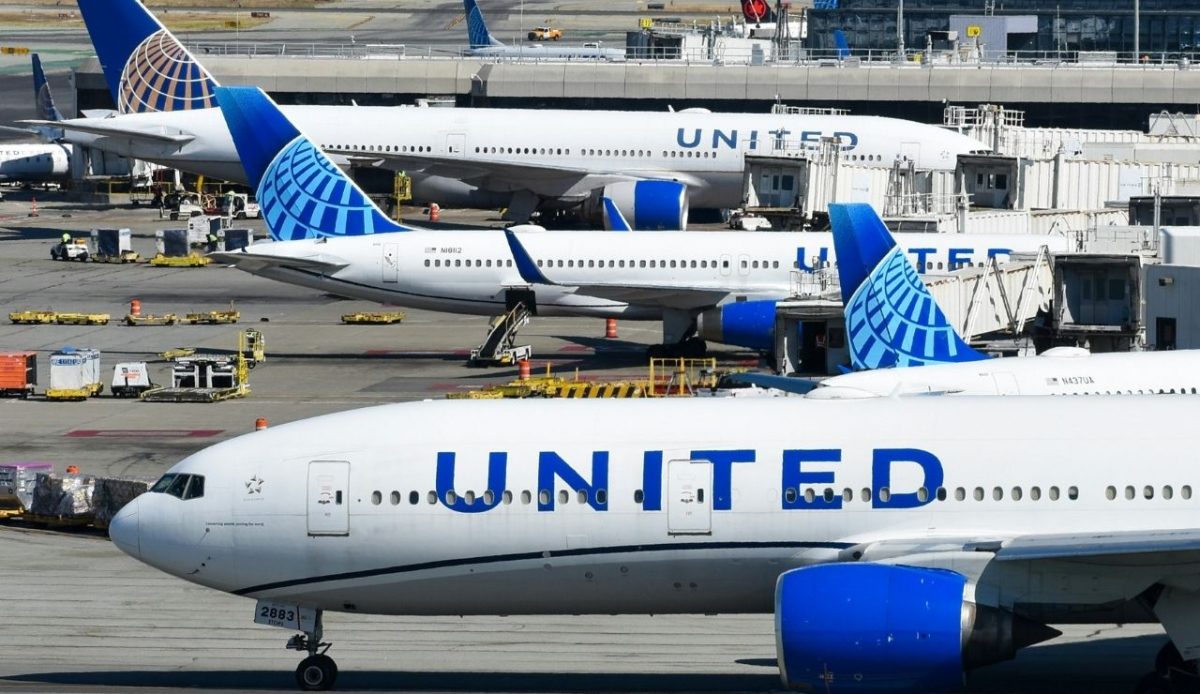
San Francisco International Airport splits access between domestic terminals and the international complex, but the domestic curb runs near capacity in morning peaks. Garage ramps and crosswalks limit clearing speed, so one stalled pickup can stop the curb lane.
Ride app loading on the domestic side is assigned to upper garage levels with numbered stalls and geofenced request timing. Moving pickups off the curb reduces double parking, yet it forces elevator use and level navigation where wrong stall choices occur.
When a rider waits on the wrong level, drivers loop ramps with little passing space and may lose the match. Fixed aisle width means circulation slows fast, and the queue can extend back to the garage entry and terminal roadway.
4. Seattle Tacoma International Airport
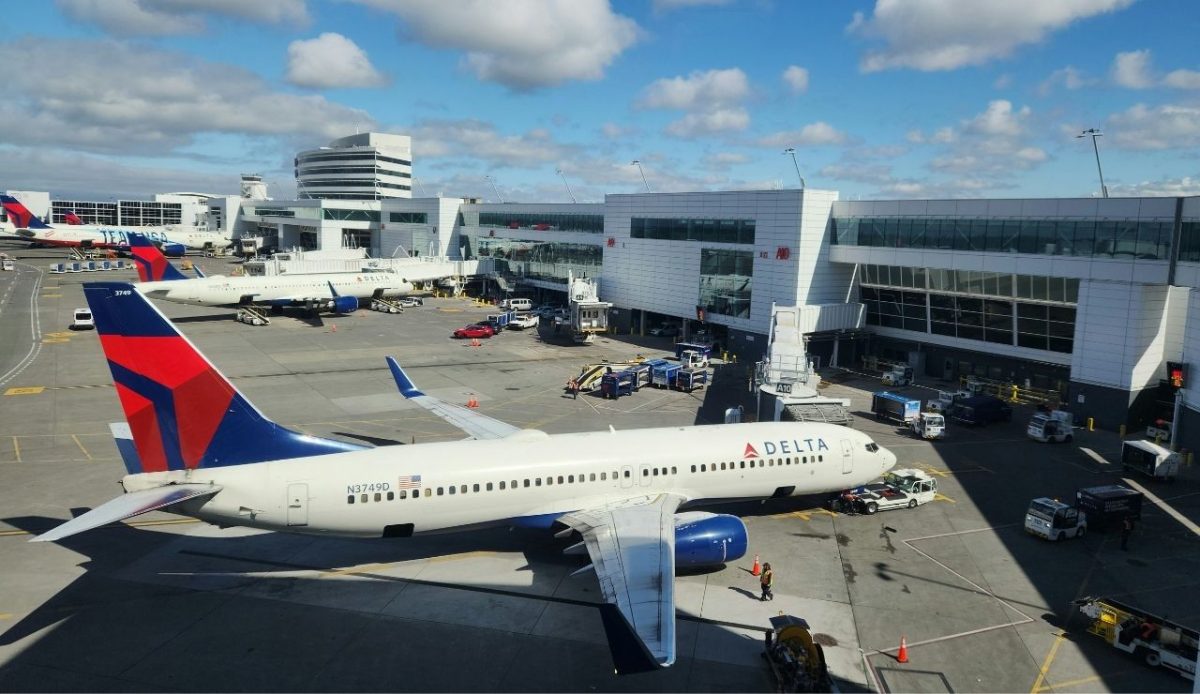
Seattle Tacoma International Airport relies on a single terminal and a connected parking garage, so ride share flow depends on a few ramps and elevators. Peak demand on the arrivals drive fills the garage entry lanes, and vehicles stack before they reach the pickup floor.
App-based pickup is placed on a designated garage level with marked stalls and enforcement of loading time. This keeps the curb clearer, but it shifts matching indoors, where elevator outages and wrong bridge exits increase missed connections.
Stall inventory is fixed, so delayed riders at baggage claim keep stalls occupied and push drivers into slow loops. The extra circulation delays the garage exit ramp, and congestion spills back onto the arrivals roadway approach.
5. Boston Logan International Airport
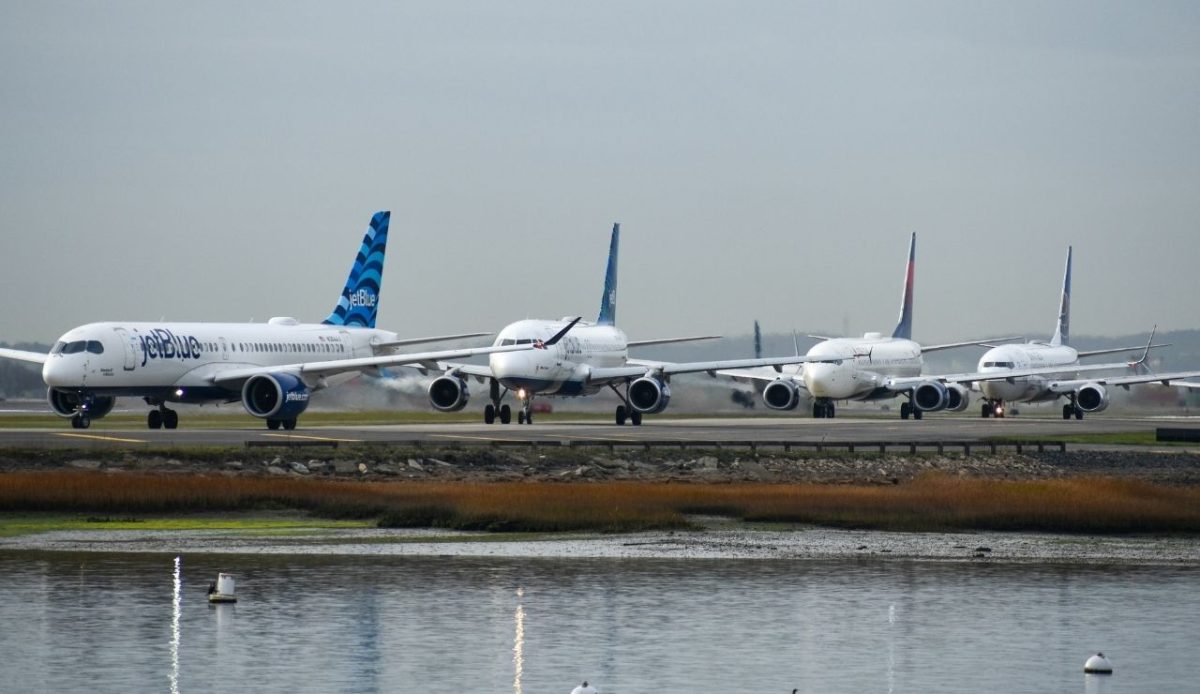
Boston Logan International Airport sits on constrained harbor land with tunnel approaches that meter traffic into limited terminal road space. When incidents occur on tunnel approaches, arrivals speed drops, and ride-share vehicles queue into ramps.
Massport routes many ride app pickups into central garage areas tied to specific terminals to reduce curb dwell and double parking. The shift adds stairs and level selection, and wrong level waits rise because terminals use different garage zones.
Fee rules and traffic controls push longer staging, but the garage has a fixed aisle width and entry gates. When staging fills, drivers circulate to hold position, and the ramp back to the terminal roadway becomes a bottleneck.
6. O’Hare International Airport
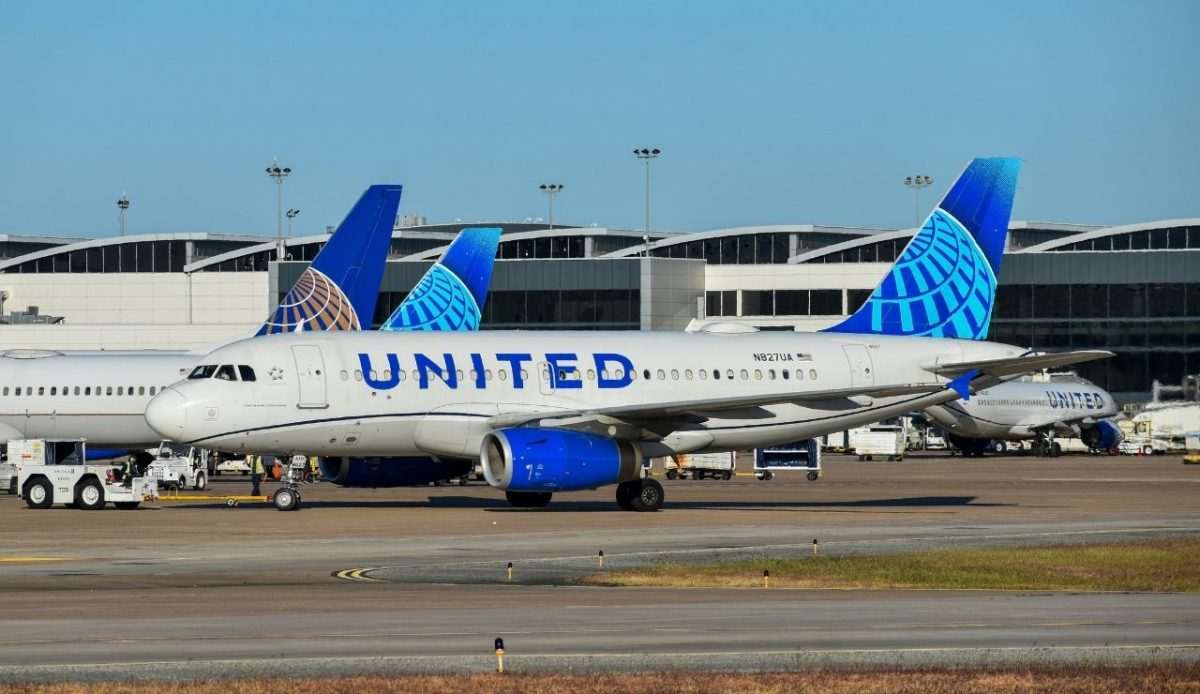
O’Hare International Airport uses an inner loop road with limited curb cuts, and Terminal 5 has tight frontage for buses and international arrivals. When several flights clear at once, the pickup curb saturates, and vehicles spill into the loop lane.
Ride share pickup at Terminal 5 was relocated, requiring passengers to take the Airport Transit System to Terminal 2 for Uber and Lyft loading. The rule reduces Terminal 5 curb blocking, but it adds a transfer step and raises wrong pickup requests.
Drivers who arrive expecting Terminal 5 service must deadhead to Terminal 2 or rematch after timeouts. Added circulation increases loop congestion, and the delay concentrates demand at a smaller set of Terminal 2 stalls.
7. Harry Reid International Airport
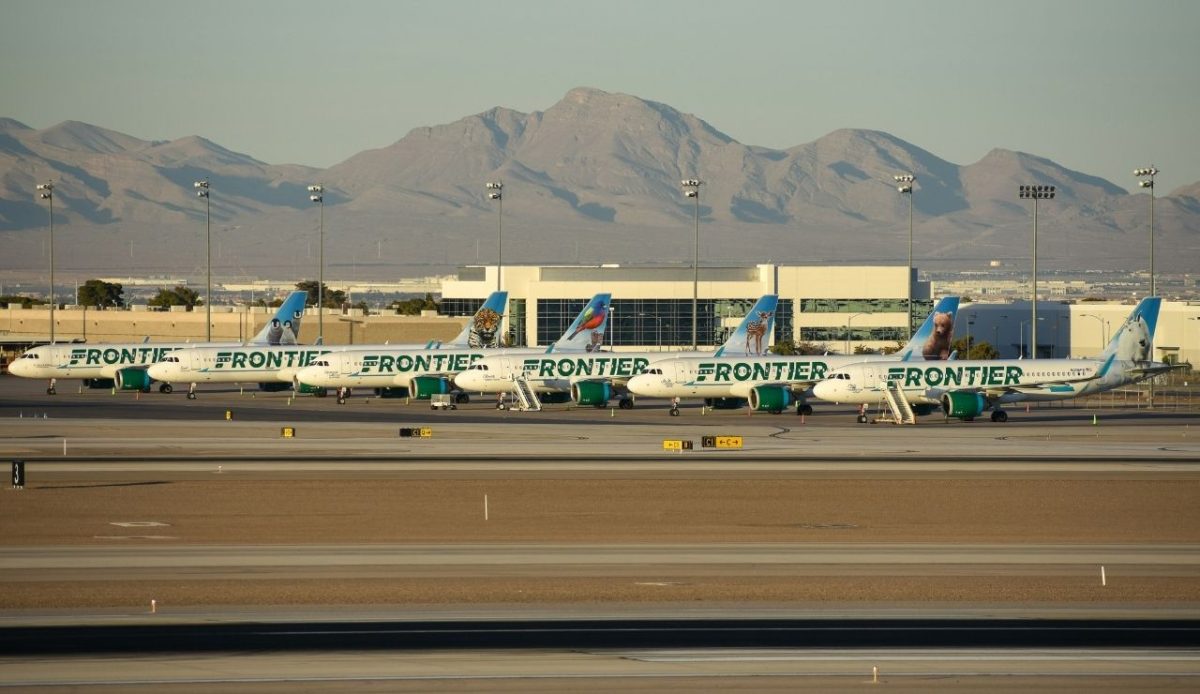
Harry Reid International Airport uses garage-based ride share loading connected to terminals by pedestrian bridges. Elevator capacity and bridge width act as hard limits, so high arrival volumes create slow pedestrian flow that delays riders reaching the correct level.
Pickups occur in designated garage areas for each terminal, with rules that require loading only in marked stalls. This reduces curb conflicts, yet it depends on accurate door choice, and app users often exit at the wrong baggage door.
When riders stand in the wrong garage, drivers occupy stalls while messaging and waiting, reducing available capacity. With fixed stall counts, queues form on garage ramps, and the delay backs up terminal access roads during peaks.
8. Fort Lauderdale Hollywood International Airport
Fort Lauderdale Hollywood International Airport serves four terminals on a single loop road, with crosswalks and short curb segments. During the winter cruise season and spring break, higher passenger loads increase ride-share requests, and the curb lane saturates.
Ride app pickup for Terminals 3 and 4 is directed into the Palm Garage under airport ground transport rules. The move reduces curb stopping, but it adds a garage walk and changes the pickup address, raising wrong location pickups for infrequent users.
When a rider waits at the curb instead of the garage, drivers must re-enter the loop road and lose queue position. Garage aisles have limited passing space, so misrouted vehicles slow loading and delay exits to the loop.
9. George Bush Intercontinental Airport
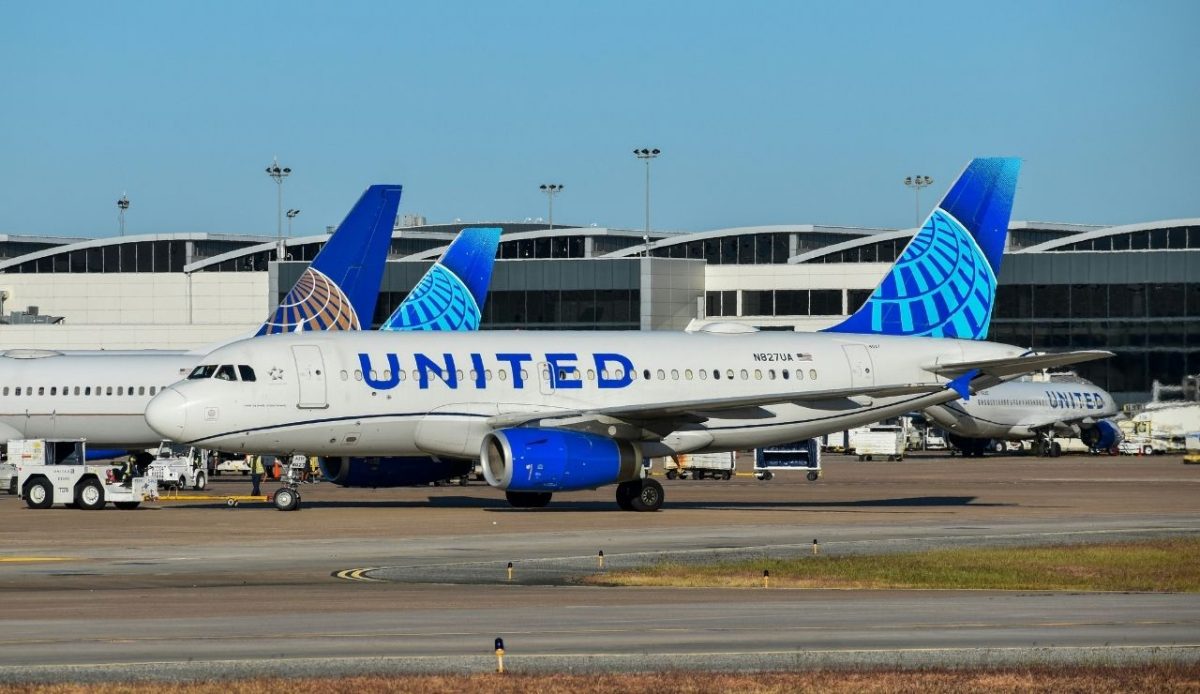
George Bush Intercontinental Airport spans multiple terminals with long internal drives and curb windows set by bus zones and structural columns. When arrival banks hit Terminal C and nearby halls, vehicles queue on internal roads because curb turnover is slow.
Houston Airports adjusted ride share pickup patterns and loading controls to reduce terminal roadway congestion. The rules restrict where drivers can stage and how long they can wait, and enforcement pushes early arrivals back into circulation lanes.
Drivers who miss the assigned entrance must loop through internal roads and return through metered ramps. The extra distance increases traffic on connector roads, and demand at fewer stalls increases cancellations during peak periods.
10. Dallas Love Field
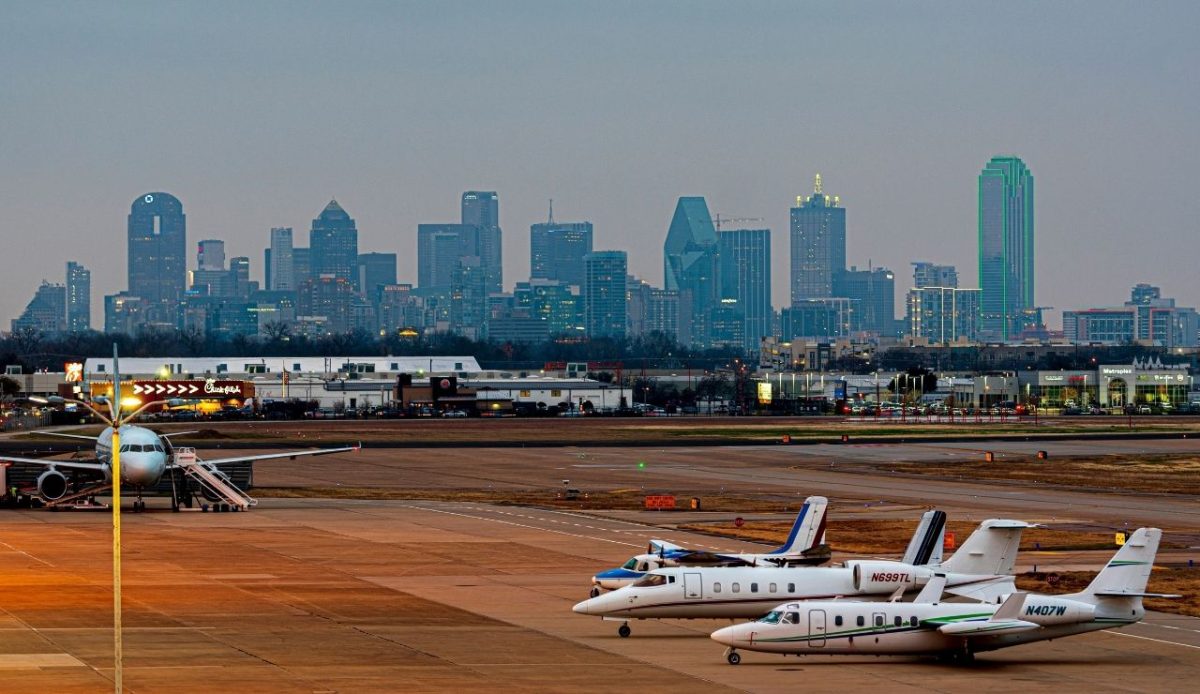
Dallas Love Field has a compact terminal with curb space shared by buses, shuttles, and private pickups, so lane inventory is fixed. When two arrival banks overlap, the loop slows, and ride-share drivers struggle to reach the assigned loading point.
The airport relocated ride app pickup areas within the garage and pavilion footprint to manage curb conflicts. The change requires riders to follow a signed walking route and select the correct zone in the app, which raises mismatches for first-time users.
Because stall counts are limited, drivers wait longer when riders request early from baggage claim. That idle time reduces turnover and forces more vehicles to circle the loop, increasing congestion on the garage access lanes.
11. Nashville International Airport
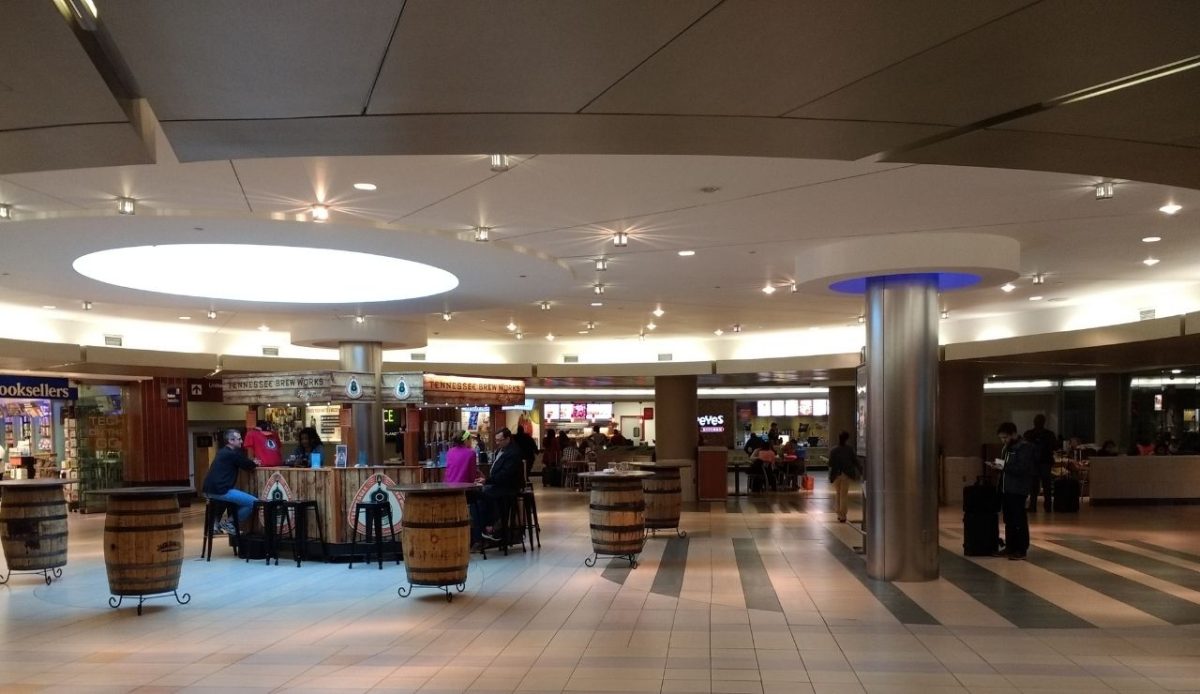
Nashville International Airport routes ride share through a Ground Transportation Center, reached by internal roads with tight turns and limited storage. When demand peaks after events, vehicles stack at the center entrance and block the approach lane.
On September 15, 2025, officials said ride-share activity ran about 2.5 times normal, with over 14,000 vehicles moving through the center versus about 6,000 on a typical Monday. Fixed lane inventory kept the queue from clearing fast.
As vehicles became trapped inside the center, pickups failed, and drivers rematched or exited to reenter, adding circulation. The backup spread to terminal loops, delaying buses and private pickups until staffing and controls were adjusted.
12. Milwaukee Mitchell International Airport
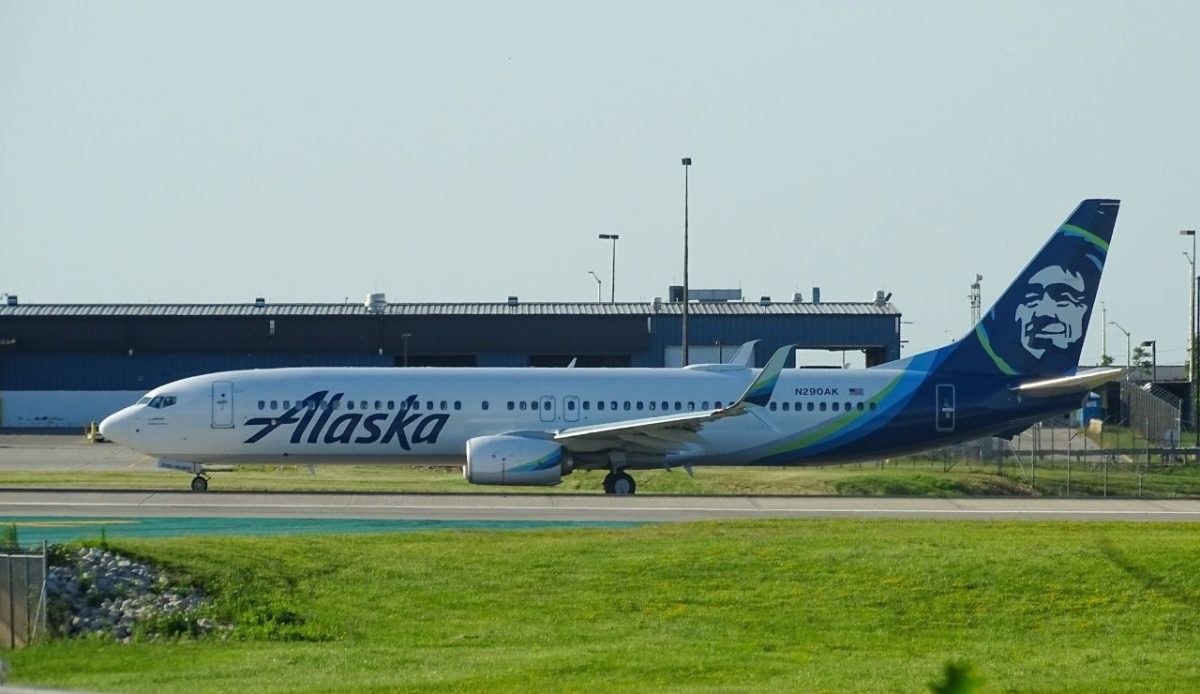
Milwaukee Mitchell International Airport uses a single terminal loop where curb space is shared with shuttles and private pickups, so capacity is fixed. When large events raise arrival demand, ride share queues extend into approach lanes and slow access to other curbs.
The airport has adjusted ride share staging and pickup handling to reduce roadway obstruction. These controls limit where drivers can wait and aim to shorten dwell time, but they also compress demand into fewer stalls.
When stall turnover falls, drivers circulate to keep position, and riders face longer waits at baggage claim doors. Congestion on the loop reduces bus reliability and increases cancellations, which raises circulation and keeps the pickup area unstable.
