
From the early 1900s through the 1970s, large resorts across the United States served as major vacation centers for families, couples, and celebrities. These destinations offered entertainment, recreation, and comfort before modern air travel and international tourism shifted people’s attention elsewhere. Many properties closed as maintenance costs rose and guests looked for cheaper or more exotic trips. Today, their remains help document a period when domestic tourism built communities, defined leisure culture, and shaped how Americans spent their holidays.
1. Grossinger’s Catskill Resort Hotel, New York
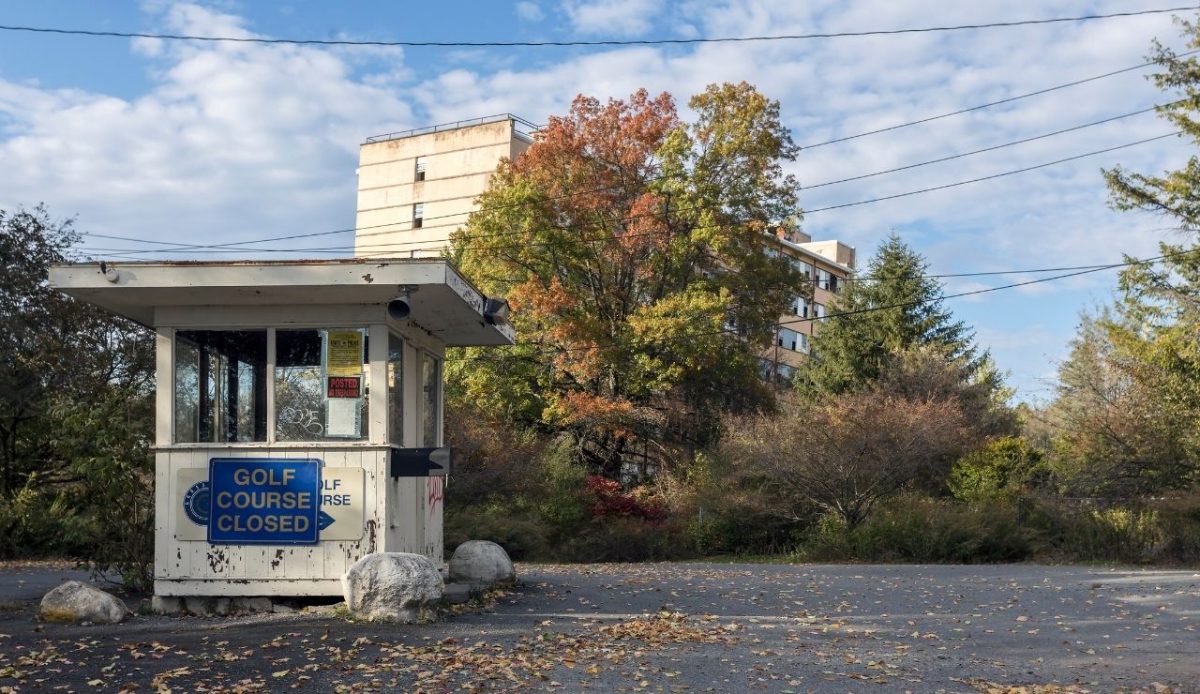
Grossinger’s was once a social empire in the Catskills, attracting over 150,000 guests each year. It featured Olympic pools, golf courses, ski lifts, and entertainment that rivaled Las Vegas. Founded in 1914, it became a symbol of postwar optimism and Jewish-American culture. By the 1980s, vacation habits had changed, and the resort fell into decline. Its grand lobby and ballroom stood silent for years before being demolished in 2018, ending a century-long legacy of mountain glamour. Locals still remember its lively music nights that set the tone for generations of Catskill entertainment.
2. Overlook Mountain House, New York
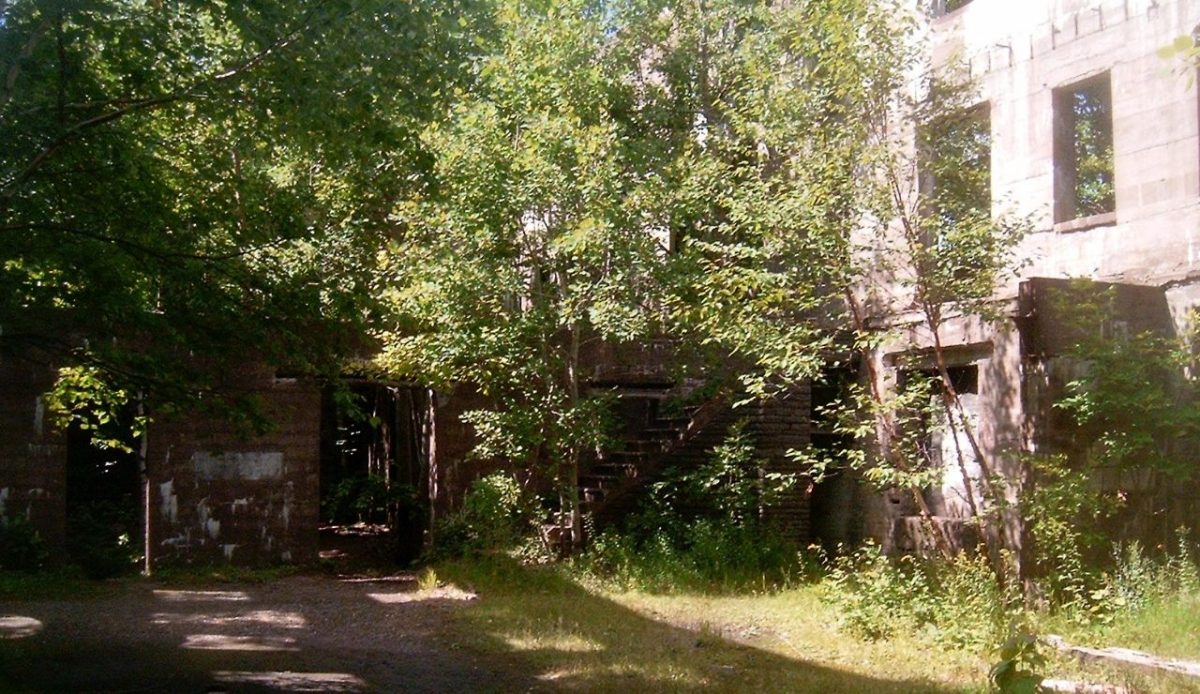
Built in the 1870s above Woodstock, this mountaintop hotel offered breathtaking Hudson Valley views. The original structure burned twice, and its final version met the same fate in 1921. Only thick stone walls and stairways remain, hinting at its former elegance. Visitors who hike the trail to its ruins describe the eerie beauty of crumbling corridors overtaken by moss and trees. Despite nature’s grip, Overlook Mountain House endures as one of New York’s most haunting landmarks. Park rangers maintain the site to preserve its historic charm and ensure safe access for hikers.
3. Penn Hills Resort, Pennsylvania
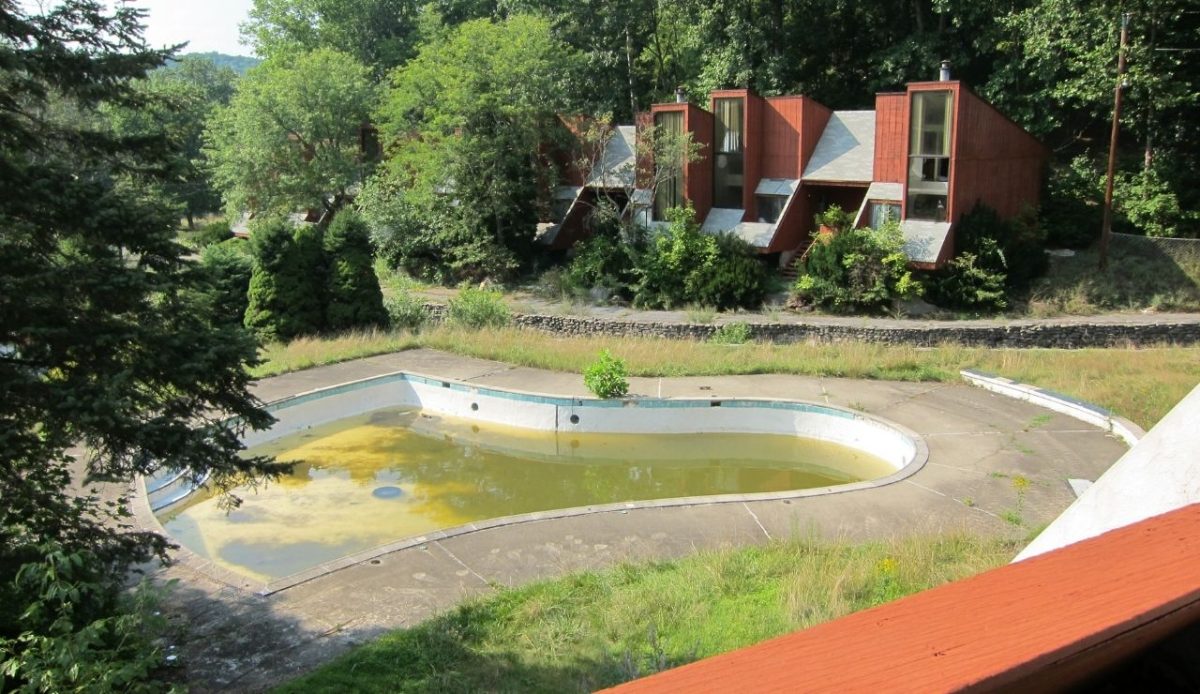
Penn Hills opened in the 1940s as a romantic retreat for newlyweds. Its heart-shaped tubs, mirrored ceilings, and couples-only cabins drew travelers seeking privacy and style. For decades, the resort thrived as a symbol of postwar honeymoon travel. When owner Genevieve Palladino died in 2009, operations ceased overnight. Vandals, floods, and snowstorms ravaged its remains until officials demolished most of the property. Locals still recall the glowing neon sign that once lit the Poconos skyline. The resort’s nostalgic ads from the 1960s still circulate on social media among vintage collectors.
4. Hampton Springs Hotel, Florida
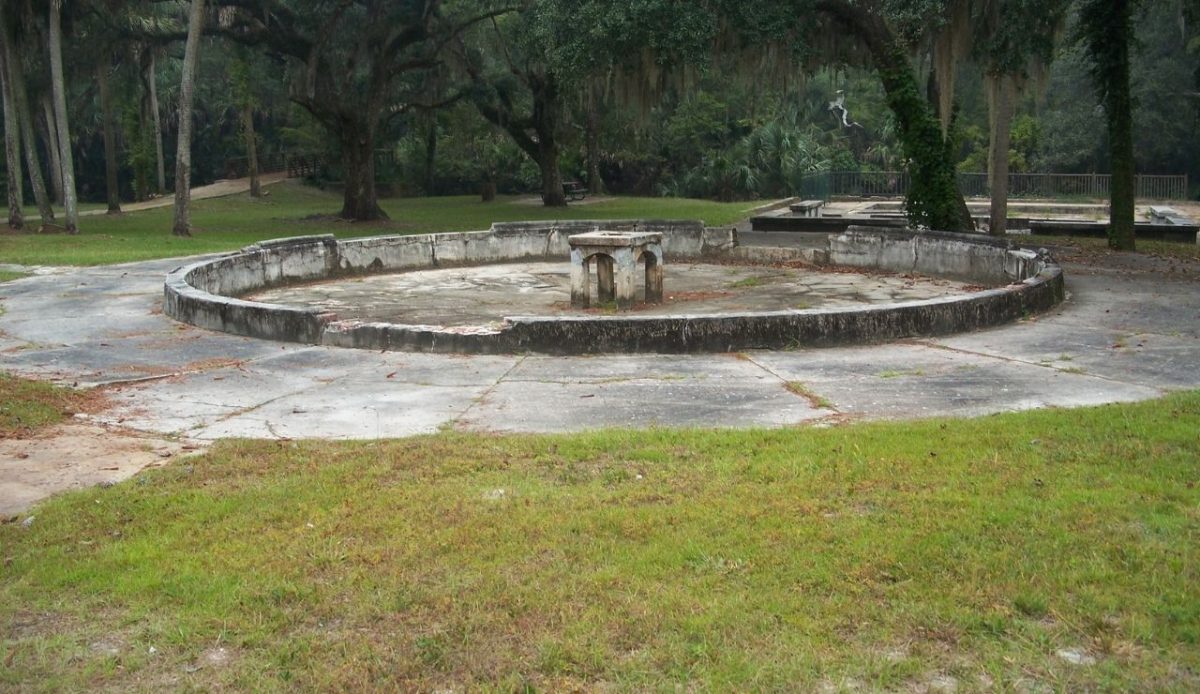
Known as “Dixie’s Famous Spa,” this 1900s resort near Perry attracted wealthy travelers seeking mineral baths and fresh-air cures. Its grounds featured gardens, golf courses, and even a casino. The hotel burned down in 1954, leaving ruins hidden among moss-covered trees. Today, a park preserves its stone foundations, walkways, and spring-fed pool. Locals visit to picnic beside the old site, recalling stories passed down from grandparents who once attended lavish dances there. The faint sound of trickling water adds a peaceful contrast to its faded grandeur.
5. Baker Hotel, Texas
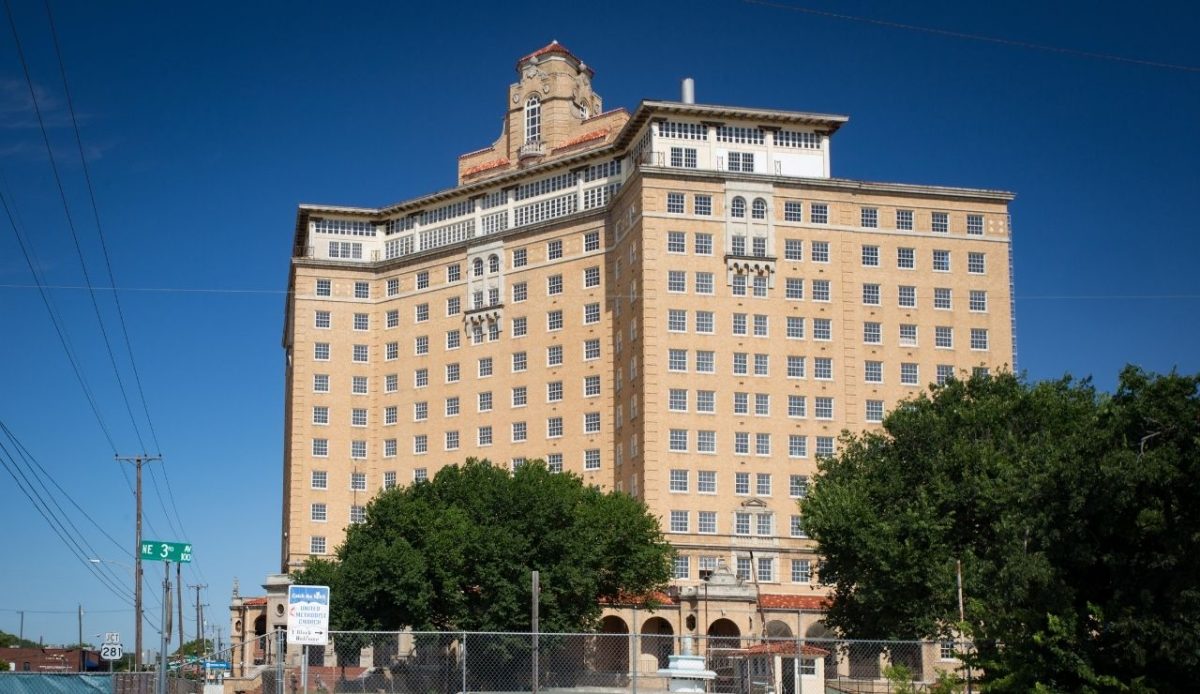
Opened in 1929, the Baker Hotel in Mineral Wells offered mineral baths, ballrooms, and rooftop pools. Celebrities such as Judy Garland and Will Rogers once stayed there, helping make it the pride of Texas hospitality. Its closure in 1972 followed decades of competition from modern chains. For nearly fifty years, it towered over the town as a haunting monument to forgotten glamour. Restoration work started in the 2020s, aiming to reopen it as a luxury hotel once again. The project has sparked local pride, reviving tourism hopes for the once-sleepy spa town.
6. Concord Resort Hotel, New York
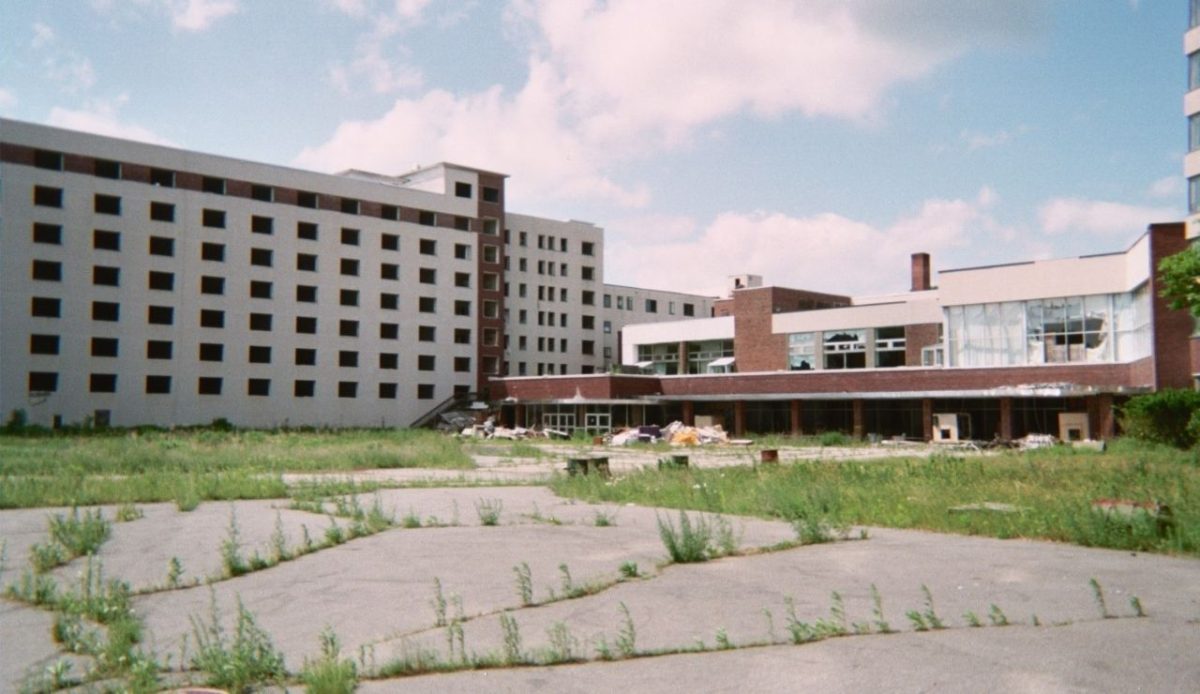
Once the centerpiece of the Catskills’ “Borscht Belt,” the Concord Resort Hotel stretched across 1,200 acres with 1,500 rooms, theaters, and a championship golf course. It hosted entertainers like Tony Bennett and Jerry Lewis, drawing massive summer crowds from New York City. By the late 1990s, declining attendance and financial issues forced its closure. The enormous structure sat empty for years, slowly overtaken by weeds and vandalism. Demolition crews cleared it in 2018, making way for new development. For many, it’s fall marked the symbolic end of the Catskills’ golden vacation era.
7. Kutsher’s Hotel and Country Club, New York
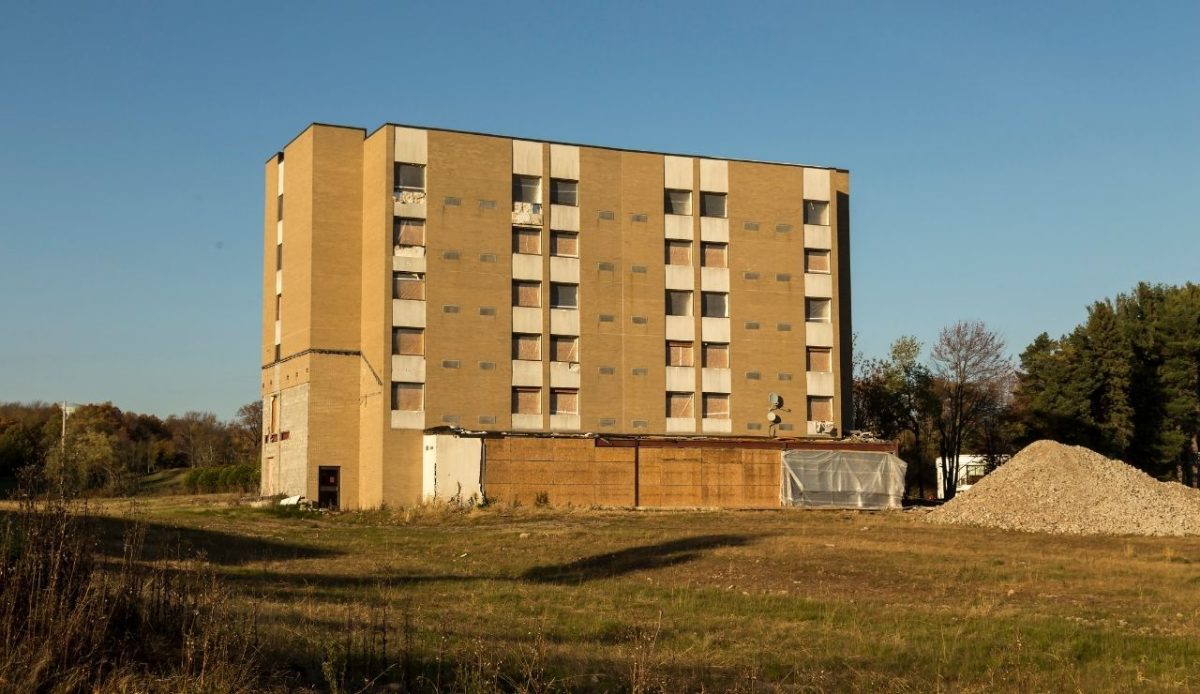
Kutsher’s was one of the last surviving family-run resorts in the Catskills. For nearly a century, it offered lakeside activities, comedy shows, and sports tournaments that attracted both families and entertainers. Wilt Chamberlain even worked there as a bellhop before his basketball fame. The hotel closed in 2013 after struggling to compete with cruise lines and budget travel. Today, the land has been converted into a wellness retreat, though remnants of the original lodge once drew photographers and historians alike. It remains a sentimental landmark for generations of former guests.
8. Geneva Basin Ski Resort, Colorado
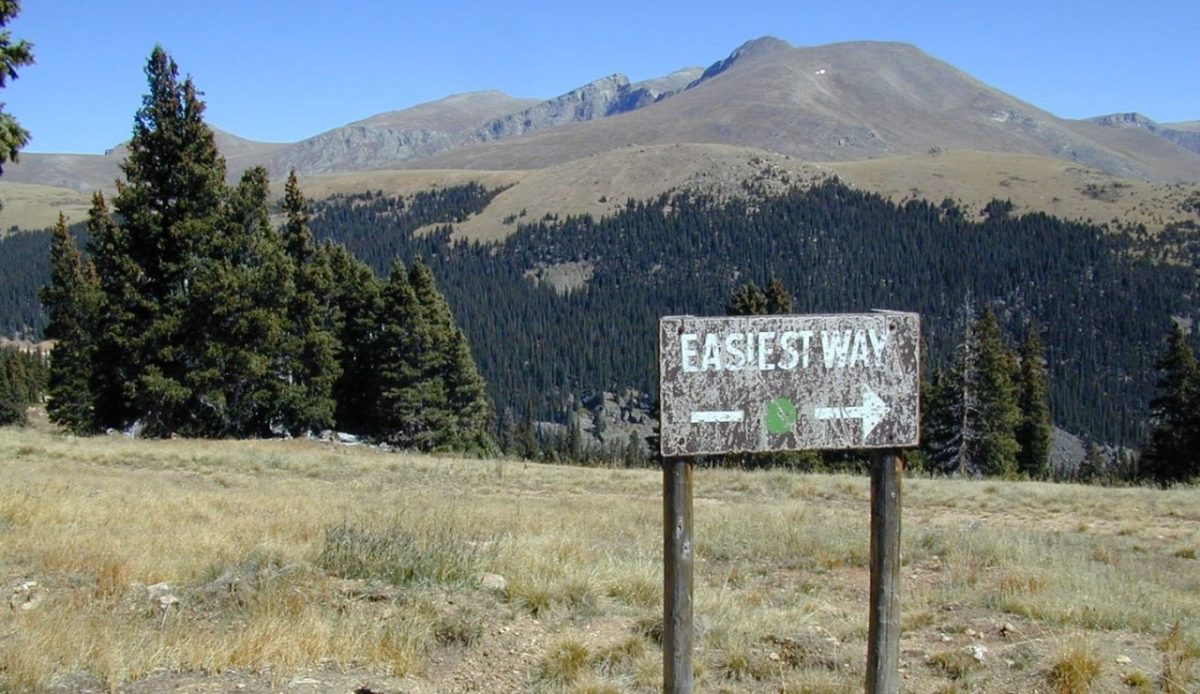
Located high in the Rockies near Georgetown, Geneva Basin once drew skiers for its affordable slopes and family-friendly lodge. Opening in the 1960s, it featured multiple chairlifts and challenging terrain close to Denver. Safety problems, avalanche damage, and financial losses forced its closure in 1984. Abandoned lift towers and cabins stood for decades, slowly collapsing under heavy snow. Though nature has reclaimed much of the area, a few rusted structures still peek through the trees, attracting adventurous hikers curious about Colorado’s forgotten ski past.
9. Elkmont Vacation Community, Tennessee
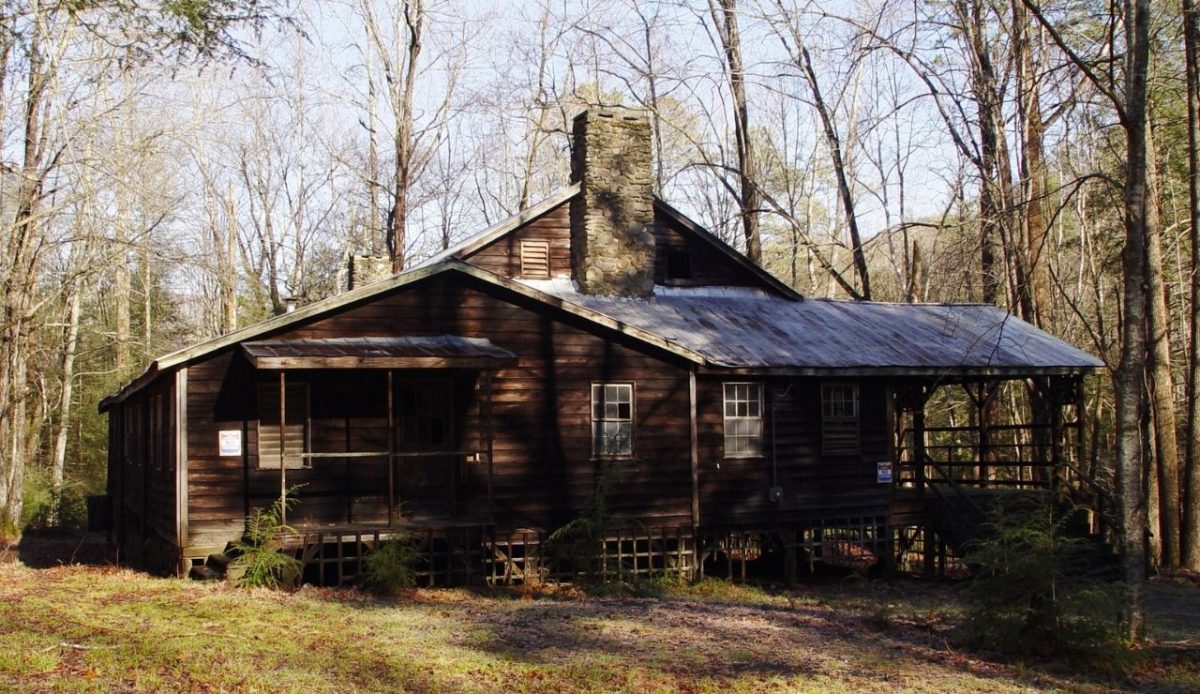
Hidden inside Great Smoky Mountains National Park, Elkmont was once a lively summer escape for Knoxville families and railroad executives. The Wonderland and Appalachian Clubs built cabins and dance halls that thrived for decades. When the park was established, leases expired, and the area fell silent. Decaying cottages stood deep in the forest, slowly overtaken by vines and wildlife. Preservation efforts have stabilized several historic cabins to showcase early American leisure culture. Today, Elkmont’s ghostly charm draws visitors seeking a glimpse of life before the Smokies became a park.
10. Coco Palms Resort, Hawaii
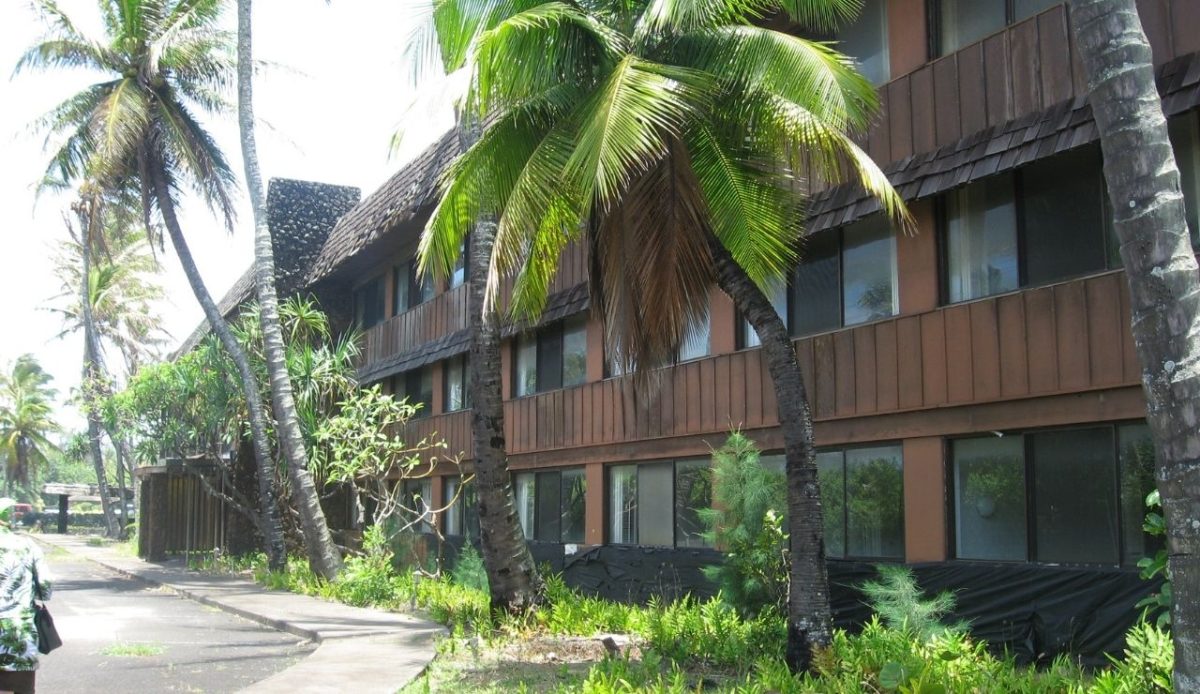
Opened in the 1950s on Kauaʻi’s Wailuā Bay, Coco Palms was the pride of Hawaii’s early tourism boom. Elvis Presley filmed parts of Blue Hawaii there, and the resort became synonymous with tropical glamour. Hurricane Iniki devastated it in 1992, leaving it abandoned for decades. Palm trees and broken tiki decor turned it into a haunting shell of paradise. Recent redevelopment plans aim to restore the property, though progress has been slow. Many visitors stop by its gates to photograph what was once the island’s most romantic hotel setting.
11. Marconi Hotel, California
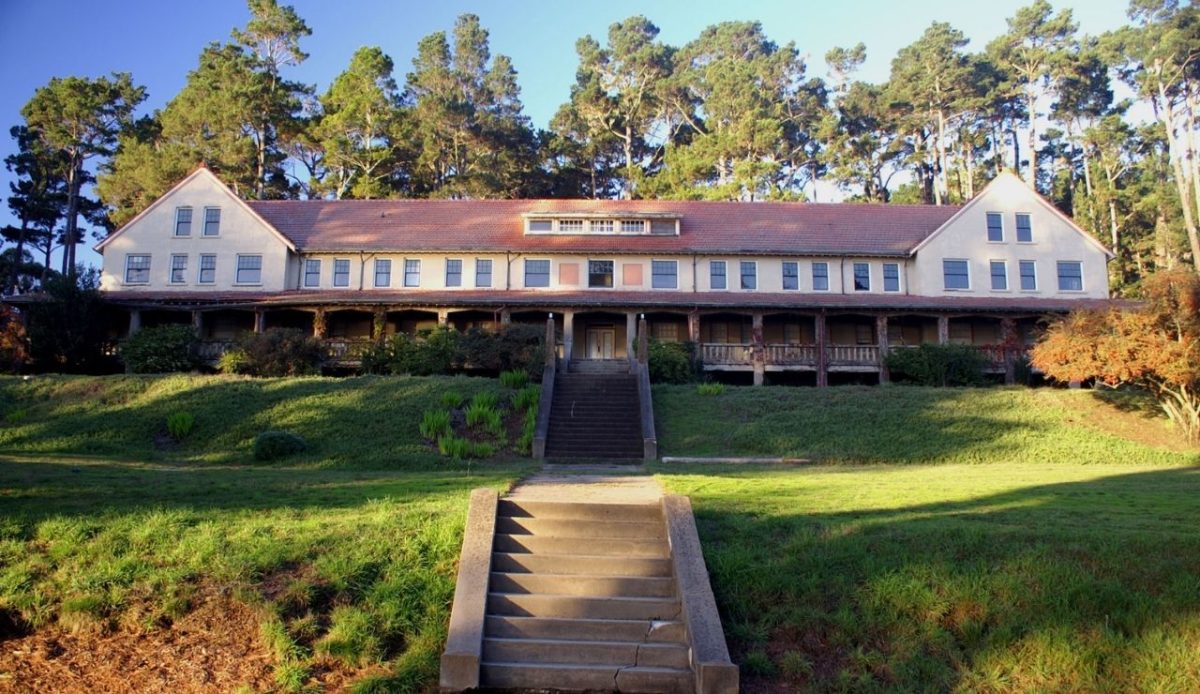
Originally built by the Marconi Wireless Company in 1914, this coastal site later evolved into a resort and retreat near Tomales Bay. Guests enjoyed ocean breezes, fresh seafood, and sweeping views of Marin County. After years of changing ownership, many of its buildings sat vacant and weather-beaten. Recent preservation projects have transformed parts of the Marconi Conference Center, though remnants of the original lodge survive nearby. Visitors still sense the solitude that once made this hilltop property a refuge for artists and writers escaping city life.
12. Hot Lake Hotel, Oregon
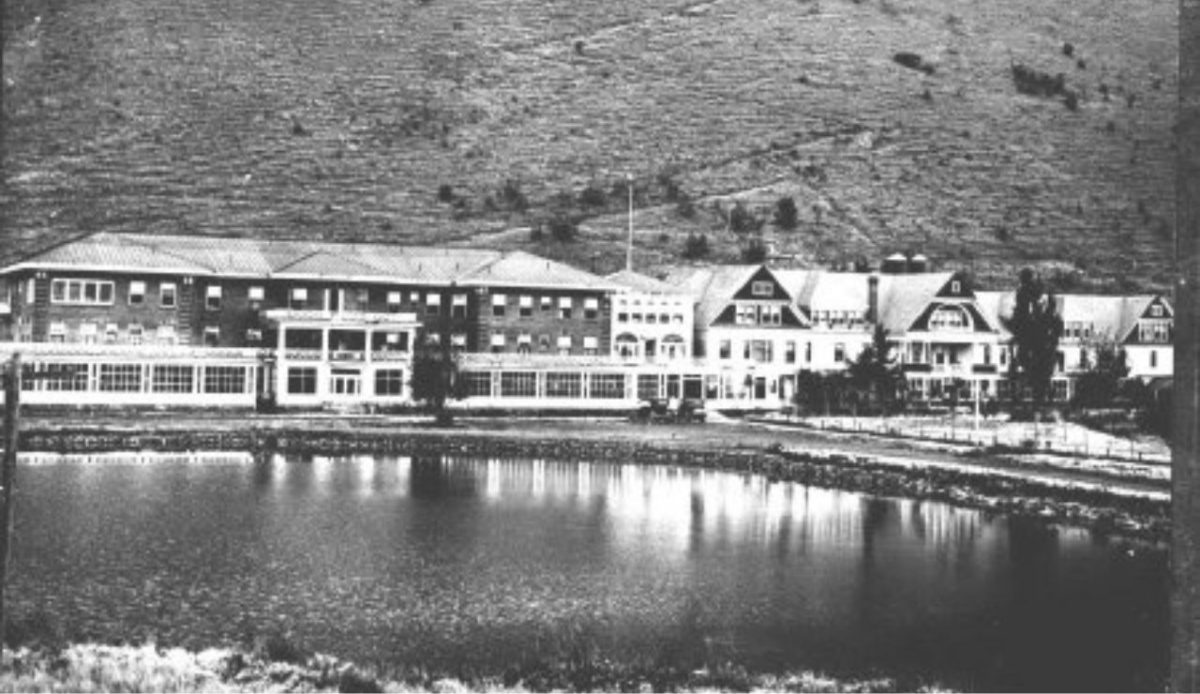
Constructed in 1906 near La Grande, Hot Lake Hotel drew crowds for its therapeutic hot springs and medical treatments. At its height, it featured 300 rooms, a music conservatory, and a grand dining hall. A fire in 1934 and decades of neglect turned it into one of Oregon’s eeriest ruins. Vandals roamed its echoing hallways until restoration began in the 2000s. The hotel has since reopened with limited operations, though traces of its haunted reputation persist. Travelers still stop to photograph its steamy reflection in the nearby lake.
