
Closures inside Yellowstone National Park are a routine part of managing weather, wildlife, and fragile infrastructure, but they can catch visitors off guard. Roads, trails, and services often close with little flexibility once conditions change, especially outside peak summer months. For travelers unfamiliar with the park’s scale, a single closure can disrupt an itinerary.
Many of these shutdowns are seasonal and planned, while others happen suddenly due to snowstorms, flooding, or animal activity. Access between entrances is not guaranteed year-round, making detours long and sometimes impossible.
Understanding how and why these closures happen helps visitors plan realistically and avoid being stranded far from lodging, fuel, or services.
1. Winter Road Shutdowns
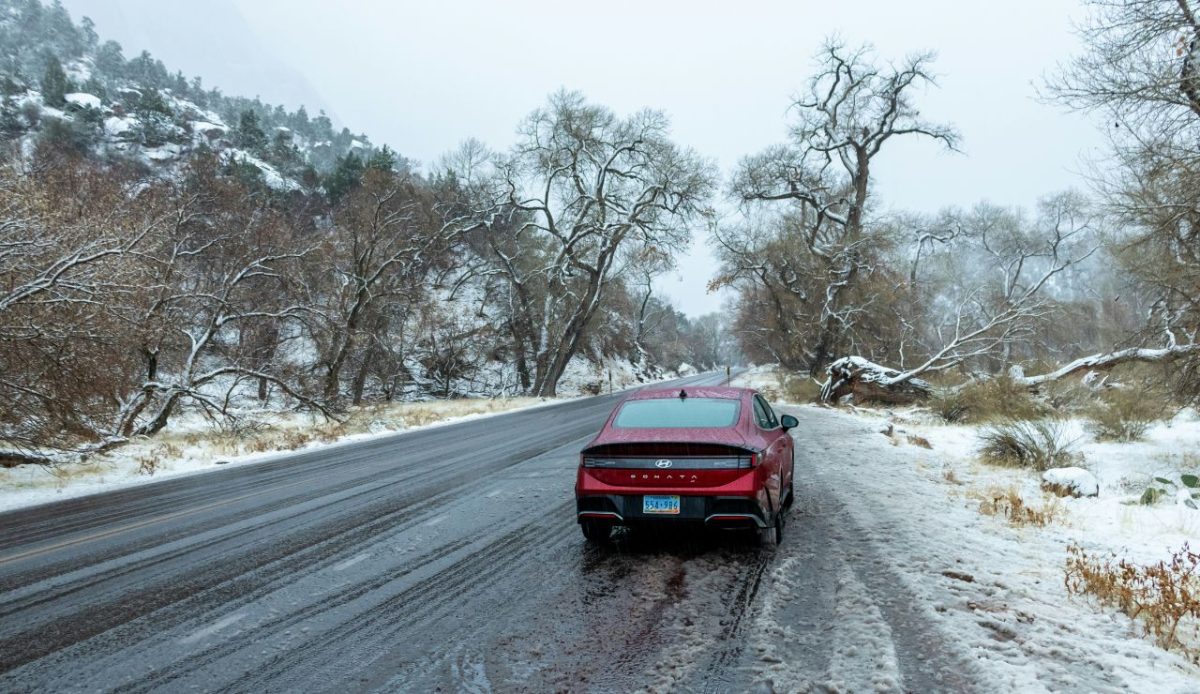
Winter transforms Yellowstone’s transportation system. Most park roads close to regular vehicles as snow accumulates, typically beginning in late fall. Only select routes remain open, and even those depend on daily weather and plowing conditions.
Visitors arriving without winter access planning may find entrances gated, forcing long backtracks to surrounding towns. Snowcoach and snowmobile travel replaces standard driving on many routes.
These closures are predictable but restrictive. Travelers expecting to cross the park in winter often discover that through-traffic is simply not possible during much of the season.
2. Sudden Snowstorms
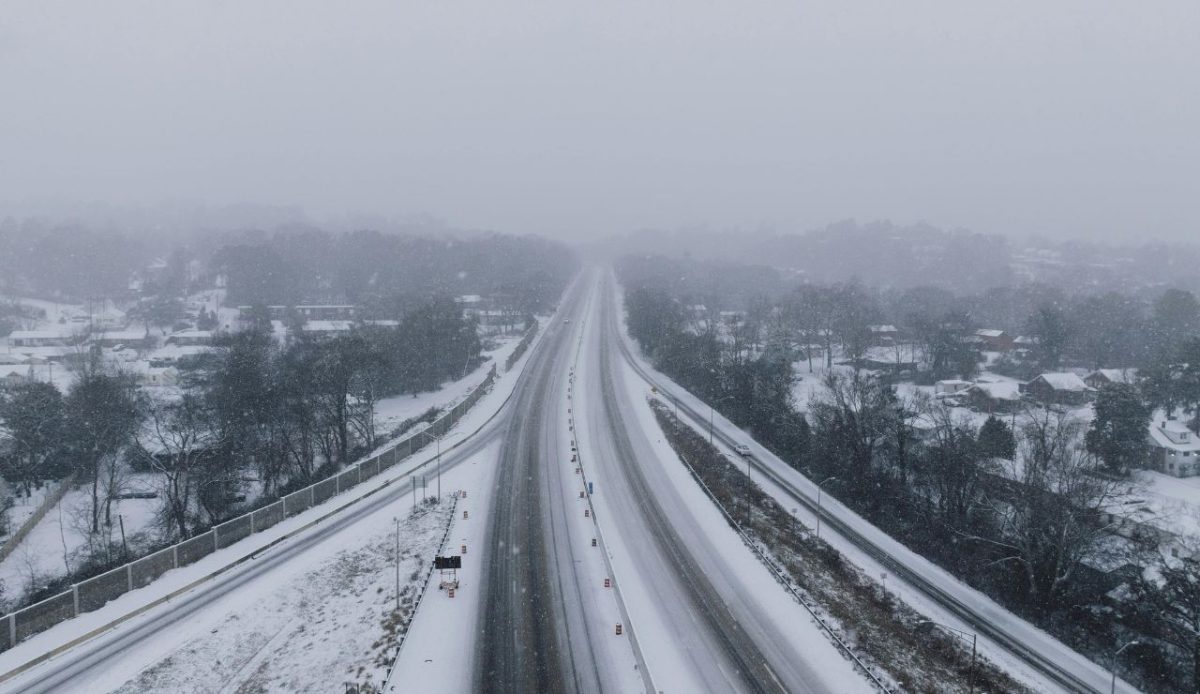
Snowstorms in Yellowstone can develop rapidly, even during late spring or early fall when visitors least expect winter conditions. Elevation changes across the park mean snow may fall heavily in one area while nearby valleys remain clear, creating uneven and dangerous driving conditions.
When storms intensify, park officials may close roads immediately to prevent accidents and reduce strain on emergency services. These closures can occur mid-day, leaving travelers waiting in limited-service areas.
With minimal cell coverage, many visitors are unaware of changing conditions until they encounter roadblocks. What begins as a routine drive can quickly turn into hours of delay or forced rerouting.
3. Seasonal Entrance Closures
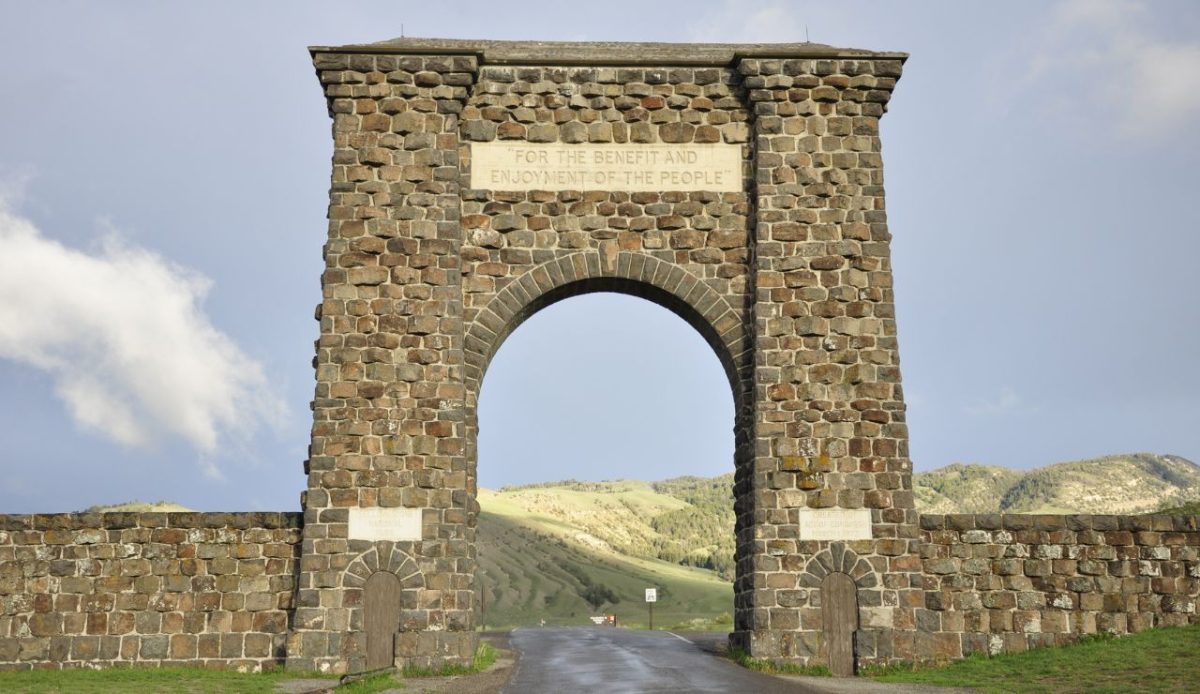
Yellowstone’s entrances operate on different seasonal schedules, which often surprises first-time visitors. Higher-elevation entrances close earlier in the year due to snowpack and reopen later once conditions stabilize and maintenance is completed.
Travelers planning to cross the park may discover that their intended route is unavailable, requiring long detours around the park’s perimeter. These detours can add several hours to a journey.
Because closure dates shift annually based on weather, relying on past experience can be misleading. Seasonal entrance closures are predictable in pattern but flexible in timing, making careful planning essential.
4. Flood Damage Closures
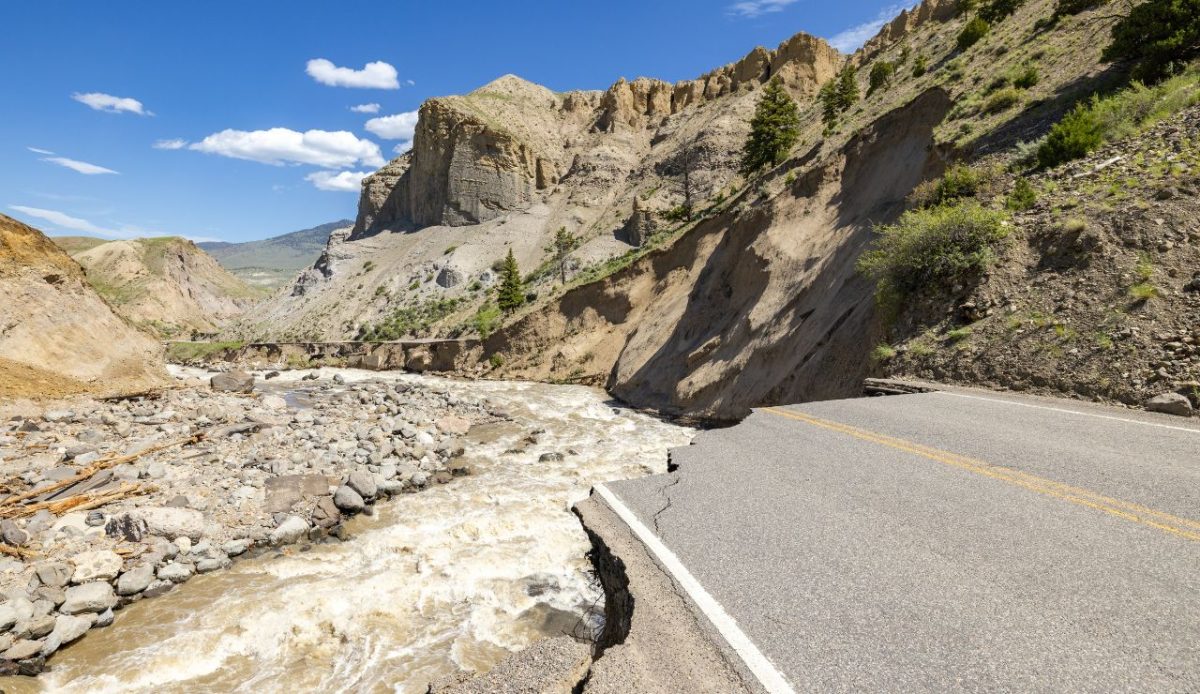
Flooding poses one of the most disruptive threats to Yellowstone’s road network. Heavy rainfall combined with rapid snowmelt can overwhelm rivers, damaging roads, bridges, and culverts with little warning.
When flooding occurs, closures are often extensive rather than isolated. Entire sections of the park may shut down while safety inspections and repairs are conducted, limiting exit options for visitors already inside.
These closures can last far longer than expected. Even after waters recede, structural damage may require weeks of work, reshaping travel routes for the remainder of the busy season.
5. Wildlife-Related Traffic Stops
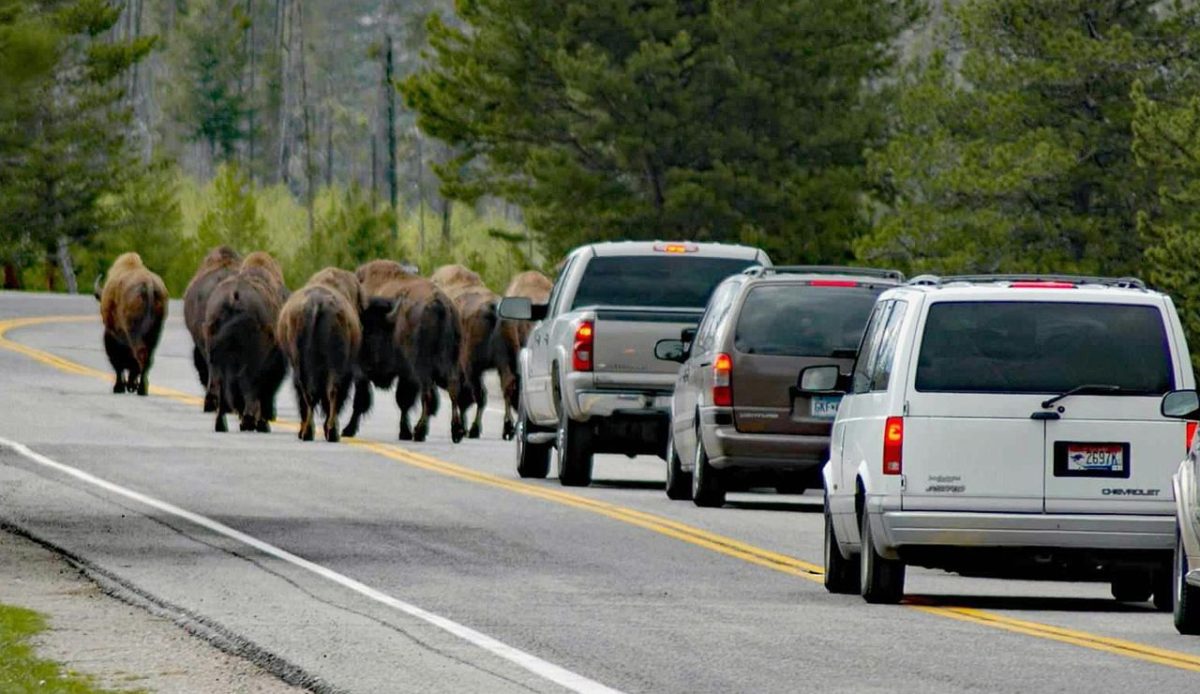
Wildlife activity frequently affects traffic flow throughout the park, especially during migration, mating, and calving seasons. Large animals such as bison often move slowly across roads or remain on pavement for extended periods.
Rangers may temporarily close roads to protect animals and manage visitor behavior. These closures can last far longer than typical wildlife sightings when herds linger nearby.
Because wildlife movement cannot be predicted, delays often occur without warning. For travelers with fixed schedules, these stoppages can result in missed lodging check-ins or canceled activities.
6. Construction Work on Key Park Roads
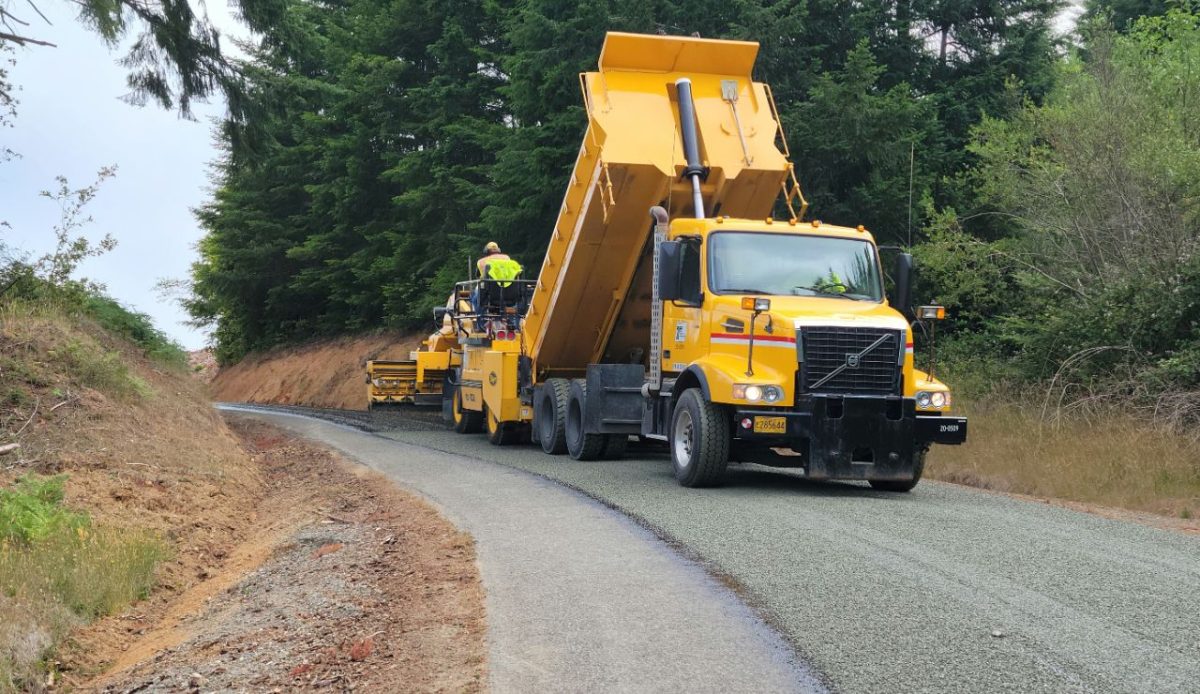
Road construction is a regular but often underestimated cause of closures within Yellowstone. Aging infrastructure, narrow roadways, and seasonal damage require ongoing repairs that can limit access to major routes for extended periods.
During construction, traffic may be reduced to single lanes or halted entirely at scheduled times. These stoppages can last from minutes to several hours, depending on the work being done and safety requirements.
Because construction schedules may shift due to weather or staffing, visitors often encounter unexpected delays. These closures can disrupt day plans and complicate travel between lodging areas.
7. Avalanche Risk Zones
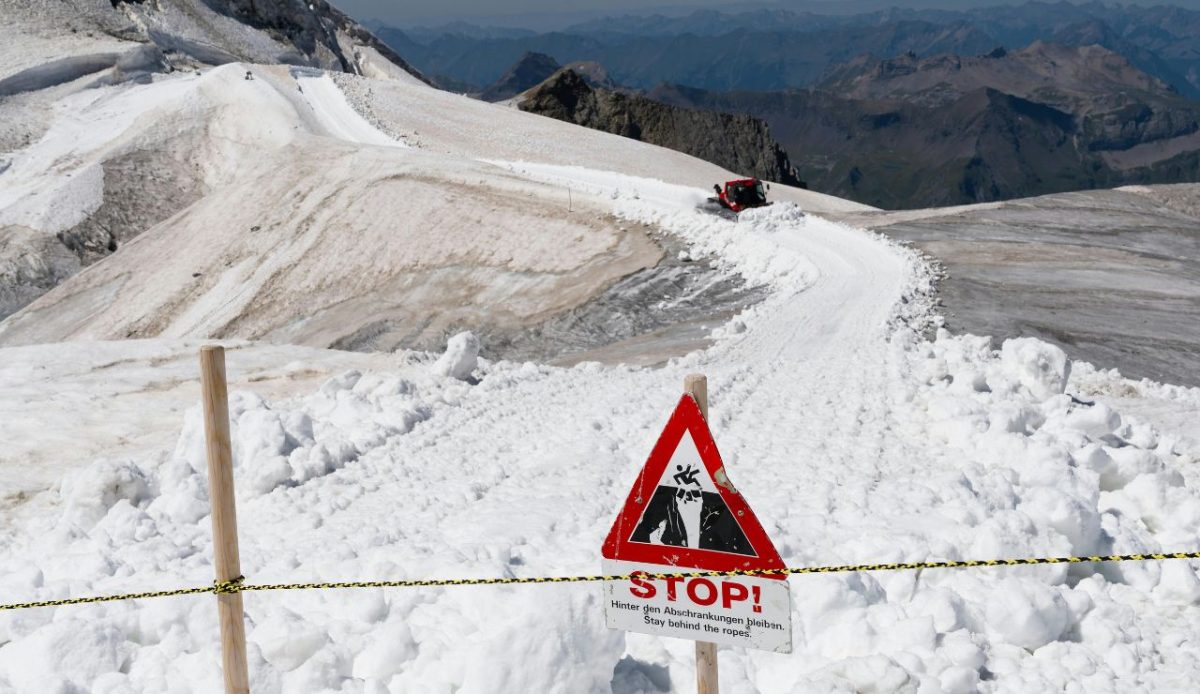
Certain sections of Yellowstone pass through steep terrain where avalanche risk is a seasonal concern. Heavy snowfall combined with sudden temperature shifts increases instability along mountain corridors, especially in shaded or wind-loaded areas.
When risk levels rise, park officials may close roads preemptively to protect travelers and emergency crews. These closures can occur even under clear skies if conditions beneath the snowpack remain unsafe.
For visitors, avalanche-related shutdowns feel abrupt because there may be no visible danger. Closures can last days rather than hours, particularly when controlled slides or extended monitoring is required.
8. Thermal Area Boardwalk Restrictions
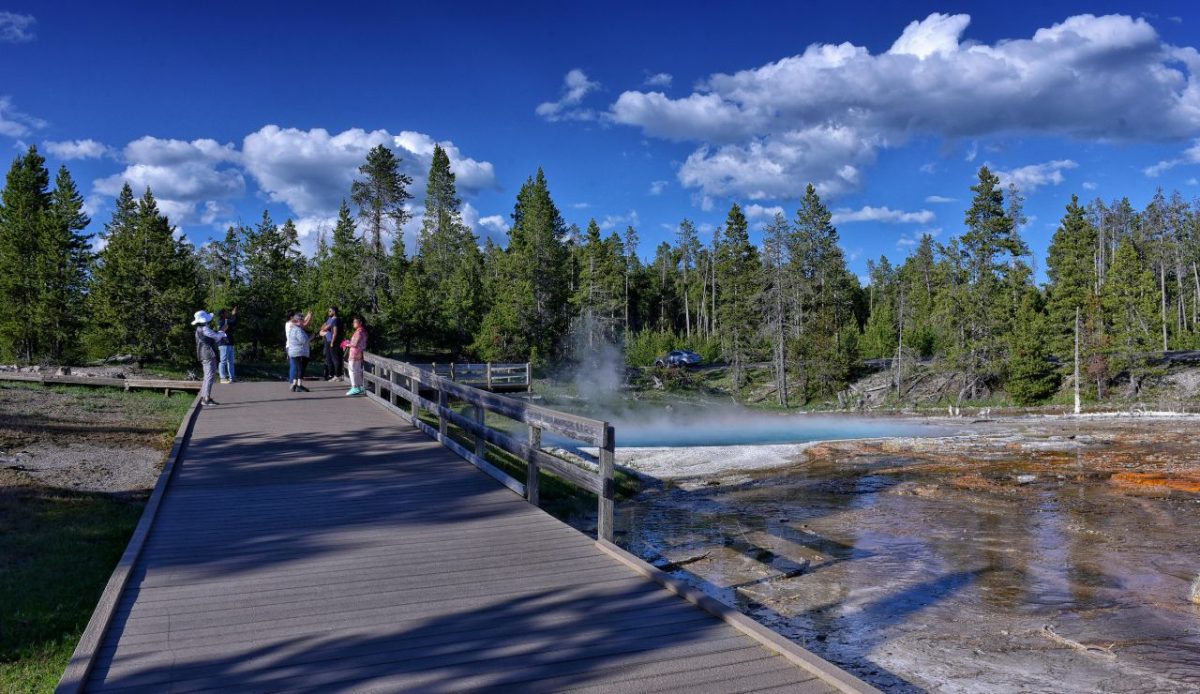
Yellowstone’s geothermal areas require constant safety monitoring due to shifting ground and extreme heat beneath the surface. Boardwalks near geysers and hot springs may close when sensors detect instability.
Thermal activity can change quickly, weakening soil or altering steam vents beneath walkways. As a result, closures may occur without advance notice and affect large viewing zones.
These restrictions often disrupt planned stops at iconic features. While essential for visitor safety and environmental protection, they can significantly reduce access to some of the park’s most recognizable areas.
9. Limited Access to Remote Campgrounds
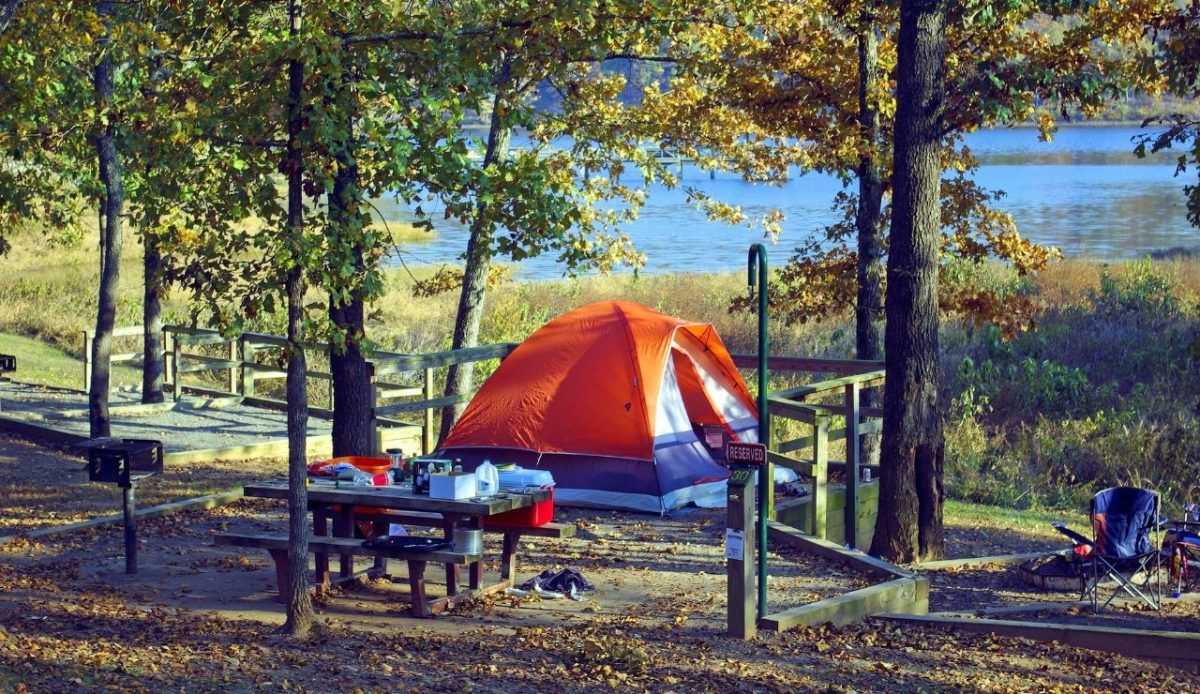
Remote campgrounds are especially vulnerable to closures due to weather, road conditions, and staffing availability. Many are reached by secondary or unpaved roads that deteriorate quickly after rain, snowmelt, or early frost, making travel unsafe for standard vehicles.
When access roads become hazardous, park officials often close entire campgrounds rather than allow limited entry. Visitors already nearby may be required to relocate with little notice, sometimes late in the day.
Because these campgrounds are spread far apart, closures can leave travelers scrambling for alternatives. During busy seasons, nearby lodging and campsites may already be full, increasing the risk of long, unplanned drives.
10. Reduced Services During Shoulder Seasons
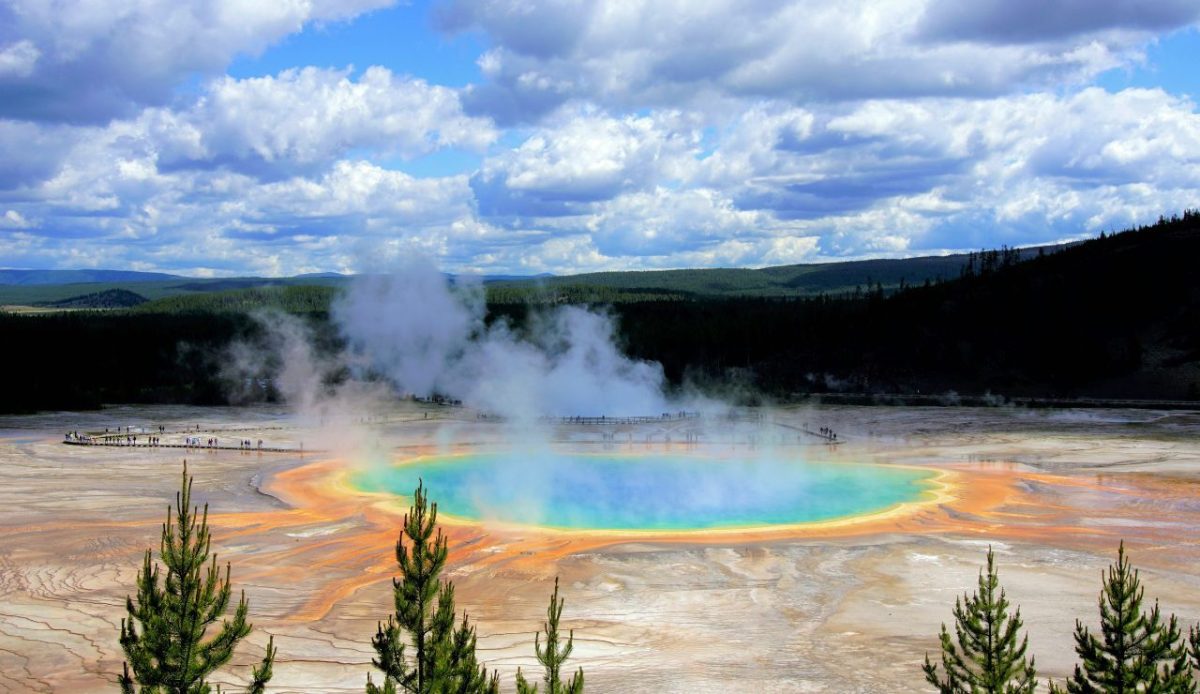
During spring and fall, Yellowstone operates with reduced staffing and scaled-back services across much of the park. While certain areas remain open, closures become more frequent and can change from day to day based on staffing and weather.
Visitor centers, fuel stations, food services, and restrooms may shut down without long notice. Road access may also be limited to daylight hours or closed temporarily after overnight storms.
These reductions make travel more complex than many visitors expect. Travelers arriving outside peak summer months often assume full services are available, only to encounter limited support across large distances.
11. Temporary Closures for Park Operations
Yellowstone regularly conducts internal operations that require short-term closures in active areas. These include wildlife monitoring, infrastructure inspections, emergency response drills, and habitat protection work.
Closures related to operations are often localized but can block key connectors between major park roads. They may last several hours or extend through an entire day, depending on safety needs.
For visitors following tight schedules, these shutdowns can disrupt planned routes and reservations. Although necessary for long-term park management, they add uncertainty to travel timelines.
