
The world still holds vast wilderness areas untouched by mainstream tourism. These regions offer rare solitude, raw landscapes, and ecosystems largely preserved in their natural state.
Reaching them often requires stamina, careful planning, and respect for fragile environments. Unlike popular national parks, these areas remain off the radar, providing a true sense of isolation.
For adventurous travelers, exploring these regions offers a chance to experience nature unfiltered. From dense forests to arid deserts and frozen tundras, each wilderness tells a story of life untouched by human development.
1. Siberian Taiga, Russia
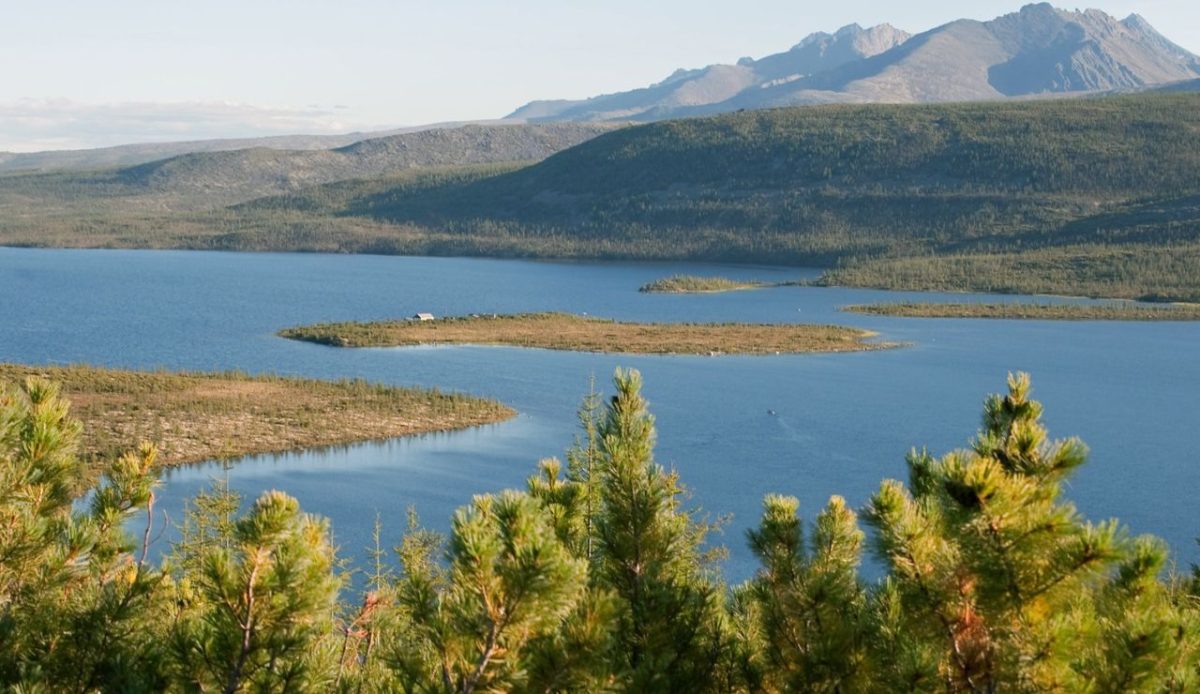
The Siberian Taiga is one of the world’s largest forests, stretching thousands of miles across Russia. Its dense conifers, rivers, and wildlife make travel challenging and rewarding.
Few venture here due to harsh winters, remote terrain, and limited infrastructure. Only seasoned explorers with experience in extreme climates can safely navigate its vastness, where snow can persist for months and rivers remain frozen well into spring.
Visitors encounter wolves, bears, and reindeer, along with unspoiled rivers and hidden clearings. The Siberian Taiga exemplifies solitude and natural beauty where human presence is minimal, wildlife thrives, and nature dominates in every direction.
2. Patagonia, Argentina & Chile
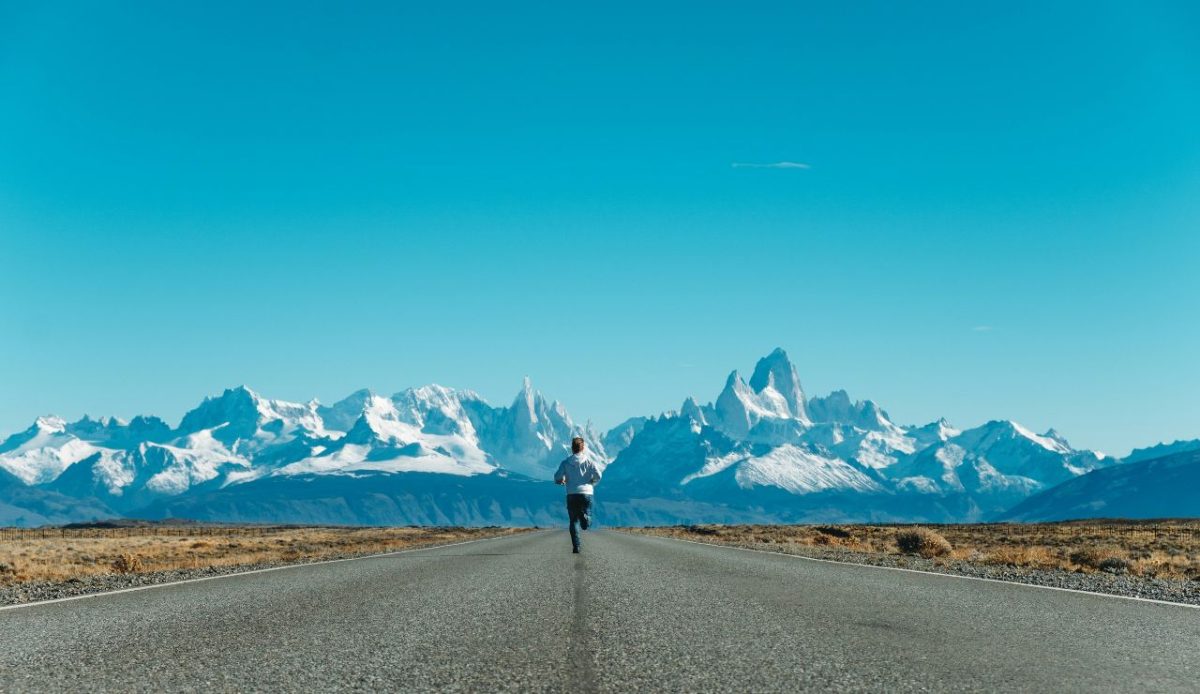
Patagonia is a rugged region of glaciers, mountains, and steppe that stretches across southern Argentina and Chile. Its remote landscapes challenge even experienced travelers with unpredictable weather and long distances.
Beyond well-known areas like Torres del Paine, much of Patagonia remains untouched. Sparse settlements and few roads maintain its wild character. Explorers hike glaciers, cross windswept plains, and navigate isolated fjords.
The region rewards adventurers with dramatic vistas, rare wildlife sightings, and a profound sense of space. Patagonia offers an unmatched wilderness experience far from bustling tourist circuits.
3. The Outback, Australia
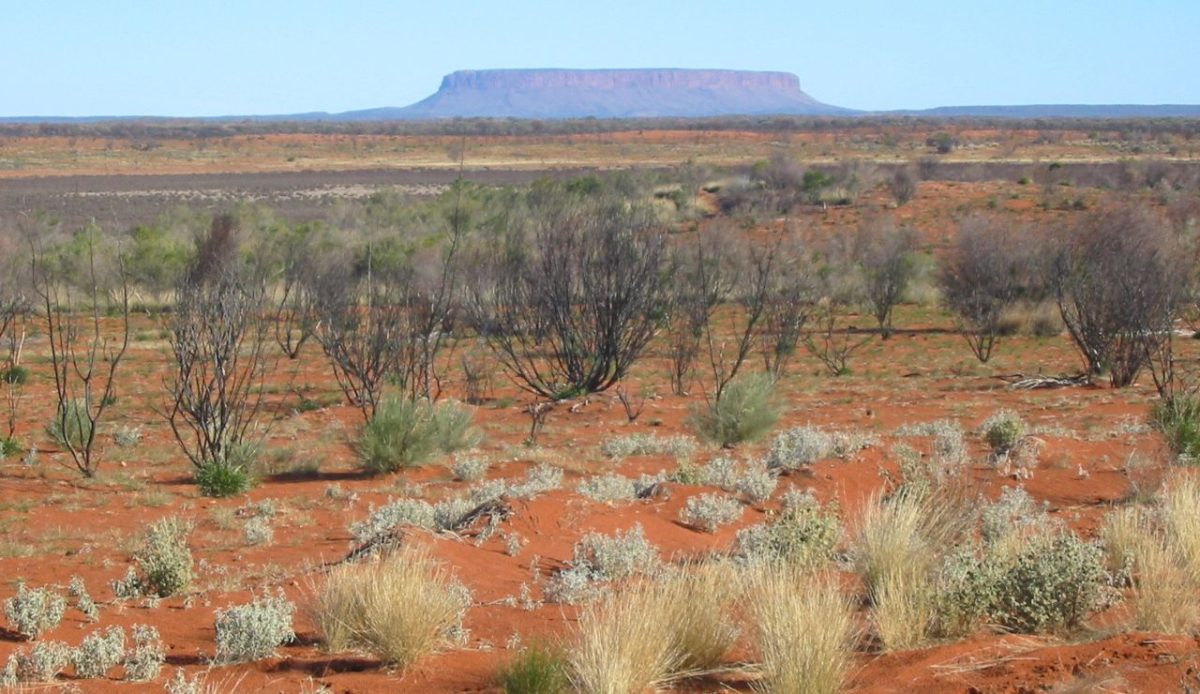
Australia’s Outback encompasses vast desert plains, red rock formations, and remote settlements. Its extreme temperatures and isolation require careful planning for safe travel.
Few visitors stray beyond accessible areas like Uluru, leaving much of the Outback pristine. The wide, empty landscapes reveal unique flora, indigenous culture, and expansive horizons under open skies, where dust storms occasionally reshape the land.
Traveling the Outback immerses adventurers in silence and raw nature. Its remoteness preserves ecosystems and traditions, providing a stark contrast to Australia’s urbanized coasts, with the horizon stretching endlessly across ochre plains.
4. Greenland Ice Sheet, Greenland
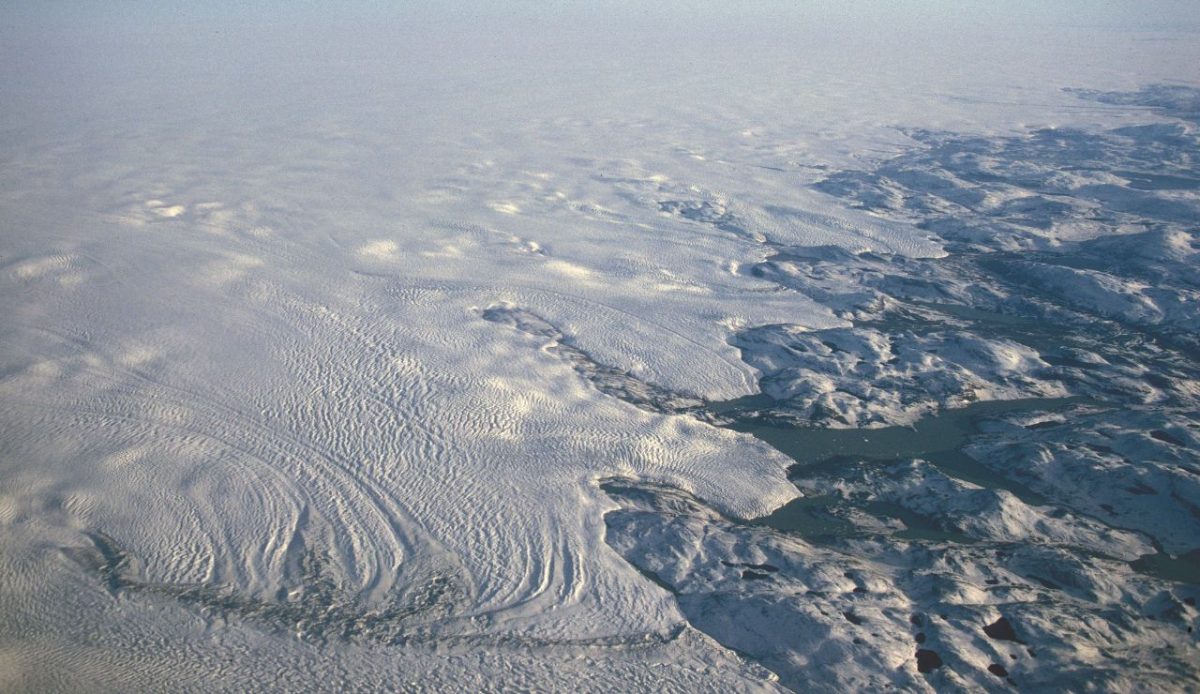
The Greenland Ice Sheet covers over 1.7 million square kilometers, forming one of the planet’s most extreme and untouched landscapes. Traversing it demands specialized gear and expertise.
Extreme cold, crevasses, and high winds deter casual visitors. Expeditions here often require guides, planning, and survival skills to safely navigate glaciers and icebergs, where shifting ice and hidden crevasses present constant challenges.
Despite harsh conditions, the Ice Sheet offers otherworldly beauty. Travelers encounter expansive ice fields, isolated wildlife, and a profound sense of scale and solitude unmatched in any other wilderness, where silence reigns supreme.
5. The Amazon Rainforest, South America
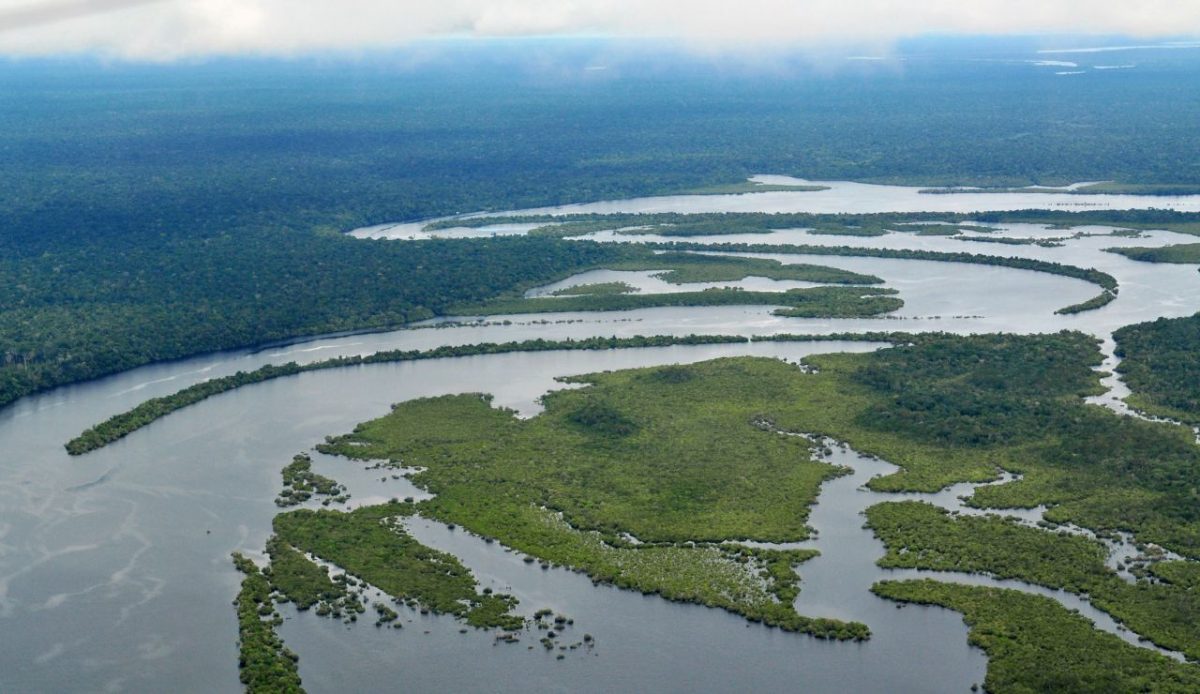
The Amazon Rainforest spans multiple countries, with dense jungles, winding rivers, and unparalleled biodiversity. Only a fraction is accessible to tourists.
Traveling deep into the Amazon requires guides, riverboats, and an understanding of local ecosystems. Remote areas are inhabited by indigenous communities and wildlife rarely seen by outsiders, including elusive jaguars and rare primates.
Explorers experience unparalleled immersion in nature. Towering trees, hidden waterfalls, and rare animal sightings make the Amazon a true wilderness where adventure, discovery, and cultural insights intersect far from populated areas.
6. Yukon Territory, Canada
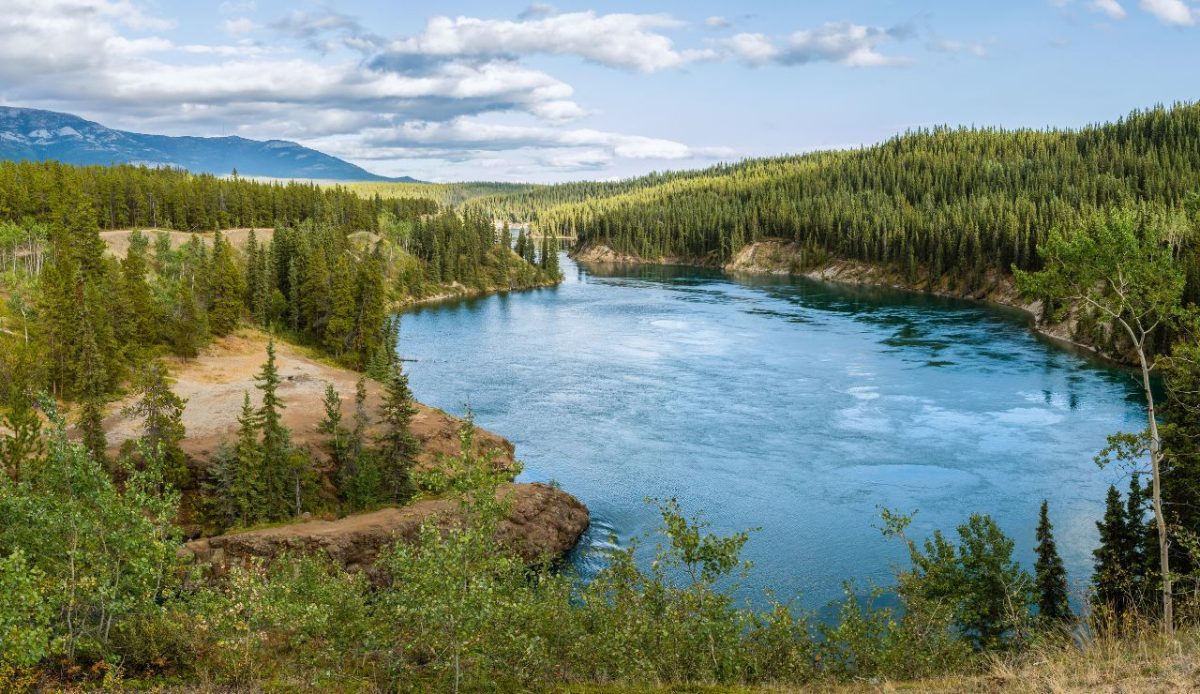
Yukon Territory offers mountains, forests, and rivers largely untouched by modern development. Its remote trails and sparsely populated regions make exploration challenging but rewarding.
Harsh winters, vast distances, and limited infrastructure demand careful planning. Travelers often rely on bush planes, boats, or long treks to reach the most secluded spots, where the aurora borealis lights up the night sky in winter.
The Yukon provides solitude, wildlife encounters, and natural beauty unmatched by crowded national parks. Moose, bears, and caribou roam freely, creating a genuine connection to a pristine, wild environment.
7. Namib Desert, Namibia
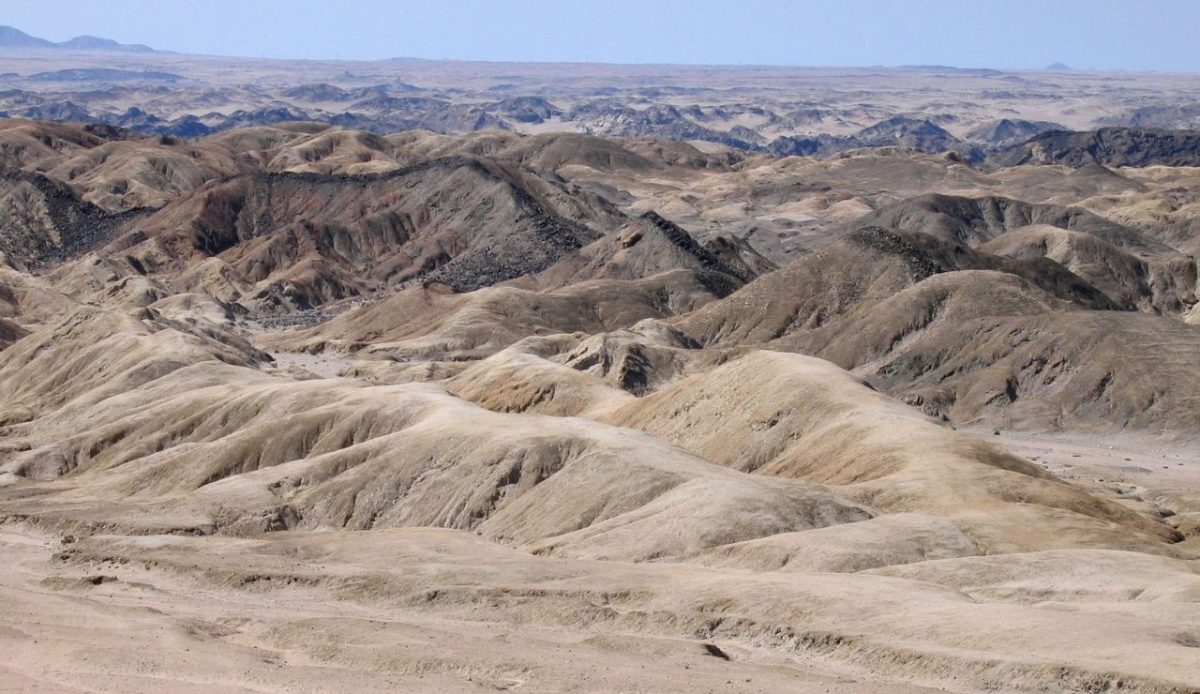
The Namib Desert is one of the oldest deserts in the world, featuring towering sand dunes, rocky plains, and isolated wildlife. Its arid environment challenges travelers with extreme temperatures and limited water.
Few visitors venture far beyond coastal towns or popular dune areas, leaving vast expanses untouched. Nomadic Himba communities inhabit parts of the desert, maintaining traditional lifestyles and intimate knowledge of the harsh landscape.
Exploring the Namib provides a sense of infinite space and solitude. Dramatic landscapes, rare wildlife, and isolation make it a premier destination for serious wilderness seekers seeking encounters with nature at its rawest.
8. Kamchatka Peninsula, Russia
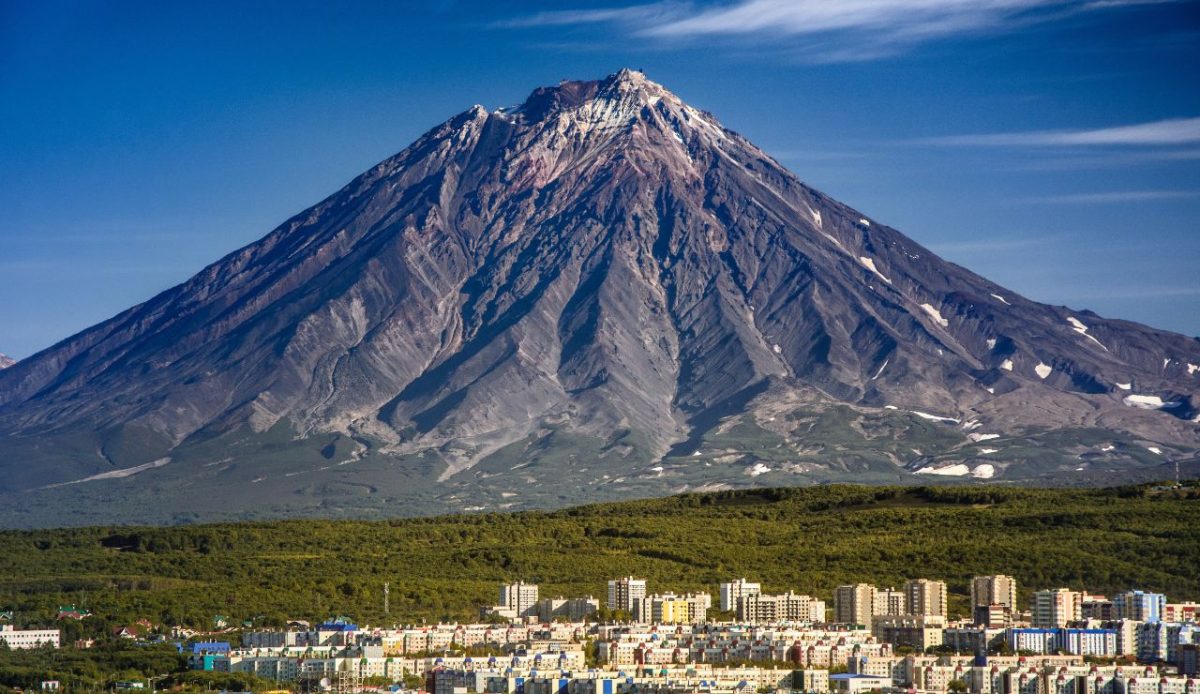
Kamchatka is a remote Russian peninsula of volcanoes, geysers, and vast wilderness. Its rugged terrain and harsh climate deter most travelers, keeping it largely untouched.
Access is limited by few roads and seasonal weather conditions. Adventurers often rely on helicopters, boats, or long treks to reach remote volcanic zones, where geysers, hot springs, and rivers create unpredictable terrain.
Kamchatka rewards explorers with active volcanoes, hot springs, and unspoiled rivers. Its isolation preserves both wildlife and landscapes, offering a raw and adventurous wilderness experience unmatched in the Northern Hemisphere.
9. Svalbard, Norway
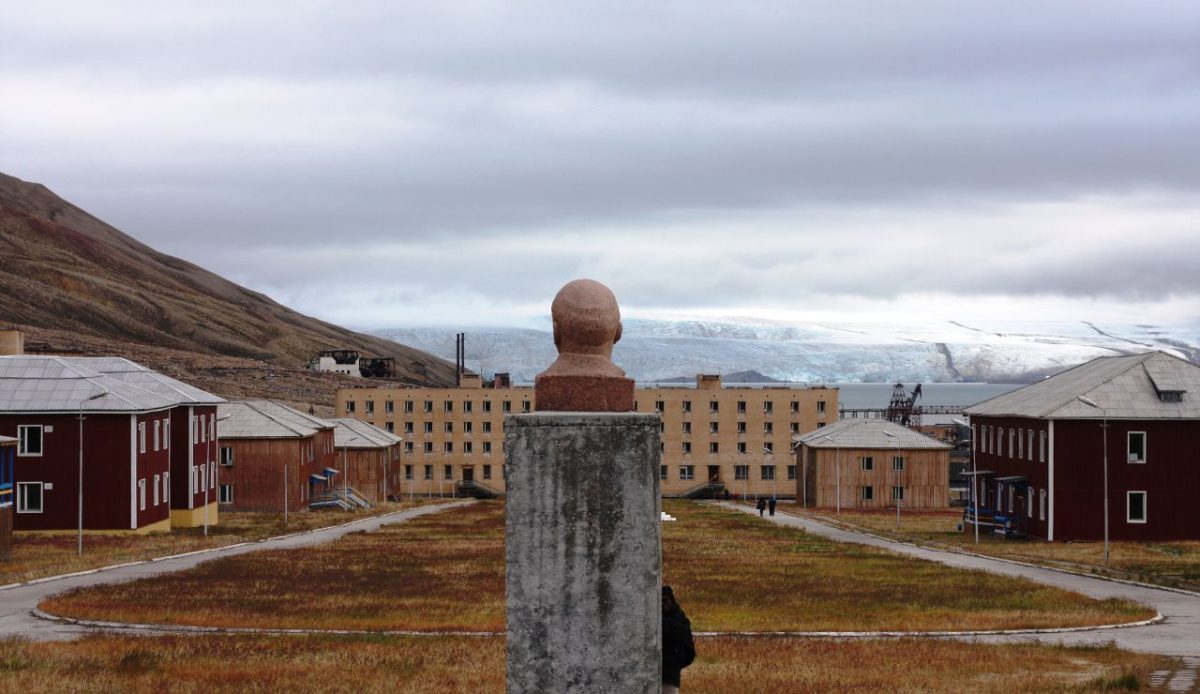
Svalbard is an Arctic archipelago with glaciers, fjords, and polar bears. Its extreme latitude, ice, and cold conditions make it one of the most isolated regions on Earth.
Few settlements exist, and most visitors rely on guided tours for safety. The Arctic wilderness dominates the landscape, offering stark beauty, rare wildlife, and unparalleled solitude far from human activity.
Exploring Svalbard requires preparation, specialized clothing, and careful planning, but provides unmatched isolation. Snow-covered mountains, icebergs, and the Arctic Ocean combine to create a pristine, remote wilderness rarely visited, where the raw power of nature is fully evident.
10. Patagonian Steppe, Chile & Argentina
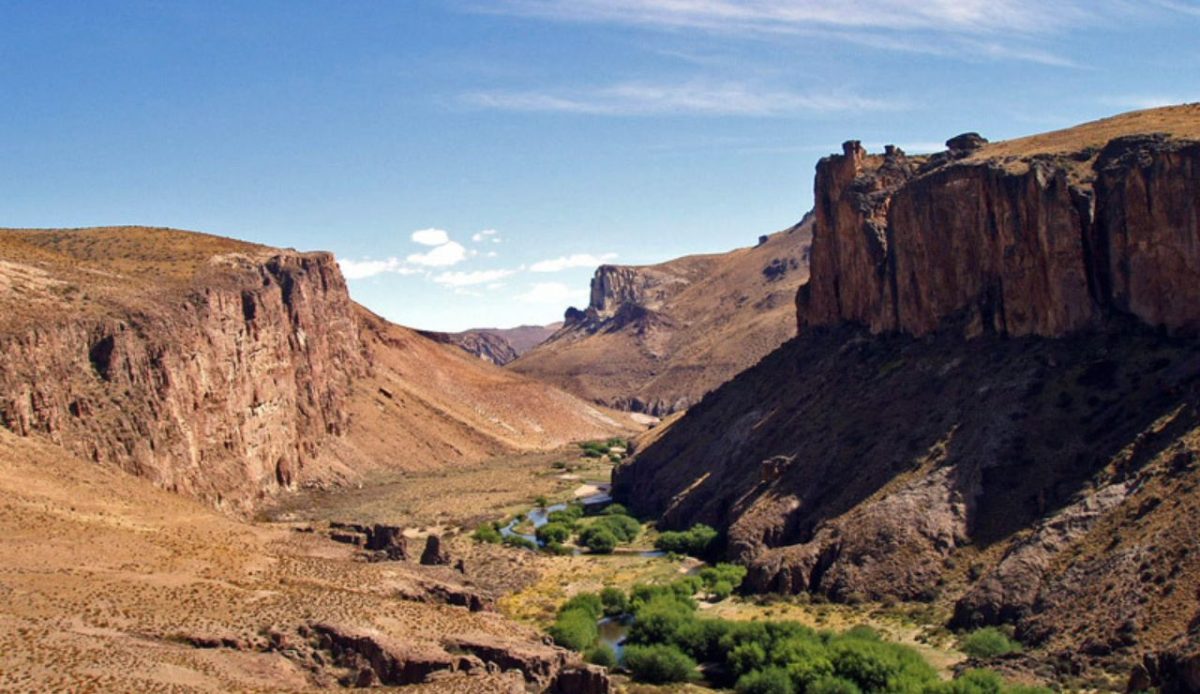
The Patagonian Steppe consists of windswept plains, shrubs, and plateaus extending across southern South America. Sparse settlements and harsh weather keep it largely untouched by mass tourism.
Traveling here requires endurance and preparation, as roads are minimal and distances vast. Wildlife such as guanacos, Andean condors, and elusive pumas roam freely, reinforcing the sense of isolation and untamed nature.
The steppe offers solitude, dramatic skies, and a raw connection to nature. Its isolation preserves ecosystems and creates an authentic wilderness experience far from tourist hubs, providing adventurers with vast landscapes that feel truly infinite and untouched.
11. Fiordland, New Zealand
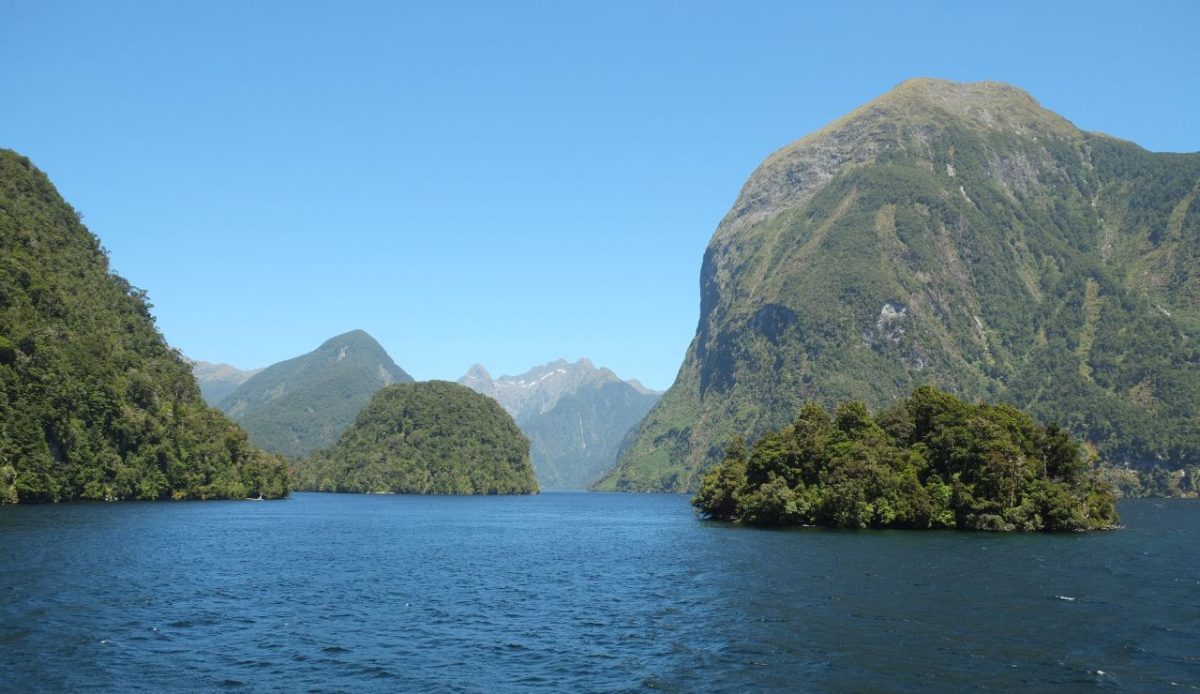
Fiordland features towering fjords, rainforests, and remote waterways in New Zealand’s South Island. Its rugged terrain, heavy rainfall, and limited infrastructure maintain its pristine condition and discourage casual visitors.
Few roads penetrate its interior, so travelers rely on boats, hikes, or guided expeditions to explore hidden valleys, cascading waterfalls, and mountains where wildlife thrives largely undisturbed by humans.
Fiordland provides an immersive wilderness experience. Its isolation, dramatic landscapes, and serene fjords make it a must-visit for adventurers seeking untouched natural beauty, offering a rare chance to witness ecosystems completely protected from urban influence.
