
Europe is home to countless cities with rich traditions, but some lesser-known destinations stand out for their deeply rooted drinking culture. From historic breweries to vibrant taverns and local wine festivals, these cities offer more than just nightlife, they provide a cultural experience. Travelers can immerse themselves in centuries-old brewing techniques, taste signature beverages, and connect with locals who proudly share their traditions. In this article, we explore 11 underrated European cities where drinking culture is an essential part of life, inviting visitors to raise a glass and celebrate local heritage.
1. Ghent, Belgium
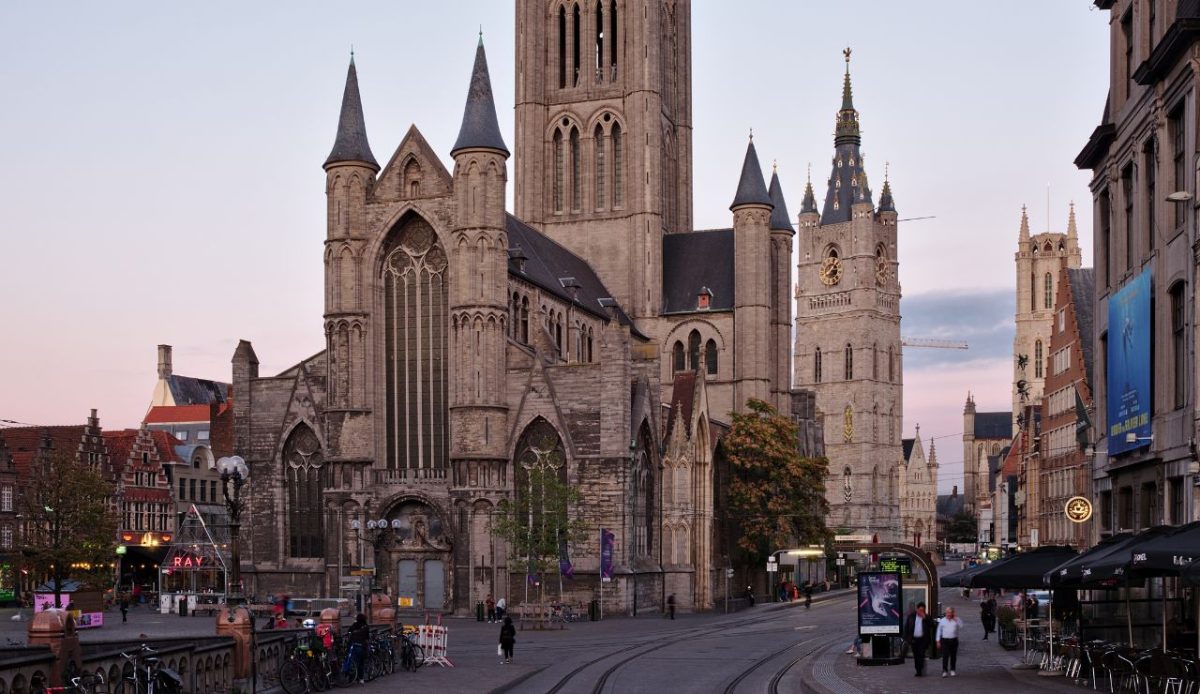
Ghent is often overshadowed by Brussels and Bruges, yet it offers a thriving beer culture and historic brewing traditions. The city’s canals and medieval architecture provide a picturesque backdrop for visiting its many pubs and beer cafes. Local breweries craft unique ales and seasonal brews, while beer festivals showcase the city’s rich heritage. Visitors can enjoy tasting sessions, guided brewery tours, and sample traditional Belgian dishes paired with signature beers. Ghent’s relaxed yet lively atmosphere makes it a perfect destination for travelers seeking an authentic European drinking experience away from the usual tourist crowds.
2. Plzen, Czech Republic
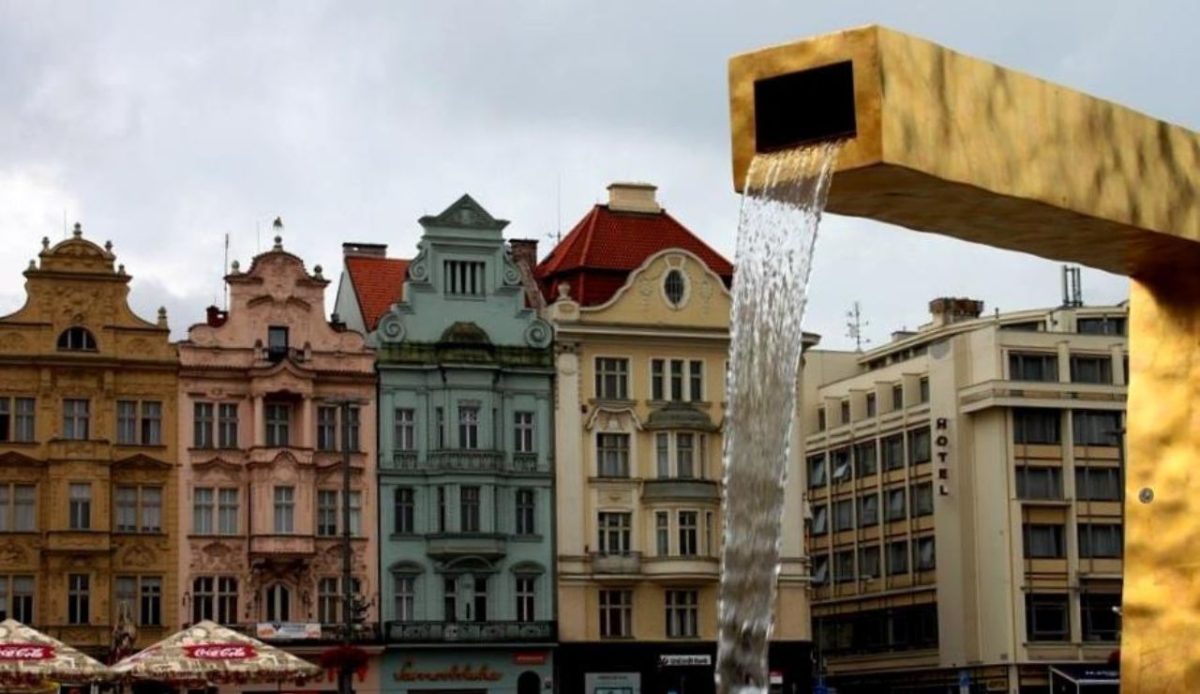
Plzen, the birthplace of Pilsner beer, is a must-visit for beer enthusiasts seeking history and flavor. The Pilsner Urquell brewery offers tours where visitors can learn traditional brewing techniques and sample freshly tapped lager. Local pubs and beer halls provide lively settings for socializing, while the city’s charming squares and historic architecture enhance the experience. Beyond beer, Plzen also hosts cultural events and festivals that celebrate its heritage. For travelers eager to explore authentic European drinking traditions, Plzen delivers an immersive, flavorful experience that combines history, culture, and conviviality.
3. Ljubljana, Slovenia
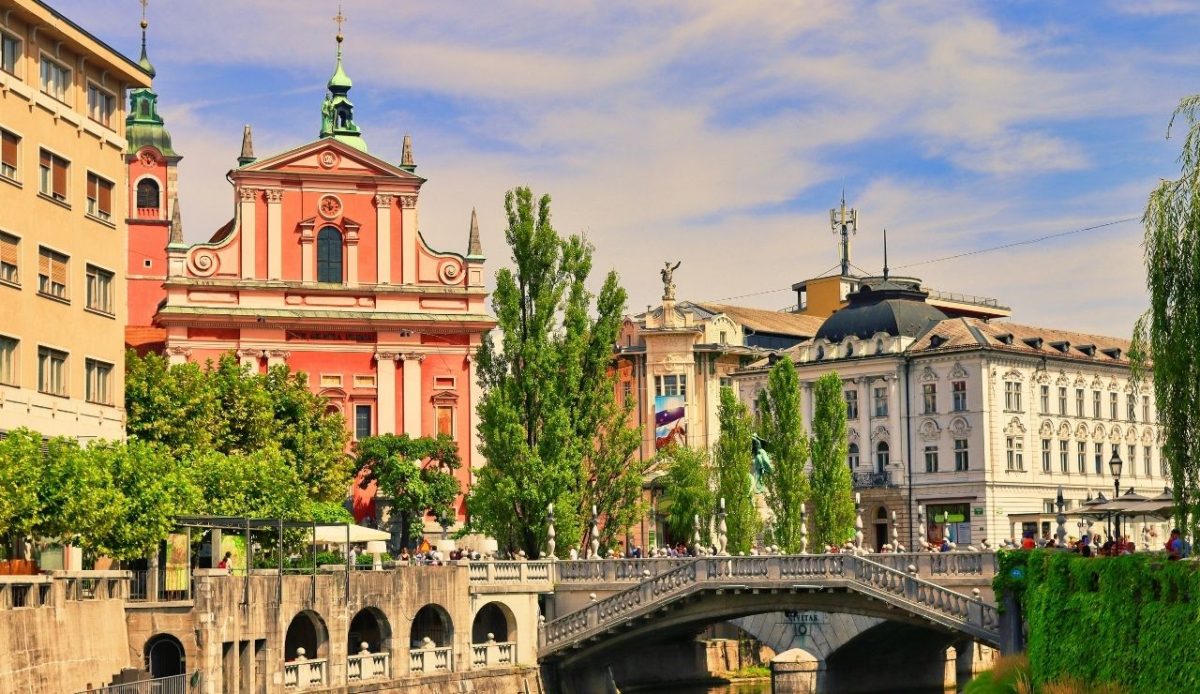
Ljubljana, Slovenia’s capital, is a compact city with a growing craft beer scene and rich wine culture. Its charming old town is dotted with cozy pubs, riverside bars, and microbreweries offering local ales and traditional Slovenian spirits. Seasonal beer festivals and vineyard tours showcase the region’s brewing and winemaking heritage. Visitors can enjoy tastings, pair drinks with local cuisine, and explore historic landmarks. Ljubljana’s welcoming atmosphere, scenic riverbanks, and preserved cultural traditions make it an ideal destination for travelers experiencing Europe’s deeply rooted drinking culture.
4. Trier, Germany
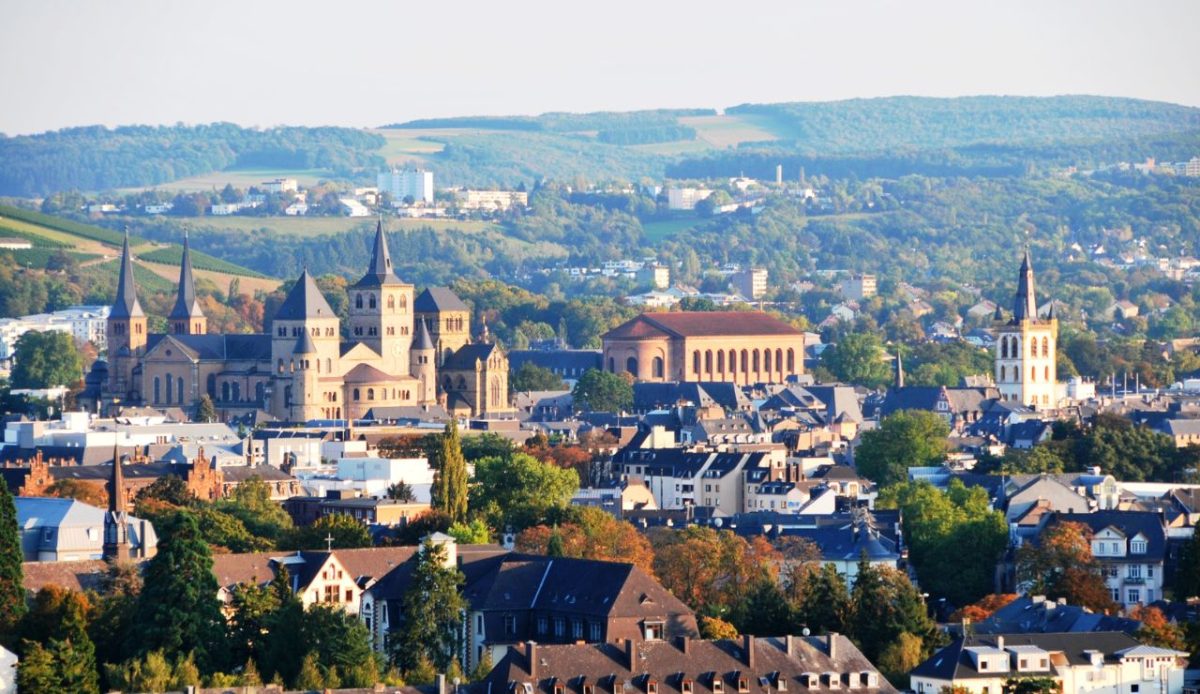
Trier, Germany’s oldest city, combines Roman history with a thriving wine culture. Nestled along the Moselle River, the region is famous for its Riesling wines, and local taverns offer tastings in atmospheric historic settings. Vineyards on terraced hills produce some of Germany’s finest wines, while festivals celebrate centuries-old traditions. Trier’s charming streets, Roman monuments, and relaxed ambiance create the perfect backdrop for exploring its drinking culture. Visitors experience both historical charm and contemporary winemaking, making Trier captivating for European beverage enthusiasts.
5. Porto, Portugal
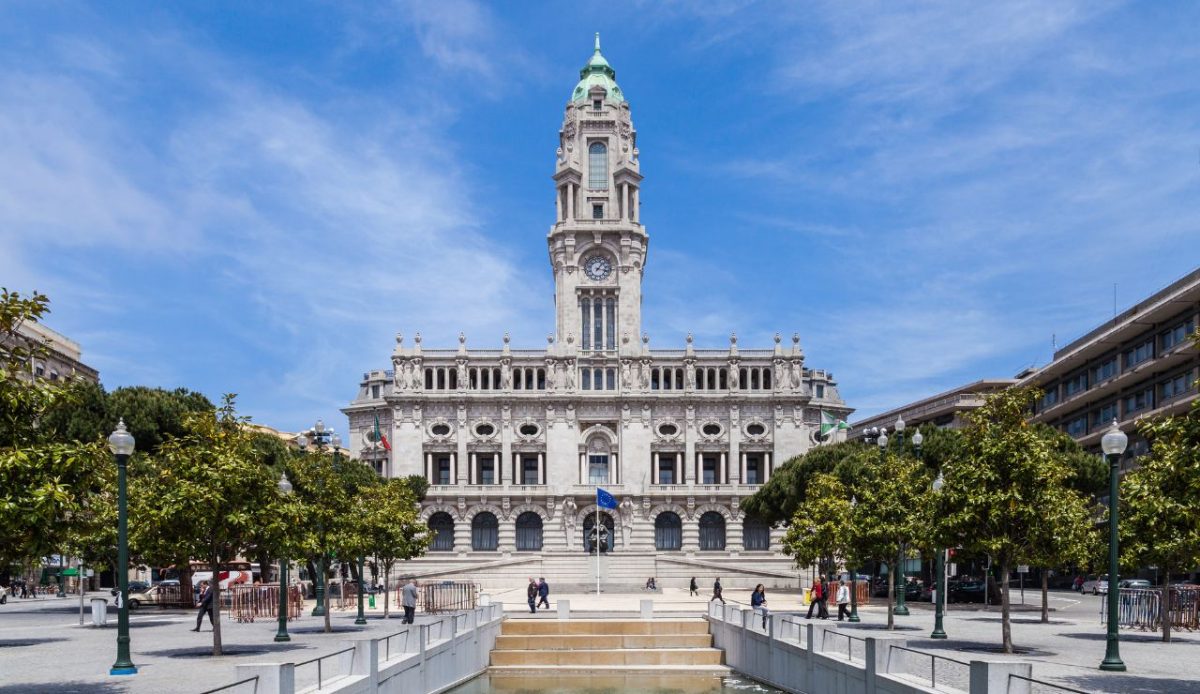
Porto, Portugal’s coastal gem, is synonymous with port wine and riverside taverns. Visitors can tour historic wine cellars along the Douro River, tasting rich fortified wines and learning centuries-old production methods. Traditional cafes and restaurants pair wine with regional cuisine, creating immersive culinary experiences. Porto’s narrow streets, colorful buildings, and vibrant cultural scene provide a picturesque setting for exploring its drinking culture. Beyond port, the city offers craft beer pubs and lively bars, ensuring travelers enjoy Portugal’s beverage traditions in a welcoming environment.
6. Ghislenghien, Belgium
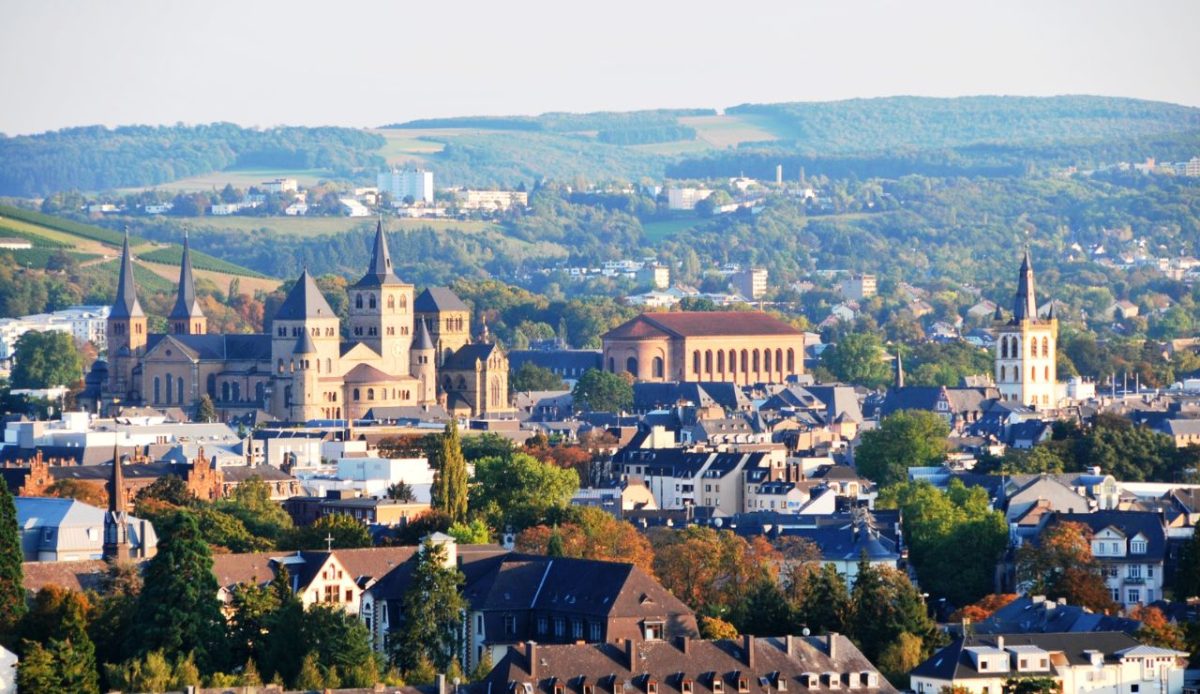
Ghislenghien, a lesser-known Belgian city, is home to quaint breweries and historic beer halls highlighting local craftsmanship. Visitors can sample regional ales while learning centuries-old brewing techniques preserved by artisans. Seasonal festivals invite travelers to taste new creations, and local cuisine complements the robust flavors. Walking cobblestone streets and visiting charming squares adds to the cultural experience. For those seeking authentic Belgian drinking traditions without major crowds, Ghislenghien offers a rich, immersive experience celebrating the country’s beer culture.
7. Maastricht, Netherlands
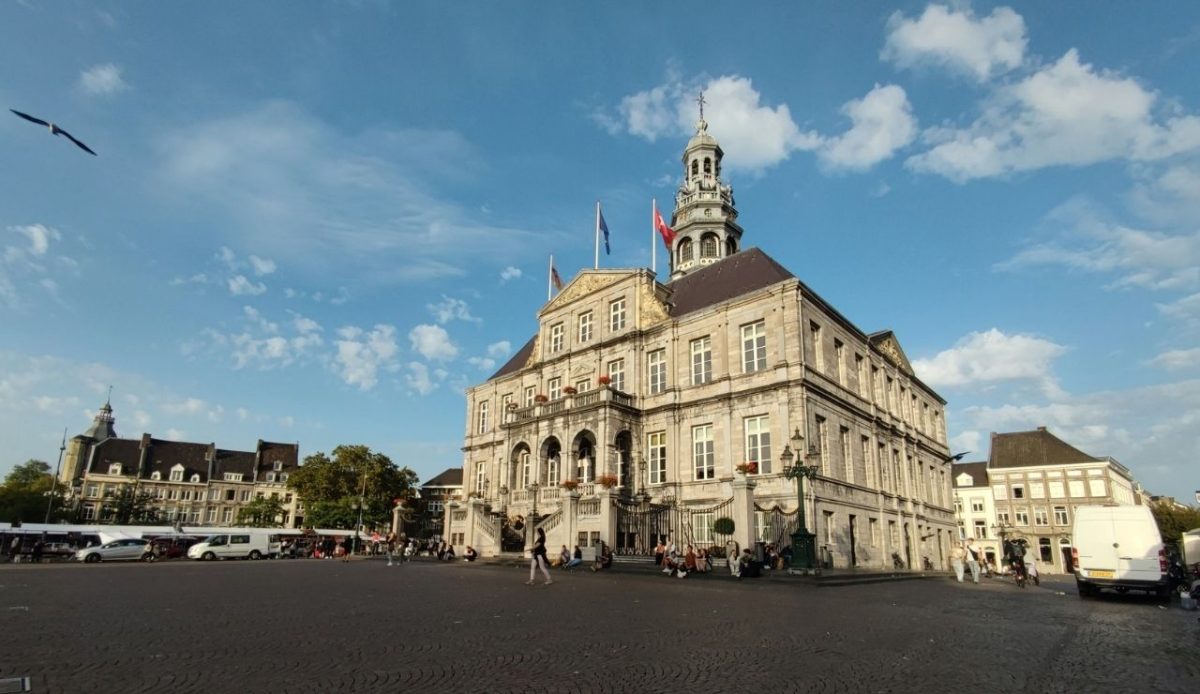
Maastricht, in southern Netherlands, blends historic charm with a vibrant bar scene and local brewing traditions. The city hosts lively beer cafes, wine bars, and distilleries showcasing regional spirits. Seasonal festivals highlight Maastricht’s beverage heritage. Cobblestone streets and historic squares provide scenic backdrops for sampling local brews. Travelers can enjoy tasting sessions, pair drinks with Dutch cuisine, and explore landmarks. Maastricht’s approachable scale and authentic drinking culture make it an appealing destination for visitors seeking European flavor and conviviality.
8. Vilnius, Lithuania
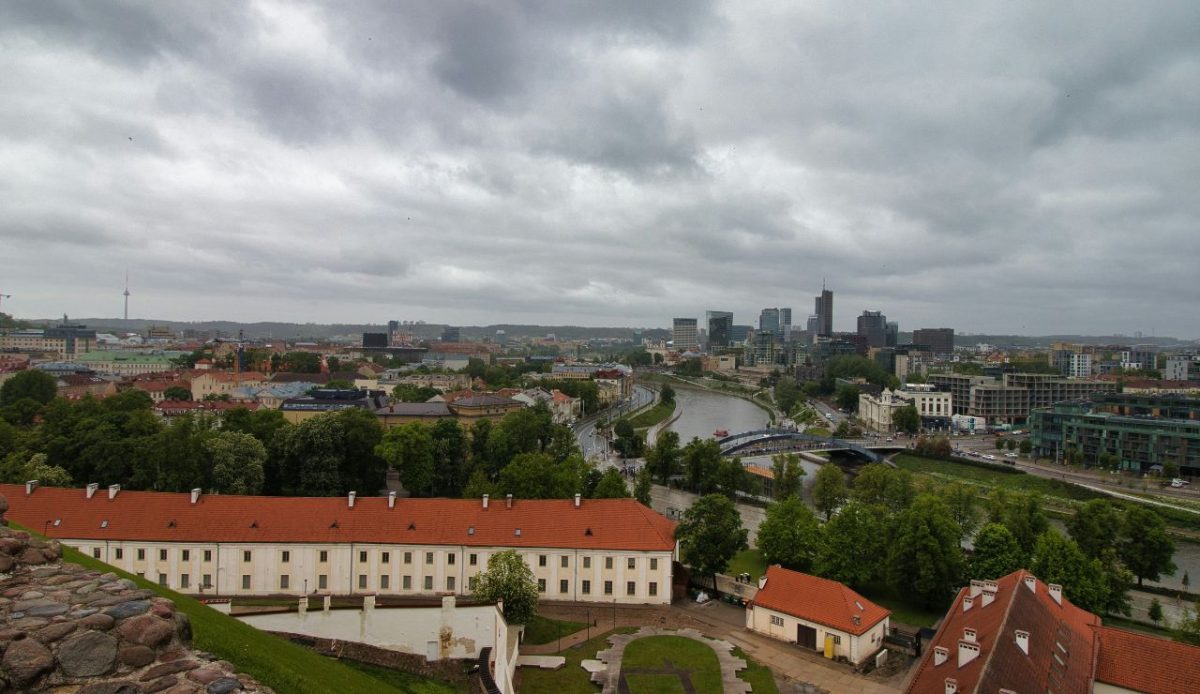
Vilnius, Lithuania’s capital, offers historic charm and an emerging craft beer culture. Traditional pubs and modern breweries serve local beers and spirits, reflecting centuries-old techniques. Visitors can tour breweries, enjoy tastings, and pair beverages with Lithuanian cuisine. The city’s cobbled streets, baroque architecture, and vibrant cultural scene enhance the experience. Seasonal beer festivals and local celebrations provide further immersion. For travelers seeking underrated European cities where drinking culture thrives, Vilnius combines history, gastronomy, and conviviality in a unique, welcoming environment.
9. Granada, Spain
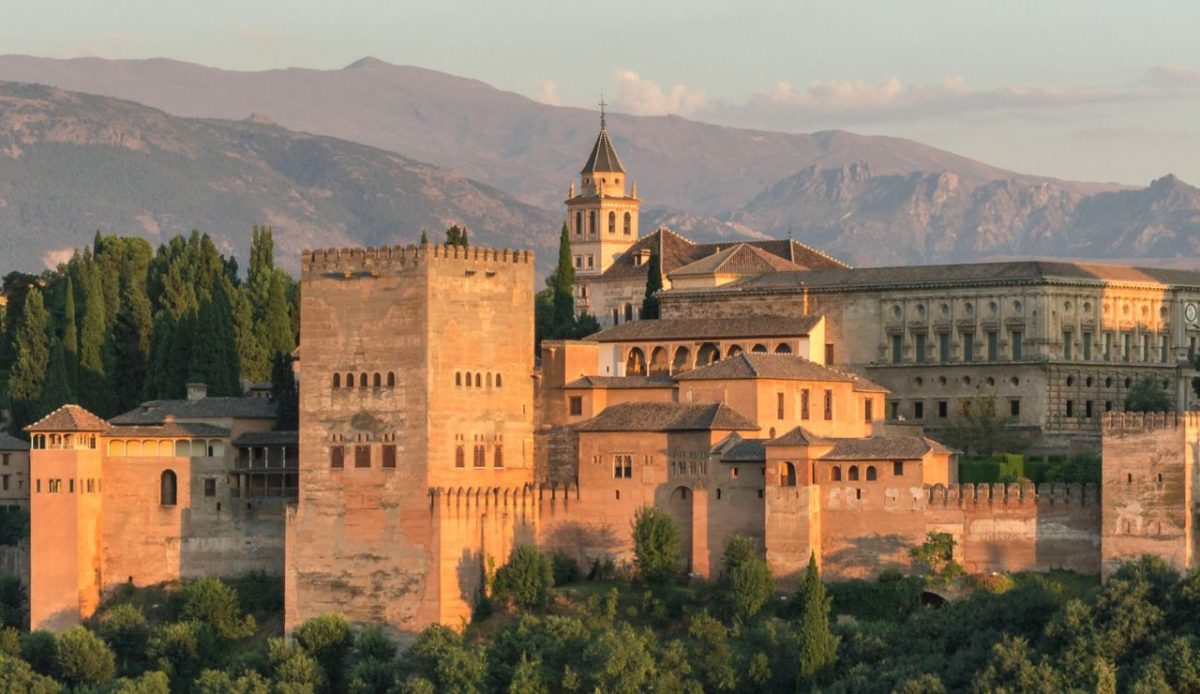
Granada, in southern Spain, is renowned for tapas culture paired with regional wines and sherries. Local bars offer free tapas with drinks, encouraging exploration and socialization. Historic streets, Moorish architecture, and scenic views create a memorable atmosphere for savoring beverages. Wine cellars and tasting tours introduce visitors to centuries-old traditions, while seasonal festivals celebrate local wines. Granada’s culinary experiences, cultural heritage, and welcoming taverns provide travelers with a rich exploration of Spanish drinking culture. The city offers both educational and leisurely experiences for authentic traditions.
10. Brno, Czech Republic
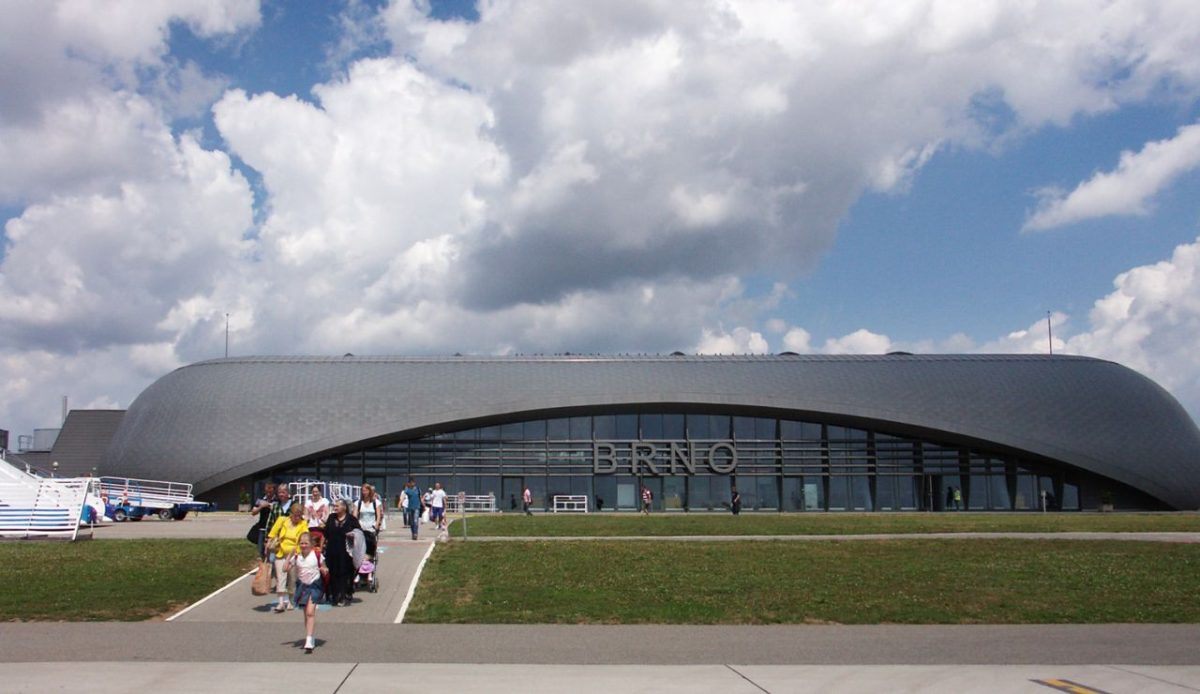
Brno, often overlooked in favor of Prague, has a deeply ingrained drinking culture rooted in Moravian wine and Czech beer traditions. The city is surrounded by vineyards, making wine bars and cellars a central part of local life. Traditional pubs serve unfiltered lagers alongside hearty regional food, creating a social atmosphere that encourages long, relaxed evenings. Underground wine cellars and historic taverns add character to the experience. With fewer tourists and a strong student population, Brno offers an authentic, lively drinking scene where visitors can enjoy local flavors while blending easily into everyday Czech social culture.
11. Tbilisi, Georgia
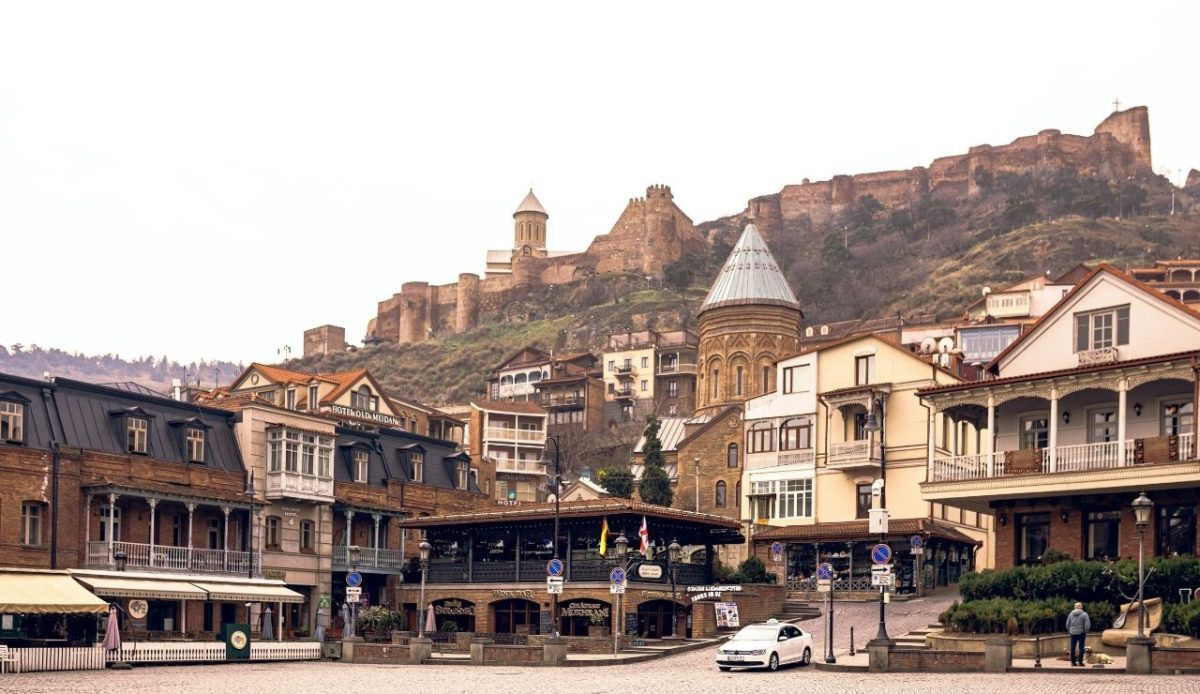
Tbilisi is one of Europe’s most underrated drinking cities, rooted in Georgia’s 8,000-year-old wine tradition. Often considered the birthplace of wine, the city celebrates drinking as a cultural ritual, rather than just a nightlife activity. Local wine bars serve amber wines fermented in traditional clay qvevri, while family-run cellars welcome visitors for tastings and storytelling. Supra feasts, led by a toastmaster, turn drinking into a social and emotional experience. Between historic streets and hillside views, Tbilisi offers travelers a deeply authentic destination where wine, hospitality, and tradition are inextricably intertwined with daily life.
