
Cross-border ferry routes between the United States and Canada were once dependable for tourism and regional travel. When border shutdowns halted international movement, many services were suspended. Although land and air travel have mostly recovered, several ferry routes continue to face reduced demand and staffing challenges.
For travelers, this has meant fewer sailings and shorter operating seasons. Some routes have returned with limited schedules that reduce flexibility and make planning less predictable.
This article reviews eleven U.S.–Canada ferry routes still adjusting after prolonged closures and how recovery challenges continue to affect service availability.
1. Black Ball Ferry Line
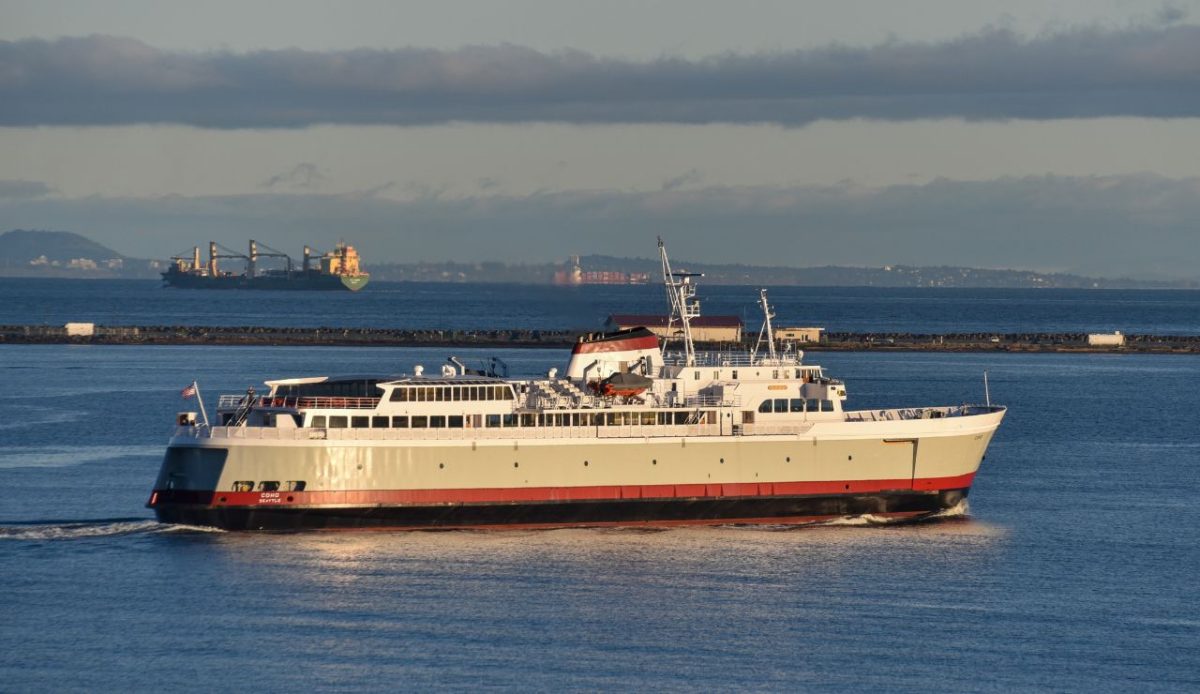
The ferry between Port Angeles, Washington, and Victoria, British Columbia, remains one of the most recognizable cross-border routes affected by shutdowns. Although service resumed after a long suspension, sailings now operate on a reduced seasonal schedule compared to earlier years. Passenger volumes have been slower to recover, especially outside the summer peak.
Higher operating costs linked to staffing shortages and fuel prices have limited daily crossings. Travelers who once relied on flexible departures now face fewer options and longer waits during busy periods.
While the route remains popular, its gradual recovery reflects ongoing challenges facing international ferry services.
2. Washington State Ferries
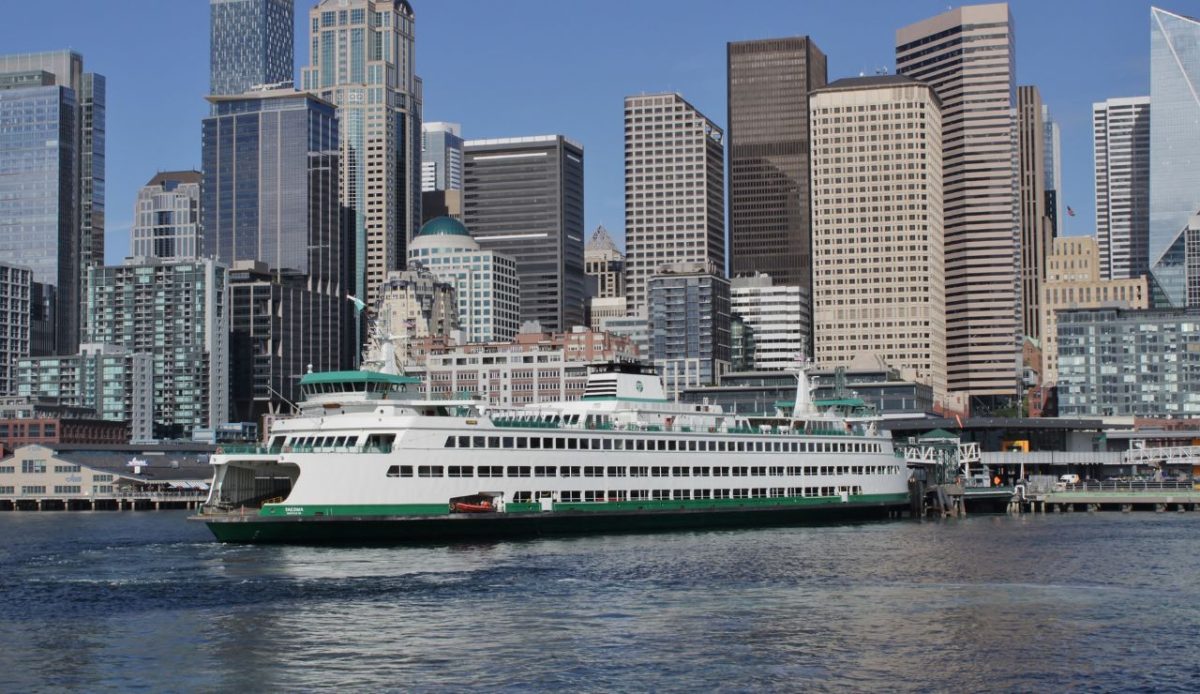
The international route between Anacortes, Washington, and Sidney, British Columbia has faced repeated service interruptions. After border closures, the route struggled to restart consistently due to vessel availability and crew shortages within the broader ferry system.
Limited sailings and occasional cancellations have made the route less reliable for spontaneous travel. Travelers who once relied on this crossing as a convenient alternative to driving now often face reduced seasonal windows and constrained capacity.
Although service has gradually returned, long-term stability remains uncertain. The route highlights how international segments can lag behind domestic recovery within larger ferry networks.
3. Bay Ferries
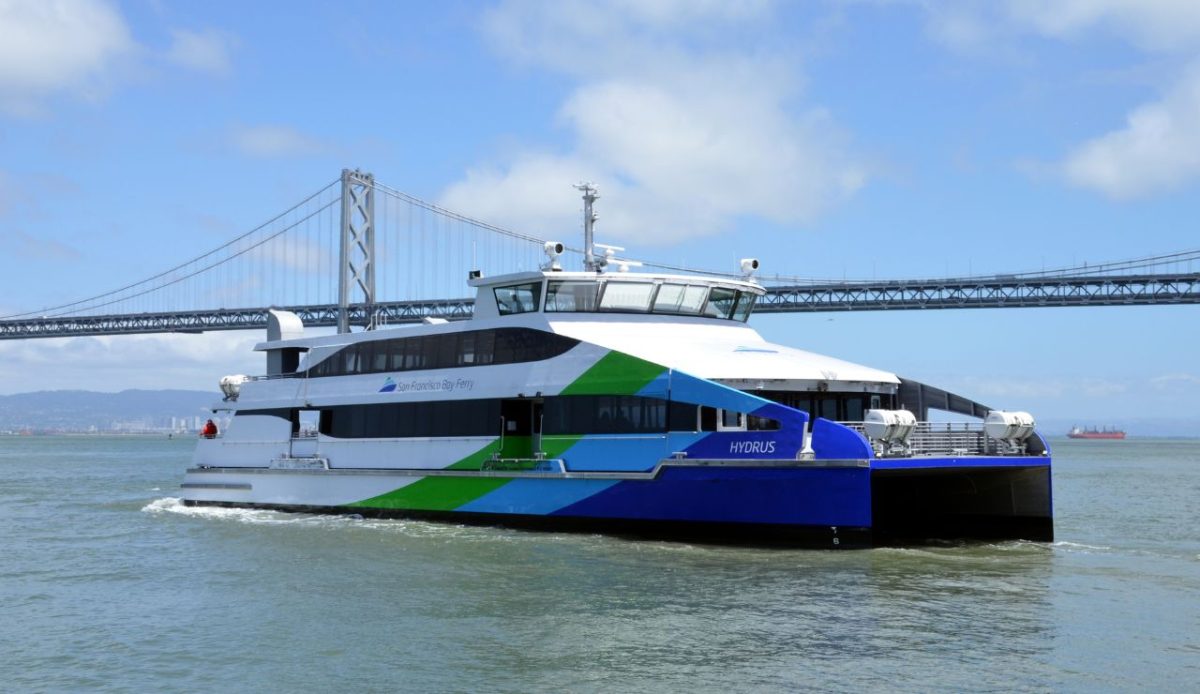
The ferry linking Bar Harbor, Maine, with Yarmouth, Nova Scotia, has experienced ongoing challenges since border shutdowns. After periods of complete suspension, the service returned with a shorter operating season and fewer weekly sailings.
Tourism demand has not fully recovered, particularly among international visitors who once planned extended coastal trips. Reduced frequency means travelers must carefully align itineraries, limiting flexibility for last-minute travel decisions.
While the route remains an important economic link, its scaled-back operations reflect broader difficulties in restoring cross-border tourism flows to pre-shutdown levels.
4. Ontario Northland Transportation Commission
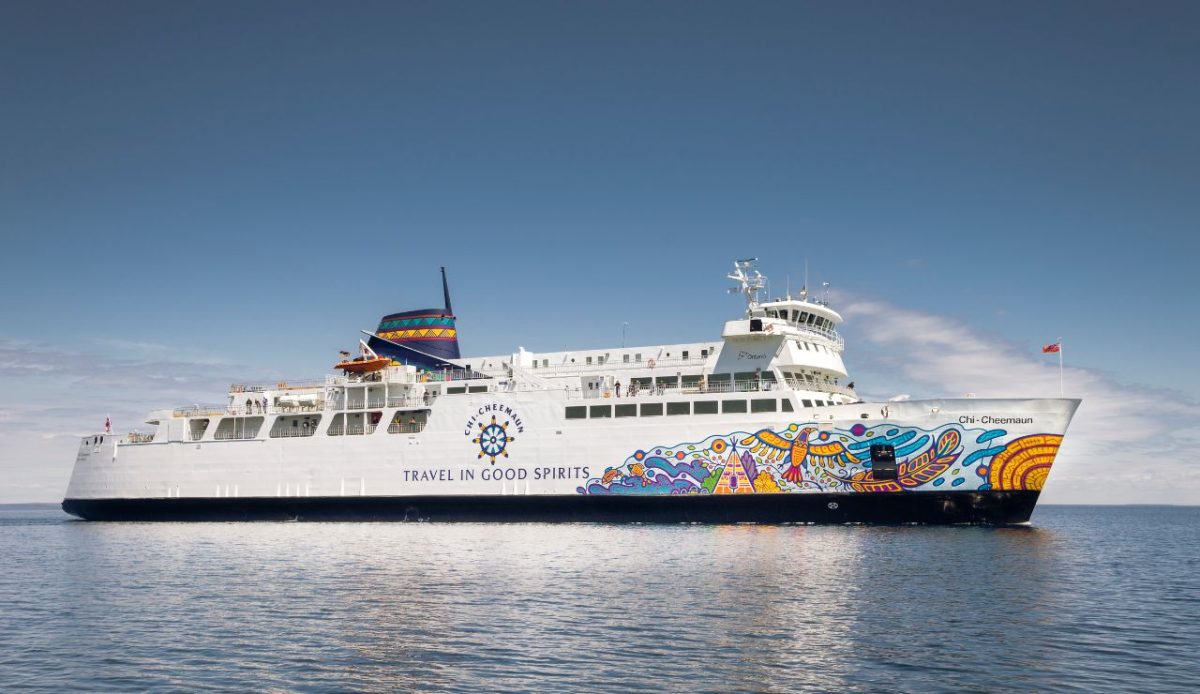
The seasonal ferry between Tobermory, Ontario, and South Baymouth, Ontario, indirectly affects cross-border travel through regional connections. Although not directly crossing into the U.S., its reduced capacity impacts travelers combining ferries with border crossings.
Staffing and maintenance delays after shutdowns have shortened seasons and limited daily departures. Travelers coordinating international routes often encounter tighter schedules and fewer backup options.
These constraints show how even domestic ferry adjustments can ripple into cross-border travel planning, particularly in regions with limited alternative routes.
5. Hornblower Group
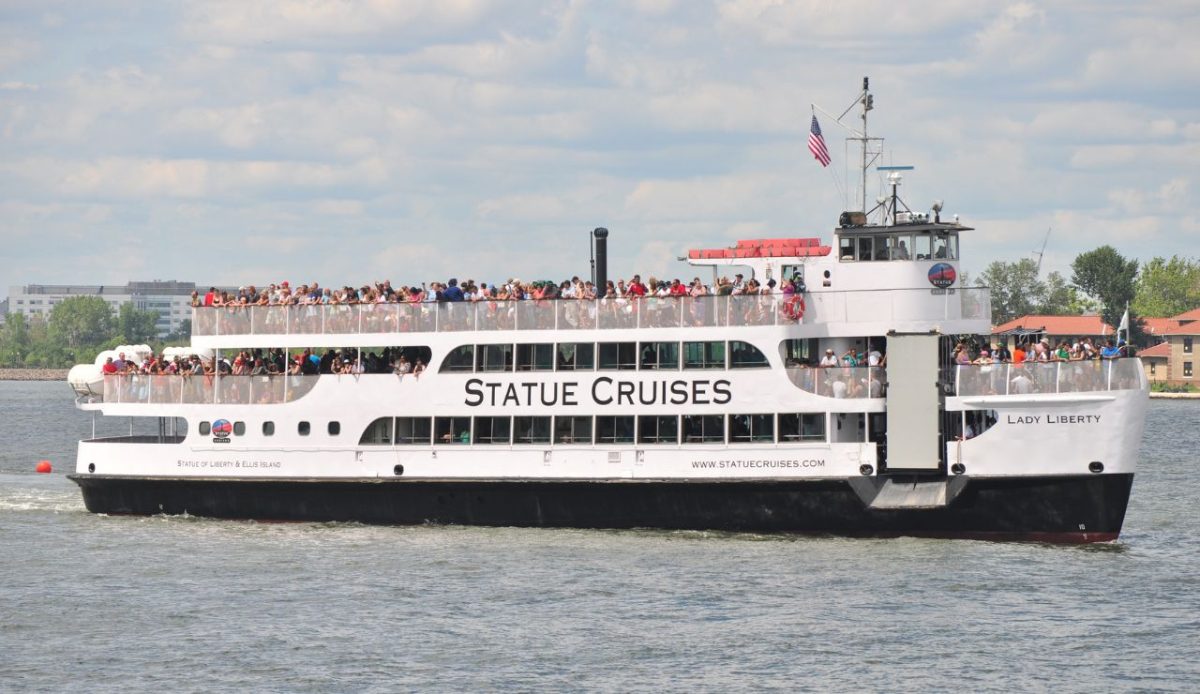
Ferry services near Niagara Falls and other U.S.–Canada border areas continue to operate cautiously after extended shutdowns. While domestic sightseeing cruises returned earlier, cross-border passenger services resumed more slowly as demand remained uneven outside peak tourism months.
Staffing shortages and border processing requirements have reduced operating hours and sailing frequency. Travelers now face fewer departure options and less flexibility than before.
Although summer demand has improved, operators have not restored pre-shutdown capacity. Ongoing uncertainty around international travel demand and operating costs continues to affect schedules.
6. Haines-Skagway Fast Ferry
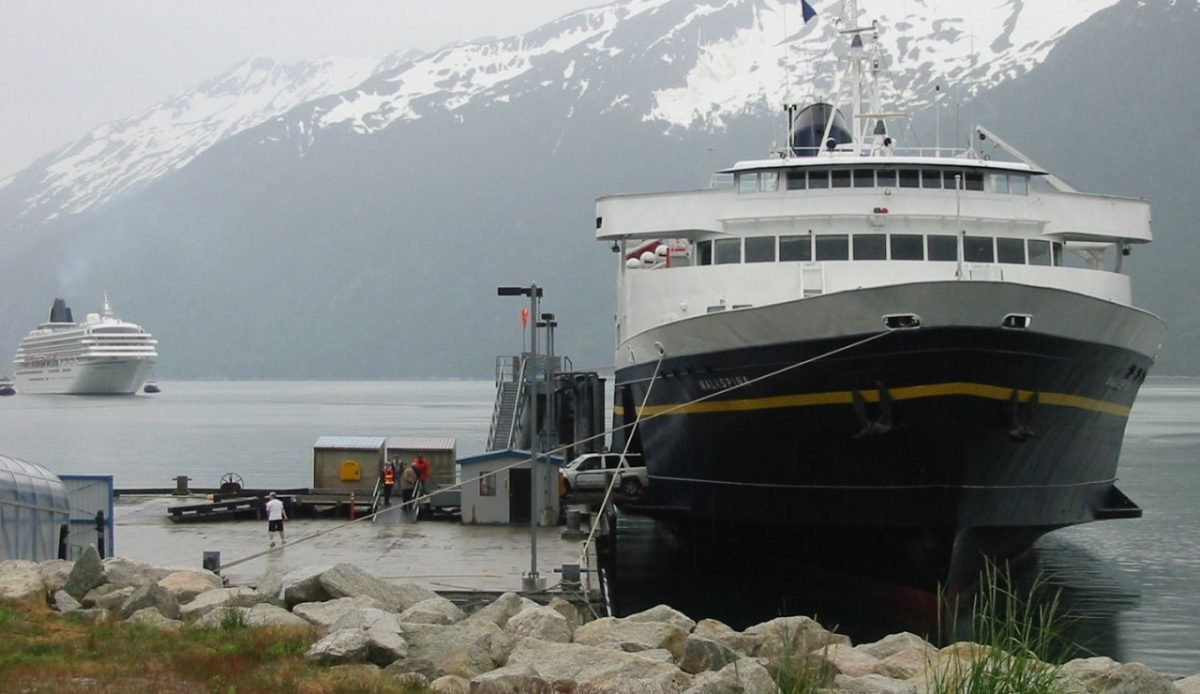
Fast ferry routes linking Alaska communities with Canadian connections were heavily disrupted by border shutdowns. While service has resumed, operations remain limited and largely seasonal, affecting travelers who use ferries as part of longer cross-border journeys.
Reduced sailing frequency has increased the impact of weather delays and operational issues. With fewer departures available, missed connections can lead to extended waits or forced itinerary changes, making careful planning essential.
Although gradual improvements continue, capacity remains below earlier levels. These routes show how remote, international ferry services often face longer recovery timelines after extended suspensions.
7. Prince Edward Island Ferry
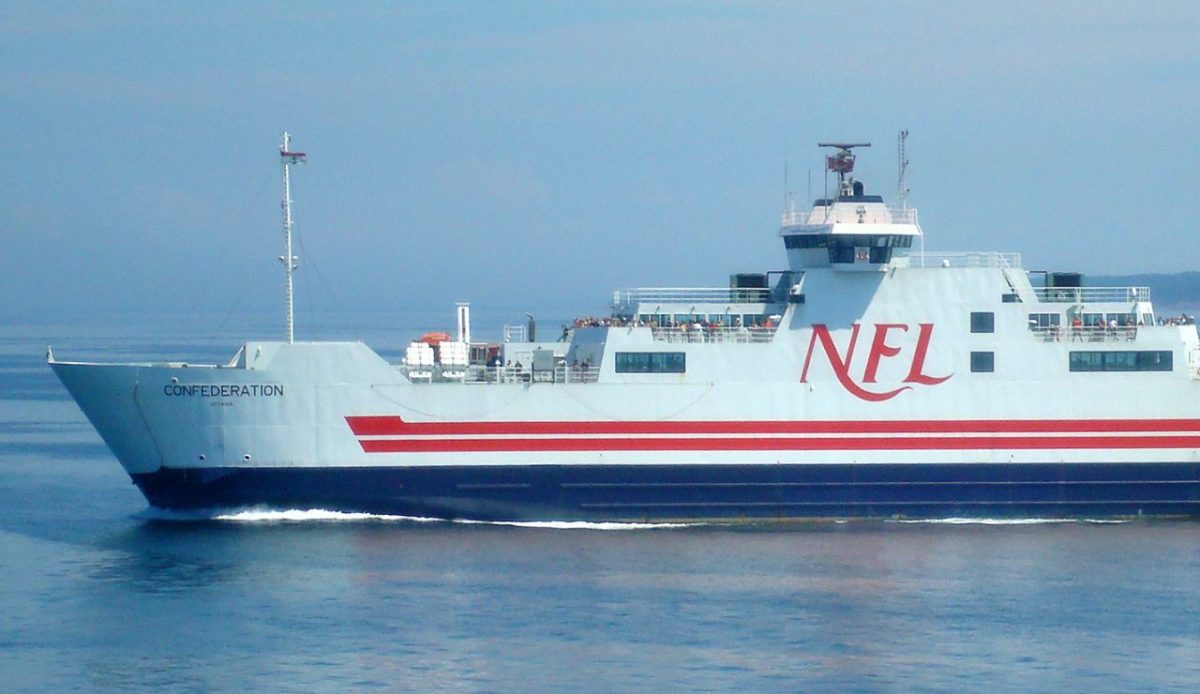
Ferry routes serving Prince Edward Island play an indirect role in U.S.–Canada travel by supporting regional tourism loops. Post-shutdown recovery has been cautious, with staffing shortages and maintenance backlogs limiting flexibility and operating days.
Shortened seasons and reduced daily departures affect travelers combining ferry travel with border crossings. Itineraries now require tighter coordination, as alternative sailings are less available if plans change unexpectedly.
While services remain reliable within set schedules, spontaneous travel has become more difficult. The route highlights how regional ferries still feel lasting effects even after borders reopened.
8. Algoma Central Corporation
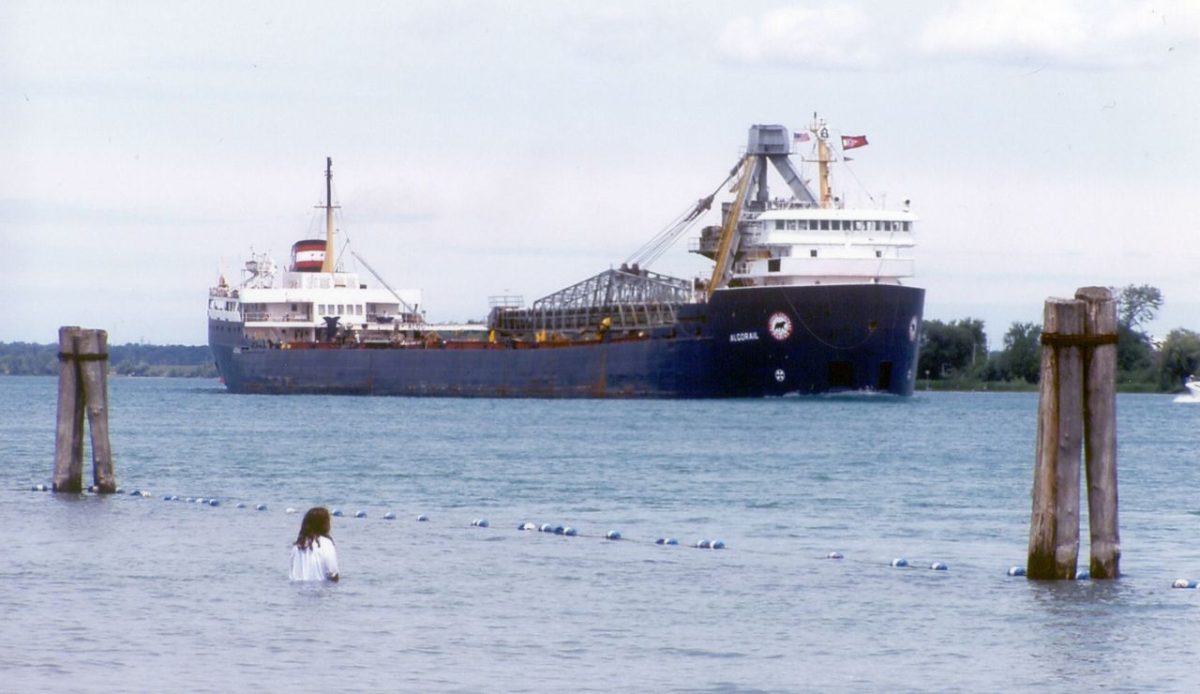
Great Lakes ferry routes operated by Algoma Central continue to recover slowly after shutdown-related suspensions. These routes serve remote communities and support cross-border tourism indirectly, making consistent operations essential for regional travel planning.
Maintenance delays and higher operating costs have reduced seasonal capacity. Shortened operating windows limit traveler flexibility, especially for those planning multi-day or multi-country lake routes.
Although services are stable, schedules remain conservative. The gradual pace of recovery reflects the complexity of restoring large vessel operations following extended interruptions.
9. Lake Champlain Ferries
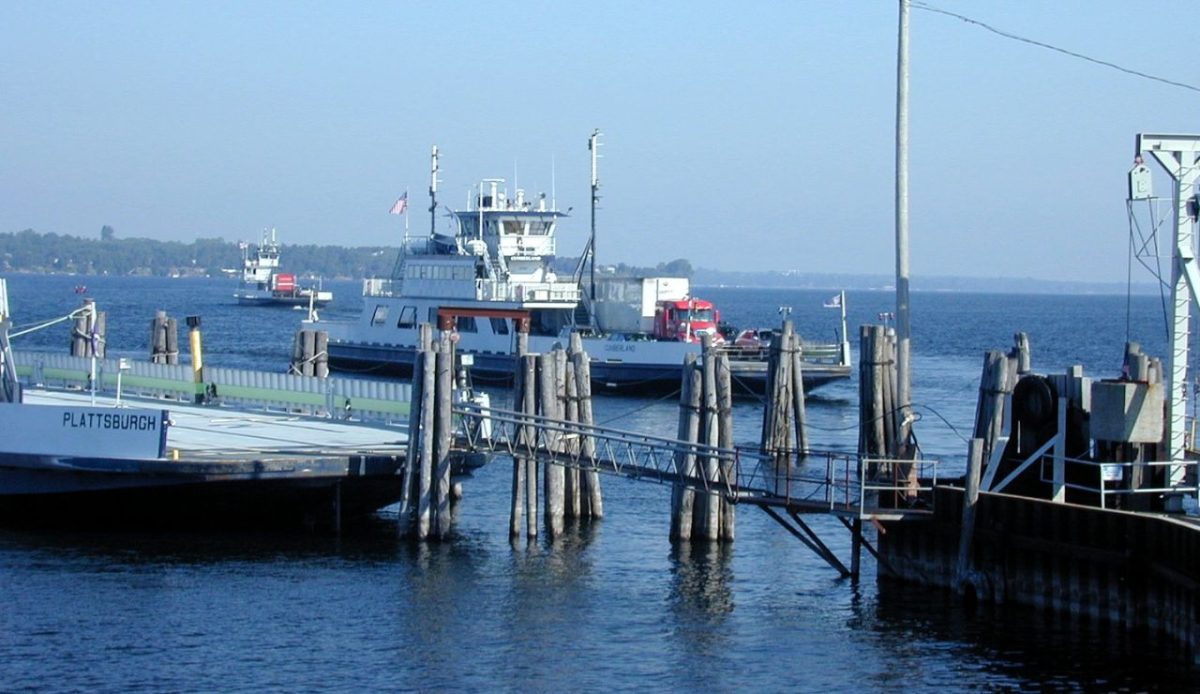
Lake Champlain ferries connecting New York, Vermont, and Quebec experienced prolonged operational adjustments after border shutdowns. Cross-border passenger volumes returned unevenly, leading operators to maintain reduced schedules.
Late-season sailings remain limited, and backup options are fewer during peak travel periods. Travelers must plan crossings carefully, particularly when coordinating with border processing times.
While reliability has improved, flexibility has not fully returned. The route illustrates how smaller cross-border ferry systems continue to balance demand with cautious operational planning.
10. Coho Ferry
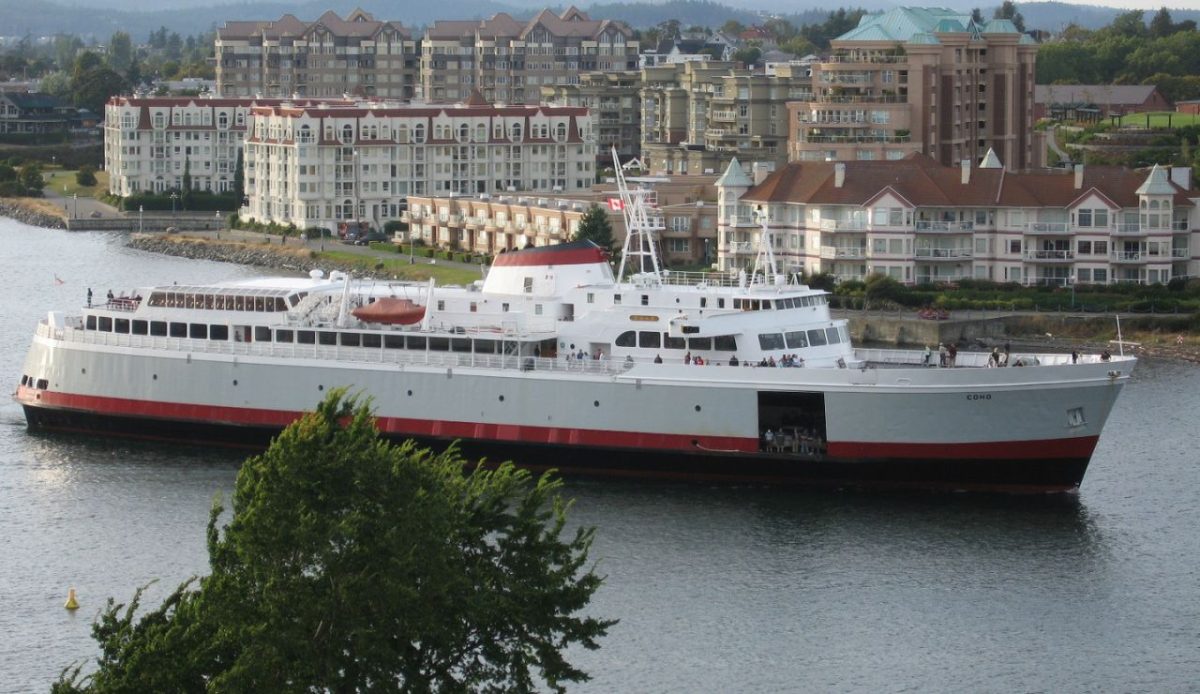
Great Lakes ferry routes connecting U.S. and Canadian ports continue to adjust after border shutdowns. While service has resumed, operators have limited sailings to match current staffing levels and passenger demand, particularly outside peak travel months.
Travelers now encounter fewer daily crossings and tighter seasonal schedules. This has reduced last-minute availability and made spontaneous travel more difficult, especially during high-demand periods when capacity fills quickly.
Although the routes remain reliable within published schedules, full restoration has been gradual. Ongoing operational constraints continue to shape cross-border ferry travel in the region.
11. St. Lawrence Seaway Ferries
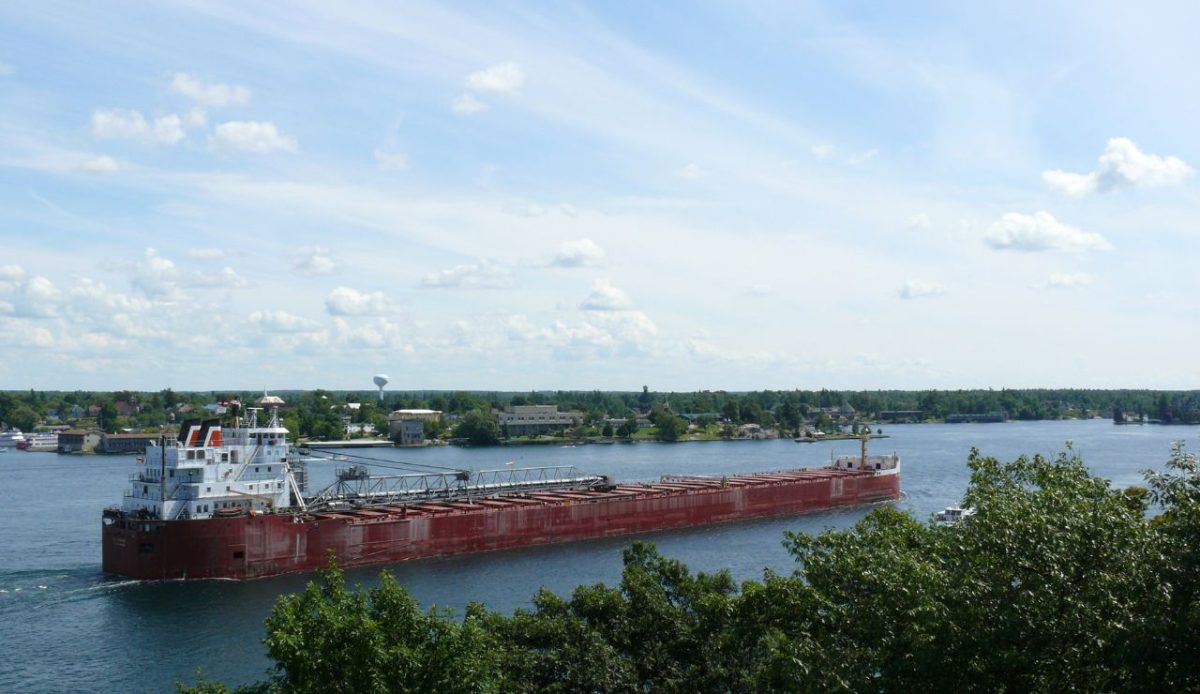
Ferry routes along the St. Lawrence River provide key links between U.S. and Canadian communities, yet many still operate below pre-shutdown service levels. Reduced frequency remains common as operators respond to shifting passenger patterns.
Higher fuel costs and staffing challenges have slowed efforts to expand schedules. Travelers often need to plan crossings carefully, as missed sailings are harder to replace with fewer daily options.
While gradual improvements continue, recovery remains uneven. These routes illustrate how international ferry services are still stabilizing long after border restrictions ended.
