
Tuscany’s hill towns developed as fortified centers during the Middle Ages, built on high ground for defense and better control of surrounding farmland. Over time, these same locations became close-knit communities known for strong local identity, agriculture, and craftsmanship. Today, they attract travelers who want to experience genuine Italian culture away from crowded city streets. Each town offers something distinct, such as historic towers, Etruscan ruins, local wine, or handmade goods, yet all reflect the same balance of history and daily life. Visiting them shows how Tuscany’s traditions remain active parts of everyday living rather than distant history.
1. San Gimignano
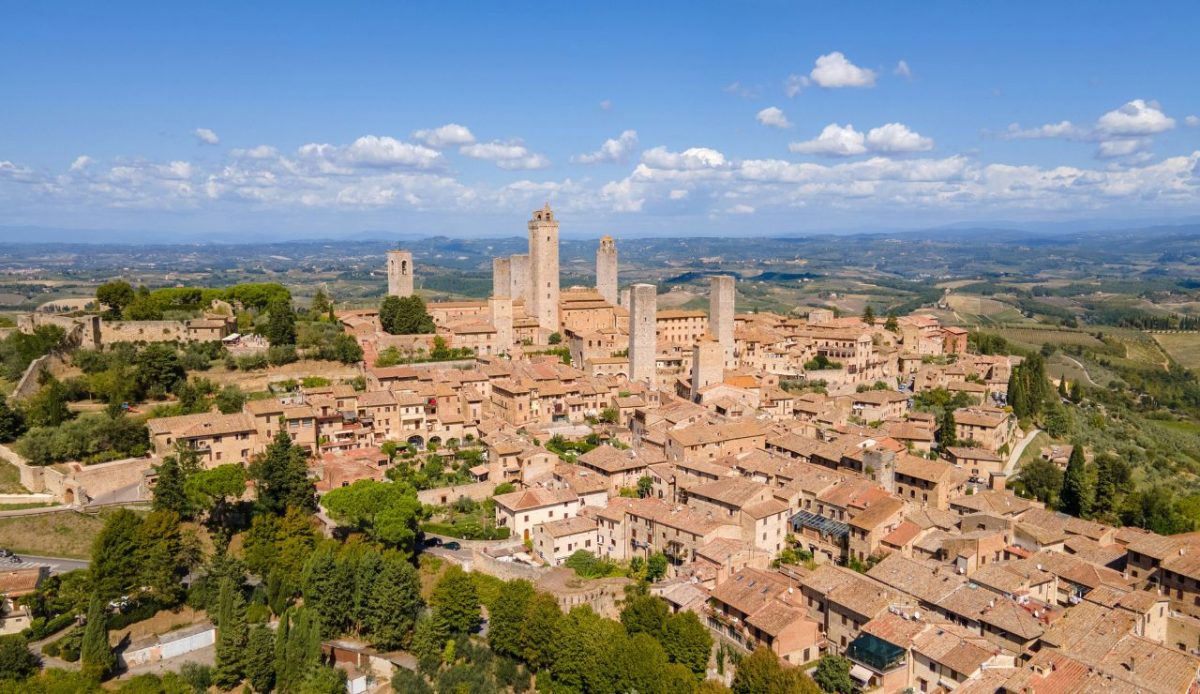
San Gimignano, often called the “Town of Fine Towers,” overlooks the Val d’Elsa Valley with a skyline that traces back to the Middle Ages. Its preserved towers once displayed family wealth and now create one of Italy’s most distinctive views. The historic center, a UNESCO World Heritage Site, invites visitors to explore frescoed churches, artisan shops, and trattorias serving saffron dishes unique to the region. Climbing Torre Grossa reveals a sweeping view of vineyards and farmhouses that define Tuscany’s interior.
2. Montepulciano
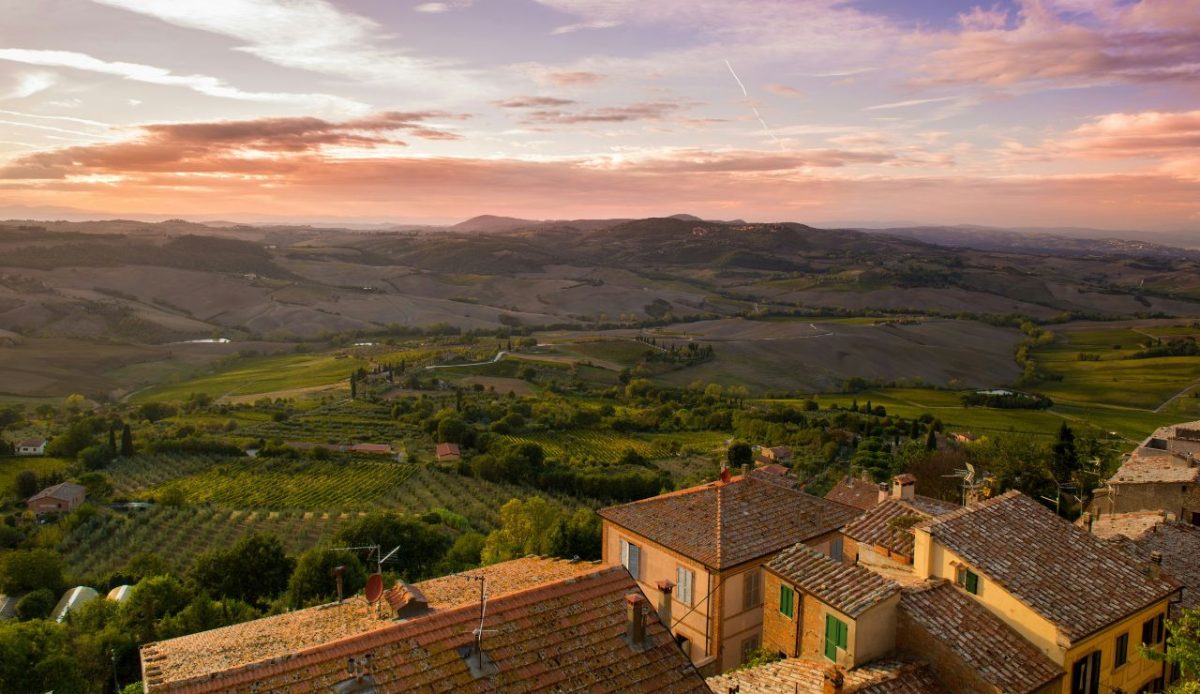
Montepulciano rises on a limestone ridge surrounded by vineyards known for Vino Nobile wine. The Renaissance architecture and open piazzas give the town a proud yet welcoming atmosphere. Visitors stroll past palaces, small cafes, and centuries-old wine cellars built beneath the streets. The Piazza Grande hosts local markets and events that capture the area’s heritage. Nearby thermal springs and scenic drives through the Val d’Orcia encourage travelers to stay longer and experience southern Tuscany’s relaxed tempo.
3. Cortona
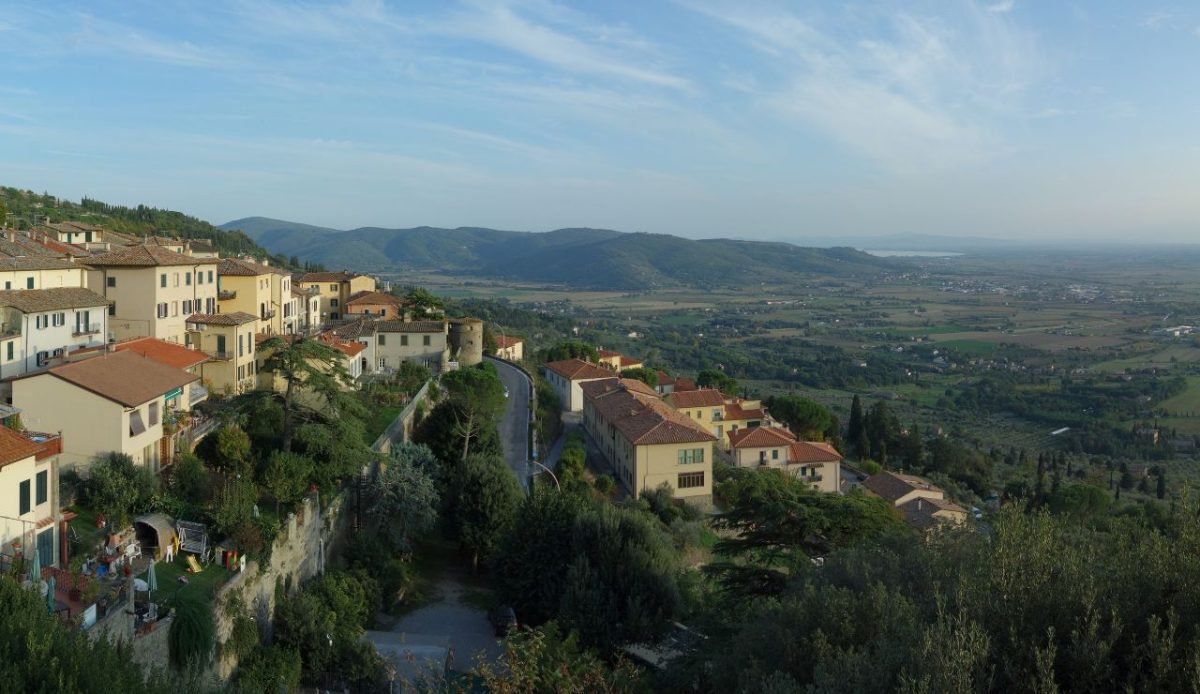
Cortona rests on the slopes of Monte Sant’Egidio, offering a clear view across the Val di Chiana. Once an Etruscan settlement, it still carries traces of its ancient walls and archaeological treasures. The Museo dell’Accademia Etrusca preserves artifacts that connect the town to its deep past. Visitors find shaded piazzas, family-run trattorias, and streets that wind upward to scenic lookouts. Lake Trasimeno lies nearby, making Cortona an ideal base for day trips across central Italy.
4. Volterra
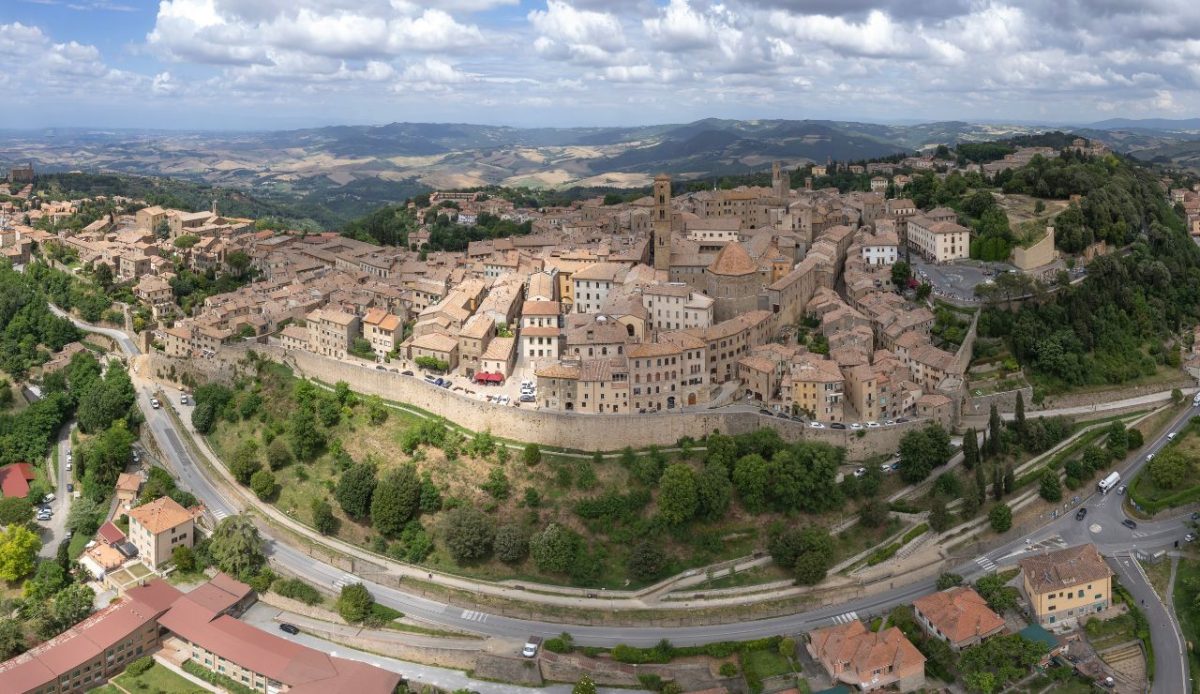
Volterra, known for its alabaster artistry, holds layers of Etruscan and Roman history within its strong stone walls. Its compact layout makes it easy to explore on foot, from the Palazzo dei Priori to the remains of the Roman Theatre. Craftsmen continue carving alabaster using traditional techniques, keeping the town’s heritage alive. From the upper terraces, the view extends across rolling hills and distant farmland. Volterra’s quiet energy makes it an ideal stop between Florence and the coast.
5. Pienza
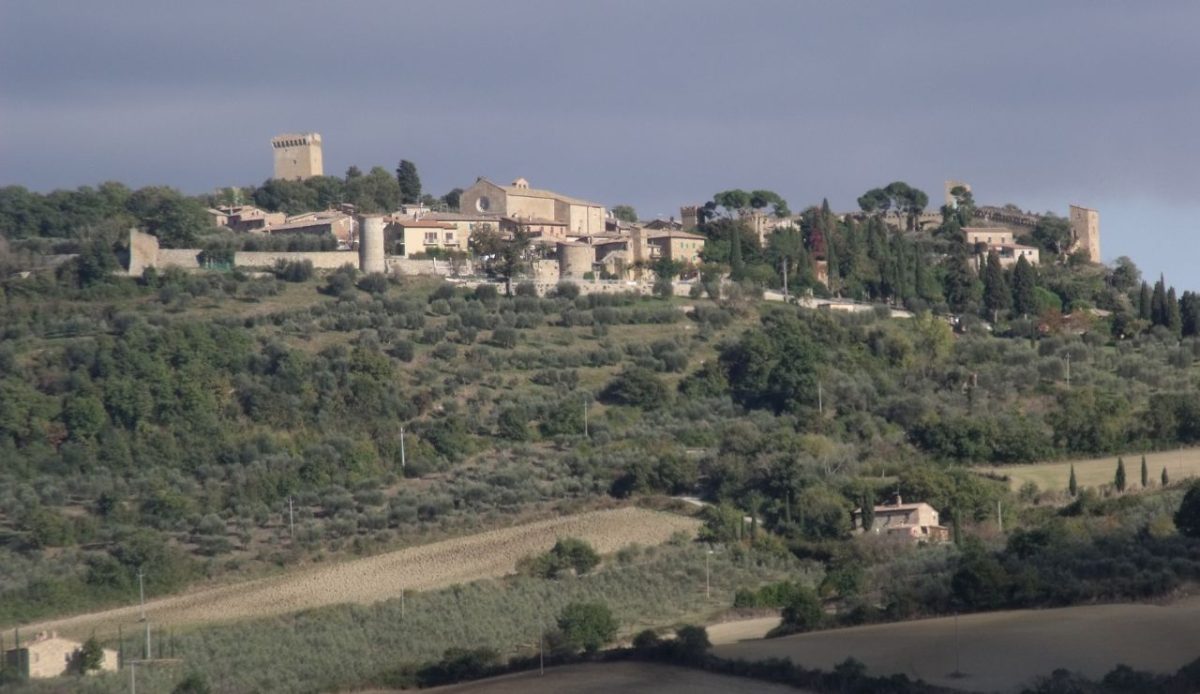
Pienza lies in the heart of the Val d’Orcia and represents the first Renaissance city designed with harmony in mind. Created by Pope Pius II in the 15th century, its elegant symmetry and open piazzas reflect the ideals of that era. Visitors enjoy walking along Via dell’Amore, a peaceful lane facing the valley. The town is also famous for pecorino cheese, crafted by local shepherds. Its charm lies in the balance between architectural beauty and the surrounding natural scenery.
6. Montalcino
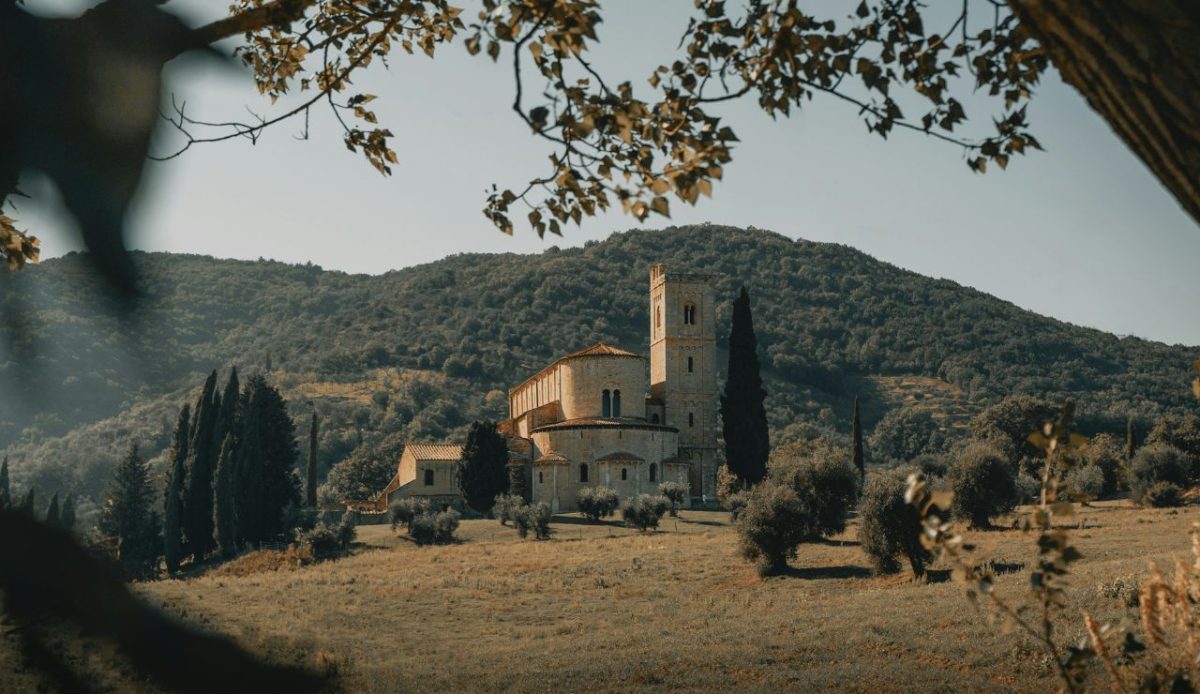
Montalcino overlooks the gentle valleys of southern Tuscany and is renowned for producing Brunello, one of Italy’s finest red wines. The fortress near the entrance gives a panoramic view across vineyards that stretch for miles. Inside the walls, quiet lanes lead to wine shops, small galleries, and friendly cafes. The local museum and churches offer glimpses into medieval life. Many travelers use Montalcino as a base to visit nearby abbeys and country estates rooted in centuries of tradition.
7. Sorano
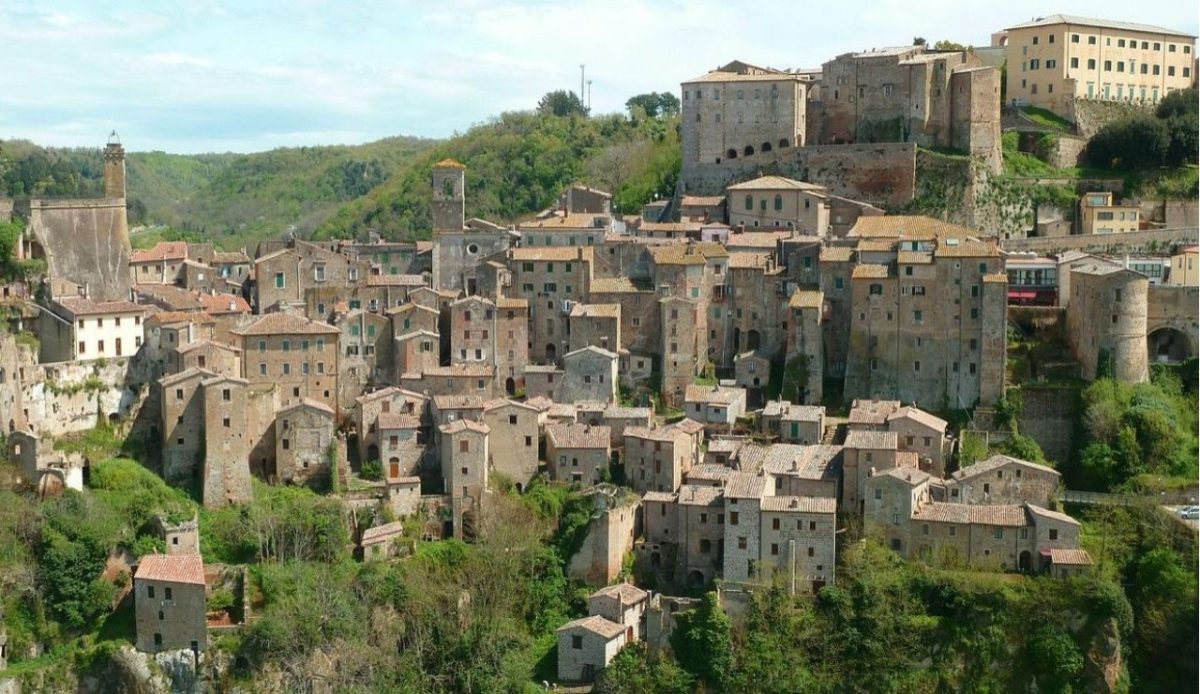
Sorano stands on a rugged cliff in southern Tuscany, where ancient stone buildings rise above forested valleys. Once an Etruscan stronghold, it later came under the control of the Orsini family, whose massive fortress still dominates the skyline. Narrow streets lead to small courtyards and viewpoints facing the Lente River. Sorano remains authentic and lightly visited, with nearby hot springs offering an easy detour. The balance between history and calm rural life defines its appeal.
8. Pitigliano
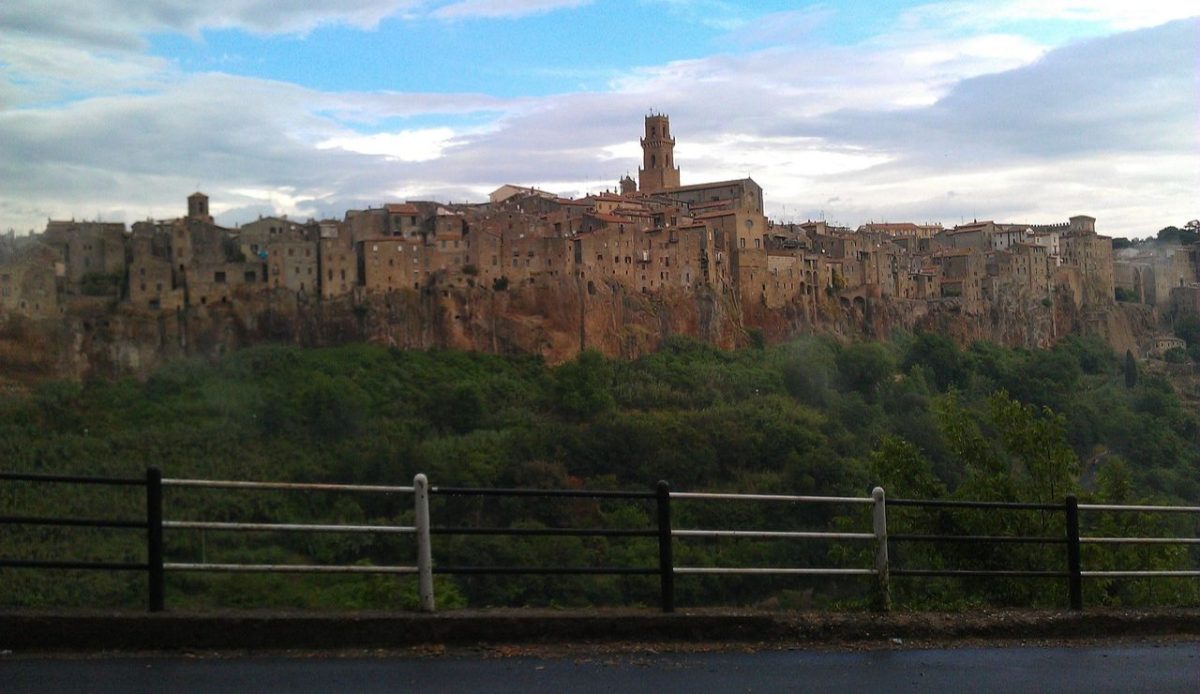
Pitigliano appears to emerge from cliffs of volcanic rock, creating one of the most striking profiles in Tuscany. Often called “Little Jerusalem,” it preserves the legacy of its Jewish community through its restored synagogue and cultural museum. Narrow passageways connect open courtyards, leading to views across deep valleys. The nearby Etruscan trails known as Vie Cave attract visitors who enjoy walking among carved rock paths and ancient walls. Pitigliano’s character blends history with small-town warmth.
9. Monteriggioni
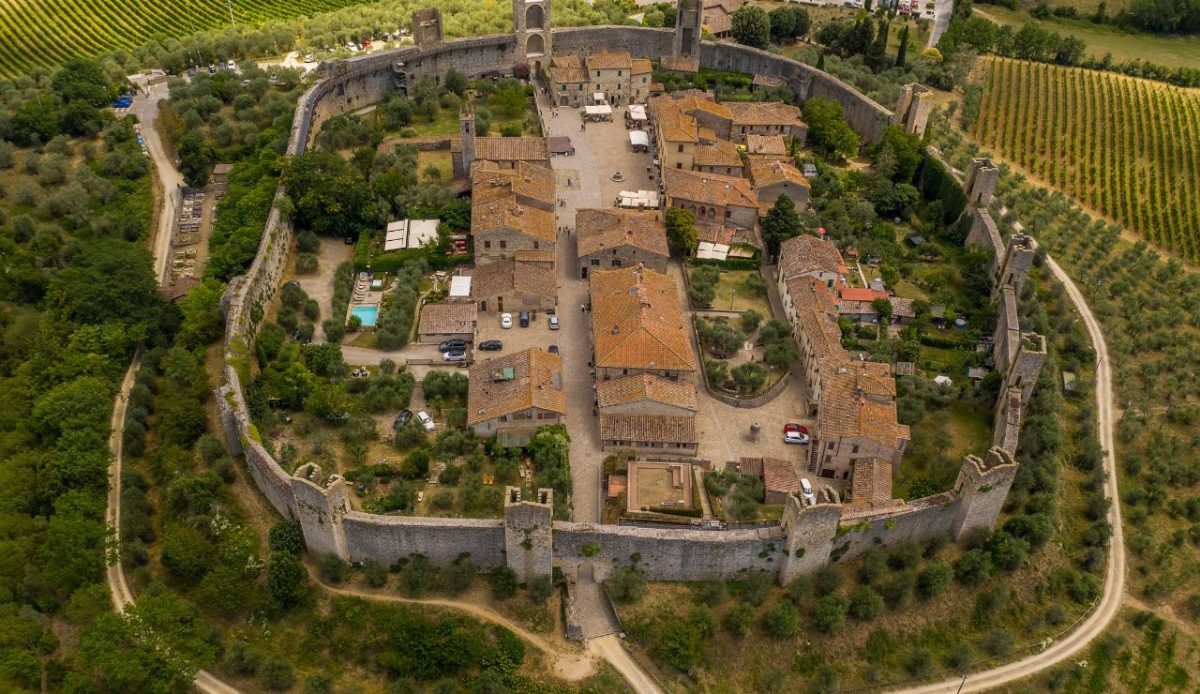
Monteriggioni crowns a gentle ridge north of Siena and is known for its perfect medieval fortifications. The circular walls, built in the 1200s, still enclose the entire settlement. Entering through its gates feels like stepping into another century. The central square hosts festivals, local music, and craft markets throughout the year. Its elevated location grants far-reaching views across vineyards and farmland. Monteriggioni remains one of the most authentic examples of Italy’s walled hill towns.
10. Monticchiello
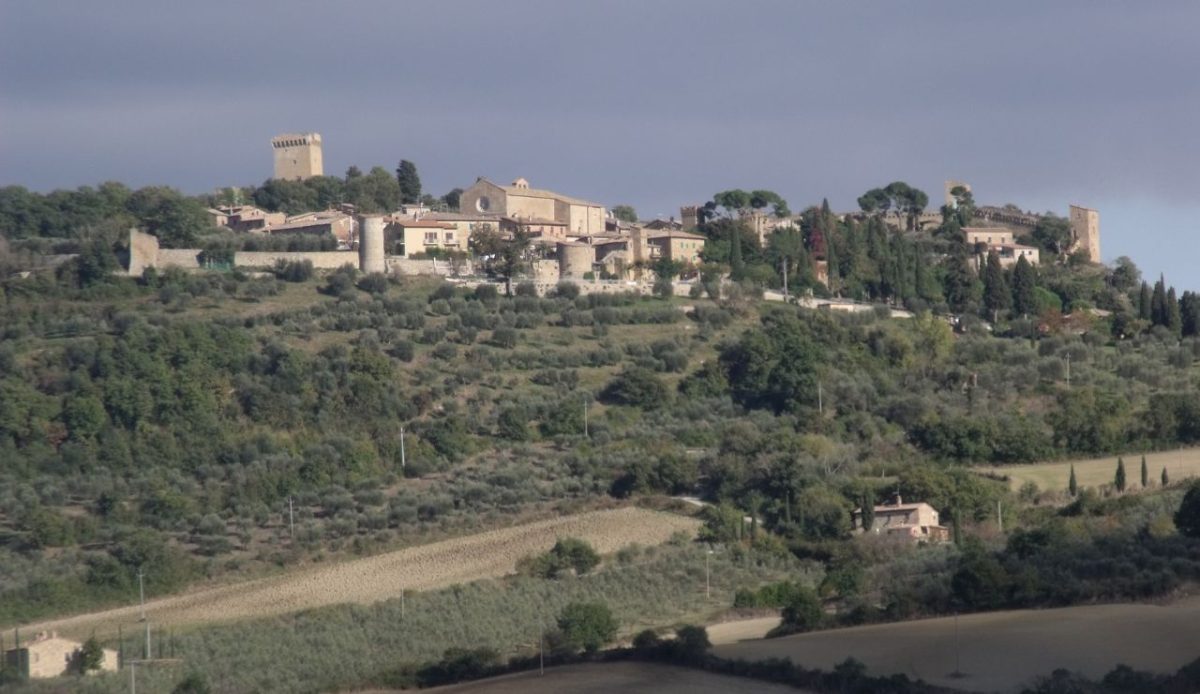
Monticchiello is located in the Val d’Orcia, retaining the peaceful spirit of a traditional Tuscan settlement. With only a few hundred residents, it reflects the simplicity of everyday rural life. The stone walls and narrow lanes create a setting where time feels paused. Monticchiello is also known for its community-run theater, “Teatro Povero,” performed by locals during the summer. Travelers often visit for wide views of cypress-lined hills and golden fields that capture the essence of Tuscany’s countryside.
11. Volpaia
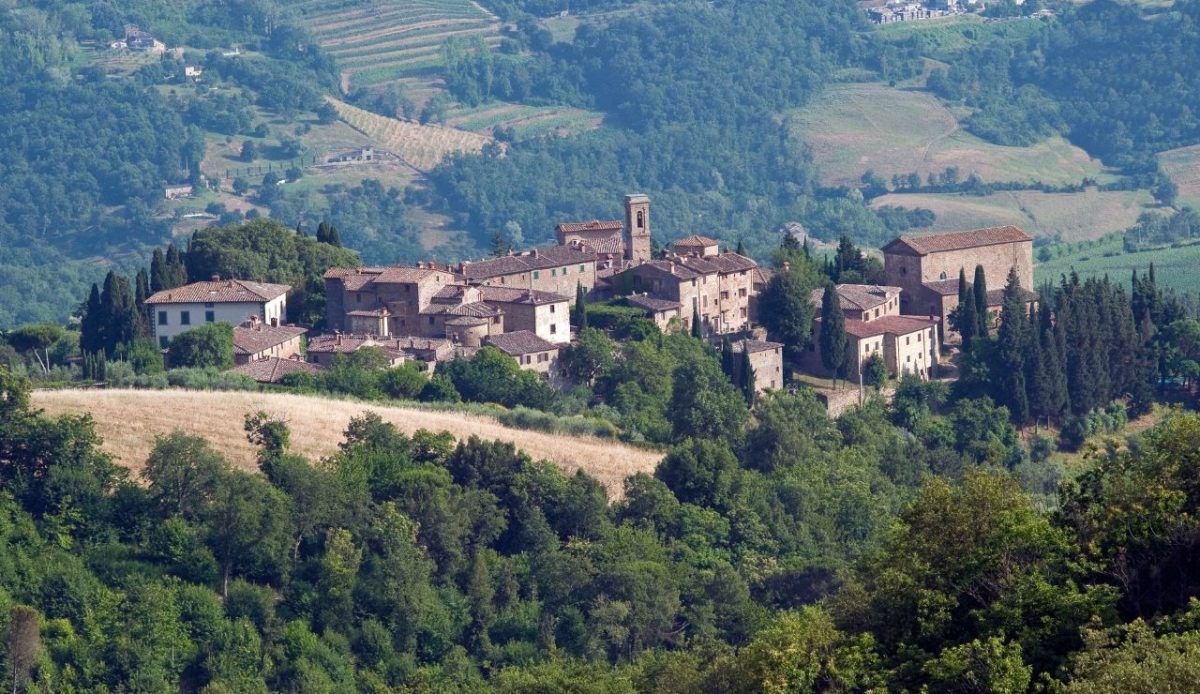
Volpaia lies deep in the Chianti region and remains one of its best-preserved medieval hamlets. Its original towers, gates, and courtyards are still part of daily life. The town is surrounded by vineyards producing some of Chianti’s most respected wines. Family estates offer guided tastings, and walking trails connect nearby villages through olive groves. The altitude brings cooler air and quiet evenings, making Volpaia a restful destination for visitors exploring Tuscany’s wine-producing heartland.
