
Spain is famed for Barcelona, Madrid, and Seville, but beyond these hotspots lie lesser-known destinations offering rich culture, history, and landscapes. Travelers seeking authentic experiences can discover charming towns, scenic coastlines, and cultural festivals often missed by mainstream tourism. From medieval architecture and quiet beaches to local cuisine and artisan markets, these overlooked spots reveal Spain’s diversity and depth. Visiting these areas allows travelers to escape crowds, engage with local traditions, and appreciate the hidden layers of Spanish life that make each destination unique and unforgettable.
1. Cáceres, Extremadura
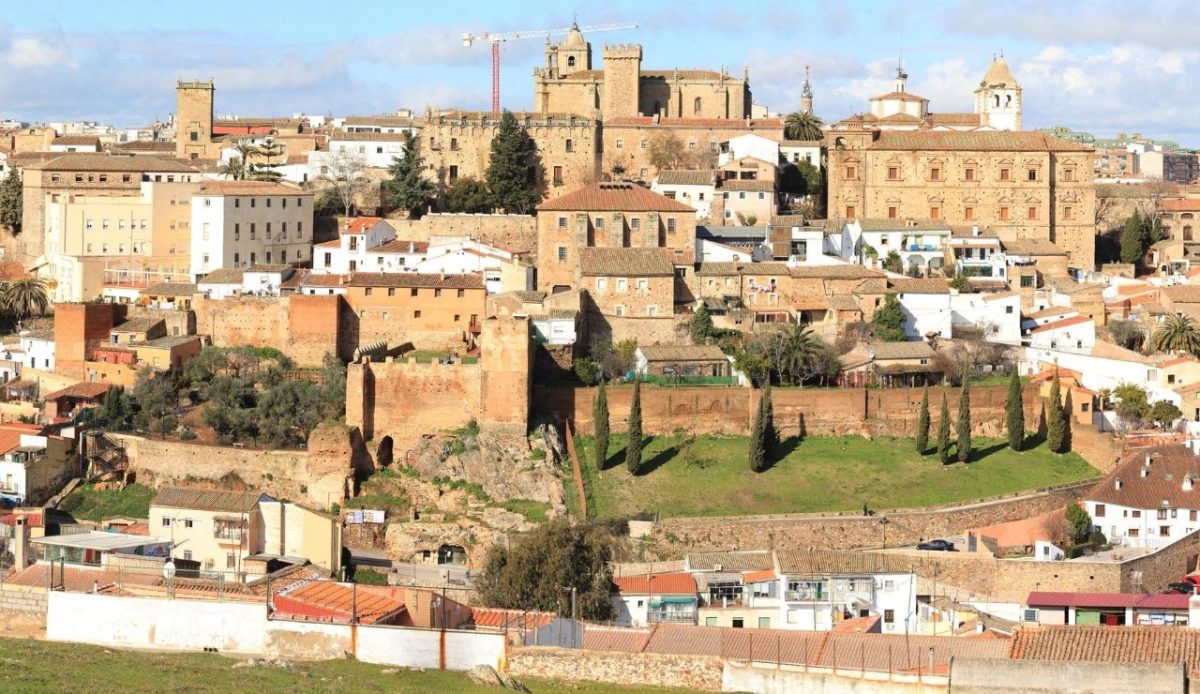
Cáceres, a UNESCO World Heritage city, is often bypassed for Spain’s larger cities. Its medieval quarter boasts cobbled streets, stone palaces, and Gothic churches preserved in near-original condition. Travelers can explore local markets, traditional tapas bars, and hidden courtyards. Festivals like Semana Santa offer immersive cultural experiences without the overwhelming crowds of Andalusia. Cáceres provides a glimpse into Spain’s historical depth and regional identity, blending architecture, gastronomy, and local traditions. Its quiet charm makes it ideal for travelers seeking history and authenticity off the beaten path.
2. Ronda, Andalusia
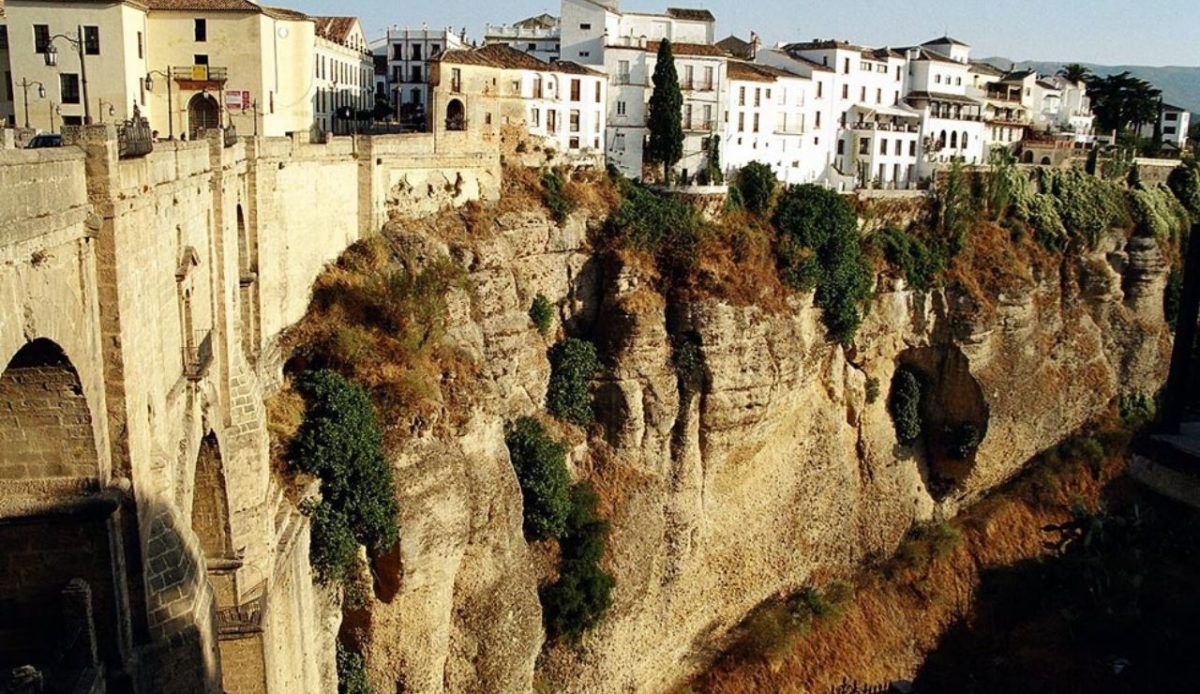
Ronda, perched atop dramatic cliffs in Andalusia, offers stunning views and a rich history, yet is often overlooked. The town features the iconic Puente Nuevo bridge, ancient bullrings, and Moorish architecture. Travelers can explore winding streets, sample local wines, and attend festivals showcasing flamenco and regional cuisine. Ronda’s combination of natural beauty, historic significance, and cultural vibrancy offers a unique perspective on Andalusia beyond tourist-heavy cities. Visitors gain an intimate experience of Spanish traditions, architecture, and scenic landscapes while avoiding crowded itineraries.
3. Girona, Catalonia
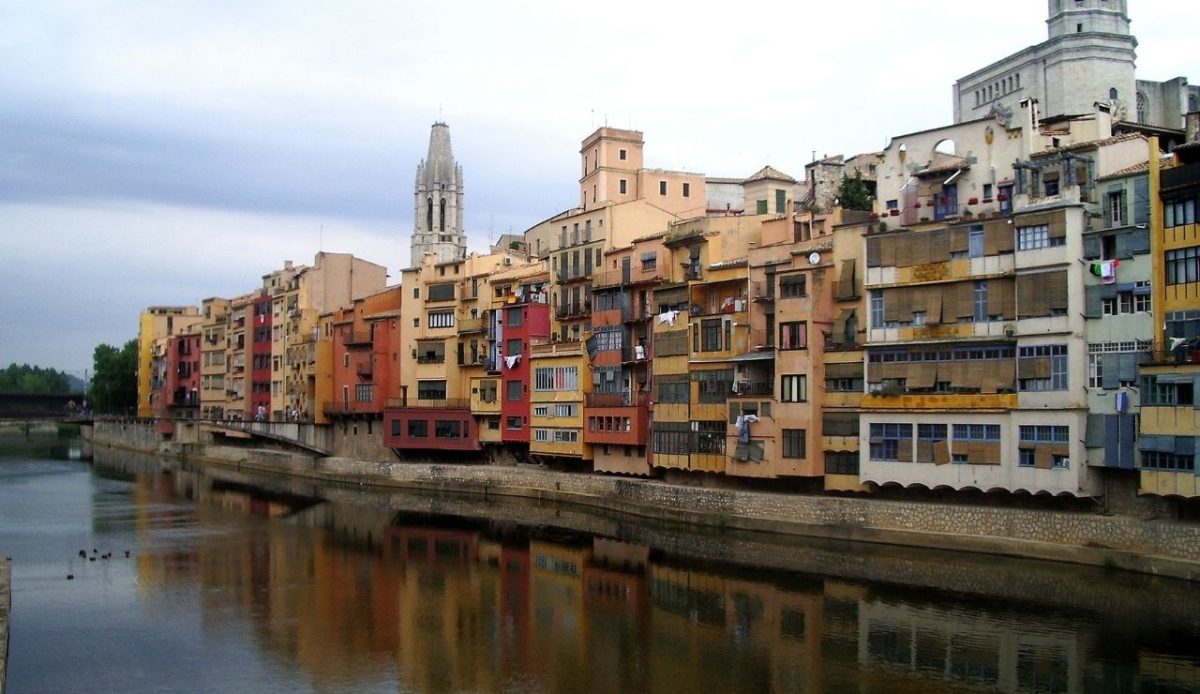
Girona, north of Barcelona, charms travelers with a medieval old town, colorful riverside houses, and a well-preserved Jewish quarter. Narrow alleys lead to hidden plazas, historic cathedrals, and artisan shops. The town hosts cultural events and food festivals that highlight Catalonia’s traditions. Girona’s slower pace and architectural beauty provide a refreshing alternative to bustling Barcelona. Visitors can enjoy scenic walks, sample local cuisine, and explore the history embedded in its streets. Its rich heritage and understated charm make it a must-visit for travelers seeking authentic Catalan culture.
4. Cuenca, Castilla-La Mancha
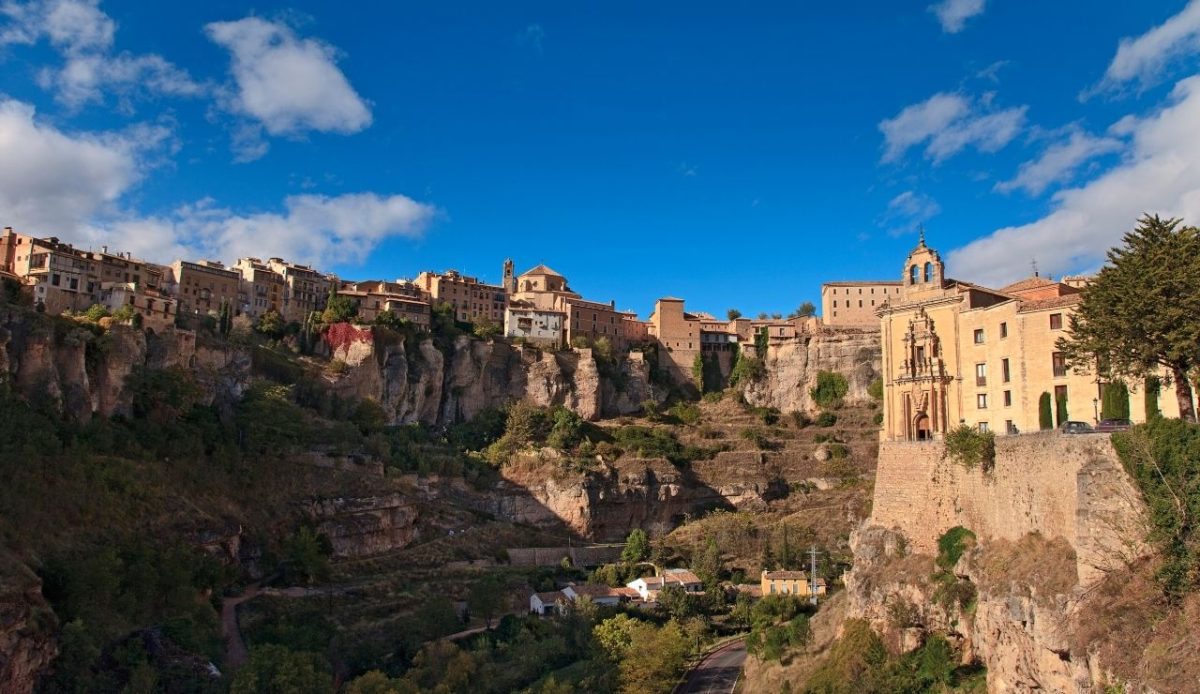
Cuenca, known for its “hanging houses” perched over cliffs, often escapes travelers’ radar. Its historic center is a UNESCO World Heritage site, featuring narrow streets, medieval churches, and modern art museums. Travelers can hike scenic viewpoints, explore local artisan shops, and enjoy traditional cuisine. Festivals, such as Semana de Arte, showcase the town’s artistic legacy. Cuenca provides a combination of natural beauty, architectural marvels, and cultural immersion. Visitors seeking unique experiences can appreciate its quiet charm and historical significance without competing with crowds typical in Spain’s larger cities.
5. Lugo, Galicia
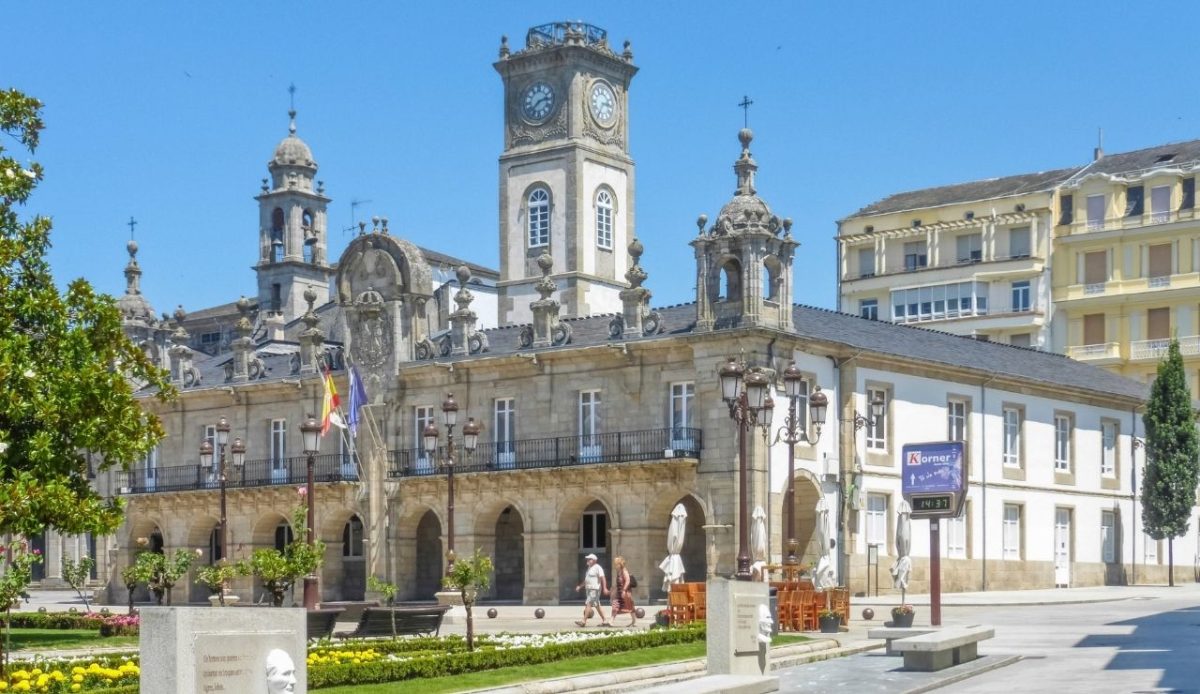
Lugo, in northern Spain, is famous for its complete Roman city walls but is often skipped by travelers. Visitors can walk atop the ancient walls, explore narrow cobbled streets, and visit local cathedrals and museums. Galicia’s rich culinary scene, featuring fresh seafood and tapas, adds to the experience. Festivals like the Arde Lucus recreate Roman traditions, offering immersive cultural insights. Lugo’s blend of history, gastronomy, and local traditions provides a quiet, authentic alternative to Spain’s busier cities. Travelers experience a region where Roman heritage coexists with contemporary Galician life.
6. Teruel, Aragon
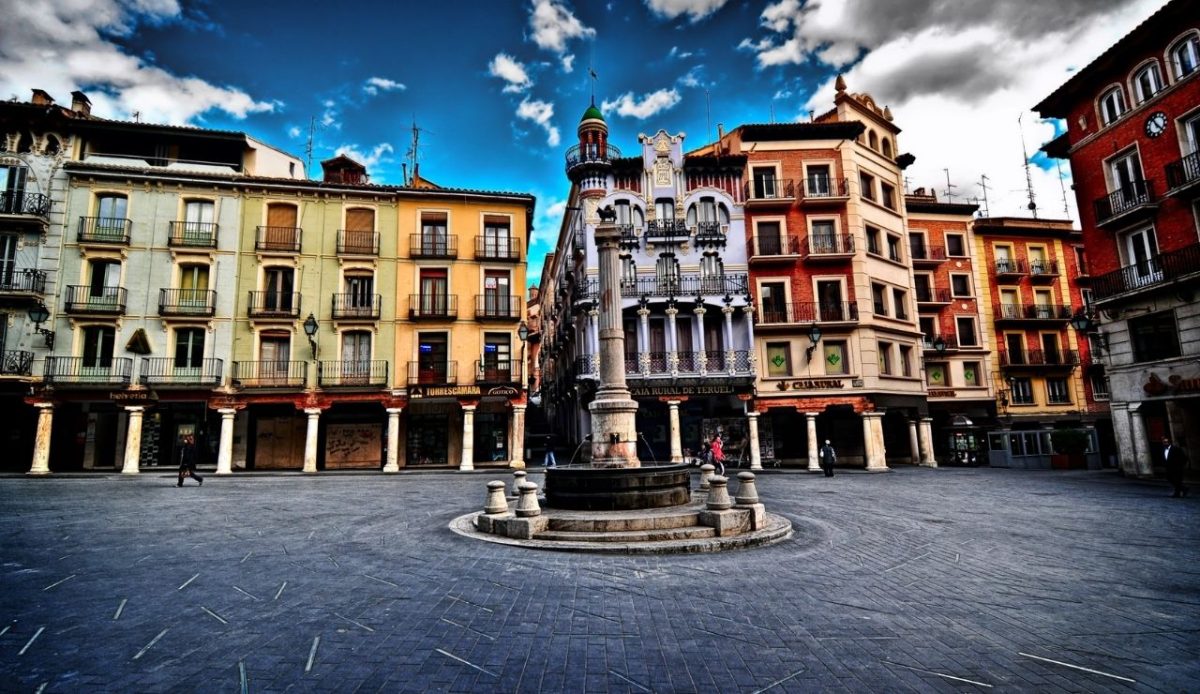
Teruel, in Aragon, is known for its Mudéjar architecture and romantic legends but is often overlooked by tourists. Travelers can explore towers, churches, and plazas decorated in intricate brickwork. Local museums and festivals, such as the Lovers of Teruel celebration, provide insight into history and folklore. Teruel’s quiet streets, traditional markets, and regional cuisine offer a glimpse into Aragonese culture. Visitors can enjoy a slower pace while appreciating the architectural and historical significance that makes this town unique, discovering layers of Spanish tradition beyond mainstream tourist paths.
7. Almagro, Castilla-La Mancha
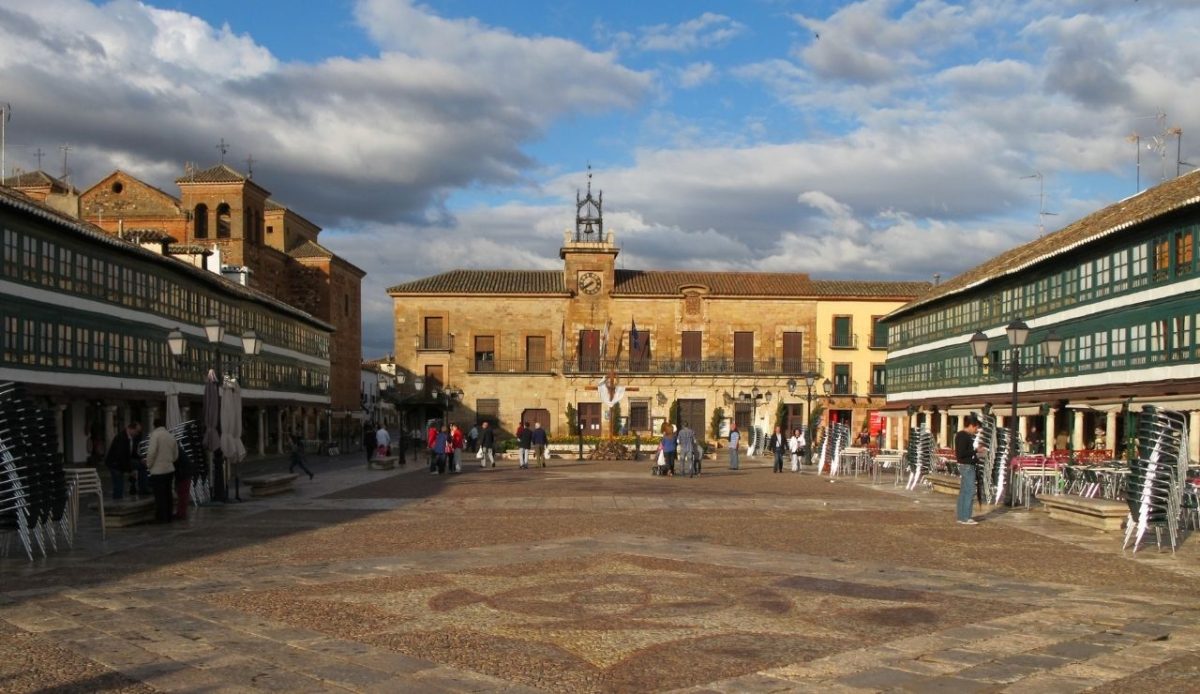
Almagro, celebrated for its Corral de Comedias theater, is a hub of traditional Spanish performing arts yet often skipped by travelers. The town’s cobbled streets, plazas, and historic buildings offer a charming backdrop. Cultural festivals, such as the International Festival of Classical Theater, showcase local traditions and artistry. Visitors can explore artisan shops, enjoy regional cuisine, and participate in cultural events. Almagro combines history, arts, and community engagement, providing travelers with an intimate and enriching experience that highlights Spain’s theatrical and architectural heritage off the beaten track.
8. Úbeda, Andalusia
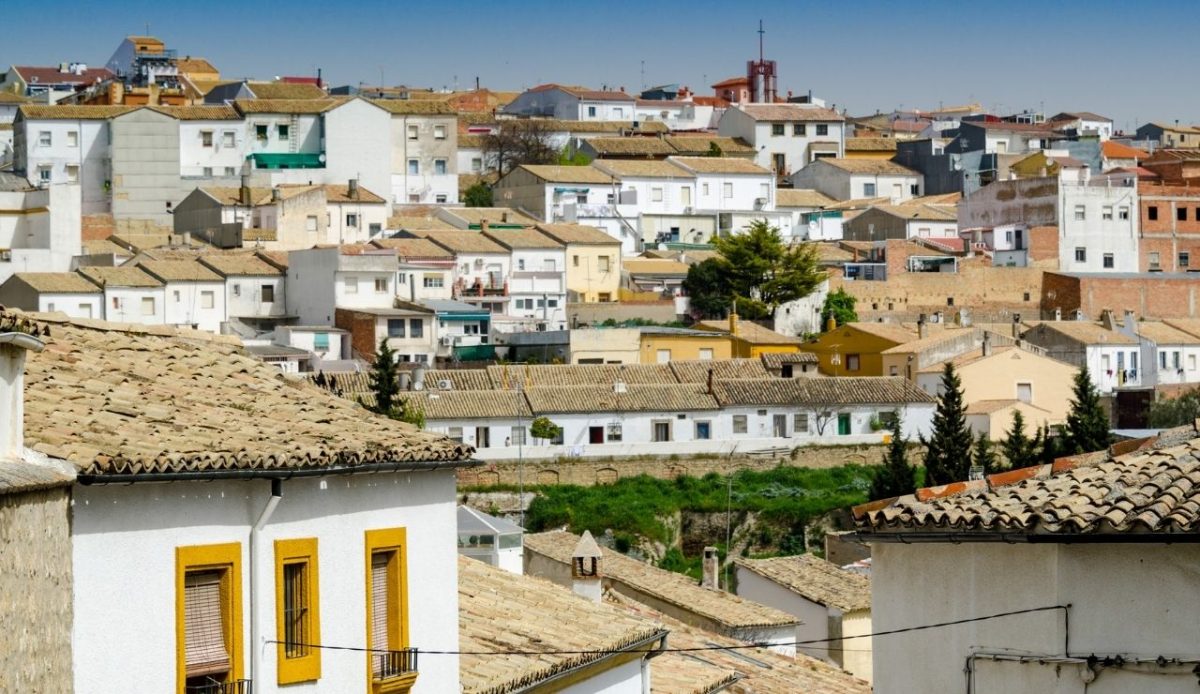
Úbeda, part of Andalusia’s Renaissance triangle, is renowned for its palaces, churches, and cobbled streets yet often bypassed by tourists. The town’s historic architecture, including beautifully preserved palacios, reflects its 16th-century prominence. Travelers can enjoy guided tours, local markets, and cultural events, exploring Spanish heritage without large crowds. Úbeda offers a blend of history, art, and gastronomy, allowing visitors to immerse themselves in Andalusian life. Its quiet elegance, festivals, and traditional cuisine make it an ideal destination for those seeking authentic experiences beyond Spain’s popular cities.
9. Cudillero, Asturias
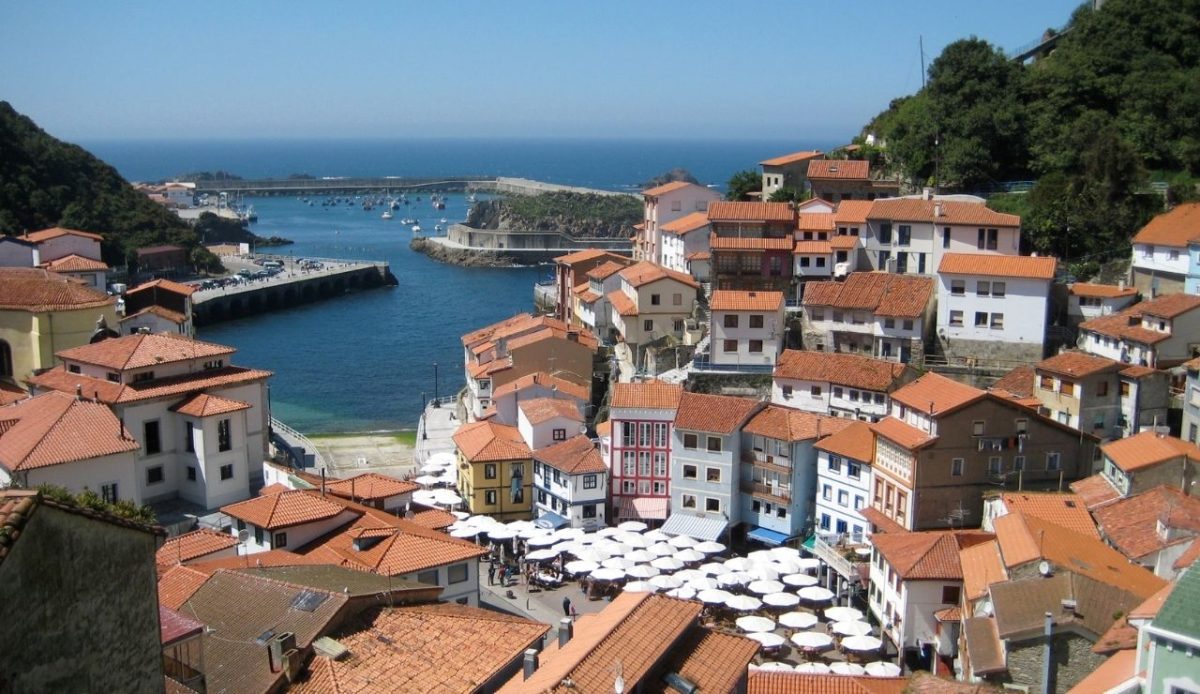
Cudillero, a picturesque fishing village in Asturias, is often overlooked despite its colorful houses and scenic cliffs. Travelers can stroll along narrow streets, watch fishermen at work, and enjoy fresh seafood at seaside eateries. Local festivals, such as San Juan, celebrate maritime culture with music and bonfires. The town’s charm lies in its vibrant architecture, coastal beauty, and close-knit community. Visitors experience an authentic Asturian lifestyle, enjoying tranquility and natural landscapes. Cudillero provides a serene alternative to crowded coastal resorts, highlighting Spain’s lesser-known northern treasures.
10. Baeza, Andalusia
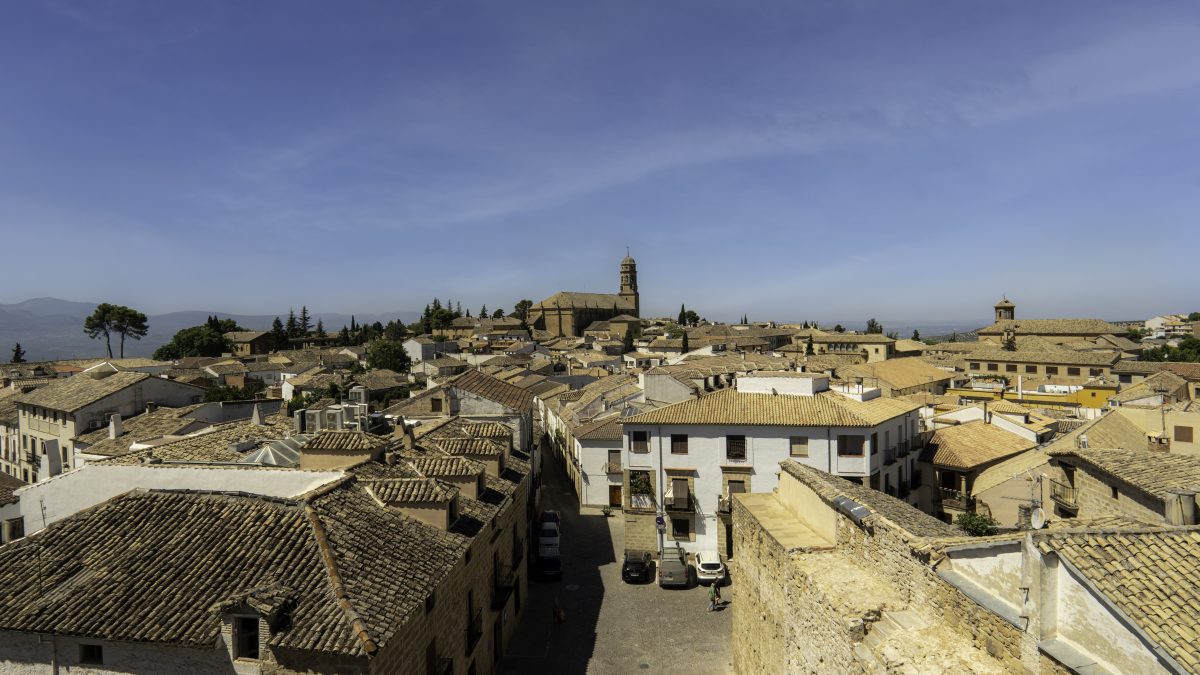
Baeza, a Renaissance town near Úbeda, features elegant plazas, palaces, and churches reflecting centuries of history. Travelers can explore cobbled streets, visit artisan shops, and enjoy Andalusian cuisine in quiet squares. Festivals and cultural events celebrate local traditions, showcasing the town’s artistic and historical heritage. Baeza offers an immersive experience into Spanish history without the bustle of larger cities. Visitors can admire architectural beauty, participate in cultural activities, and enjoy authentic Andalusian life. Its understated charm and historical significance make it a rewarding hidden destination.
11. Frigiliana, Andalusia
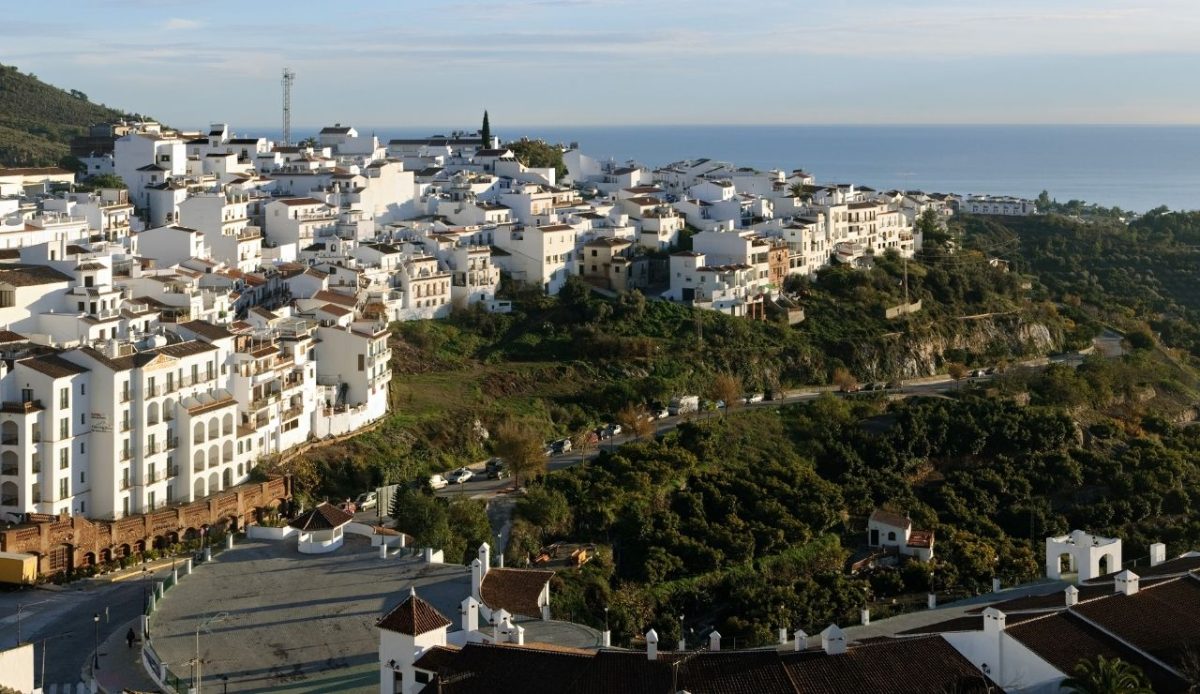
Frigiliana, a white-washed village in Andalusia, is often skipped despite its picturesque streets and stunning views. Travelers can wander through maze-like alleys adorned with flowers, explore artisan shops, and savor local wines. Festivals celebrate regional music, dance, and gastronomy, providing insight into local culture. The village’s Moorish influence is visible in architecture and traditions. Visitors can hike nearby hills or relax in tranquil squares, experiencing Andalusian culture in a peaceful setting. Frigiliana offers a charming alternative for travelers seeking scenic beauty, history, and authentic Spanish village life.
