
Across the United States, many small towns are dealing with deep, long-term challenges tied to economic shifts, population loss, and reduced public resources. Residents say these struggles affect daily life in visible ways, from limited job opportunities to declining infrastructure and shrinking local services. While each town has its own story, common themes emerge, including aging populations, business closures, and difficulty attracting investment. These challenges don’t erase community pride or history, but they do shape how residents experience life today and how they think about the future of their hometowns.
1. Pine Ridge, South Dakota
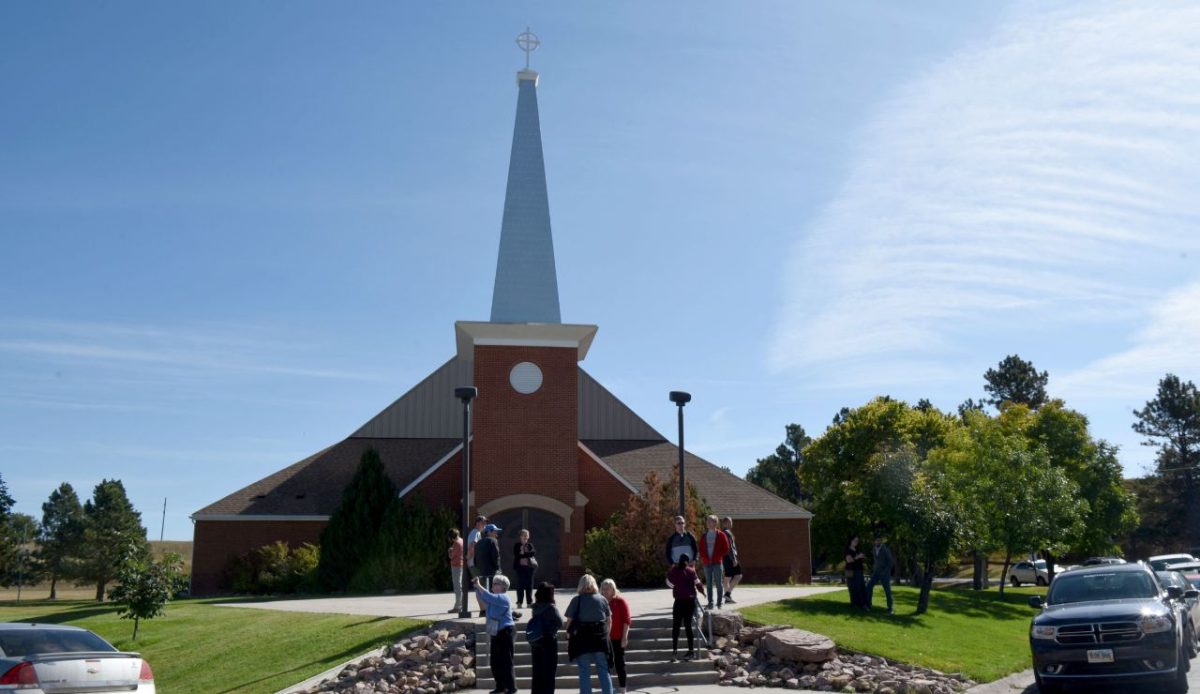
Residents of Pine Ridge describe daily life as shaped by limited economic opportunity and access to essential services. High unemployment and housing shortages remain persistent concerns, especially for families and young adults. Geographic isolation makes it harder to attract businesses or healthcare resources. Despite strong cultural identity and community bonds, underinvestment continues to affect schools, infrastructure, and job creation. Locals emphasize that long-term improvement depends on sustained economic development, better healthcare access, and expanded educational opportunities for people to remain in the community.
2. Cairo, Illinois
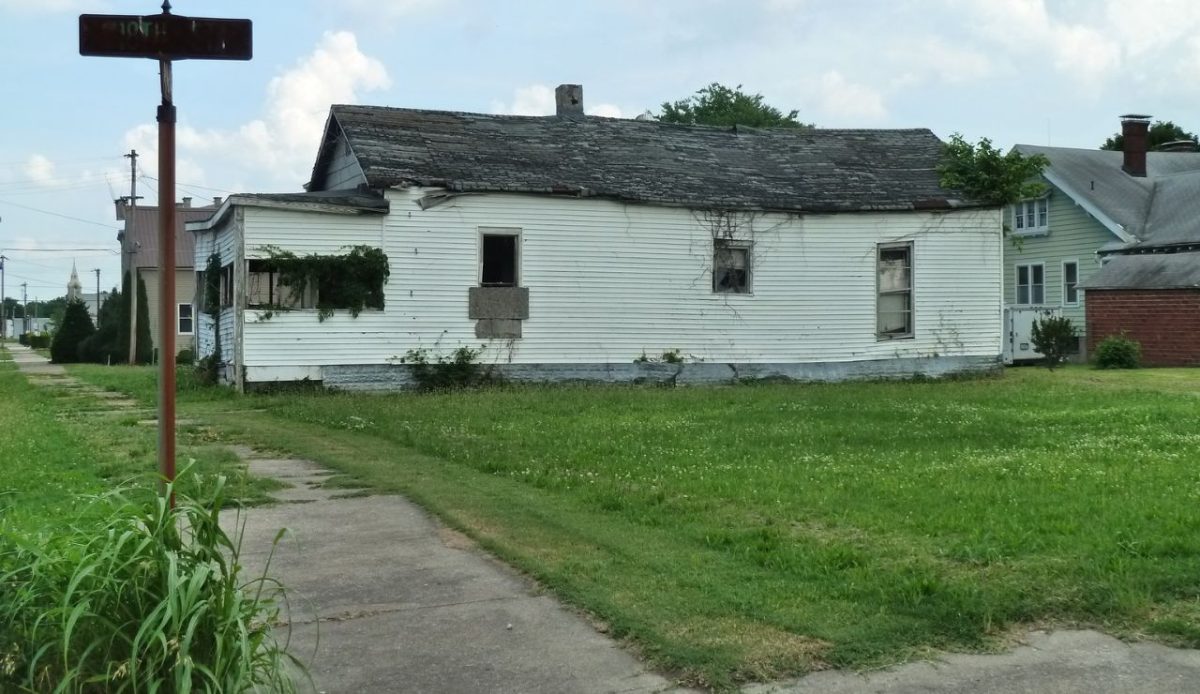
Cairo’s residents often point to decades of population decline as the town’s biggest challenge. Once a thriving river hub, the loss of industry led to shuttered businesses and vacant buildings. Flood risks from surrounding rivers add another layer of difficulty for homeowners and city planners. Locals say limited employment options make it hard for younger generations to stay. While revitalization efforts exist, residents feel progress has been slow and uneven. Many believe meaningful recovery requires infrastructure investment, flood mitigation planning, and economic incentives that encourage long-term business growth.
3. Gary, Indiana
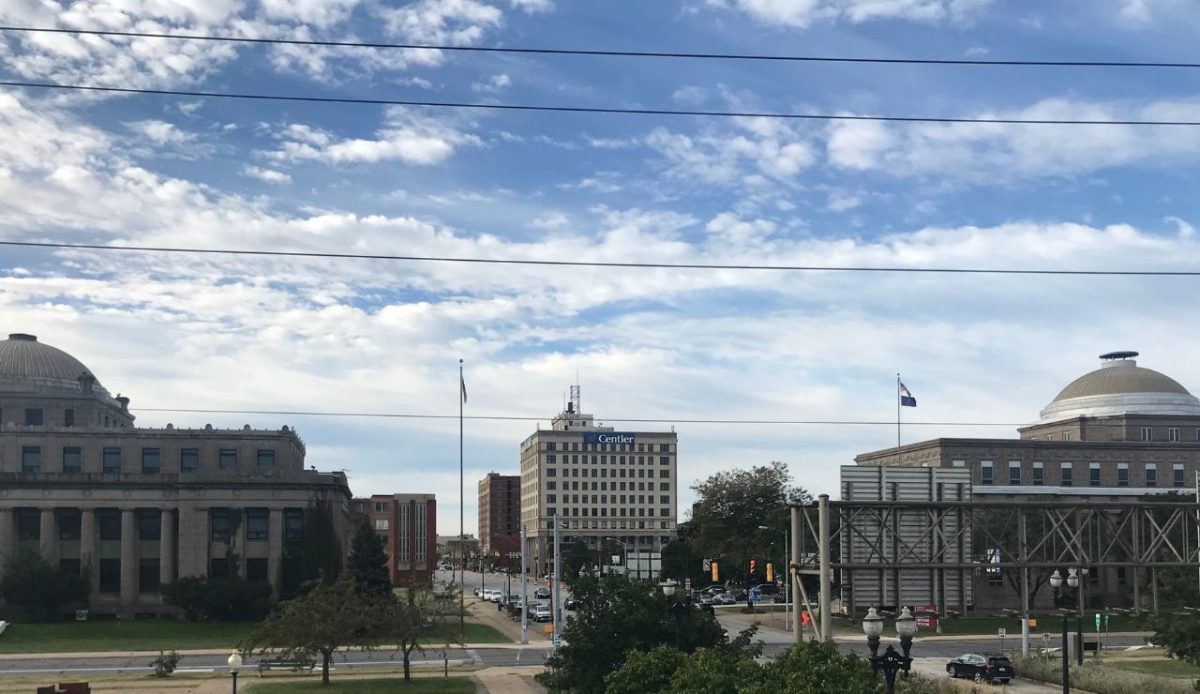
Gary residents say the city continues to feel the impact of the steel industry collapse that reshaped the local economy. Job losses reduced tax revenue, affecting public services, schools, and neighborhood upkeep. Vacant buildings and declining infrastructure remain common concerns. While redevelopment projects have brought some optimism, locals say progress has not reached all areas equally. Many residents describe daily life as a mix of resilience and frustration, hoping that renewed investment, workforce training, and regional cooperation can help stabilize the city and create sustainable opportunities for future generations.
4. McDowell County, West Virginia
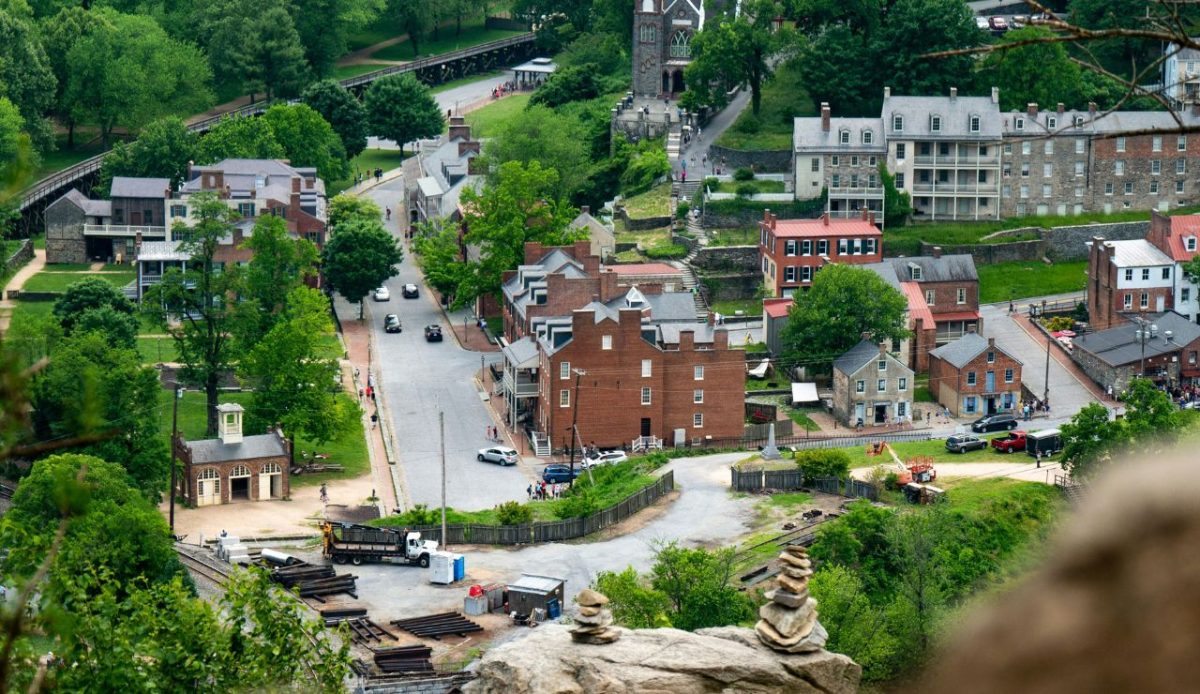
Residents of McDowell County describe a community deeply affected by the decline of coal mining. As jobs disappeared, population numbers fell sharply, leading to school closures and reduced healthcare access. Many roads and public buildings show signs of long-term neglect. Locals say younger residents often leave in search of stable work, leaving behind an aging population. While tourism and alternative energy projects offer potential, residents stress that rebuilding the local economy will require time, investment, and long-term planning beyond short-term solutions or temporary relief programs.
5. Flint, Michigan
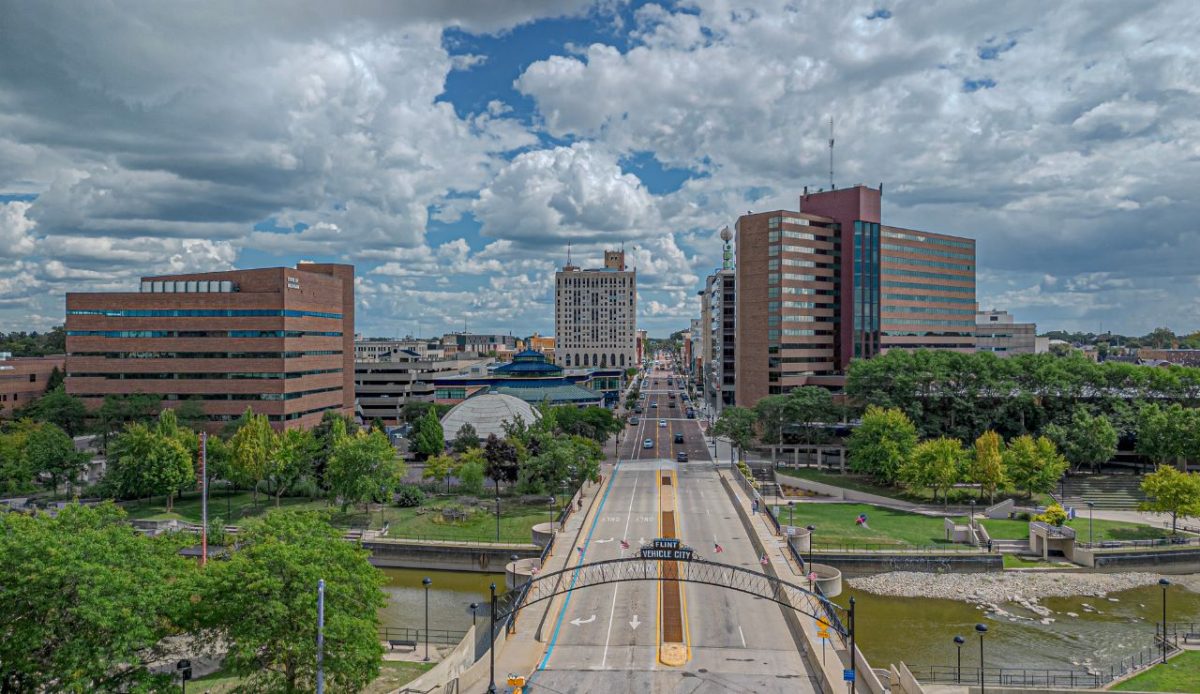
Flint residents say the city continues to recover from years of economic decline and infrastructure failures. While improvements have been made, many locals still struggle with limited job opportunities, aging housing, and public health concerns. Trust in local systems remains fragile. Manufacturing losses reshaped the economy, leaving gaps that are difficult to fill quickly. Community organizations play a major role in support efforts, but residents believe sustained investment in education, infrastructure, and healthcare is essential to create lasting stability and restore confidence in the city’s future.
6. Selma, Alabama
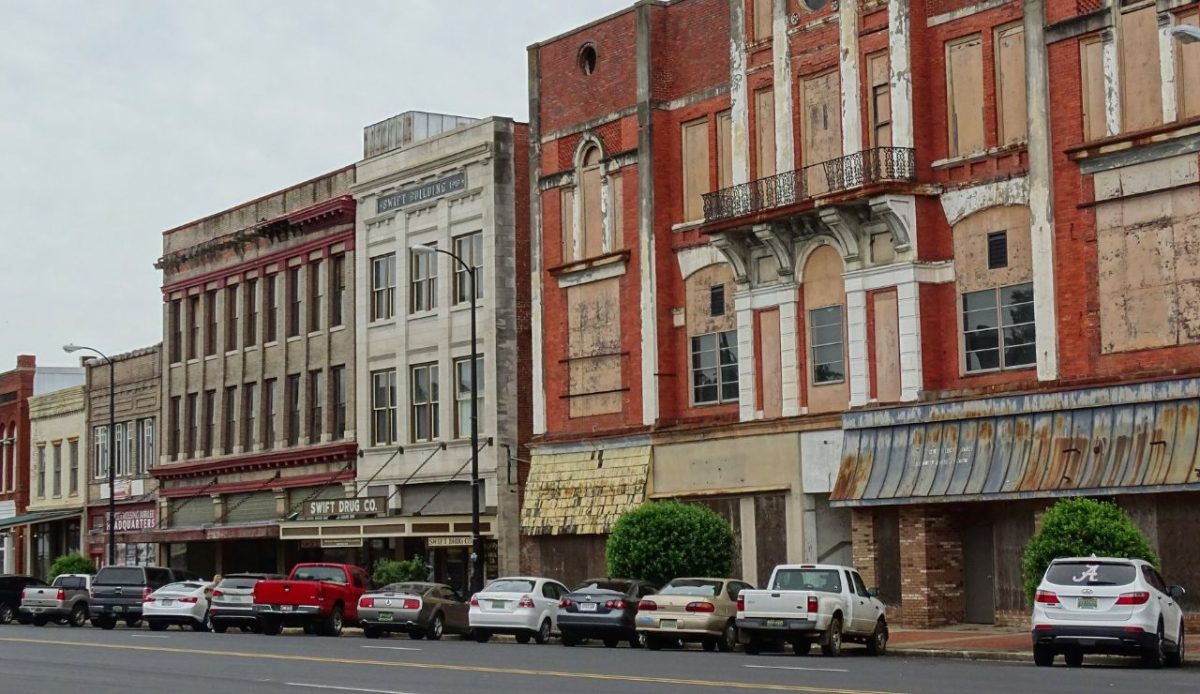
Selma residents often describe a town balancing historical significance with modern economic challenges. High poverty levels, limited employment options, and aging infrastructure affect daily life. While tourism tied to civil rights history brings visibility, locals say it has not translated into broad economic growth. Public services and business development remain under strain. Residents express pride in the town’s legacy but acknowledge that meaningful improvement depends on targeted investment, workforce training, and policies that encourage long-term economic stability rather than short-term gains.
7. East St. Louis, Illinois
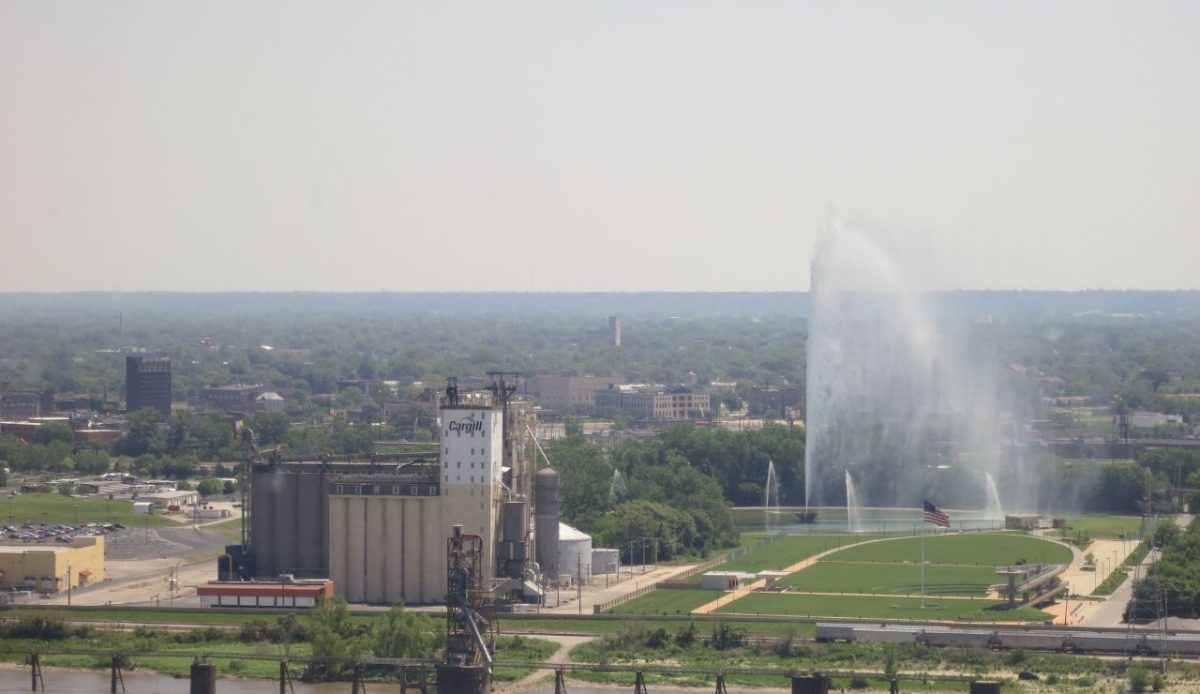
East St. Louis residents point to decades of industrial decline as a major factor behind ongoing struggles. Abandoned properties, limited retail access, and underfunded public services remain common concerns. Families often face challenges related to education and public safety. While redevelopment projects have brought new facilities, locals say benefits are unevenly distributed across neighborhoods. Community groups remain active, but residents emphasize that long-term progress will require consistent investment, regional job access, and improved infrastructure to support sustainable growth.
8. Youngstown, Ohio
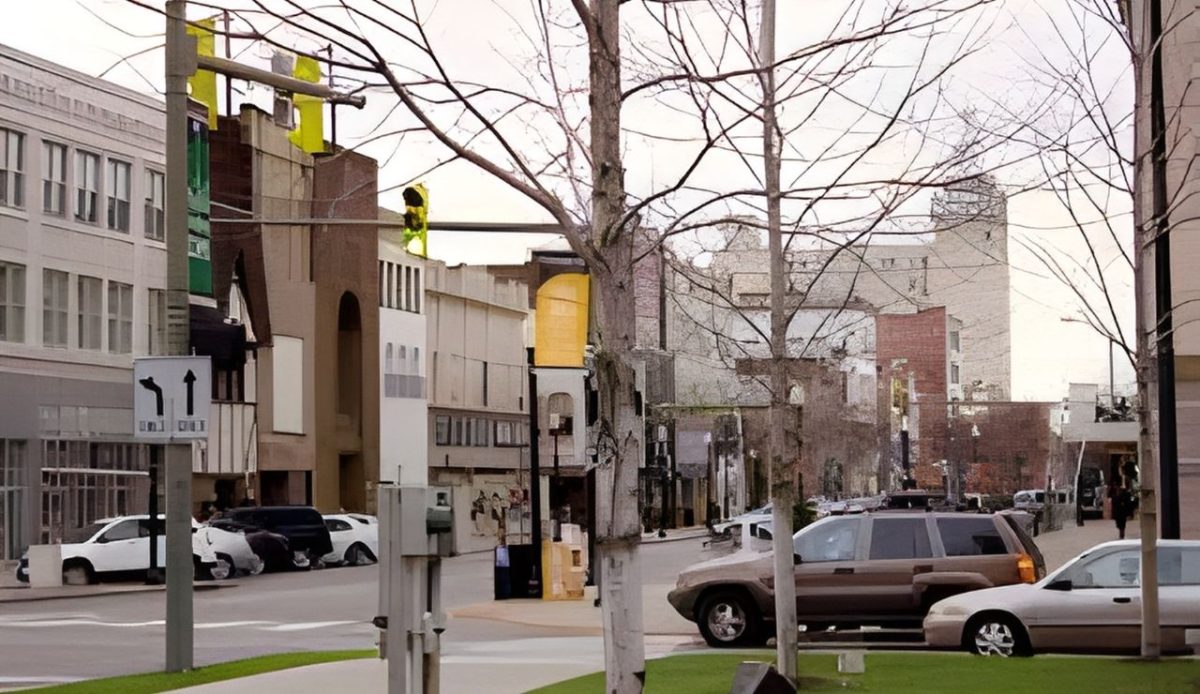
Youngstown residents describe a city still adjusting to life after steel manufacturing. Population loss and job shortages reshaped neighborhoods, leaving vacant homes and infrastructure challenges. Locals say revitalization efforts show promise but feel gradual compared to the scale of decline. Younger residents often struggle to find stable employment, leading many to leave the area. Despite these difficulties, a strong community identity remains. Residents hope education initiatives, small business growth, and innovation can help redefine the city’s economic future over time in a more sustainable way.
9. Camden, New Jersey
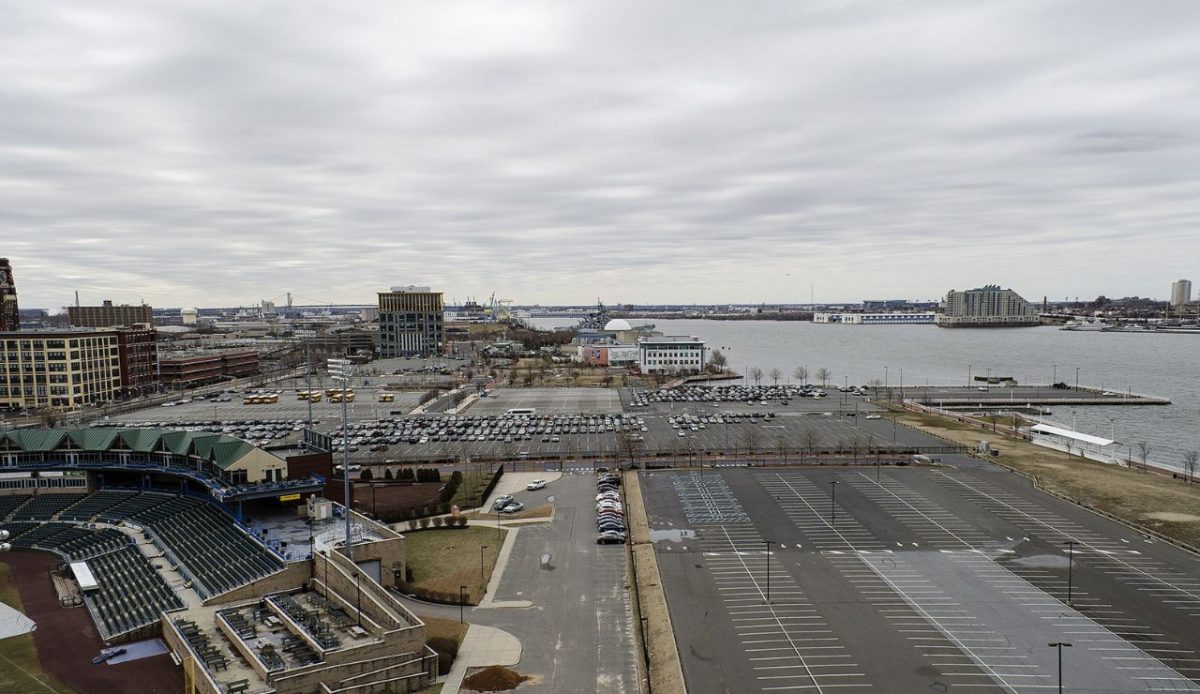
Camden residents often cite long-standing poverty and limited employment as ongoing challenges. While redevelopment has introduced new institutions and housing projects, many neighborhoods still lack access to quality services. Residents say economic improvements have not been evenly shared. Education and public safety remain concerns for families. Locals emphasize that real progress must focus on community-based development and job creation rather than isolated projects. Despite challenges, residents continue advocating for broader investment that improves the everyday quality of life across all neighborhoods.
10. Kermit, West Virginia
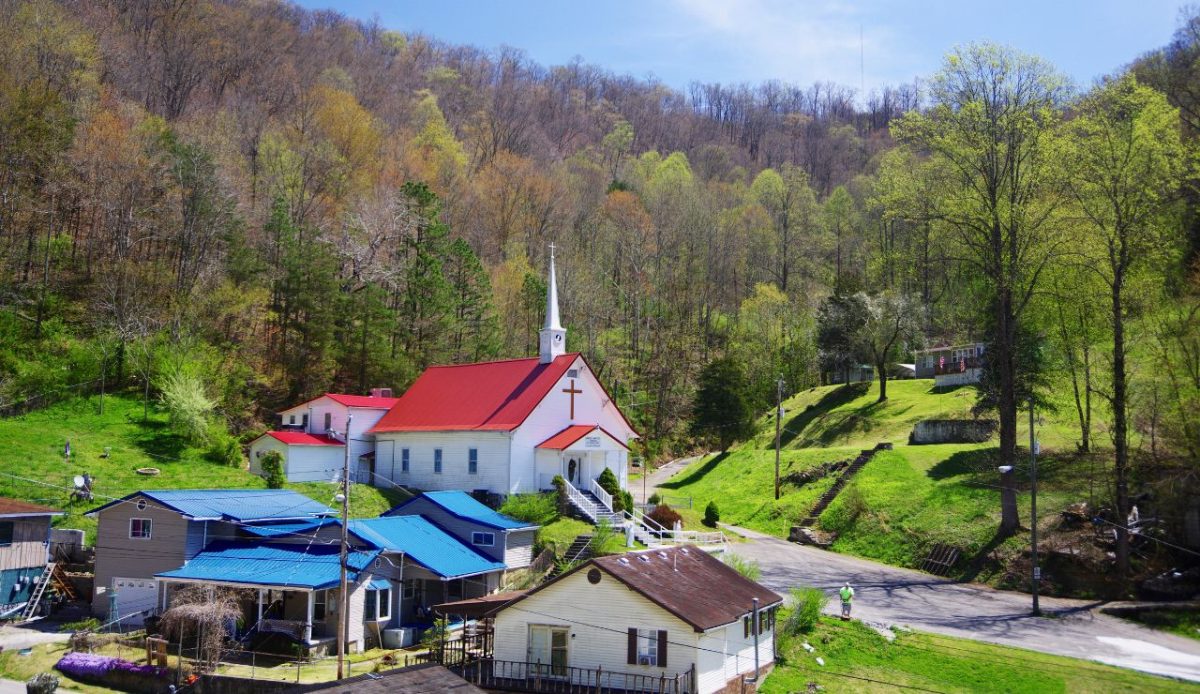
Residents of Kermit describe a small town shaped by the decline of coal-related employment. Job scarcity and population loss have reduced funding for public services and infrastructure maintenance. Younger residents often move away, leaving behind an aging population with limited resources. Locals value the town’s close-knit nature but acknowledge that the economic reality is difficult. Many believe recovery depends on diversifying the economy, improving education access, and creating opportunities that allow residents to remain rather than relocate, especially through small business support and regional development programs.
11. Deming, New Mexico
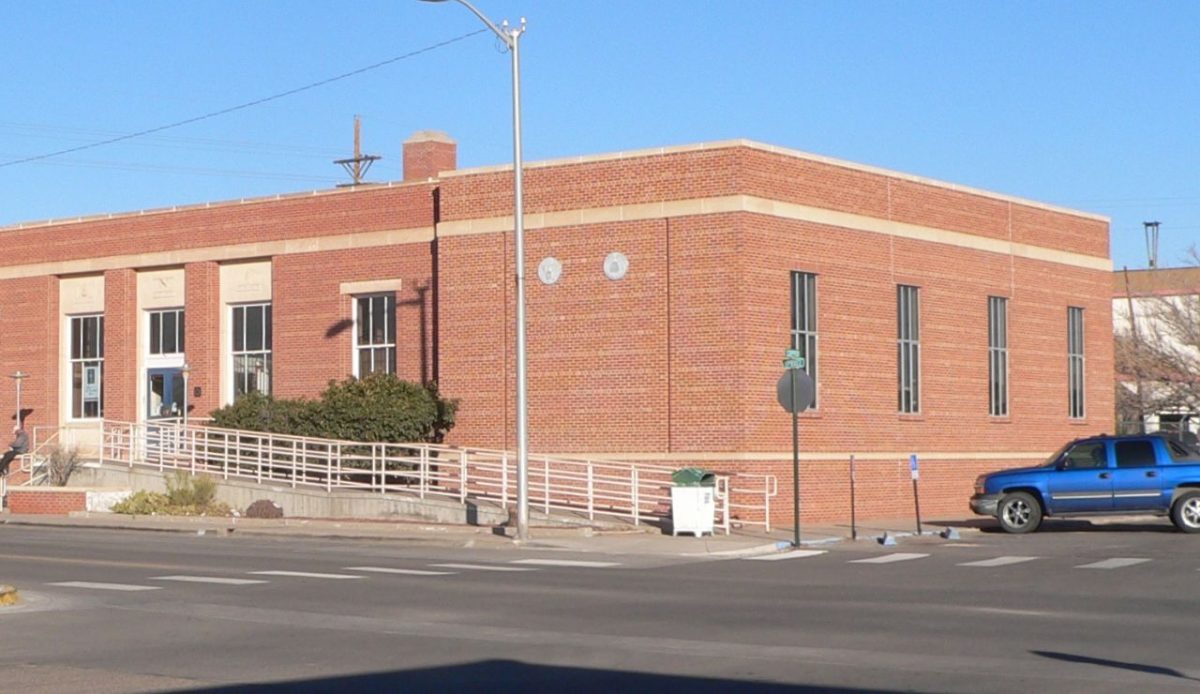
Deming residents say economic limitations are tied closely to the town’s remote location and narrow job market. Agriculture and cross-border commerce provide some employment, but options remain limited. Healthcare access, aging infrastructure, and housing affordability are common concerns. Population growth has been slow, making it harder to attract new businesses. Residents express pride in their community but note that meaningful improvement requires sustained investment, regional cooperation, and expanded economic opportunities that support long-term stability and attract younger workers back to the area.
