
Some small towns still present a clear sense of everyday life from the 1800s as soon as you walk their streets. Road widths, building placement, and original storefront patterns remain visible, shaping how people move through these places today. Growth slowed early in many of them, which allowed historic districts to remain largely intact rather than replaced. This list highlights towns supported by preservation records, landmark designations, or federal protection, where nineteenth century architecture and layout continue to define the experience from arrival to departure.
1. Virginia City, Nevada
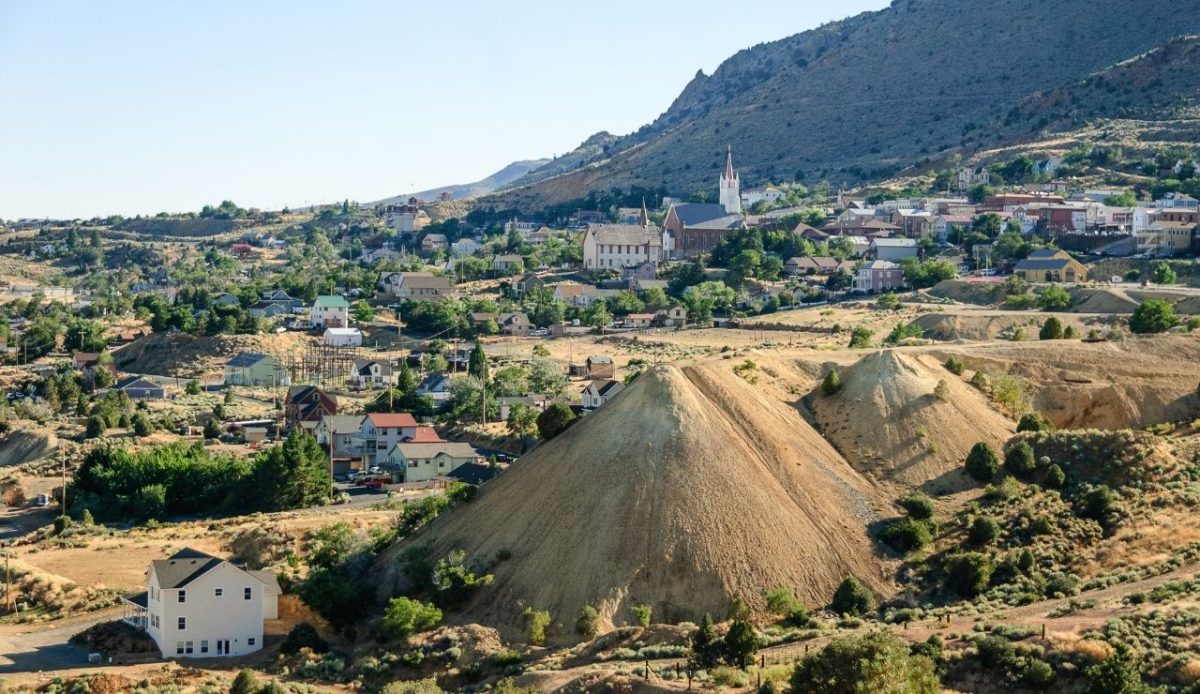
The street in Virginia City still reads like a Comstock boomtown because the boardwalks, gas lamps, and Victorian storefronts remain in place. The street was later recognized as a Great Place in America for its preserved mining era character, and many facades have been kept close to their early forms. Saloon interiors, old hotel corridors, and steep side lanes make the silver rush feel present without much imagination. Even modern shops are fitted into historic shells. Wooden planks underfoot and narrow lots force the same pace as in the 1870s, so the town’s layout does much of the time travel for you.
2. Galena, Illinois
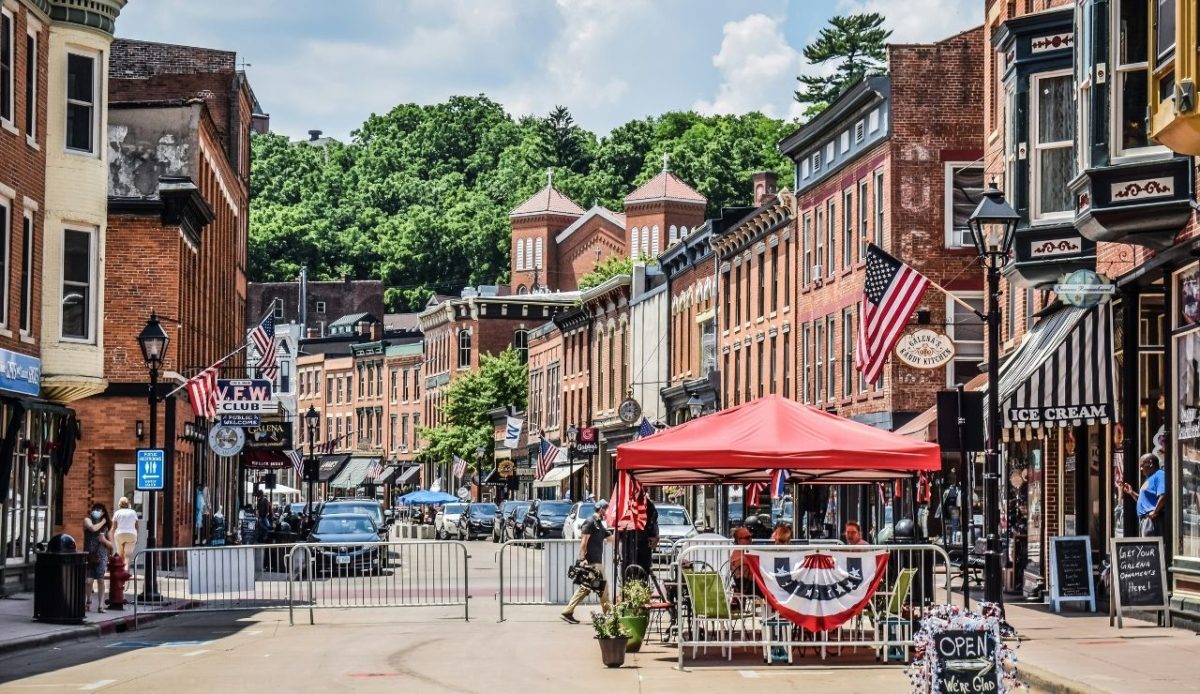
Galena feels frozen around the lead era wealth that financed its brick downtown and hillside mansions. A rare concentration of 19th-century buildings survives, and the whole core is on the National Register, so storefront lines were not erased by big rebuilds. Walking Main Street, you pass Federal and Italianate fronts, then climb to porches and carriage houses that still face the river valley. The effect is genteel rather than wild, like a Midwestern outdoor museum. Grant’s home visit is often paired with the streets, and the town’s visual unity has been protected through consistent restoration standards.
3. Skagway, Alaska
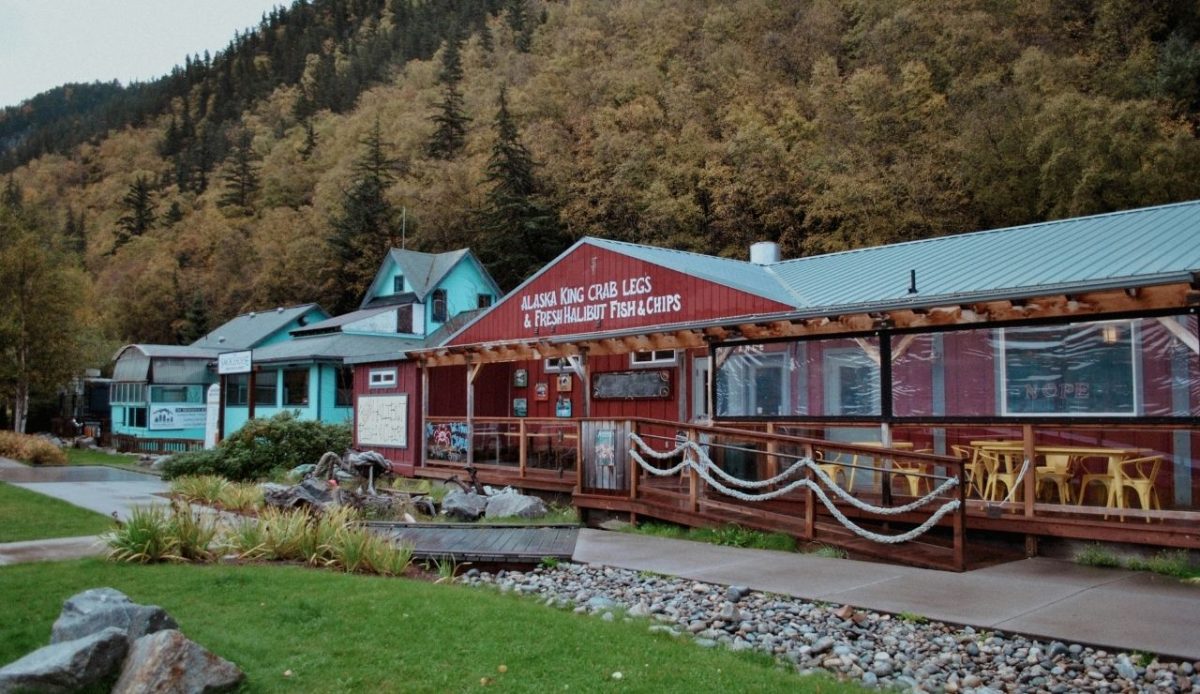
Skagway’s compact center was built for the Klondike Gold Rush, and much of it sits inside a unit of Klondike Gold Rush National Historical Park. Many late 1890s structures were restored and are still used, so the depot, saloons, and false front stores stay part of daily commerce. Boardwalk streets funnel you toward the waterfront and the White Pass route, echoing the direction stampeders followed. Because the district is managed and interpreted, the period setting is reinforced without being staged. Ranger talks and exhibits anchor dates, while paint colors and signage are kept within guidelines that favor the rush era look.
4. Port Gamble, Washington
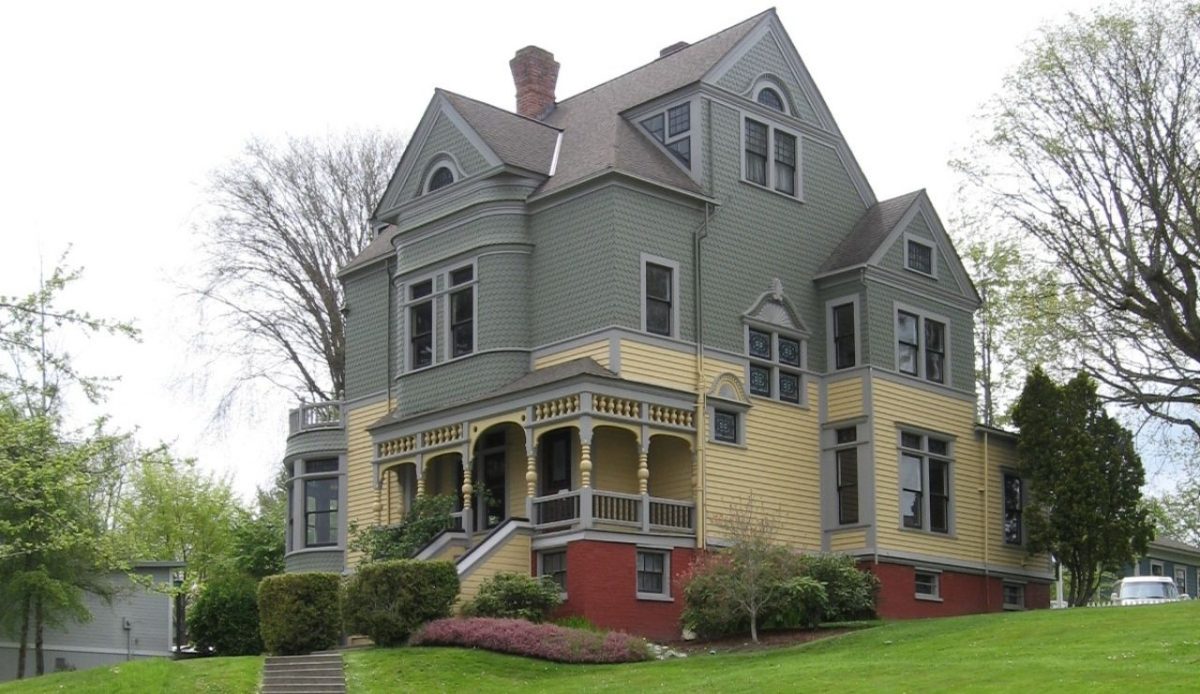
Port Gamble was a company logging town founded in the 1850s, and it is cited by the National Park Service as an unusually complete example of a 19th century Pacific Coast logging community. New England-style homes, a restored church from 1870, and a shoreline mill setting keep the place visually coherent. Because much of the town remained under one owner, large changes were limited and careful restorationeplay restoration was later carried out. Gas street lamps, tidy yards, and a walkable grid make it feel like a working settlement from the steam era. In the 1960s, dozens of buildings were rebuilt or repaired as a set, so the streetscape stayed consistent.
5. Tombstone, Arizona
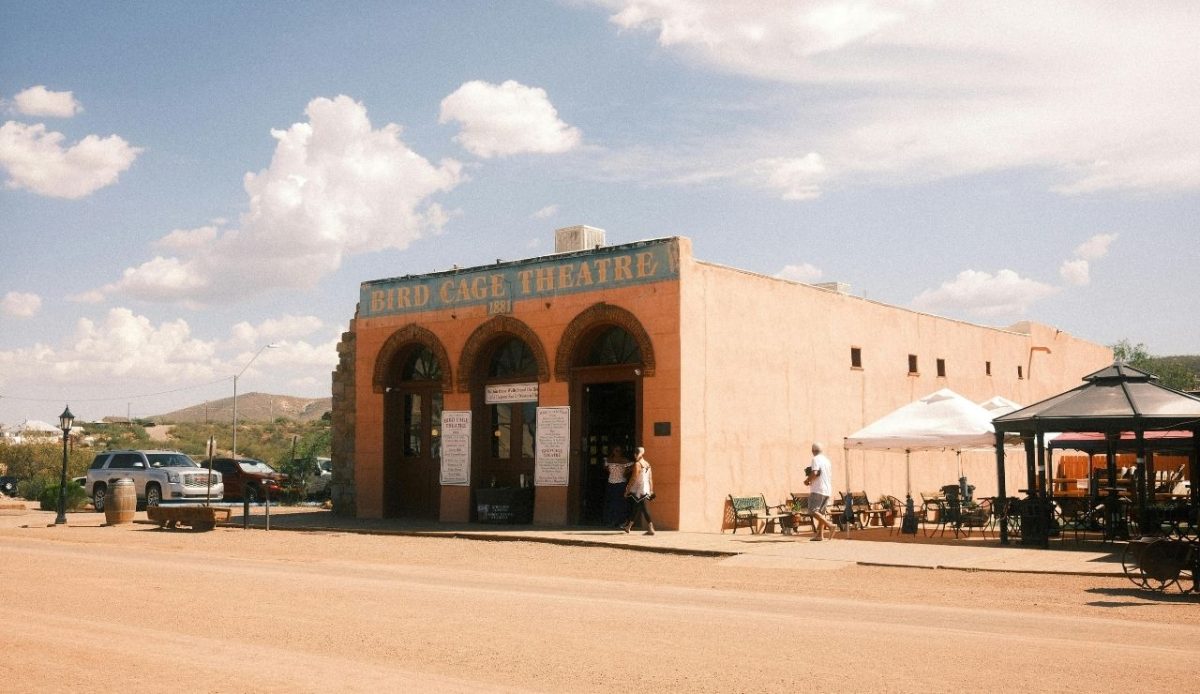
Tombstone keeps a 1870s and 1880s frontier outline through its landmark status for the local historic district and the survival of key civic buildings. Sites such as the courthouse and the O.K. Corral area are preserved, so the town still reads as a compact county seat rather than a roadside strip. False front blocks along Allen Street frame the same narrow corridor visitors saw during the silver boom. Tourism pressures have been noted by preservation officials, yet the core fabric is still recognizable and walkable. Interiors in saloons and theaters were kept intact in places, which helps the grit of the era come through beyond the facades.
6. Deadwood, South Dakota
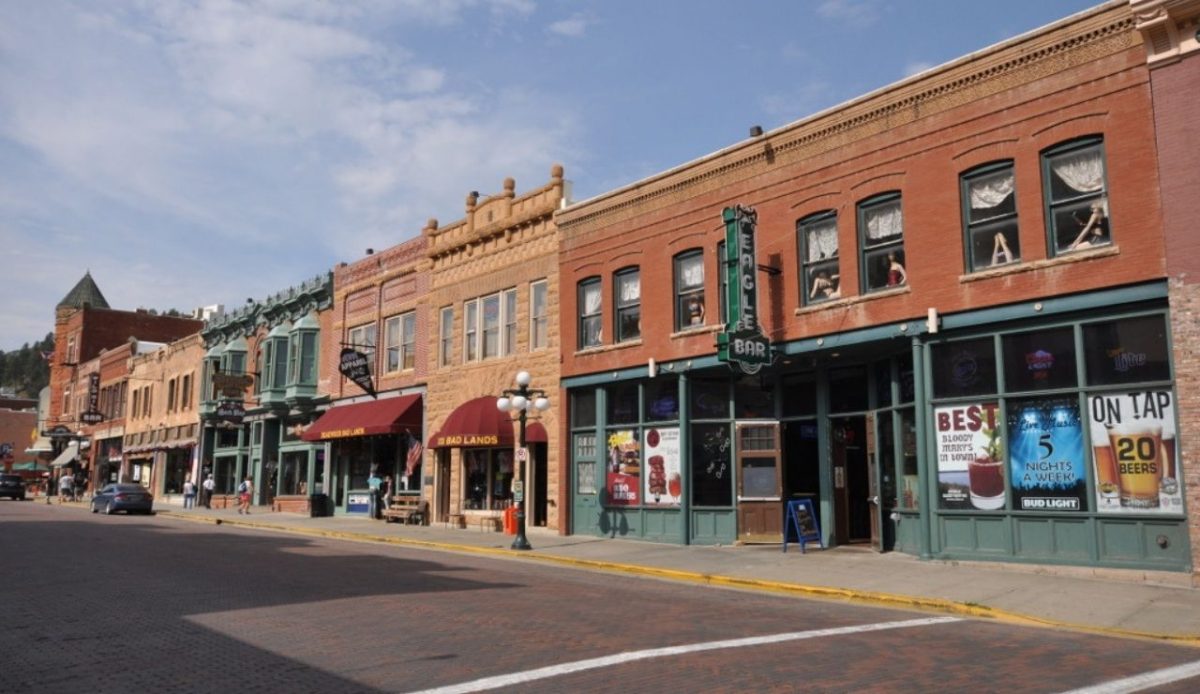
Deadwood’s entire community was designated a National Historic Landmark for its well-preserved late 19th-century frontier architecture, which means the story is embedded in the street plan. Brick blocks rebuilt after fires sit beside steep hillside lots where narrow stairs and retaining walls still shape movement. Many buildings date to before 1900, and later development stayed modest, so the core keeps a Gold Rush town scale. Museums and plaques explain who lived above the saloons and shops, but the strongest cue is simply how tightly the district is packed into the gulch. Night lighting remains low, aiding the illusion.
7. Silverton, Colorado
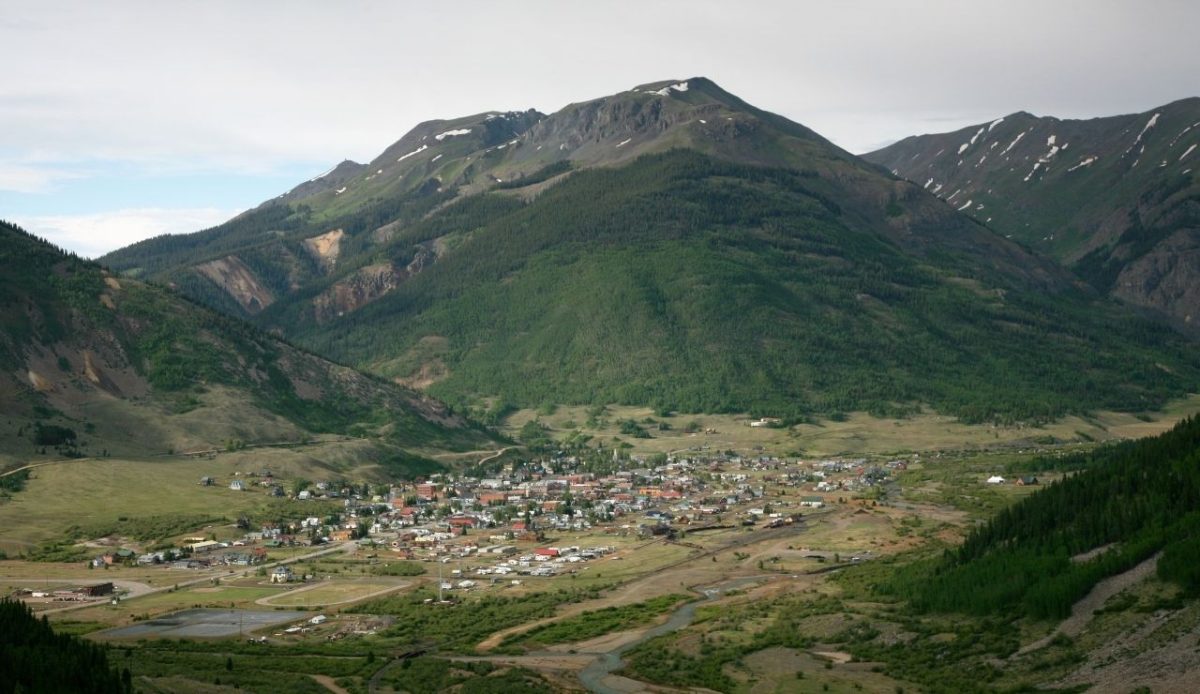
Silverton sits high in the San Juan Mountains, and the entire town lies within a federally designated landmark historic district. Because the mining economy faded, many Victorian-era buildings were left standing and later preserved for visitors arriving by the narrow-gauge railroad. Wooden sidewalks, simple false fronts, and weathered warehouses match the harsh setting and the 1880s mining cadence. A few preservation projects were tied to cleanup and safety work, so restoration has been paired with the town’s environmental history. Even the street width feels pre-car. Winter weather keeps signs minimal, letting old fronts dominate.
8. Bisbee, Arizona
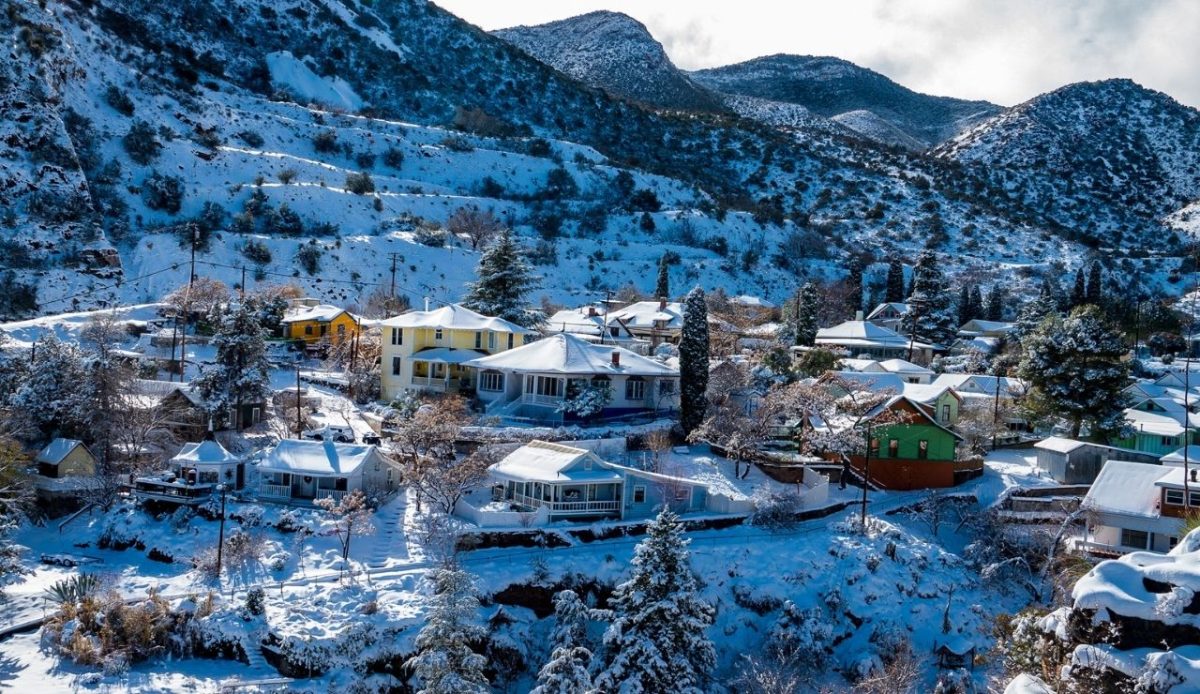
Bisbee’s steep, tight blocks were built around copper mining, and its historic district was listed on the National Register to reflect an early mining company town. Main Street and Brewery Gulch still show brick commercial rows and hillside cottages, with alleys that cut like shortcuts between levels. Much of the building stock dates from the 1890 to 1915 surge, so storefront proportions and balcony lines keep a turn-of-the-century look. The setting is made more convincing by the terrain, since there was little room for wide lots or modern setbacks. Stair streets guide visitors much like miners once moved between homes and shifts.
9. Eureka Springs, Arkansas
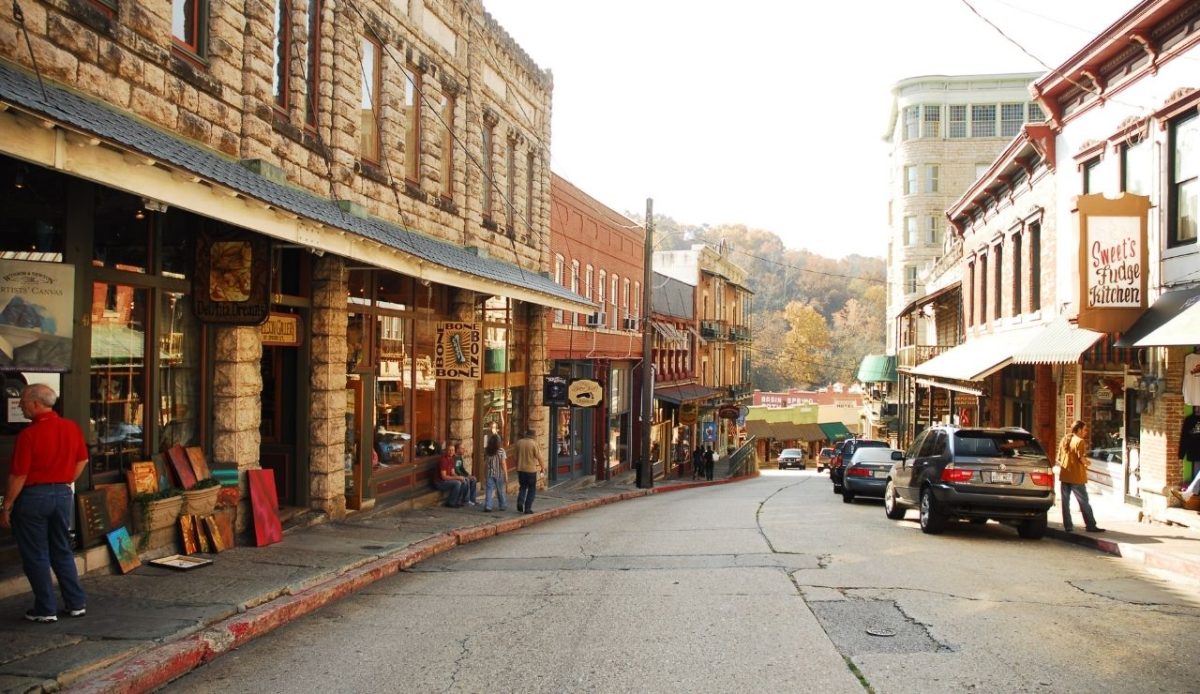
Eureka Springs grew as a late 1800s resort town around natural springs, and its citywide historic district was placed on the National Register. After major fires in 1880, rebuilding was done in dense Victorian forms, so hotels, shops, and cottages were stacked along steep streets with stone walls and ironwork. Queen Anne and Second Empire details appear on many 1890s buildings, while the downtown keeps a tight, walkable feel that discourages big boxes. Because the district covers most of the town, the period vibe continues for blocks rather than just one showcase corner. A historic depot was later added to the boundary.
10. Harpers Ferry, West Virginia
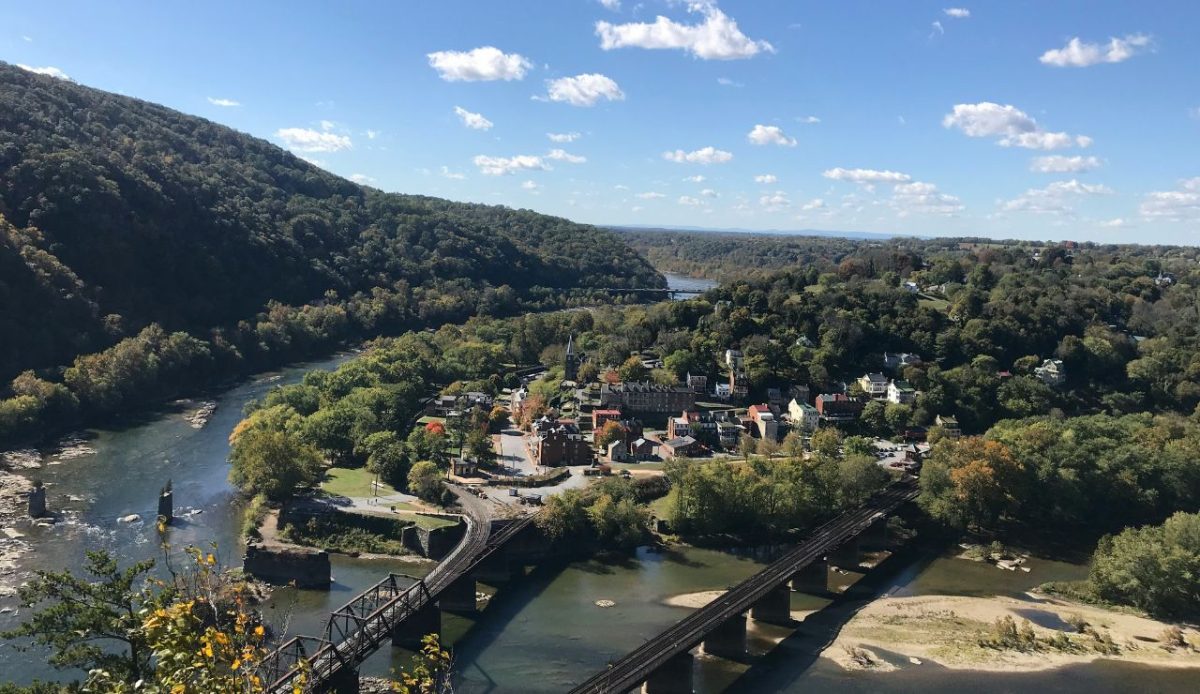
Harpers Ferry is framed by two rivers and a preserved lower town that sits inside Harpers Ferry National Historical Park. Because the historic center was acquired and rebuilt as an interpretive setting, 19th-century industrial streets and buildings were protected from piecemeal demolition. Brick storefronts, workshops, and the rail corridor tie directly to the armory era and John Brown’s raid history. It feels older than its size because modern traffic is pushed uphill, leaving the core to walkers and park shuttles. Signs are restrained, and period details like stone steps and narrow alleys can still be followed between lots.
11. Ferndale, California
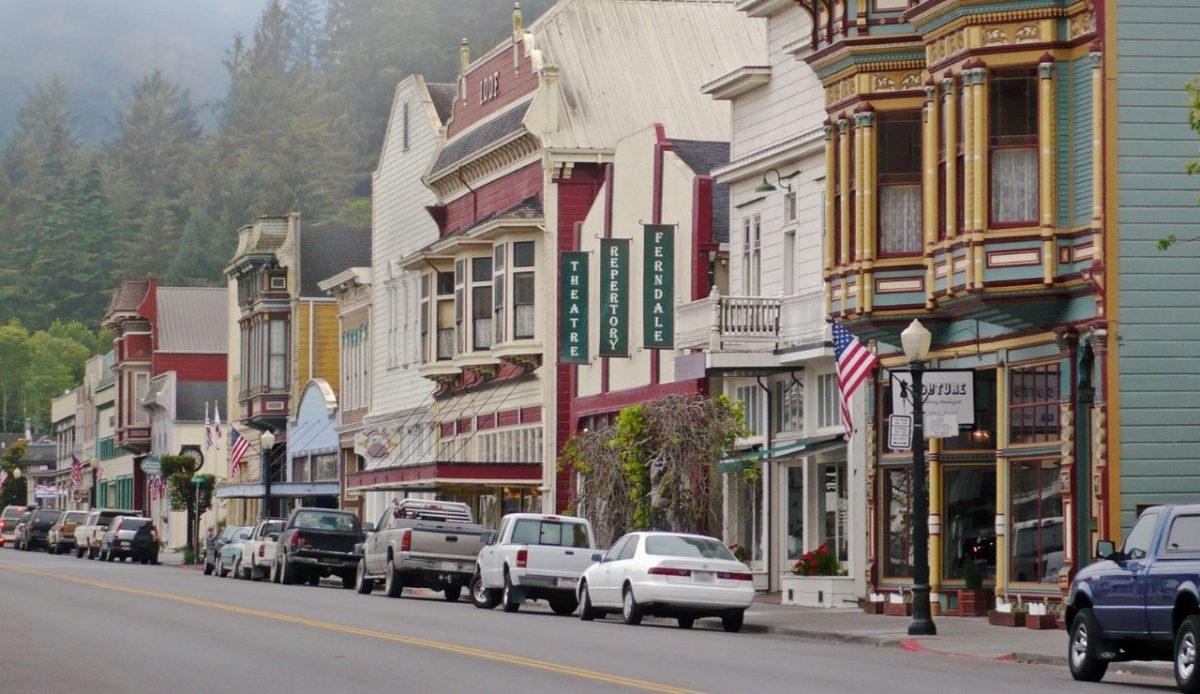
Ferndale’s Main Street is known for ornate Victorian storefronts that rose with dairy wealth, and the town promotes itself as a Victorian Village because so much has been retained. Local guides highlight that the community sits on the Register of Historic Places, which has encouraged repairs instead of tear-downs. Painted facades, bracketed cornices, and narrow upper-story windows give the street a late 1800s rhythm that reads well in any season. Beyond the shops, older houses line side streets, so the historic feeling does not stop at the first block. Festivals and walking tours keep attention on details.
