
RV travel offers freedom and flexibility, but not every scenic road is suitable for large or heavy vehicles. Across the United States, several well-known routes are visually striking yet extremely challenging for RV drivers due to steep grades, narrow lanes, sharp curves, and limited safety features.
Problems often arise when travelers underestimate terrain or rely too heavily on GPS directions. Weather, elevation changes, and limited turnarounds can quickly turn a planned drive into a stressful situation.
Knowing which routes pose the greatest risks allows RV travelers to plan safer alternatives. These roads remain open, but they demand caution, preparation, and realistic vehicle assessments.
1. Going-to-the-Sun Road
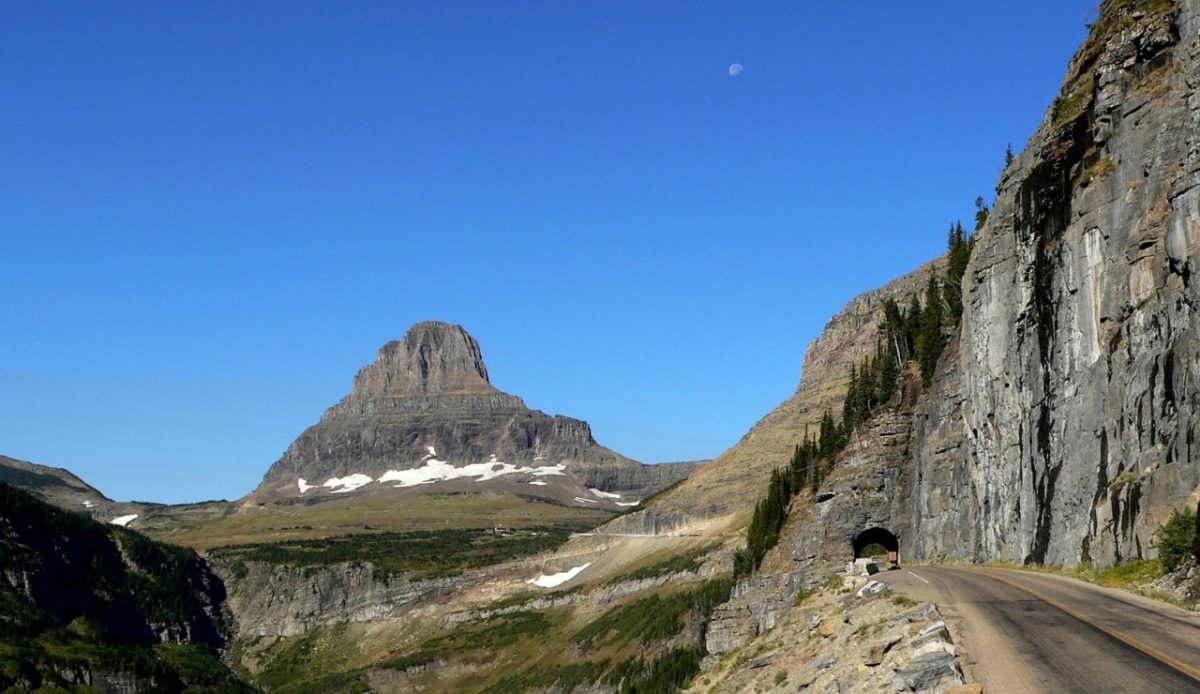
Going-to-the-Sun Road is one of the most scenic drives in the country, but it presents serious challenges for RVs. The road features narrow lanes, tight curves, and steep drop-offs with minimal shoulders, leaving little margin for driver error.
Vehicle length and width restrictions are strictly enforced during peak season, yet drivers still misjudge clearance and turning space. Sudden weather changes, including fog and snow at higher elevations, can also affect traction and visibility.
For RV travelers, even permitted sections require careful planning and patience. Heavy traffic, limited pullouts, and strict ranger enforcement make it difficult to correct mistakes once committed to the route.
2. Million Dollar Highway
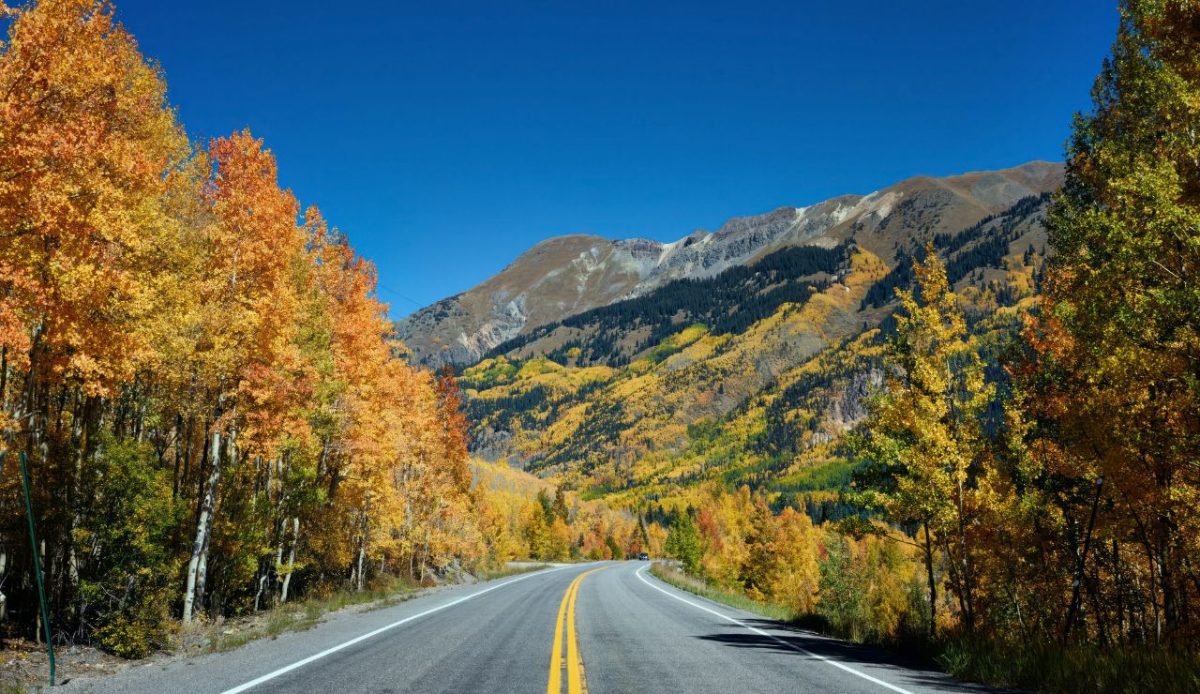
The Million Dollar Highway is known for dramatic cliffs and historic mining towns, but it is equally known for lacking guardrails along long stretches of steep mountain terrain. Drop-offs can extend hundreds of feet, leaving no margin for error.
Sharp curves and frequent elevation changes demand constant braking and precise steering. For large RVs, managing downhill grades without overheating brakes is a major concern, especially during extended descents.
Weather adds another layer of risk. Sudden fog, rain, or snow can reduce visibility and traction, making the highway especially difficult for heavy vehicles traveling through unfamiliar mountain conditions.
3. Dalton Highway
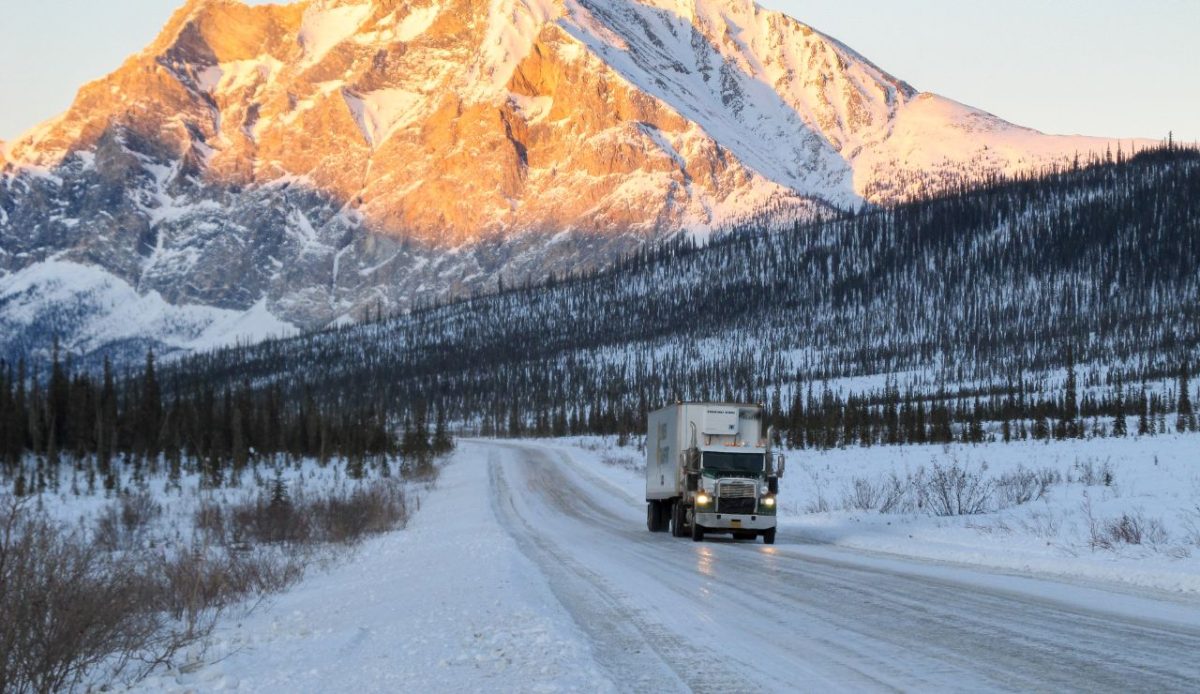
The Dalton Highway stretches across remote Alaskan wilderness with limited services for hundreds of miles. Road conditions vary widely, with long gravel sections, deep potholes, and unpredictable surfaces that can shift after rain or thaw cycles.
Weather changes quickly, bringing fog, snow, or freezing rain even outside winter months. These conditions reduce traction and visibility, increasing the likelihood of tire damage or mechanical strain on heavy RVs.
For RV travelers, isolation magnifies every issue. Fuel stops are sparse, cell service is unreliable, and recovery assistance may take many hours, turning minor problems into serious delays.
4. Moki Dugway
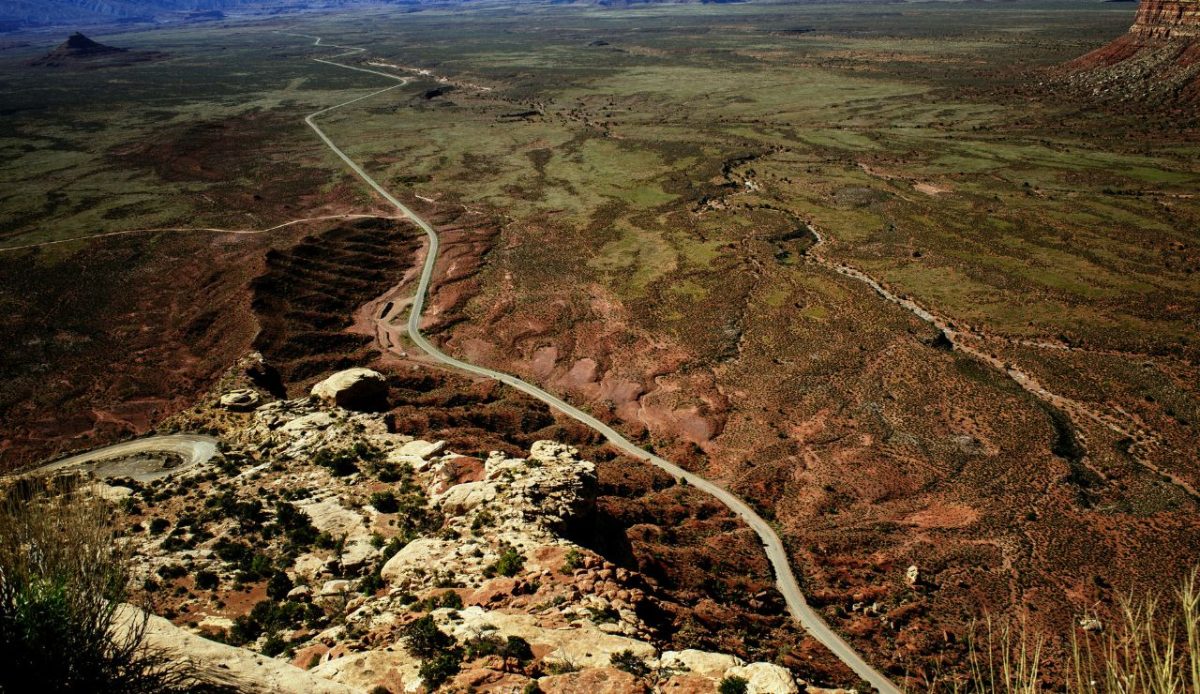
Moki Dugway is a steep, unpaved route carved directly into cliffside terrain, featuring sharp switchbacks and dramatic drop-offs. The road surface is gravel, which significantly reduces traction, especially for heavy RVs attempting to climb or descend safely.
The lack of guardrails adds to the risk, leaving little margin for error if a vehicle drifts or brakes poorly. Passing other vehicles can be extremely stressful due to narrow widths and limited visibility around corners.
Weather conditions can worsen the situation quickly. Rain turns gravel slick, while wind affects vehicle stability. For most RV travelers, the route presents more danger than benefit.
5. Tail of the Dragon
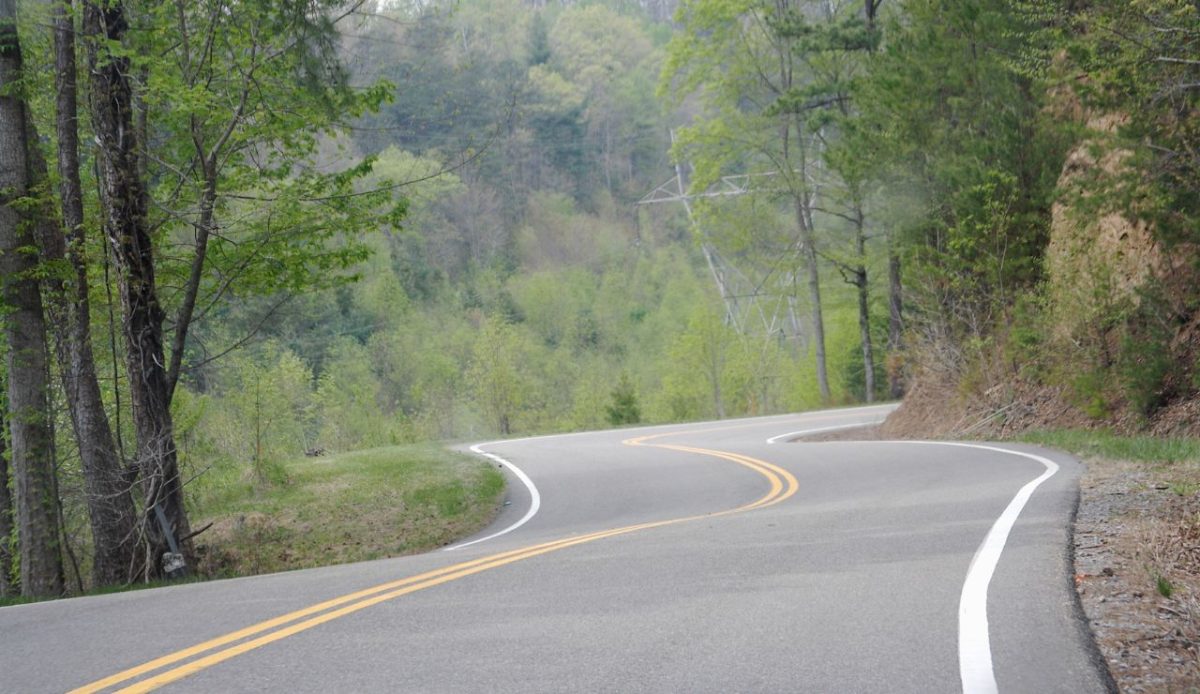
The Tail of the Dragon is famous for its concentration of curves, packing hundreds of sharp turns into a short stretch of roadway. While thrilling for small vehicles, these tight bends demand constant attention and precise steering control.
RV drivers face difficulty maintaining lane position through repeated curves without adequate straight sections for correction. Braking, accelerating, and steering occur continuously, increasing driver fatigue over a short distance.
Traffic compounds the challenge. Limited pull-offs and impatient drivers leave little room for recovery, making this route particularly stressful and risky for oversized vehicles.
6. Route 89A
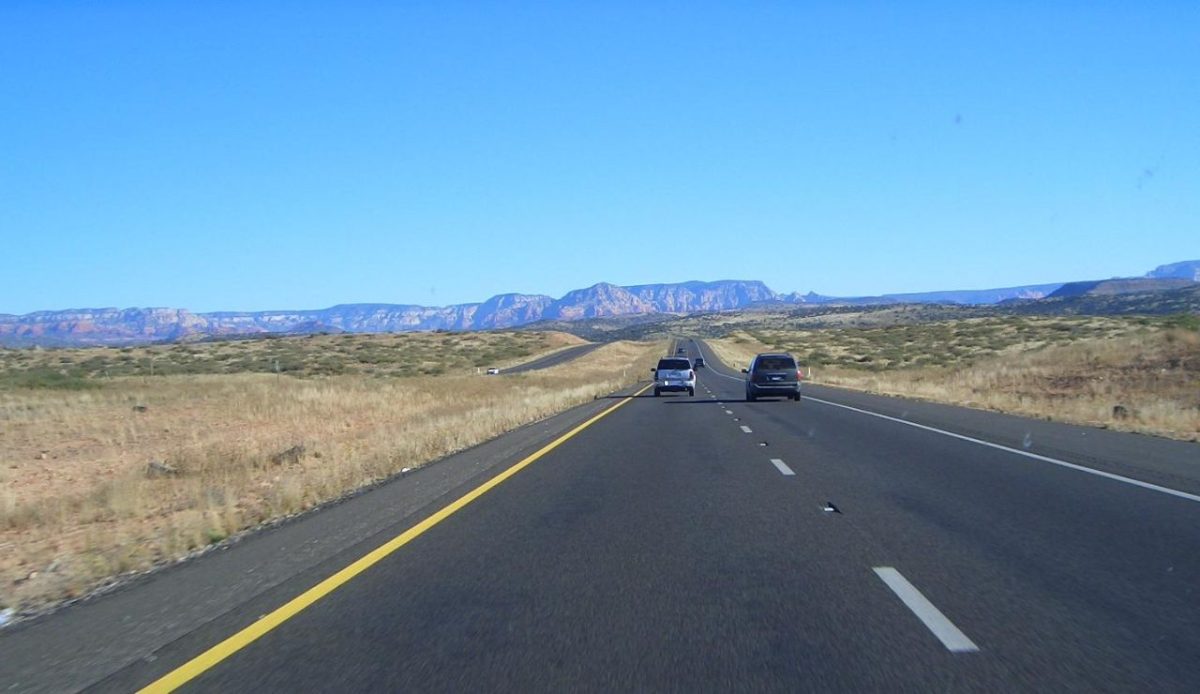
Route 89A climbs steeply through Oak Creek Canyon with tight switchbacks and elevation changes. The descent toward Sedona is especially demanding, requiring sustained braking and careful speed control throughout the drive.
Brake fade is a frequent issue for heavy vehicles navigating long downhill stretches. Traffic congestion adds pressure, particularly during weekends and peak travel seasons when stopping space is limited.
Although scenic, the road leaves little margin for error. RV drivers unfamiliar with mountain descents often find the combination of curves, grades, and traffic overwhelming.
7. Beartooth Highway
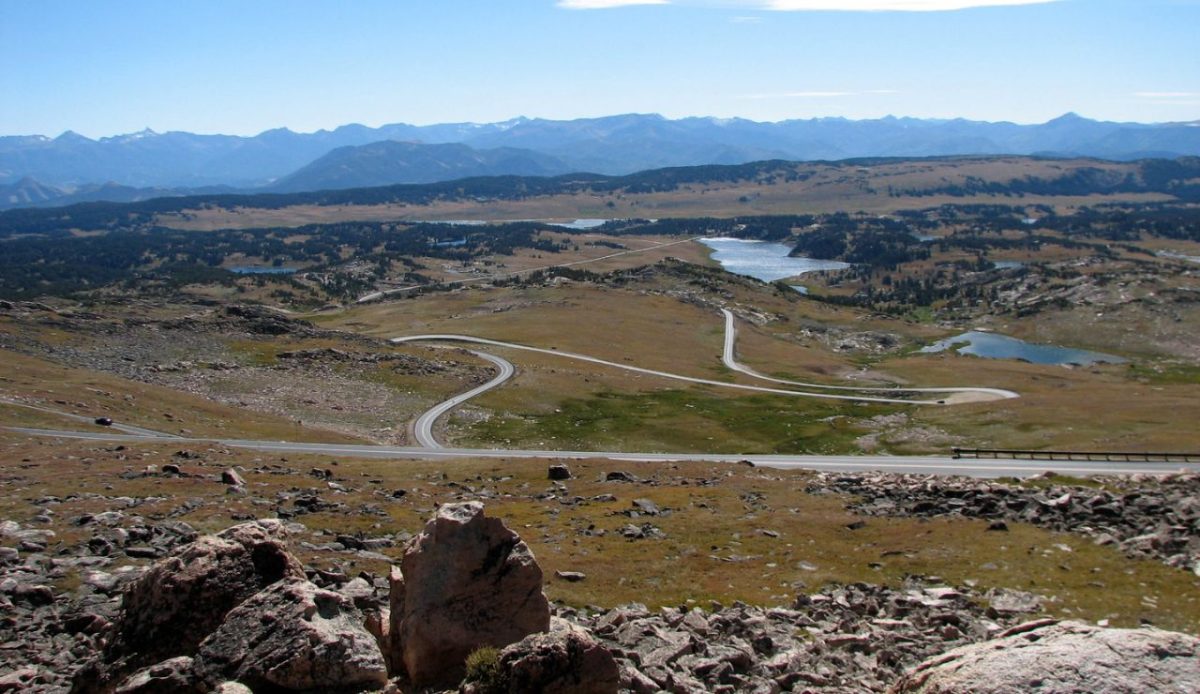
Beartooth Highway reaches extreme elevations, exposing drivers to rapidly changing mountain weather conditions. Even during summer, snow, ice, and freezing temperatures can appear without warning along higher sections of the route.
The highway includes steep climbs, sharp curves, and narrow lanes with limited guardrails. Strong winds and fog frequently reduce visibility, making it harder to judge distance and road position.
For RV travelers, the combination of altitude, weight, and long descents places significant strain on braking systems. These factors make Beartooth Highway especially unforgiving for large recreational vehicles.
8. White Rim Road
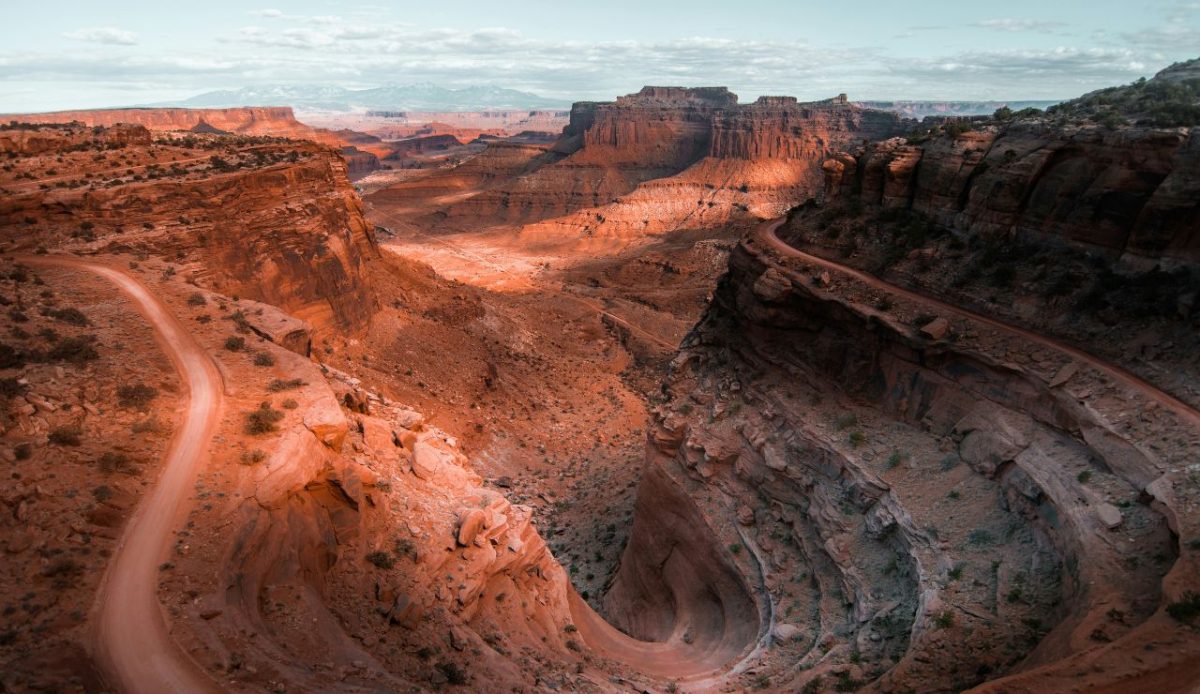
White Rim Road is a remote, unpaved route looping through Canyonlands’ rugged desert landscape. Access requires advance permits, and once drivers begin the route, there are no fuel stations, services, or quick exit options available.
The road surface varies constantly, shifting between deep sand, exposed rock, and steep ledges that challenge traction and ground clearance. Weather changes, especially rain, can turn sections into impassable mud within hours.
Standard RVs are not built for this terrain. When vehicles become stuck or damaged, recovery is slow, expensive, and dependent on limited park resources, making this route especially risky for large rigs.
9. Tioga Pass
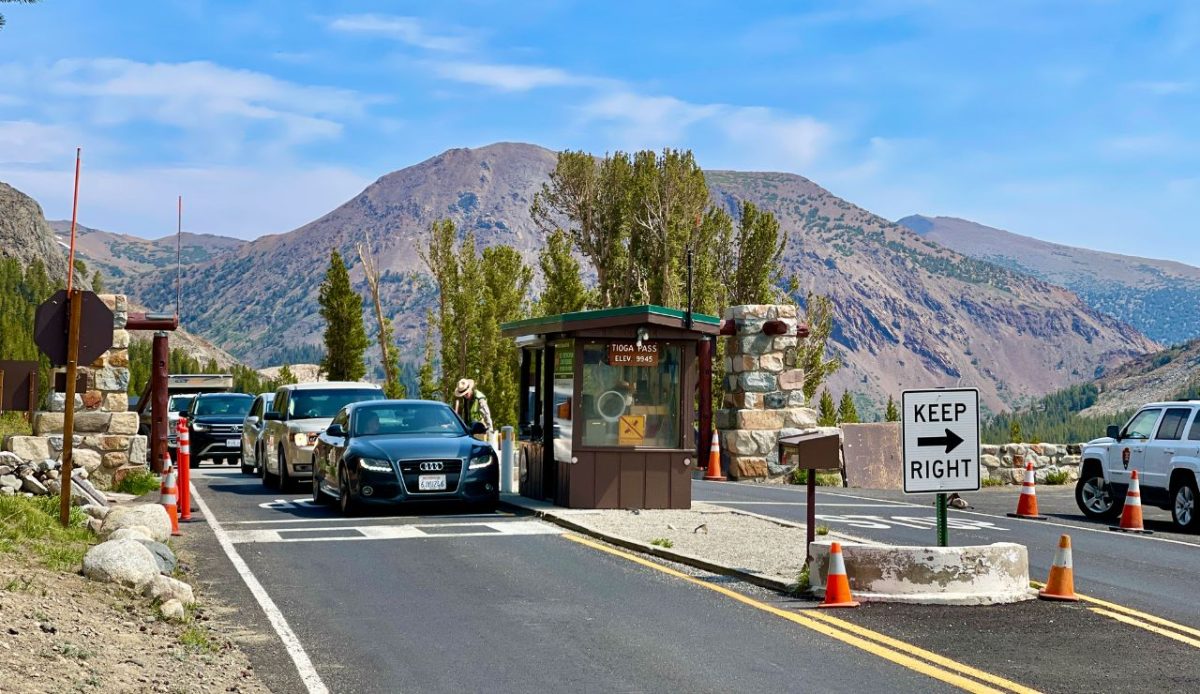
Tioga Pass crosses high elevations within Yosemite National Park, combining steep grades, narrow lanes, and long mountain descents that challenge RV handling. The road was not designed for large modern vehicles, and tight curves limit visibility around bends.
Seasonal closures add another layer of risk for travelers. Even after reopening, lingering snowbanks, melting runoff, and falling rock can create hazardous conditions with little warning. Traffic congestion further reduces maneuvering space.
For RV drivers, the biggest issue is commitment. Once on the pass, turnarounds are limited, and sudden closures may force long backtracks or overnight delays far from services.
10. Mount Washington Auto Road
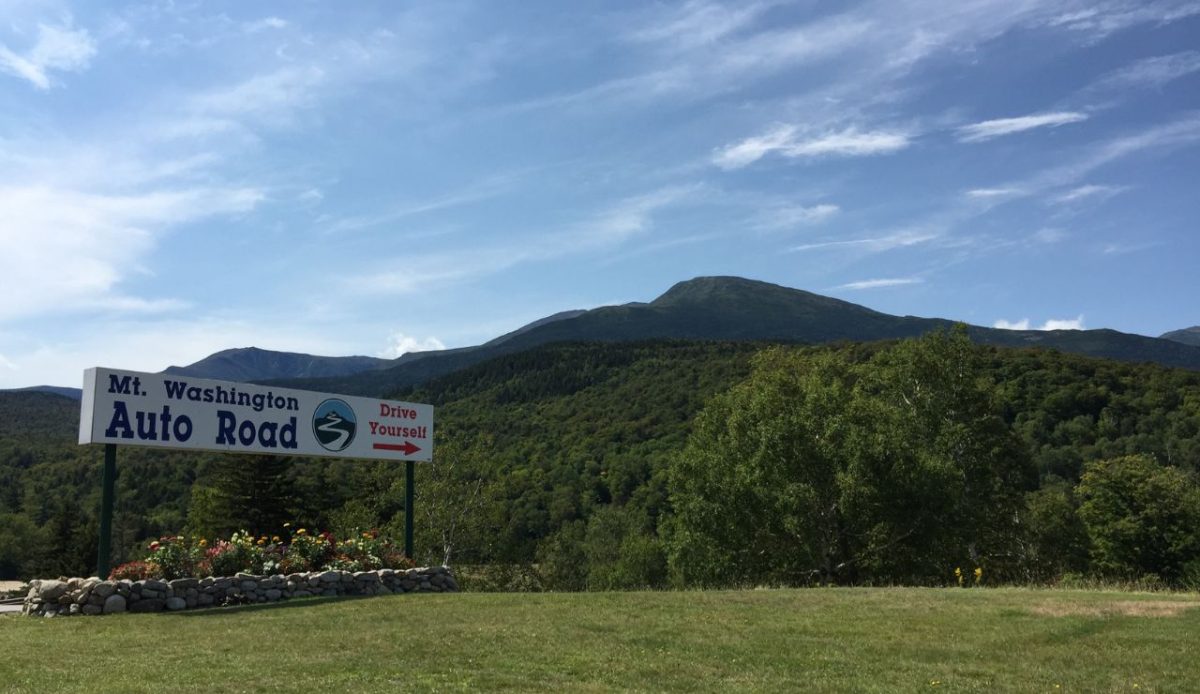
Mount Washington Auto Road features some of the steepest sustained grades in the United States, exceeding 12 percent in multiple sections. The climb places extreme strain on engines, transmissions, and cooling systems.
Descending is even more demanding. Brake inspections are mandatory because overheating and brake failure are frequent problems, particularly for heavier vehicles.
Weather conditions change rapidly near the summit, with high winds and dense fog reducing visibility. For RV drivers, the combination of grade, weather, and limited escape options makes this route especially unforgiving.
11. Needles Highway
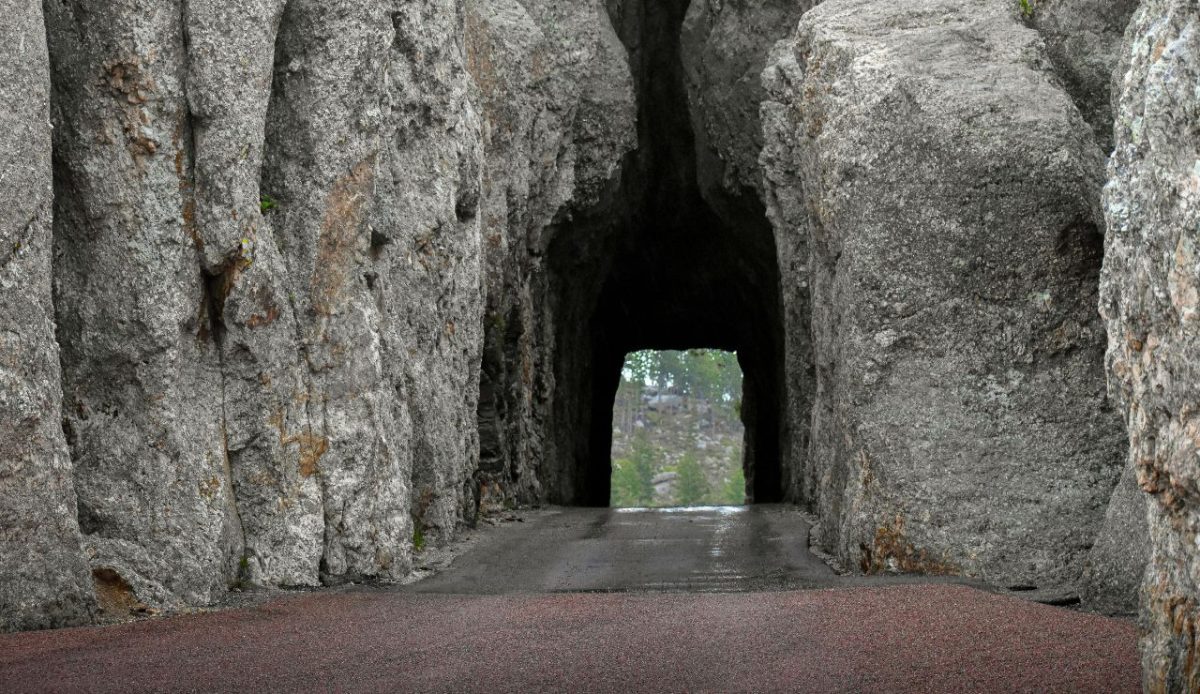
Needles Highway winds through the Black Hills with narrow lanes, sharp curves, and granite formations that leave little room for error. Several tunnels along the route were carved directly into rock and offer limited clearance, making navigation stressful for larger vehicles.
For RV drivers, the combination of tight curves and reduced visibility increases risk. Passing oncoming traffic requires precision, and there are few areas to pull over if conditions become uncomfortable or congested.
Once committed to the route, turning around is difficult due to narrow shoulders and limited turnaround points. Despite its popularity, the highway is far better suited to smaller vehicles than full-sized RVs.
