
Access to protected land is controlled first by border policy, not by rangers at a gate. When a country blocks entry for a passport category, every park inside that territory becomes unreachable.
In late 2025 and early 2026, Mali, Burkina Faso, and Niger announced reciprocal limits on U.S. travelers after U.S. entry restrictions were expanded. Chad also announced a visa suspension for Americans during the same cycle.
The sections below explain how these national measures shut off specific parks. Each park remains managed for conservation, yet visits cannot occur because legal entry is denied upon arrival. Rules can change fast, so trip planning should start with current embassy guidance.
1. Boucle du Baoulé National Park, Mali
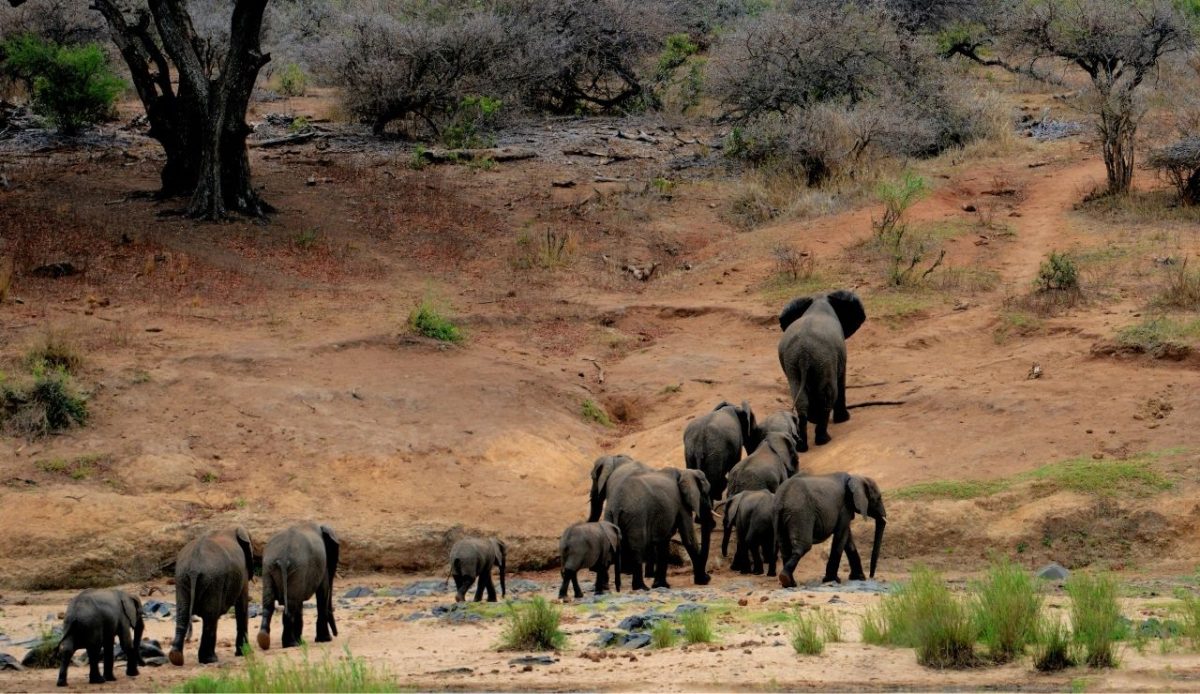
The park lies in western Mali and is affected by Mali’s reciprocal travel ban on U.S. citizens. The restriction is enforced at entry points, so tourism cannot proceed even if local staff would otherwise permit access.
The area protects savanna habitat and river corridors that support antelope, primates, and seasonal bird movement. Management work continues through Mali’s conservation administration, with patrols and habitat monitoring still carried out.
For Americans, the barrier appears before domestic travel begins, since entry permission is not granted. As a result, the park cannot be visited this year under normal tourist conditions, regardless of route or guide.
2. Kouroufing National Park, Mali
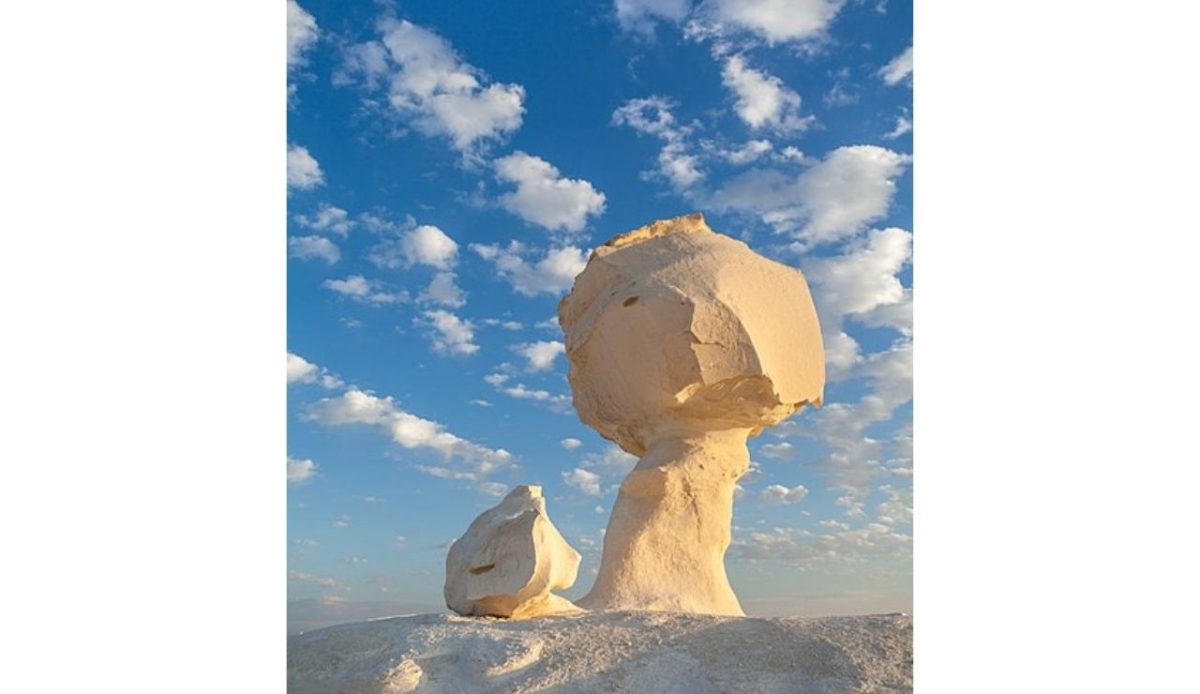
The park lies near the Senegal border in Mali, and U.S. travelers are blocked by Mali’s current entry limits. Because immigration clearance is required before any inland movement, the park is inaccessible even with private transport arranged or prebooked services.
The park was created to protect the gallery forest and riverine ecosystems along the Bafing River. Its protection status remains in force, and on the ground, operations continue for visitors who can lawfully enter Mali through approved channels.
The practical cutoff is a national rule, not a site decision. Without admission at the airport or border post, a U.S. passport holder cannot reach the park this year for leisure travel or standard tourism activity.
3. Wongo National Park, Mali
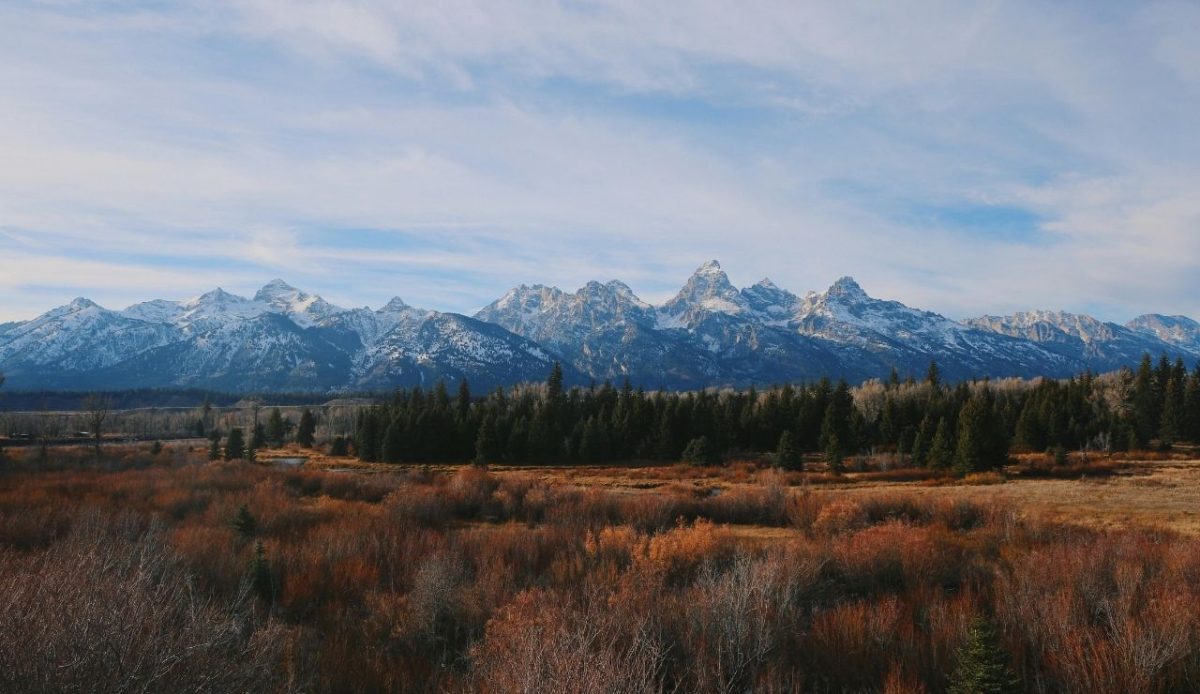
The park is another Malian protected area affected by the country’s reciprocal restrictions on U.S. citizens. Tourist entry is stopped at the border, so park tickets, hotel bookings, or local invitations do not restore access under current rules.
The park was set aside to conserve woodland and savanna mosaics that support regional biodiversity. Core management tasks such as anti-poaching patrols and fire control still proceed under national oversight without interruption.
For American visitors, the issue is legal entry into Mali, not conditions inside the park. Until the national restriction is lifted or an exception applies, visits cannot be carried out this year for leisure travel.
4. Arly National Park, Burkina Faso
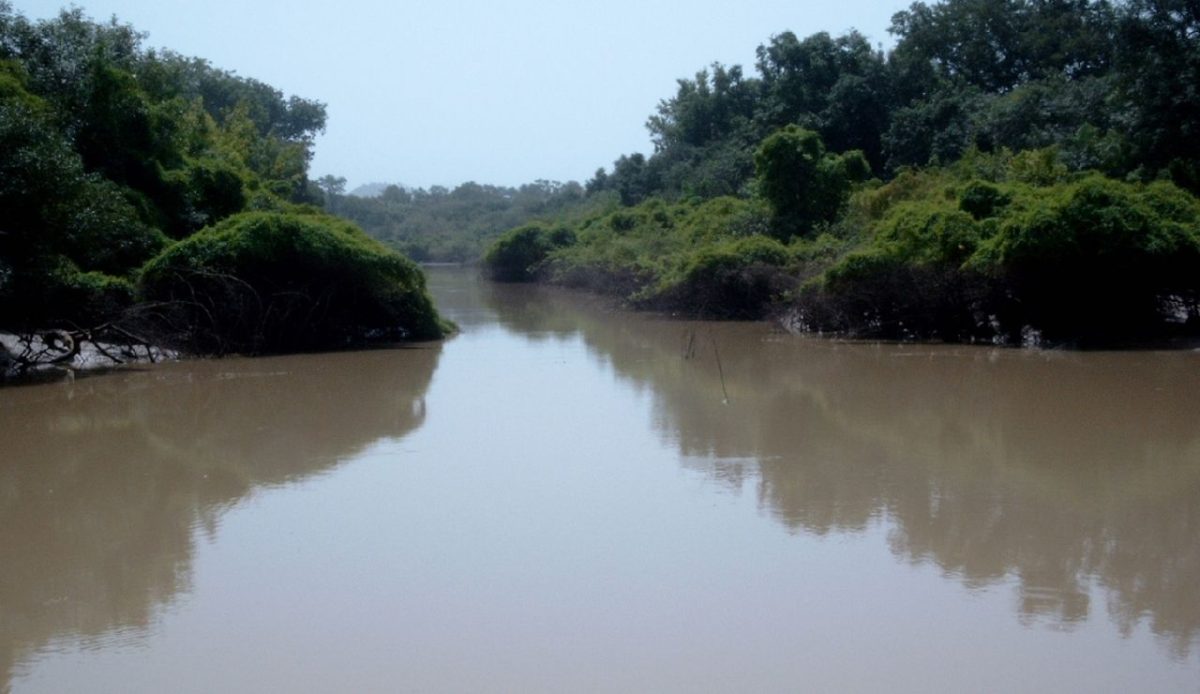
The park is in eastern Burkina Faso and is unreachable for Americans due to Burkina Faso’s reciprocal ban on U.S. citizens. Entry denial happens at immigration control, meaning a traveler cannot lawfully continue to the park by road or air at this time.
The park forms part of a larger protected landscape that supports elephants, big cats, and dry-season grazing routes. Park operations continue for eligible visitors, with conservation staffing and monitoring still in place across the reserve.
No park-level nationality rule is driving the cutoff. The national decision prevents arrival in the country, so the park cannot be visited by U.S. tourists this year under the current entry policy.
5. W National Park of Burkina Faso, Burkina Faso
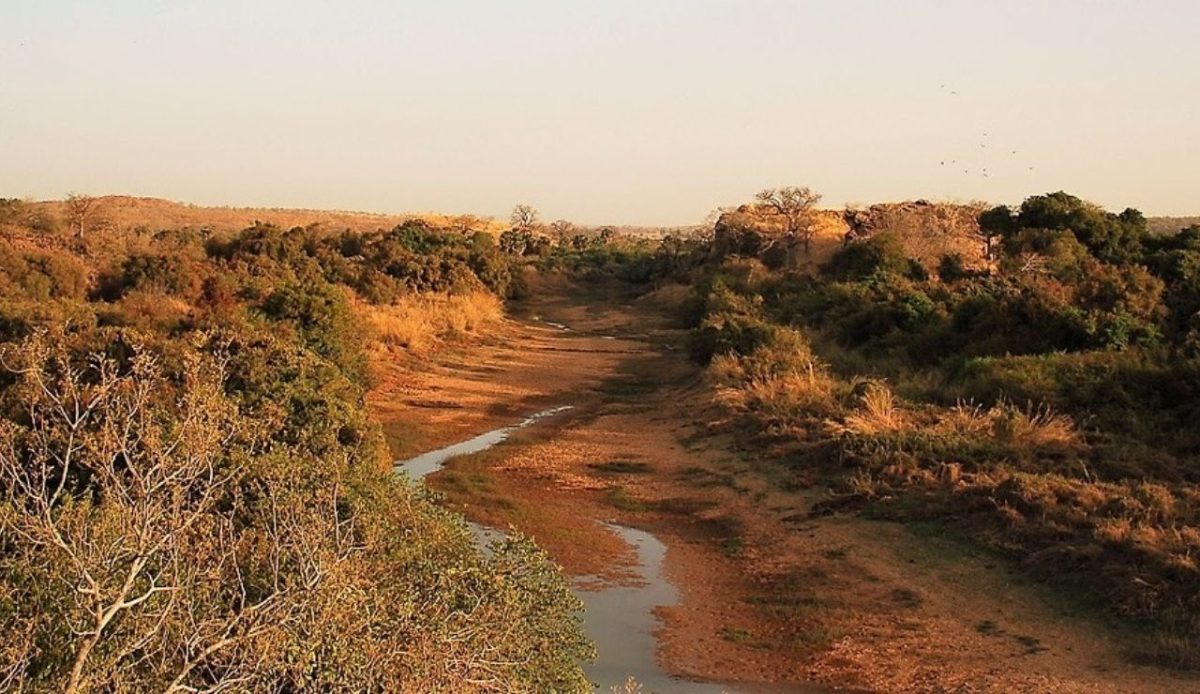
The park sits on the Niger River basin and shares an ecosystem with neighboring states, yet U.S. citizens cannot access it this year. Burkina Faso’s entry restriction applies nationwide and blocks standard tourism arrivals without exception.
The park protects floodplain habitat and supports large mammals and water-dependent wildlife. Routine management continues, but local rules cannot override a denied entry stamp at the border checkpoints.
Even if a route were planned through a nearby country, crossing into Burkina Faso would still require permission that is not available. So the site remains off limits to American visitors during the current policy period.
6. Pô Dit Kaboré Tambi National Park, Burkina Faso
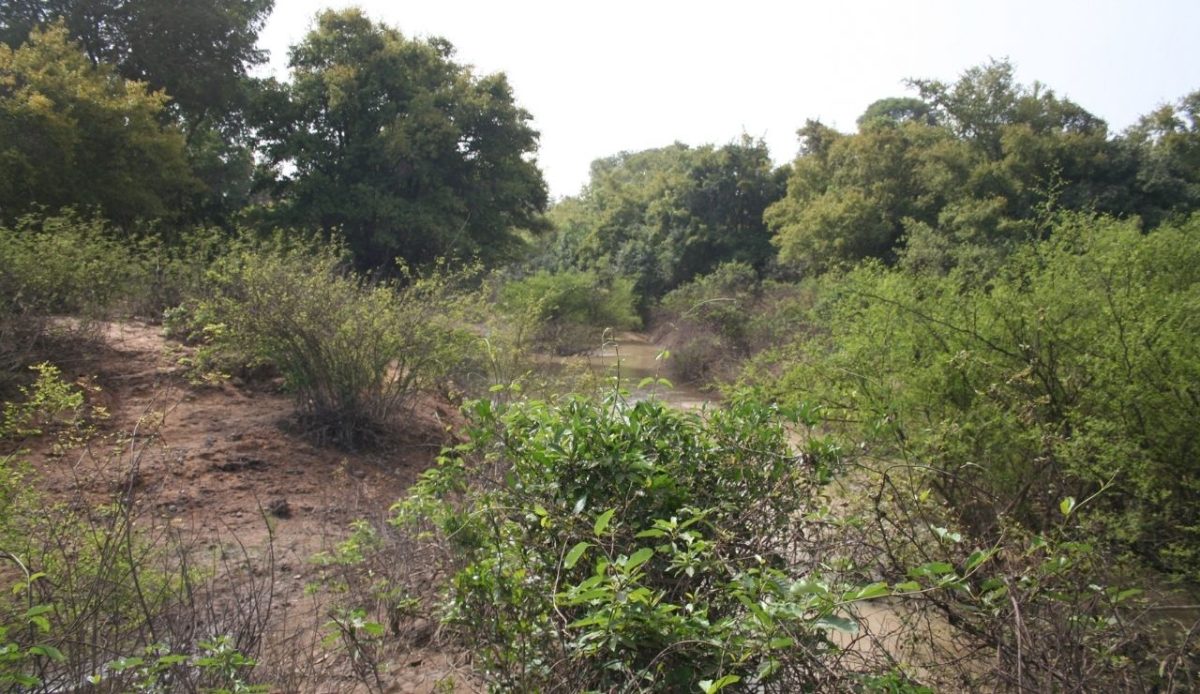
The park lies south of Ouagadougou and is affected by Burkina Faso’s current restrictions on U.S. citizens. Because the rule is national, arrival by flight or overland crossing is blocked before any park planning can matter.
The park was established to protect forest and savanna habitats along the Nazinon River and to limit land conversion pressure. Conservation administration continues for permitted visitors and for local use under existing regulations.
The exclusion is not linked to park safety, staffing, or infrastructure. It stems from border control, which means U.S. tourists cannot reach the park this year under normal travel conditions.
7. W National Park of Niger, Niger
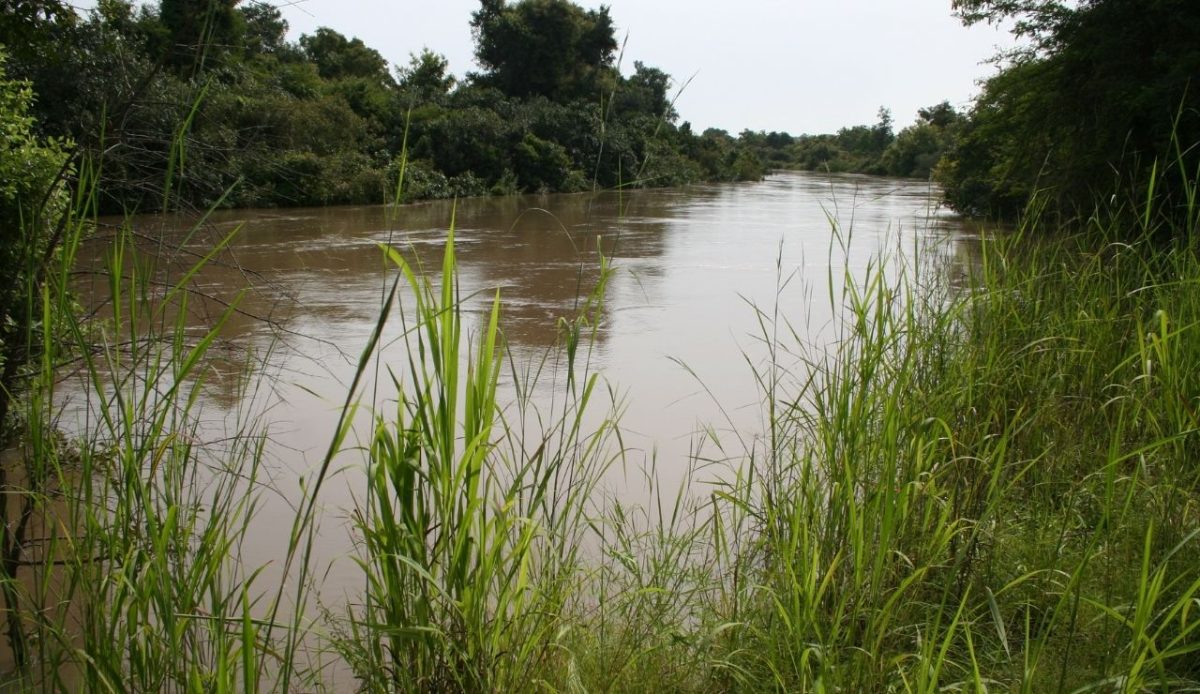
The park is a key riverine reserve, but U.S. citizens cannot visit because Niger has halted visas and barred American entry on a reciprocal basis. The restriction is enforced for the whole country, so tourism access ends at the border under current rules.
The park supports wetlands, savanna, and major wildlife corridors, with management shared across the broader W complex. Local conservation work continues for travelers who can lawfully enter Niger through approved channels.
The obstacle is not a park gate rule. Without legal admission into Niger, travel to the park cannot occur this year for U.S. passport holders. Only a formal exception or policy reversal would change that.
8. Termit and Tin Toumma National Nature Reserve, Niger
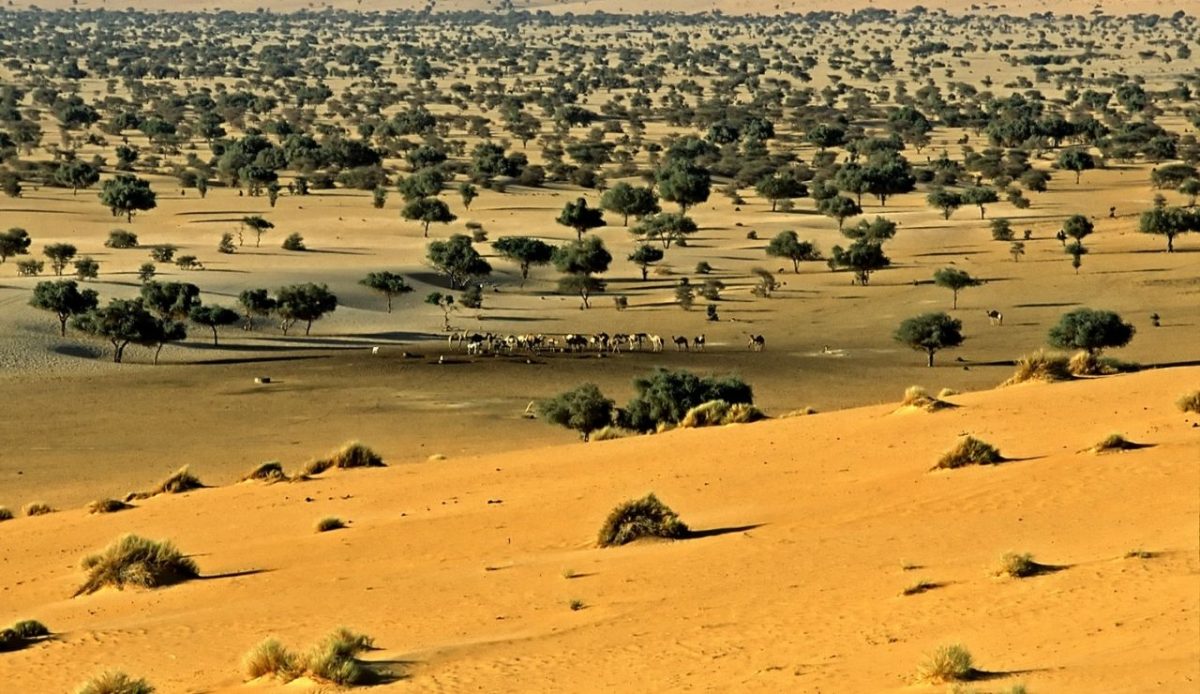
The reserve is a nationally protected desert reserve in Niger, and it is unreachable for Americans under Niger’s current entry ban. Visa issuance has been stopped for U.S. citizens, so travel cannot lawfully begin at the first checkpoint.
The reserve safeguards Saharan ecosystems and species adapted to extreme aridity, including rare antelope populations. Protection work continues through national agencies and partner programs where access is permitted.
Unlike a seasonal closure, this cutoff is administrative and applies everywhere in Niger. As long as the ban remains, U.S. visitors cannot reach the reserve this year for tourism or field trips.
9. Air and Ténéré Natural Reserves, Niger
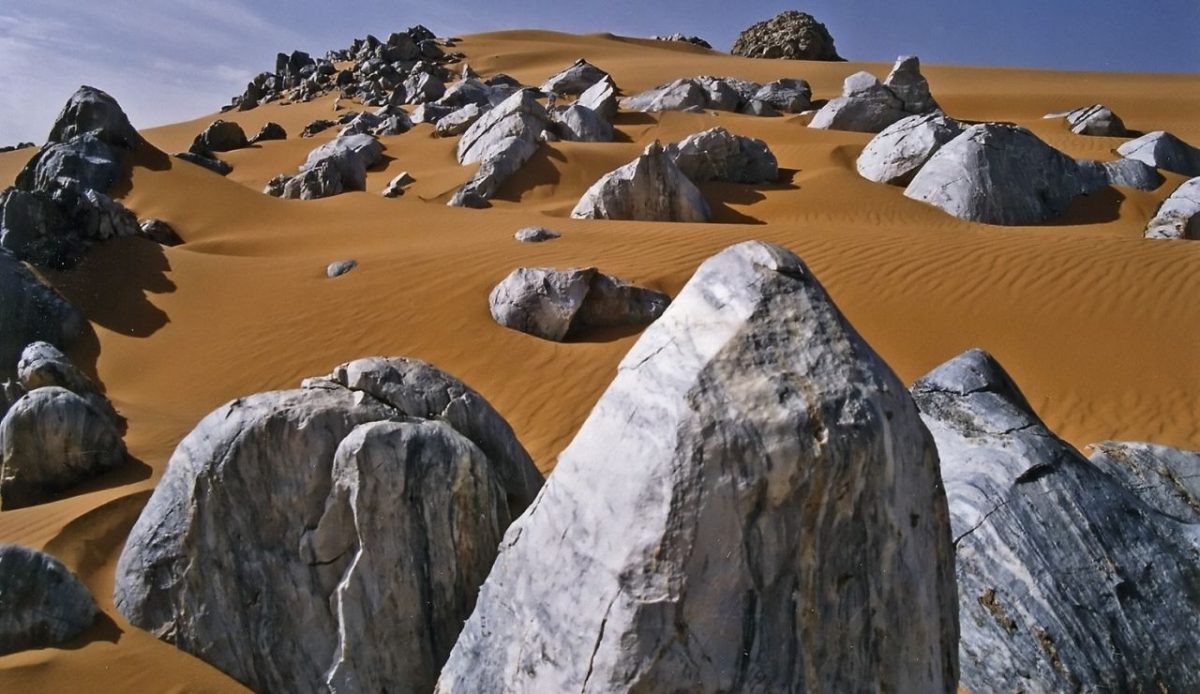
The reserves cover a vast protected zone in northern Niger, yet Americans cannot enter the country under the current reciprocal restriction. Since entry visas are not being issued to U.S. citizens, reaching the reserves is not legally possible this year.
The area protects desert plateaus, volcanic massifs, and rare wildlife adapted to Saharan conditions. Conservation programs continue with national staff and international partners who are authorized to operate.
For American travelers, the limitation is not tied to the reserves themselves but to the nationwide entry ban. Until national policy changes, visits remain suspended regardless of prior plans.
10. Zakouma National Park, Chad
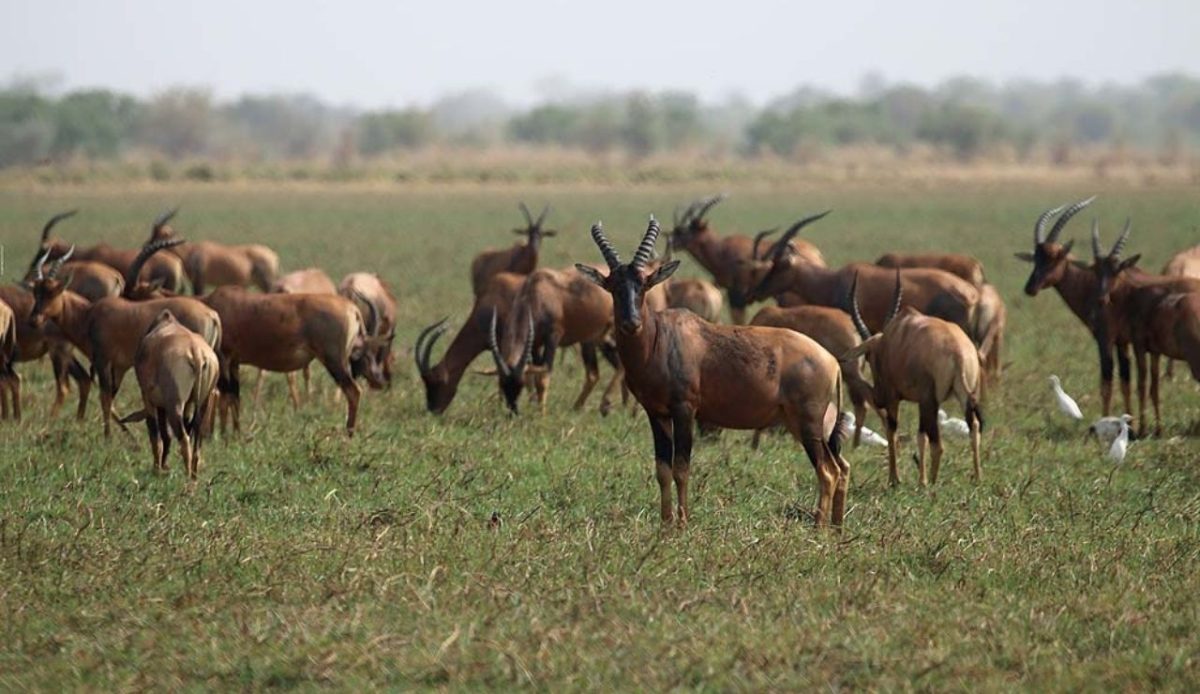
The park is a flagship protected area in Chad, and U.S. travel is constrained by Chad’s suspension of visas and entry for Americans announced in June 2025. Chad stated that only holders of visas issued before the cutoff could be admitted, which blocks routine tourism planning.
The park protects floodplain and savanna habitats and is known for anti-poaching enforcement and elephant recovery. Park operations continue, but access depends on meeting national entry requirements set by the government.
For U.S. travelers, obtaining a new visa is the limiting step, not the park’s visitor rules. Until normal visa issuance resumes, a visit this year is not feasible for typical tourists.
11. Manda National Park, Chad
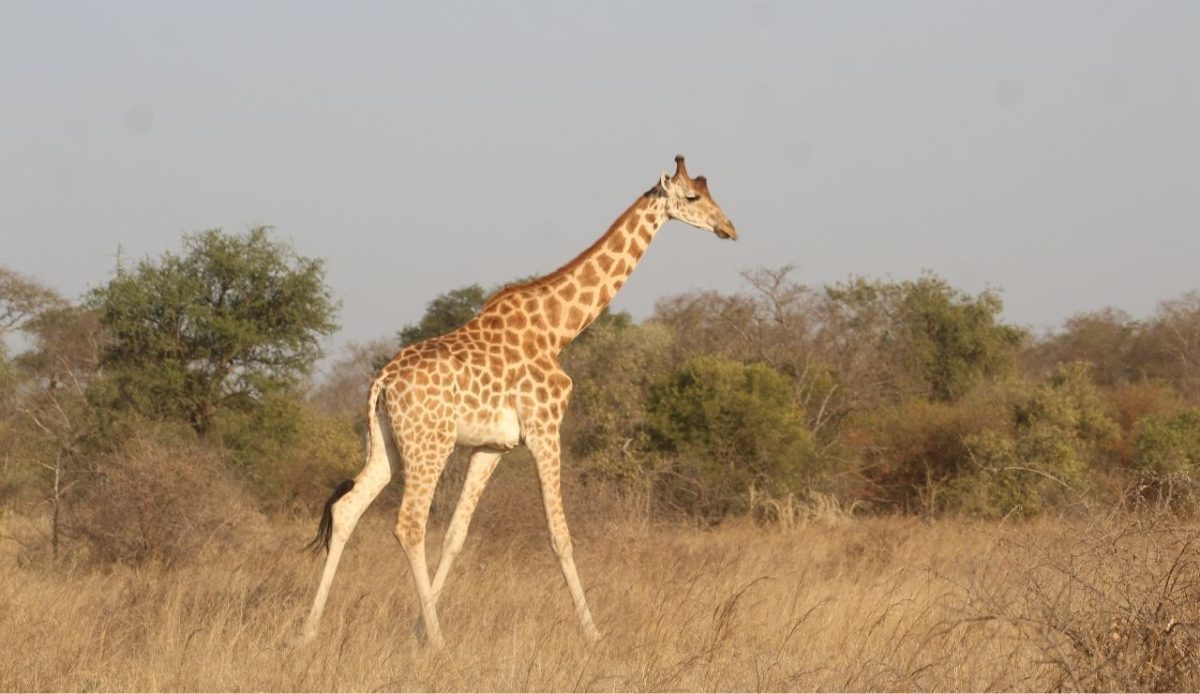
The park lies in southern Chad along the Chari River basin and is affected by the same national suspension of U.S. visas. Because entry permission is denied before arrival, travel to the park cannot be organized through standard tourism channels.
The park was created to conserve gallery forest, wetlands, and savanna used by hippos, antelope, and migratory birds. Conservation management and ranger patrols continue for visitors who can lawfully enter Chad under current rules.
For Americans, the obstacle remains at the immigration desk rather than the park gate. Without restored visa issuance, reaching the park this year is not possible for ordinary leisure travel.
