
Mountain towns have long relied on a balance between tourism and year-round residents. In recent years, the rise of short-term rental platforms has disrupted that balance, with many homes shifting from permanent housing to short-stay use.
As housing moves toward vacation rentals, prices and rents often increase faster than local wages. Workers in hospitality, education, healthcare, and public services may struggle to live near their jobs, placing a strain on communities.
This article looks at eleven mountain towns where short-term rentals have contributed to housing challenges, highlighting how tourism demand and limited housing increasingly intersect.
1. Aspen
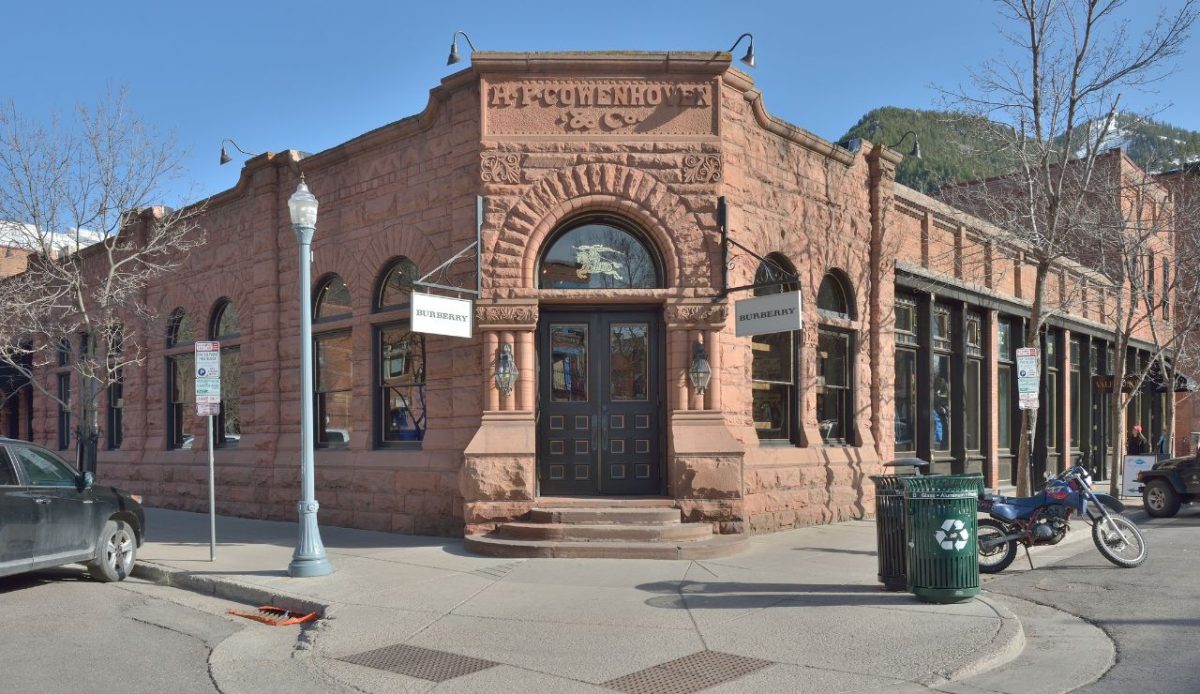
Aspen’s reputation as a luxury ski destination has made housing affordability an ongoing concern. Short-term rentals have expanded across residential areas, reducing the number of homes available for full-time residents, particularly near resort zones.
As more housing is dedicated to short stays, long-term rental options have declined. Many workers commute from nearby towns, increasing travel costs and affecting workforce stability.
Local regulations seek to manage rental density, but visitor demand remains strong. Aspen shows how tourism pressure can intensify housing challenges in mountain communities.
2. Jackson
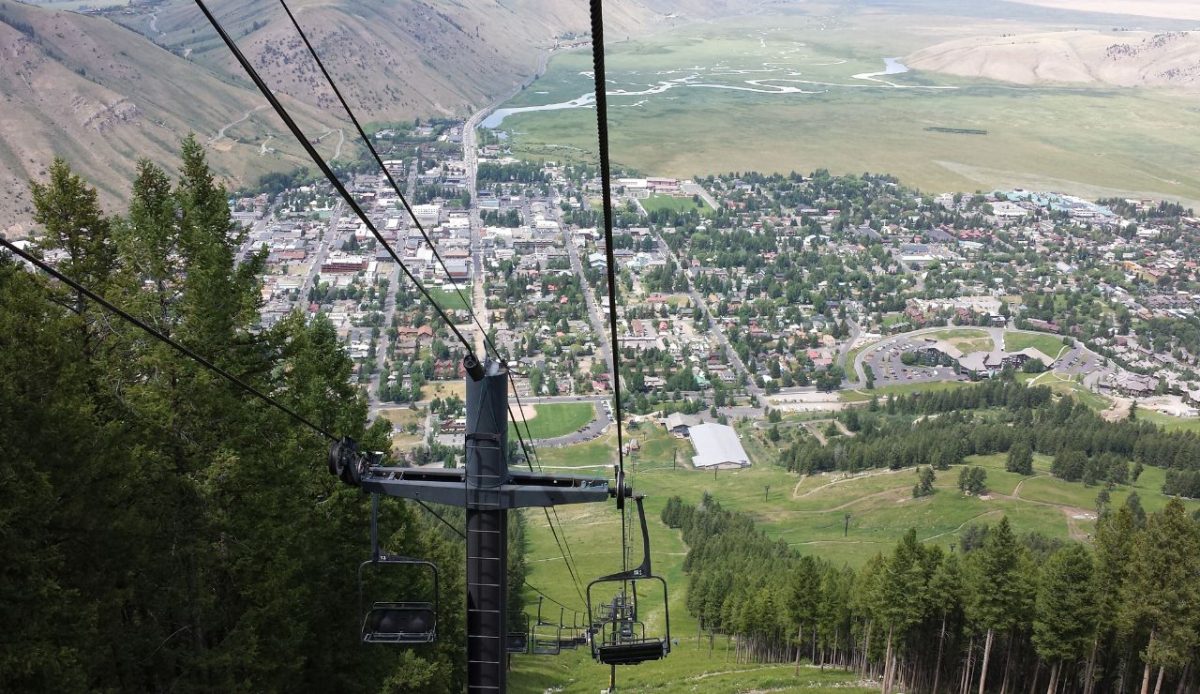
Jackson’s location near major national parks has driven steady tourism growth over time. Short-term rentals now occupy a growing share of residential properties, reducing housing options for people employed in local businesses and public services, particularly near the town center.
Rising home prices and shrinking rental inventory have pushed many workers into surrounding areas. Seasonal employees often face unstable housing arrangements, relying on shared accommodations or temporary solutions during peak travel periods.
Local authorities have introduced zoning rules and permit systems to address these challenges. Jackson demonstrates how gateway towns struggle when tourism demand competes directly with the housing needs of residents.
3. Park City
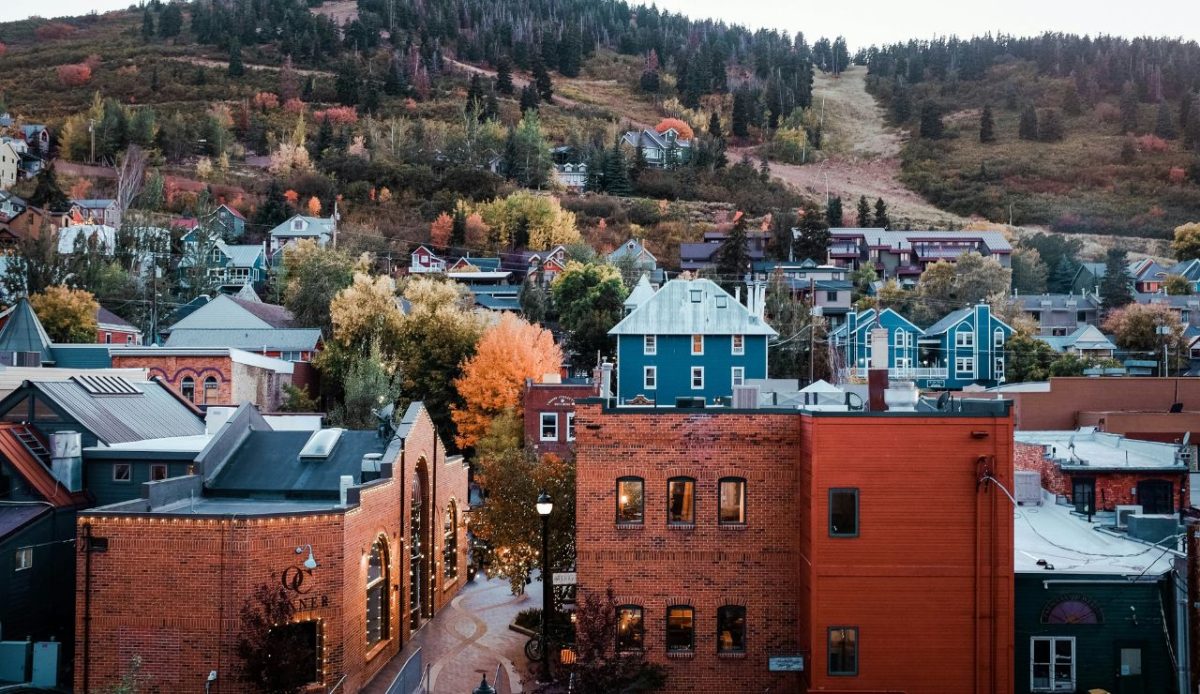
Park City’s ski resorts and proximity to a major metro area have attracted both visitors and investors. Short-term rentals are common near resort zones, limiting the supply of housing available for year-round residents and workers.
As long-term rentals become scarce, housing costs rise beyond what many local employees can afford. Service workers often commute from distant communities, affecting workforce stability during peak tourism seasons.
The city has implemented zoning restrictions to concentrate vacation rentals in specific areas. Despite these efforts, Park City continues to experience housing pressure linked to short-term rental demand.
4. Breckenridge

Breckenridge’s popularity as a ski destination has fueled steady growth in short-term rentals. Homes near downtown and ski access are frequently converted into vacation properties, reducing options for permanent residents.
Local businesses report challenges hiring and retaining staff due to housing constraints. Workers who cannot secure housing nearby often face long commutes, increasing turnover, and staffing gaps during busy periods.
Town regulations attempt to limit rental concentration, but enforcement can be complex. Breckenridge highlights how recreation-driven economies can strain housing availability in small mountain towns.
5. Telluride
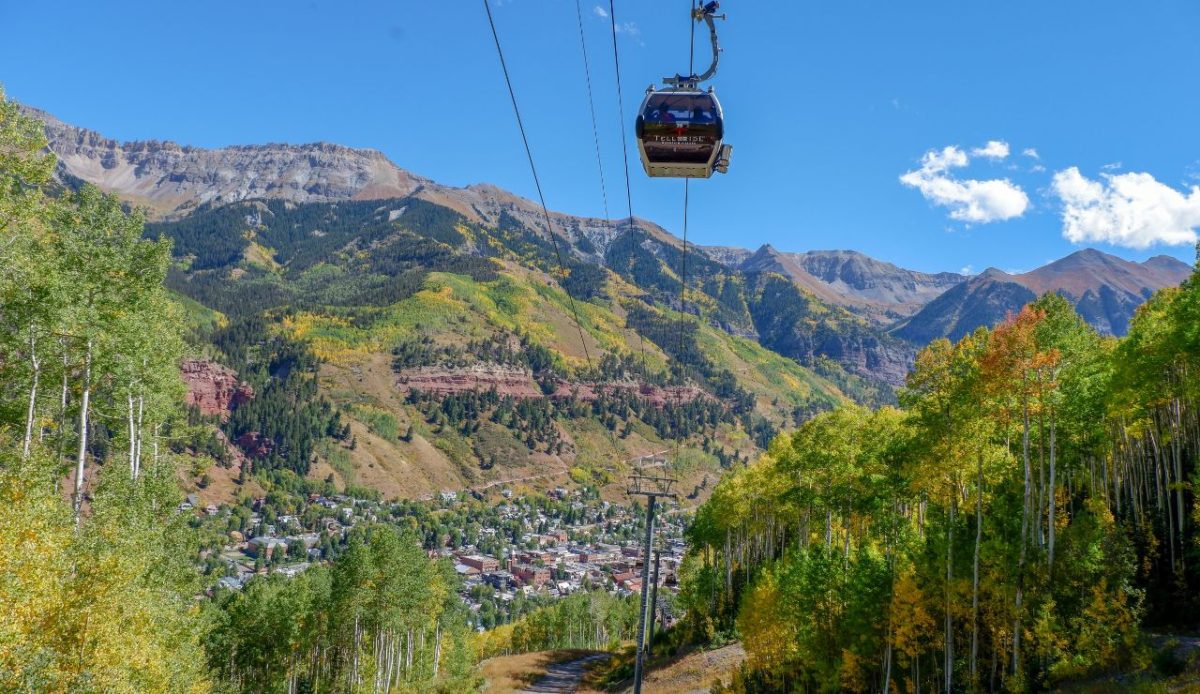
Telluride’s remote setting and limited developable land have long constrained housing options. Short-term rentals have become common in centrally located homes, reducing availability for long-term residents and intensifying pressure within a small, tightly bounded community.
Local employees often rely on subsidized housing or commute from surrounding areas. These arrangements increase travel time and costs, making it harder to staff essential services such as healthcare, education, and local government during busy periods.
Municipal leaders continue adjusting rental policies, but strong visitor demand remains. Telluride shows how geographic constraints can amplify the housing effects of short-term rentals in mountain towns.
6. Mammoth Lakes
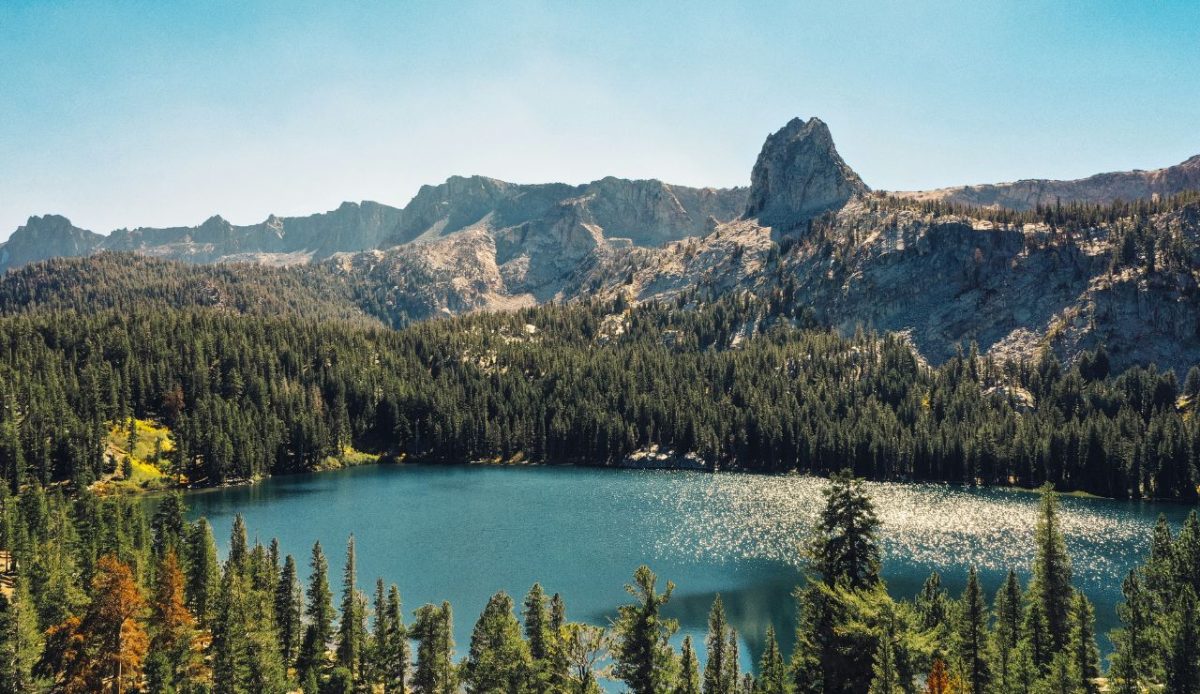
Mammoth Lakes depends heavily on seasonal tourism tied to skiing and outdoor recreation. Short-term rentals have expanded as investors seek returns during peak travel periods, limiting housing for full-time residents.
Long-term rental shortages affect year-round workers in hospitality, maintenance, and public services. Housing instability contributes to workforce turnover and operational challenges for local businesses.
The town requires registration for vacation rentals, but balancing visitor demand with resident housing remains difficult. Mammoth Lakes reflects the tension between tourism revenue and housing stability.
7. Truckee
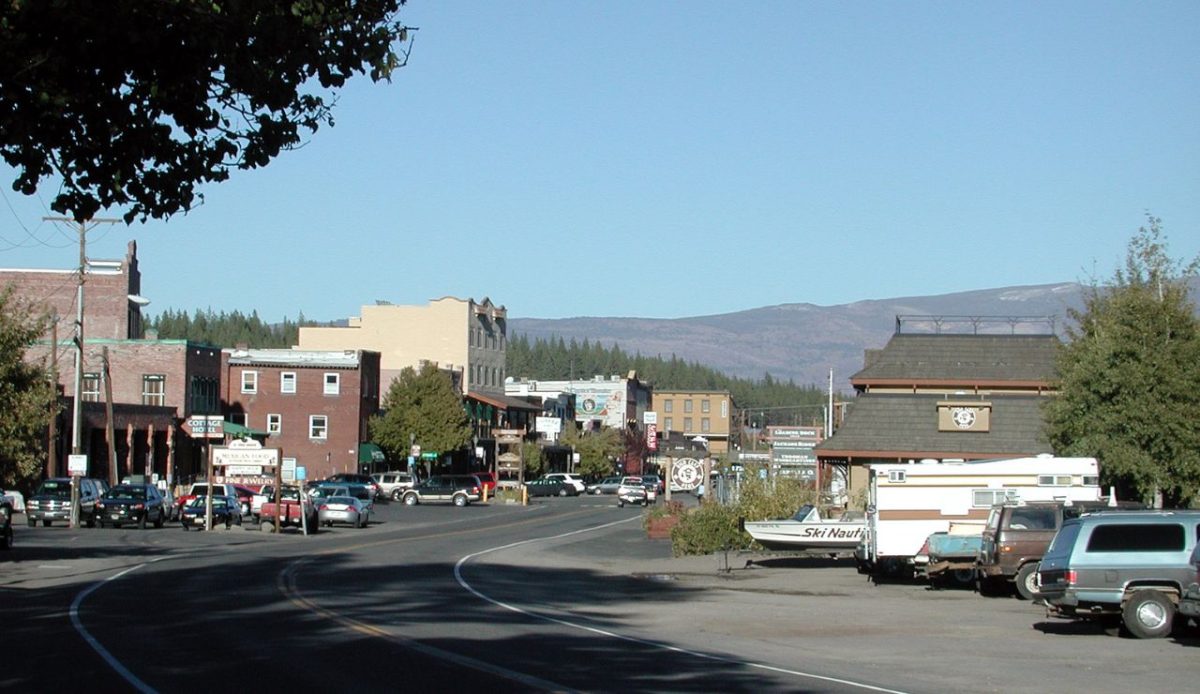
Truckee’s proximity to Lake Tahoe has increased demand for short-term accommodations throughout the year. Many homes that once housed local residents now operate primarily as weekend or seasonal rentals, reducing housing available for permanent use and changing neighborhood composition.
As housing costs rise, more residents move farther from their workplaces. Longer commutes raise daily expenses and affect staffing stability for schools, healthcare providers, and small businesses that rely on a local workforce.
Local regulations attempt to limit rental density in residential areas, though enforcement remains challenging. Truckee shows how tourism growth can reshape housing markets beyond resort centers.
8. Whitefish
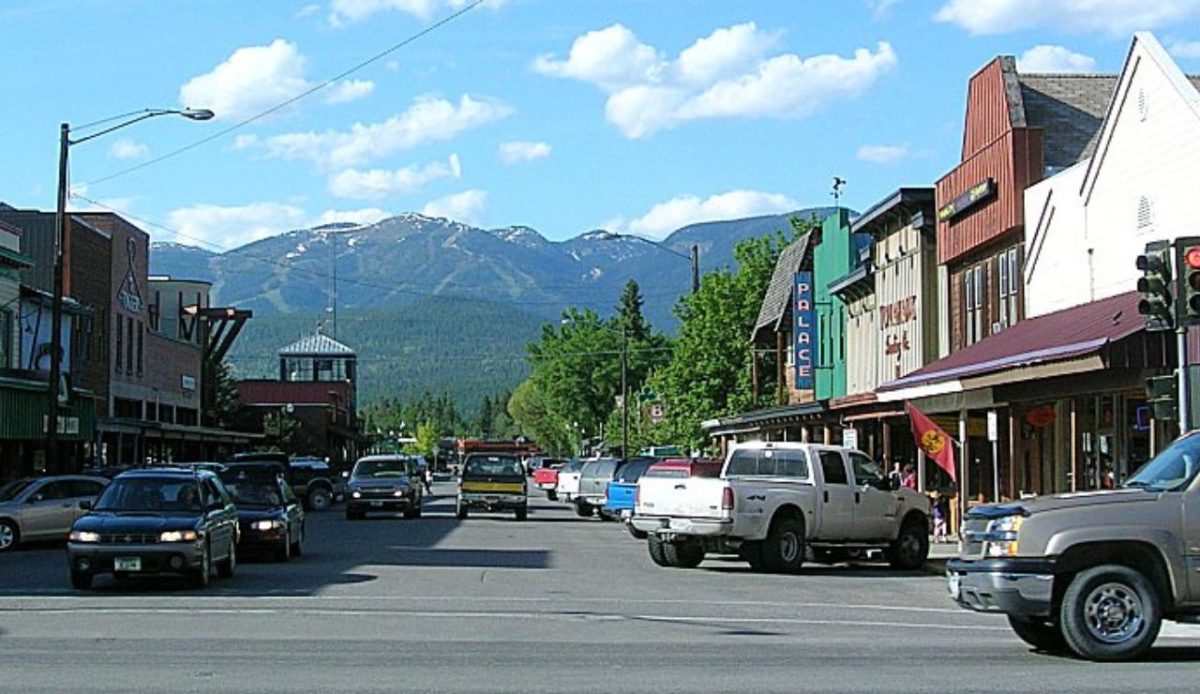
Whitefish has grown as a destination near Glacier National Park, drawing visitors and outside investment. Short-term rentals now represent a sizable share of housing in central areas, limiting options for long-term residents.
Reduced rental supply has pushed costs higher for service workers, retirees, and seasonal employees. Housing instability affects community continuity and makes workforce retention more difficult for local employers.
The city has implemented registration and zoning controls to manage rental growth. Whitefish reflects how rising tourism can strain housing in developing mountain towns.
9. Moab
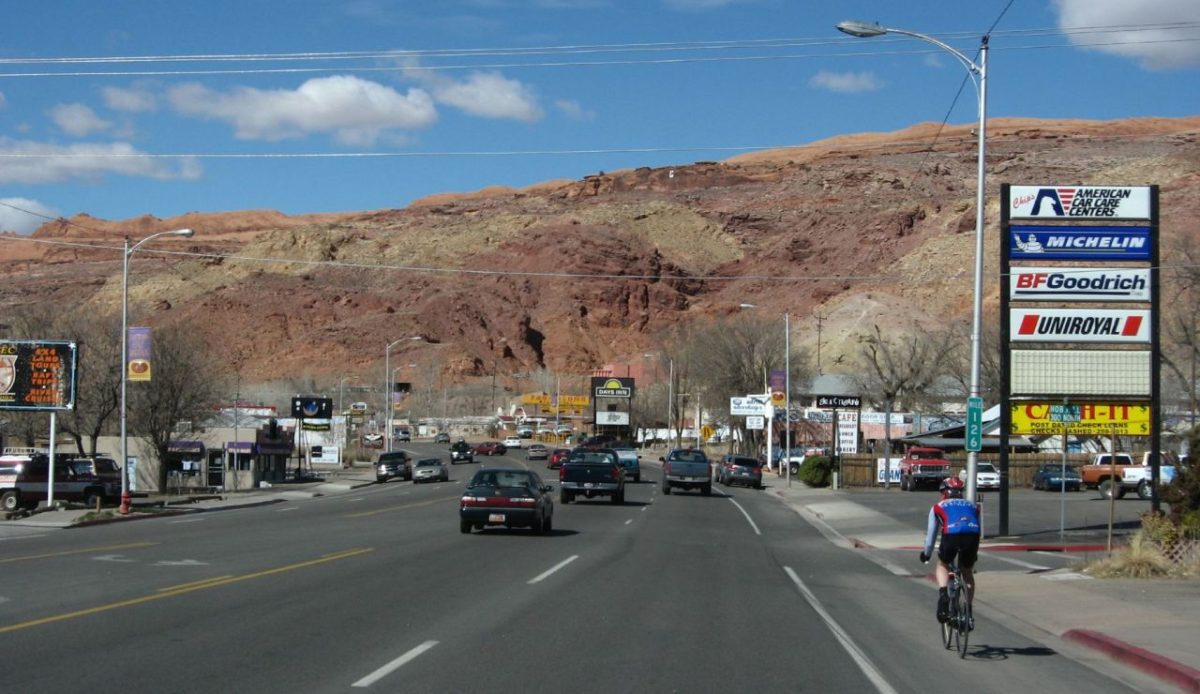
Moab’s proximity to nearby national parks has fueled consistent tourism demand throughout much of the year. Short-term rentals have replaced many former residential units, reducing long-term housing options for local workers employed in tourism and public services.
Seasonal fluctuations make housing stability difficult, particularly for service employees who rely on year-round access to affordable rentals. Many workers commute from neighboring towns, adding transportation costs and limiting workforce availability during peak periods.
Local governments have implemented caps and zoning limits on vacation rentals. Moab highlights how outdoor recreation hubs adapt to housing pressures tied to sustained visitor growth.
10. Steamboat Springs
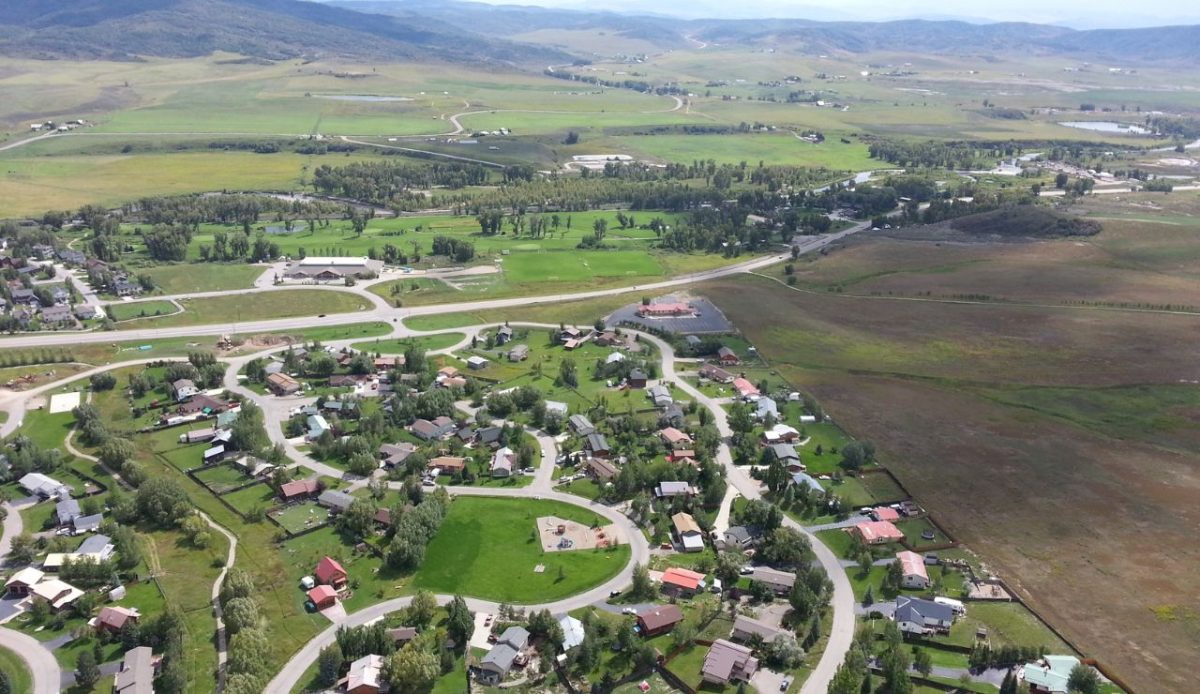
Steamboat Springs blends a resort-based economy with a growing permanent population. Short-term rentals have expanded near ski areas and activity centers, limiting housing supply for residents who work year-round in the community.
Higher rents and fewer long-term options push workers farther from town, increasing commute times and affecting employee retention. These conditions can disrupt service availability during busy tourism seasons.
The city continues refining rental policies to address housing needs. Steamboat Springs reflects the complexity of managing growth in popular mountain destinations with limited housing stock.
11. Leavenworth

Leavenworth’s tourism-driven identity attracts consistent visitor traffic throughout the year. To meet this demand, short-term rentals have expanded in central areas, often replacing housing that once served full-time residents and long-term renters.
As housing availability declines, workers supporting tourism, retail, and local services face growing difficulty staying in town. Rising costs and limited options affect staffing stability for businesses and public services.
Local leaders are considering tighter oversight of vacation rentals. Leavenworth shows how tourism-focused economies can reshape housing markets in small mountain towns.
