
Japan runs on shared behavior rules that keep crowded systems predictable. Many are posted, others are learned by observation, yet they shape transport, service, and sacred spaces with precision. Visitors often notice order without seeing the small actions that protect it.
Americans break these rules most when a US habit feels polite or efficient. A tip, a loud call, or stepping forward in line can clash with local expectations and trigger discomfort. The mistake is usually unintentional, but it still changes how the space functions.
This article explains fifteen rules that travelers from the United States frequently violate in Japan. Each section shows the mechanism behind the rule and why it is easy to miss on a first trip.
1. Tipping Service Staff
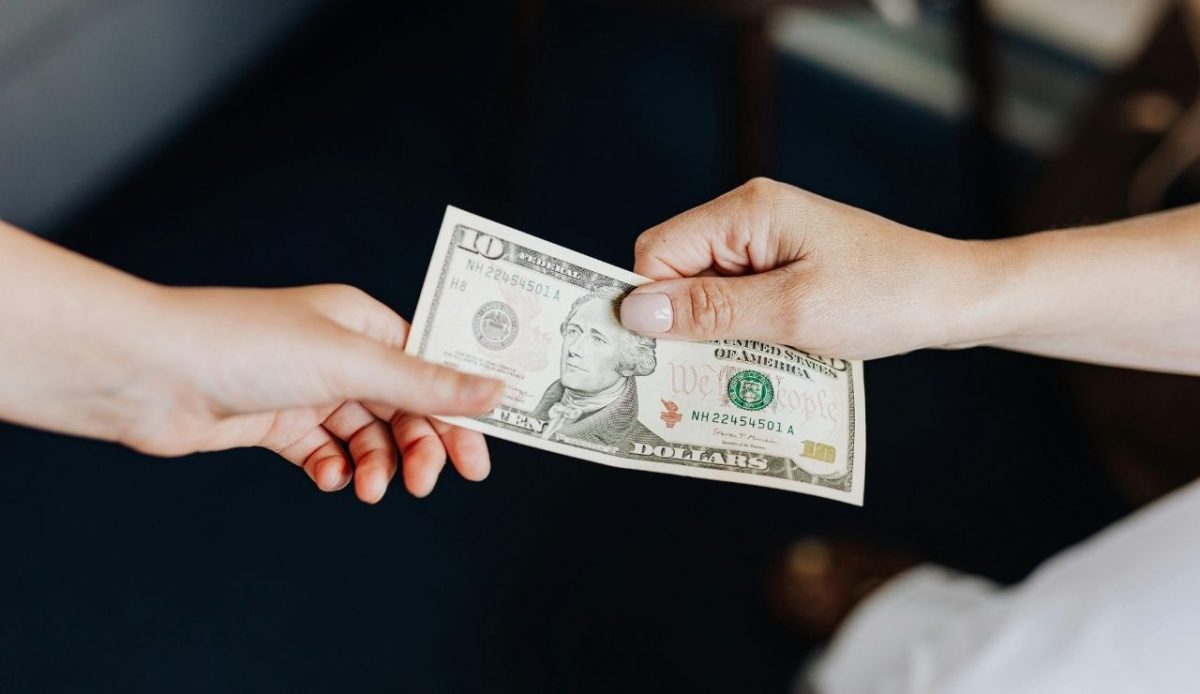
Tipping is not part of Japan’s service system. Menu prices already account for labor, and staff are expected to deliver steady quality without a bonus tied to the customer.
When cash is offered, employees may refuse it, return it in an envelope, or follow a guest to hand it back. That reaction protects uniform transactions and avoids a sense of obligation.
Change is normally returned precisely, reinforcing the idea that the listed price is full. Some venues post no tipping notices, and taxis do not rely on tip math when meters end. Americans often tip to show thanks, yet in Japan, it can confuse staff and feel like pressure for extra attention.
2. Taking Phone Calls Or Being Loud On Trains
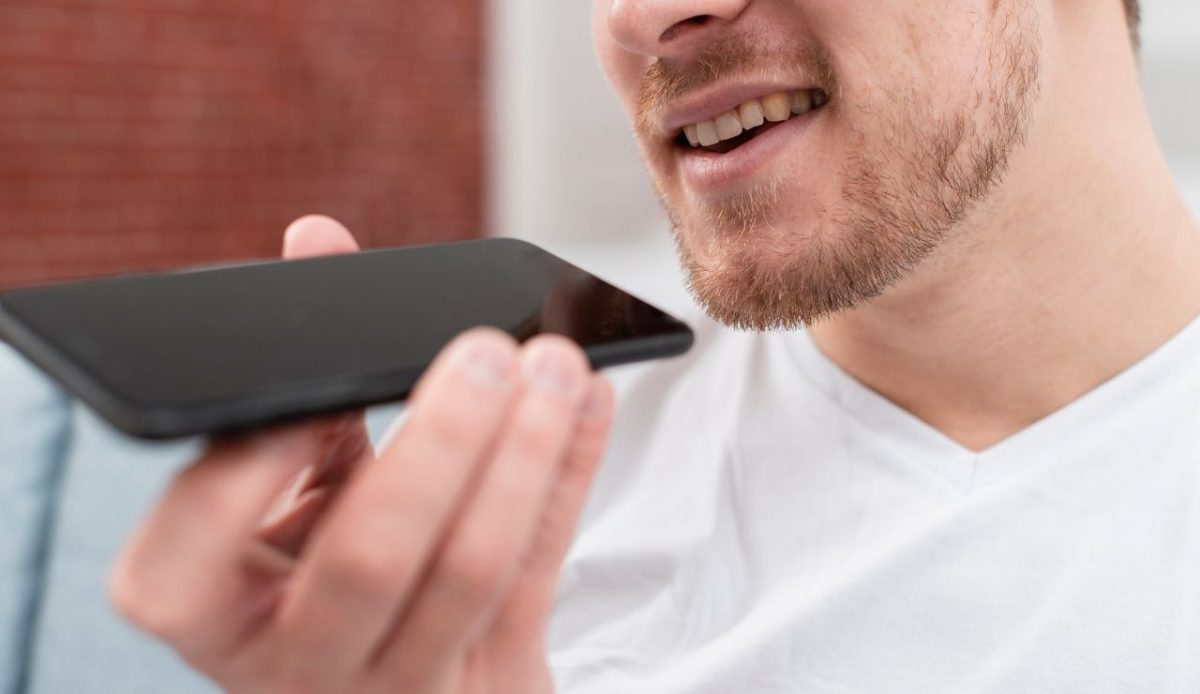
Commuter trains are treated as shared quiet zones. Operators ask riders to keep phones on silent, avoid voice calls, and limit loud conversation, especially in crowded cars. Speakerphone use is widely frowned on, and headphone leakage draws looks.
Signs and announcements repeat the same message across lines, and many riders step off the car to take calls. Some areas near priority seating are watched more closely because noise can disturb riders who need rest.
Americans may answer a call quickly, play videos with sound, or chat at a normal US volume. In Japan, that noise can feel intrusive, and a call signals disregard for people who cannot step away during the ride.
3. Cutting The Queue Or Boarding Before Riders Exit
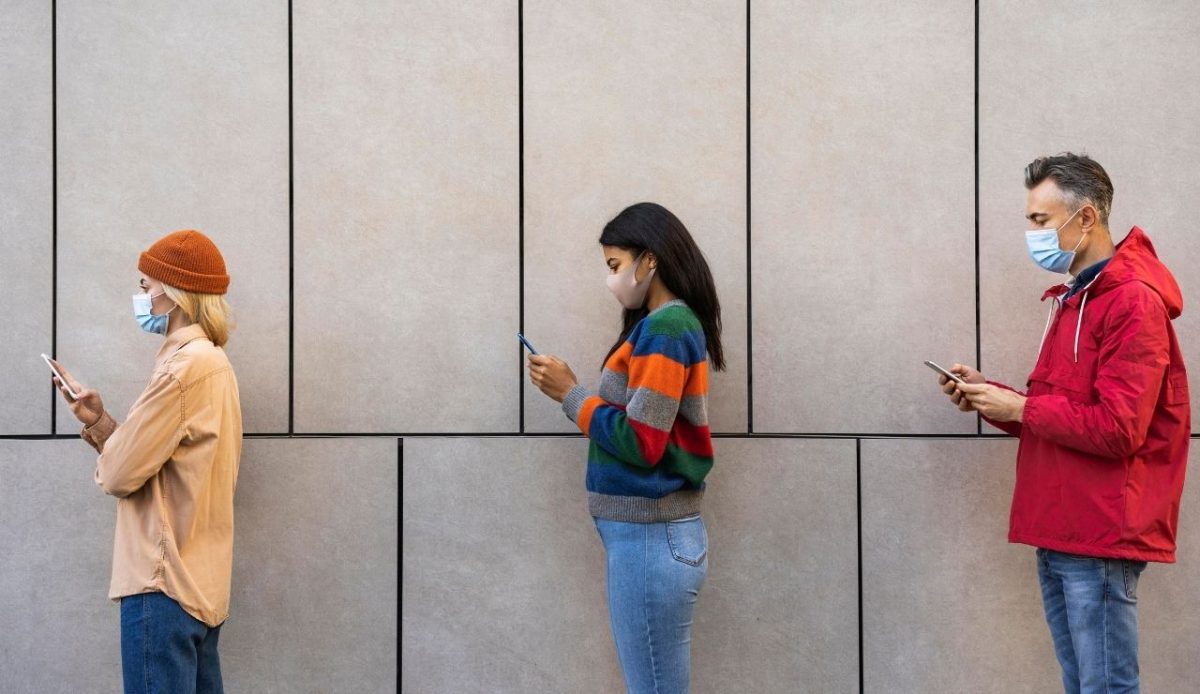
Platforms and bus stops use strict queuing patterns. Floor marks show where to stand, often in two lines beside the doors, and riders wait for passengers to exit before stepping in.
Arrows, chimes, and station staff guide the sequence, so cars can depart on time on busy lines. This design keeps dwell times short and prevents pushing in high-traffic stations. It also improves safety by reducing shoulder contact and sudden stops.
Americans may surge forward to claim space or enter as soon as the doors part. In Japan, that interrupts a practiced rhythm, forces exiting riders to sidestep, and can be judged as inconsiderate because it slows everyone behind.
4. Wearing Shoes Indoors
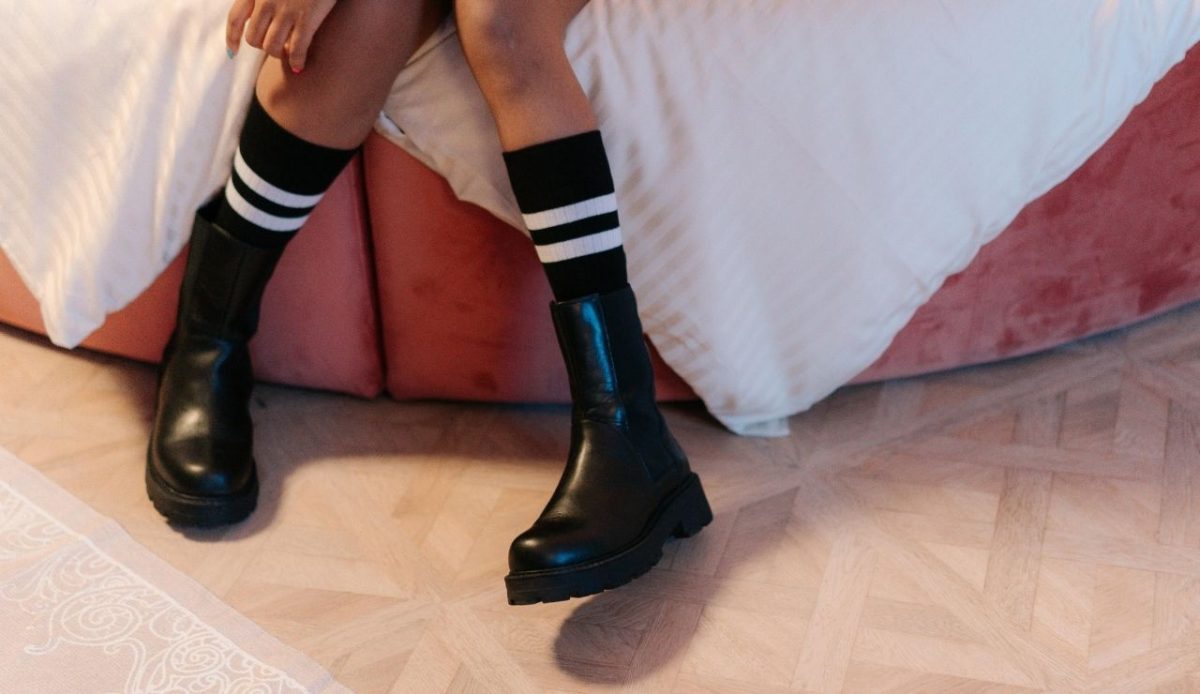
Shoes are removed at many entrances to protect interior floors and signal respect for the space. The genkan entry zone separates outdoor grit from rooms, especially where tatami can stain or tear. Shoe lockers at schools and temples support the rule.
Slippers are often provided, and some places use different pairs for toilets versus living areas. That separation controls bacteria and keeps cleaning predictable for hosts, ryokan staff, and clinic workers where floors must stay sanitary.
Americans may forget in short visits or in rentals where rules are not repeated aloud. Keeping shoes on is seen as careless because it brings street dirt into areas meant for sitting, dining, or sleeping close to the floor.
5. Ignoring Torii Gate And Approach Path Etiquette At Shrines
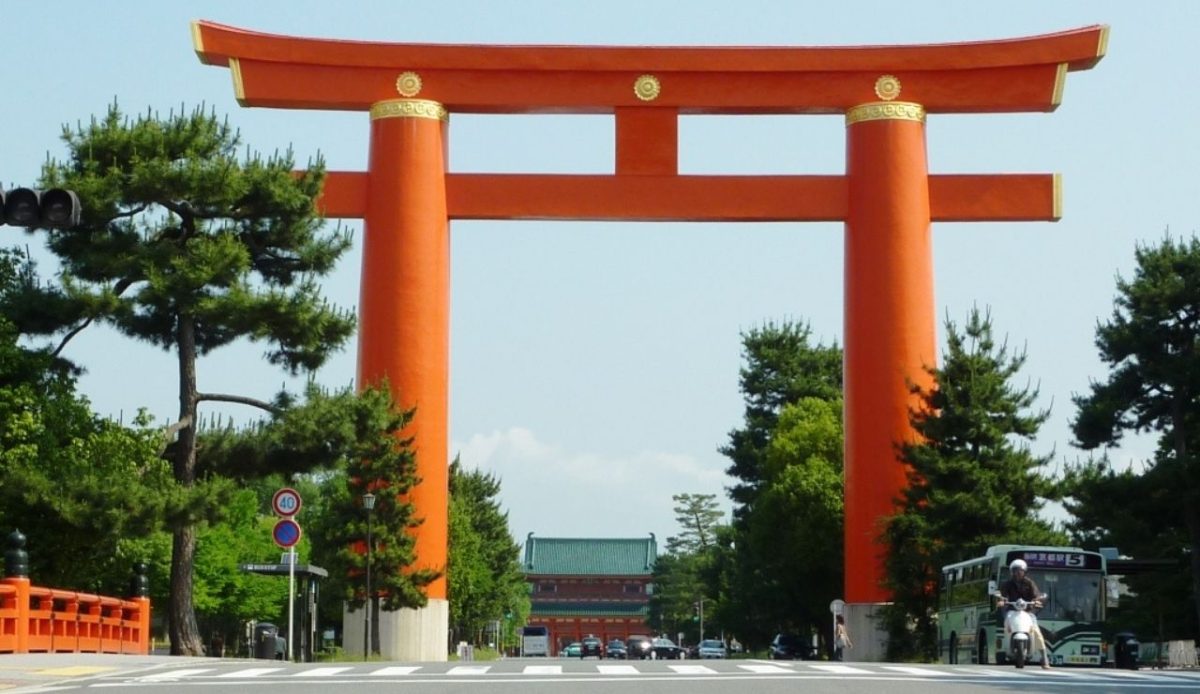
Shrines are religious sites with entry customs that shape how visitors move and behave. Many people bow once before passing through a torii gate, marking the transition into sacred ground. Loud joking near the gate is also avoided.
On the approach, the center of the path is often avoided because it is symbolically reserved for the kami. Visitors walk along the sides and keep a calmer pace, and ropes or gravel edges guide that pattern. This keeps movement orderly at peak times.
Americans may step into the middle for photos or hurry straight to the main hall. That choice can look disrespectful because it treats the approach as a sidewalk rather than a ritual space with a defined flow.
6. Sticking Chopsticks Upright In Rice
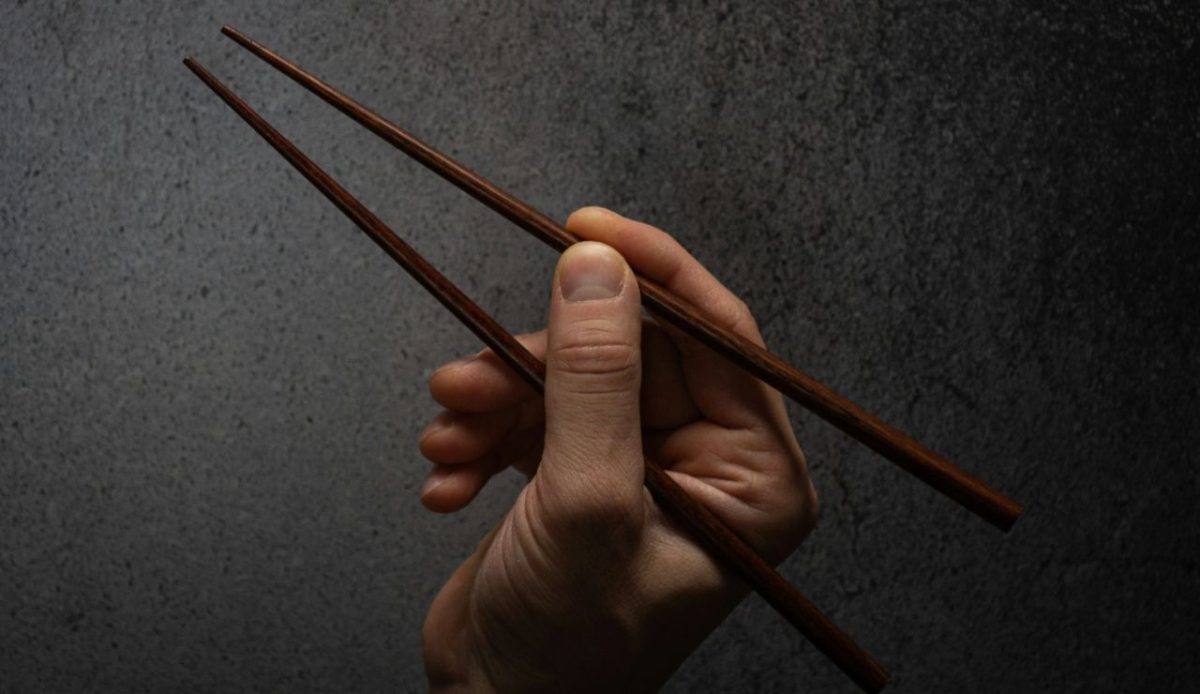
Sticking chopsticks straight up in a rice bowl resembles a funeral offering placed for the dead. Because the image is tied to mourning, it carries a meaning that is far heavier than a normal table habit, so the act is treated as a taboo.
At regular meals, chopsticks are set on a rest, laid across the bowl, or kept in the paper sleeve until needed. This keeps tips off the table, prevents sauce smears, and matches how children are taught to pause between bites.
Americans may park chopsticks upright to free a hand for a drink or phone. In Japan, the gesture can alarm nearby diners, since it signals a death rite even when the visitor has no idea, and a server may quietly replace the setting.
7. Entering An Onsen Without Washing First
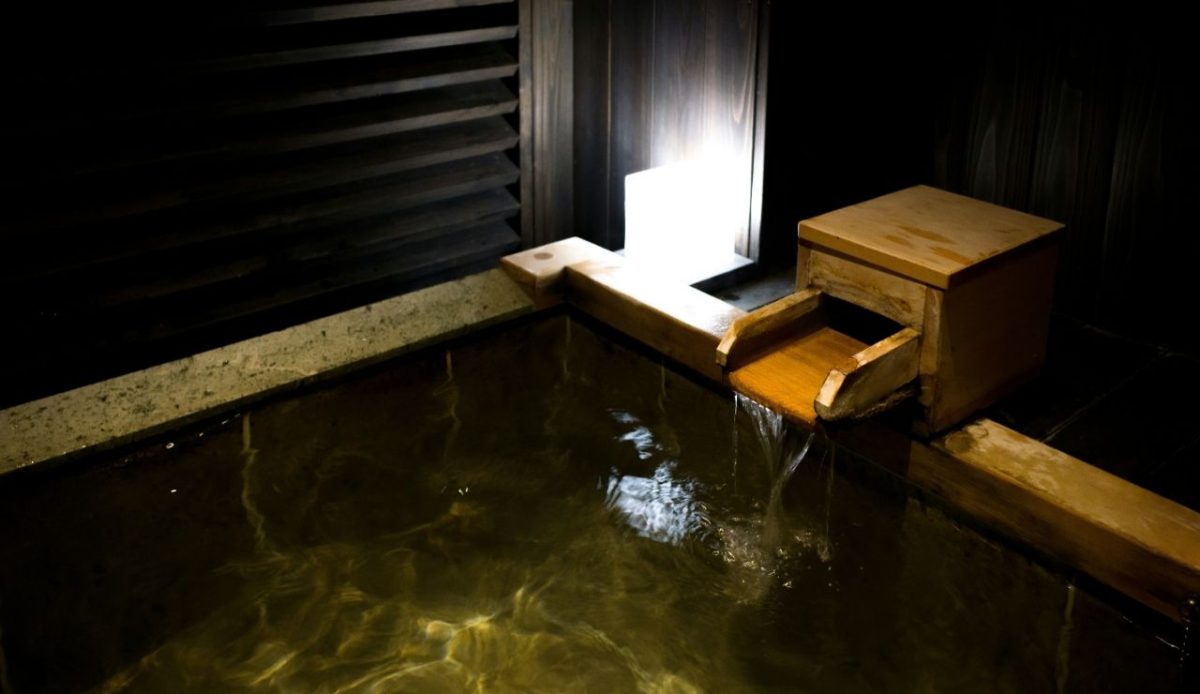
An onsen is a shared soaking bath, so washing happens before anyone enters the pool. Bathing stations with stools, showers, soap, and buckets are part of the design, making the wash step a required entry procedure.
The soaking water is kept for relaxation, not for scrubbing. If bodies enter unwashed, oils and soap film build up quickly, forcing more draining and cleaning, and reducing comfort for everyone using the bath that day.
Americans who expect a private tub may rinse fast or skip soap. In Japan that breaks the hygiene system, and staff or other bathers may correct the visitor, or access can be denied at smaller facilities that enforce rules strictly.
8. Smoking Outside Designated Areas In Cities
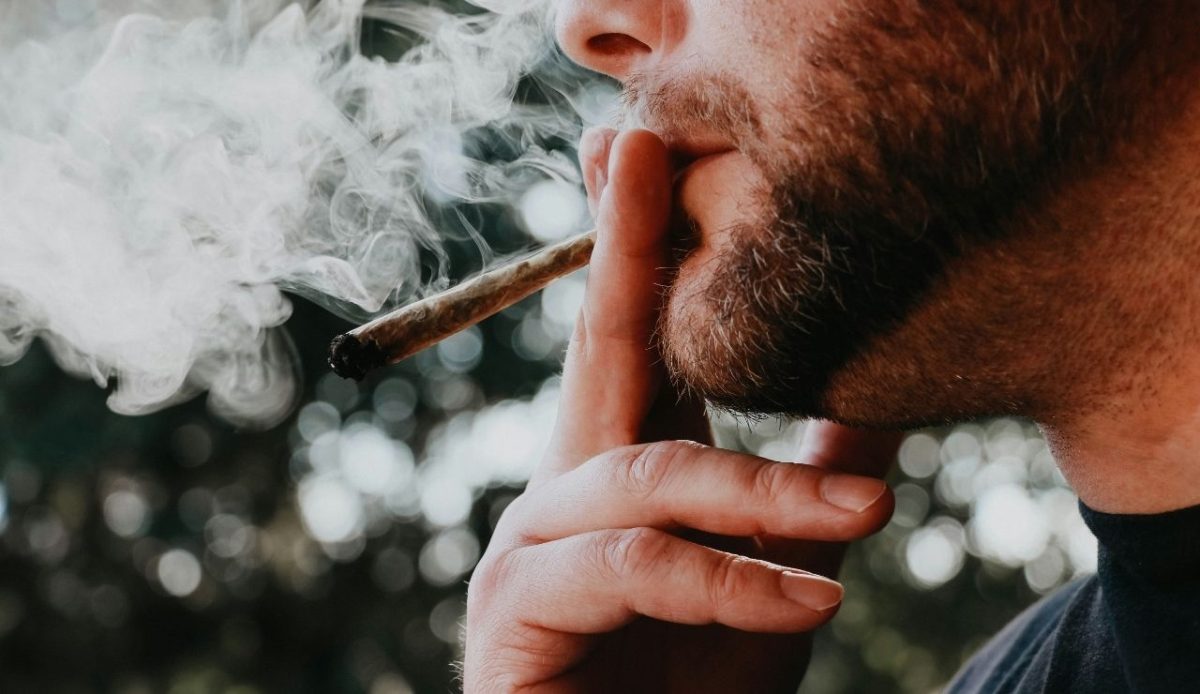
Many Japanese cities restrict smoking to marked zones rather than open sidewalks. Ward rules near stations and shopping streets limit where a cigarette can be lit to cut litter and reduce secondhand smoke, even at quiet times.
Designated areas are placed out of foot traffic and often have bins, barriers, or partial enclosures. Signs on the pavement and periodic patrols support the rule, and fines may be issued where local bans apply.
Americans may assume outdoor smoking is generally allowed if there is no crowd. In Japan, stepping aside on a street can still violate a ward rule, and staff or residents may point to the nearest permitted zone.
9. Crossing Against Pedestrian Signals
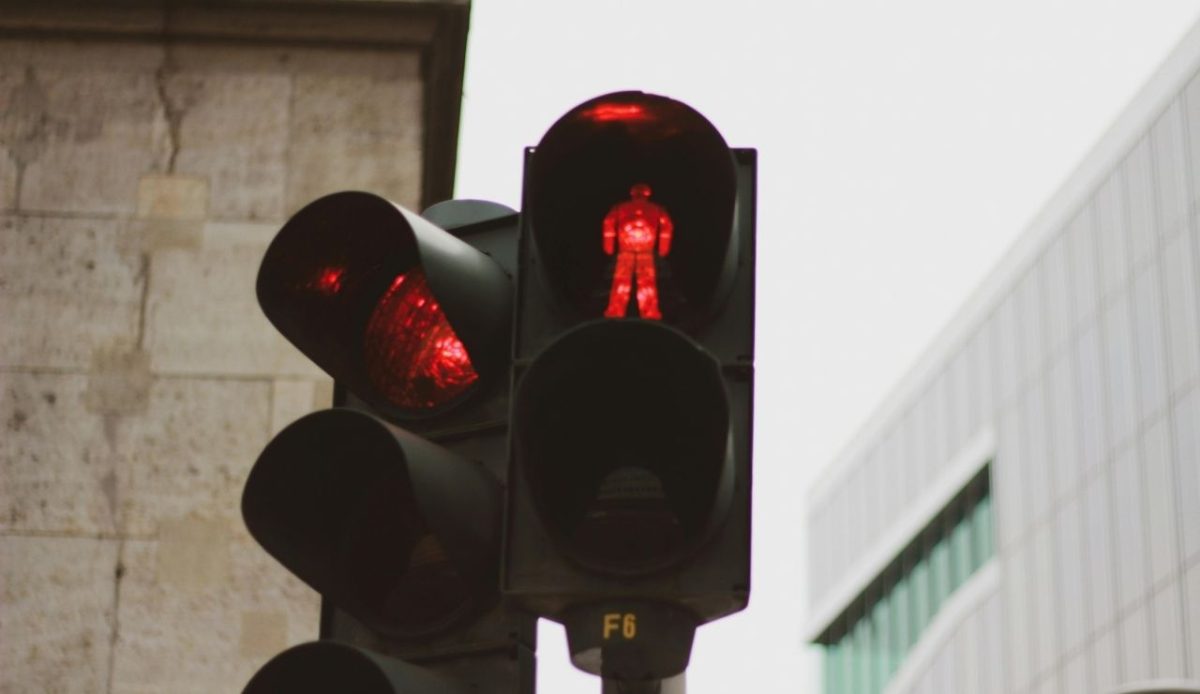
Pedestrians in Japan are expected to follow traffic signals closely. Crossing on a red light is treated as a rule break, even when the road looks empty, because shared timing is part of street safety.
This standard keeps turning predictable for drivers, cyclists, and buses, especially at complex intersections. School routines teach children to wait for the walk sign, so the habit is reinforced by families, not just police, over the years.
Americans often cross when visibility seems clear, and no cars are coming. In Japan, that choice can draw disapproving looks, and in some areas, officers run safety campaigns that stop pedestrians who ignore signals.
10. Bringing Restricted Medicines Without Prior Clearance
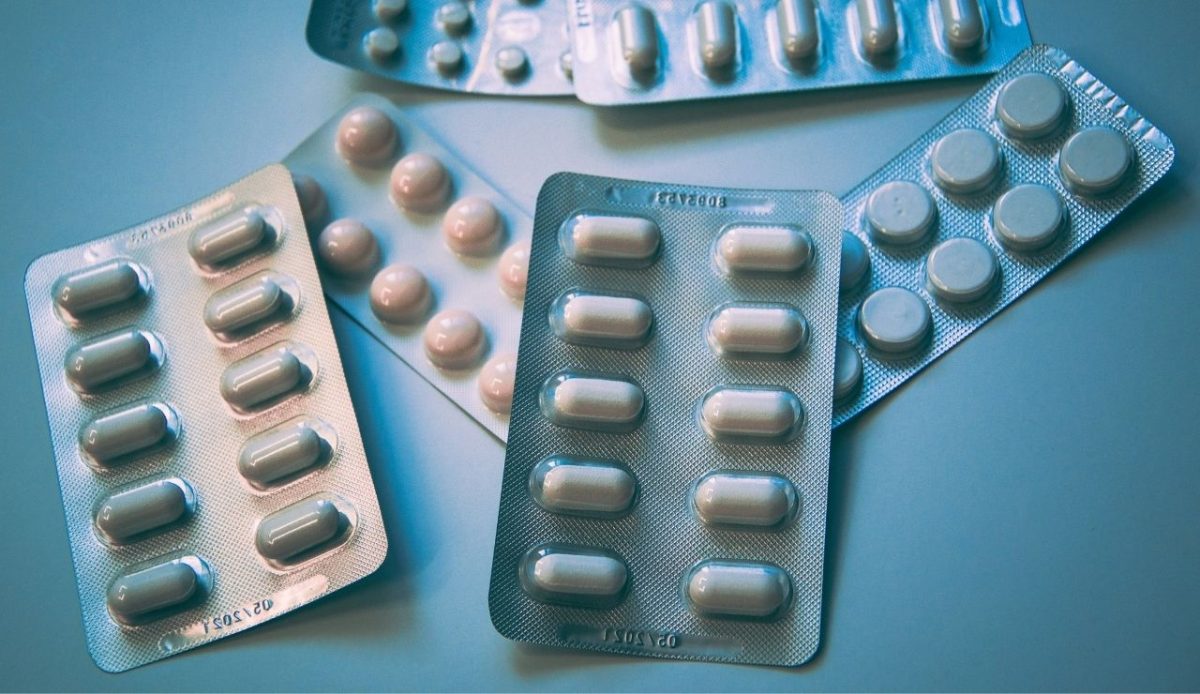
Some medicines that are common in the United States are controlled in Japan, including certain stimulants and pain drugs. Import rules can require advance permission, limits on quantity, and specific paperwork before arrival.
Customs officers may inspect prescriptions and compare them against controlled lists. If a product is restricted, it can be seized on the spot, and travelers may be questioned to confirm intent and medical need.
Americans often pack medication in original bottles and assume personal use is automatically allowed. In Japan, failing to confirm import requirements can delay entry, force disposal of needed treatment, or trigger a legal process.
11. Not Carrying A Passport Or Required ID
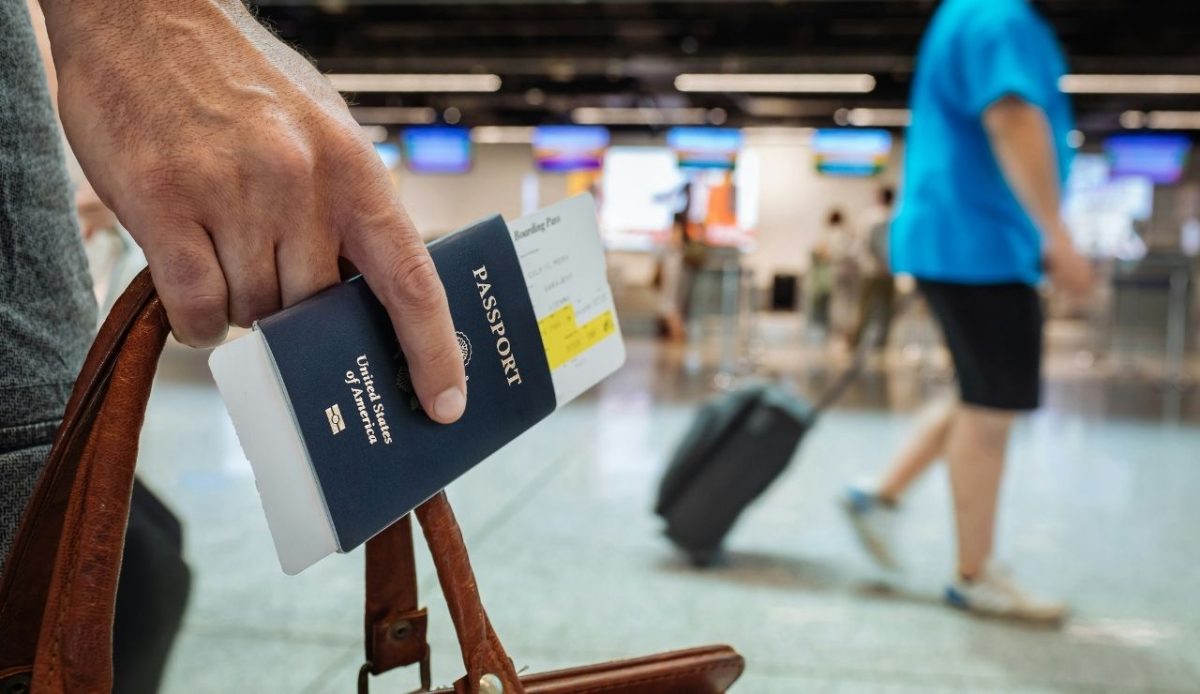
Foreign visitors in Japan are required to carry a passport or an approved residence card while in the country. Police can request identification during routine contact, so the rule functions as ready proof of legal status at any time.
Leaving a passport in a hotel safe does not satisfy the requirement. If documents are not produced, a traveler may be taken to a station while identity and entry records are checked, which can disrupt plans.
Americans often avoid carrying passports to reduce theft risk. In Japan, the safer choice is usually to carry it securely, because the consequence of not having it can be far more disruptive than the risk of loss.
