
Archaeological sites are windows into the past, offering clues about ancient civilizations and how they shaped the world we know today. From temples hidden deep in jungles to cities frozen in time, these destinations fascinate travelers with their history, artistry, and mystery. Visiting them isn’t just about admiring ruins; it’s about connecting with stories carved into stone and landscapes that have endured for centuries. Here are 11 incredible archaeological sites across the globe that every history lover should experience.
1. Machu Picchu, Peru
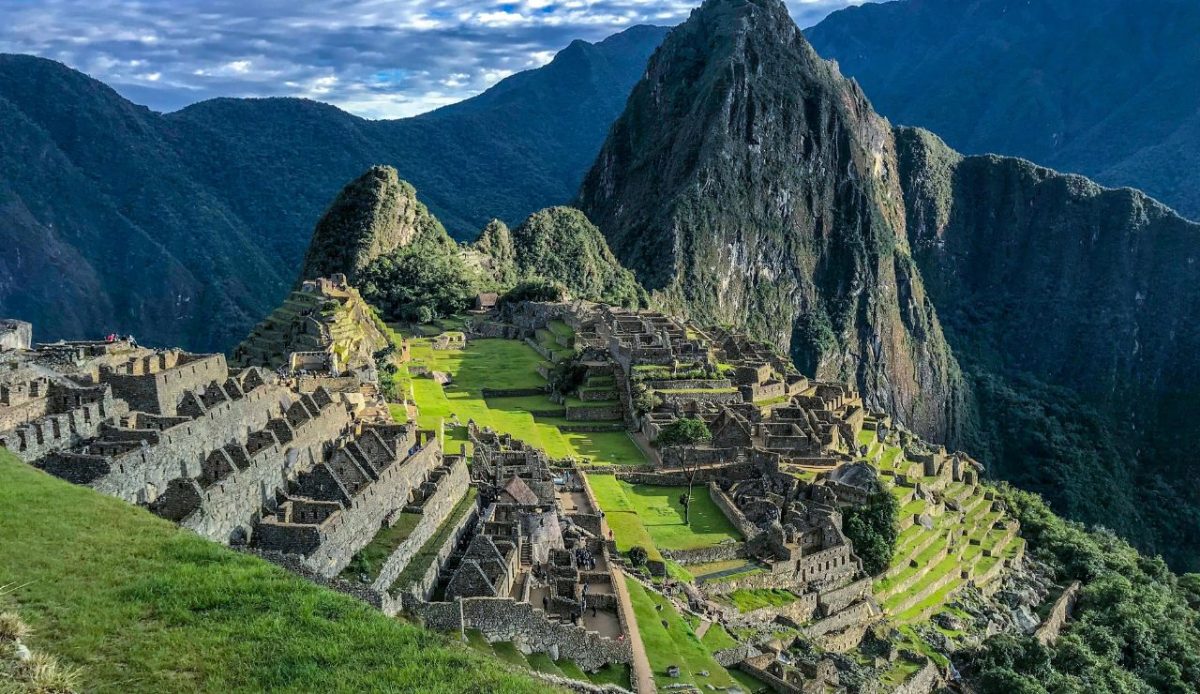
Perched high in the Andes, Machu Picchu is one of the world’s most iconic archaeological wonders. Built by the Incas in the 15th century, its terraces, temples, and stone walls showcase incredible engineering without mortar. Abandoned during the Spanish conquest, it was rediscovered in 1911 and now draws millions each year. Surrounded by breathtaking peaks, Machu Picchu remains a symbol of ingenuity and resilience, offering a glimpse into the spiritual and cultural life of the Incan Empire.
2. Petra, Jordan
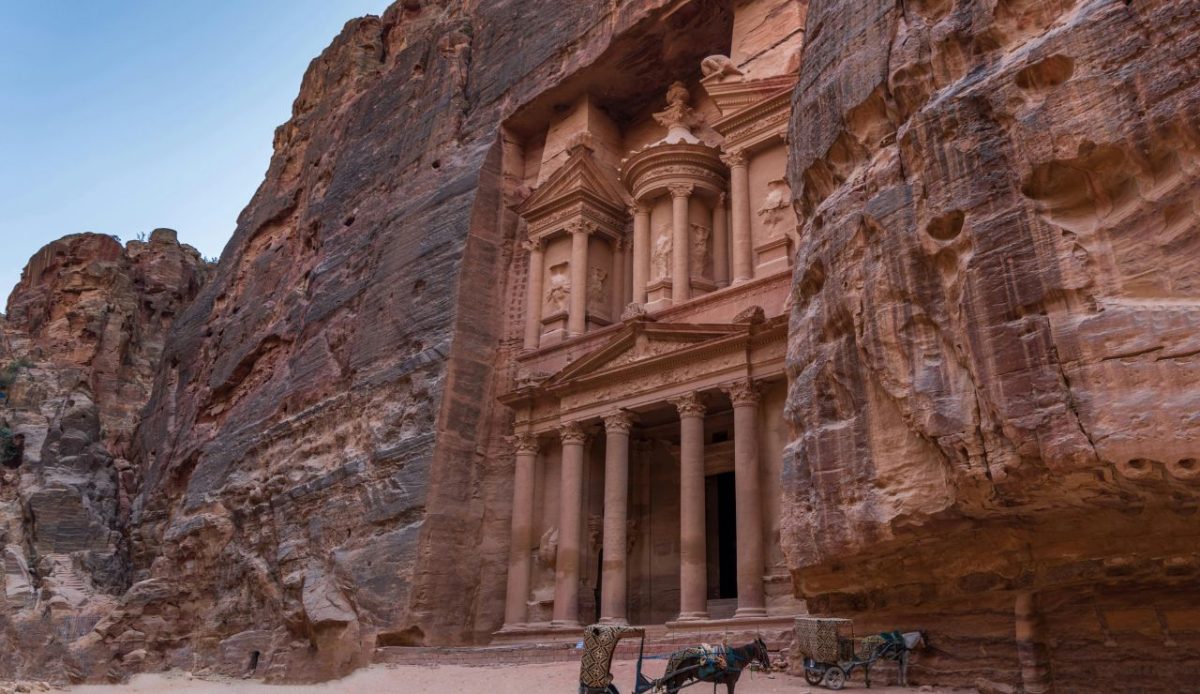
Known as the “Rose City” for its pink sandstone cliffs, Petra was once a thriving Nabatean capital and trade hub. Its most famous landmark, the Treasury, carved directly into rock, leaves visitors in awe after walking through the Siq canyon. Beyond this, Petra hides tombs, temples, and theaters, revealing a sophisticated ancient society. Abandoned for centuries, it was rediscovered in the 19th century and is now celebrated as one of the world’s great archaeological treasures.
3. Pompeii, Italy
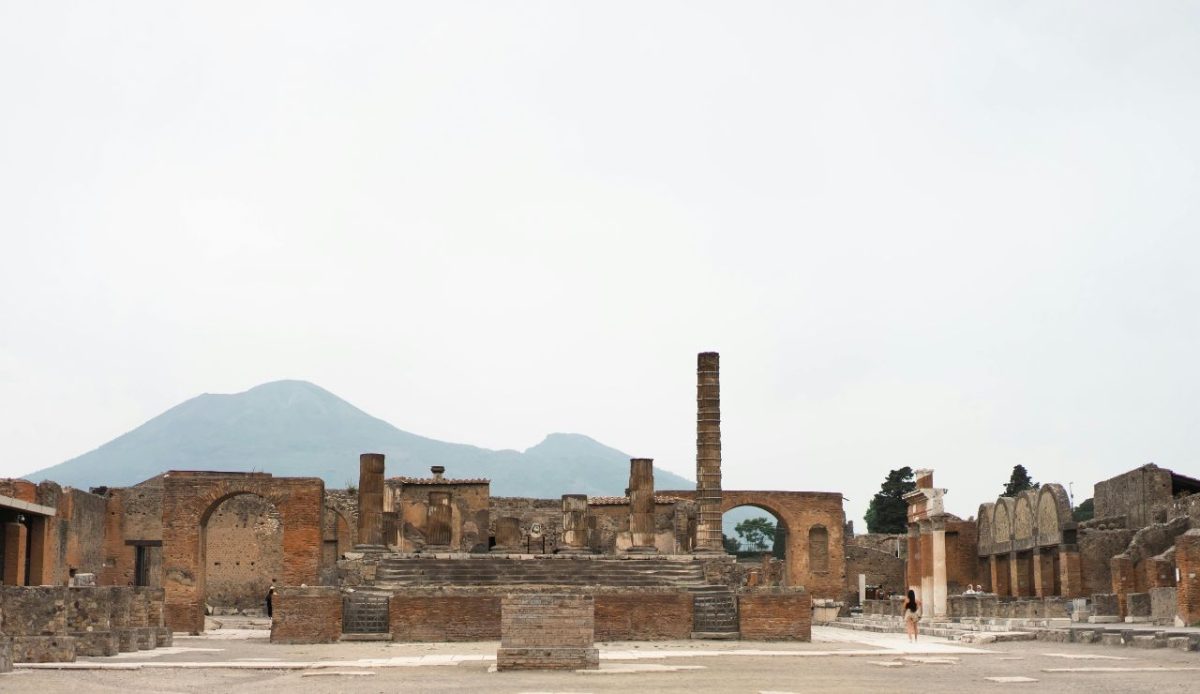
The ruins of Pompeii offer a haunting look into daily life in ancient Rome. Buried by Mount Vesuvius’ eruption in 79 AD, the city was preserved under ash for centuries. Today, visitors can walk its streets, see frescoed villas, and view casts of victims frozen in time. Pompeii’s sudden destruction left behind a remarkably detailed record of Roman society, making it one of the most studied archaeological sites and a poignant reminder of nature’s power.
4. Angkor Wat, Cambodia
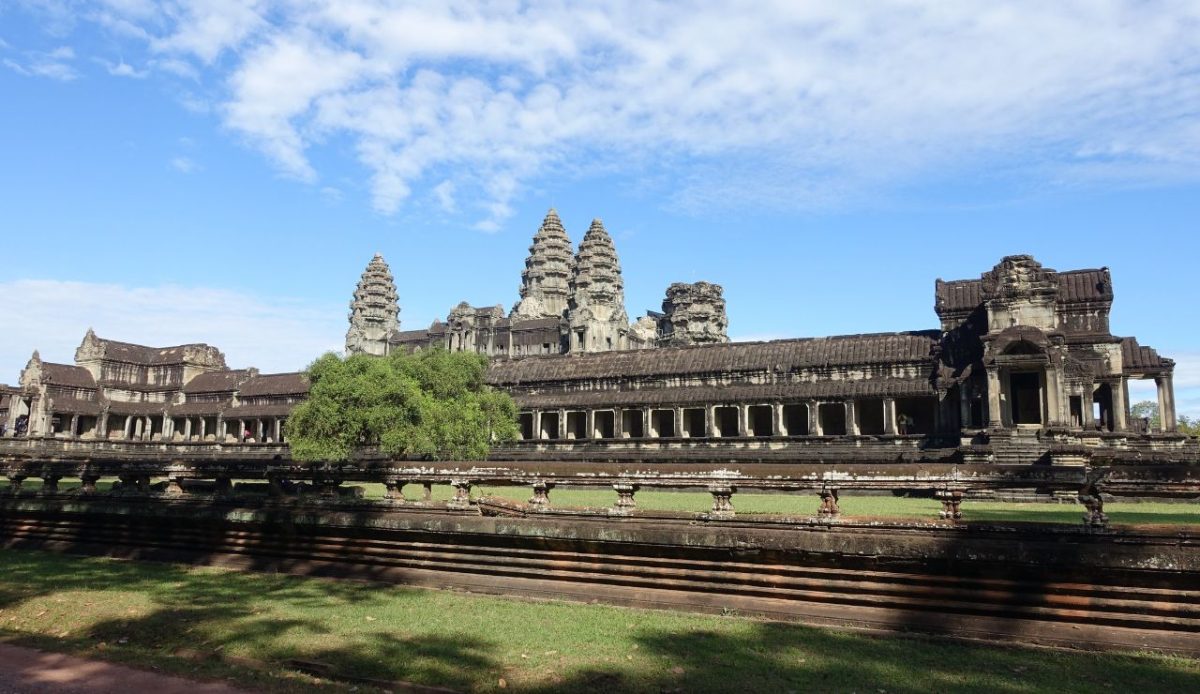
Angkor Wat is the largest religious monument in the world and the crown jewel of the ancient Khmer Empire. Built in the 12th century, it began as a Hindu temple before becoming a center of Buddhism. Its intricate carvings and massive scale reflect extraordinary craftsmanship and devotion. Surrounded by moats and lush jungle, the complex includes dozens of temples beyond Angkor Wat itself. Sunrise here is unforgettable, symbolizing Cambodia’s cultural pride and spiritual heritage across centuries.
5. Chichen Itza, Mexico
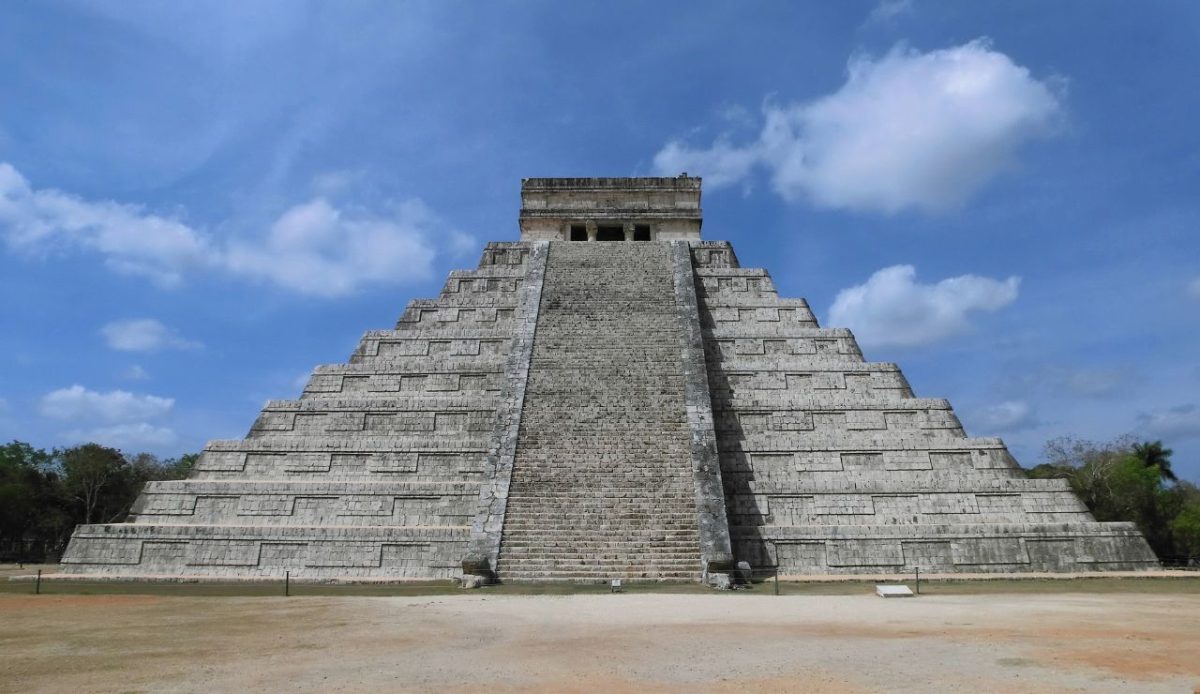
Chichen Itza was a major Mayan city and one of the best-preserved archaeological sites in the Americas. Its pyramid, El Castillo, aligns with the sun during equinoxes, showing the Mayans’ astronomical genius. The site also features ball courts, temples, and observatories, all revealing a complex society of science and ritual. As a UNESCO World Heritage site and New Wonder of the World, Chichen Itza remains a powerful reminder of the brilliance of the Mayan civilization.
6. Stonehenge, England
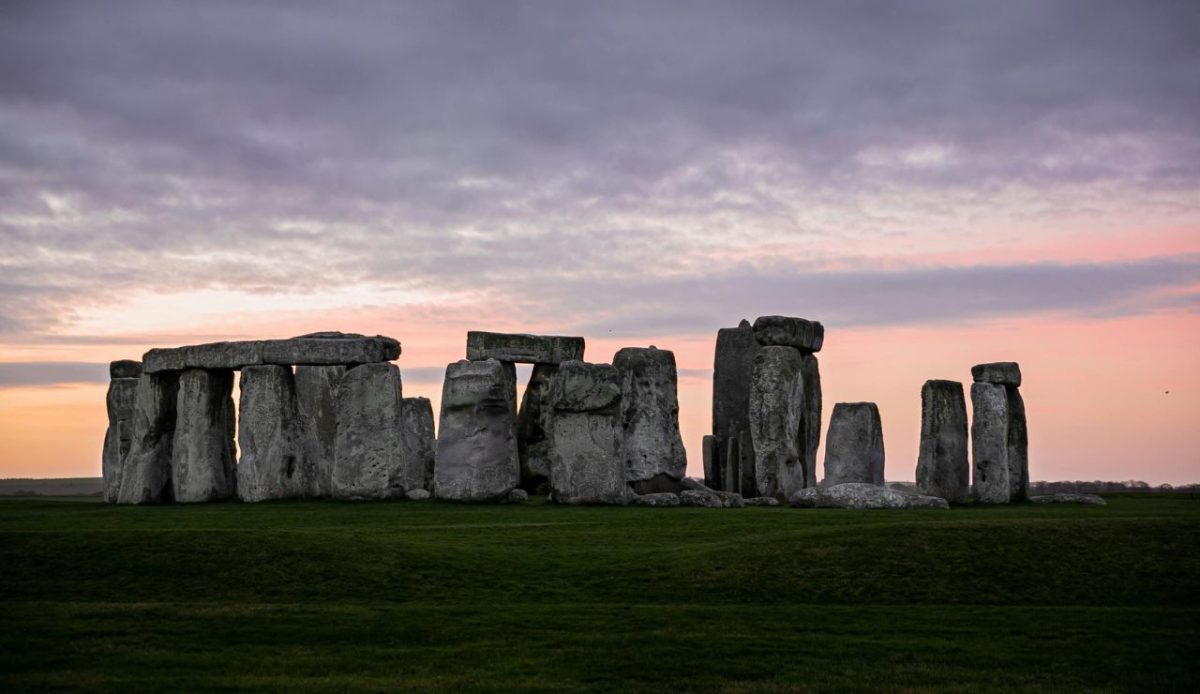
Stonehenge, with its massive stone circles, continues to puzzle archaeologists after 4,000 years. Believed to have served ceremonial or astronomical purposes, it represents one of prehistoric Europe’s greatest achievements. Its alignment with the summer and winter solstices adds to its mystery, drawing visitors from around the world. Standing among the stones, visitors feel both awe and curiosity about the people who built it and the rituals that may have defined its purpose. Its intrigue endures through millennia.
7. Tikal, Guatemala
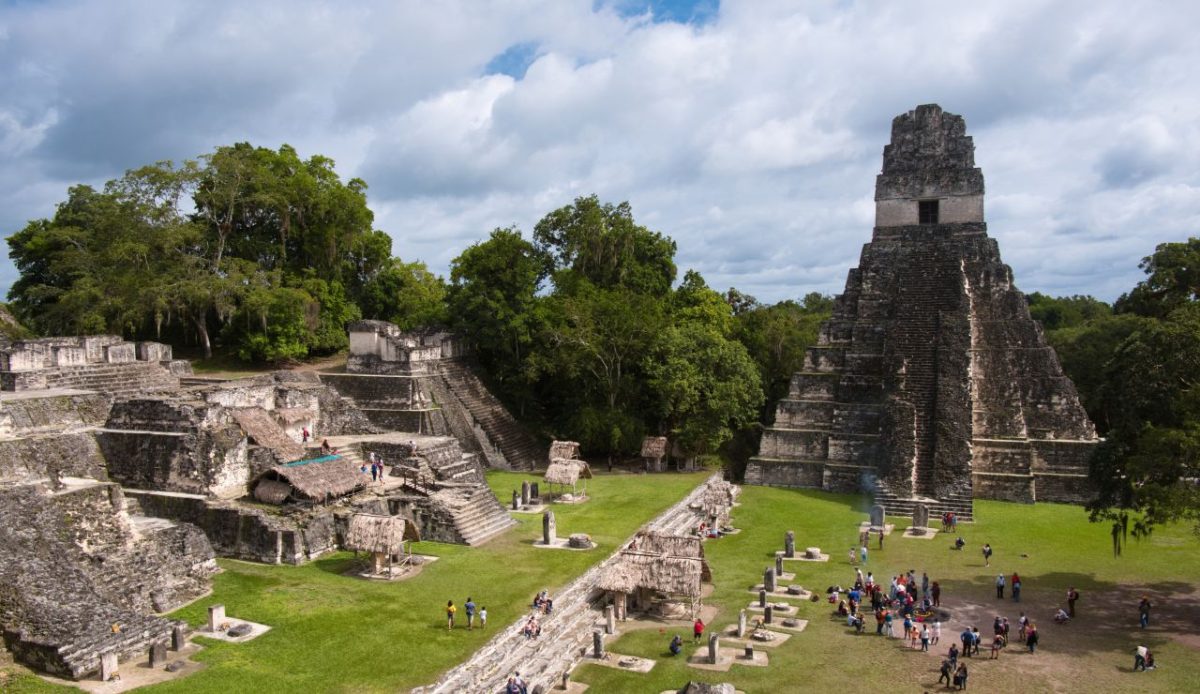
Hidden deep in Guatemala’s rainforest, Tikal was once a powerful Mayan city-state. Towering pyramids rise above the jungle canopy, offering breathtaking views for those who climb them. Excavated temples, plazas, and ball courts reveal a sophisticated society that thrived for centuries. The site also teems with wildlife, blending history with nature in a way few places can match. Tikal’s grandeur and mystery make it one of the most spectacular archaeological destinations in Central America.
8. Luxor, Egypt
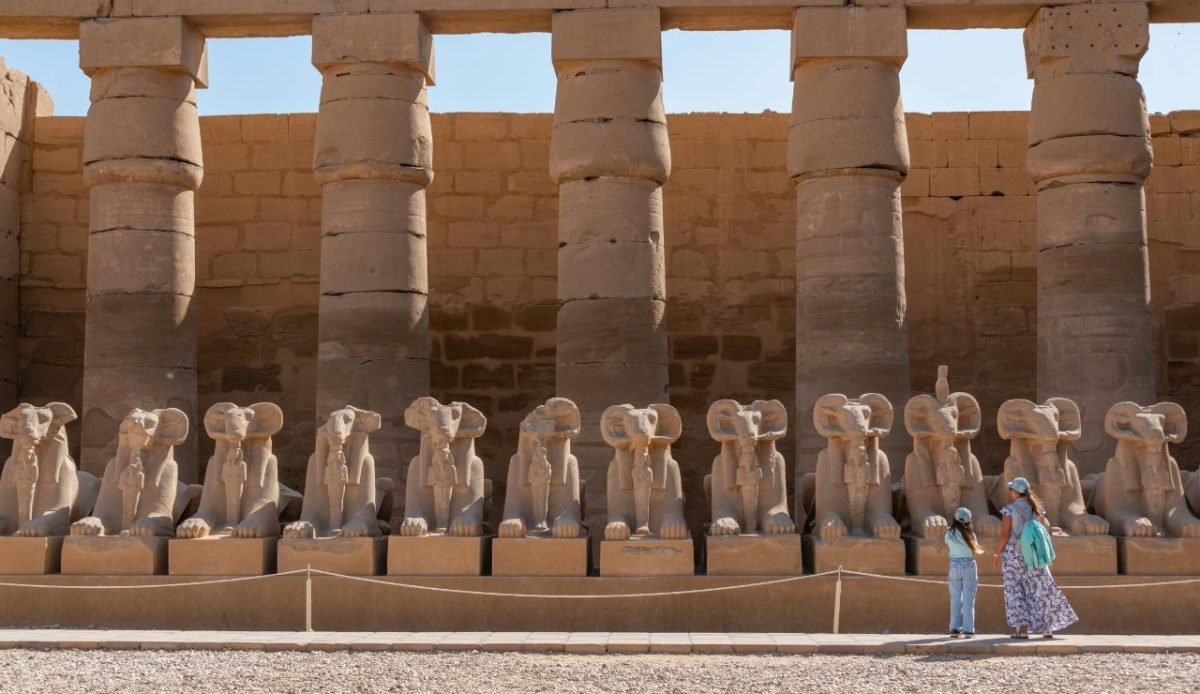
Luxor, once the ancient city of Thebes, is often called the world’s greatest open-air museum. It features monumental temples like Karnak and Luxor, along with the Valley of the Kings, where pharaohs such as Tutankhamun were buried. Hieroglyphs, statues, and towering columns bring ancient Egypt to life. Walking through Luxor feels like stepping back thousands of years into a civilization that shaped history. Its scale and preservation make it a must-see archaeological treasure of unmatched significance.
9. Teotihuacan, Mexico
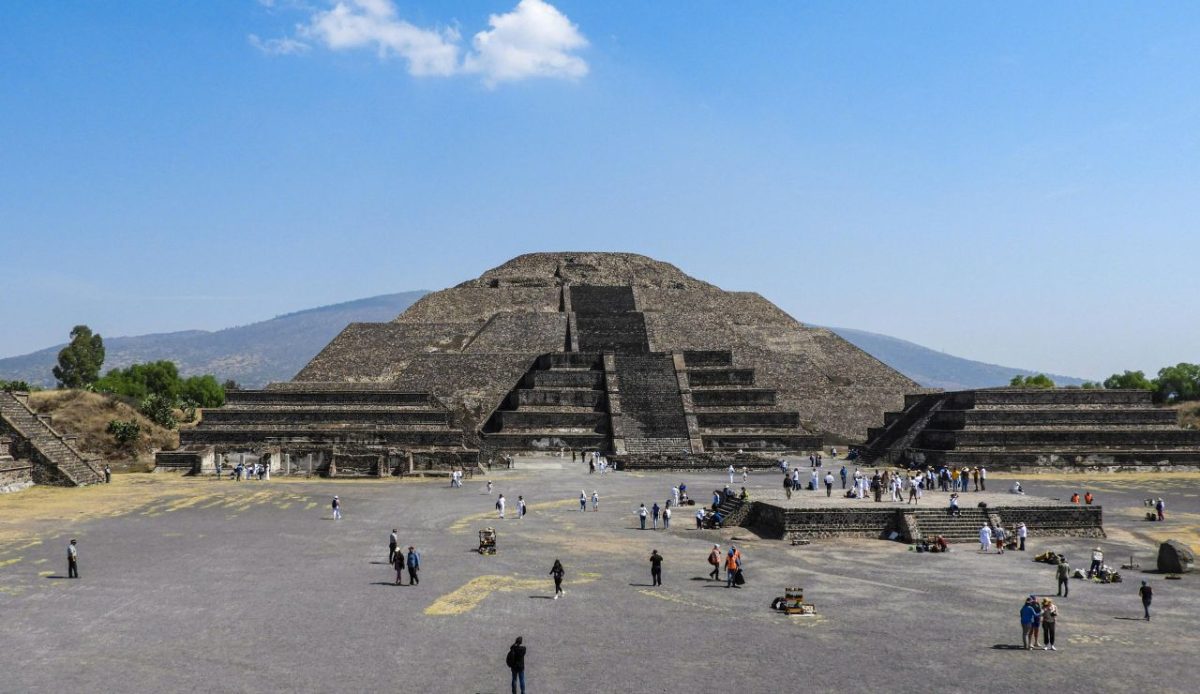
Teotihuacan, near modern Mexico City, was once among the world’s largest cities, home to over 100,000 people at its peak. Known as the “City of the Gods,” it features the colossal Pyramid of the Sun, the Pyramid of the Moon, and the Avenue of the Dead, a grand ceremonial thoroughfare. Its influence spread across Mesoamerica, though much about its builders remains a mystery. Walking through its ruins offers a glimpse into a complex society of power, culture, and enduring enigma.
10. Delphi, Greece
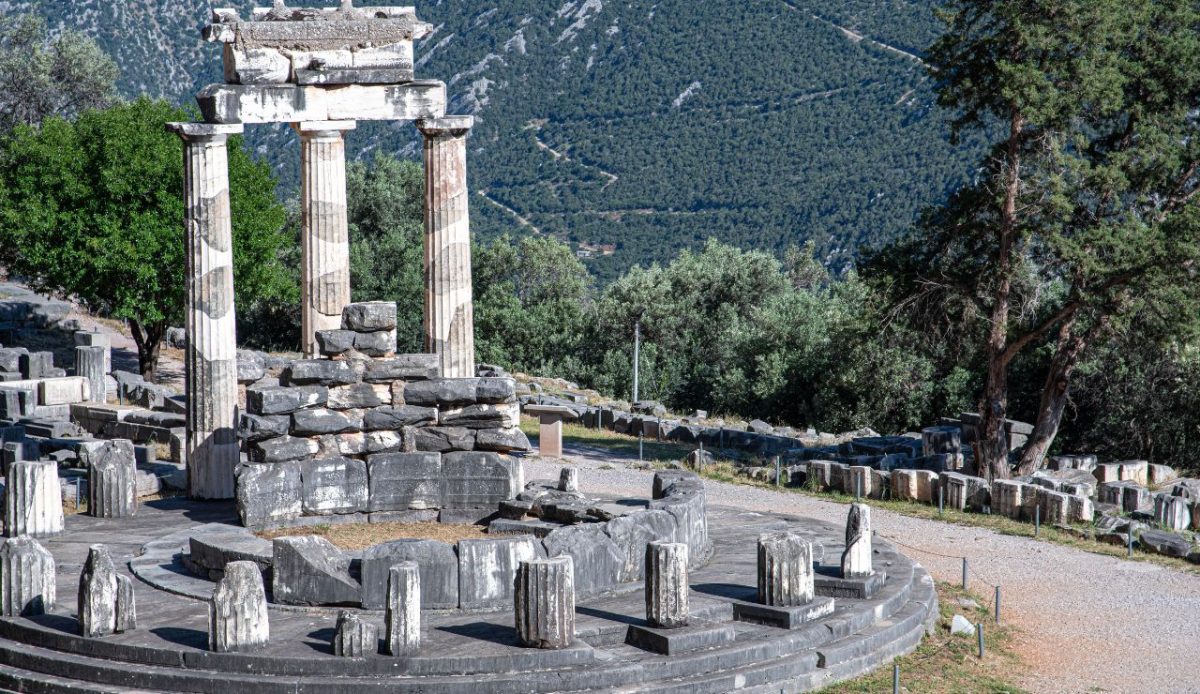
Delphi was considered the center of the world in ancient Greek mythology, home to the famous oracle of Apollo. Pilgrims from across the Mediterranean once traveled here for guidance. Its ruins include temples, a theater, and a stadium set against a dramatic mountain backdrop. The blend of myth, religion, and history makes Delphi both beautiful and significant. Visitors today can still sense the sacred aura that once made it a focal point of the ancient world.
11. Göbekli Tepe, Turkey
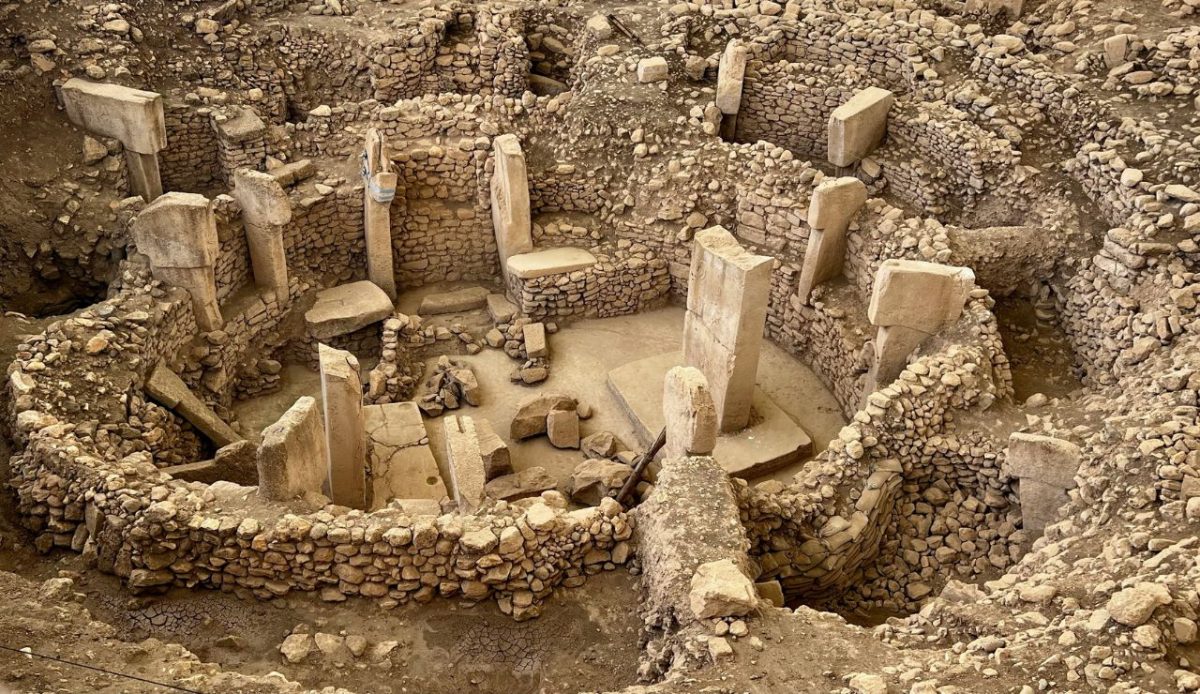
Göbekli Tepe is one of archaeology’s most groundbreaking discoveries, dating back over 11,000 years, older than Stonehenge or the pyramids. Its massive carved pillars and circular enclosures suggest a ritual site created by hunter-gatherers before the advent of agriculture. This challenges long-held ideas about early societies and their capabilities. The site remains partly under excavation, but its significance is already clear: Göbekli Tepe reshaped our understanding of civilization’s origins and continues to inspire global fascination.
