
Historic Chinatowns are compact retail grids where lease stability determines whether cultural storefronts remain. They often sit near downtown transit and employment centers, so land values rise while retail inventory stays fixed.
Most cultural businesses run on thin margins from groceries, bakeries, and small restaurants serving local households. If rents reset to market rates, prices cannot rise enough to cover the increase without losing demand.
The sections below cover eleven historic Chinatowns where rent pressure removed culturally specific businesses. Mechanisms include redevelopment near venues, changes in building ownership, and conservation rules that keep space limited.
1. Boston Chinatown
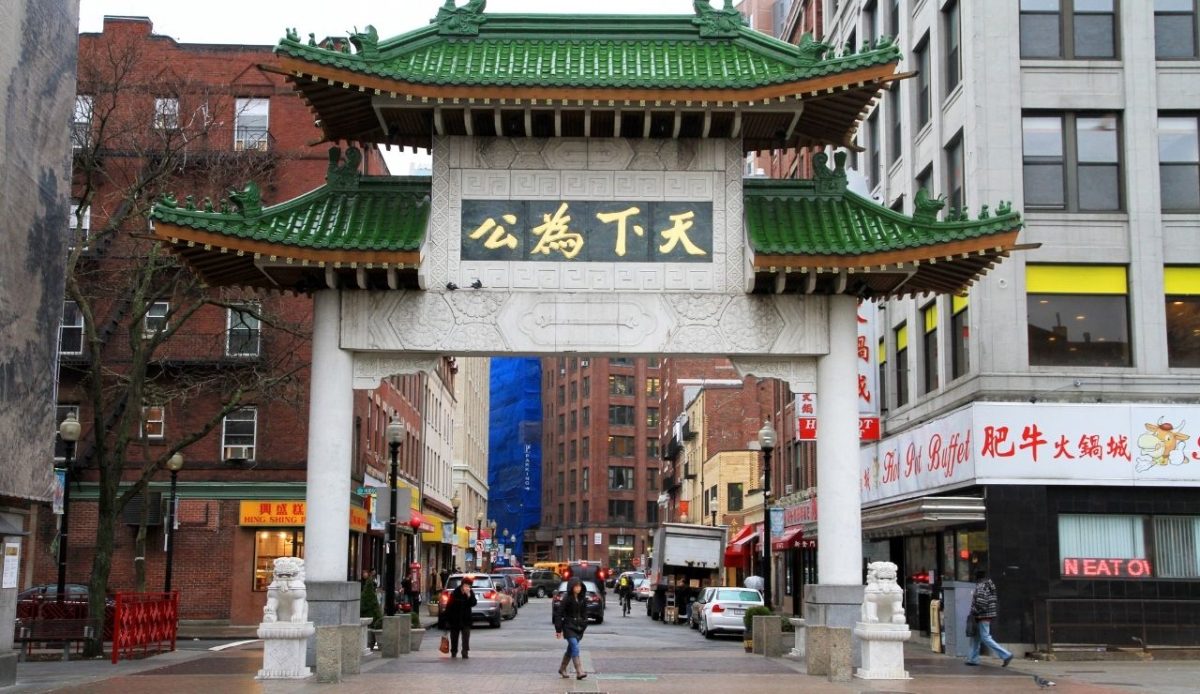
Boston Chinatown sits between Downtown Crossing, the Theater District, and highway ramps, so expansion space is scarce. As nearby office and lab values rose, landlords raised asking rents on small parcels with limited frontage.
Many tenants hold short commercial leases, so renewals allow rent jumps that exceed neighborhood spending. When a long-running grocer or bakery closes, replacement space is rarely available inside the same few blocks nearby ok
City tools protect some housing, but commercial protections are limited and often short-term. Higher margin tenants targeting downtown workers can outbid cultural retailers, reducing daily service variety.
2. Manhattan Chinatown
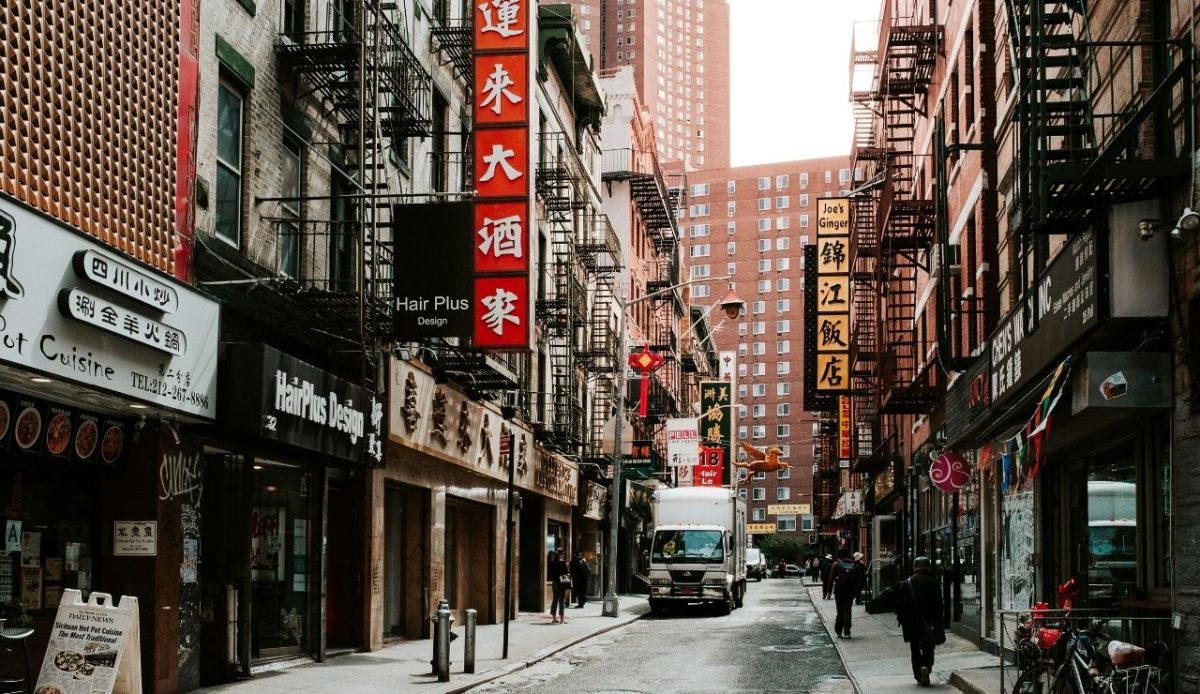
Manhattan Chinatown covers blocks near Canal Street and the Bowery, with mixed-use buildings that limit retail reconfiguration. As Lower Manhattan rents climbed, ground-floor leases reset upward even in older walkups.
Interior streets depend on local shoppers and wholesalers, so sales growth stays capped while rent rises. Landlords may replace low-margin grocers with storage or brand retail that tolerates higher fixed costs.
Building code upgrades and retrofit requirements raise operating costs and can be passed through in leases. District programs improve streetscapes, but they do not cap rents, so culturally specific storefronts decline on many blocks.
3. Washington D.C. Chinatown
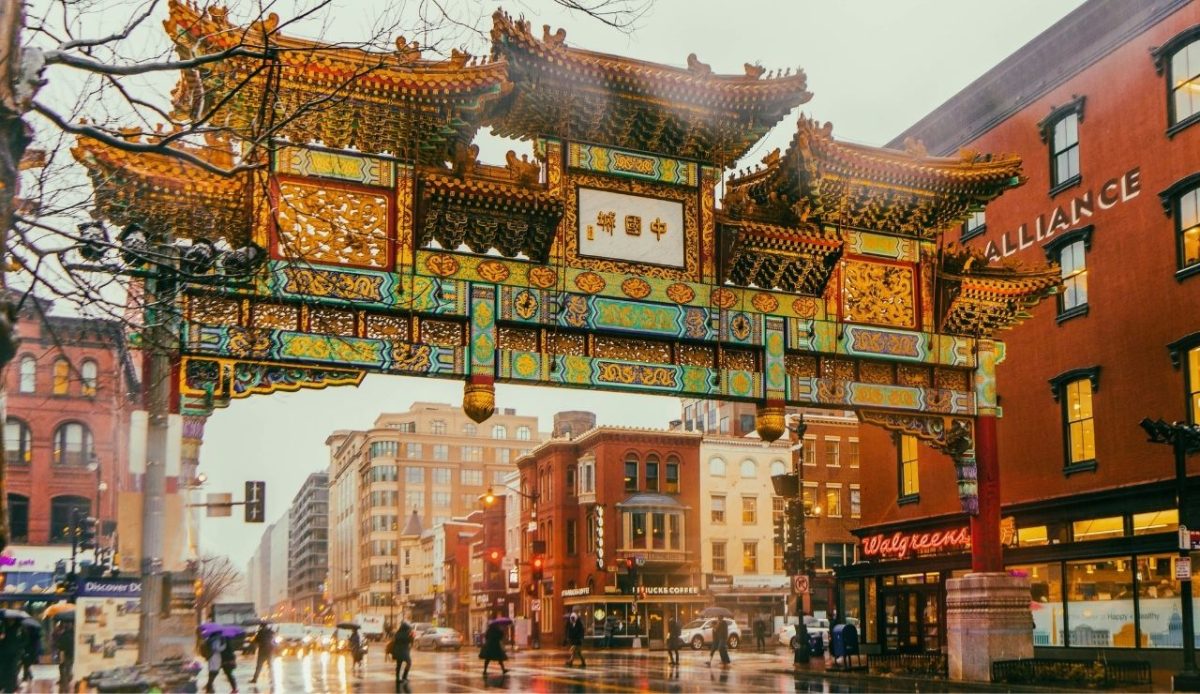
Washington DC Chinatown occupies a small downtown grid near the arena and office towers, so relocation within the boundary is limited. Redevelopment added hotels and mixed-use buildings that lifted nearby land prices.
Landlords often peg renewals to downtown comparables, yet many Chinese-owned restaurants rely on lunch trade and event peaks. When rent rises sharply, staffing and hours cannot scale enough to cover the gap, leading to closures at rollover.
Signage rules preserve Chinese characters on some facades, but they do not protect tenants. With few commercial affordability tools, cultural businesses are replaced by chains or non-cultural services.
4. San Francisco Chinatown
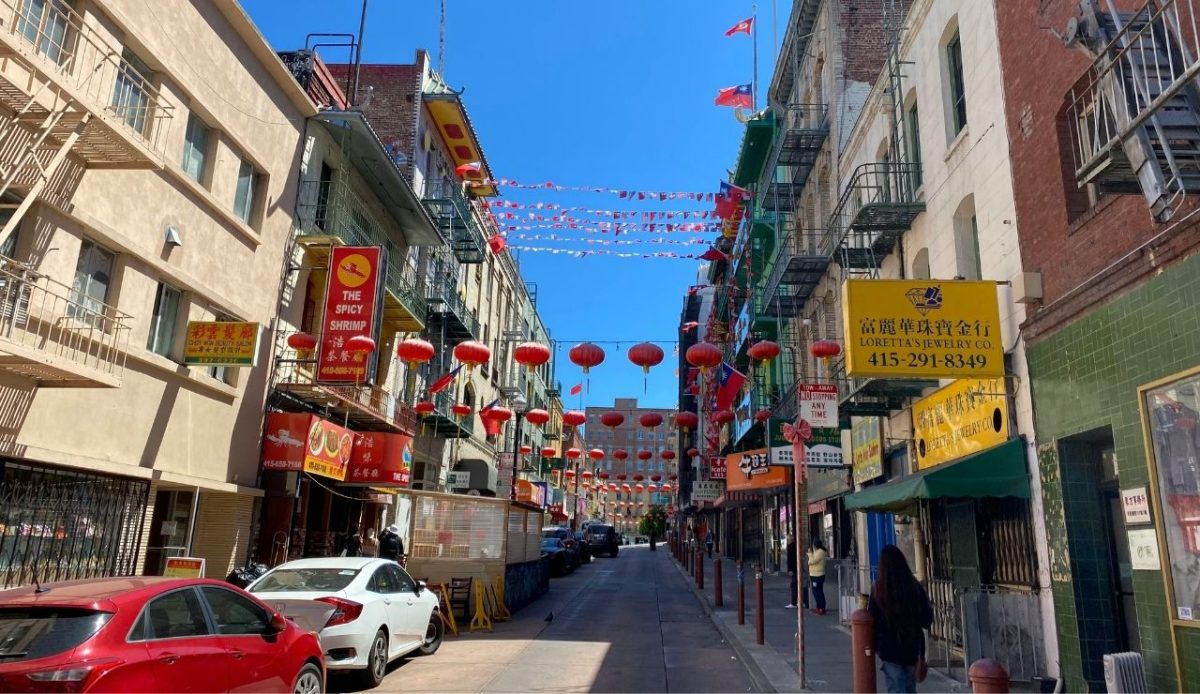
San Francisco Chinatown is built on tight historic lots near the Financial District, so new storefront supply is constrained. Tourist flow concentrates on Grant Avenue, while many service shops rely on residents on side streets.
When citywide rents rise, landlords raise lease rates to cover taxes and opportunity costs. Small groceries, herbal shops, and bakeries cannot absorb higher monthly rent plus back rent after slow seasons, so closures follow.
Conservation rules keep the built form but do not set lease ceilings. Nonprofit ownership and master leasing exist on some blocks, yet private parcels still reset rents to market, reducing cultural storefront density.
5. Los Angeles Chinatown
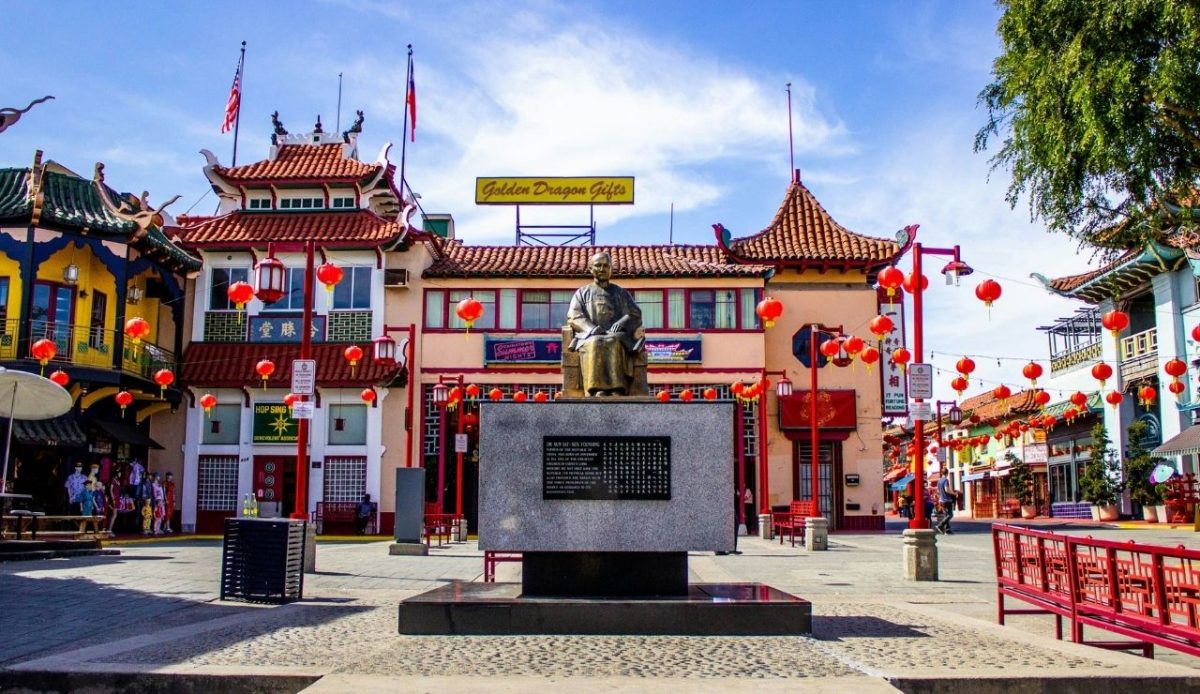
Los Angeles Chinatown borders downtown growth areas and rail stations, increasing land value along its limited commercial spine. Large property owners can raise rents across multiple units when they reposition buildings.
Many legacy stores depend on regional customers arriving by car, so parking constraints and congestion cap sales growth. If rent doubles at renewal, operators cannot raise prices enough without losing demand, which triggers closures despite steady visits.
Cultural designations protect imagery more than lease terms. Short leases and pass-through charges add risk for small tenants, and higher-margin dining or nightlife replaces everyday cultural services.
6. Seattle Chinatown International District
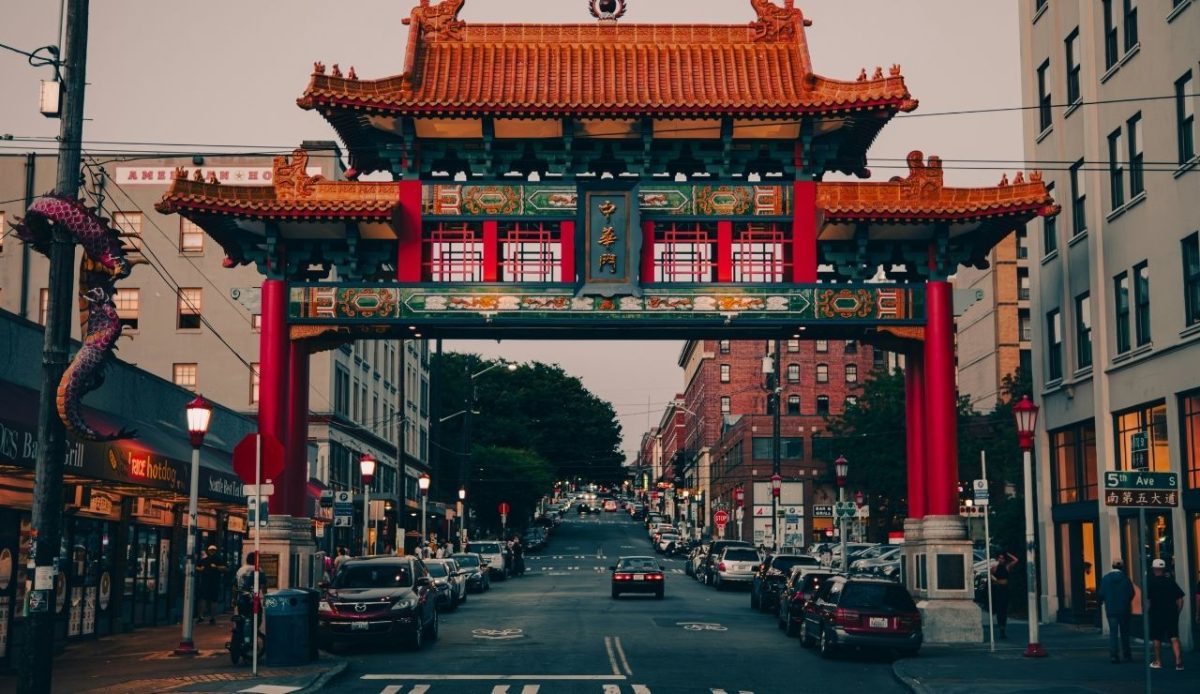
Seattle Chinatown International District sits between King Street Station, stadium venues, and expanding medical campuses. Transit access raises land value, while the historic street pattern limits new retail creation.
Businesses serving elders rely on predictable demand for food, health goods, and daily services. Rent increases tied to nearby office pricing outpace sales, and relocation breaks the walkable business cluster around Hing Hay Park.
Community land trusts and public agencies control rents in some buildings, but coverage is partial. Construction impacts from adjacent projects can reduce revenue during the same period that lease costs rise, increasing closure risk.
7. Vancouver Chinatown
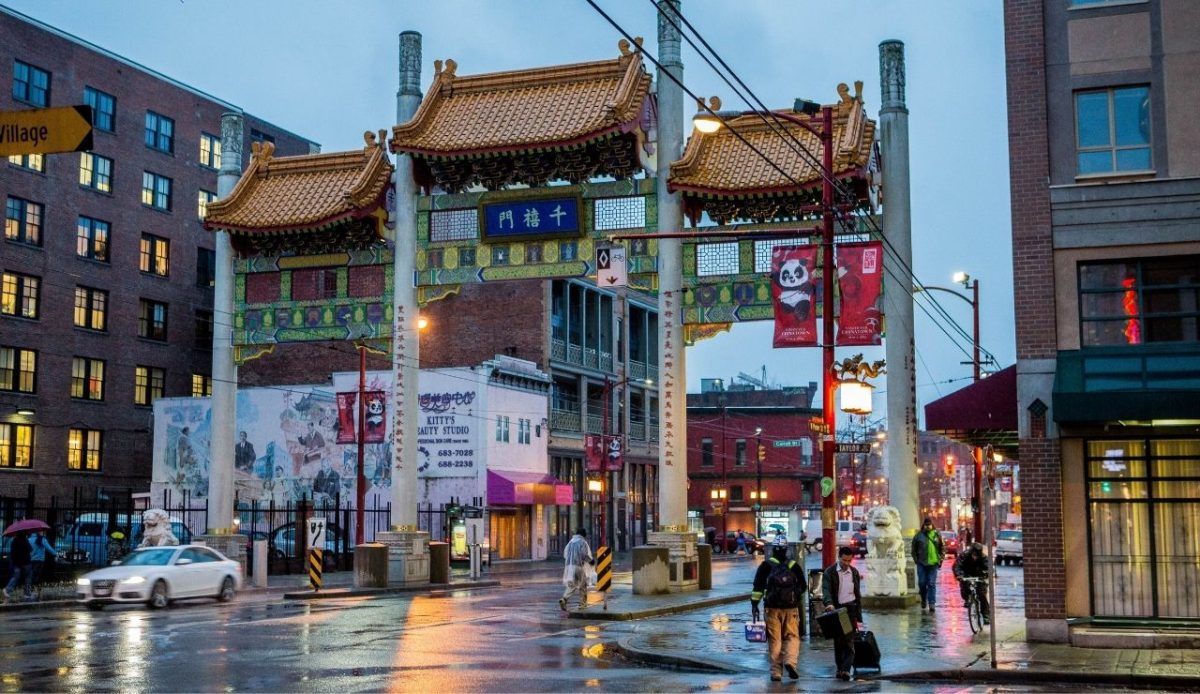
Vancouver Chinatown sits next to the downtown peninsula with heritage buildings that limit floorplate changes and new supply. Rising assessments and investor demand have pushed owners to seek higher commercial rents.
Many cultural businesses rely on regular neighborhood trade, so sales do not track city rent growth. A sharp rent hike at renewal can force closure, and vacancies may persist while owners wait for higher-paying tenants.
Heritage rules protect facades and signage, but not lease levels. Grant programs can offset costs for short periods, yet long-term affordability remains weak, shifting the tenant composition away from cultural retail on key streets.
8. Calgary Chinatown
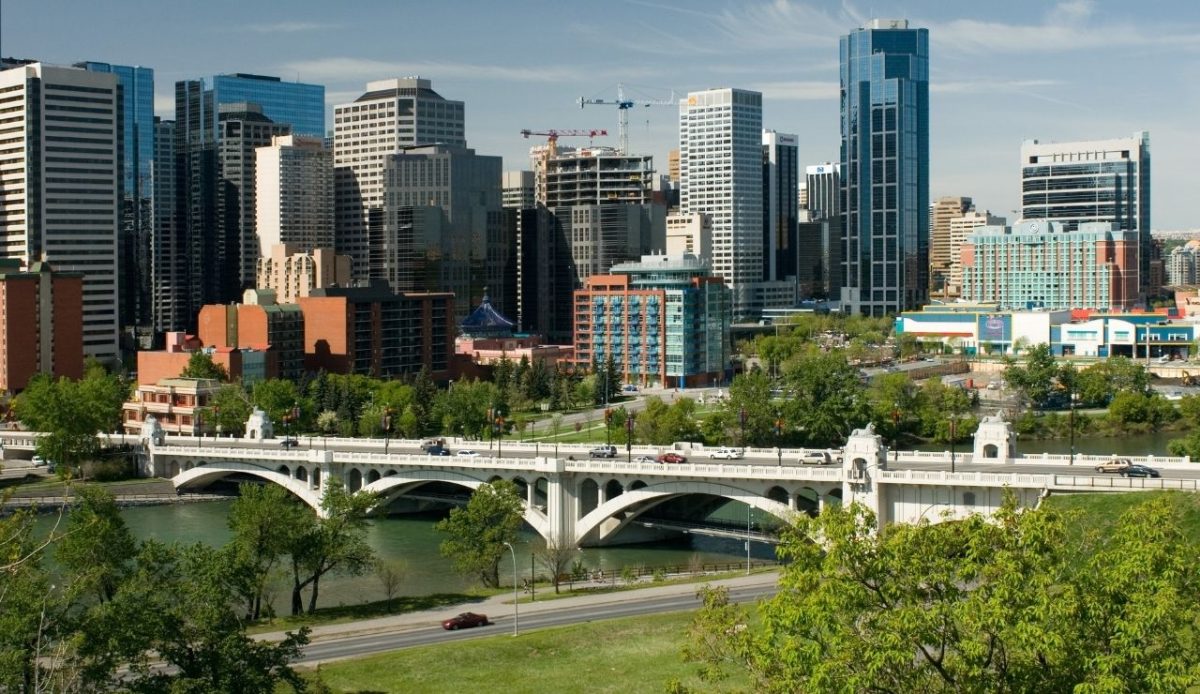
Calgary Chinatown occupies a small strip near the downtown edge, with limited storefront inventory and few alternate sites nearby. When surrounding redevelopment lifts land values, landlords can raise rents quickly because supply is tight.
Family-run restaurants and groceries serve price-sensitive customers, so revenue growth is modest. If rent rises faster than sales, owners cut hours and staffing, which lowers service capacity and reduces repeat demand.
City action often targets streetscape upgrades and event programming that increase visits during peak days. Those changes can raise rent expectations without protecting tenants, so culturally specific storefronts close after renewals.
9. Toronto Chinatown Spadina
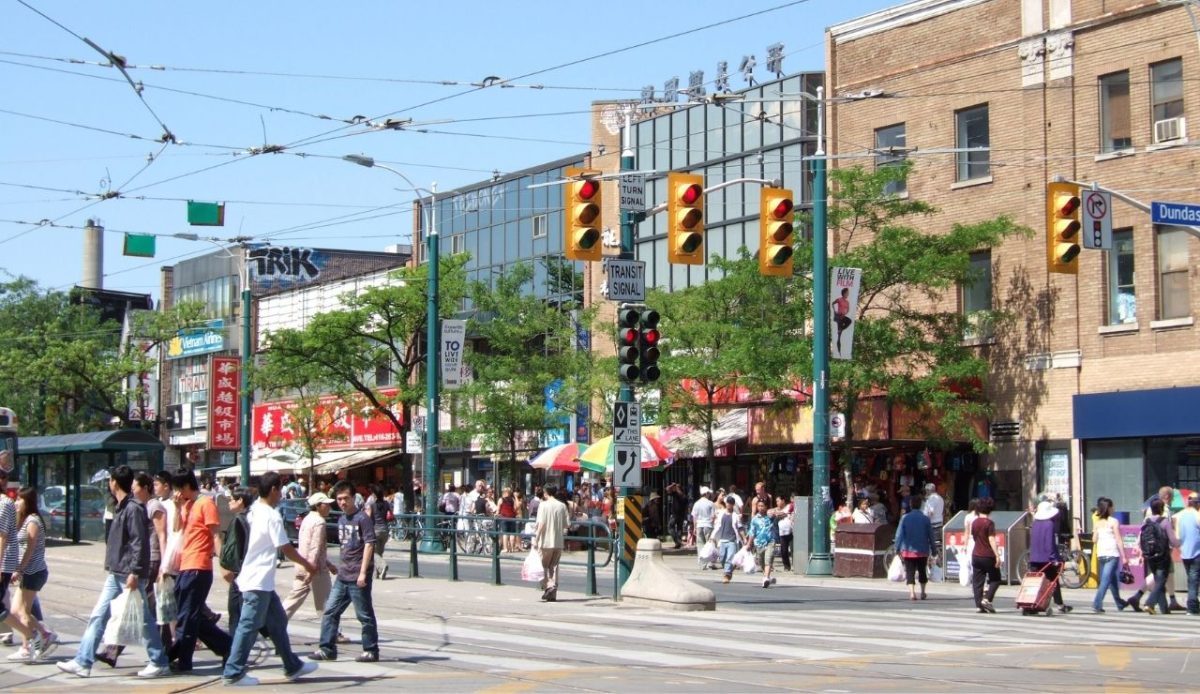
Toronto Chinatown on Spadina Avenue sits in a growth corridor driven by condo construction and streetcar access. Redevelopment raises land prices, while small lots mean new retail arrives mainly through replacement, not added supply.
Many tenants depend on residents and students, so sales scale slowly. When landlords reset leases to match new mixed-use projects, businesses cannot cover the jump without pricing beyond local demand.
Planning work notes cultural displacement risk, but protections focus on built form and public space. Without tools that secure affordable leases, turnover favors chains and higher margin concepts, reducing cultural business density.
10. London Chinatown Soho
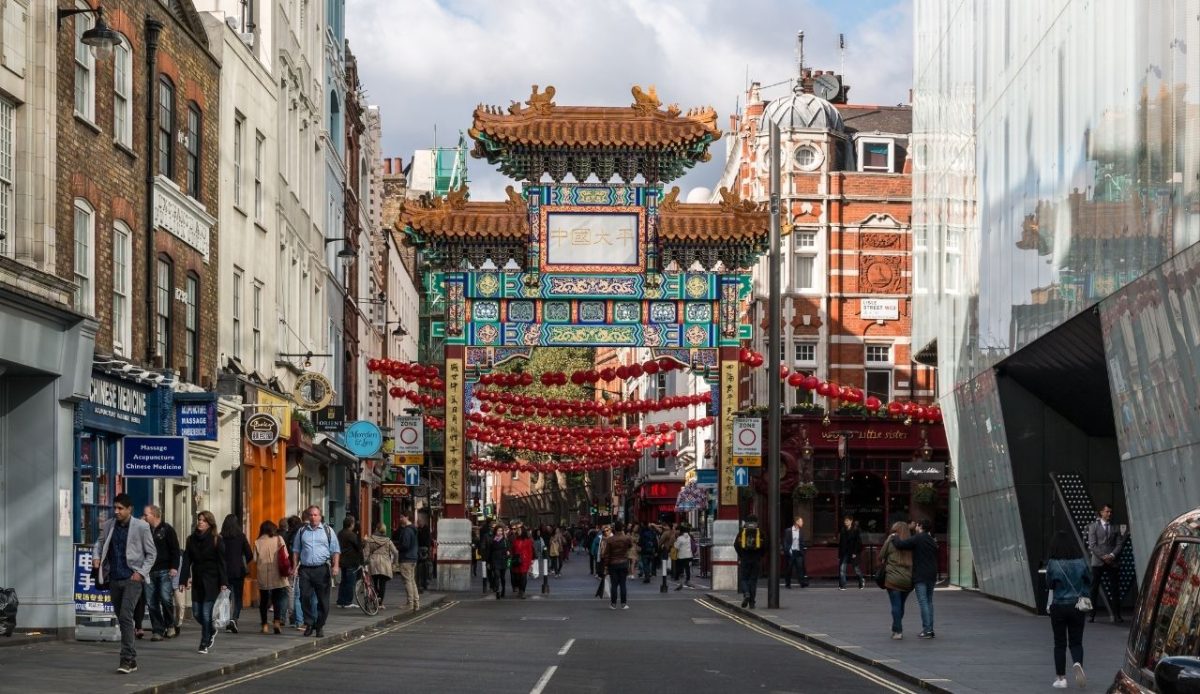
London Chinatown in Soho sits inside the West End, where rents track theater and nightlife footfall. Investment owners benchmark leases against premium nearby streets, and compact buildings limit back-of-house space.
Independent restaurants face rent reviews that can rise rapidly, while high labor costs cap flexibility. If rent climbs, operators must raise prices or increase table turns, but competition and licensing rules limit both.
Local planning can protect signage themes and certain use types, yet it does not control rent levels. As units shift to tenants with larger capital buffers, specialist grocers and bakeries become harder to sustain.
11. Singapore Chinatown Kreta Ayer
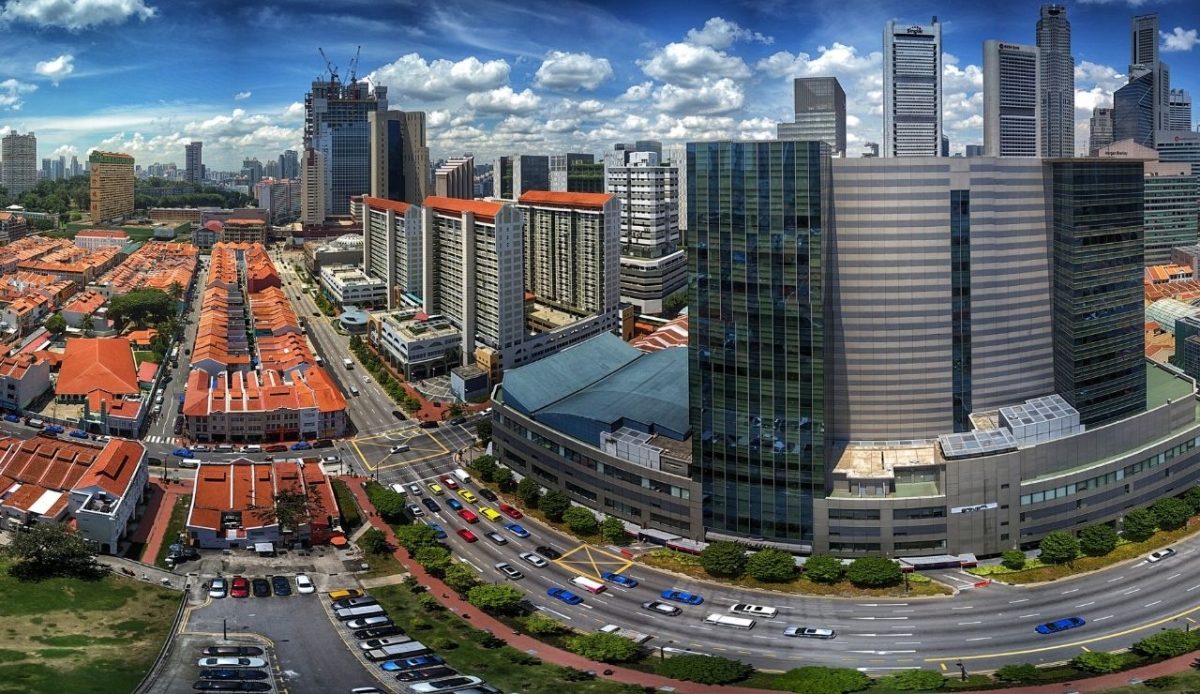
Singapore Chinatown around Kreta Ayer includes conserved shophouses where conservation rules limit alterations and keep the street form fixed. Central location near MRT stations supports high pedestrian volumes that push rents upward.
Heritage food and retail operators run on narrow margins and small floor areas, so they cannot spread higher rent across more sales. When lease terms change or rent rises, disputes and exits occur even if demand stays strong.
Public agencies manage conservation, and some tenancy programs, but many premises remain privately leased. Use rules preserve outward character while market rents reshape tenants, reducing long-running cultural businesses in core rows.
