
High-end destinations once celebrated for luxury and refined charm are increasingly plagued by overtourism and commercialization.
Tourists flock to iconic spots, creating overcrowding, long lines, and impersonal experiences. The pressures of high demand often replace warmth and courtesy with efficiency, commerce, and a transactional atmosphere that leaves travelers longing for the elegance of the past.
This guide highlights 11 destinations where the “paradise lost” effect is evident. Visitors may still enjoy breathtaking scenery, cultural richness, and luxury amenities, but the charm, intimate interactions, and courteous service that once defined these places have largely vanished.
1. Venice, Italy
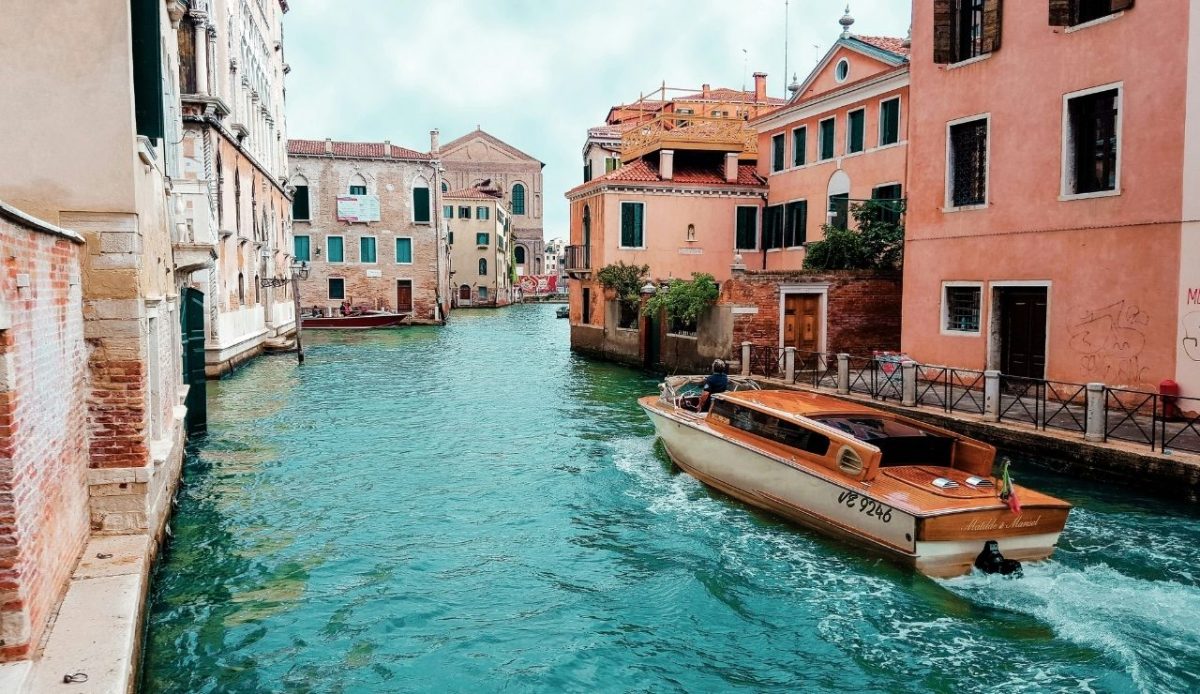
Venice has long been admired for its romantic canals, historic palaces, and intimate ambiance, but mass tourism has radically altered its character, making charm harder to find.
Overcrowding by millions annually creates long lines for gondolas, museums, and restaurants, while cruise ships and commercial vendors turn personal interactions into rushed, transactional encounters. Prices have surged, adding stress to the experience.
Travelers seeking the old-world charm may be disappointed. Venice remains visually stunning, but courtesy, leisure, and intimate experiences have largely been replaced by congestion, commercial pressure, and impersonal service that contrasts sharply with its historical allure.
2. Machu Picchu, Peru
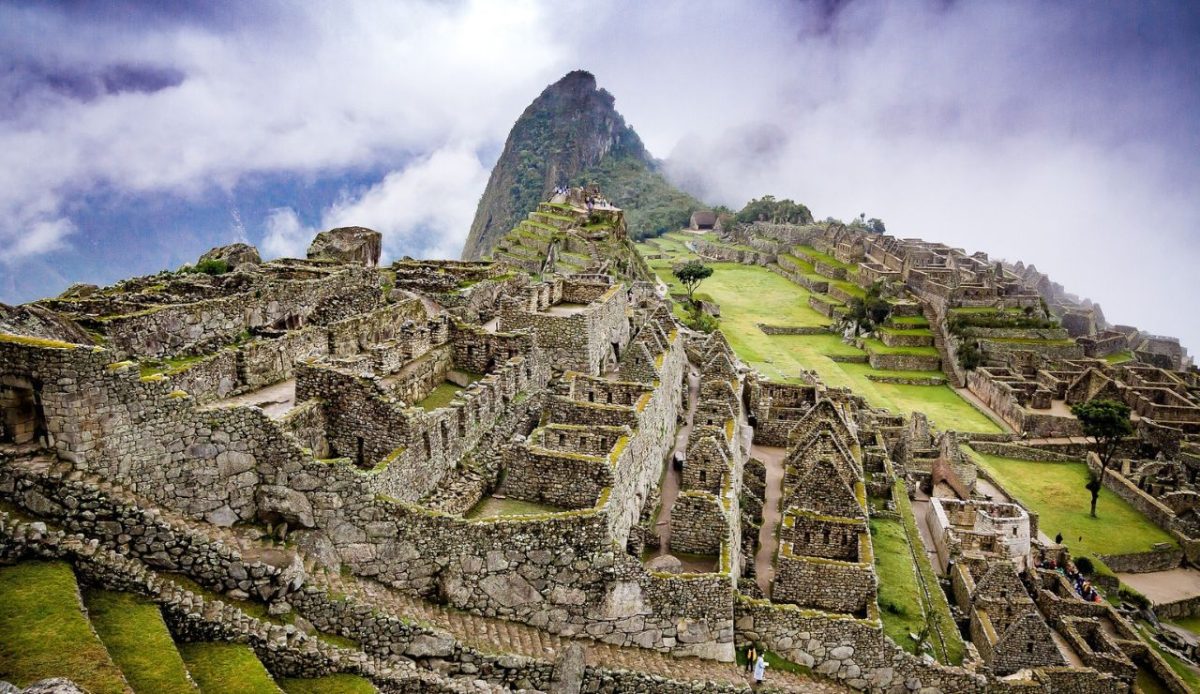
Machu Picchu is a bucket-list destination famous for Incan history, breathtaking vistas, and spiritual significance, yet overcrowding diminishes the experience.
Despite strict visitor caps, narrow pathways, busy entry points, and guided tours, these create hurried and impersonal visits. Lines, timing pressures, and logistical constraints prevent visitors from lingering in reflective spaces or connecting with local guides meaningfully.
The intimate and reverent experience the site once offered is now challenged by constant crowds. Machu Picchu remains iconic and awe-inspiring, but courteous service, quiet exploration, and personalized experiences have been eroded by overwhelming visitor demand.
3. Dubrovnik, Croatia
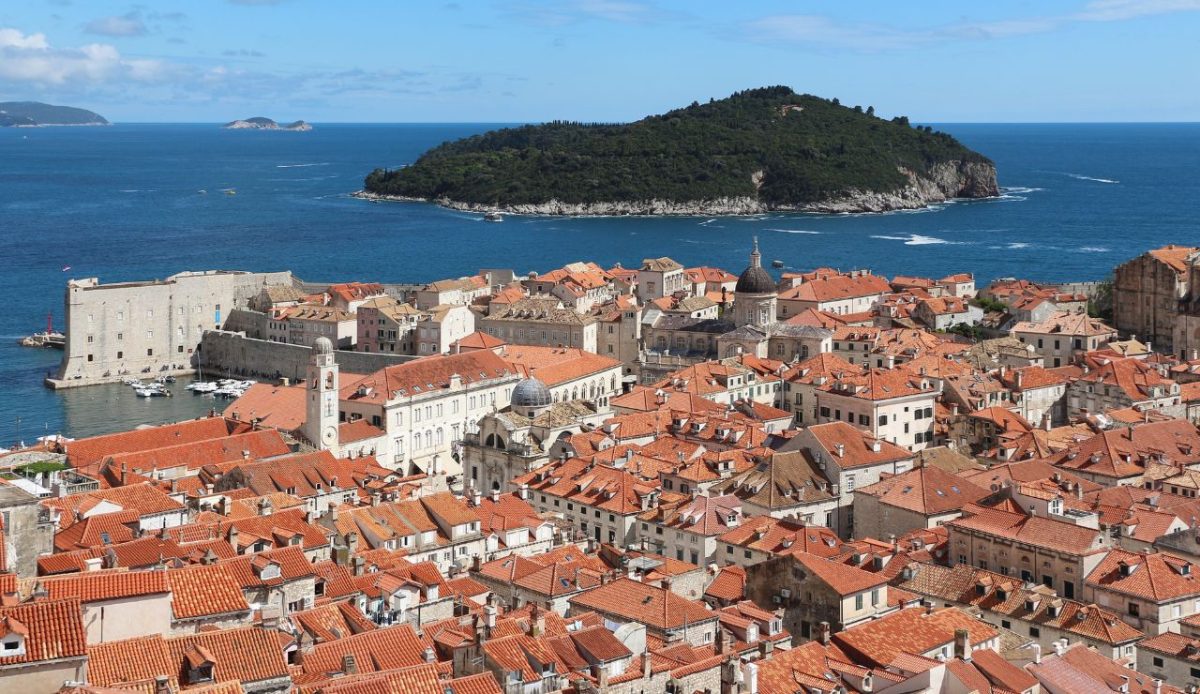
Dubrovnik’s medieval walls, red-tiled rooftops, and Adriatic views once attracted visitors seeking history, charm, and calm.
Cruise ship crowds fill narrow streets and historic squares, creating congestion and a commercialized atmosphere. Shops, restaurants, and attractions focus on quick turnover, making interactions feel transactional rather than personal or welcoming.
Travelers often find long waits, hurried tours, and diminished courtesy. Dubrovnik’s visual beauty and historic architecture endure, but the once leisurely, intimate charm has largely vanished under extreme tourism pressures, leaving many feeling rushed and overlooked.
4. Times Square, New York City, USA
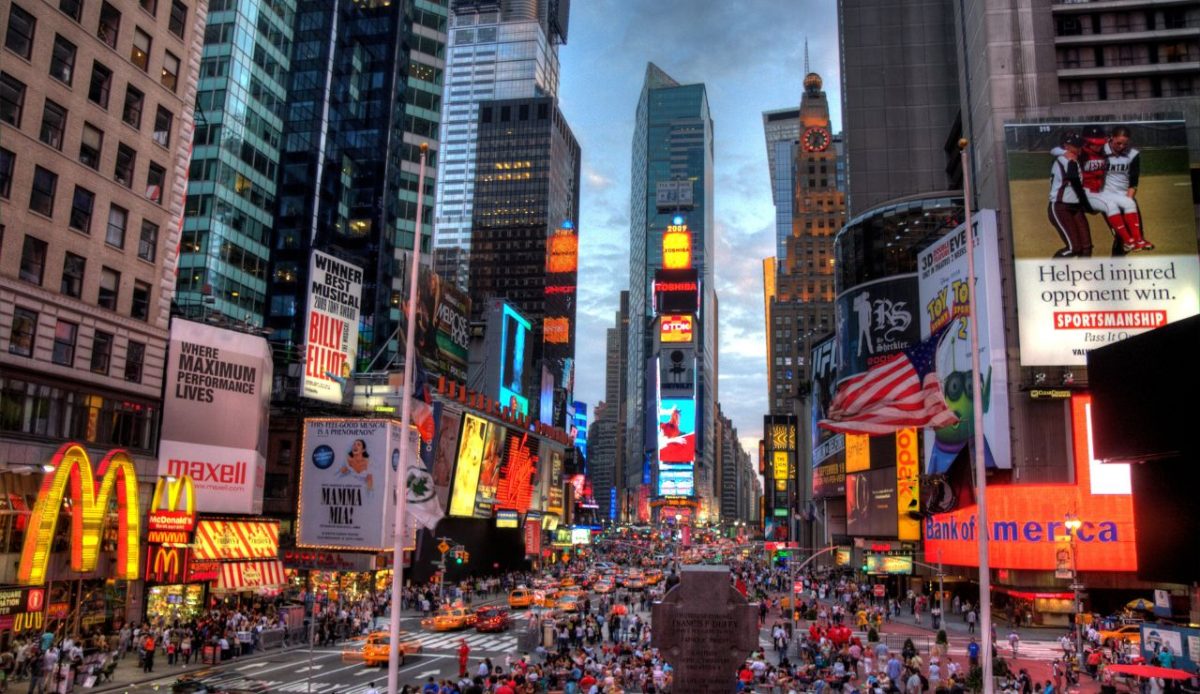
Times Square is one of the world’s most iconic urban landmarks, drawing millions annually.
The area’s high-density tourism leads to aggressive crowds, high-priced vendors, and chaotic streets. Interactions are often transactional, with little room for courtesy or leisure. The constant influx of tourists and commercial pressures means locals and visitors alike often navigate congestion with impatience, making polite interactions rare.
While visually dazzling, visitors seeking a welcoming, personal experience are likely disappointed. Times Square now prioritizes efficiency and spectacle over refined hospitality, leaving charm and courtesy largely absent.
5. Cozumel, Mexico
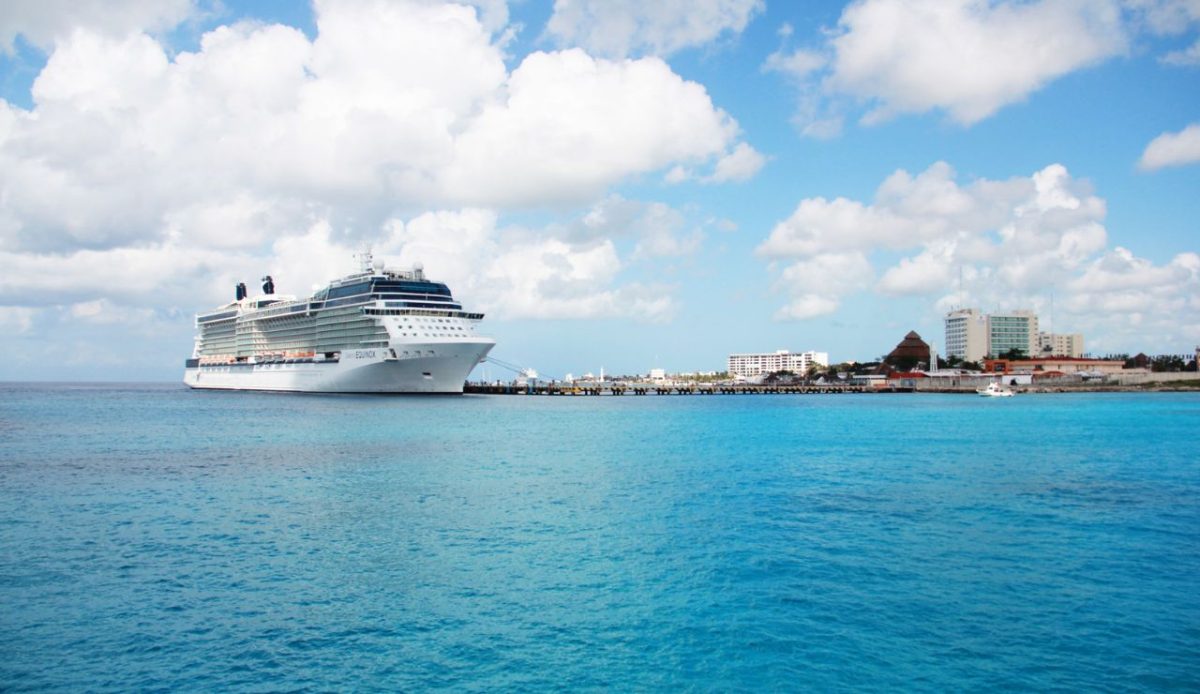
Cozumel once offered tranquil beaches, lush scenery, and a peaceful Caribbean escape.
Frequent cruise ship arrivals and mass tourism have created overcrowding, pollution, and a high-volume, profit-driven experience. Resorts and excursions often prioritize logistics and schedules over personal attention or genuine interaction with visitors.
Travelers may encounter long waits, impersonal service, and diminished charm. Cozumel’s natural beauty remains stunning, yet the courteous, serene, and intimate experience that once defined the island has been overshadowed by commercial pressures and high tourist volume.
6. Mount Everest, Nepal
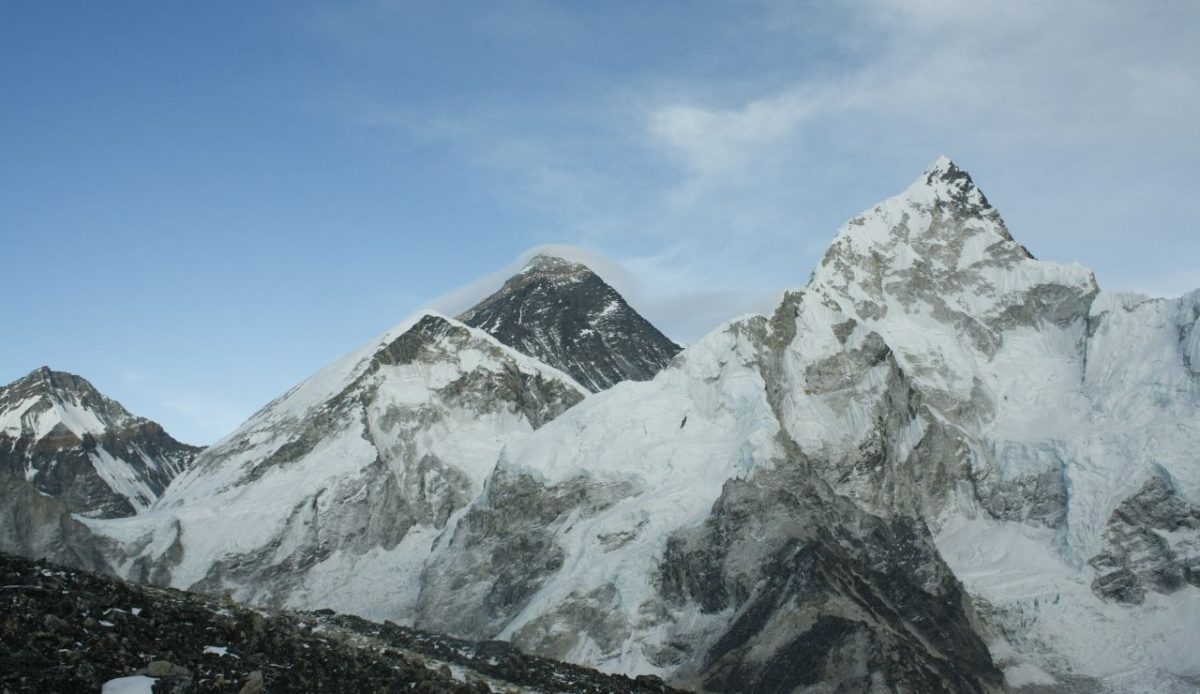
Mount Everest has long drawn adventurers seeking the ultimate climb, solitude, and breathtaking Himalayan vistas.
Overcrowding on climbing routes creates dangerous “traffic jams” at key points, with sherpas and guides stretched thin. Logistics, permits, and group management often replace personalized attention and courteous guidance.
The sense of solitude and respectful interaction is compromised. Everest remains iconic, attracting thrill-seekers and adventurers, but courtesy, calm reflection, and individualized guidance have been diminished by extreme demand and the pressures of high-altitude tourism.
7. Maya Bay, Thailand
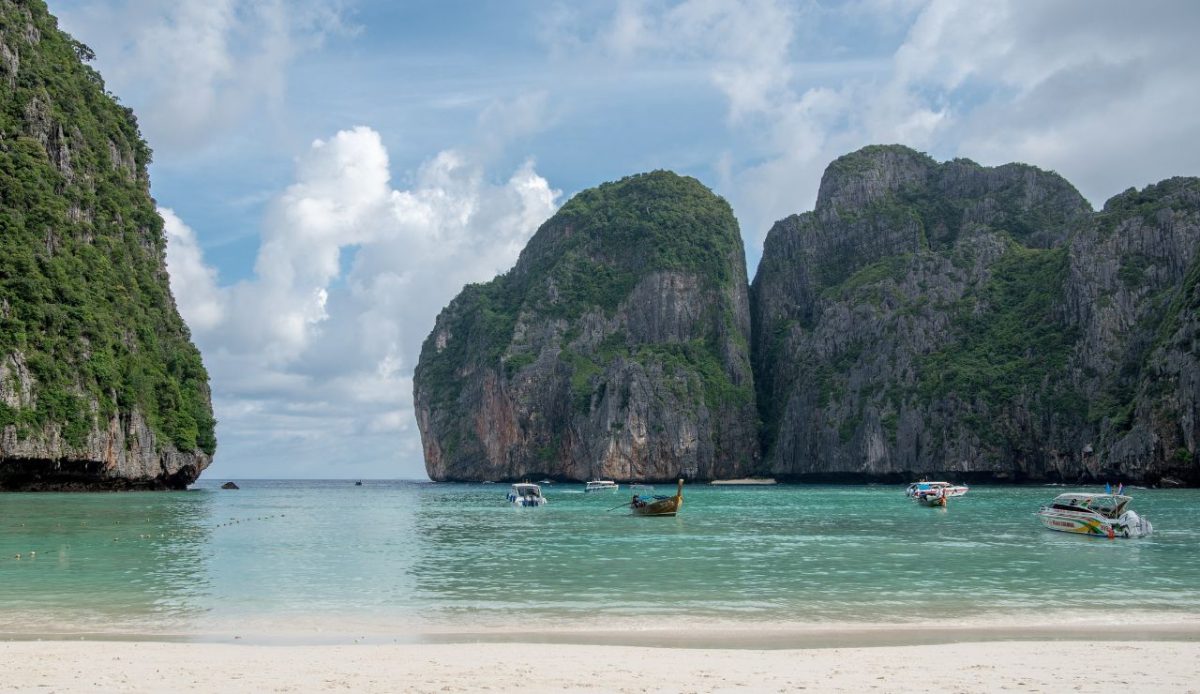
Maya Bay gained fame for its crystal-clear waters, limestone cliffs, and pristine beaches, but overtourism heavily impacted the area.
Prior to the temporary closure for environmental recovery, aggressive vendors, chaotic crowds, and overcrowded waters created a rushed, impersonal experience. The site lost much of its charm, serenity, and courteous interactions between locals and tourists.
Travelers seeking peace and attentive service were often disappointed. Maya Bay demonstrates how extreme popularity, combined with commercialization, can erode courtesy, environmental integrity, and intimate visitor experiences simultaneously.
8. Maldives
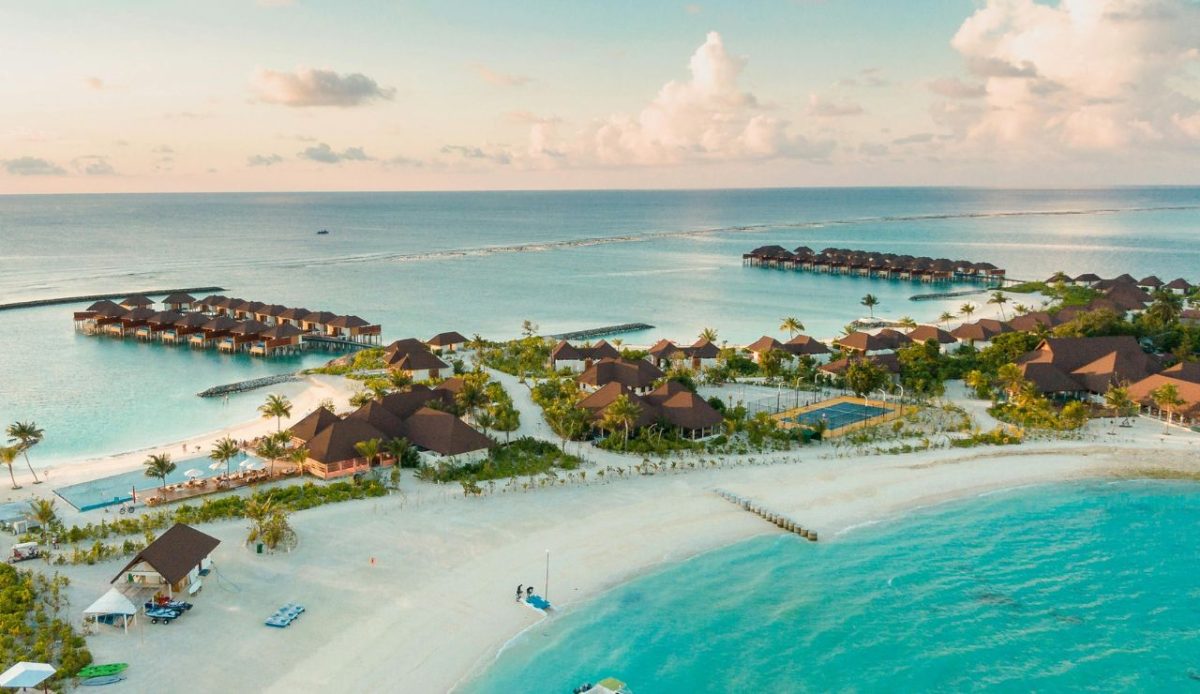
The Maldives are celebrated for turquoise waters, overwater bungalows, and exclusive resorts, attracting high-paying visitors worldwide.
Despite stunning natural beauty, highly curated experiences often prioritize schedules, efficiency, and luxury packages over genuine local interaction or personalized service. Staff are professional but stretched across multiple high-demand tasks.
Travelers may feel isolated and perceive the environment as transactional rather than welcoming. The Maldives remain breathtaking, but courtesy, warmth, and spontaneous cultural engagement are often sacrificed for structured luxury experiences.
9. Santorini, Greece
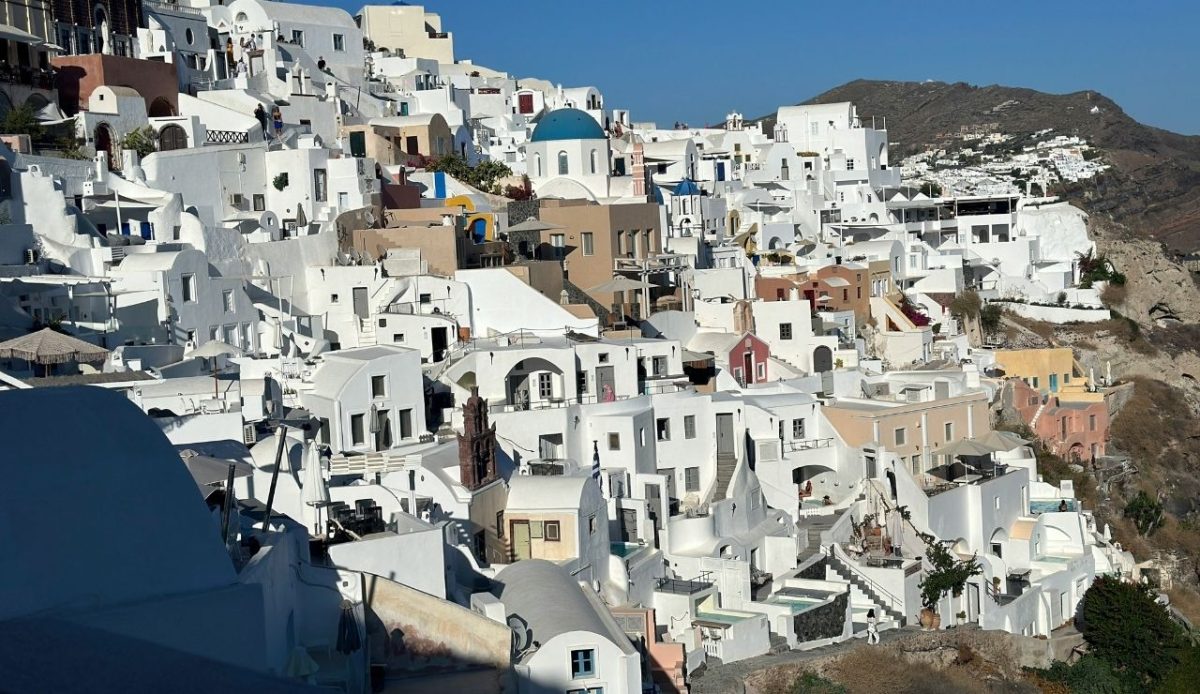
Santorini is celebrated for dramatic caldera views, whitewashed buildings, and sunset vistas.
High demand and tourism volumes create crowded streets, expensive dining experiences, and long waits for top attractions. Service often feels rushed and impersonal, with attention focused on high turnover. Additionally, souvenir shops and restaurants frequently pressure visitors into quick decisions, further diminishing the leisurely, courteous experience Santorini was once known for.
Travelers may be disappointed by the loss of charm. Santorini’s visual beauty persists, but courtesy and intimate engagement have diminished under extreme popularity, leaving many feeling rushed and commercialized.
10. Chamonix, France
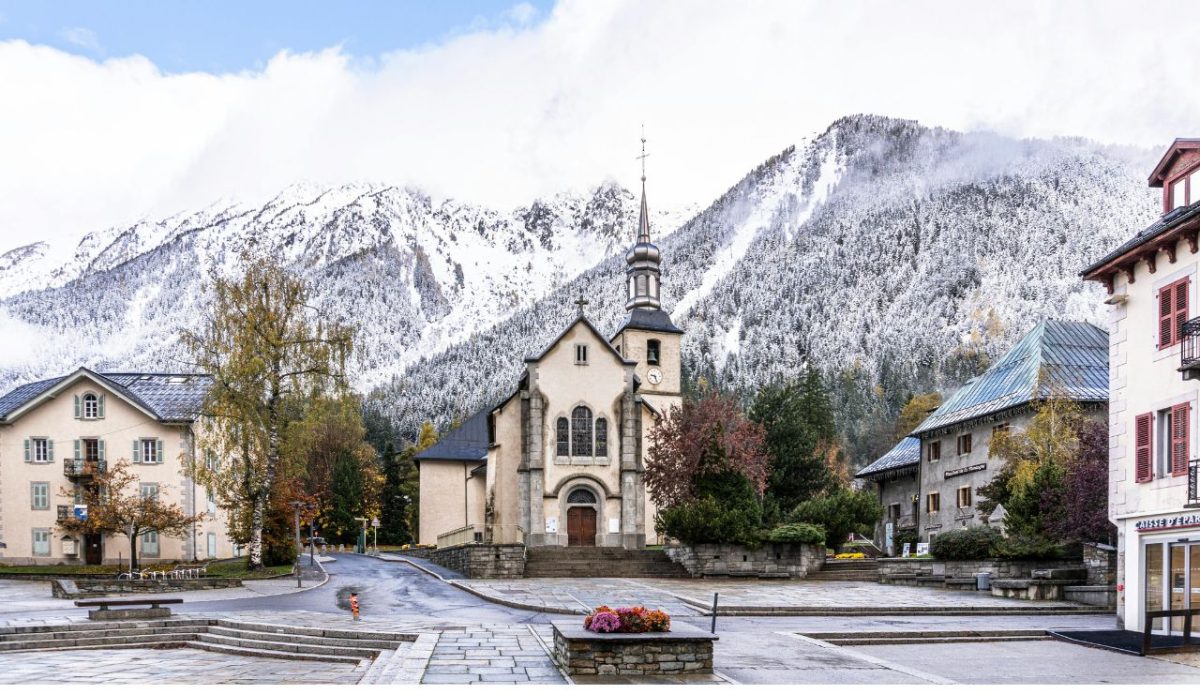
Chamonix attracts skiers and mountaineers to its Alpine slopes, blending outdoor adventure with luxury lodging.
Excessive crowds during peak season cause long waits, congested lifts, and hurried service at hotels and restaurants. Personal attention is often replaced by efficiency-focused operations. The ski culture’s competitive pace, combined with the influx of high-spending tourists, often leaves the experience feeling transactional rather than warm or welcoming.
Visitors may enjoy skiing and mountain views, but notice the decline in courteous, individualized service. Chamonix exemplifies how luxury destinations can feel rushed under high demand, leaving personal charm behind.
11. St. Moritz, Switzerland
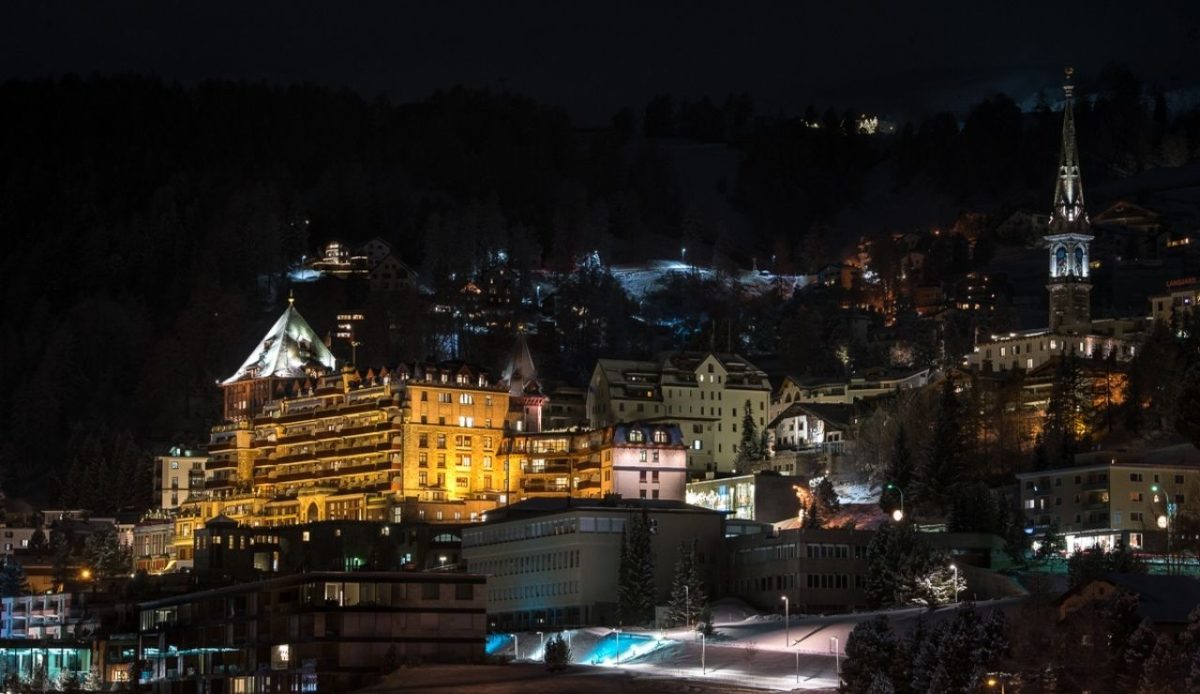
St. Moritz is iconic for winter sports, luxury resorts, and refined alpine culture.
During peak seasons, the high volume of wealthy visitors strains staff and facilities. Service can feel impersonal, rushed, and transactional despite the exclusivity and expense of the destination. Even leisurely experiences like spa visits or fine dining are often regimented and timed, leaving little room for thoughtful, courteous attention to individual guests.
Travelers often find that courteous attention is limited. St. Moritz retains its prestige and natural beauty, but charm and personal service have diminished under tourism pressure, making the luxury feel less intimate and welcoming.
