
Grand Canyon looks controlled from the rim: railings, viewpoints, and a shuttle system that makes it feel like a big park walk. The danger is that the canyon is still a desert wilderness with fast-changing conditions and long response times.
Most serious incidents come from ordinary choices, starting too late, underestimating distance, or trusting a phone map over signs. “Secrets” here means the less-obvious realities that surprise first-time visitors and quietly raise risk.
Use these 11 points as safety reminders before you leave the rim. They focus on preventable hazards that park rangers see repeatedly, and on simple decisions that keep a memorable trip from becoming an emergency.
1. Heat makes the canyon a different planet below the rim
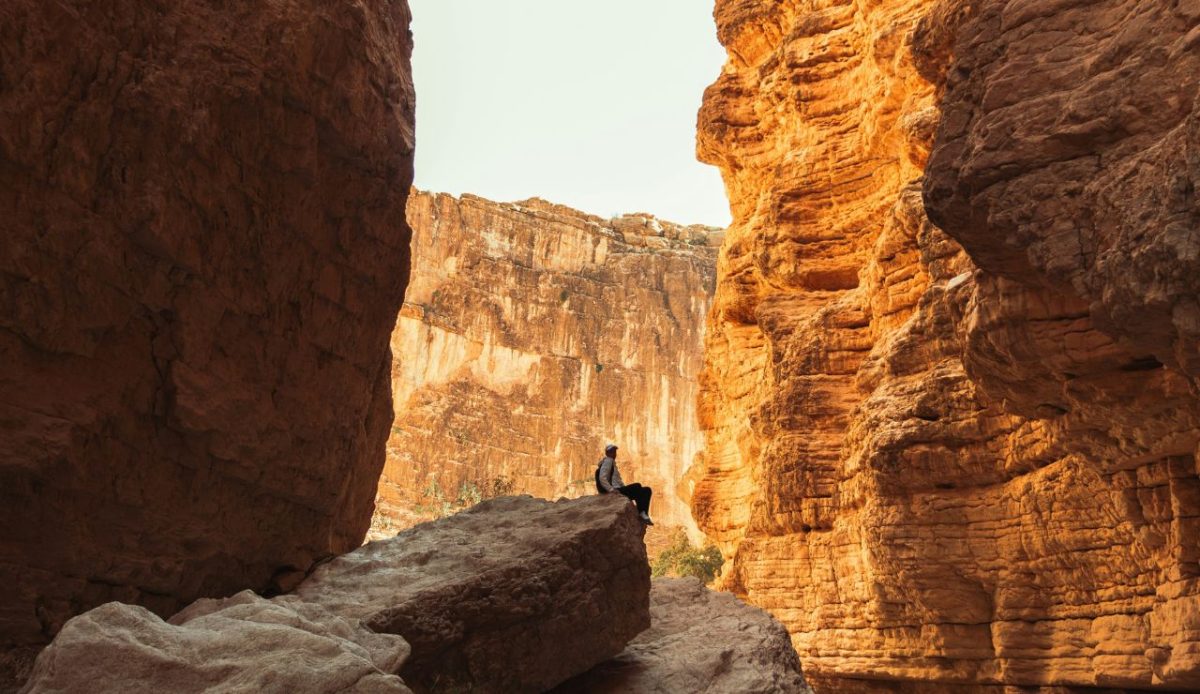
Rim temperatures can feel mild, but inner-canyon trails can be much hotter, with the sun reflecting off the rock. That gap tricks people into carrying too little water, skipping electrolytes, and moving too fast early on.
Once you’re overheated, your pace collapses, and shade is limited. Dehydration and heat illness can appear suddenly, especially on exposed switchbacks where there is no breeze, and the rock radiates warmth.
Start early, slow down, and drink before you feel thirsty. Rest in shade when you find it, and turn around at the first signs of heat illness, headache, nausea, dizziness, cramps, or confusion.
2. “Down is optional, up is mandatory” is not a joke
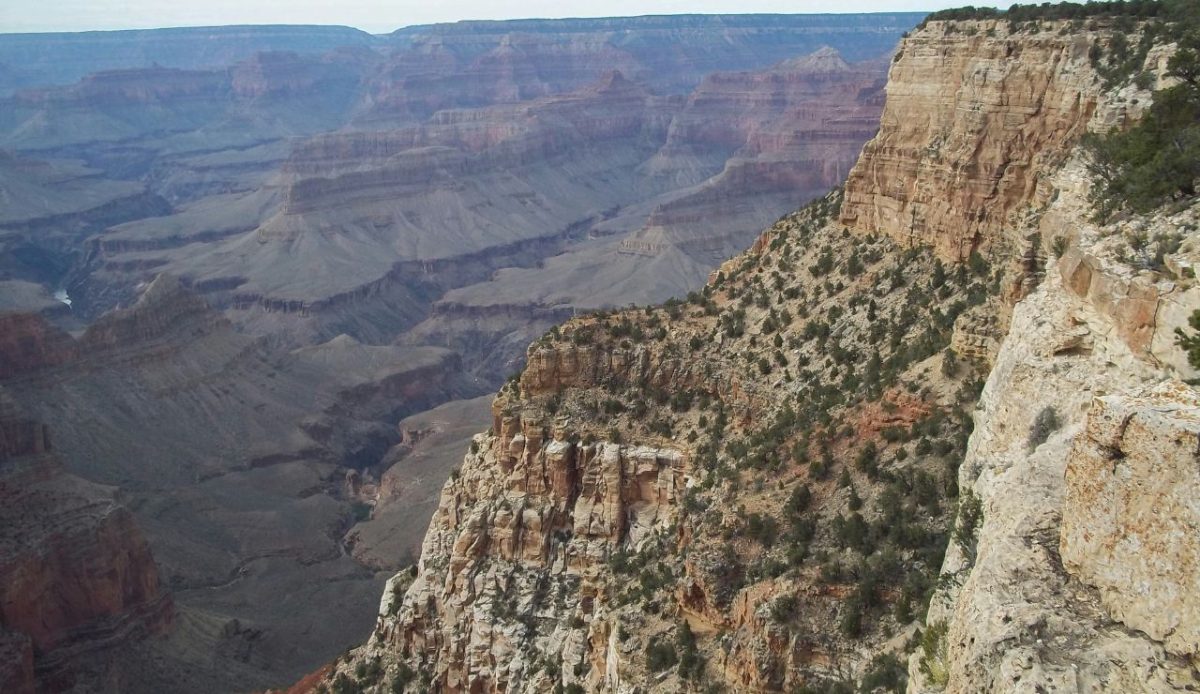
Many hikers judge a trail by the easy downhill start. The return climb is steeper, slower, and often in hotter hours, when your body is already tired and low on water, calories, and patience.
People also forget that elevation change works like distance. A short-looking route can feel like a long workout when you’re hauling your pack uphill on loose footing, with fewer shaded spots to cool down.
Set a turnaround time, not a destination goal. If you’re behind schedule on the way down, you’ll be worse off on the way back up, so reverse early and save energy for the climb out safely in the afternoon heat.
3. Cell service drops right when you need it
Coverage can be inconsistent on the rim and often disappears below it. Even when you have bars, data may be too slow to load maps or contact support reliably, and battery drains faster in heat or cold.
That creates a dangerous confidence gap: people follow an app, miss a junction, then assume they can “just call” if they get turned around. In the canyon, wrong turns can add miles before you notice.
Download offline maps, carry a paper map, and tell someone your plan. If you’re going below the rim, consider a satellite messenger, and keep your phone in airplane mode to conserve power for emergencies.
4. Short rim walks can still create deadly falls
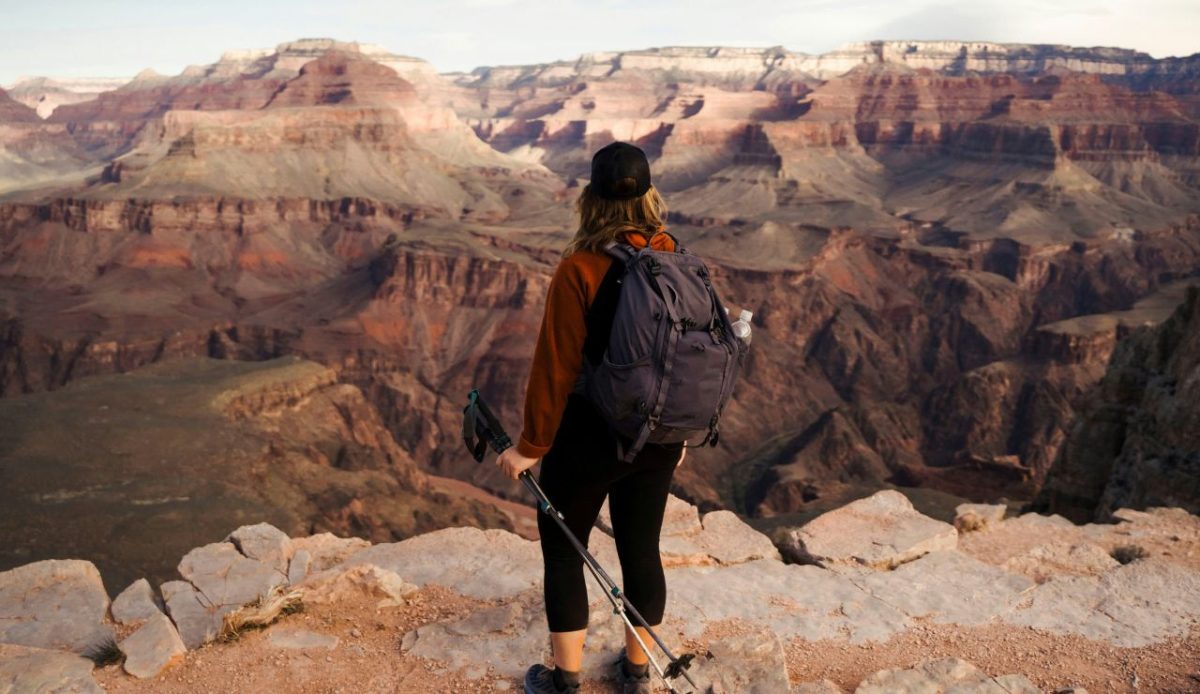
The canyon rim is uneven, crumbly in places, and slick when wet or icy. Many fatal falls happen close to viewpoints, not deep in the backcountry, because people relax around the edge.
Photos are a common trigger. Visitors step backward for a wider angle, climb onto rocks, or cross low barriers without realizing wind gusts and loose gravel reduce traction in an instant.
Stay behind railings and keep kids within arm’s reach. If you want a dramatic shot, use zoom, not proximity, and never turn your back to the edge, especially at sunrise, sunset, or in crowds. Keep your footing planted before you lift your phone.
5. Flash floods don’t require rain where you’re standing
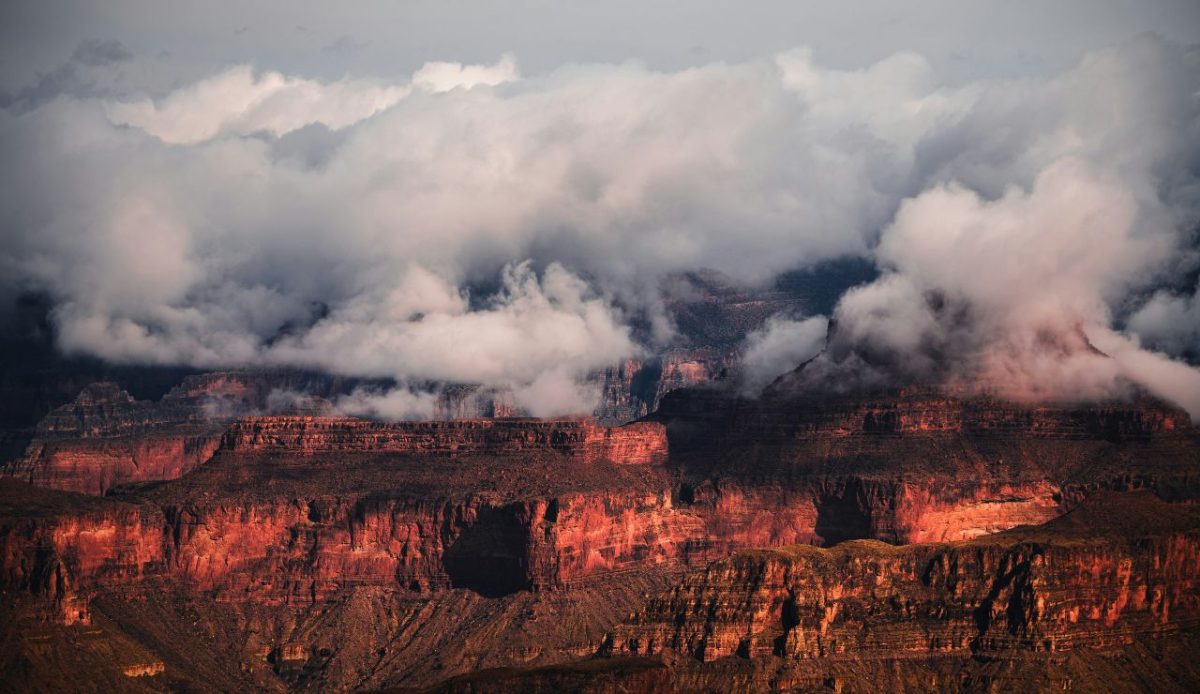
Side canyons and sandy washes can flood from storms miles away, even if your sky is blue. Water funnels through narrow slots, turning a dry streambed into a fast, debris-loaded surge that can sweep packs, topple adults, and erase footprints in seconds.
The danger is how sudden it feels. A distant downpour can send a wall of muddy water that blocks the route you used minutes earlier, fills low crossings, and leaves you trapped between steep walls with no quick exit.
Check forecasts for the whole watershed, not just the rim. Avoid washes during monsoon season, watch for dark clouds upstream, and if water rises, turns brown, or you hear a roar, climb to higher ground immediately and wait it out.
6. Cold, wind, and ice surprise people in the “desert” season
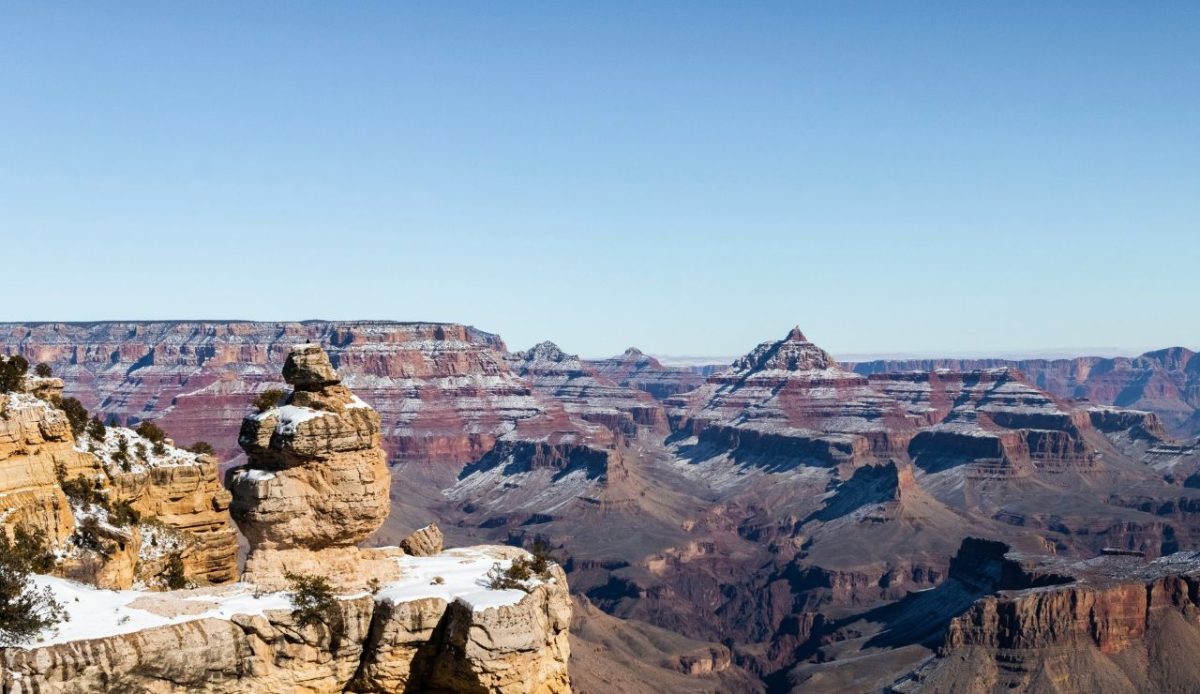
The Grand Canyon is a high-elevation desert, so cold hits harder than people expect. Winter and shoulder seasons bring strong wind chill on the rim, and shaded trails can hold ice for days, turning short walks into slip hazards near viewpoints.
Many visitors dress for the sunny parking lot, then stay out longer as clouds roll in or daylight fades. When you’re damp from sweat or a squall and not eating enough, hypothermia can start even above freezing.
Dress in layers, pack a hat and gloves, and carry a headlamp year-round. If ice is possible, bring traction, slow your pace, and choose shorter routes when the wind picks up or visibility drops fast.
7. The river is not a casual swimming spot
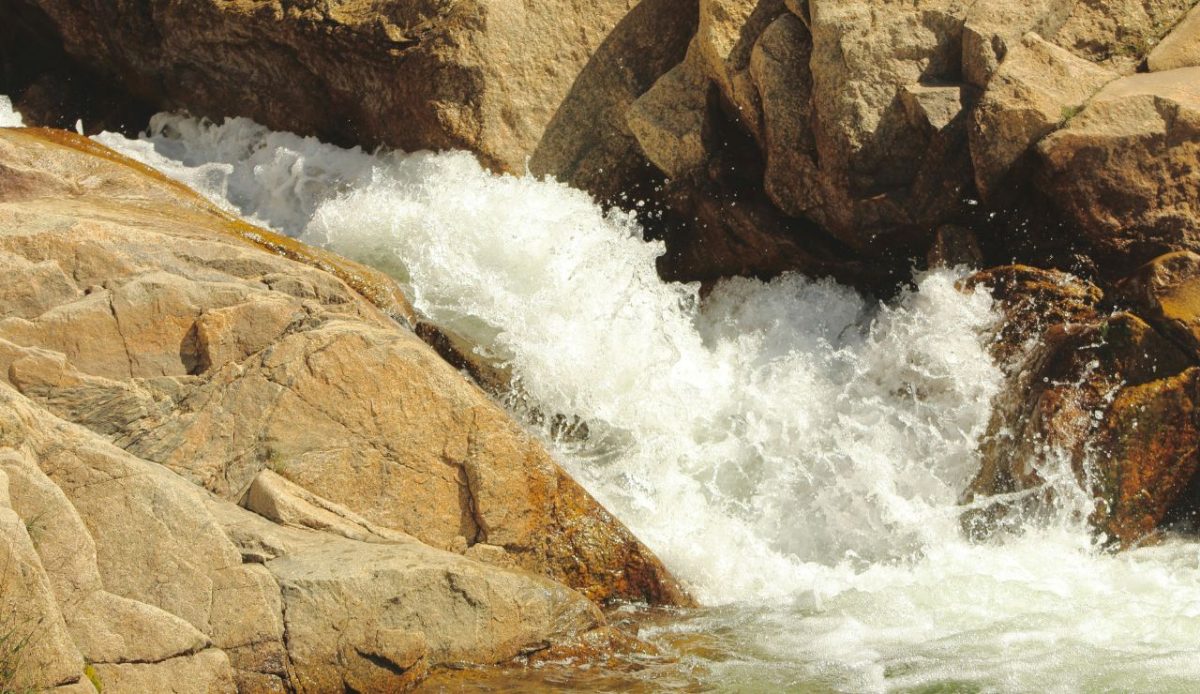
The Colorado River can be cold, fast, and deceptively powerful. Currents, submerged hazards, and sudden drops make “just wading” risky, especially near rapids and eddies where footing disappears.
Cold water can also trigger a gasp reflex and rapid fatigue. Even strong swimmers can panic when breathing changes and muscles cramp, and heavy boots or packs make self-rescue harder.
Treat the river like moving machinery. Stay on established beaches, wear a life jacket if you’re boating, and keep kids close. If you fall in, don’t fight the current; float, then angle calmly toward shore and signal for help.
8. Mule encounters and wildlife are not photo opportunities
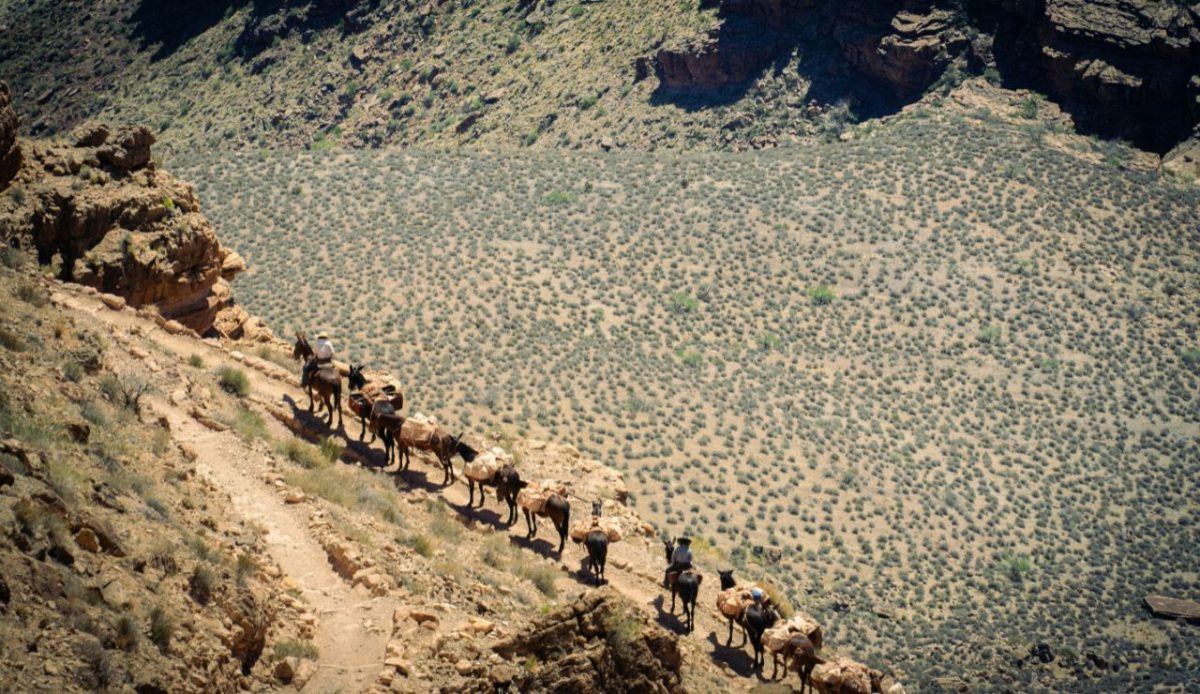
Mule trains have the right of way on narrow trails. Crowding them, stepping to the downhill side, or making sudden movements can spook animals that outweigh you and have limited room to pass safely.
Wildlife is also unpredictable. Squirrels and ravens may seem friendly, but bites happen, and food-conditioning creates aggressive behavior that puts both people and animals at risk near picnic areas and overlooks.
Step to the inside wall for mules and follow the guide instructions. Keep a distance from animals, never feed them, and secure snacks in closed bags. If an animal approaches, back away and give it space.
9. Alcohol and elevation combine poorly
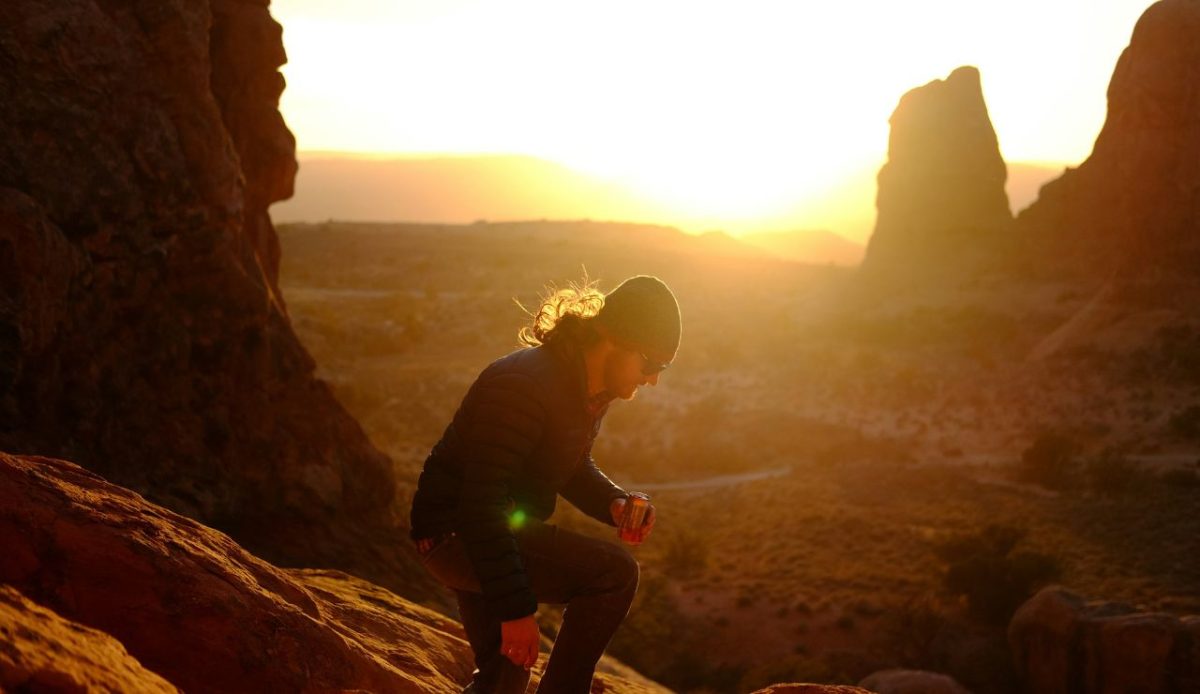
The South Rim sits at high elevation, and alcohol dehydrates you. Add sun, hiking, and limited water refill points, and impairment can arrive faster than people expect, even with “just a couple” drinks.
This shows up as poor judgment near edges, sloppy footing on stairs, and overconfidence about “one more viewpoint.” Many serious injuries start with a small misstep made while distracted or unsteady.
If you drink, do it after the hiking and away from the rim. Pair alcohol with water, eat real food, and treat sunset photos as a sober activity. If you feel lightheaded, stop, sit down, and reset before moving.
10. Stranded vehicle scenarios are common on remote routes
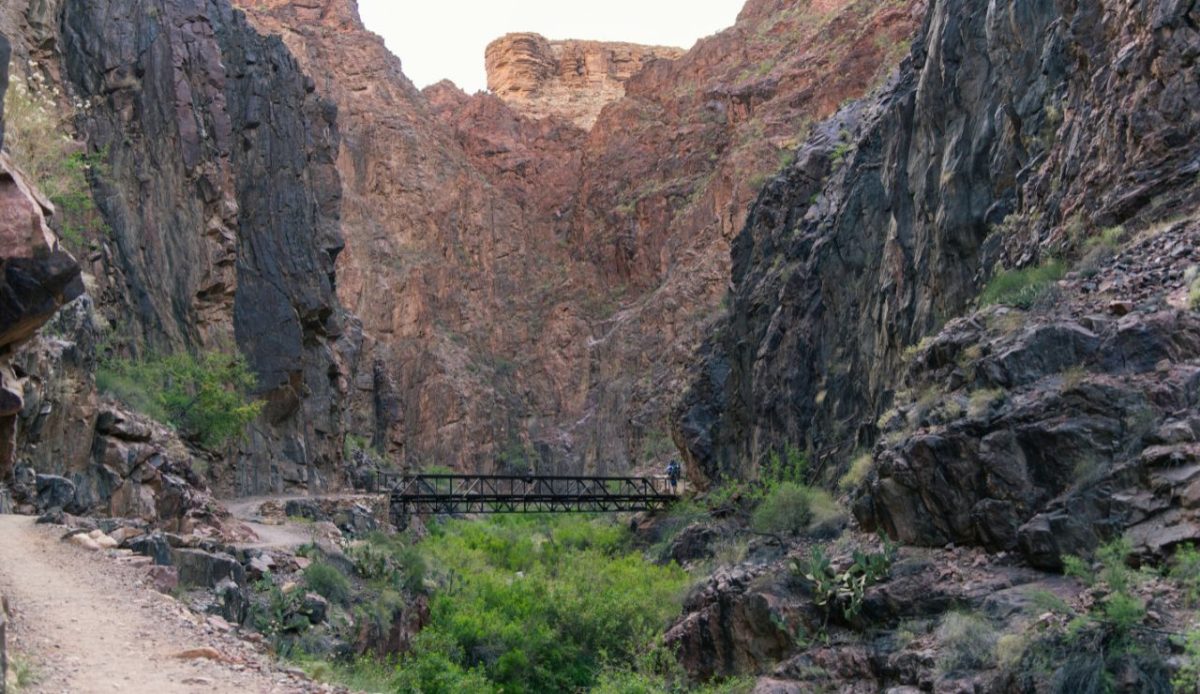
The canyon region includes long stretches of road with limited services. A breakdown, empty fuel tank, or dead phone can turn into hours of exposure, especially in heat or winter storms when traffic is light.
Rental cars and visitors unfamiliar with distances are most at risk. GPS can also route people onto rough roads where a flat tire becomes a bigger problem than expected, and help may not arrive quickly.
Top off fuel, carry water, and keep a basic emergency kit. Tell someone your route if you’re going to quieter rims or viewpoints, and don’t rely on the last gas station you passed as your only option.
11. Rescue can be slow, expensive, and physically limited
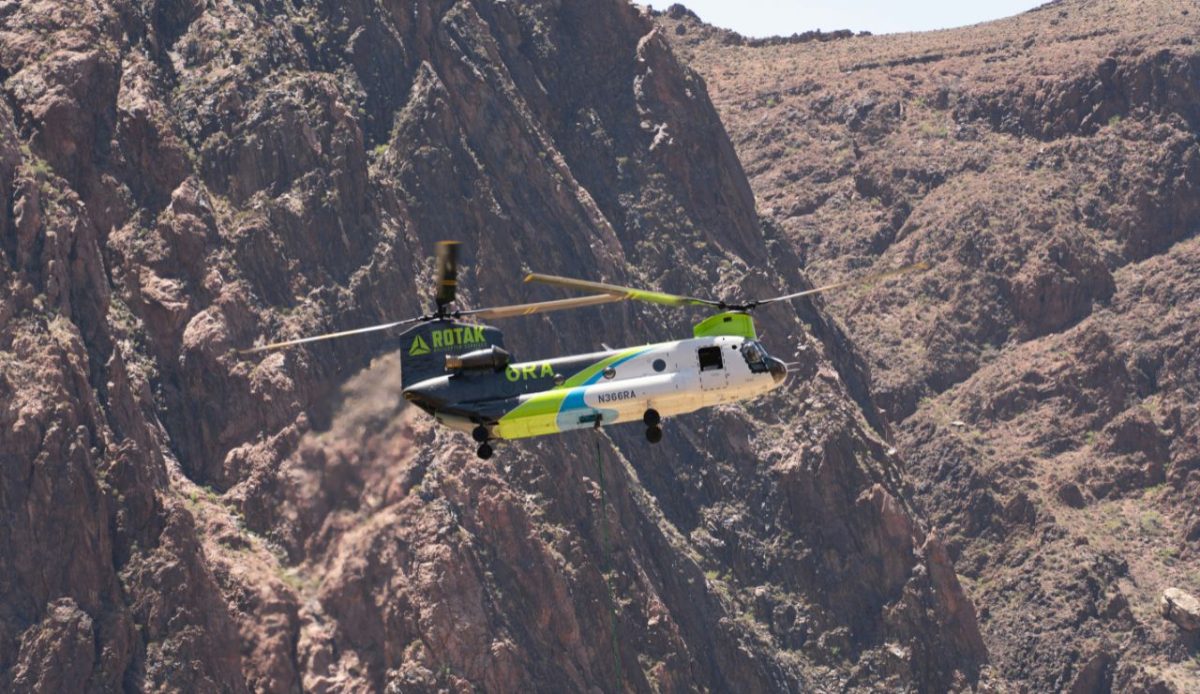
Grand Canyon rescues are complex: steep terrain, weather windows for helicopters, and long carry-outs for ground teams. Even with quick reporting, getting help to you may take hours, and the canyon can block radio signals.
People assume a park setting means instant response, then push past their limits. The real risk is that minor trouble becomes major before assistance arrives, especially with heat, injuries, or getting lost in the dark.
Plan to be self-sufficient for delays. Turn around early, keep a buffer of water and calories, and treat “I’ll be fine” as a warning sign. When in doubt, stop, rest, and reassess your route.
