
Japan captures travelers with contrasts that feel both surprising and unforgettable. At one moment, you are surrounded by glowing billboards and rushing trains, and the next, you are walking through a quiet shrine shaded by ancient trees. First-time visitors often expect big landmarks, but they end up being most fascinated by the everyday details. Customs like bowing, eating food tied to the seasons, or lining up neatly at stations reveal how traditions shape daily life. For American teens and families, noticing these differences makes the trip more than sightseeing, turning it into a chance to experience another way of living.
1. Bowing Has History Behind It
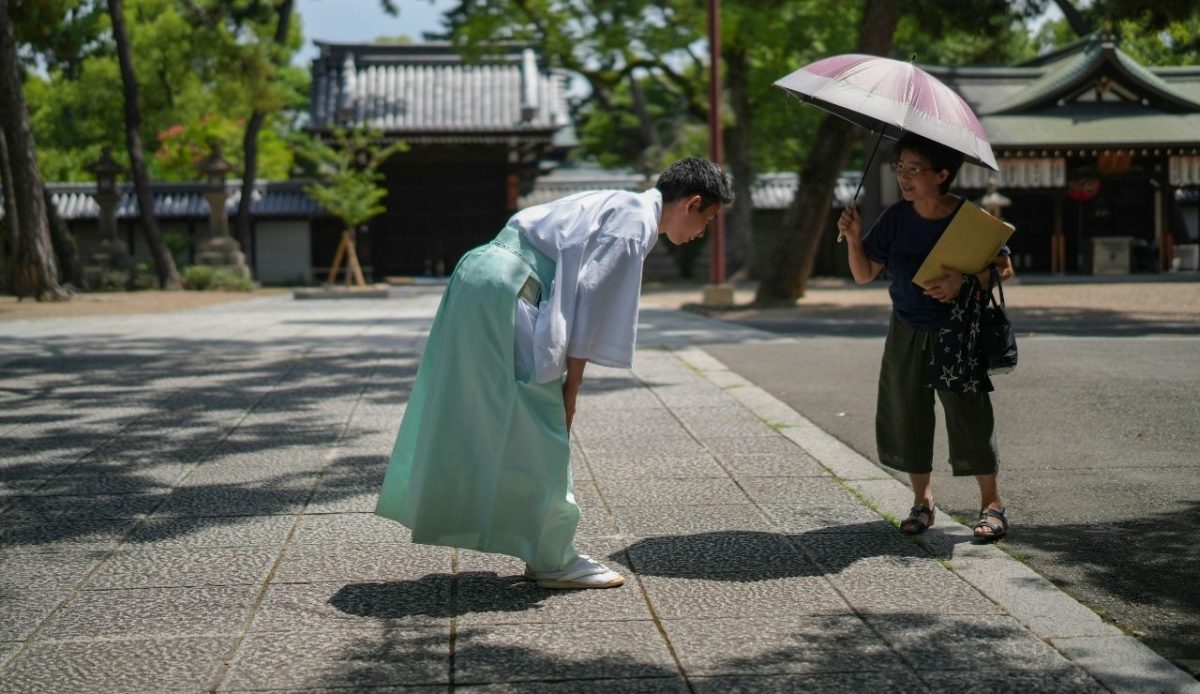
Bowing in Japan carries a meaning that goes beyond politeness. A slight bow works as a friendly hello, while a deeper one shows respect or gratitude. The practice has roots that stretch back hundreds of years, so it remains a natural part of daily life. Visitors don’t need to master every detail, but a simple effort is always noticed. For teens accustomed to handshakes or casual greetings, the quiet formality of bowing initially feels different, but it quickly becomes a gesture that fits into the rhythm of travel.
2. Cash Shows Tradition in Daily Life
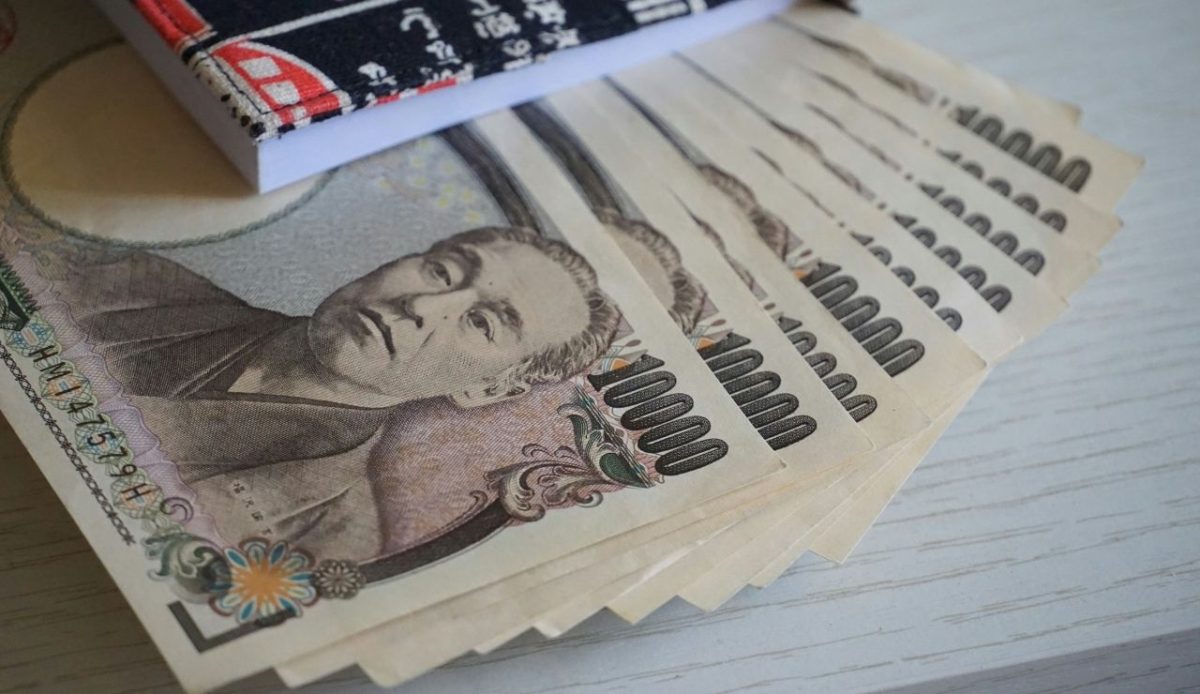
Japan is known for its modern trains and gadgets, but cash remains important. Many small shops, food stalls, and temples still prefer coins and bills. ATMs inside convenience stores make getting yen easy, so carrying some in a wallet is part of the routine. For travelers who usually pay with cards or phones, this custom may feel old-fashioned. Over time, it becomes another detail that makes the trip memorable, showing how traditions remain strong even in a country famous for speed and technology.
3. Convenience Stores Are a Culture of Their Own
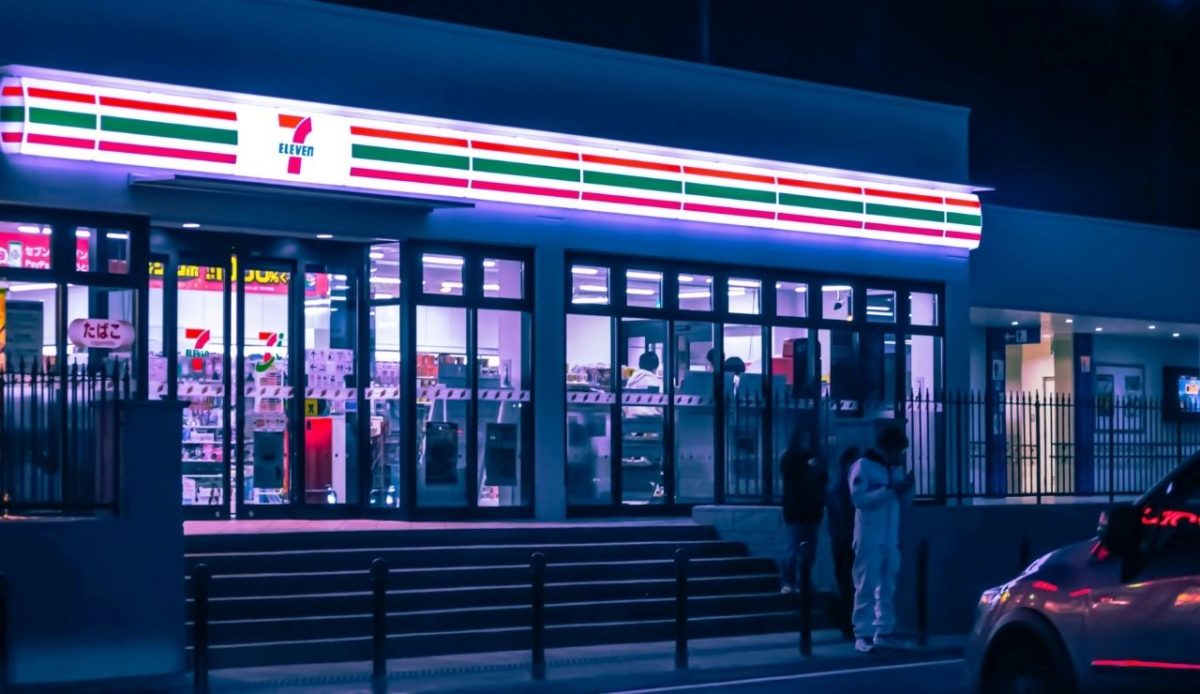
Convenience stores, called konbini, are everywhere in Japan, unlike those in the United States. They sell fresh meals like sushi, noodles, and salads along with snacks, desserts, and drinks. Prices are low, quality is high, and stores stay open all day and night. Travelers often end up visiting daily, whether for breakfast on the go or a late snack. Teens especially enjoy trying new foods without spending much. These shops feel safe, clean, and welcoming, making them part of the travel experience rather than just a quick stop.
4. Trains That Redefine Time
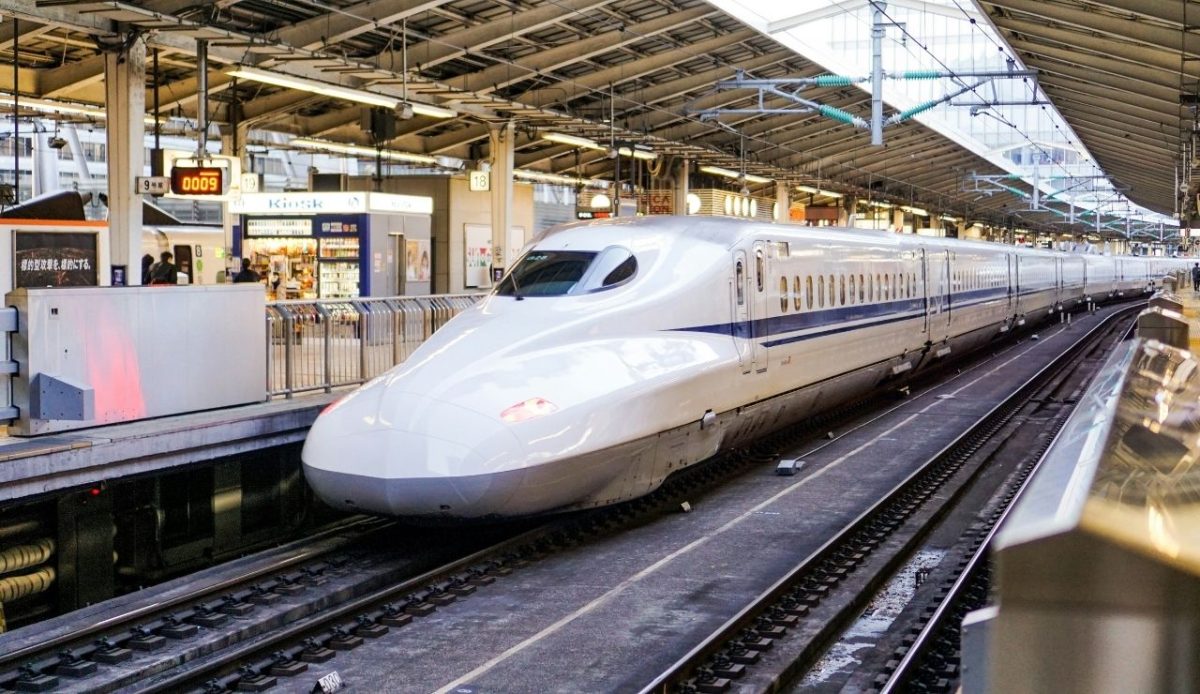
Japan’s trains are known for running exactly on schedule, and that reputation is well earned. If a train is listed to arrive at 3:04, it will be there at 3:04. Travelers quickly learn that being even a minute late can mean missing a ride. Stations are large but well organized, with signs in English to guide visitors. Inside the trains, people speak quietly, and phones stay on silent. Teens often find the order surprising compared to noisy commutes back home. Riding the trains soon feels less like simple transport and more like a glimpse into how respect shapes public life.
5. Shoes Off Means Respect for Space
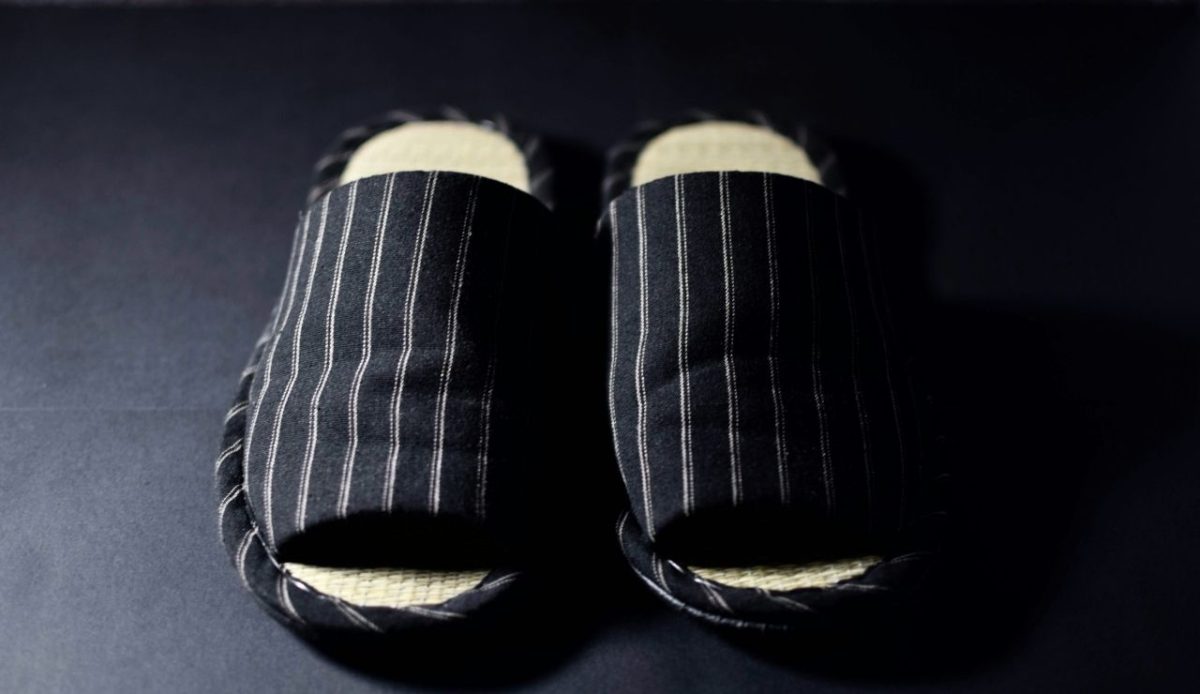
Taking off shoes before entering certain places is one of the first customs travelers notice. Homes, temples, and even some traditional restaurants require it. Slippers are often provided, and there may be separate ones just for bathrooms. The habit reflects the importance of keeping indoor areas clean and showing respect for shared spaces. Teens who are used to walking inside with sneakers may find it strange at first, but soon it becomes second nature. The simple act of leaving shoes at the door offers a quiet way to connect with Japanese traditions.
6. Silence as Courtesy

Public spaces in Japan often feel calm, even in busy cities. On trains and buses, conversations stay low, and many people read or use phones quietly. The idea is not about rules but about consideration for others sharing the space. For American travelers, the contrast with crowded and noisy commutes back home can be striking. Teens may notice how relaxing it feels to ride without chatter around them. The quiet atmosphere helps create a sense of order and makes daily travel feel less stressful, even in the heart of the city.
7. Vending Machines Reflect Creativity
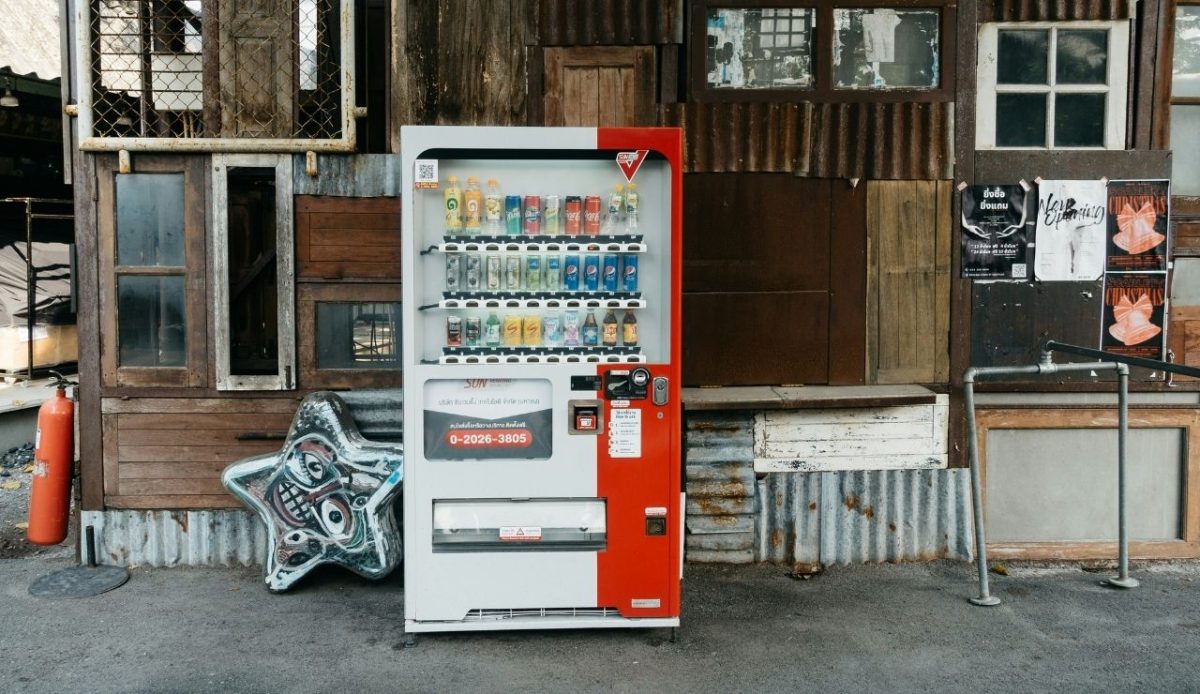
Vending machines in Japan go far beyond sodas and candy. You can find hot coffee, cold tea, full meals, or even small toys. They appear on city streets, in train stations, and even in quiet towns. For teens visiting for the first time, the variety feels almost endless and makes each stop a little adventure. What stands out is how reliable and clean they are compared to machines back home. The presence of so many machines shows how convenience is valued, but it also reflects the creativity and trust built into everyday life.
8. Carrying Trash Builds Discipline

One surprise for many travelers is the lack of public trash cans. People are expected to carry their garbage until they reach home or find a proper place to dispose of it. At first, this feels inconvenient, but it reveals something about Japanese culture. The practice encourages responsibility and keeps streets cleaner than most visitors expect. Teens may notice how quickly they adjust, tucking wrappers into a pocket until later. It becomes part of the routine and shows how small habits can make public spaces more pleasant for everyone.
9. Hot Springs With Ancient Rituals
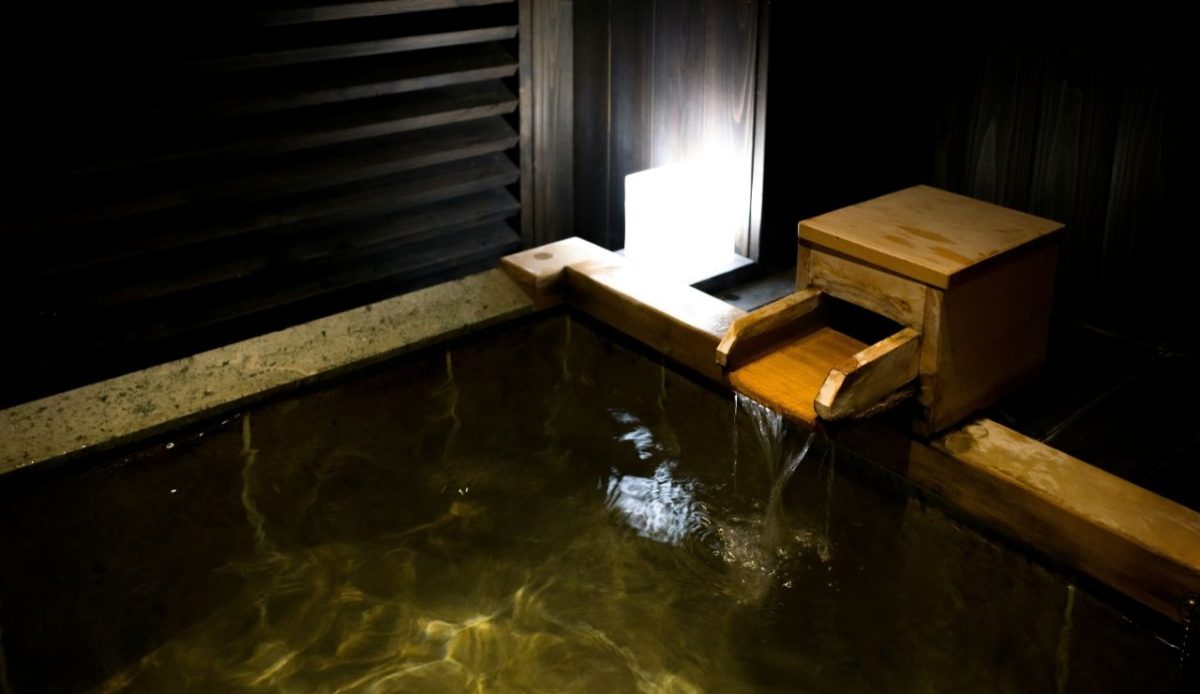
Hot springs, called onsen, are both a natural wonder and a cultural tradition. Before entering the baths, visitors must wash carefully, since the water is shared. Swimsuits are not allowed, which can feel unusual for American teens, but the experience soon feels normal once inside. The baths are often surrounded by scenic views, adding to the sense of calm. Onsen culture goes back centuries, with roots in healing and community. Sitting in the warm water connects travelers not only to nature but also to a way of life that has shaped Japan for generations.
10. Food That Follows the Seasons
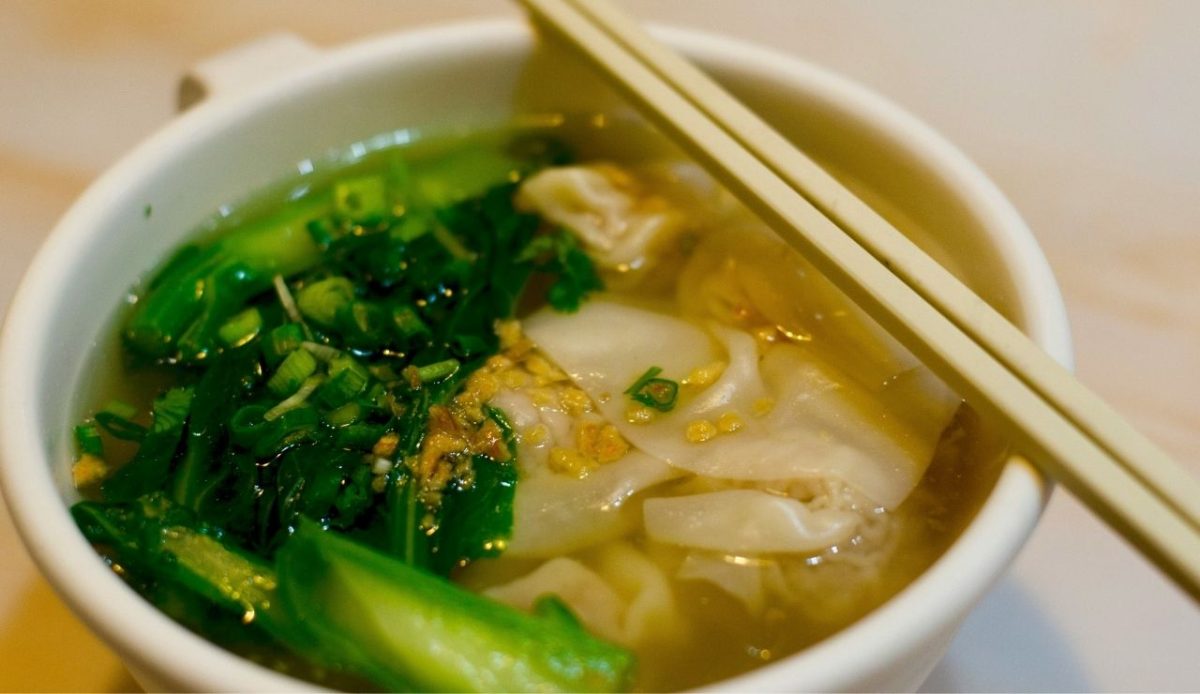
In Japan, the menu changes as often as the weather. Spring brings cherry blossom sweets, summer offers cool noodles, autumn fills stalls with roasted chestnuts, and winter warms people with hot stews. This rhythm reflects how deeply food connects to nature and tradition. Travelers soon realize that eating in Japan is never the same from one visit to the next. Teens may enjoy the surprise of finding flavors tied to festivals or harvests. It turns each meal into more than food, becoming part of the cultural story unfolding around them.
11. Festivals That Feel Timeless
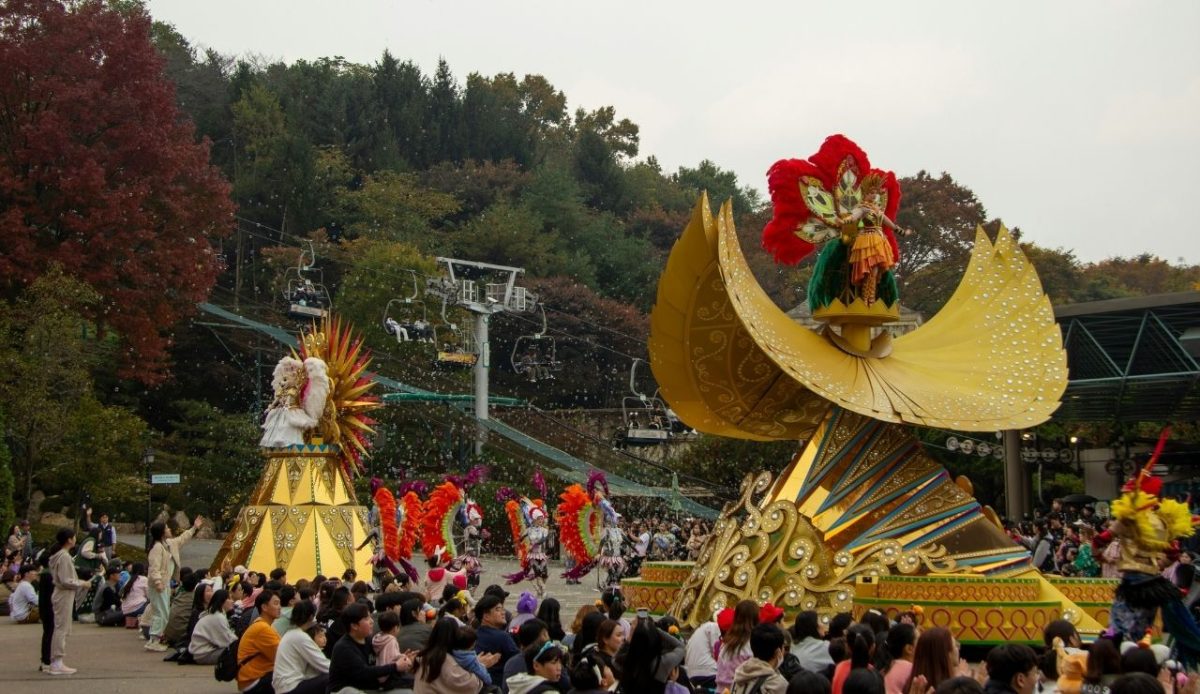
Japan’s festivals, called matsuri, bring communities together in colorful and energetic ways. Streets fill with lanterns, dancers, parades, and food stalls serving traditional snacks. Fireworks light up summer nights, while autumn processions carry floats that look centuries old. For teens, these events feel alive and exciting, yet they also carry deep ties to history and local customs. Watching or joining in gives travelers a sense of belonging, even if only for a day. Each festival shows how traditions remain part of everyday life in a modern country.
