
South Korea rewards travelers who pay attention to routine habits, not only famous sights. Small gestures shape greetings, meals, commuting, and downtime, and visitors can take part with a little care. The traditions below are observed in everyday settings, from homes and markets to subways and bathhouses. Each one helps you connect with locals while avoiding common etiquette missteps. Guidance from official tourism outlets and cultural records supports these examples, so the list stays grounded in how people actually live.
1. Taking Off Shoes Indoors
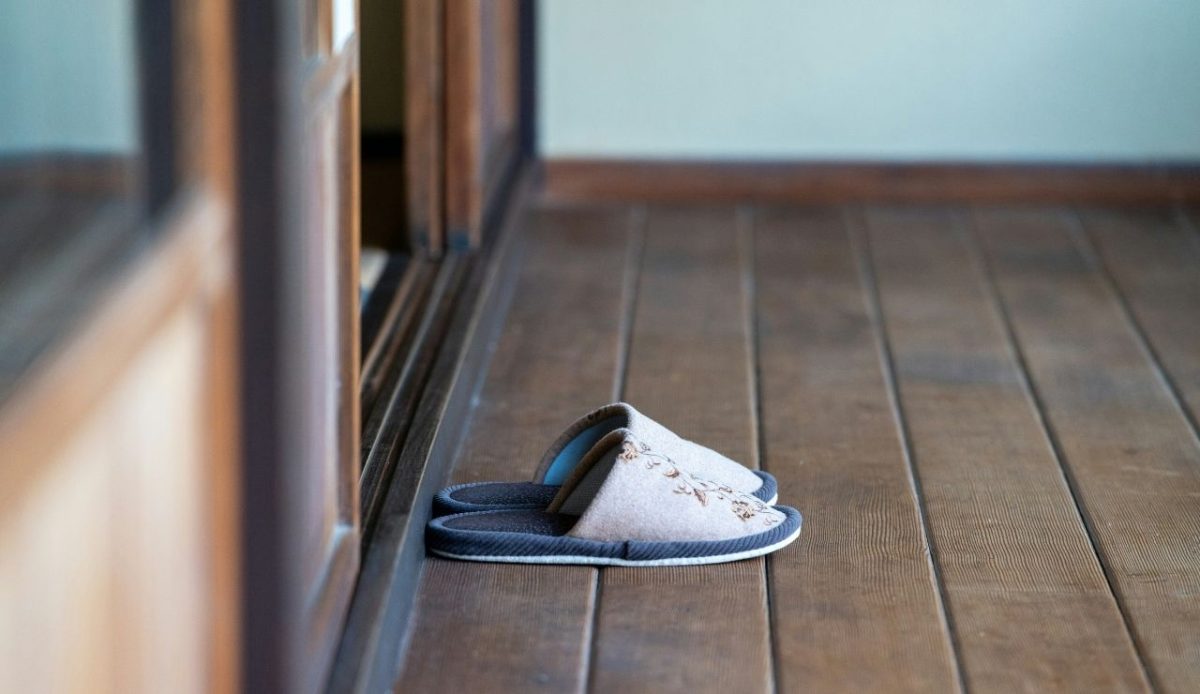
At the doorway of a home, and sometimes in floor seating restaurants, shoes are removed and left near the entry. Indoor space is treated as a clean living area, so socks or house slippers take over once the threshold is crossed. For travelers, this habit shapes guesthouses and hanok stays, where you may step onto heated flooring right away. Keep laces simple on travel days, avoid damp soles, and watch for a small raised step that signals the change. When gifts are brought in, bags are set down after shoes come off, so the floor stays free of street grime. If you are unsure, ask with a short gesture rather than stepping in.
2. Ondol Heated Floor Living
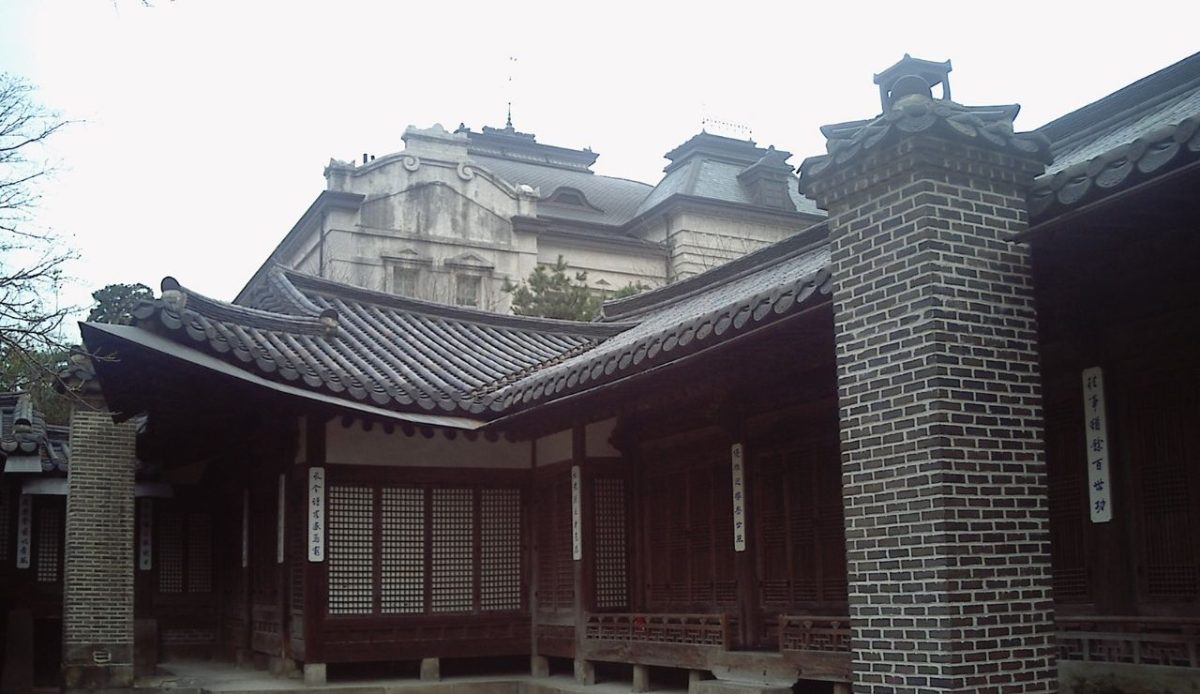
Korean housing has long been organized around ondol, a system that warms rooms from beneath the floor. Because warmth moves upward evenly, daily life was pulled downward, with meals, homework, and sleep often done on mats at a low height. Many traditional lodgings still offer floor bedding, and even modern apartments may feel comfortable without thick carpet. In a hanok, warmth may be fed from a kitchen firebox, while newer versions are run by boilers. Pack flexible clothing so floor sitting feels easy. This tradition explains why you will see low tables, cushions, and heated rooms offered as a style choice.
3. Bowing In Everyday Greetings
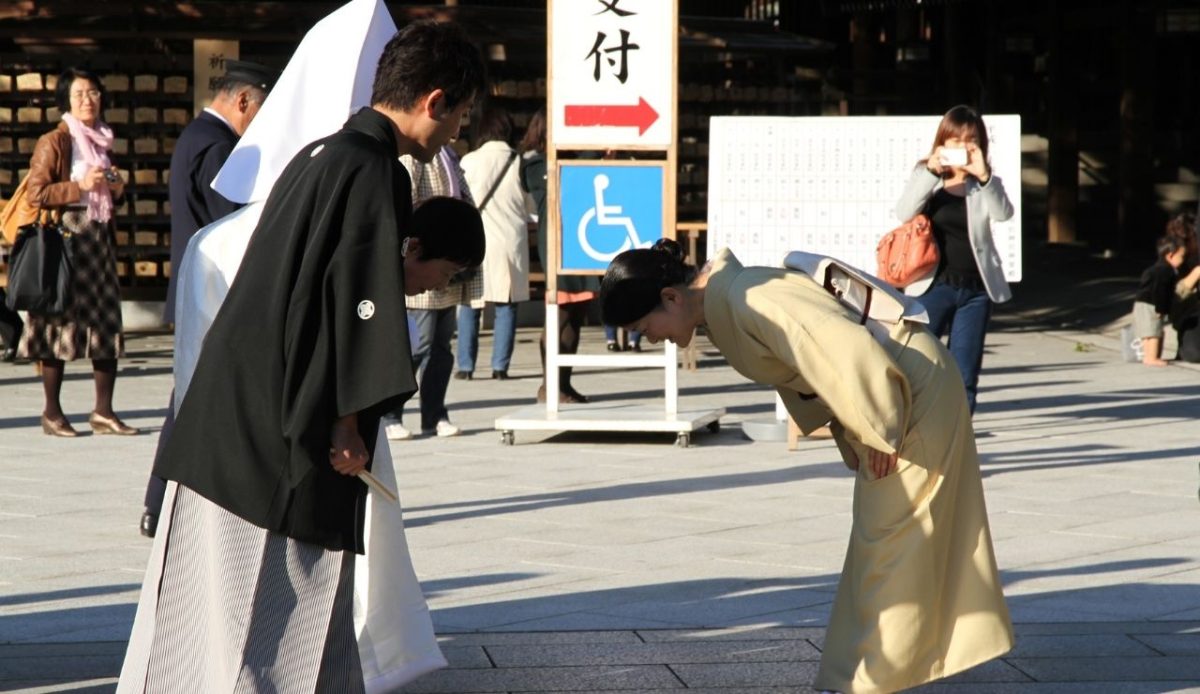
A slight bow is often paired with spoken greetings, thanks, and apologies, especially when meeting someone older or in a service setting. It is not theatrical; it is a brief tilt that signals respect and smooths everyday exchanges. Tourists will see it at hotel counters, shops, and even when friends meet outside a cafe. Returning the bow at a similar depth is usually enough, and a deeper bend is saved for formal moments. Eye contact can be brief, and hands may rest at the sides rather than waving. When you are thanked, a small bow back is often appreciated more than a loud reply. A soft smile is enough in most cases.
4. Pouring Drinks For Others
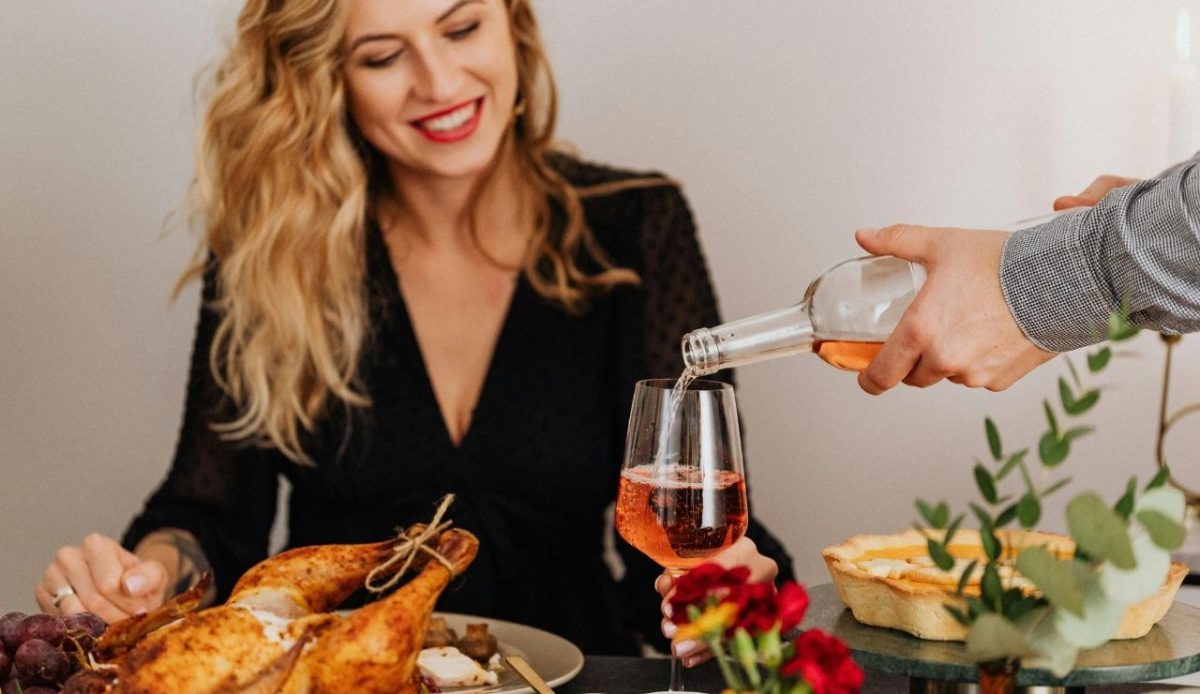
At group meals, glasses are commonly filled by someone else, and pouring for yourself can look awkward in traditional etiquette. One hand holds the bottle while the other steadies the wrist, and the receiver may support the glass with both hands. This pattern keeps attention on the group rather than on individual orders. If you want to pause, leave a little in the glass and wait for the next round to be offered. With coworkers, juniors often watch for empty cups first. Travelers can join in by offering to pour for someone beside them, then accepting a refill with a small nod. Keep pace with the group.
5. One Person Paying The Check
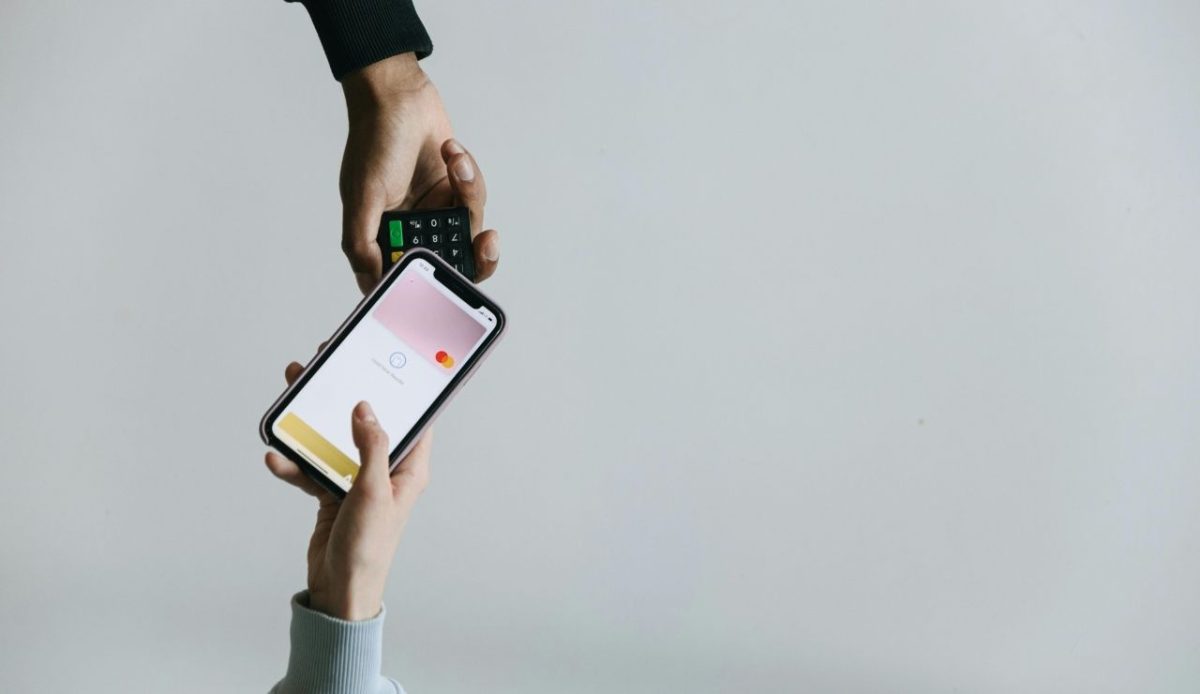
Restaurant checks are often settled at a counter, and one person may pay the full amount, especially the inviter or the most senior figure. A brief back and forth can happen, but strong insistence may be taken as disrespect rather than kindness. Many groups balance it later by taking turns on future outings or by sending a transfer after the meal. Offer once, then suggest you cover coffee next time. When you are hosting, paying promptly at the register avoids holding up staff and other diners. Keeping a small amount of cash can also make quick paybacks easier within a group. Lines move fast at busy spots.
6. Sharing Banchan Side Dishes
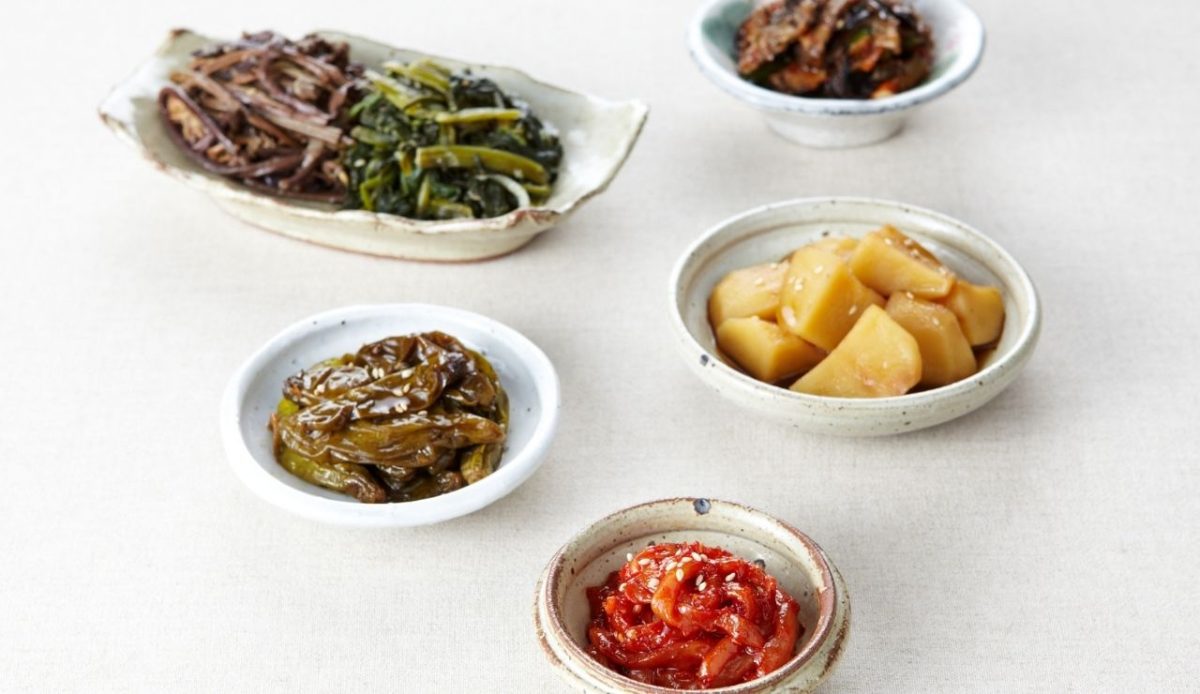
Korean meals are built around banchan, small side dishes placed in the center so everyone can share while eating rice and soup. Even a simple order may arrive with several flavors, from fermented kimchi to seasoned greens, and refills may be offered in many restaurants. The shared layout encourages slow tasting and conversation, since the table is sampled a little at a time. As a guest, take modest portions, use serving tools when provided, and avoid hovering over a dish while choosing. At home, banchan are often prepared in batches and rotated through the week, so leftovers become part of the routine.
7. Spoon And Chopsticks Table Manners
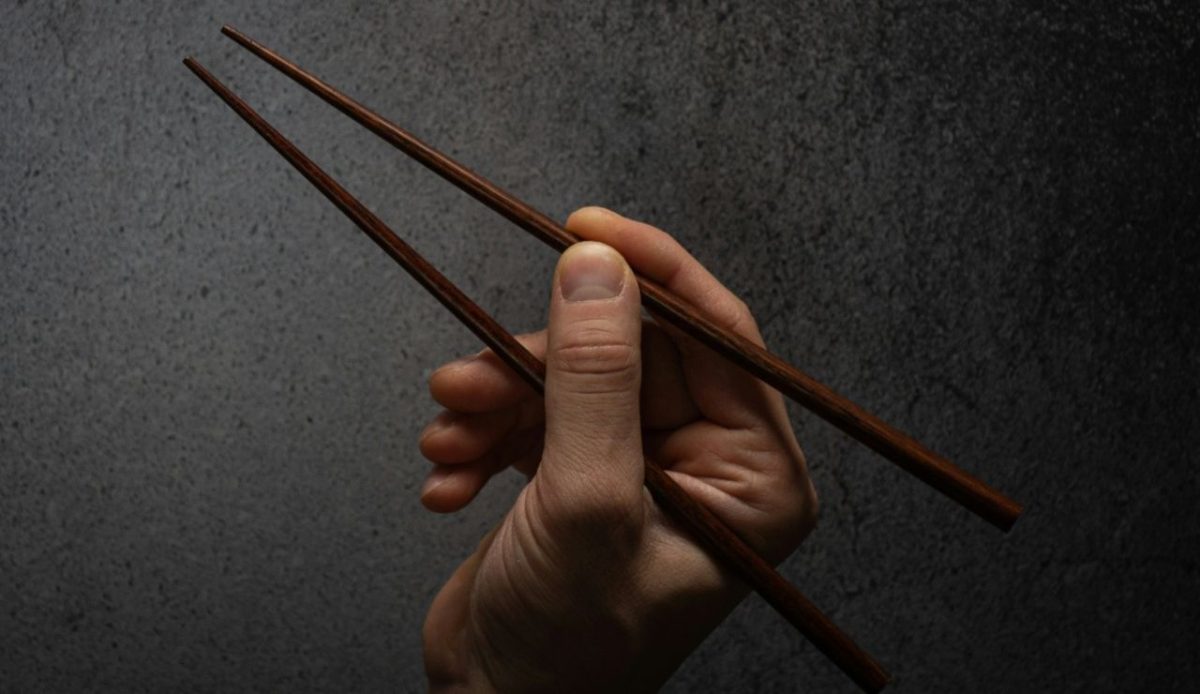
Korean place settings usually include metal chopsticks and a spoon, and the spoon handles rice and soup more than chopsticks do. Unlike some neighboring cultures, bowls are kept on the table instead of being lifted to the mouth. Chopsticks should not be planted upright in rice, since the image is tied to rites for the dead. Shared plates are sampled neatly, and if tongs appear, use them for communal food. Many tables place soup beside rice, and eating starts after the eldest begins. Following that order lets visitors blend in without needing to memorize every rule. Watch how shared stew is served.
8. Jjimjilbang Bathhouse Routine
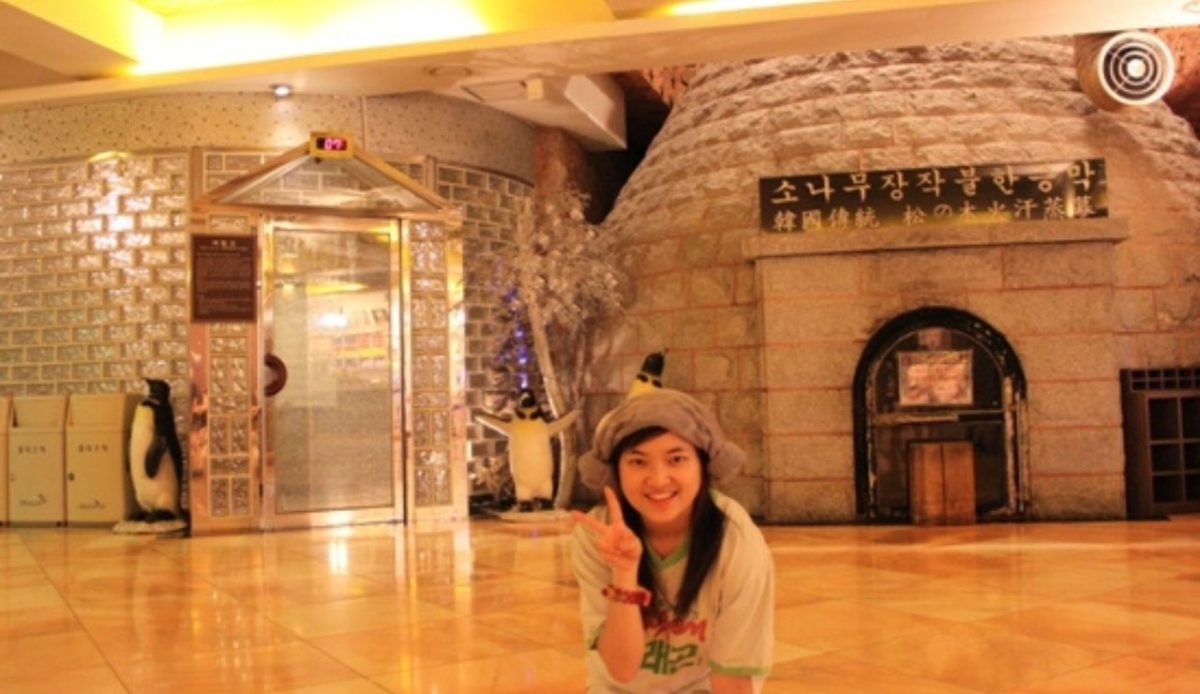
A jjimjilbang is a public bathhouse with additional heated rooms where people rest, snack, and sometimes sleep overnight. After washing in the gender separated wet area, guests change into provided clothes to use the shared saunas and lounges. Families visit together, and the space can feel like a community living room rather than a luxury spa. For travelers, the routine is simple: stay quiet, keep phone use minimal, and follow posted rules about towels and seating. Baked eggs and sweet rice drink are common buys, and the towel head wrap is often copied for fun photos. Staff usually explains the flow.
9. Seshin Full Body Scrub
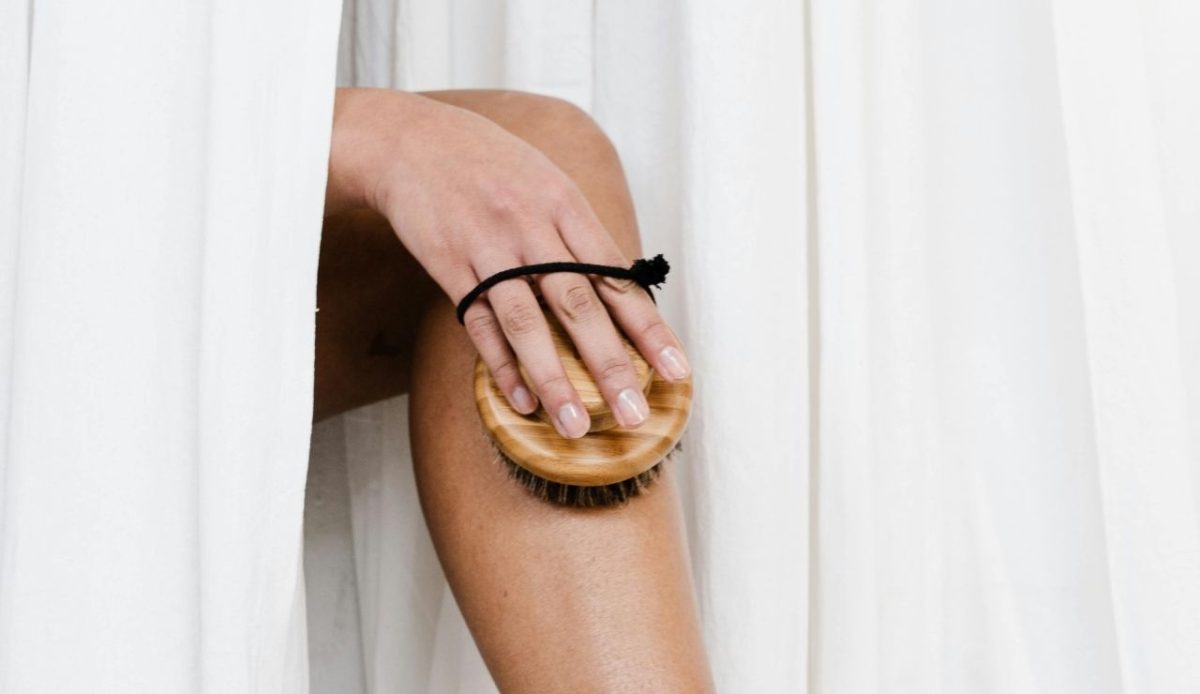
In the wet area of many bathhouses, a Korean body scrub called seshin is offered by attendants trained in vigorous exfoliation. Skin is softened in hot pools first, then dead cells are rubbed away with a textured mitt until the surface feels smooth. Locals treat it as maintenance, not a rare splurge, and it is often done on a set schedule. The service happens in the same gender areas, so the rules are clear for first timers. Expect temporary redness because the pressure is strong. Afterward, a long rinse is taken, and many people rest in a warm room before heading back into the city. Many people book it after workouts.
10. Kimjang Kimchi Making And Sharing
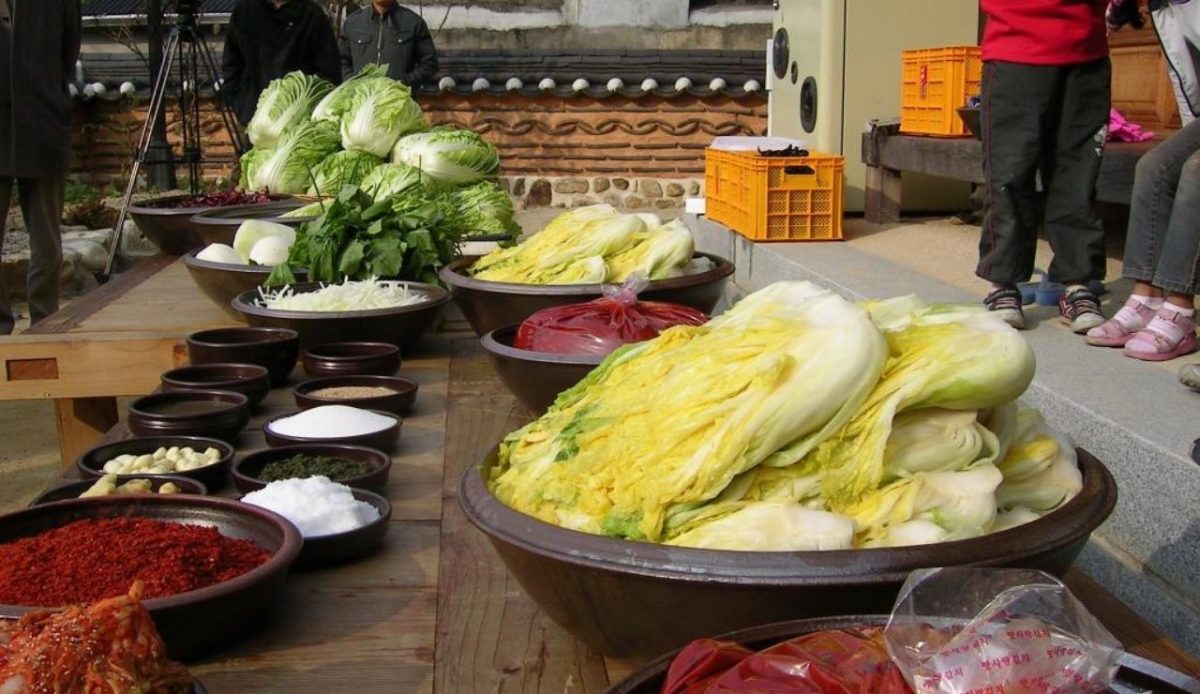
Kimjang is the late autumn practice of making and sharing large amounts of kimchi so households have enough for winter. Families and neighbors gather to salt cabbage, prepare seasoning, and pack jars together, then portions are shared with relatives and those in need. Even if you visit outside the season, the results show up daily in meals across the country, since kimchi is served constantly. Travelers sometimes join workshops that explain how the community aspect matters as much as the recipe. Dates are often chosen by watching weather forecasts, because temperature affects fermentation and storage.
11. Five-Day Traditional Markets
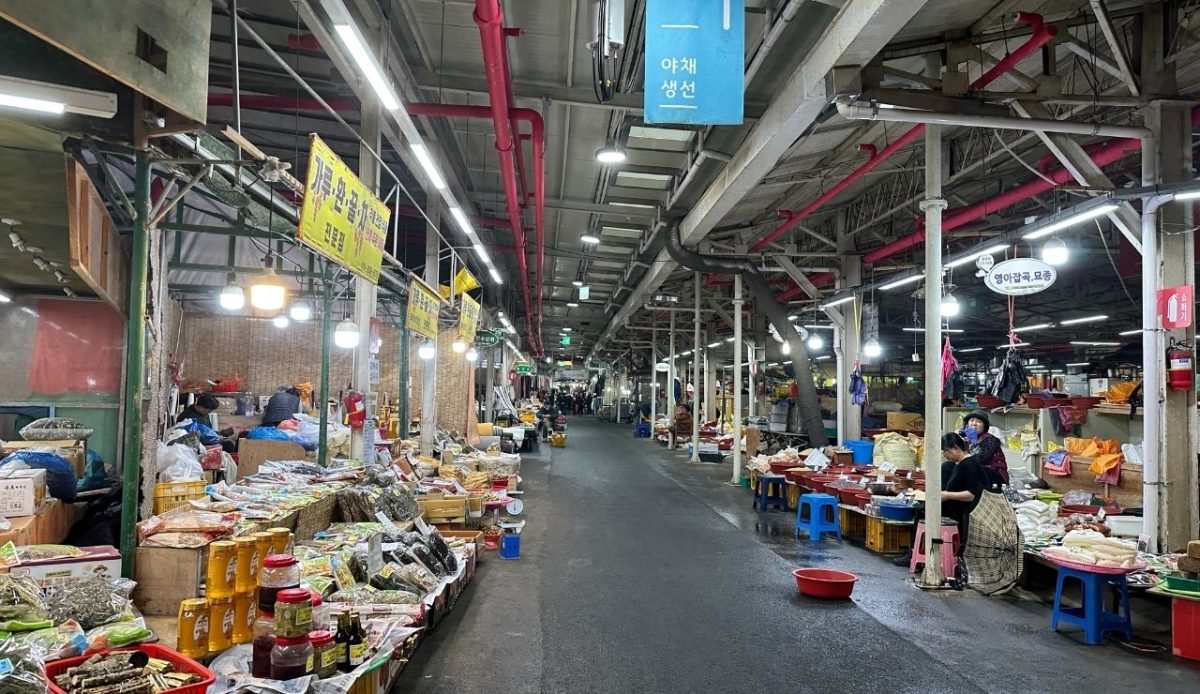
Outside big cities, many towns keep a five-day market schedule, opening on dates that repeat through each month. On market days, farmers and fishers arrive early with regional produce, tools, and clothing, and snack stalls feed shoppers between errands. Because it is tied to local calendars, the market can reveal the tempo of ordinary life more than a modern mall does. Check the date pattern before you travel, and arrive in the morning for the fullest selection. Sampling is common, but ask with a look before grabbing food. Small bills help, since many vendors prefer quick cash transactions over cards.
