
Crossing borders on a motorcycle in Europe can trigger rules that differ by country and are enforced on visitors. Some laws target rider gear, helmet markings, and how audio devices are used. Others set stricter alcohol limits for young or new riders, or require daytime lighting even under bright sun. Toll access can also depend on a sticker or a digital pass. The sections below highlight fifteen laws that often surprise first-time riders and explain what is required so a trip is not interrupted. Before riding, confirm each rule on official road safety or transport sites, since fines can be issued roadside and equipment may be inspected.
1. France Requires Certified Motorcycle Gloves
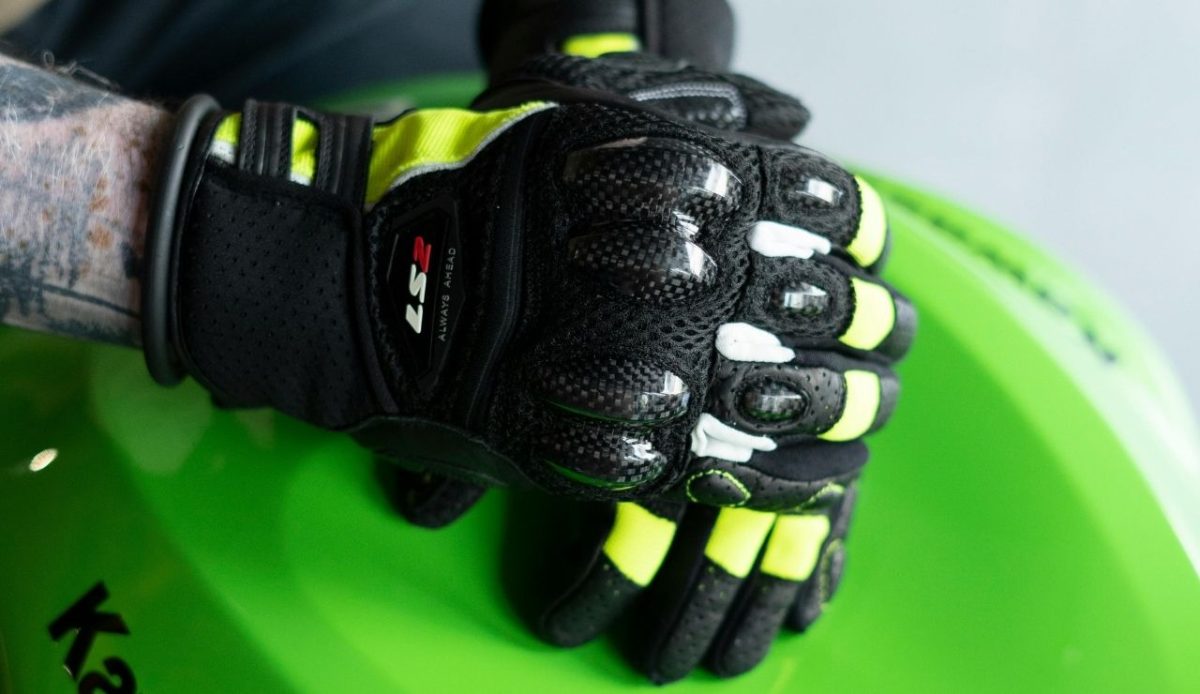
In France, certified motorcycle gloves are required for both the rider and any passenger on a powered two-wheeler. The requirement applies to scooters and larger bikes, even for a brief trip to a hotel or a fuel stop. Gloves are expected to carry a compliance mark tied to motorcycle protective gear standards, so casual gloves may not qualify. During roadside checks, both pairs can be inspected, and a fine may be issued when non-compliant gear is found. If renting, confirm that spare passenger gloves are provided or buy a marked pair before you ride. Hand injuries are common in crashes, so the rule is treated as core safety equipment.
2. France requires a high-visibility vest on Board
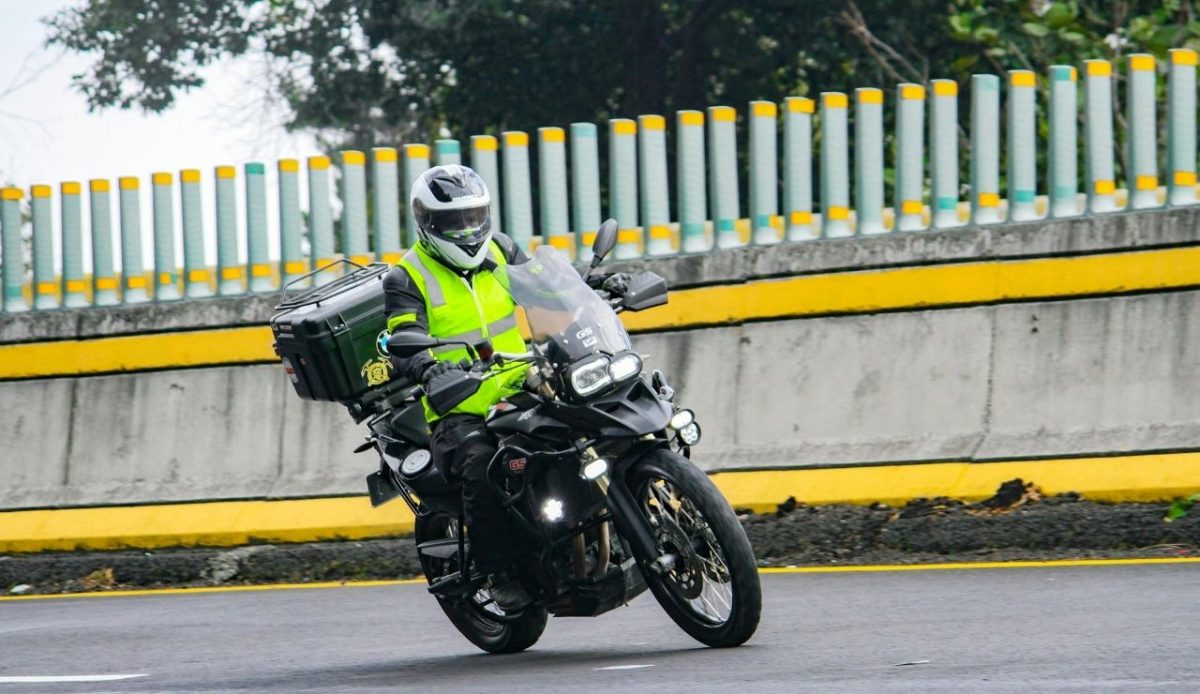
France requires motorcyclists to carry a high-visibility reflective vest while riding, and it should be reachable without unpacking luggage. It is not meant to be worn at all times, but it must be available and put on if an emergency stop leaves you standing on the shoulder or roadway. During checks after a breakdown, officers may ask to see the vest, and fines can be issued when it is missing. Many visitors assume the rule applies only to cars, so they store a vest in a suitcase, which can still fail the practical expectation. Carry one per rider so a passenger is covered during an unexpected stop.
3. France Bans Earphones While Riding
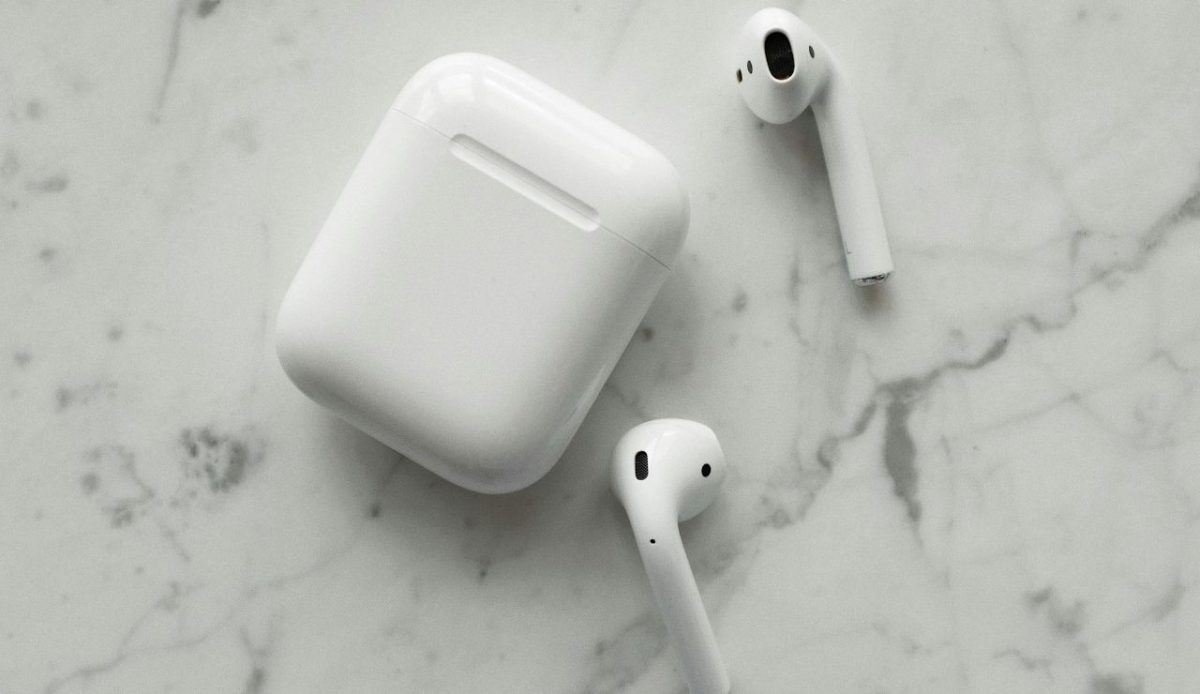
French road law bans wearing earphones, earbuds, or headsets while operating a motorcycle. The restriction covers music, phone calls, and spoken navigation prompts, since the ear canal is blocked and traffic sounds are reduced. Hearing aids are allowed, and many riders use helmet speakers or built-in intercoms instead because the ear remains open. Enforcement is common in cities and on ring roads, and even one earbud can lead to a fine. The same rule can be applied to a passenger using in-ear audio while on the bike. Switch to visual prompts before you enter France. Penalties can include points for residents, so rental firms warn about it.
4. France Requires Reflective Stickers on Helmets
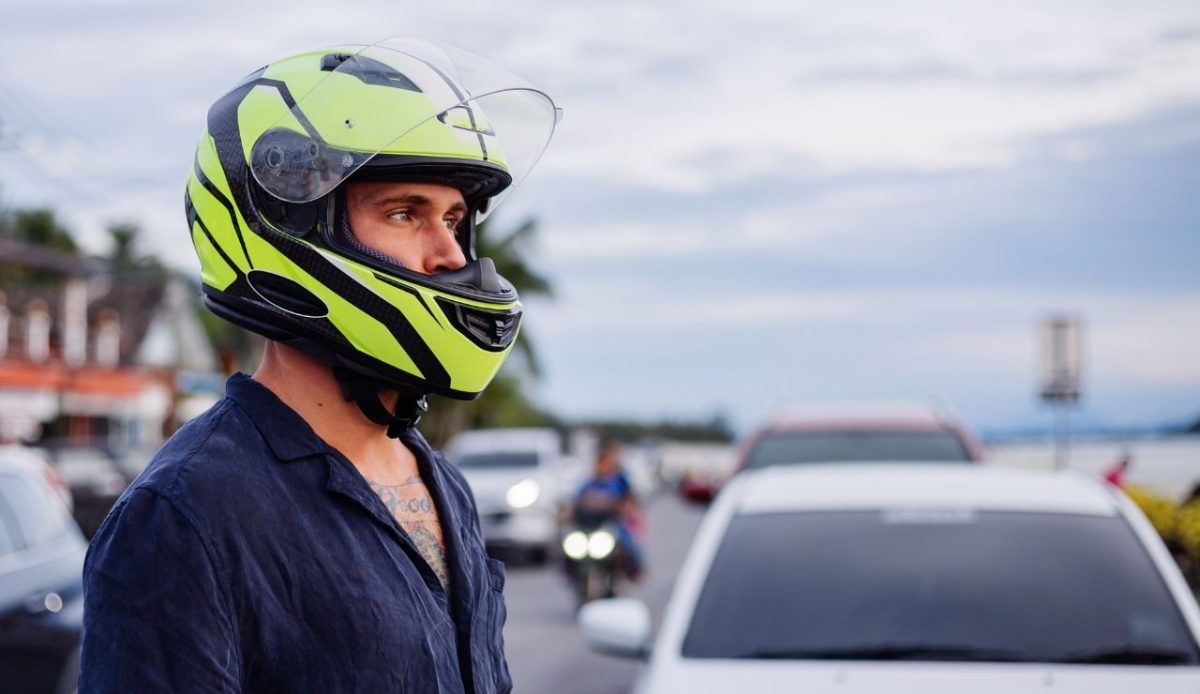
In France, a motorcycle helmet is expected to have reflective stickers on four sides, placed symmetrically. A helmet that meets safety certification standards elsewhere can still be considered non-compliant if the required markings are missing. Some brands sell sticker kits, but many imported helmets arrive without them, which surprises visitors who bought gear at home. During checks, riders may be fined and instructed to repair their helmet before continuing. If you tour France, verify sticker placement or carry a compliant helmet from the start. The stickers boost night visibility, and their size must match the rule. Do it in advance.
5. Spain Requires Daytime Lights for Motorcycles
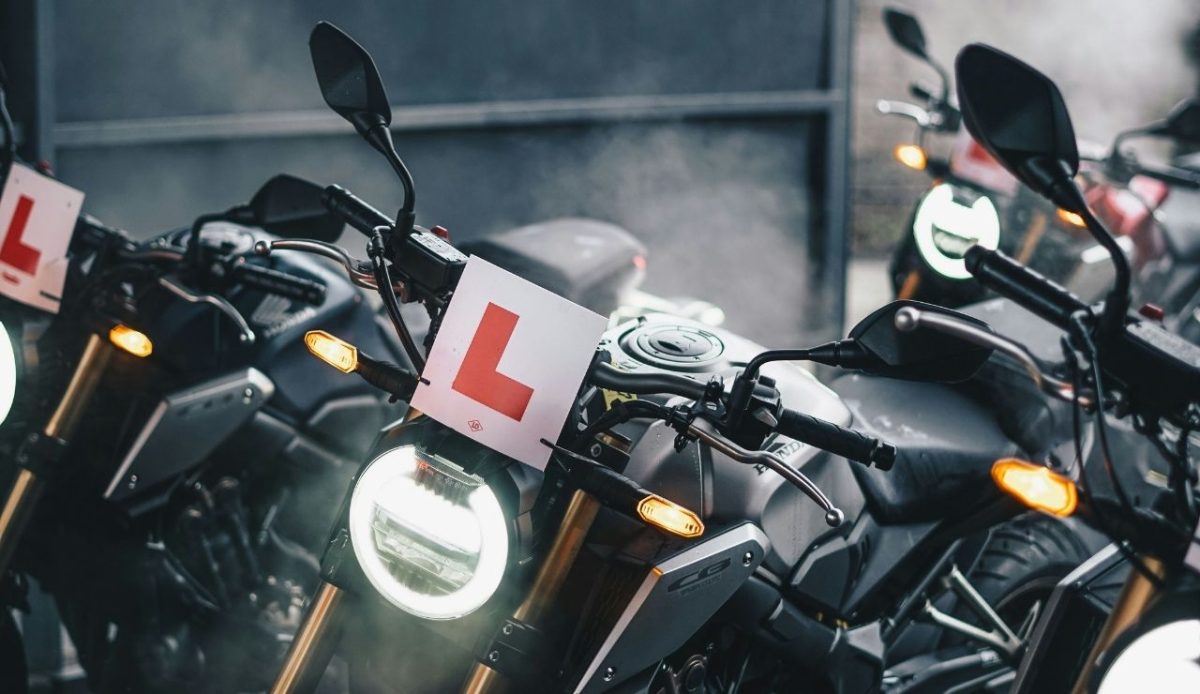
Spain requires motorcycles to use headlights or daytime running lights at all times, even under bright midday conditions. It is treated as a visibility measure rather than a weather-based choice. Scooters and touring bikes are covered, and riders who switch lights off may be stopped and fined. If your bike has an automatic mode, confirm it stays on after starting, since some settings can be changed for parking. On roads with shade and frequent tunnels, compliance is watched closely. Visitors from places where daytime lights are optional often miss this rule. A failed bulb can attract attention, so check rentals before leaving.
6. Spain Prohibits Headphones for Riders
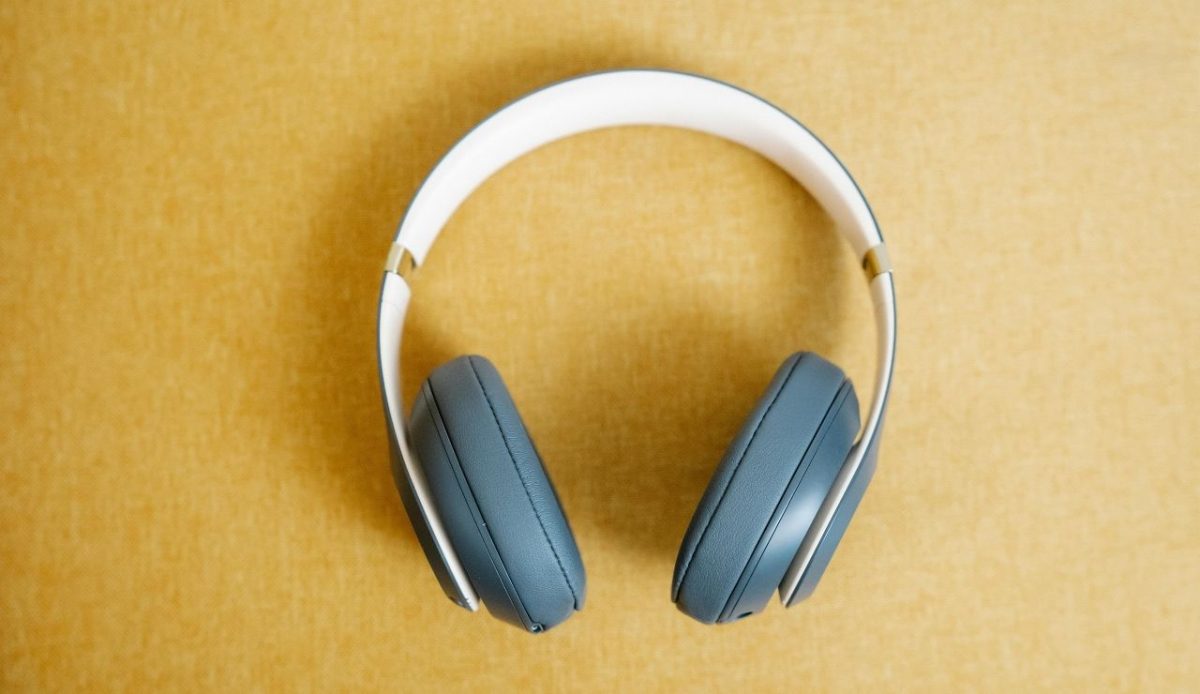
In Spain, riders may not use headphones or earphones while operating a motorcycle, even if only navigation audio is playing. The restriction is aimed at reducing distraction and keeping traffic sounds clear. Single ear solutions accepted elsewhere are not treated as a safe workaround. If stopped, you can be fined and told to remove the device before continuing. Touring riders often choose helmet speaker intercoms instead of in-ear buds. Plan routes so you can confirm turns at safe stops rather than relying on audio cues. Police checks near tourist zones are common, and a passenger using in-ear audio can also draw attention.
7. Austria Requires Daytime Headlights
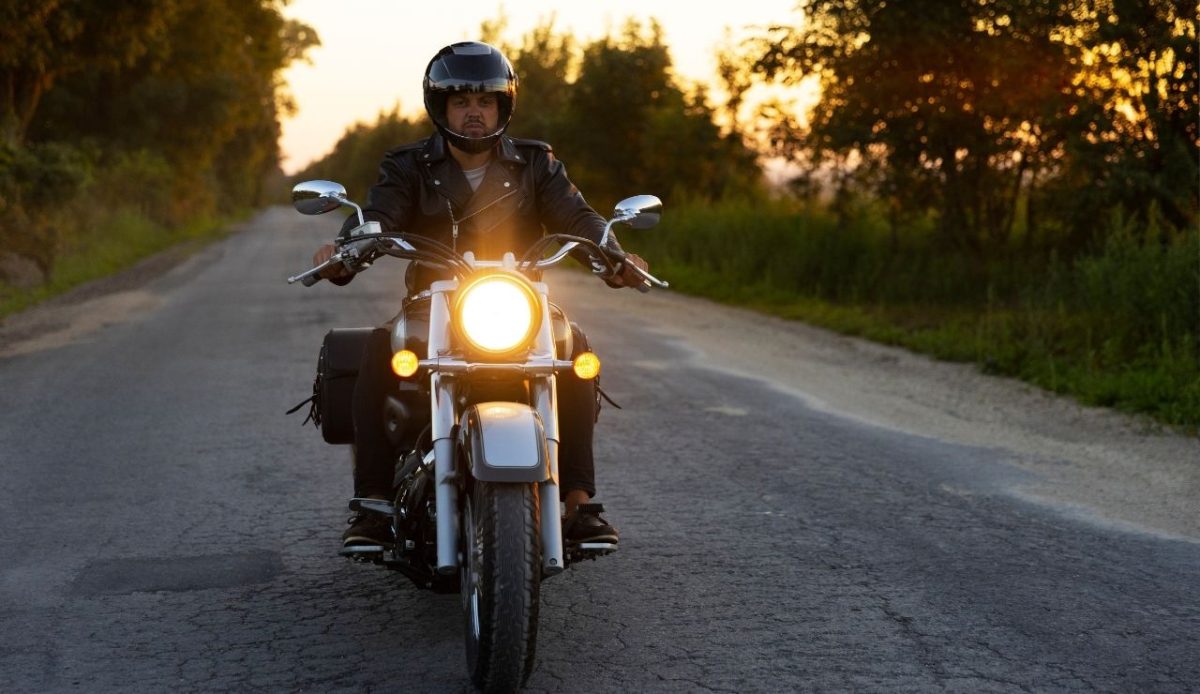
Austria requires motorcycles to run dipped headlights or daytime running lights during the day, not only after dark. This is a two-wheeler rule that can surprise riders who enter from nearby countries with different lighting customs. If your bike allows a lights-off setting, it should not be used on public roads. Police may check for visible lighting during routine patrols, and the issue can be treated like other equipment faults. Before riding in Austria, verify that the headlight works and that the switch position is correct after refueling or parking. On alpine routes with short tunnels, riders are watched closely, and a fine can follow.
8. Austria Requires a Motorway Vignette
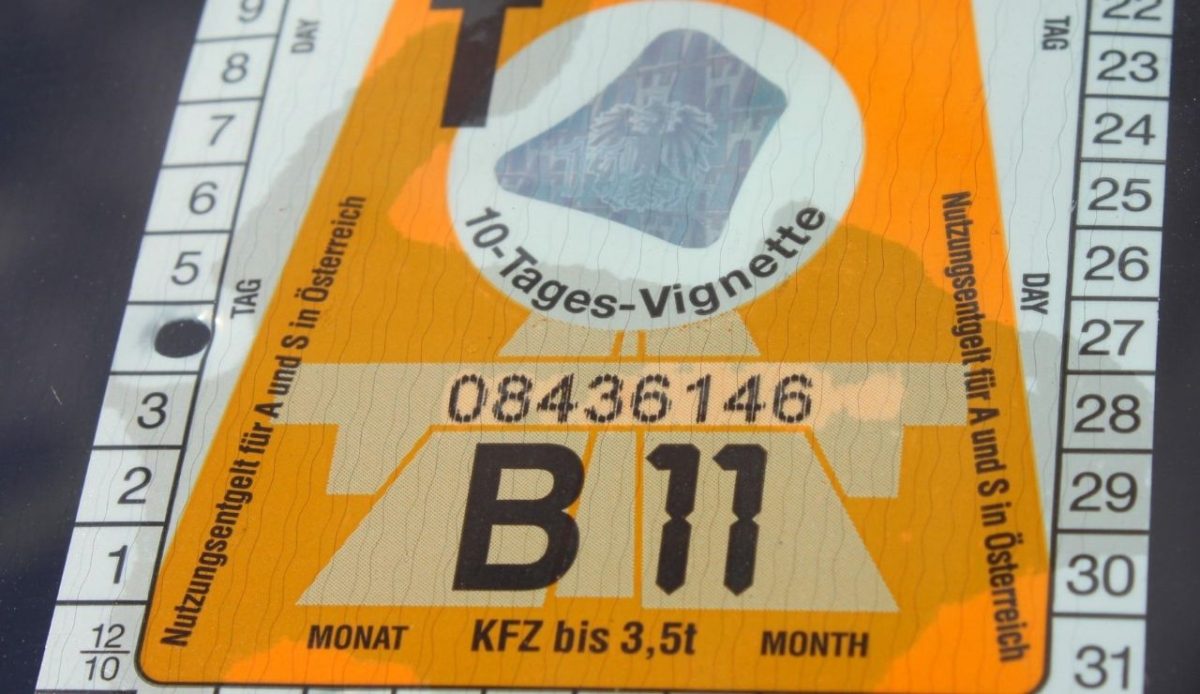
Austria charges for the use of motorways and expressways through a vignette system, and motorcycles are included. Many first-time visitors assume toll stickers are only for cars, then enter a controlled road and face a penalty. A vignette can be bought as a physical sticker or as a digital product linked to a plate, but it must be valid before the motorway is used. Enforcement uses checks and cameras, and fines can be collected quickly. If your route includes Austrian motorways, buy the correct vignette and keep proof with your travel documents. Vignettes come in several durations, and some tunnels may add a separate fee.
9. Germany Applies Zero Alcohol for Young Riders
Germany applies a zero alcohol rule to riders under twenty-one and to newly licensed drivers during the probation period. The limit is stricter than the general national limit, and it covers motorcycles the same way it covers cars. Even a small drink can create a measurable level and trigger penalties if a stop occurs. Sanctions can include fines, license measures, or required courses, depending on the case. Visitors who are young or newly licensed often assume a moderate drink is acceptable at dinner, but the safer choice is none while riding in Germany. Breath tests may be used, so riders should not count on luck.
