
Desert travel promises breathtaking landscapes, golden dunes, and unparalleled solitude, yet first-time travelers often underestimate its challenges. Unlike urban destinations, deserts demand preparation, awareness, and respect for extreme conditions.
Without proper knowledge, even short excursions can become uncomfortable or risky. From scorching days to freezing nights, shifting sands, and limited resources, deserts test both physical endurance and mental preparation.
Understanding key strategies, from hydration and navigation to clothing and local customs, can make the difference between an unforgettable adventure and a stressful experience. These overlooked tips ensure safety, comfort, and a true appreciation of the desert’s stark beauty.
1. Plan Your Route in Advance
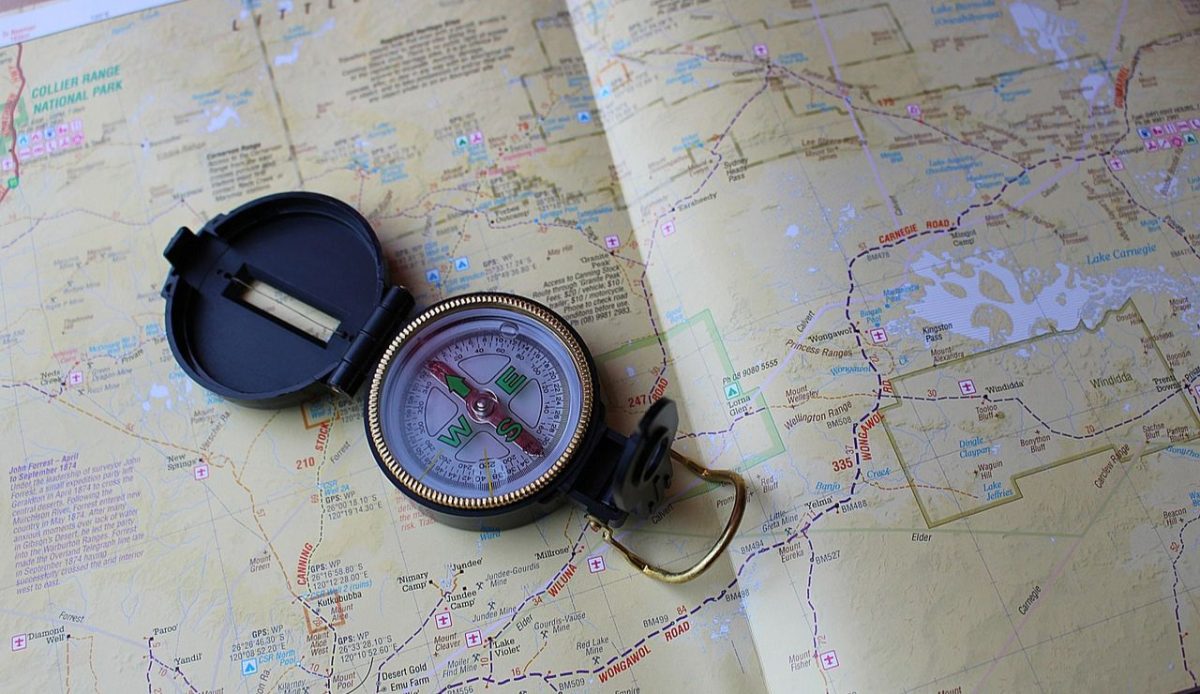
Careful planning is crucial before venturing into a desert. Maps, GPS devices, and local guides provide insight into terrain, hazards, and points of interest.
Unexpected sandstorms or impassable tracks can derail an unprepared itinerary. Planning allows travelers to identify safe resting spots, fuel stops, and emergency exits, minimizing risk and avoiding being stranded in remote areas.
By studying topography, climate, and local conditions, first-time explorers can approach the desert with confidence, reduce uncertainty, and ensure their journey is both safe and rewarding, turning potential hazards into manageable challenges.
2. Stay Hydrated
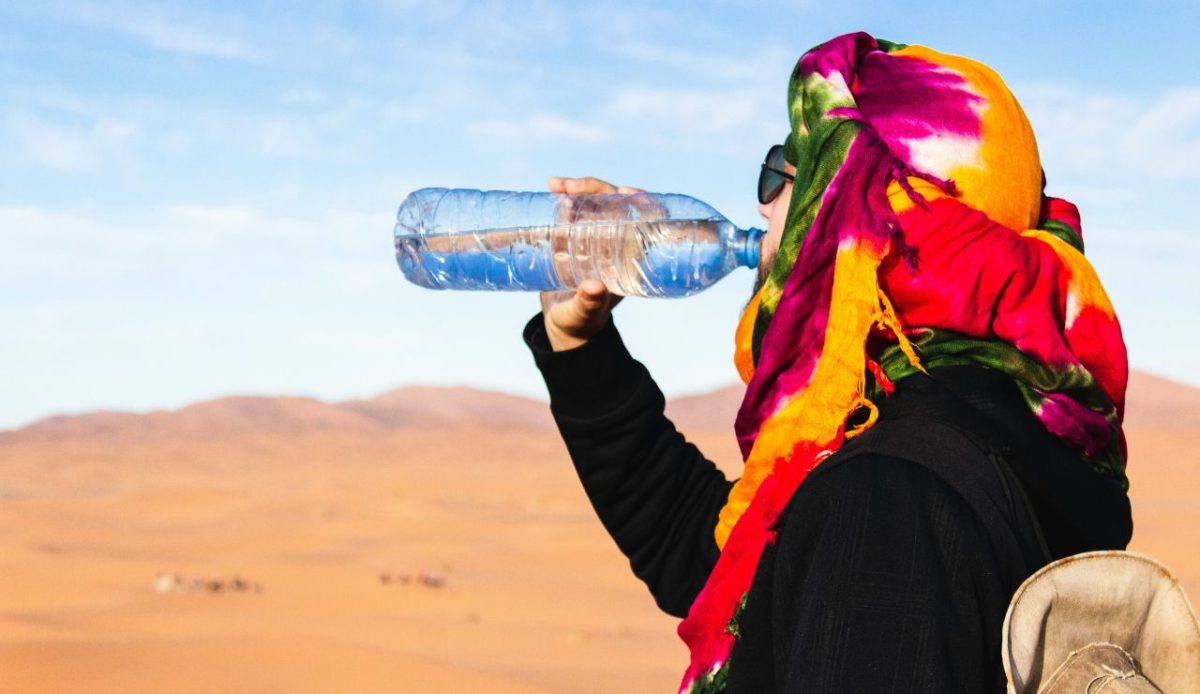
Desert heat accelerates dehydration, often unnoticed until symptoms appear. Carrying ample water and replenishing electrolytes is essential for first-time travelers.
Water consumption should be regular, not just when thirsty. Shade breaks and light clothing can further reduce fluid loss and heat stress. Electrolyte supplements, fruits with high water content, and small snacks help maintain energy while keeping hydration levels stable.
Overlooking hydration can lead to fatigue, confusion, or heatstroke. By actively managing fluids and paying attention to your body’s signals, you stay alert, energized, and prepared for unexpected challenges in harsh desert conditions.
3. Wear Sun-Protective Clothing
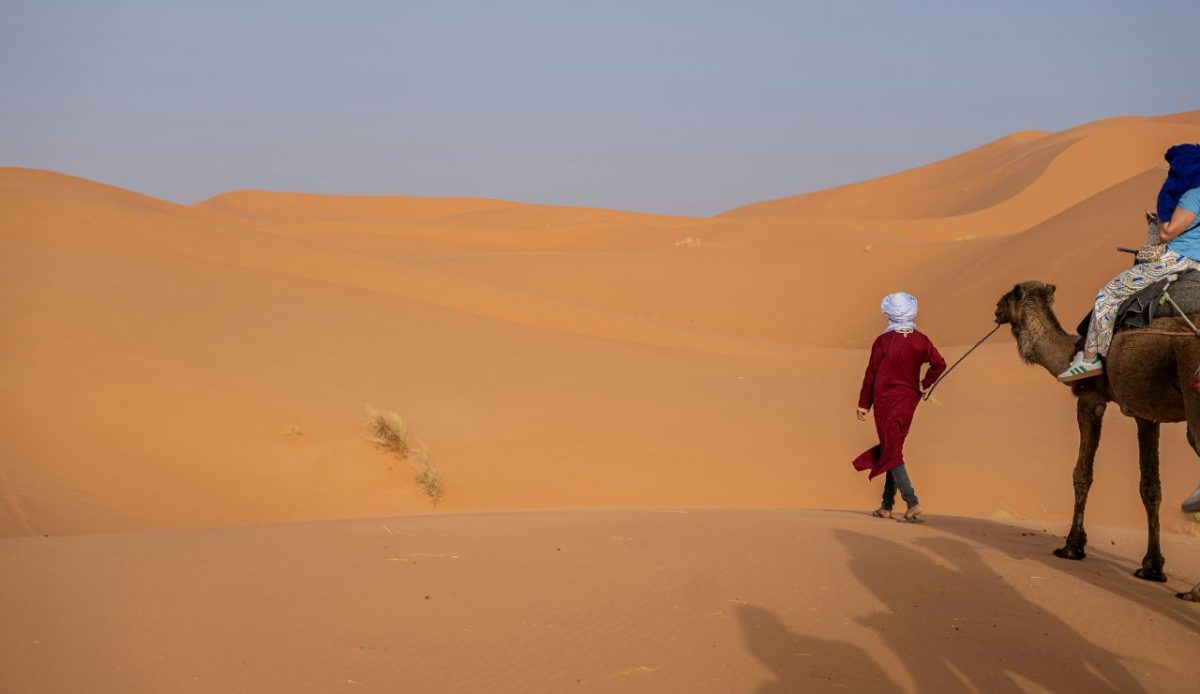
Exposure to intense sun can quickly cause burns and overheating. Lightweight, long-sleeved shirts, wide-brimmed hats, and sunglasses shield travelers from ultraviolet rays.
Loose-fitting, light-colored fabrics allow airflow while reflecting heat, helping maintain body temperature. Layering is also useful for sudden weather changes, and breathable socks prevent blisters during long treks. Sunscreen on exposed skin complements your protective attire.
Proper clothing reduces the risk of sunburn, heat exhaustion, and skin damage, allowing travelers to enjoy extended desert exploration with comfort and confidence, even under extreme sunlight and heat.
4. Acclimate to Temperature Changes
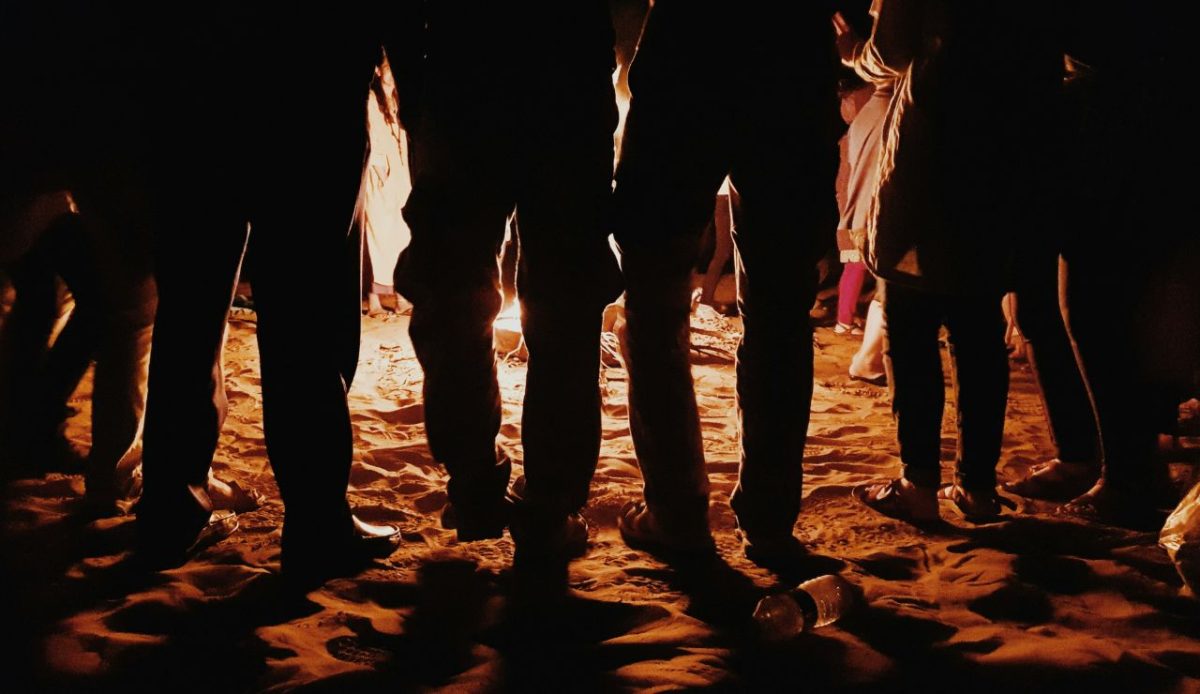
Desert environments often see drastic temperature swings from scorching days to freezing nights. Preparing for both extremes prevents discomfort, dehydration, or hypothermia.
Layering clothing and carrying a lightweight sleeping bag or thermal blanket helps travelers adapt without overpacking. Evening wind and sand exposure also require additional clothing to maintain warmth and protect skin.
Being mindful of these shifts ensures a comfortable and safe experience, particularly for first-time travelers who might underestimate how quickly weather can change, making the desert as harsh as it is beautiful.
5. Learn Basic Navigation Skills

Relying solely on GPS or mobile devices can be risky in remote desert regions where signals may fail. Understanding maps, compasses, and natural landmarks is essential for first-time travelers.
Tracking the sun’s position, reading dune patterns, and identifying terrain changes help maintain direction and prevent disorientation during long hikes or vehicle trips. Backup maps and marked trails enhance safety.
Navigation skills reduce the risk of getting lost, ensuring travelers can explore confidently, experience the full scope of the desert, and enjoy its vast landscapes without unnecessary stress or danger.
6. Pack Emergency Supplies

Unexpected events, vehicle breakdowns, injuries, or sudden weather changes, can become serious without proper preparation. First-time travelers often overlook essentials.
Supplies should include a first aid kit, extra water, energy food, a flashlight, signaling devices, and basic tools for repairs. A portable phone charger or satellite communication device is also recommended. Additionally, carrying emergency blankets, fire-starting tools, and maps of the area adds redundancy that can be lifesaving in remote locations.
Being prepared for emergencies ensures that minor mishaps don’t escalate into dangerous situations, providing peace of mind during the journey and giving travelers the confidence to explore further without anxiety.
7. Understand Local Wildlife

Deserts host unique flora and fauna, some of which can pose hazards. First-time travelers often underestimate snakes, scorpions, and insects.
Learning which species are dangerous, how to avoid them, and what to do if encountered can prevent accidents. Observing wildlife also enriches the adventure, offering insight into desert ecosystems and the adaptations of plants and animals to extreme conditions.
Respecting local animals ensures safety and encourages responsible travel practices. Awareness improves encounters with wildlife, allowing travelers to witness the desert’s rich biodiversity without causing harm or risk.
8. Travel With a Guide or Group
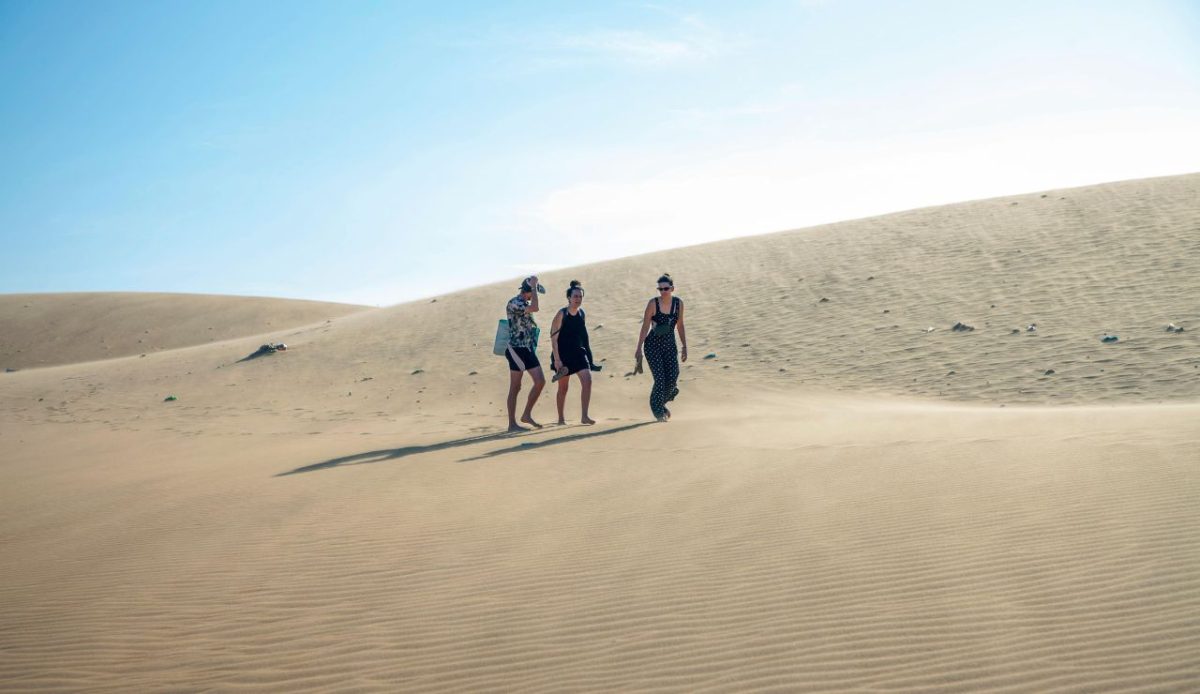
Exploring alone increases risk, particularly for inexperienced desert travelers unfamiliar with terrain, weather, and local hazards. Local guides or organized groups offer knowledge, safety, and logistical support.
Guides provide insight into geography, cultural norms, survival strategies, and emergency procedures, while groups allow shared resources and mutual assistance during challenging treks or desert crossings.
First-timers gain confidence, security, and a deeper understanding of local culture, history, and ecology, making their desert adventure safer, richer, and far more memorable than attempting to navigate alone.
9. Protect Electronics and Gear
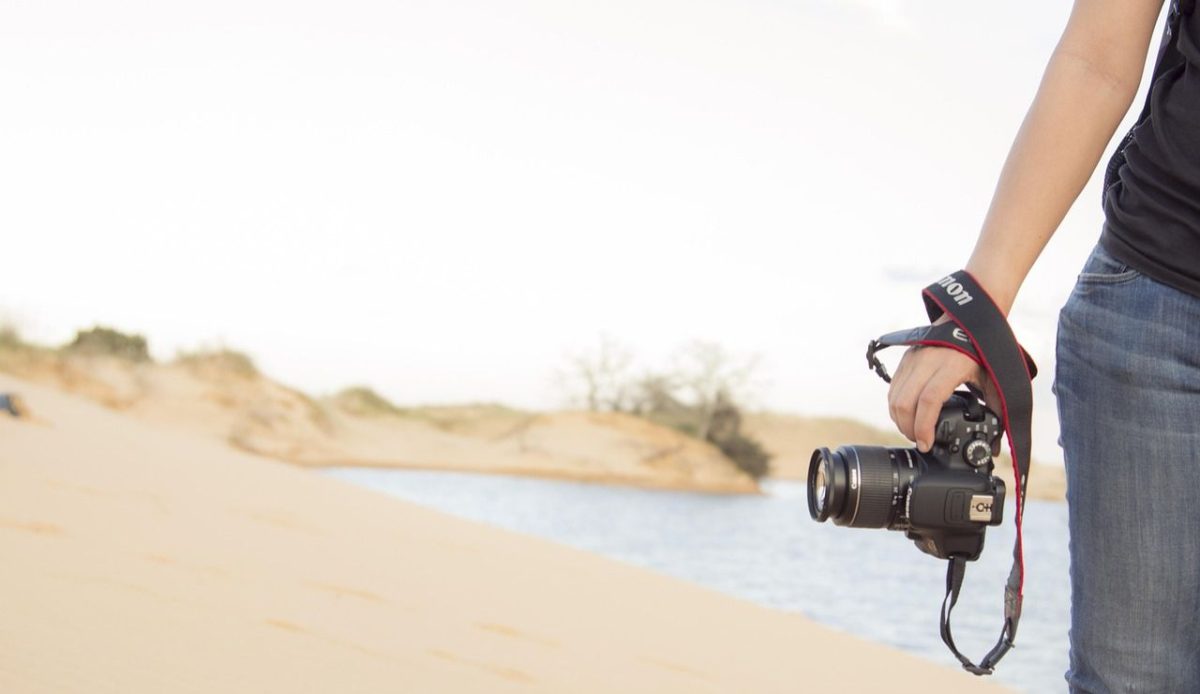
Sand, heat, and sun can quickly damage cameras, GPS units, phones, and other essential devices. First-time travelers often overlook protective measures for their gear.
Using waterproof, dustproof, and UV-resistant cases or bags keeps equipment functional, while backups for batteries, memory cards, and charging options ensure uninterrupted recording of the adventure. Extra care for cameras, drones, and navigation tools prevents costly malfunctions.
Proper protection allows travelers to document their journey without stress, capturing memories safely while preserving the lifespan of expensive electronics and ensuring technology enhances rather than limits the expedition.
10. Respect Local Customs and Restrictions
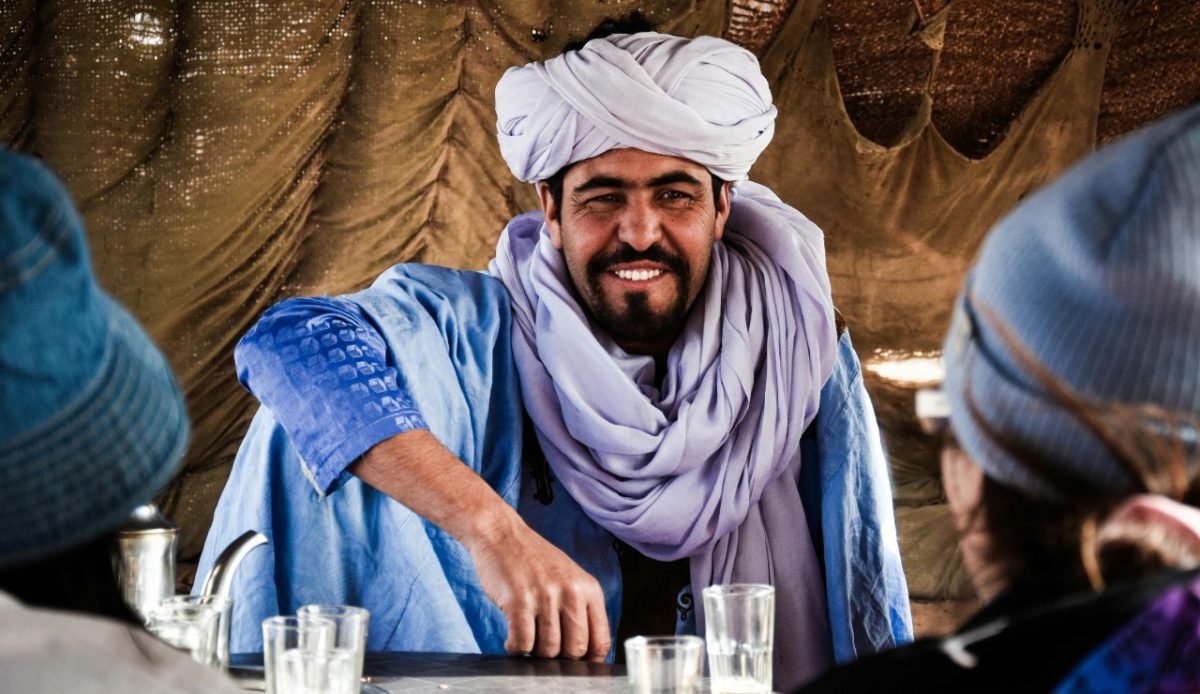
Desert communities often have traditional practices, sacred areas, and rituals that first-time travelers may not anticipate. Ignoring these can offend locals or result in restricted access.
Research local laws, cultural norms, and conservation regulations before entering protected regions or private lands. Guides can provide context, facilitate respectful engagement, and explain the history behind practices that may seem unusual to outsiders.
Acknowledging local customs ensures ethical travel, promotes positive interactions, and preserves both the natural and cultural integrity of desert destinations. Travelers who show respect are more likely to receive warm hospitality and gain deeper insight into the desert’s human and spiritual heritage.
11. Leave No Trace

Deserts are fragile ecosystems, and litter or off-road damage can cause long-lasting harm. Many travelers underestimate the importance of minimizing environmental impact.
Carrying out all trash, avoiding wildlife disturbance, and following established paths or tracks preserves fragile vegetation and prevents erosion. Even small actions, like picking up micro-trash or using reusable containers, help protect delicate desert habitats.
By leaving no trace, visitors ensure that the desert remains pristine and sustainable, allowing future explorers to experience its stark beauty, solitude, and wildlife in an untouched state for generations to come.
