
Peak summer desert travel is constrained by heat exposure limits, long distances between services, and fixed access roads. When daytime highs stay above safe exertion thresholds, the usable travel window shrinks, and minor delays turn into medical risk.
Managers respond with heat advisories, trail hour rules, and occasional closures when rescues rise, and staffing cannot scale. Because shade and water points are scarce by design in protected desert units, visitors concentrate near a few nodes and roads.
This article treats each destination as a regulated circulation area with measurable summer stressors. Each case links a place-specific constraint to an administrative response and the resulting change in safe access during peak heat.
1. Death Valley National Park, California
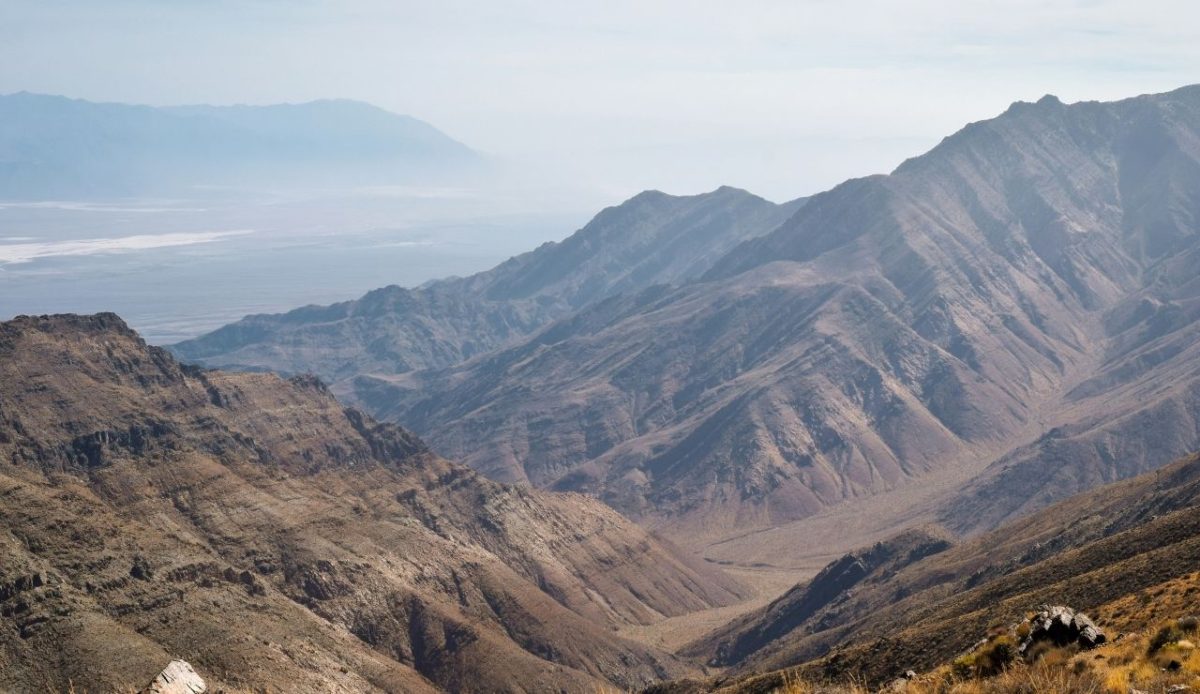
Death Valley National Park concentrates travel along CA 190, Badwater Road, and developed oases such as Furnace Creek. Below sea level basins trap heat, so mid-summer air readings above 120 F are common and raise heat illness risk quickly.
The road loop has limited shade and long stretches without dependable services, so a stalled vehicle or missed water stop has fast consequences. Rangers report recurring medical responses during peak heat, which pushes a small staff toward triage.
The park posts repeated heat warnings and scales back some daytime services while discouraging long walks on the valley floor. These measures shift use toward brief stops and reduce safe access to remote viewpoints during peak summer.
2. Joshua Tree National Park, California
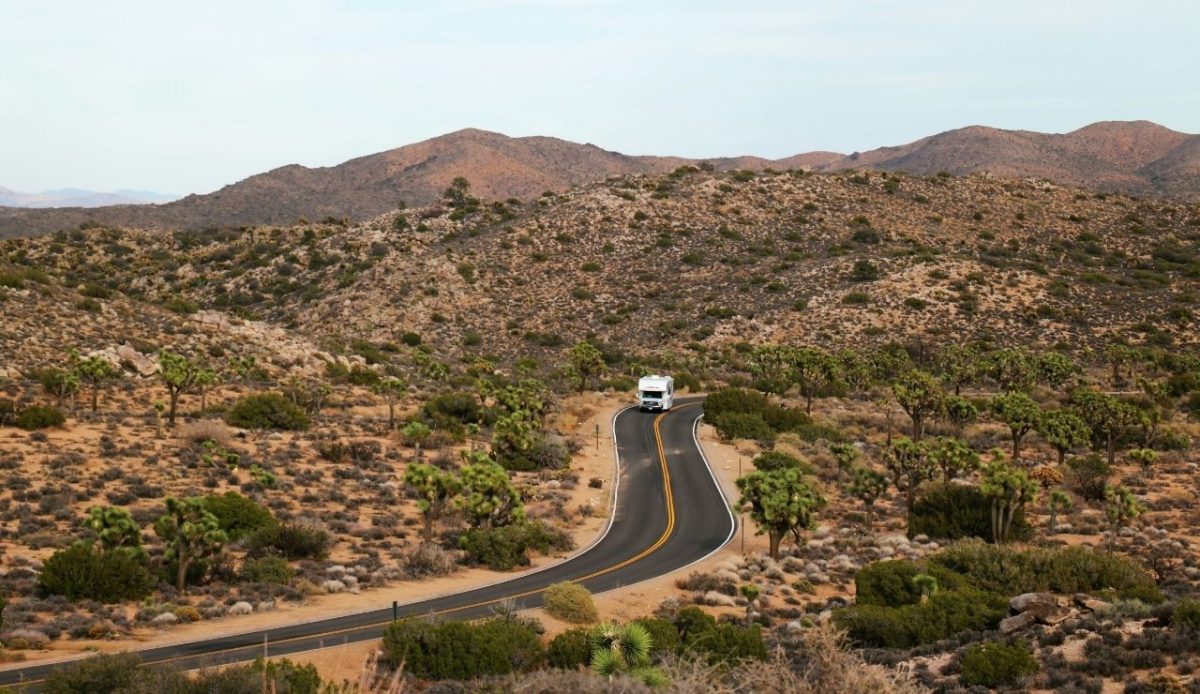
Joshua Tree National Park spans the Mojave and Colorado Desert transition, with trailheads spread across Park Boulevard and Pinto Basin Road. Sparse canopy and dark rock surfaces raise radiant load, so exertion becomes unsafe early in the day during June through August.
Water is not provided on most trails, and cell coverage is inconsistent, so dehydration can escalate before help arrives. The park has recorded heat-related emergencies and deaths, raising rescue demand when temperatures stay high for weeks.
The National Park Service issues strong heat alerts and discourages midday hiking on exposed routes. Visitor flow shifts to short roadside use and early hour entry because shade and water infrastructure are fixed.
3. Big Bend National Park, Texas
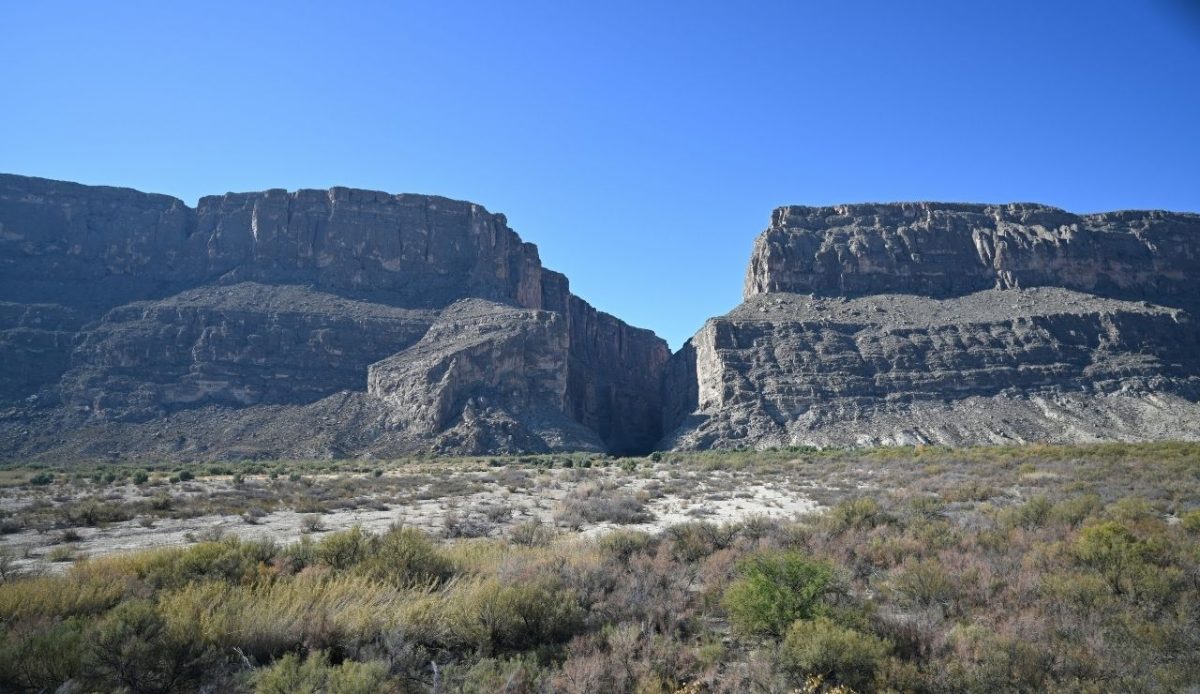
Big Bend National Park sits on a remote bend of the Rio Grande, with long approach drives from Marathon and Terlingua, and limited park services. Summer highs above 110 F in low desert zones shorten safe travel time on open trails and unshaded pullouts.
Distances to medical care, fuel, and reliable phone signal increase consequences when heat or water is misjudged. Rescues require long transport times, so one incident can tie up staff and vehicles for hours.
The park issues seasonal heat warnings and treats midday hiking as high risk outside the Chisos Basin. These constraints push users toward short drives and early access while limiting safe movement in river corridor areas during peak summer.
4. Grand Canyon National Park, Arizona
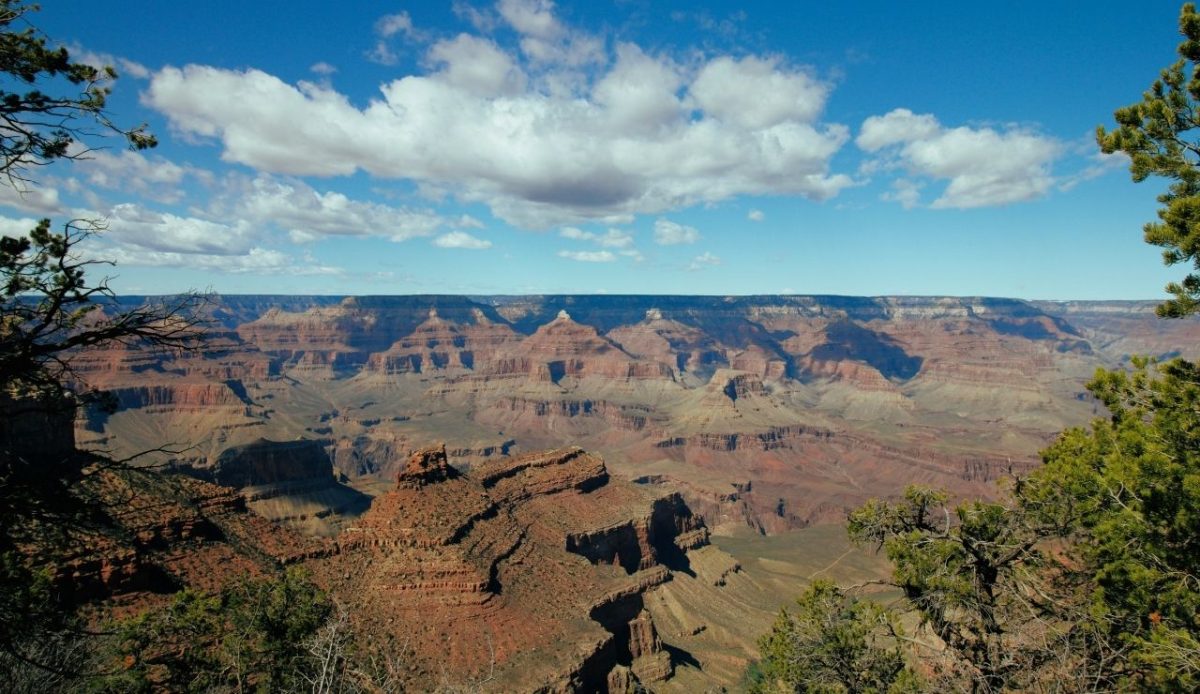
Grand Canyon National Park concentrates summer risk in the inner corridor below the South Rim, where elevation loss produces hotter conditions than rim forecasts. Bright Angel and South Kaibab cross exposed terrain that reflects heat and reduces cooling after sunrise.
Water sources are fixed at a few points, and demand spikes when heat waves coincide with high visitation. Heat illness and evacuation events occur in peak summer, and response time grows when aircraft face weather limits.
The park issues corridor warnings, updates water status, and discourages mid-day descent to cut rescues. These controls shift flow into early hours and concentrate rests near shaded points such as Indian Garden on the Bright Angel route.
5. Lake Mead National Recreation Area, Arizona
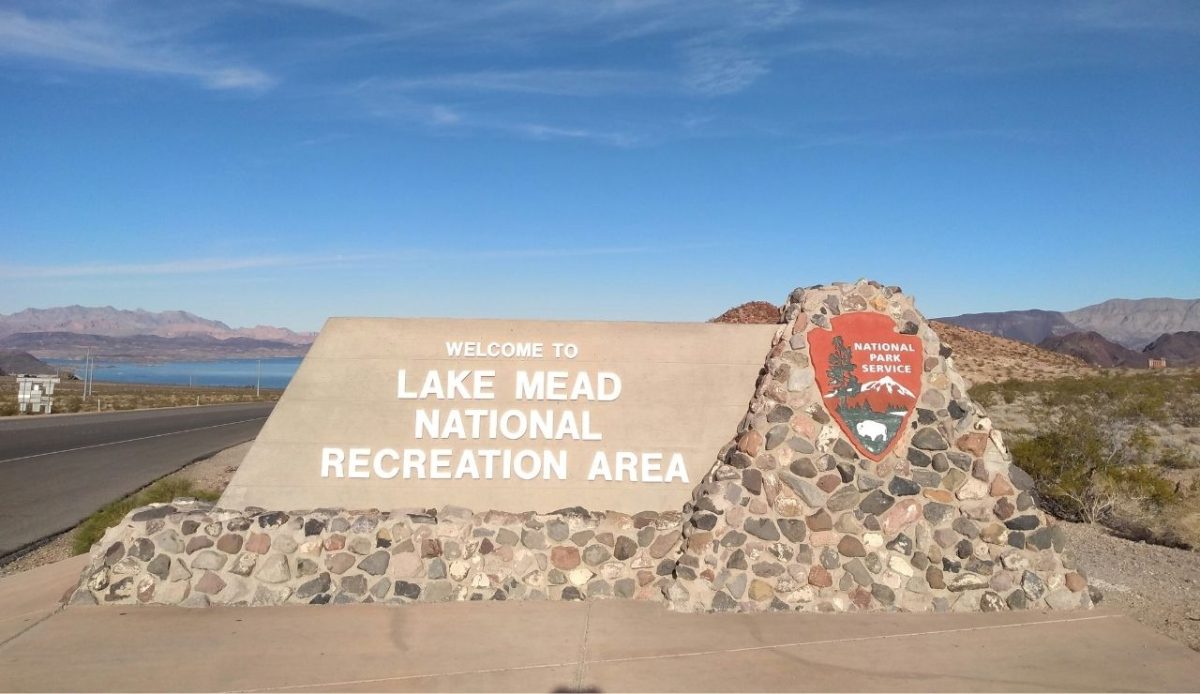
Lake Mead National Recreation Area combines desert heat with high summer water use at marinas and launch ramps near Boulder Basin and Temple Bar. When air temperatures exceed 110 F, shoreline walks and ramp queues raise heat load with little shade.
Low reservoir levels lengthen the distance from parking to water access, so visitors spend more time on exposed pavement and gravel. Risk rises because hydration needs increase while services remain clustered at a few developed sites.
The National Park Service posts recurring heat advisories and frames early morning activity as the safer access window. These responses reflect capacity limits, since rescue calls rise on peak weekends and response routes stay fixed by terrain and waterline.
6. Phoenix Mountain Preserve, Arizona
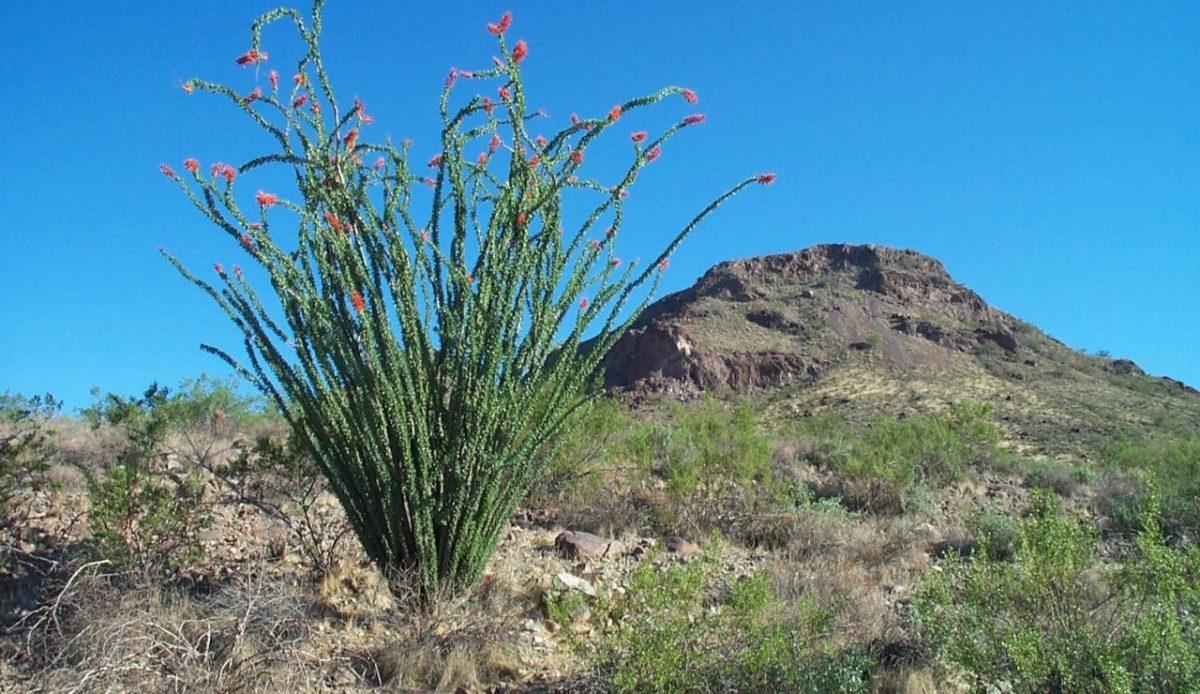
Phoenix Mountain Preserve sits inside an urban heat island, with trailheads at Piestewa Peak and nearby ridges and limited shade on climbs. During peak summer, early morning temperatures can remain high, shortening safe ascent time.
High local use and easy road access increase volume on steep routes, so more people are exposed when heat warnings are issued. Rescues recur, and each call draws fire and park resources that must also cover the wider city.
The City of Phoenix closes some trails during extreme heat periods and restricts access in the most hazardous hours. These rules reduce incidents but also concentrate demand into fewer open paths and smaller parking areas, changing visitor flow.
7. Valley of Fire State Park, Nevada
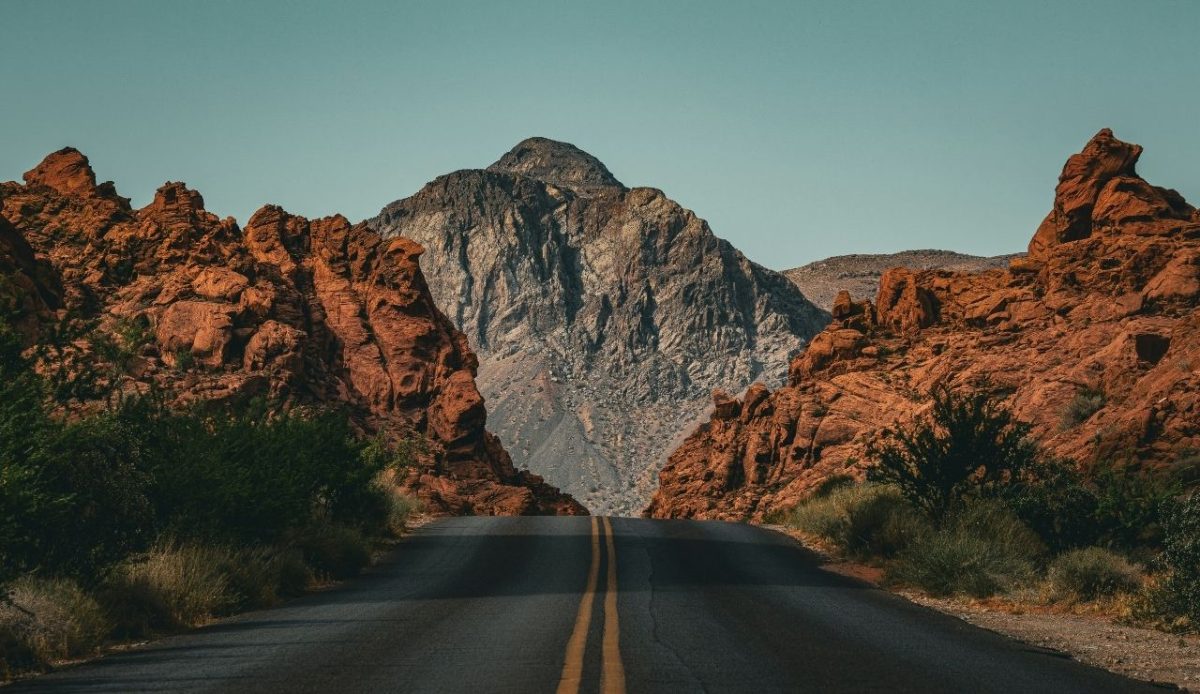
Valley of Fire State Park lies northeast of Las Vegas along NV 169, where exposed sandstone domes amplify radiant heat on short loop trails. Peak summer highs often exceed 110 F, and rock surfaces raise perceived temperature above forecasts.
Shade is limited outside a few picnic structures, and many viewpoints require walking across open slickrock and sandy washes. Risk increases because visitors arrive from air-conditioned spaces and misjudge how fast exertion becomes unsafe.
Nevada State Parks issues heat warnings and can close trails when conditions reach dangerous levels and rescue capacity is strained. These actions redirect use toward drive-through viewing and brief stops, reducing access to longer trail segments during peak months.
8. Saguaro National Park, Arizona
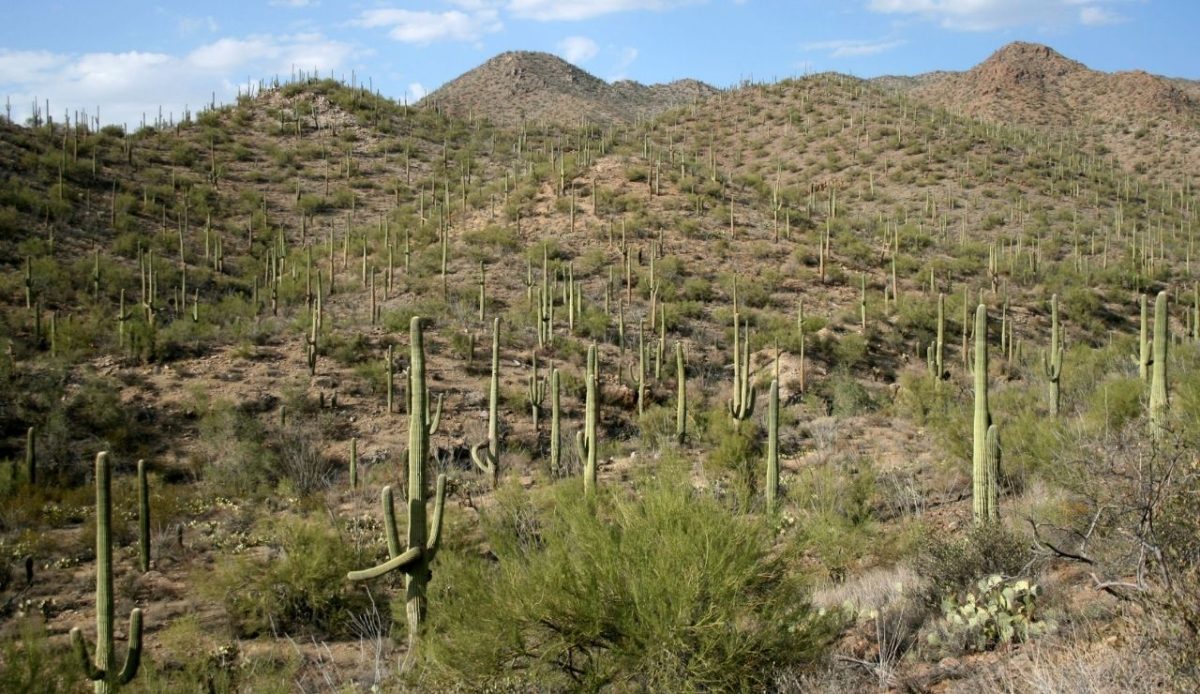
Saguaro National Park is split into the Tucson Mountain and Rincon Mountain districts, with desert trails starting near low-elevation road loops. During peak summer, daytime temperatures above 105 F cut safe hiking time on exposed washes and ridge crossings.
Most routes lack water and continuous shade, so dehydration risk grows as humidity stays low and sweat loss is hard to notice. Use concentrates near trailheads close to access points, raising incident likelihood during heat waves.
The National Park Service posts seasonal heat advisories and treats longer hikes as unsafe after mid-morning. These limits push use toward short paths and vehicle circulation because cooling infrastructure cannot be added across protected desert habitat.
9. Organ Pipe Cactus National Monument, Arizona
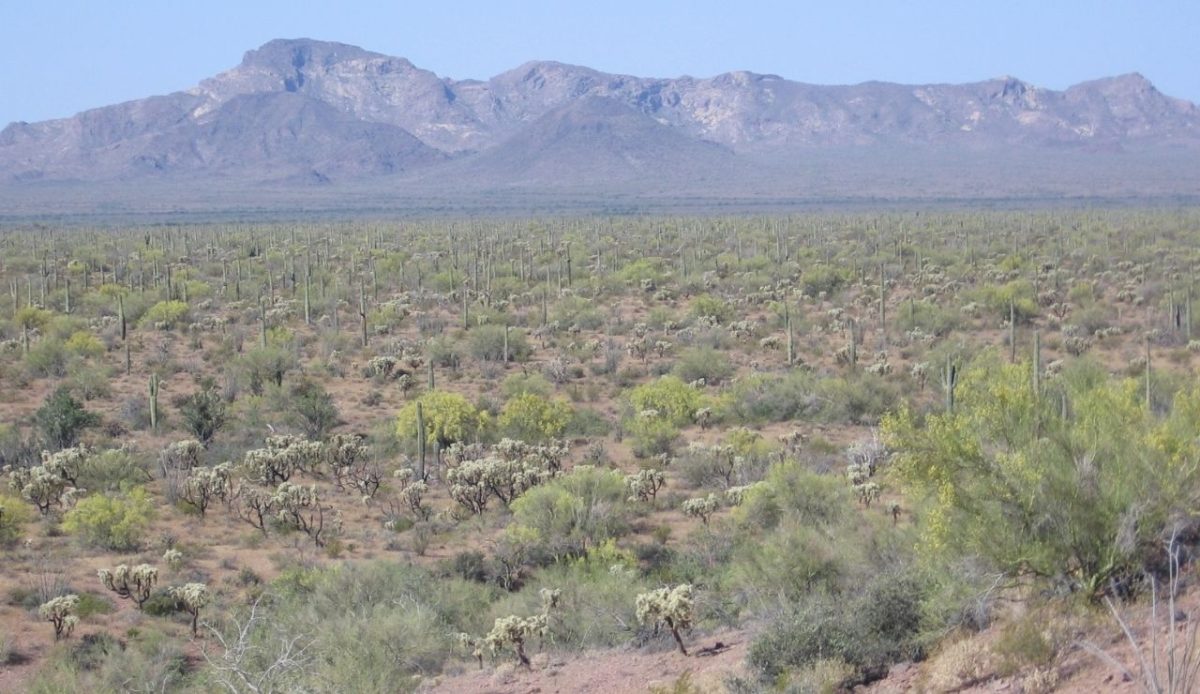
Organ Pipe Cactus National Monument sits along the Sonoran Desert border corridor south of Ajo, where services are limited, and distances between roads are large. Peak summer heat often stays above 105 F, shrinking safe travel margins.
Many routes are remote, and a vehicle failure on gravel roads can become life-threatening because shade is scarce and the phone signal is unreliable. When heat illness occurs, response time increases due to long drives and limited on-site staffing.
The National Park Service issues heat warnings and discourages backcountry route use during the hottest weeks. These responses concentrate visitors near developed areas and reduce access to long scenic drives when operational capacity cannot cover rescues.
10. Anza Borrego Desert State Park, California
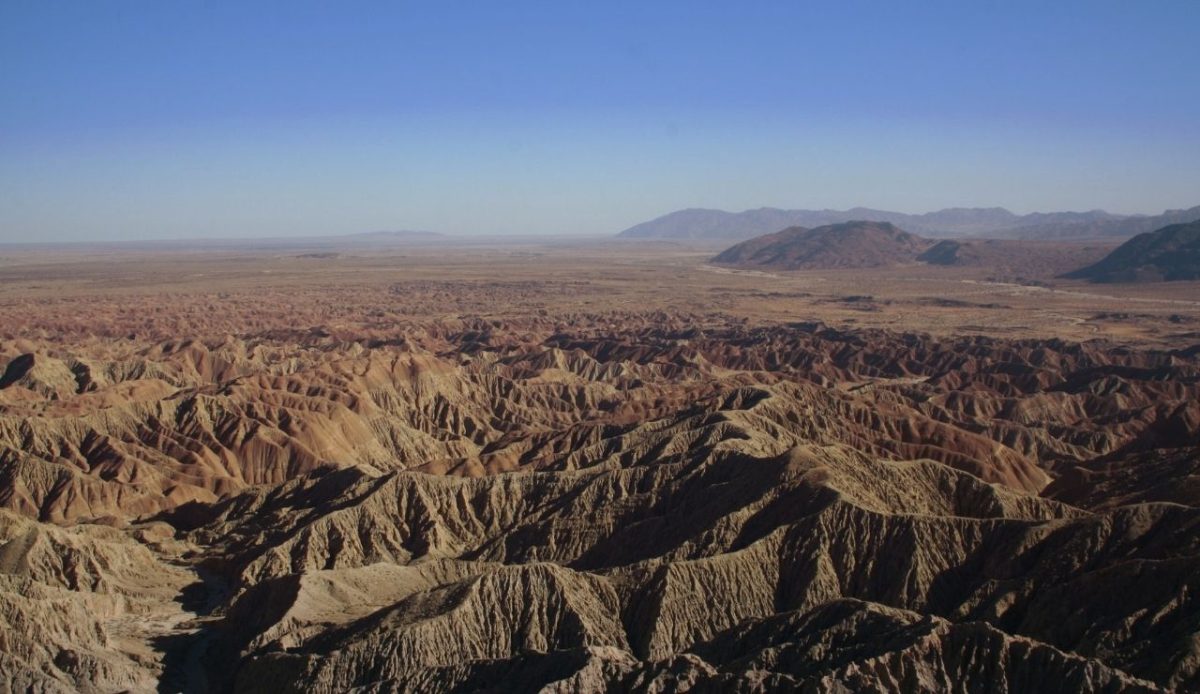
Anza Borrego Desert State Park covers open basins and badlands in eastern San Diego County, with access funneled through Borrego Springs and a few paved corridors. Peak summer highs above 110 F reduce safe time outside vehicles on open trails.
Water and shade are limited away from town, and many routes cross sandy washes where walking effort increases heat load. If a car overheats on backroads, the delay can become hazardous because rescue and towing capacity is limited.
California State Parks posts heat safety notices and warns against remote travel during extreme heat periods. These constraints shift use toward short stops near developed access points and reduce safe backcountry travel during peak summer.
11. Munga Thirri Simpson Desert National Park, South Australia
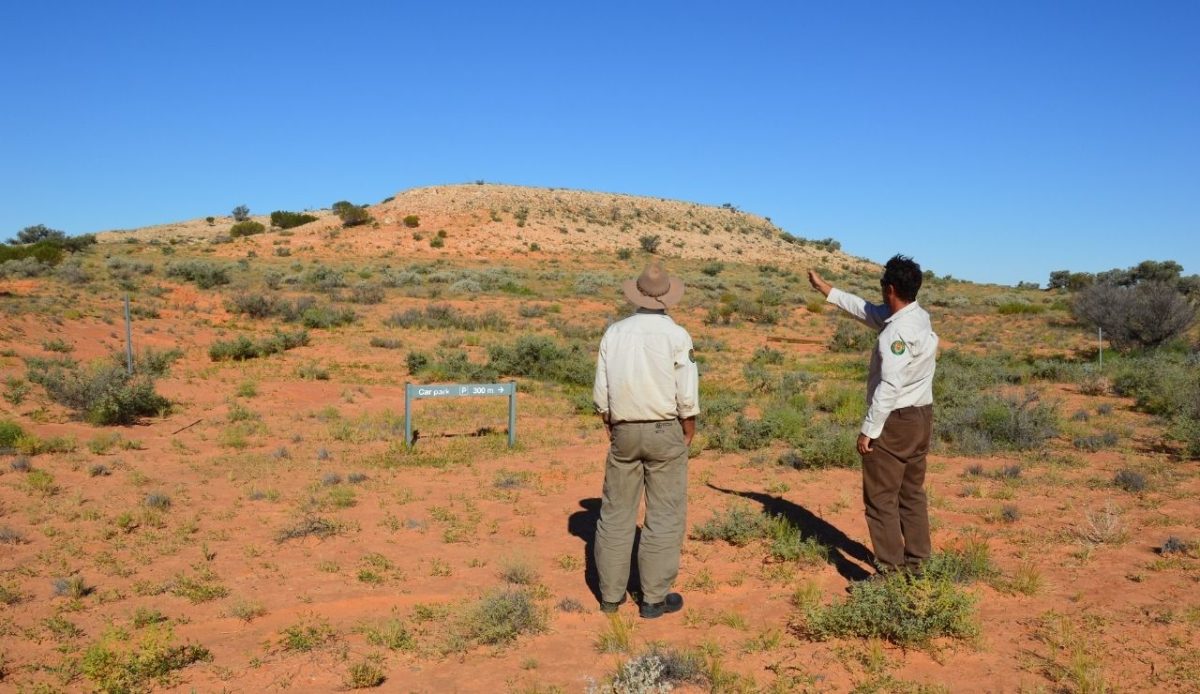
Munga Thirri Simpson Desert National Park in South Australia has long dune corridors with entry controlled by permits and a small set of tracks, such as the French Line. In peak summer, extreme heat and isolation reduce the margin for error.
Distances between fuel, water, and recovery services are large, so a mechanical failure can strand travelers far from refuge. Heat illness risk rises because evacuation may require long ground travel, and conditions can limit aircraft.
Authorities advise against summer crossings and manage access through guidance tied to safety and resource limits. These controls reduce visitor flow when temperatures peak and show how fixed transport inventory cannot support safe demand during mid summer.
