
California works for spring break family trips because the March and April weather is often comfortable, while visitor services stay active. Flight options, rental cars, and hotel supply support short stays, and many attractions extend hours during school holidays.
Trips score higher when plans stay simple, meals are easy, and an indoor fallback exists for rain or wind. The picks below were chosen for steady kid appeal, workable parking or transit, and attractions documented by park agencies or local visitor bureaus.
Each stop has a clear anchor plus nearby backups so parents can adjust pace for toddlers, grade school kids, or teens. The goal is a tight list of places families revisit, with practical reasons for why they work.
1. San Diego

San Diego fits a family spring break because many headline sites sit close, cutting drive time. Balboa Park packs museums, gardens, and play space into one area, and the San Diego Zoo remains a top draw for kids who want animals without long hikes.
Beach time stays reliable at La Jolla Shores or Coronado, where calmer water and services help parents. For rainy hours, the USS Midway Museum, Birch Aquarium, and the New Children’s Museum give hands-on learning that holds attention across all ages.
Base near Mission Bay or Downtown to limit transfers, then plan one major activity daily. That pacing matches school break energy and keeps dinner and bedtime realistic.
2. Anaheim and Disneyland Resort

Anaheim is a spring break standby for families seeking predictable logistics. Disneyland and Disney California Adventure publish height rules, accessibility details, and app based wait tools, which help parents plan around naps, mobility needs, and meal timing.
Staying on Harbor Boulevard keeps walking short and reduces parking stress. Many hotels offer shuttles and early breakfast, which matters for rope drop strategies. Off park time can be spent at Downtown Disney or Angel Stadium for a lower intensity day.
Buy tickets early, set a realistic ride list, and schedule breaks in the hottest afternoon window. The trip works best when expectations are set before arrival.
3. Monterey
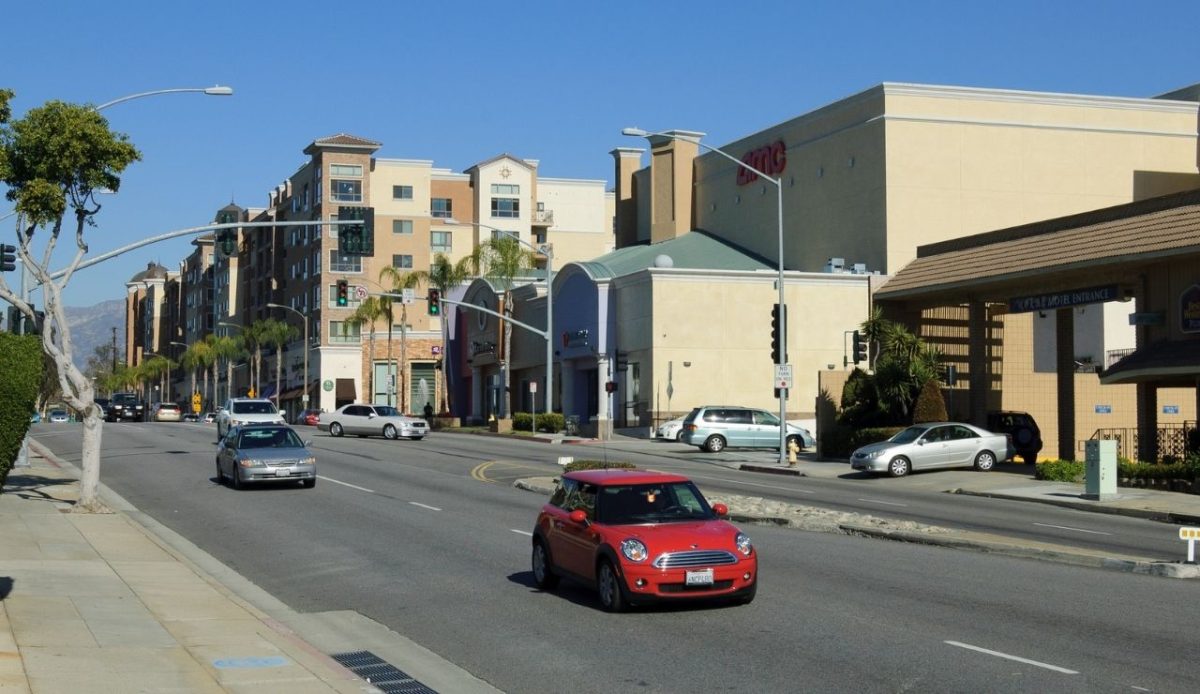
Monterey suits families who want coast time plus learning that feels fun. The Monterey Bay Aquarium is the anchor, with exhibits that connect to kelp forests, sea otters, and local conservation work, and its indoor setting helps on cool or windy days.
Cannery Row and the Recreation Trail allow stroller-friendly walking with frequent stops. Nearby Pacific Grove tide pools provide a low-cost science lesson, and whale watching departures run from the harbor in spring when conditions allow.
Reserve aquarium entry if timed tickets are used, then pair it with one outdoor block. Keeping afternoons flexible helps families avoid traffic on Highway 1 and makes dinner easier.
4. Santa Cruz

Santa Cruz earns family loyalty because the Beach Boardwalk delivers classic rides in a compact footprint. Posted height categories and ticket options make planning straightforward, and spring break weeks often bring full operations without peak summer crowds.
Outside the gates, the adjacent beach provides free reset time, while Natural Bridges State Beach and nearby redwood parks offer short trails for kids who need movement. The Seymour Marine Discovery Center adds a research-based stop tied to local university work.
Choose lodging near the Boardwalk to cut parking hassle, then start early to avoid afternoon lines. A simple two-block day keeps everyone in a good mood.
5. Santa Barbara
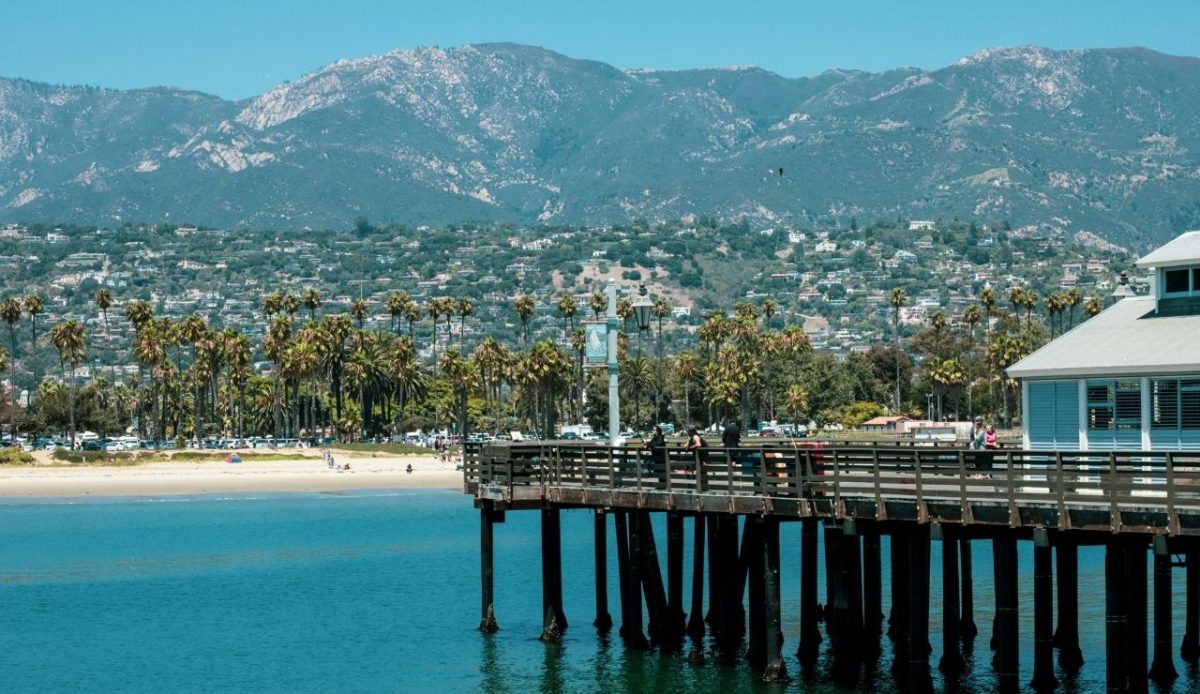
Santa Barbara works for families because it is easy to navigate and calm by design. The waterfront has beaches, the harbor, Stearns Wharf, and a walkable path system, so parents can keep plans close and avoid long car time during a short school break.
Kid-friendly anchors include the Santa Barbara Zoo and MOXI, The Wolf Museum of Exploration plus Innovation, both built for interactive learning. The courthouse tower view and State Street strolling add low-cost options that still feel special.
Pick one structured stop, then keep the rest flexible for beach time or a harbor cruise. Spring temperatures support outdoor time without the heavy summer crush.
6. Yosemite National Park
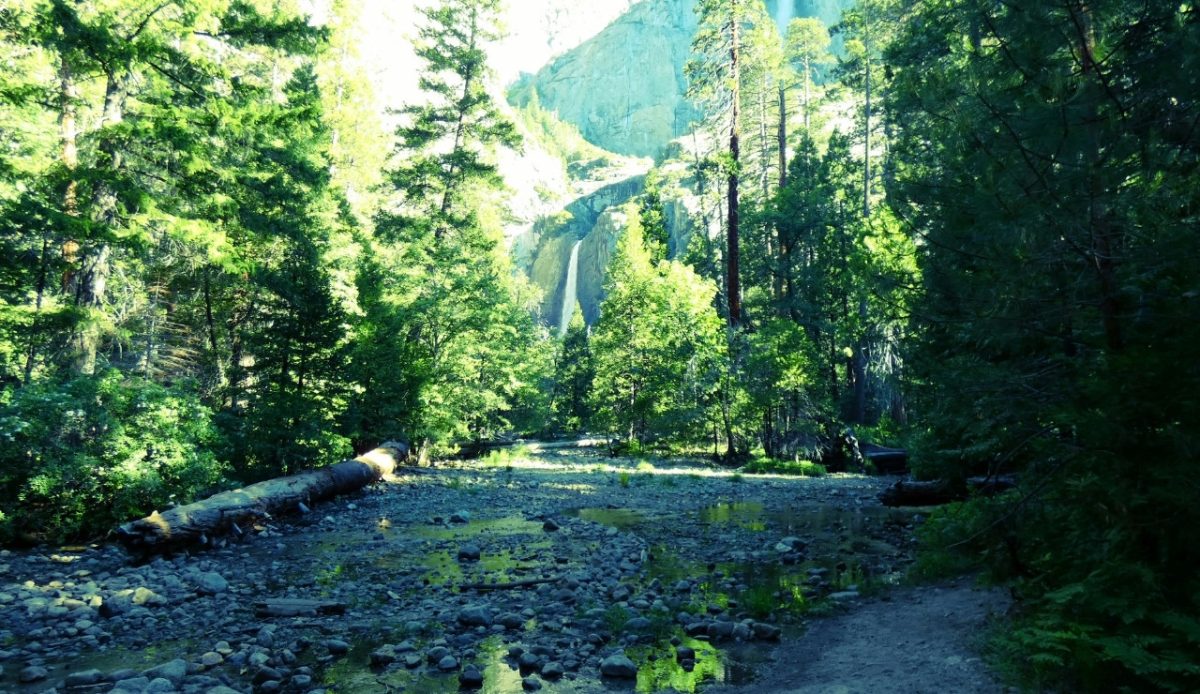
Yosemite in spring is chosen for waterfalls powered by snowmelt, which can make Yosemite Falls and Bridalveil impressive without the deepest summer crowds. Valley viewpoints are reachable with short walks, so families get big scenery without committing to long mileage.
Ranger programs and Junior Ranger booklets add structure and keep kids engaged with geology and wildlife safety. Pack layers because mornings stay cold, and check road and chain requirements for higher elevations that can linger into spring.
Stay in or near the park to cut gate lines, then use the valley shuttle when running. Plan afternoons around traffic and parking limits, since congestion can build fast.
7. Sequoia and Kings Canyon

Sequoia and Kings Canyon give families a national park hit with shorter trail demands near major sights. The Giant Forest area includes paved segments and short routes to the General Sherman Tree, so younger kids can handle it, even when snow patches remain.
Visitor centers and ranger staff provide route guidance that helps parents avoid steep grades. Winter storms can affect road access into spring, so checking conditions before driving up Highway 198 reduces the risk of wasted time.
Pair one sequoia walk with a scenic stop like Moro Rock if open, then keep the daylight. High elevation fatigue is real, so hydration and slow pacing matter.
8. Lake Tahoe

Lake Tahoe fits spring break when a family wants both snow play and early-season hikes. Some resorts still run late skiing or tubing, while lakeside paths start clearing, letting parents switch plans if the weather shifts from sun to storm. Shoulder season rates can also be better than midsummer.
Choose the basin side that matches the goals. South Lake Tahoe offers more lodging and indoor accommodations, plus the Heavenly gondola area, while the North Shore can feel quieter. Emerald Bay viewpoints add a quick stop with high payoff.
Check road conditions on mountain passes, carry traction gear, and avoid overpacking for the day. A morning on snow followed by an afternoon by the lake keeps energy even.
9. Greater Palm Springs

Greater Palm Springs is popular with families in the spring because pool weather arrives before desert heat peaks. Resorts often cater to kids with splash areas, and the Palm Springs Aerial Tramway adds a high-contrast day trip from warm valley floors to cooler mountain air.
Living Desert Zoo and Gardens in nearby Palm Desert offers animal viewing and desert ecology without a huge footprint. The Air Museum appeals to older kids, and short hikes in Indian Canyons work well when started early.
Schedule outdoor time in the morning, then shift to shade and water by midafternoon. Bring sun protection and plan simple meals so the trip stays easy for parents.
10. Los Angeles

Los Angeles works for family spring break when the trip is planned by neighborhood, not by citywide hopping. The California Science Center and Griffith Observatory provide strong learning value with hands-on exhibits and space content that holds interest for many age groups.
Beach time is easy to add at Santa Monica or Manhattan Beach, and studios can be a teen-friendly choice if expectations are set. Traffic is the main risk, so staying near your top sites saves hours and reduces crankiness.
Build each day around one anchor, then add a nearby park or food stop. Using timed entry, when offered, keeps lines shorter and makes the schedule more reliable.
11. San Francisco

San Francisco appeals to families because major kid-friendly stops cluster near the waterfront and Golden Gate Park. The Exploratorium delivers hands-on science for a wide age range, while the California Academy of Sciences adds an aquarium, planetarium, and rainforest dome in one ticket.
Pier 39 and the sea lions provide an easy outdoor block, and ferry rides across the bay can feel like an attraction on their own. The weather can turn quickly, so layers and a backup indoor plan prevent frustration.
Use transit or short rideshares instead of hunting for parking. Keep plans compact and finish with a simple dinner early, since long waits can wear kids down fast.
