
Train trips should feel easy: board, settle in, and let the scenery do the work. But when departures thin out, amenities shrink, or station support fades, a “dream route” turns into a workaround puzzle that changes comfort, reliability, and cost.
Some cutbacks are temporary, tied to construction, equipment shortages, or staffing gaps. Others quietly stick around, and you only notice when a favorite departure vanishes or a connection gets awkward.
These 11 cuts show up most often in real trip planning. If your itinerary depends on one, build buffer time, keep a backup plan, and avoid tight connections that assume everything runs perfectly.
1. Fewer daily departures on key routes
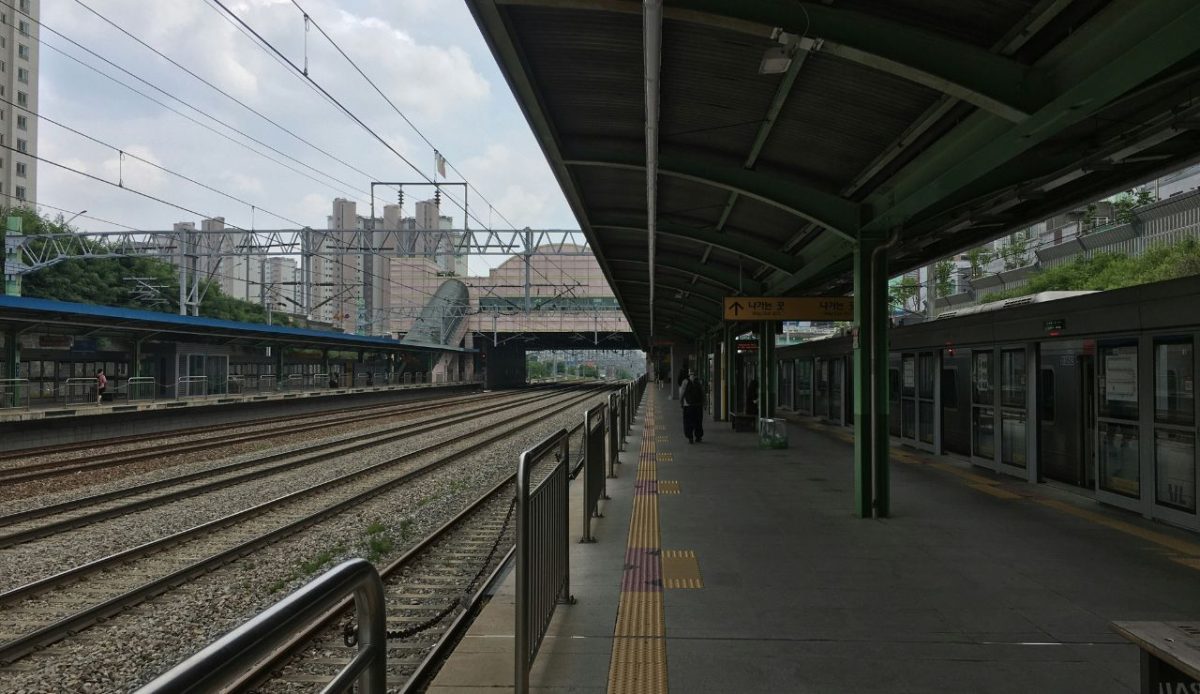
When a corridor drops from frequent service to a handful of trains, timing becomes the whole trip. A midday option disappears, and you’re left choosing between a dawn departure or a late-night arrival that wrecks the first day.
Fewer trains also means less recovery. Miss a connection or hit a delay, and the next departure may be tomorrow, not two hours later. Holiday weekends get worse because sold-out trains remove any “maybe I’ll switch” flexibility.
If frequency is low, plan like you’re on a once-a-day flight: build a buffer, avoid tight same-day connections, and keep a bus or rental fallback ready.
2. Short-turns that break through-rides
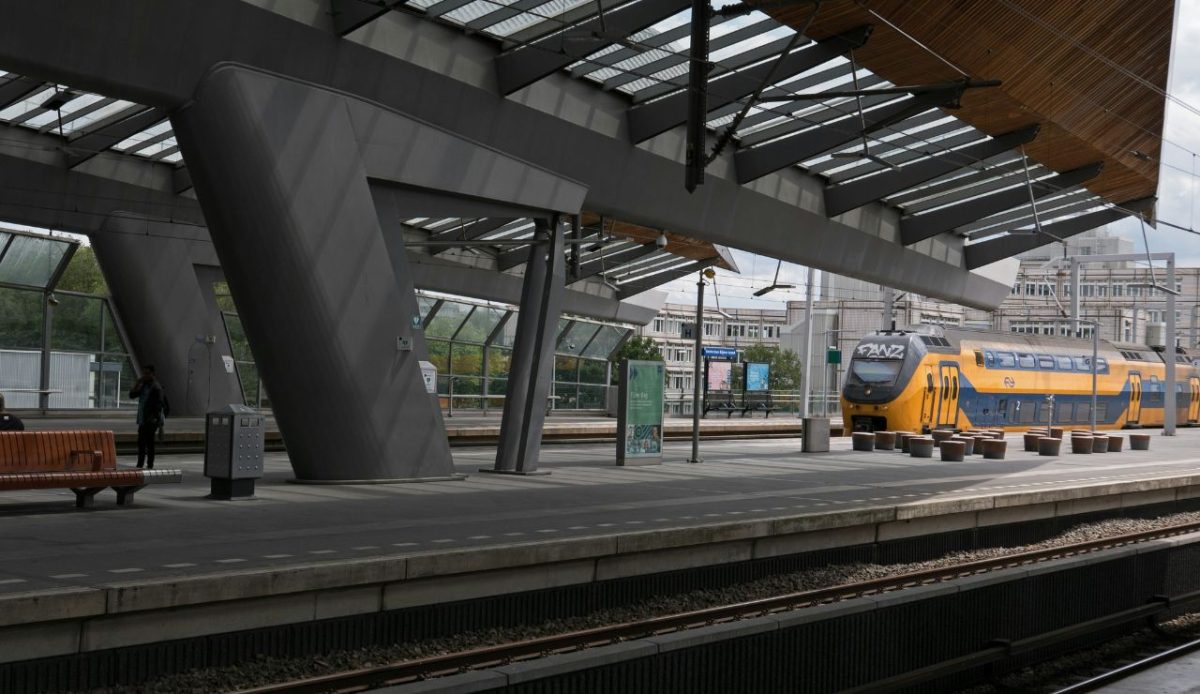
Train “combinations” and short-turns can quietly break a one-seat ride into a forced transfer. You still have a ticket, but the itinerary now includes a platform change, a longer layover, or a different train number that confuses riders.
This hits hardest on through-routes people book specifically to avoid hassle. Luggage, kids, mobility limits, and winter weather turn a simple mid-trip switch into a stress multiplier, especially when stations are understaffed.
Before booking, read the schedule details and confirm whether you must change trains. If a segment is labeled temporary or adjusted, assume it could shift again and choose lodging you can move without penalties.
3. Bus bridges replacing rail segments
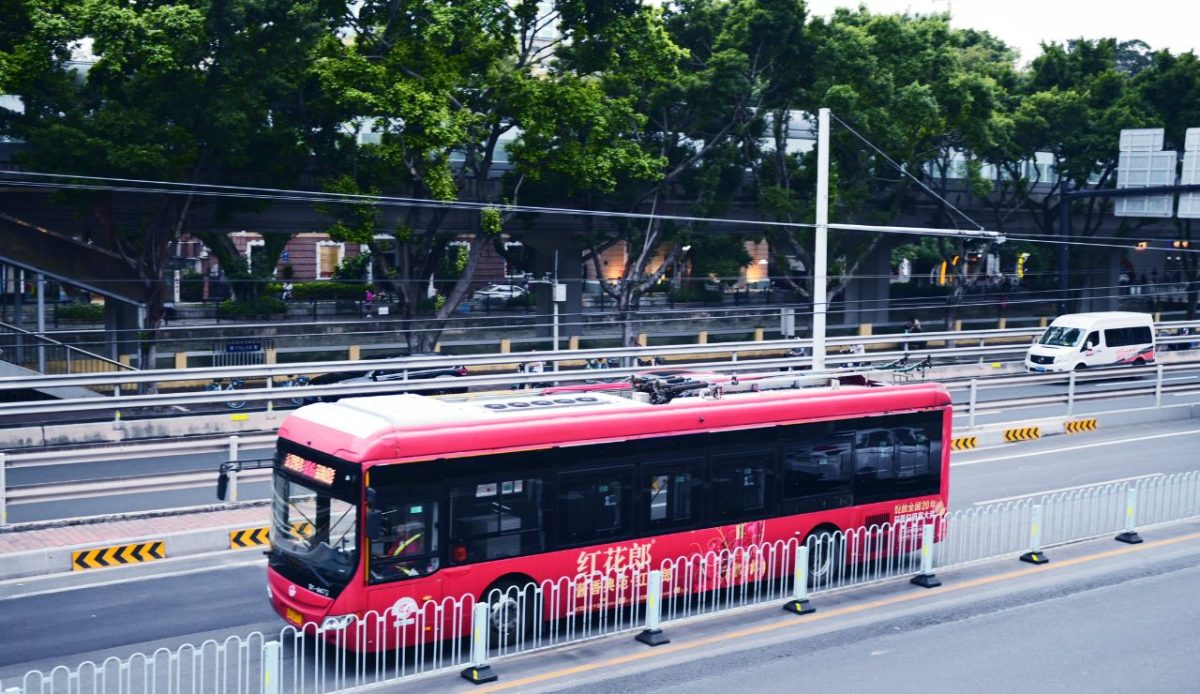
A bus bridge is the stealth trip-killer because it’s still sold under a train brand. Track work or corridor projects can replace part of your journey with a motorcoach for a day, a week, or an entire season.
That change isn’t only about comfort. Bus segments add check-in steps, reduce luggage space, and can drop you at a different stop than the station you expected. Connections feel tighter because traffic replaces timetables.
If the ride itself is the point, verify every segment is rail on your dates. Build a buffer around bus-to-train transfers, and don’t schedule timed tours right after arrival. Treat the bus leg as a separate trip with its own delays.
4. Shorter trains that sell out fast
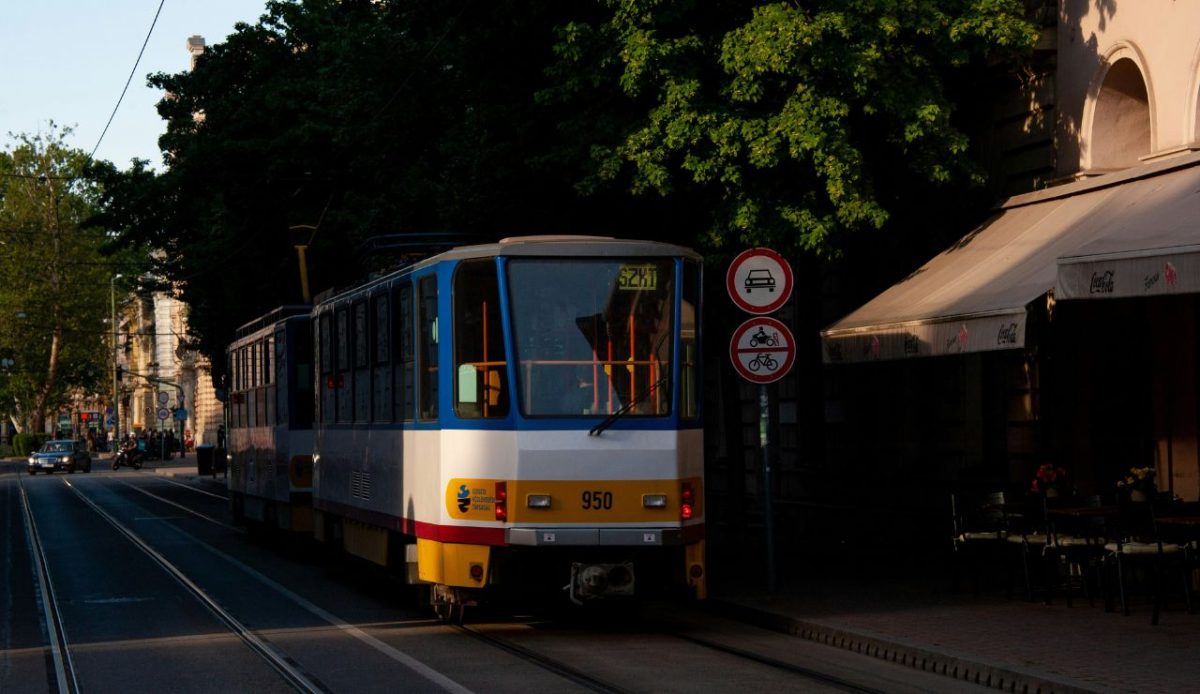
Shorter consist is an easy way to “cut” capacity without canceling the train. Fewer coaches or sleepers means fewer seats, fewer rooms, and fewer chances to upgrade close to departure.
When cars are missing, the onboard experience tightens too. Café lines get longer, popular items sell out, and finding a quiet seat can feel competitive. On long rides, that crowding changes the vibe from relaxed to cramped.
If you want sleepers or specific seating, book earlier than you think, especially on once-daily routes. If you’re flexible, compare nearby stations and travel days; a small shift can flip a sold-out date into open space.
5. Simplified onboard dining and café limits
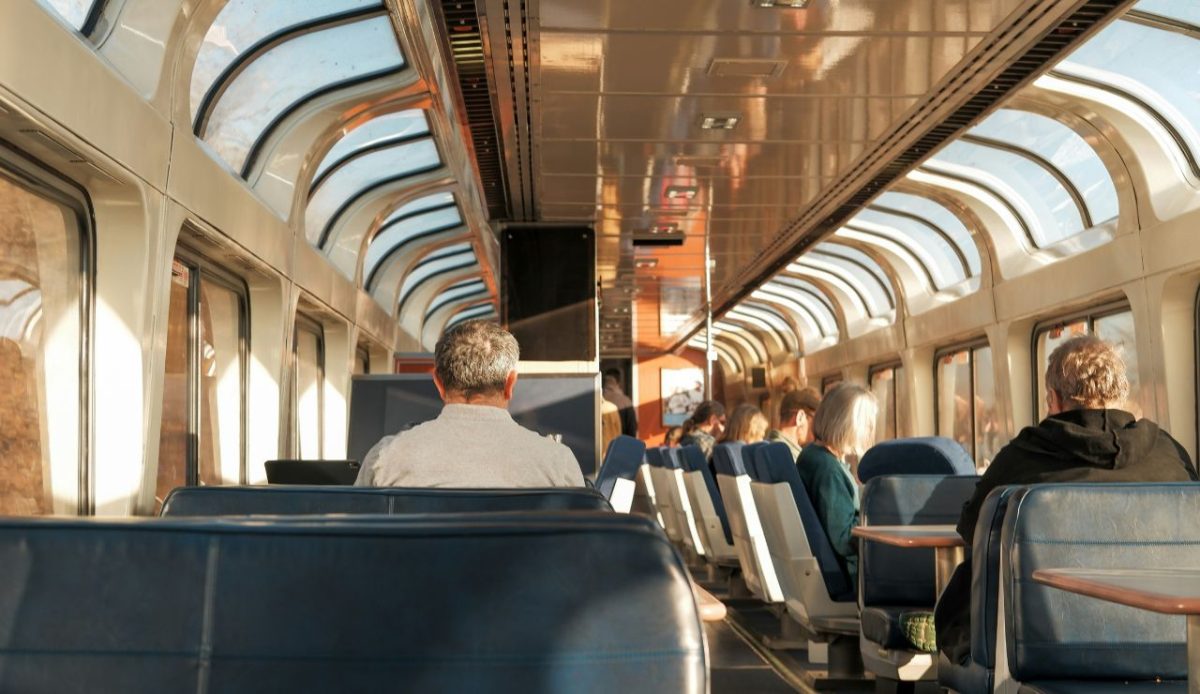
On long-distance runs, dining is part of the fantasy, and also where service gets simplified first. A reduced menu, limited hours, or a switch to lighter “flex” service changes what you can count on when you’re onboard all day.
The practical hit is bigger than taste. When options shrink, everyone crowds the café at the same time, items sell out, and your day starts revolving around food logistics instead of the view. Families feel it hardest.
Pack like the café might not solve your hunger: bring shelf-stable snacks, refillable water, and a backup meal. If dining matters to you, confirm what’s offered on your specific train before you pay extra.
6. Reduced lounge hours and station staffing
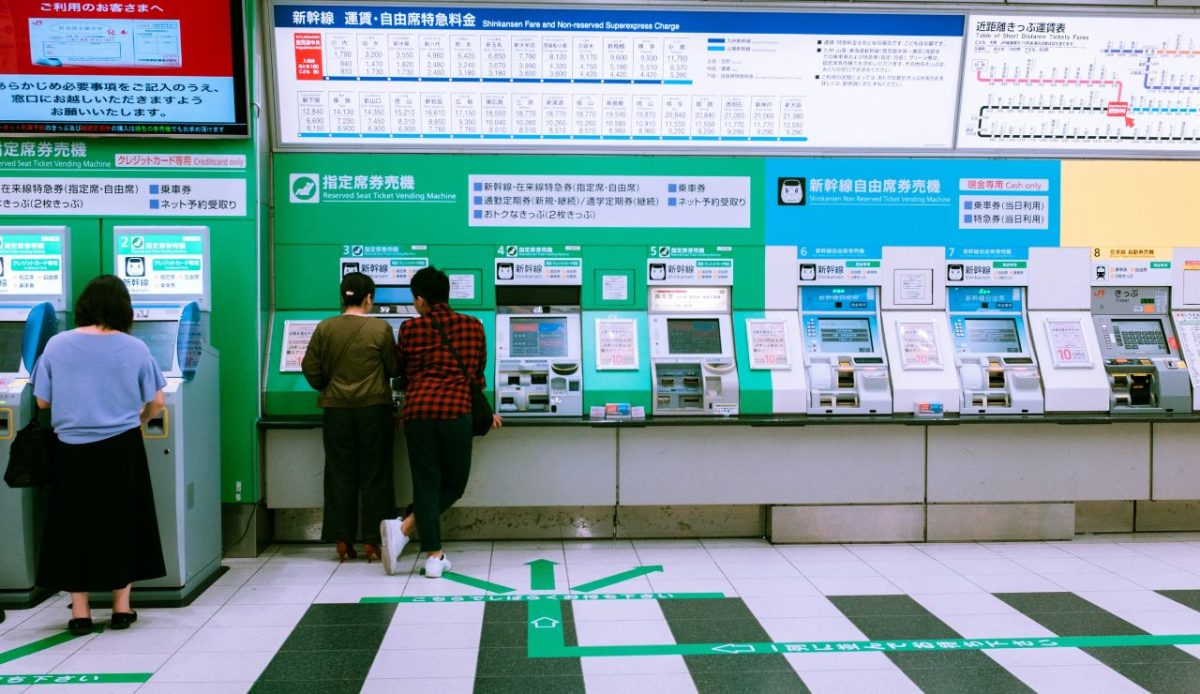
Station lounges and staffed counters are the “trip insurance” most riders don’t think about until something goes wrong. Reduced hours, tighter access rules, or fewer agents can make premium tickets feel less premium the moment a delay hits.
Lounges are where you charge devices, sit somewhere calm, and get rebooked without fighting the main-line crowd. When they’re closed or packed, you’re back in the general waiting area with fewer resources and slower help.
Treat lounge access as a bonus, not a plan. Arrive with food and a charged power bank, keep tickets handy on your phone, and know your backup train options. If lines are long, phone or app support can be faster than the counter.
7. Checked-baggage gaps that force lighter packing
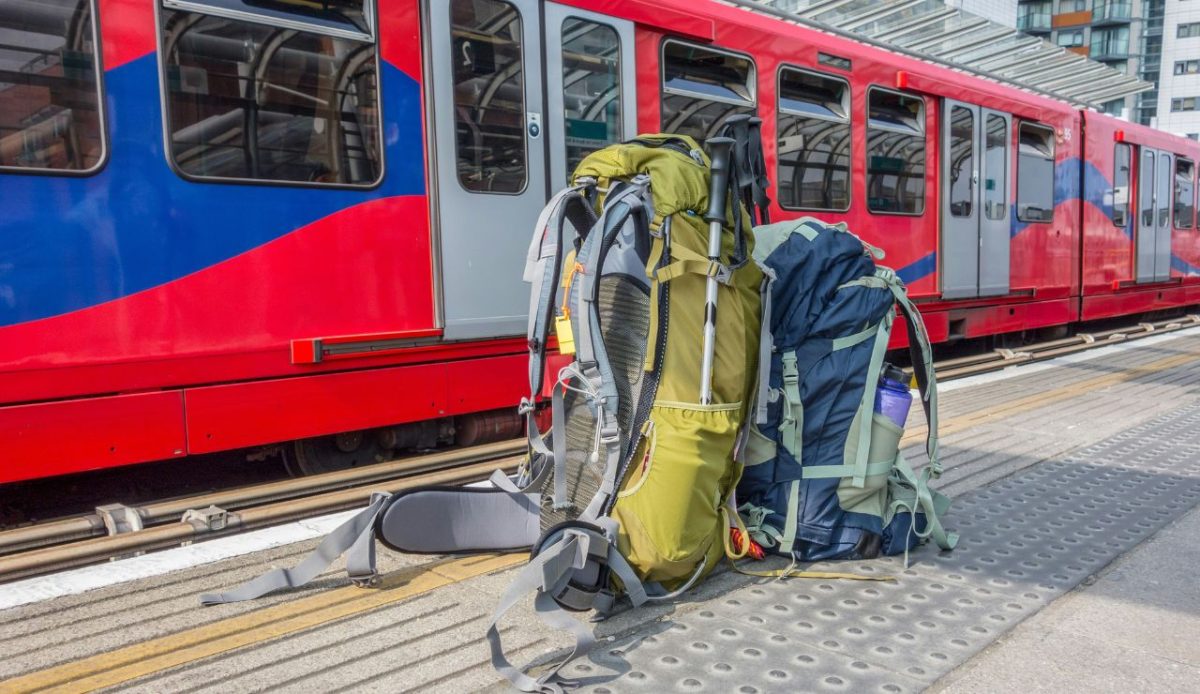
Checked baggage feels like a basic service until your station doesn’t offer it. Limited staffing or route rules can remove checking entirely, or shrink the drop-off window, which reshapes how people pack.
For longer trips, this hits families and travelers with bulky items the hardest. It also complicates multi-train itineraries when one end supports checking, and the other doesn’t. The result is more carrying, more stress, and shorter realistic trips.
Confirm baggage service at both ends before you buy. If it’s unavailable, pack lighter and prioritize carry-ons you can lift. If you need more space, ship items ahead or use a nearby station that still checks bags.
8. Bike capacity cuts that derail cycling plans
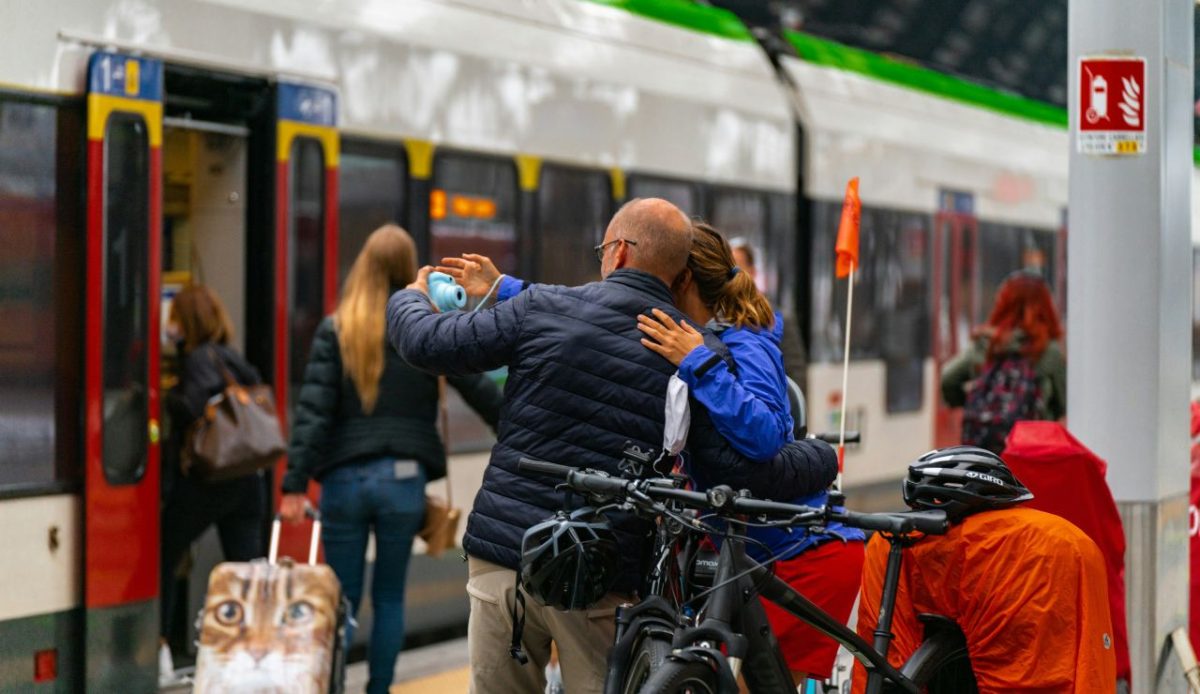
Bike-friendly train travel sounds effortless until you hit capacity limits. Some routes allow roll-on bikes, others require boxing, and many trains carry only a small number of bike slots that sell out quickly.
When service is reduced, bike space is often squeezed first. A train may still run, but no longer accepts bikes at your station, or only on a departure time that doesn’t match your plan. That can kill a “ride there, train back” weekend.
Check rules for your specific train number, not just the route name. If you need a bike slot, book it with your ticket. If none are available, plan a one-way ride with a rental or bike share at the far end.
9. Spotty Wi-Fi and power that kill productivity
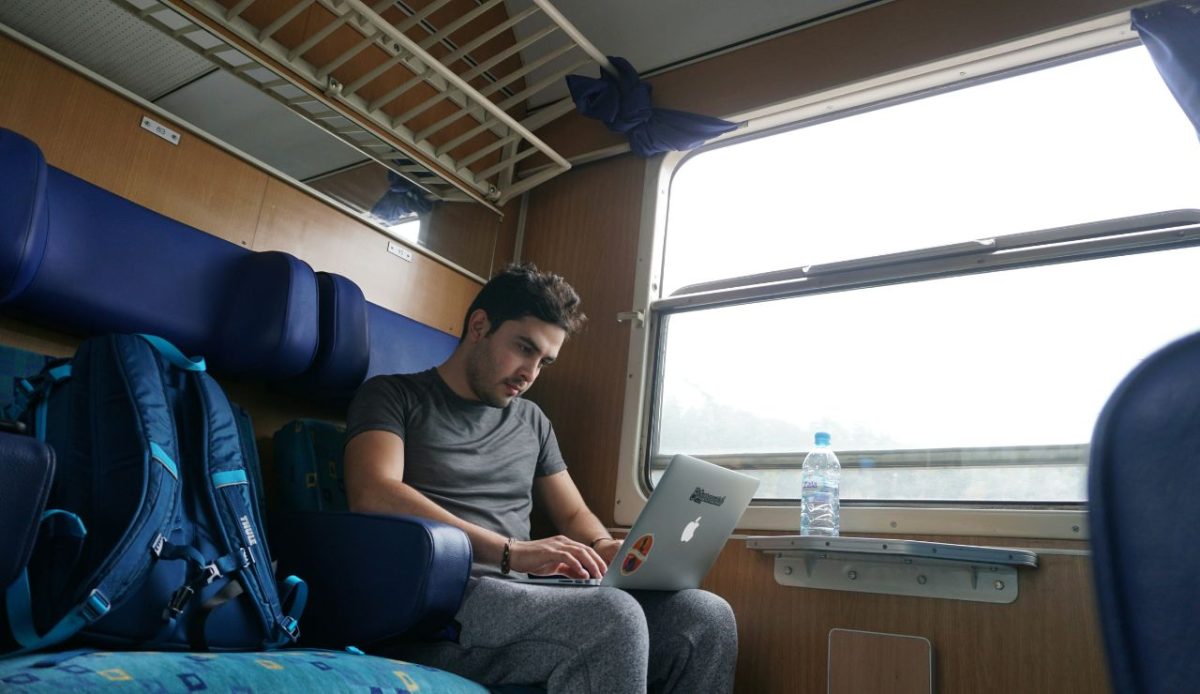
“Work from the train” is a vibe until Wi-Fi and power get unreliable. Older equipment, terrain, and network limitations can mean dead zones, slow speeds, and outlets that don’t work in every seat.
The cut is practical: fewer dependable charging options and more competition for the handful of seats near outlets. Café cars can turn into charging lounges, which makes them crowded and noisy. For students and remote workers, the trip becomes battery management.
Plan as if you’ll be offline. Download tickets, maps, and entertainment before boarding, and bring a power bank that can last a full day. If you must take calls, build slack into deadlines for stretches with no signal.
10. Delay patterns that flip daylight into midnight
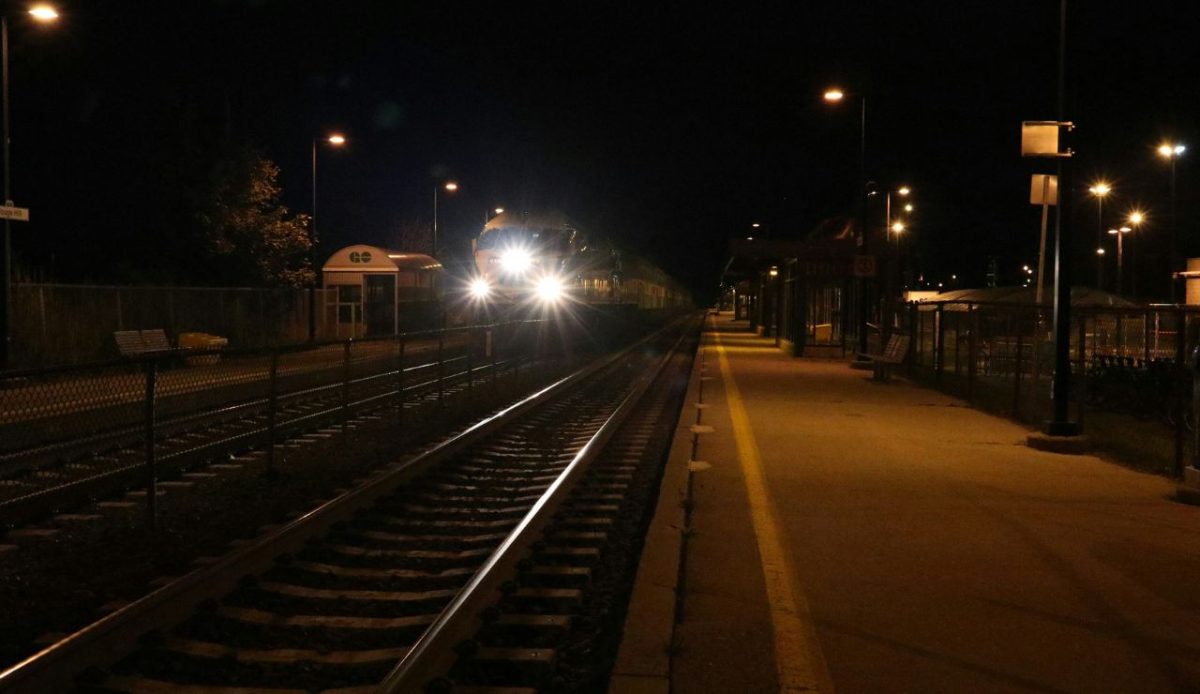
The biggest dream-killer isn’t a canceled train, it’s chronic lateness that turns daylight plans into night arrivals. Dispatching priorities and cascading delays can shift your schedule by hours.
Late trains create domino effects. A delayed inbound set becomes your delayed outbound, and missed connections can mean an unexpected overnight or a long wait in a station with limited amenities. Even “small” delays can break pickups and hotel check-in timing.
Build your itinerary assuming you’ll arrive late. Avoid nonrefundable events on arrival day, and skip same-day flight connections. If you need certainty, choose shorter segments, earlier departures, and routes with more daily frequency.
11. Fewer low fares that price out dream trips
Service “cuts” can look like price cuts in reverse: when the cheapest fare buckets vanish quickly, last-minute shoppers only see the highest prices and assume rail isn’t worth it. Reduced frequency and shorter trains make this happen faster.
Sleepers are where the sticker shock hits hardest. Roomettes and bedrooms can jump to levels that feel closer to a resort night than a ride, and upgrade chances drop when inventory is tight.
If you want a deal, book earlier on once-daily routes and compare nearby stations because pricing can differ. Travel midweek, avoid peak weekends, and consider splitting a long trip into two segments when it prices lower than one continuous ticket.
