
Small-town America is often celebrated for its friendliness and charm, but not every stop delivers that postcard-perfect welcome. Some communities remain wary of outsiders, while others frustrate visitors with outdated facilities, strict local rules, or unfriendly attitudes. Whether it’s tourist fatigue or sheer isolation, these ten towns have earned a reputation for being less than inviting. Here’s a look at where travelers often feel the cold shoulder instead of small-town warmth.
1. Barrow (Utqiaġvik), Alaska
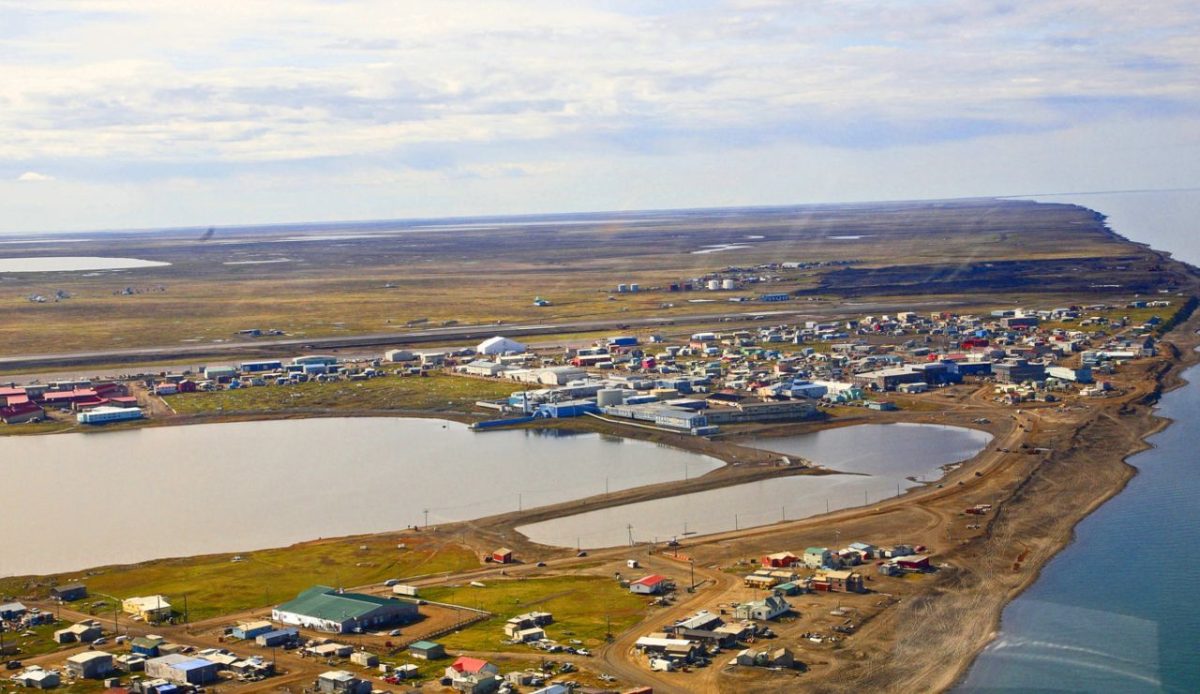
The northernmost town in the U.S., Barrow, fascinates travelers with its endless daylight in summer and polar nights in winter. Yet its extreme isolation and harsh conditions make it difficult for visitors to feel comfortable. Tourism infrastructure is minimal, and locals, accustomed to challenging Arctic life, often keep to themselves. The environment is captivating but unforgiving, and outsiders quickly learn that surviving here is far more impressive than sightseeing.
2. Gary, Indiana
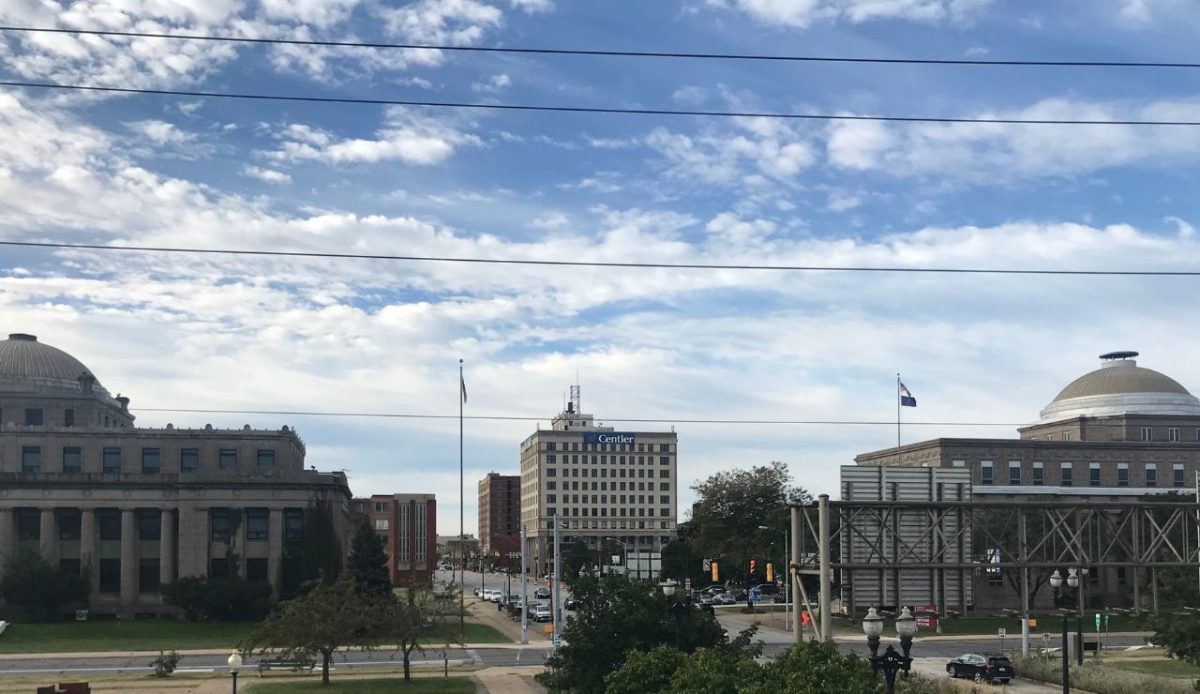
Once a thriving steel town, Gary now struggles with economic decline and high crime rates that make many tourists uneasy. Its once-grand downtown is dotted with abandoned buildings and faded landmarks. While local revitalization efforts exist, the city’s reputation for danger overshadows them. Curious travelers who do visit often feel tension and caution rather than small-town hospitality. Gary’s gritty history tells a powerful story, but it’s not an easy place to explore casually.
3. Camden, New Jersey
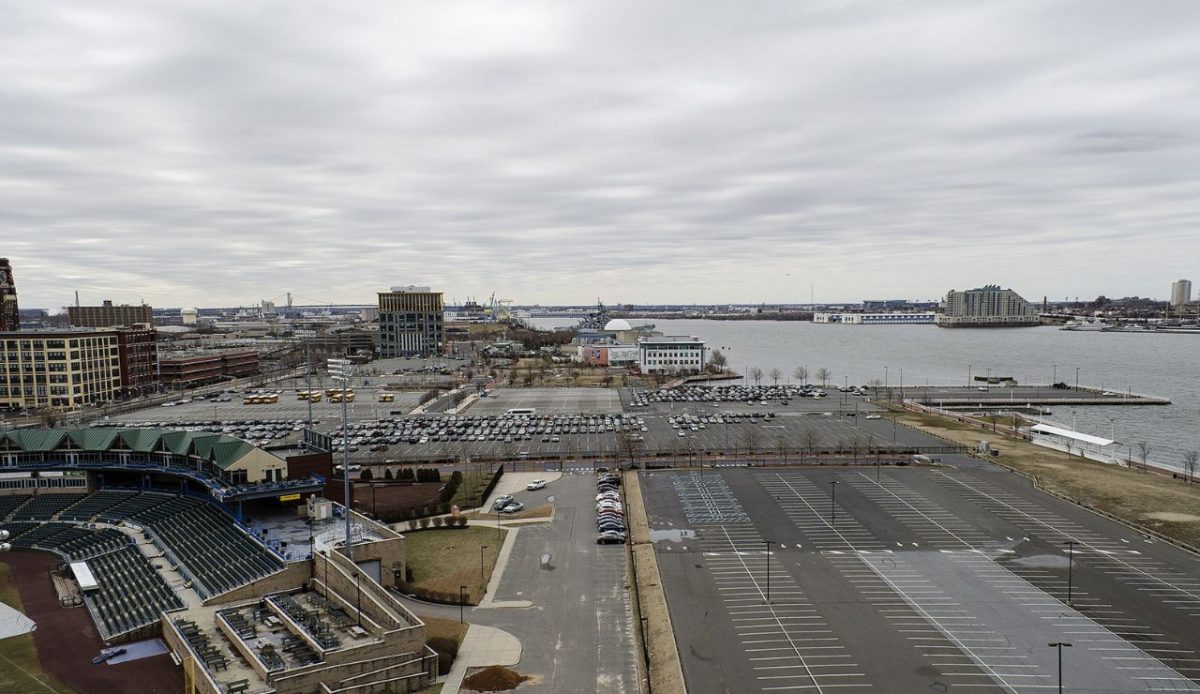
Located just across the river from Philadelphia, Camden offers glimpses of potential, a waterfront park, aquarium, and skyline views, yet visitors often describe feeling uneasy. Years of poverty and high crime have shaped the city’s reputation, and the contrast between its revitalized waterfront and struggling neighborhoods is stark. Locals remain proud and protective, but the tension is palpable. Camden’s story is complex and human, though few tourists linger long enough to fully understand it.
4. Cairo, Illinois
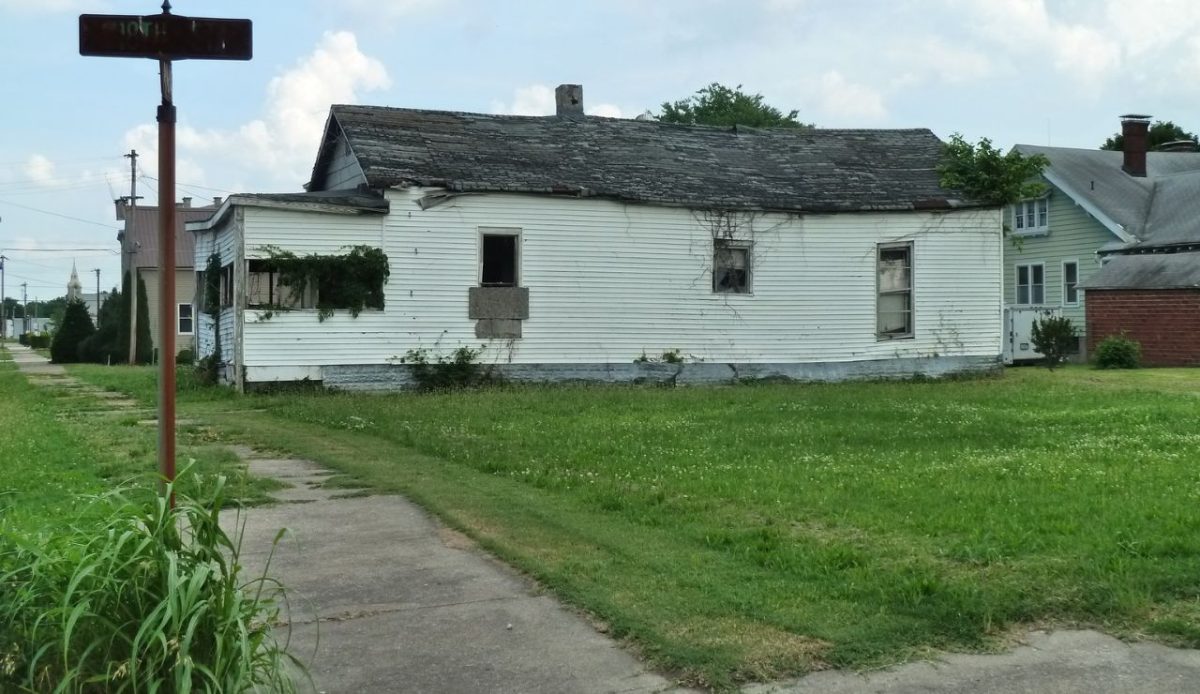
Cairo sits at the meeting of the Mississippi and Ohio Rivers, yet its potential as a riverfront gem has long been overshadowed by decay and division. Once prosperous, the town now feels almost deserted, with historic buildings in disrepair and businesses shuttered. Locals are wary of tourists photographing ruins without understanding the town’s struggles. Visitors expecting Southern charm instead encounter a haunting reminder of America’s forgotten towns.
5. Tonopah, Nevada
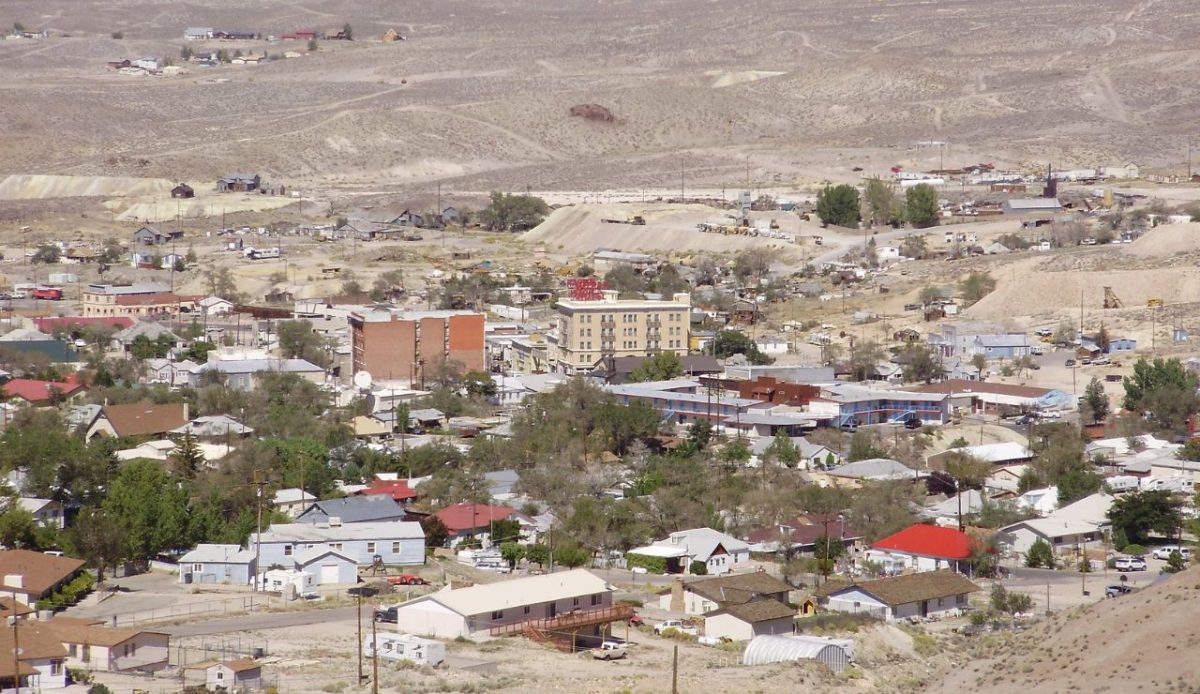
Halfway between Las Vegas and Reno, Tonopah feels like a place caught between eras. Once a bustling mining hub, it now blends crumbling relics with eerie quiet. The desert air and long, empty streets give it an unsettling stillness, especially after dark. Locals are courteous but distant, protective of their slow pace and solitude. It’s a few motels, including a rumored-haunted hotel, that intrigue road-trippers, yet many leave feeling they’ve crossed into a ghost town that never fully woke back up.
6. Truth or Consequences, New Mexico
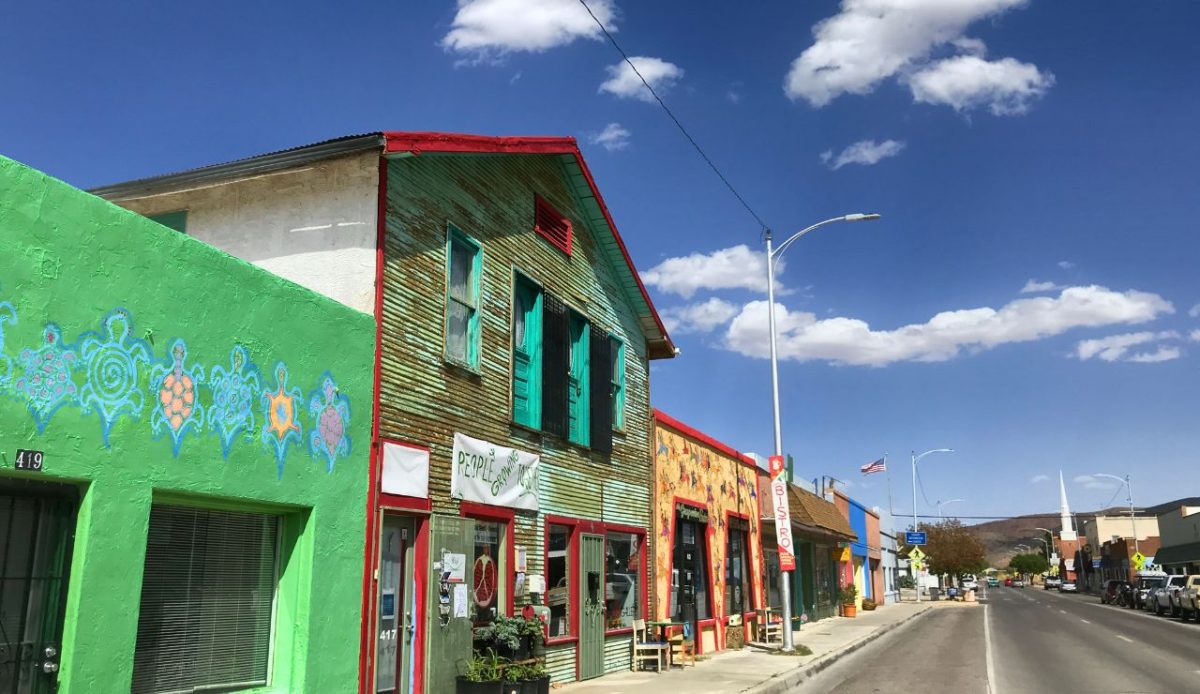
Despite its playful name, this desert town can surprise travelers with its detached atmosphere. Originally renamed after a radio show, Truth or Consequences attracts spa-seekers and artists, yet many visitors find it oddly distant. The hot springs charm some, but others feel the community’s slower pace and sparse amenities make outsiders stand out. The landscape is beautiful but bare, and warmth here comes from the water, not necessarily the welcome.
7. Flint, Michigan
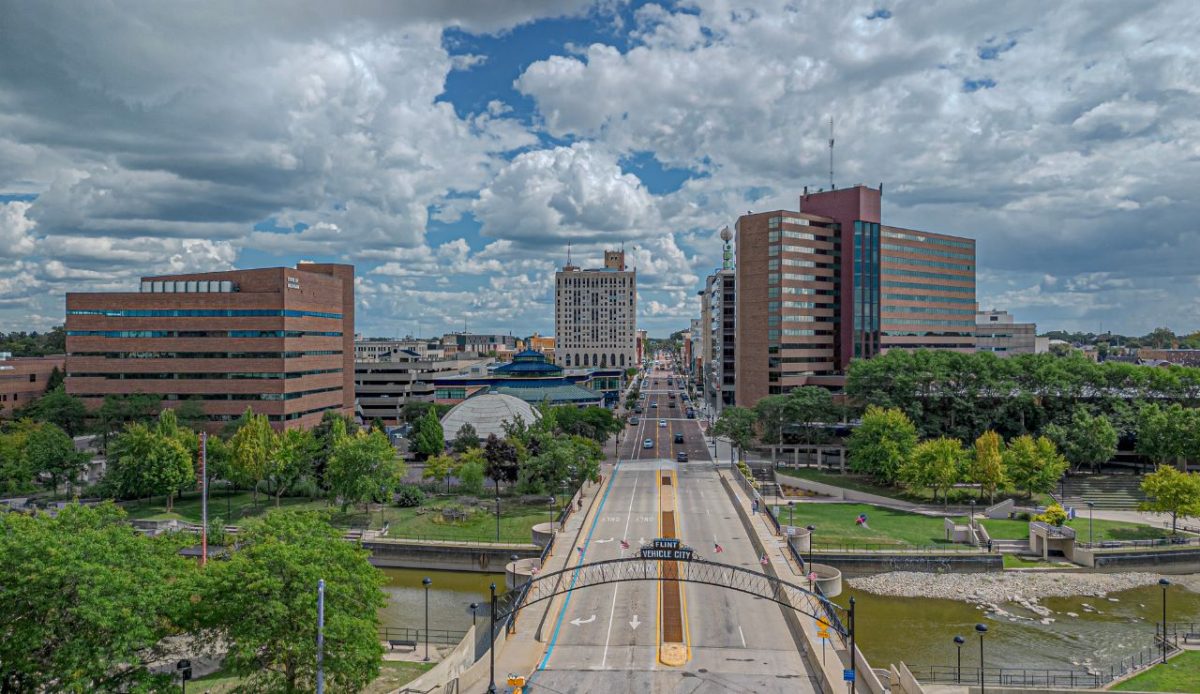
Flint’s water crisis left a lasting impact not just on residents but also on how outsiders perceive it. While efforts to rebuild trust continue, many travelers still associate the city with hardship and health risks. Tourism options are limited, and the community remains understandably protective. Visitors often sense resilience mixed with wariness, a town healing on its own terms. Flint’s story is one of endurance, though it’s not yet a comfortable stop for casual tourists.
8. Marfa, Texas
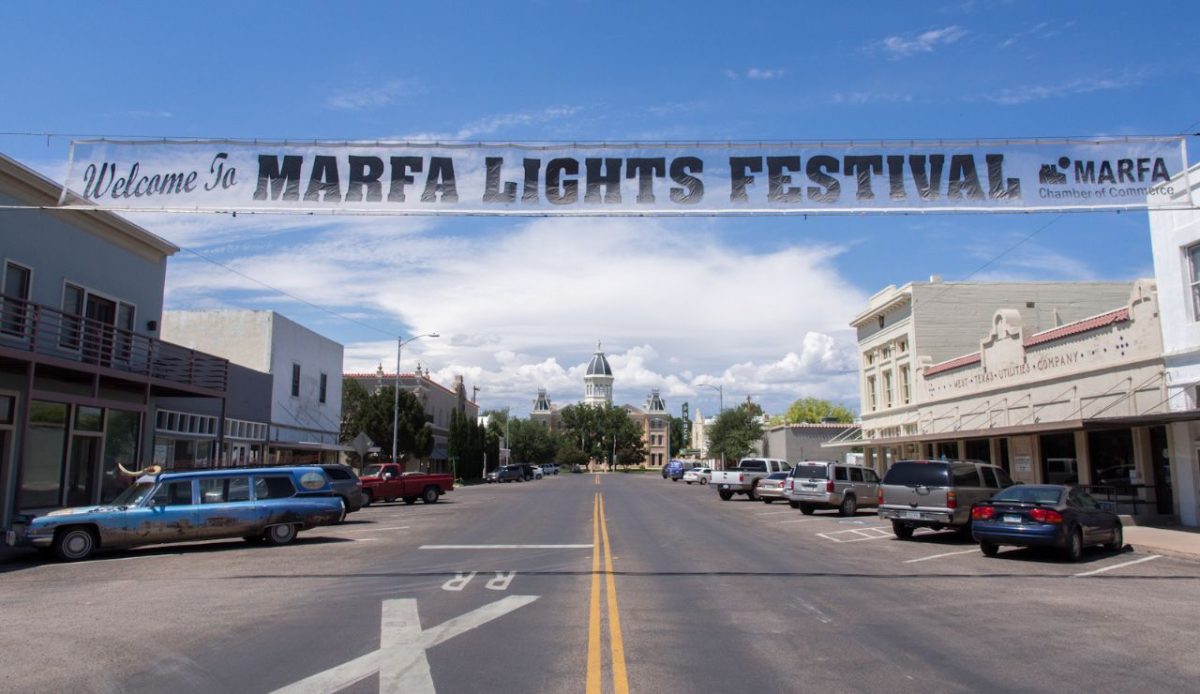
Marfa’s modern art scene and cinematic desert setting make it famous, but fame hasn’t brought friendliness. Once a quiet ranching town, it now balances wealthy transplants, weekend influencers, and lifelong locals who miss the peace they lost. Travelers often sense the tension, galleries and hotels feel curated for outsiders, yet community life stays closed off. The scenery is breathtaking, but the social divide is real, leaving many visitors admiring Marfa’s beauty from a polite distance.
9. Crescent City, California
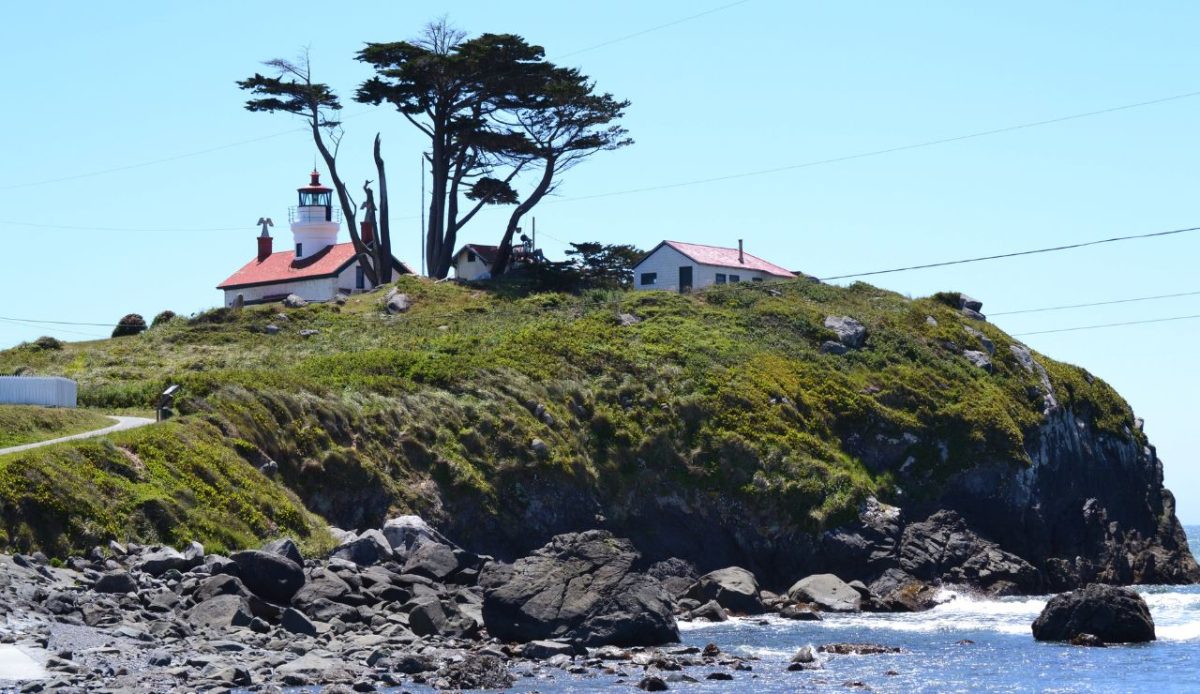
Perched on California’s wild northern coast, Crescent City should be a hidden gem, surrounded by towering redwoods and ocean cliffs. Yet many visitors find it surprisingly bleak. Frequent fog, chilly winds, and storm-battered streets give the town a gloomy feel, while limited dining and lodging options leave travelers underwhelmed. Locals tend to keep to themselves, protective of their quiet routines. Though nature nearby is spectacular, Crescent City itself often feels cold in both weather and welcome.
10. Forks, Washington
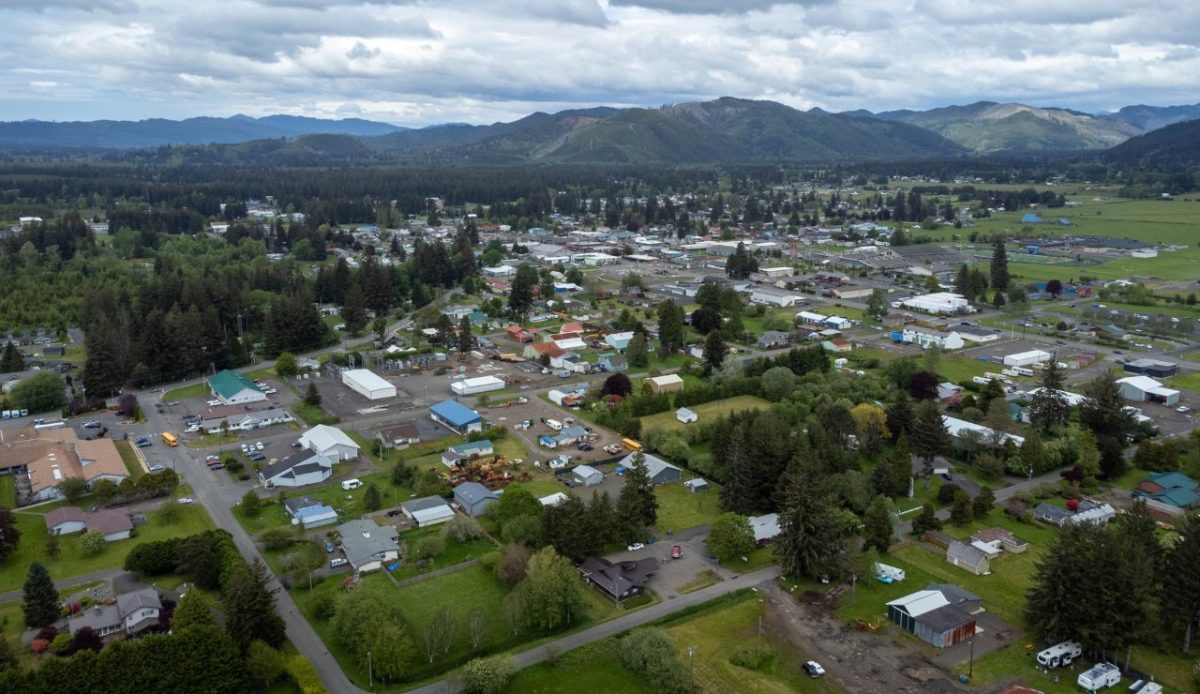
Made famous by the “Twilight” movies, Forks became overwhelmed by fans seeking vampire lore. Locals initially embraced the boom, but fatigue set in as crowds disrupted daily life. Visitors today still find beautiful forests and beaches nearby, yet the town itself feels guarded. Some shops cater to fans, but others clearly prefer quiet. Forks remains atmospheric, damp, moody, and real, but the warm glow of welcome has dimmed since its Hollywood moment.
