
Few wildlife encounters rival the thrill of seeing big cats in their natural habitats. From lions roaming African savannas to leopards hidden in Asian jungles, safaris offer unforgettable moments of awe and adrenaline. With conservation efforts under pressure and ecosystems changing, now is the time to witness these majestic animals in the wild. From Africa’s legendary reserves to hidden gems across the globe, here are 10 big cat safari destinations you should experience before 2026.
1. Maasai Mara, Kenya
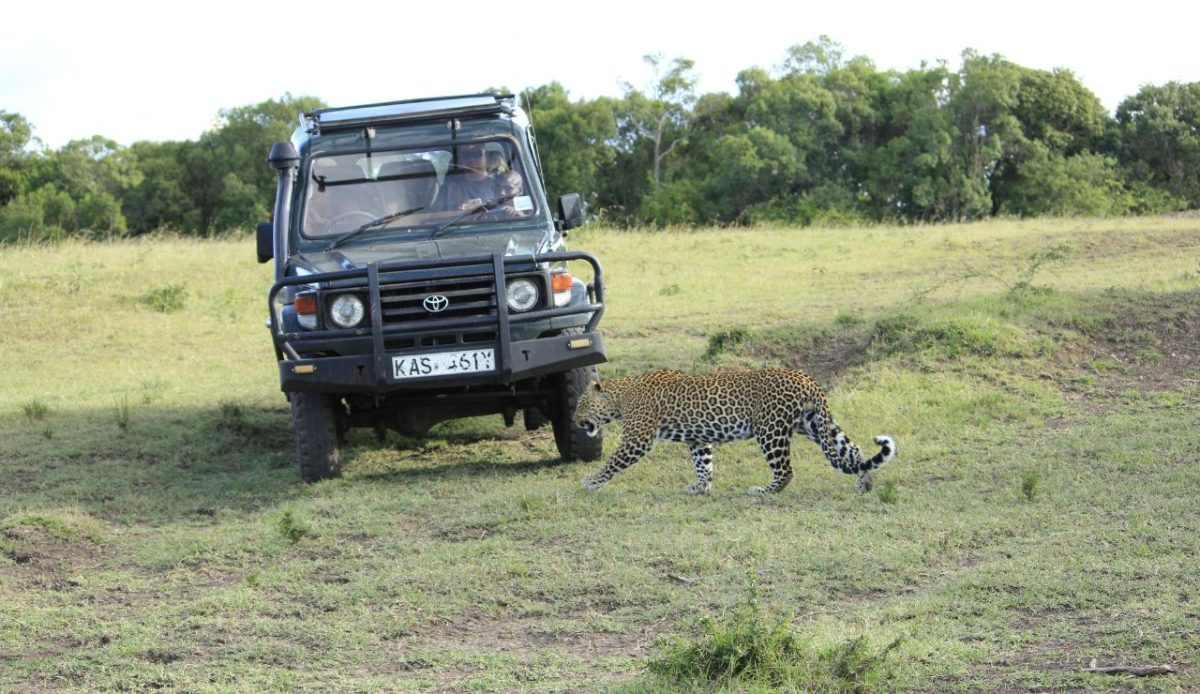
The Maasai Mara is one of Africa’s most famous safari destinations, renowned for its lion prides and dramatic wildebeest migration. Between July and October, the savanna becomes a stage for predator-prey encounters, offering thrilling opportunities to see lions, leopards, and cheetahs in action. Local Maasai guides share deep cultural and ecological knowledge, enriching the experience. Wide-open plains, golden sunsets, and unparalleled wildlife density make the Mara a must-visit for anyone seeking the quintessential big cat safari adventure.
2. Serengeti National Park, Tanzania
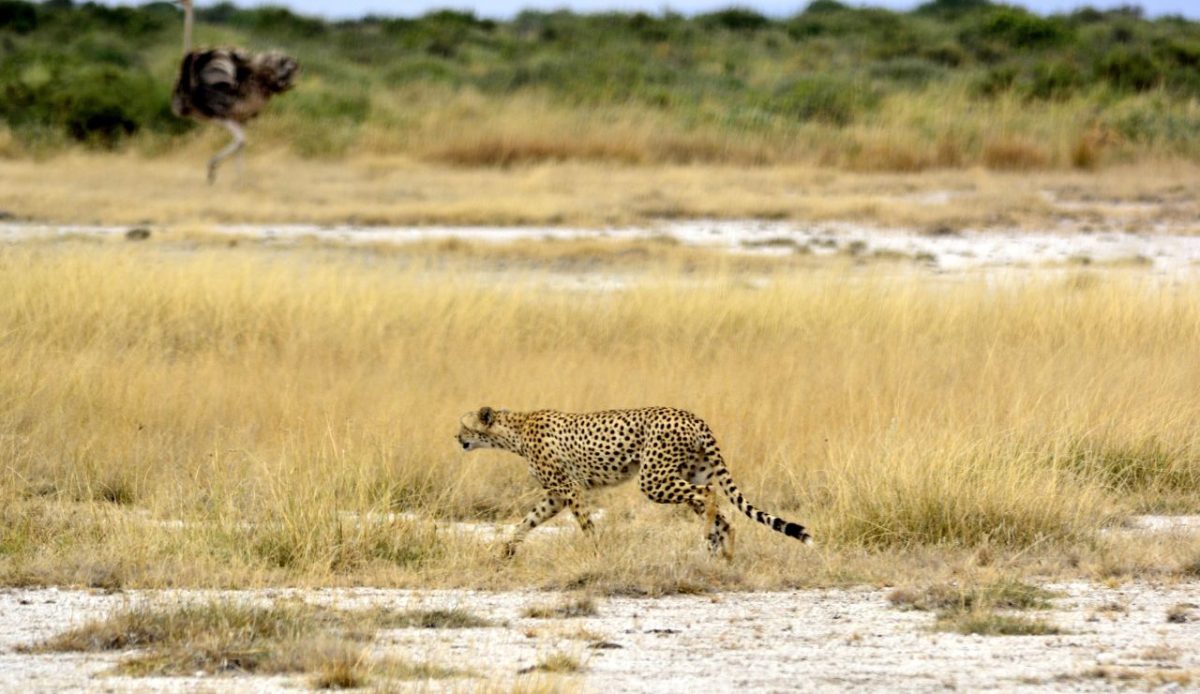
Neighboring Kenya’s Mara, the Serengeti offers equally stunning big cat encounters across its vast grasslands. Lions dominate the ecosystem here, while leopards stalk riverbanks and cheetahs race across the plains. The park’s sheer size ensures fewer crowds and endless opportunities for exploration. Visiting during the migration amplifies the drama, but year-round sightings make the Serengeti one of Africa’s premier safari experiences. It’s a destination where raw nature, timeless landscapes, and apex predators converge in breathtaking balance.
3. Okavango Delta, Botswana
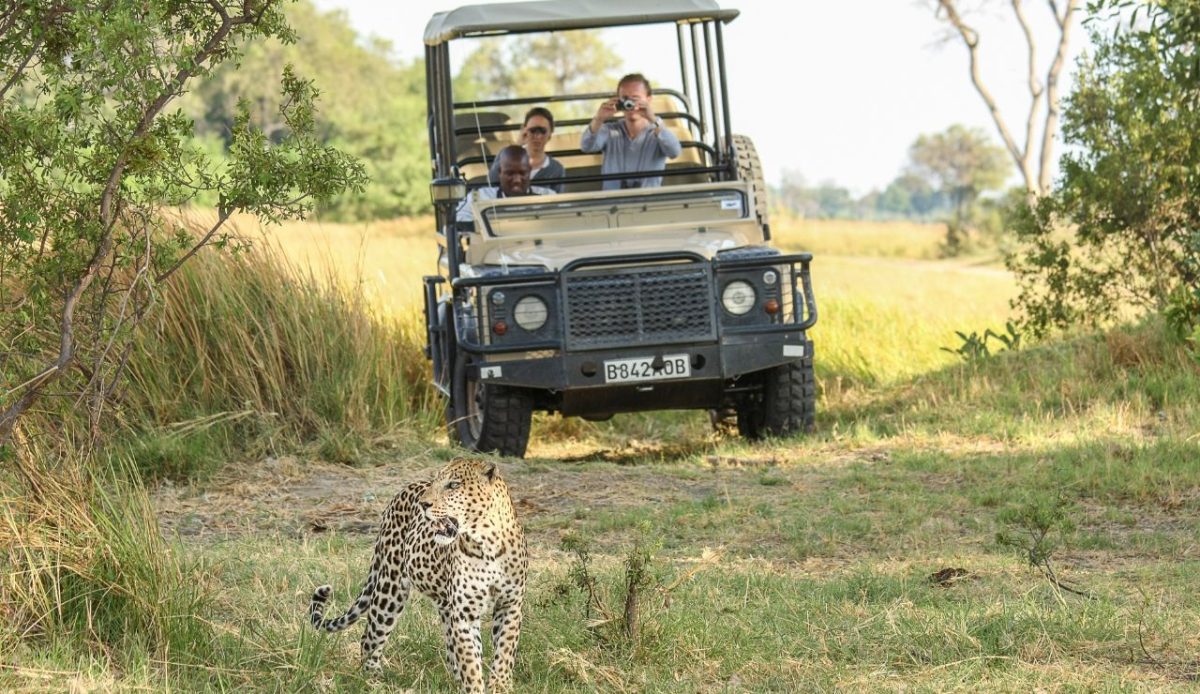
The Okavango Delta is a UNESCO World Heritage Site and one of Africa’s richest ecosystems. Seasonal floods create a paradise for wildlife, and big cats thrive in this watery wonderland. Lions here are famous for their unique behavior, sometimes hunting in marshes, while leopards slip silently through dense woodlands. Mokoro canoe trips and game drives allow for diverse perspectives of the delta’s beauty. Intimate camps and limited visitor numbers make the Okavango a safari that feels both exclusive and unforgettable.
4. Kruger National Park, South Africa
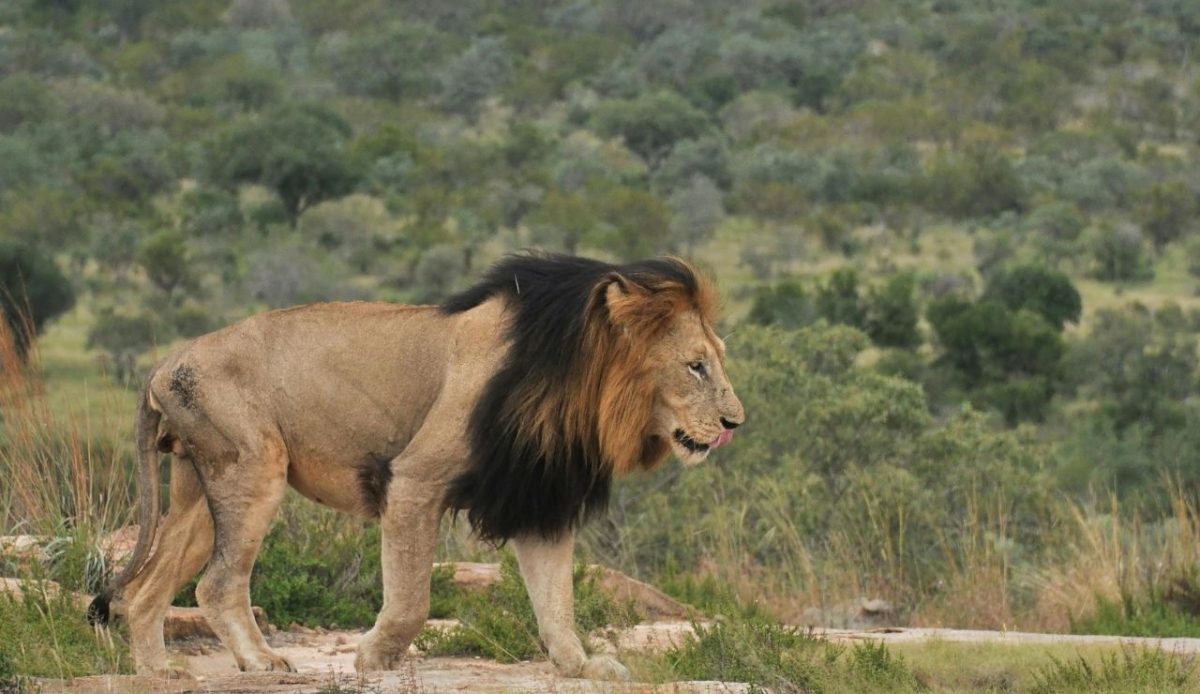
Kruger is one of Africa’s most accessible safari destinations, ideal for spotting the “Big Five,” including lions and leopards. The park’s extensive road network makes it possible to self-drive, offering flexibility for travelers. Guided safaris, however, provide expert insight into animal behavior and the best big cat viewing spots. Kruger’s diverse landscapes range from bushveld to riverine forests, ensuring year-round sightings. Affordable lodges and luxury camps alike make it a versatile choice for both first-time and seasoned safari-goers.
5. Ranthambore National Park, India
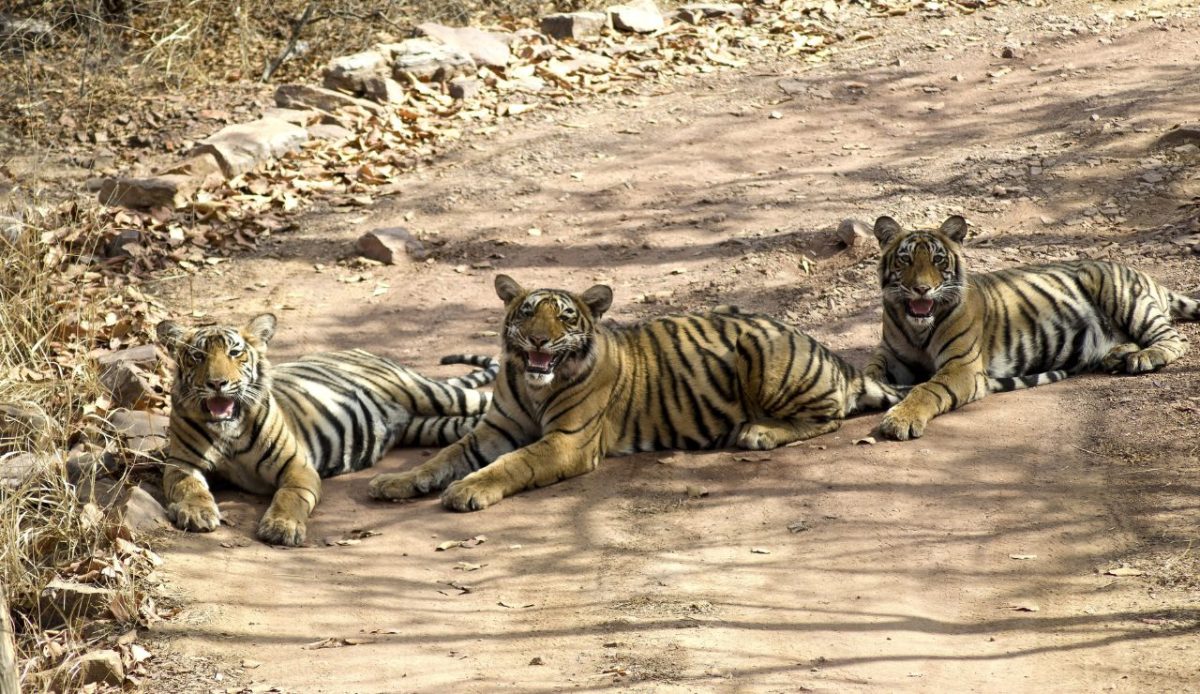
Ranthambore is one of the best places in the world to see wild tigers. Ancient ruins scattered through the jungle add a dramatic backdrop to encounters with these elusive big cats. Safaris here often bring sightings of tigers lounging near lakes or patrolling their territories. Leopards, sloth bears, and a variety of birdlife add to the park’s biodiversity. Ranthambore combines cultural heritage with thrilling wildlife encounters, making it India’s most iconic destination for big cat safaris.
6. South Luangwa National Park, Zambia
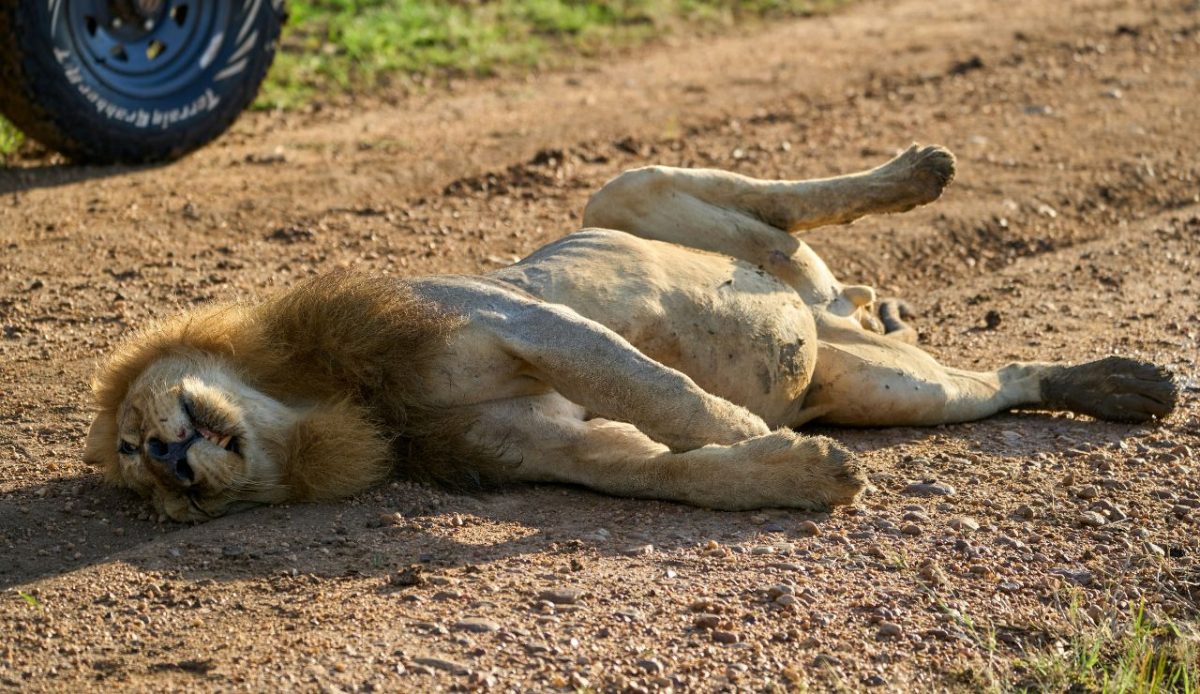
South Luangwa is famed for its high leopard density, making it one of the best places to spot these elusive cats. The park is also home to lions and prides that hunt along the riverbanks. Walking safaris originated here, offering a unique, ground-level perspective of the wilderness. Night drives add another dimension, revealing nocturnal predators on the move. Remote and less crowded than other African parks, South Luangwa delivers raw, intimate encounters with big cats in their natural environment.
7. Pantanal, Brazil
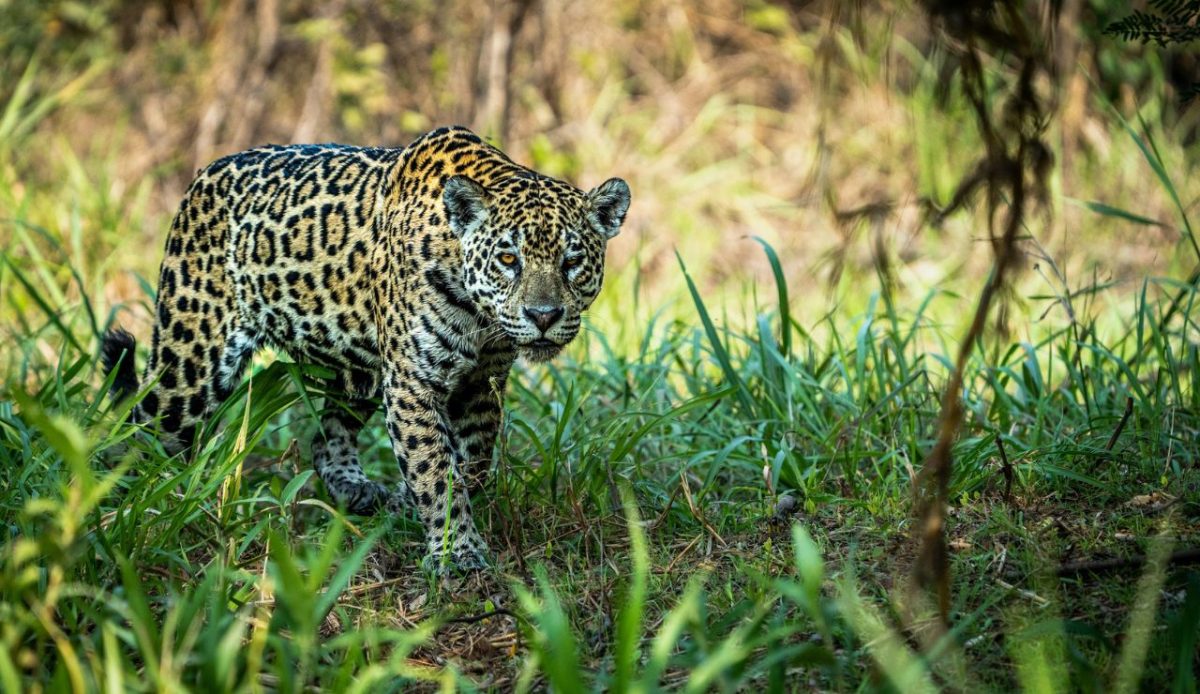
The Pantanal is the world’s largest tropical wetland and the best place to see jaguars in the wild. Boat safaris along the Cuiabá River offer prime opportunities to watch these powerful cats hunt caimans or rest along riverbanks. Unlike dense jungles, the Pantanal’s open wetlands make sightings more reliable. Alongside jaguars, visitors may encounter giant otters, capybaras, and hundreds of bird species. This unique ecosystem ensures unforgettable wildlife photography and one of the most rewarding big cat safaris outside Africa.
8. Etosha National Park, Namibia
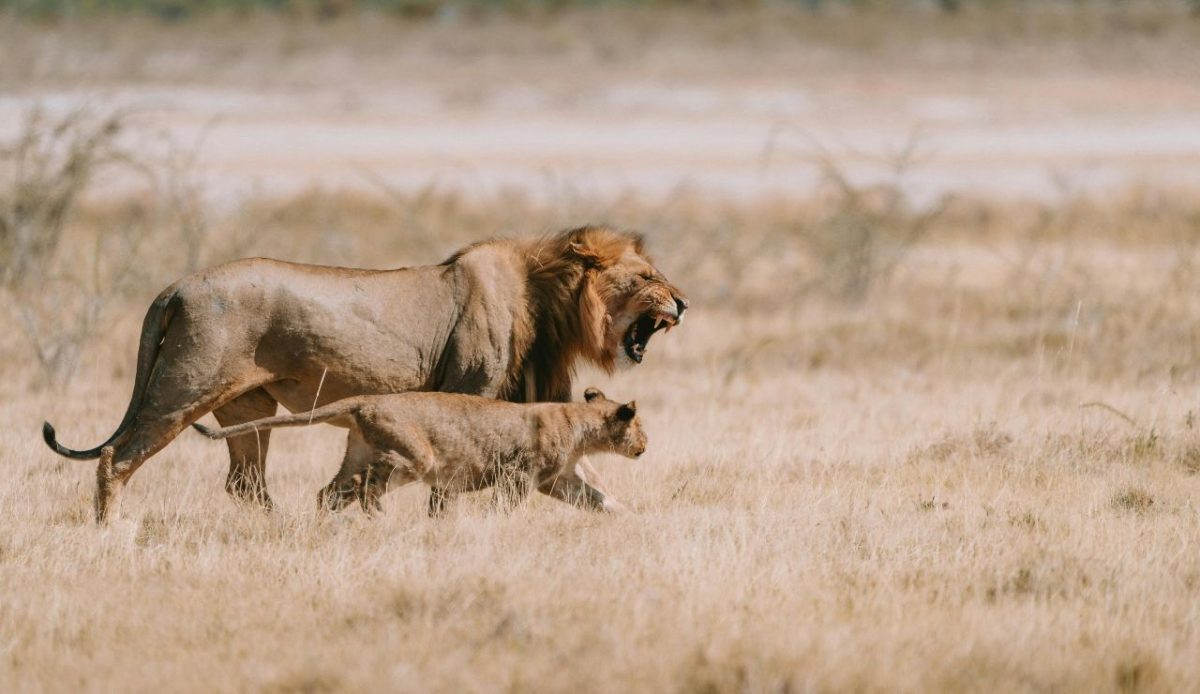
Etosha is a land of stark beauty, with salt pans stretching across the horizon and waterholes drawing animals from miles around. Lions and leopards are frequently spotted near these gathering points, especially during the dry season. The park’s landscapes create dramatic photographic backdrops, from glowing sunsets to mirage-like vistas. Self-drive safaris are popular here, offering flexibility to explore at your own pace. Etosha’s combination of scenery, accessibility, and big cat encounters makes it a truly unique safari destination.
9. Yala National Park, Sri Lanka
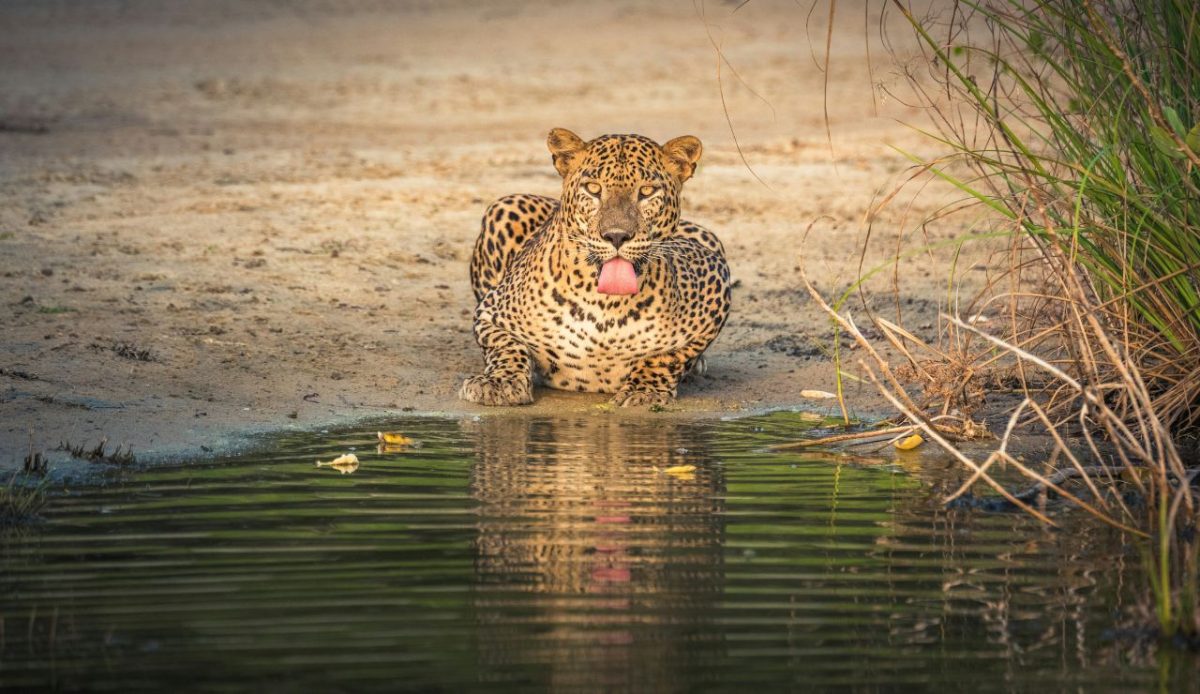
Yala is world-renowned for its high density of leopards, making it one of the best places globally to spot these elusive cats. The park’s mix of jungle, wetlands, and coastal dunes provides diverse habitats for wildlife. Safaris often yield close encounters with leopards resting on rocks or moving stealthily through the forest. Elephants, crocodiles, and colorful birdlife add to the experience. Yala’s compact size ensures rewarding game drives, offering one of Asia’s most exciting big cat safaris.
10. Ngorongoro Crater, Tanzania
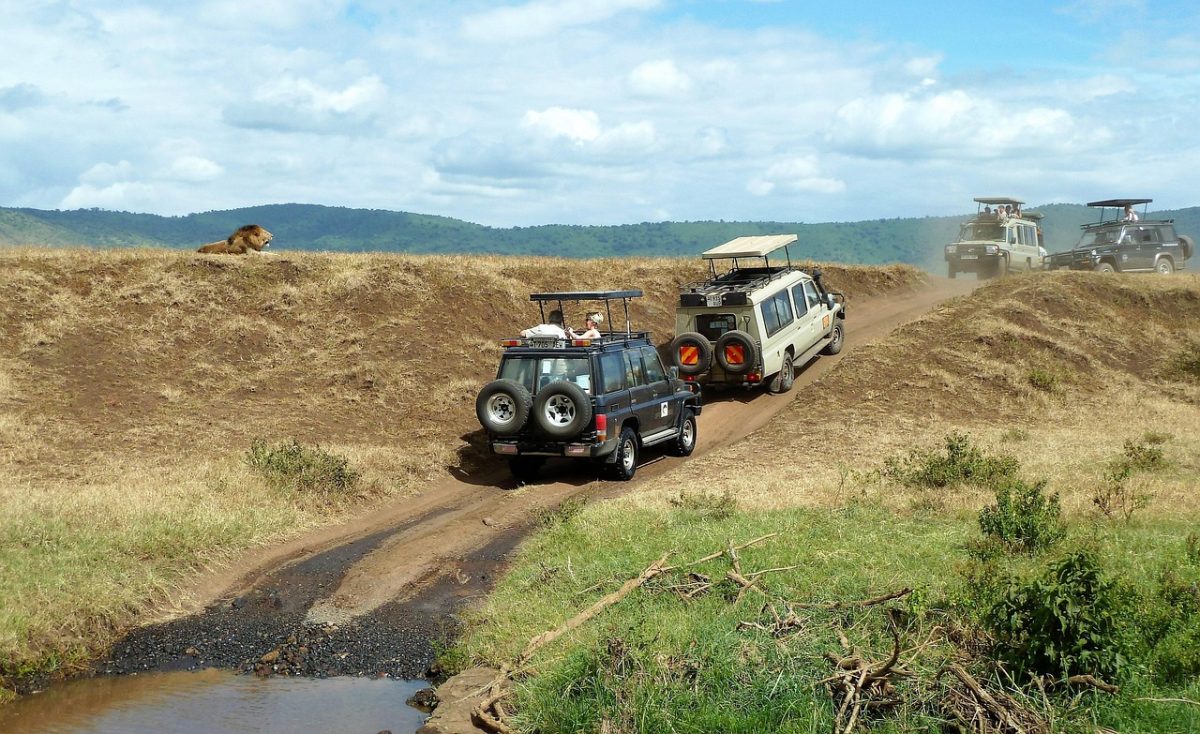
Ngorongoro Crater is a natural wonder, home to an astonishing concentration of wildlife within its volcanic walls. Lions, leopards, and even cheetahs roam the crater floor, often seen against the dramatic backdrop of lush grasslands and lakes. The enclosed ecosystem provides reliable big cat sightings, making it perfect for shorter safaris. Combined with its breathtaking scenery, Ngorongoro offers one of the most unique safari experiences in Africa. It’s a place where wildlife and natural beauty come together seamlessly.
