
Egypt is famous for the pyramids, the Nile, and ancient temples, yet travelers often overlook the country’s unexpected hidden gems. Beyond the usual tourist trails, there are sites and experiences that surprise even seasoned visitors, blending history, culture, and natural beauty.
From vibrant urban art to remote desert landscapes, these destinations provide a fresh perspective on Egypt’s diversity. They reveal facets of daily life, spirituality, and natural wonders rarely highlighted in guidebooks.
Exploring these lesser-known sights allows travelers to encounter Egypt in a more personal, authentic way. Whether seeking adventure, culture, or quiet beauty, these places redefine what it means to experience Egypt beyond its iconic monuments.
1. Siwa Oasis
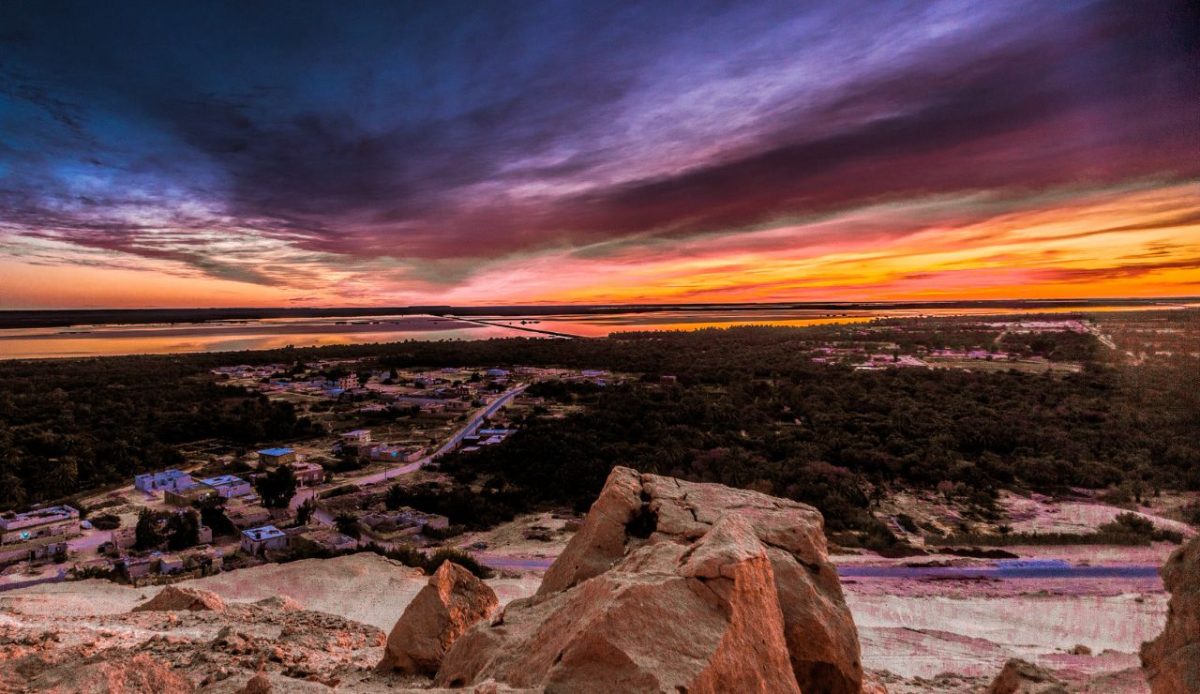
Siwa Oasis, tucked near the Libyan border, surprises visitors with turquoise springs, date palms, and vast salt flats. Unlike Egypt’s crowded cities, it offers peaceful desert scenery and a distinct Berber culture largely untouched by mass tourism.
Travelers can explore the ancient Shali Fortress, wander palm groves, or soak in natural hot springs while interacting with a close-knit local community. Markets sell handmade crafts that reflect traditions passed down for generations.
Its remote location ensures solitude, and nights under the desert sky reveal brilliant stars rarely visible elsewhere. Siwa’s blend of culture, nature, and isolation delivers an experience far removed from Egypt’s busy tourist centers.
2. White Desert National Park
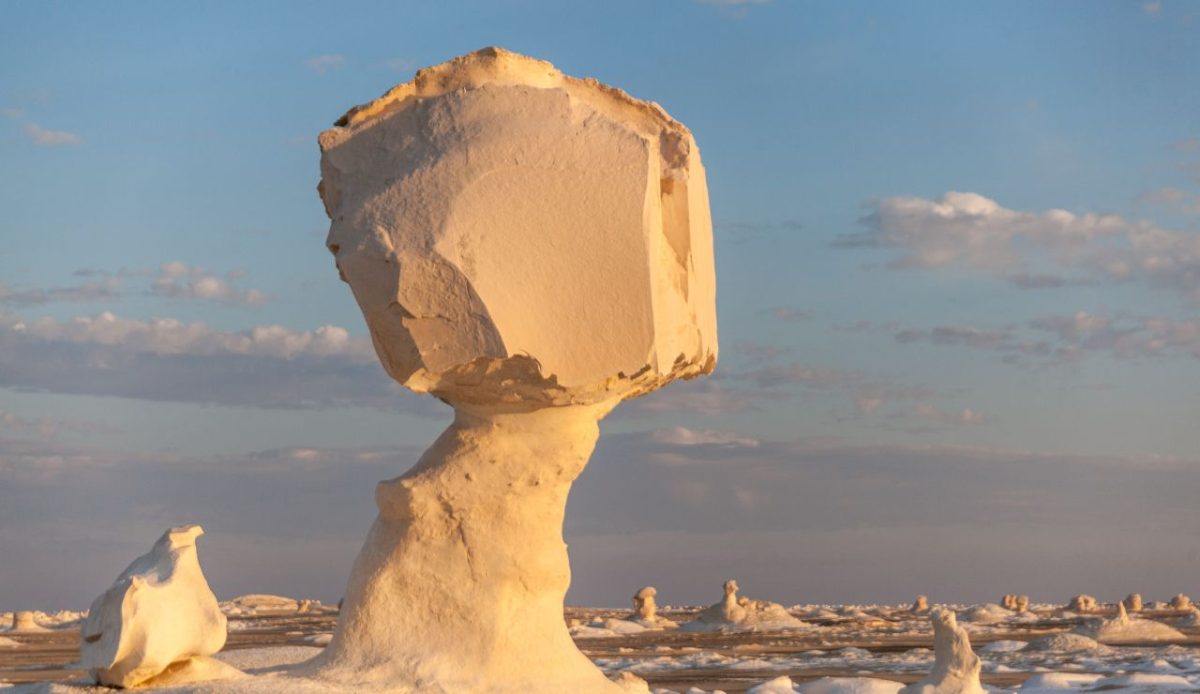
The White Desert National Park offers surreal landscapes of chalk formations sculpted by wind, creating shapes that resemble giant mushrooms or alien landscapes. Visitors are often astonished to find such stark beauty in the heart of the Sahara.
Camping beneath the stars lets travelers experience silence and a sense of scale unlike anywhere else in Egypt. Wildlife, including desert foxes and fennec foxes, adds life to the otherwise otherworldly scenery.
This unique park challenges expectations, offering not pyramids or temples but nature’s artistry, where the desert itself is the main attraction and surprises every visitor with its stark, ethereal beauty.
3. Abu Simbel Temples
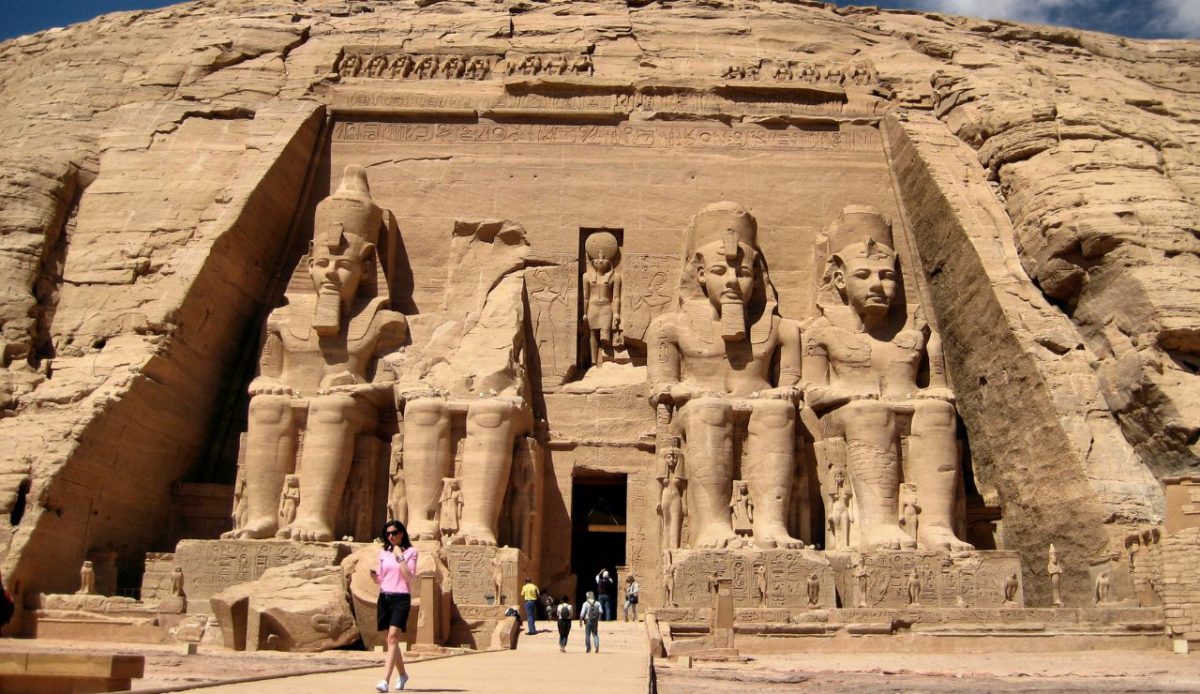
While famous, the massive Abu Simbel temples still astonish visitors with their scale and the clever engineering used to relocate them during the Aswan High Dam project. Many travelers are surprised by the precision and artistry of the colossal statues and carvings.
The temples honor Ramses II and his queen Nefertari, with interiors aligned to sunlight twice a year, illuminating the gods’ statues in a breathtaking spectacle. The surrounding desert adds a dramatic sense of isolation.
Visiting Abu Simbel offers a mix of history, engineering marvels, and desert adventure. It’s an unexpected reminder that ancient Egyptians’ ingenuity continues to impress even those familiar with their civilization.
4. Dahshur
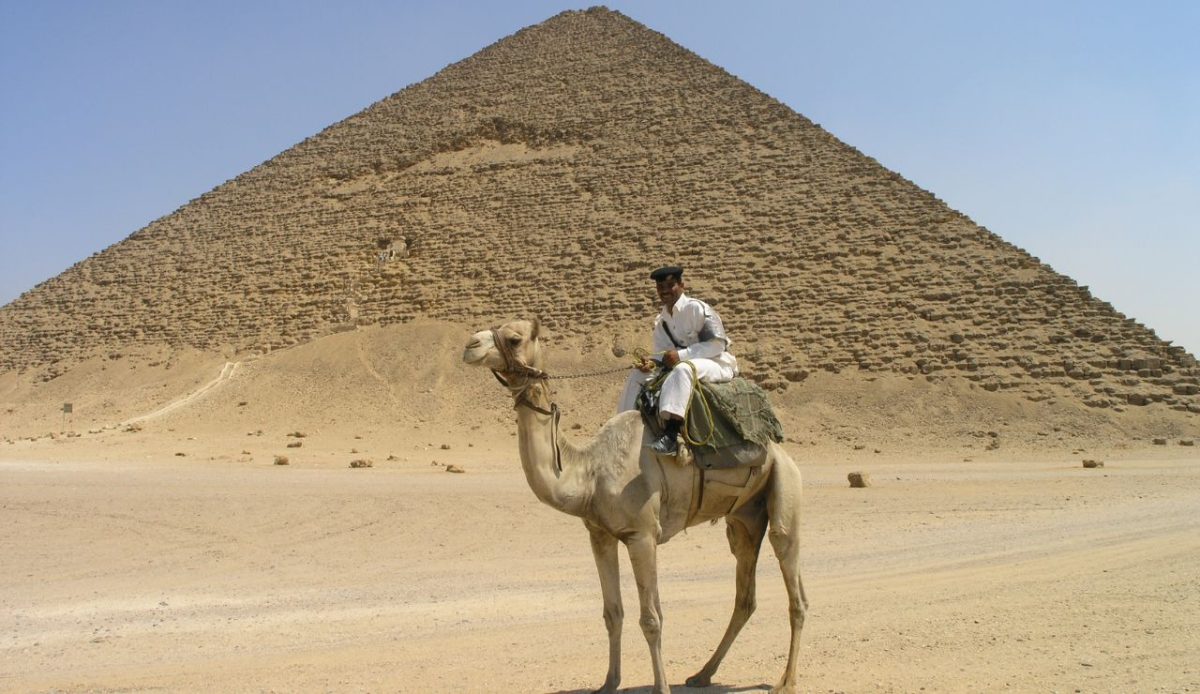
Dahshur is often bypassed for the Giza pyramids, yet it houses the Bent and Red Pyramids, architectural experiments that predate the famous structures. Travelers are surprised by the unique angles and colors of these lesser-known monuments.
The Bent Pyramid’s slope shift and the Red Pyramid’s smooth limestone hue offer insights into early pyramid engineering. Few tourists mean visitors can explore in relative solitude, experiencing history without crowds.
Dahshur provides a hands-on encounter with Egypt’s experimental era of pyramid-building, revealing layers of ancient creativity and ingenuity rarely experienced on typical itineraries.
5. Cairo’s Street Art Districts
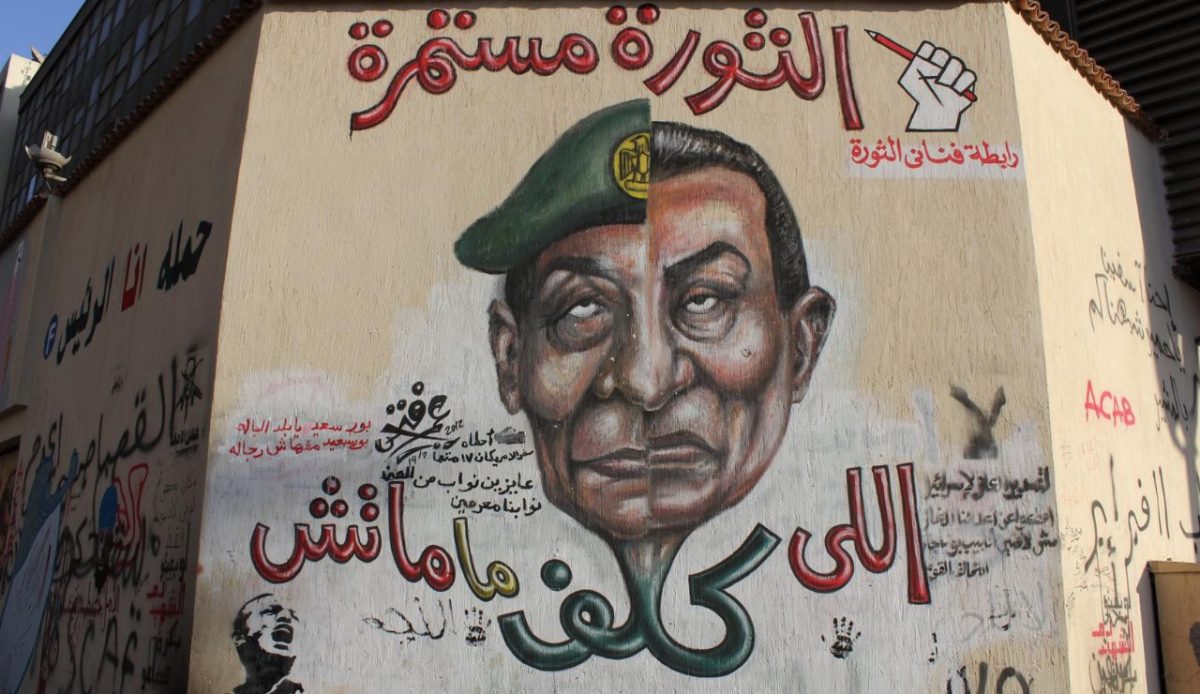
Beyond its ancient wonders, Cairo surprises visitors with vibrant street art districts in neighborhoods like Zamalek and Downtown. Colorful murals, political graffiti, and modern interpretations of traditional motifs adorn walls, creating an urban gallery.
These districts reveal the city’s youthful energy, creativity, and social commentary in ways that contrast sharply with its historic monuments. Walking tours allow travelers to engage with local artists and hidden cafes.
Cairo’s street art reminds visitors that Egypt isn’t only about antiquity; it’s a living, evolving society, where culture and expression emerge in unexpected corners of a bustling metropolis.
6. Al-Qasr
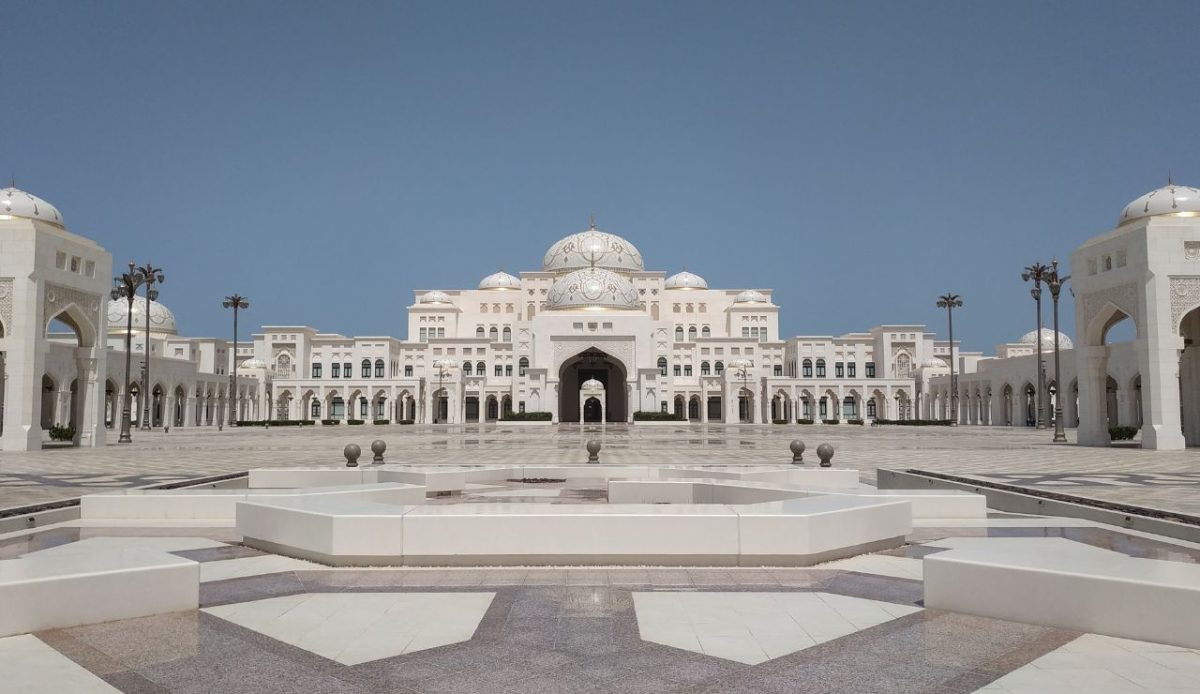
Al-Qasr, a small desert town in eastern Egypt, is often missed by travelers heading to more famous destinations. Its ancient Islamic architecture, desert backdrop, and historic markets offer a peaceful glimpse into rural life.
Traditional mud-brick buildings, local mosques, and quiet streets highlight centuries-old customs still maintained by the local community. Travelers can experience everyday life far from tourist-focused environments.
Al-Qasr’s charm lies in its authenticity, offering history and culture in a small, intimate setting that contrasts sharply with Egypt’s better-known crowded attractions.
7. Nuweiba Beaches
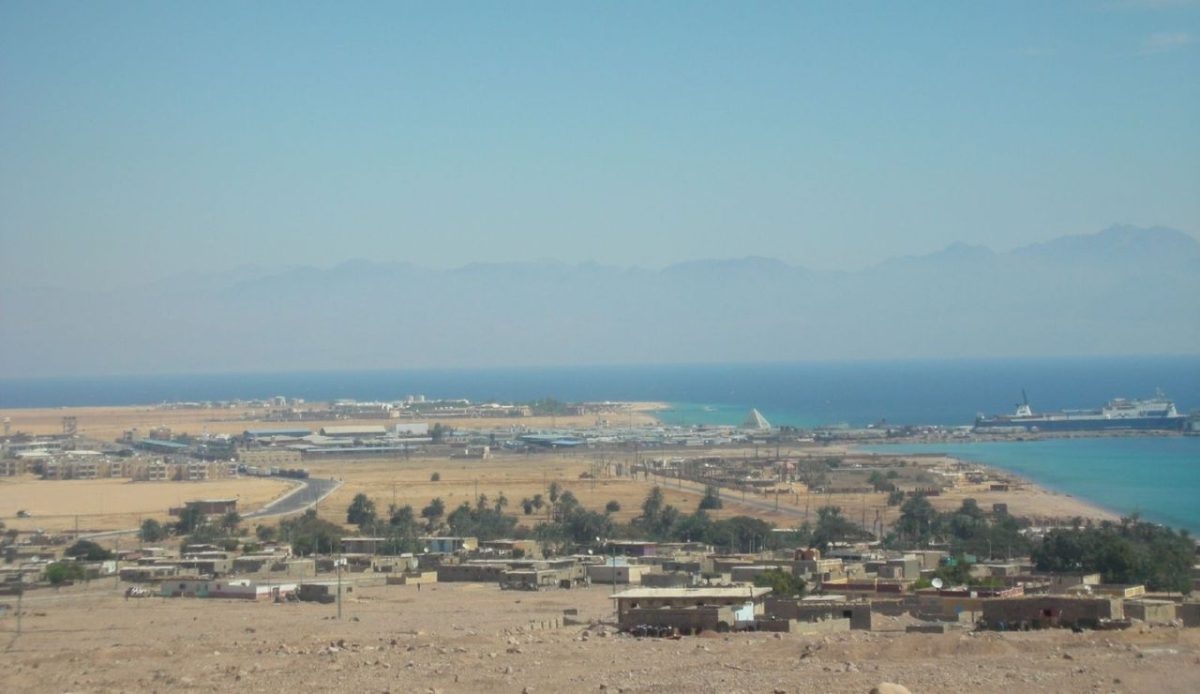
Nuweiba, along the Sinai Peninsula, surprises visitors with pristine beaches and coral reefs rarely crowded with tourists. Unlike the popular Red Sea resorts, it offers tranquility and a slower pace of life that feels worlds away from Egypt’s busy resort hubs.
The area is ideal for snorkeling, diving, or simply enjoying sun-soaked stretches of sand with uninterrupted sea views. Bedouin communities nearby provide cultural interaction, camel treks, and desert excursions into the surrounding mountains.
Nuweiba challenges preconceptions about Egypt’s coastline, offering a raw, serene beach experience. Travelers often stay longer than planned, drawn by simple seaside camps, star-filled nights, and a sense of freedom rarely found elsewhere.
8. Fayoum Oasis
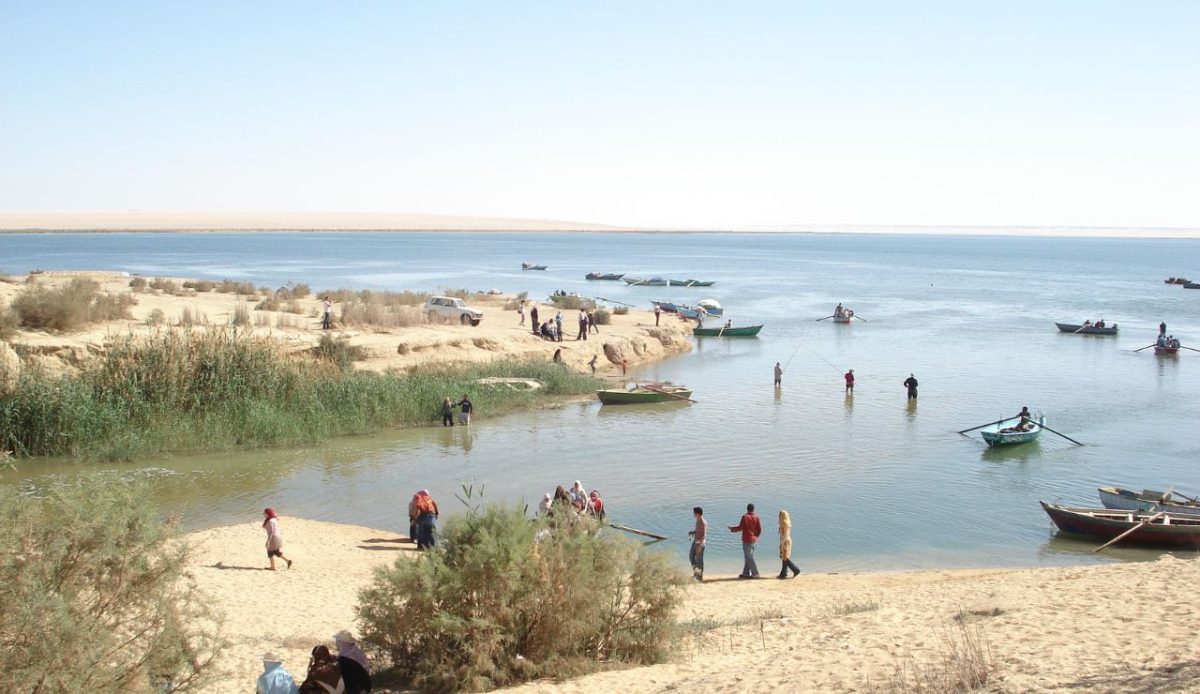
Fayoum Oasis, located southwest of Cairo, is a green contrast to Egypt’s desert image. Visitors often encounter fertile farmland, lakes, and ancient temples, along with a thriving arts scene in small villages.
Lake Qarun supports migratory birds, while nearby Wadi Al-Rayan waterfalls provide a surprising natural spectacle in the desert. Traditional pottery workshops and local markets showcase the region’s creative heritage.
Fayoum proves that Egypt’s landscapes are remarkably diverse, blending natural beauty, history, and artisanal craft. The oasis feels lived-in rather than staged, offering travelers a peaceful escape rooted in everyday Egyptian life.
9. Asyut’s Monasteries
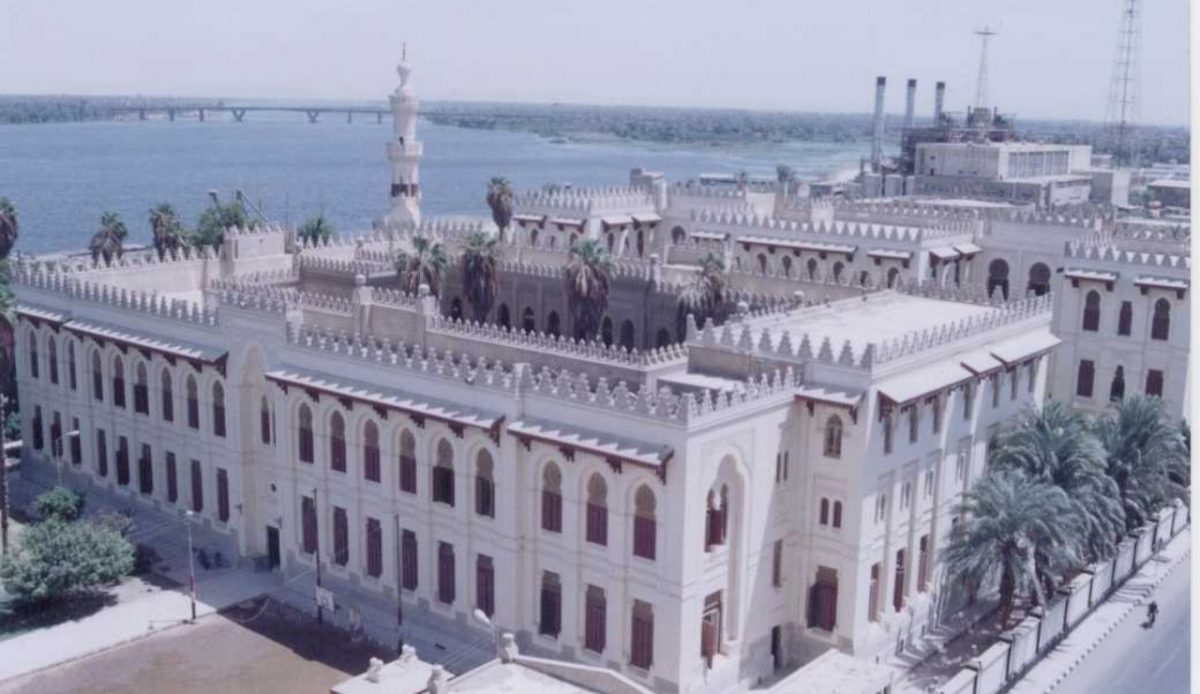
Asyut in Upper Egypt is home to ancient Christian monasteries that few travelers visit. These religious sites offer a glimpse into Coptic heritage and spiritual life far from tourist-heavy locations.
The monasteries contain centuries-old manuscripts, wall paintings, and traditions preserved by dedicated monastic communities. Visitors are often struck by the contrast between historic religious devotion and the surrounding urban or desert environment.
Asyut highlights Egypt’s layered history, where religious, cultural, and architectural traditions coexist quietly, surprising travelers who expect the country to focus only on Pharaonic sites.
10. Ras Mohammed National Park
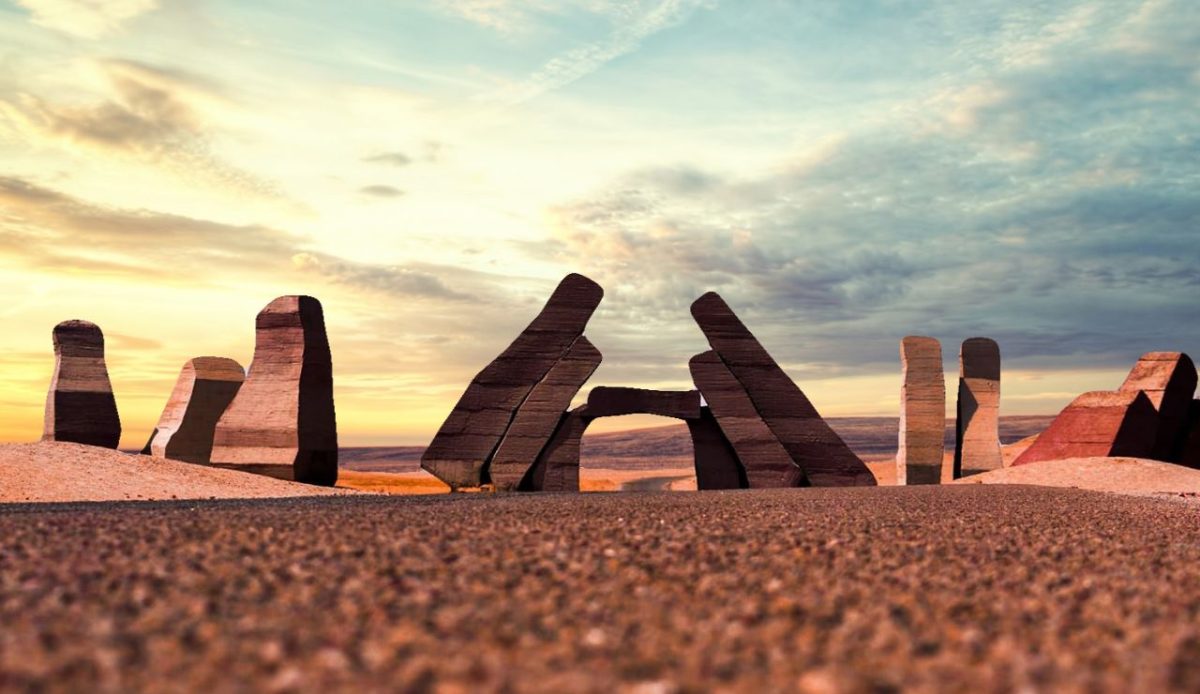
Ras Mohammed National Park, at the southern tip of the Sinai Peninsula, surprises travelers with its dramatic coral reefs, hidden coves, and desert cliffs. While Egypt is known for pyramids and cities, this park showcases an untouched natural side few expect.
Visitors can snorkel or dive among vibrant coral gardens, encounter schools of tropical fish, and explore mangroves and salt lakes. Inland trails lead to desert plateaus where the Red Sea meets rugged mountains, offering striking contrasts.
Its remote location ensures quiet, away from crowded resorts. Ras Mohammed blends marine beauty, desert adventure, and biodiversity in ways that redefine travelers’ expectations of Egypt beyond its historic monuments.
