
While cities like Paris and London dominate most relocation lists, many expats are choosing quieter corners of Europe where life feels more manageable. These lesser-known destinations offer the comfort of modern amenities without the pressure of high prices or overcrowding. From the sunny coasts of Spain to the cultural centers of Central and Eastern Europe, they provide a genuine sense of belonging and community. Each city on this list shows how affordable living, quality services, and local warmth can turn an ordinary move into a lasting home.
1. Alicante, Spain
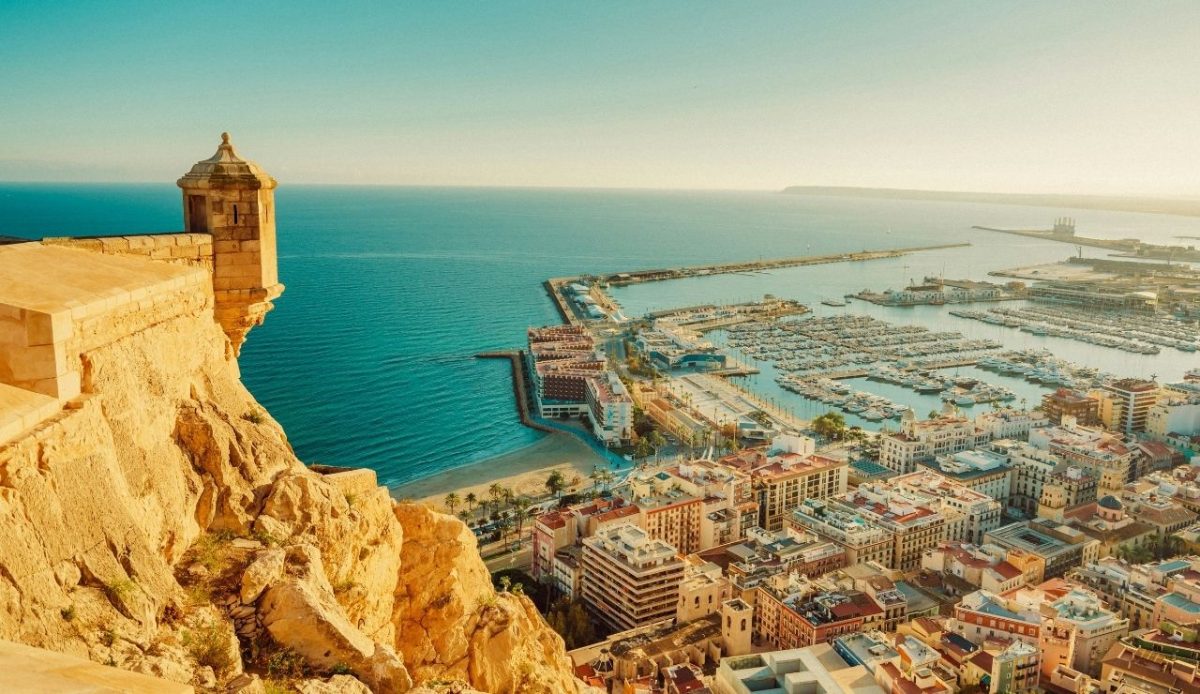
Alicante has become one of Europe’s best-kept expat secrets thanks to its easygoing pace and warm Mediterranean climate. The city blends beach access with affordable apartments and an efficient tram network that links surrounding towns. Expats appreciate its friendly atmosphere, straightforward visa options, and international community that still feels authentic. Local cuisine centers on seafood and rice dishes served in neighborhood taverns. While summer tourism peaks briefly, daily life remains calm, supported by year-round markets and mild weather.
2. Málaga, Spain
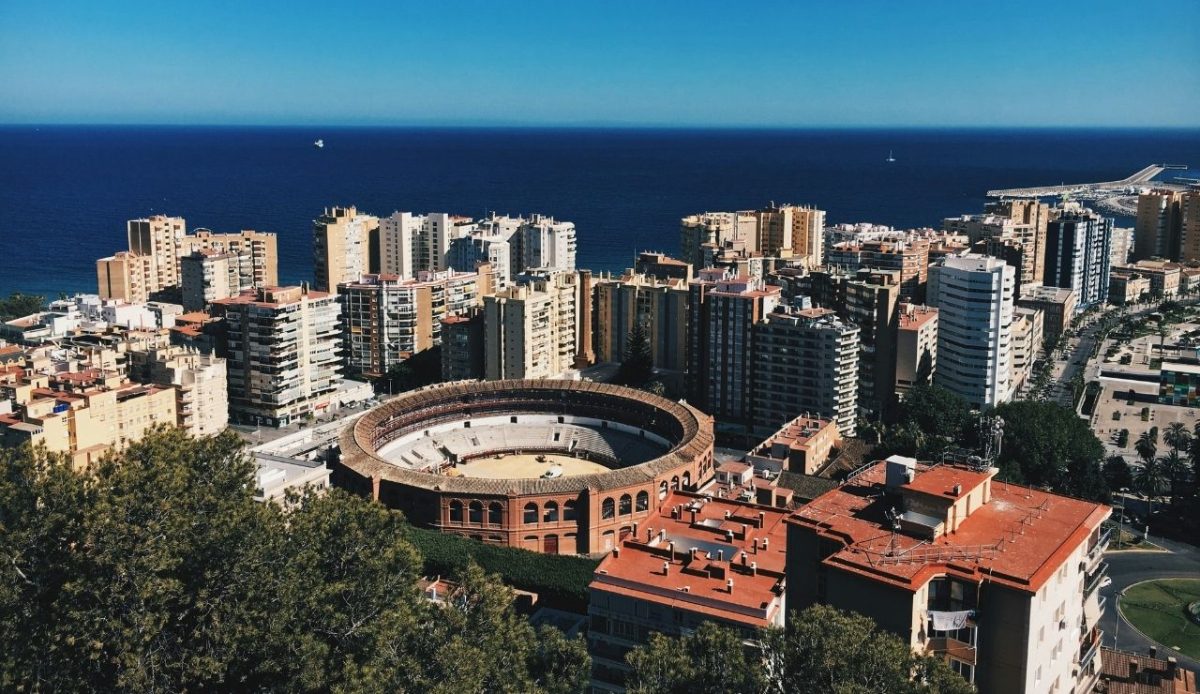
Málaga offers the perks of coastal Spain without the chaos of larger resort hubs. Its art scene, anchored by the Picasso Museum and local galleries, gives it cultural weight beyond its beaches. The city’s compact design makes walking practical, and public buses cover nearly every neighborhood. Expats note how Málaga maintains safety, cleanliness, and a vibrant café culture while remaining relatively affordable. The region’s healthcare and transport services rank among Spain’s best, and the mix of local festivals and outdoor dining keeps social life active throughout the year.
3. Valencia, Spain
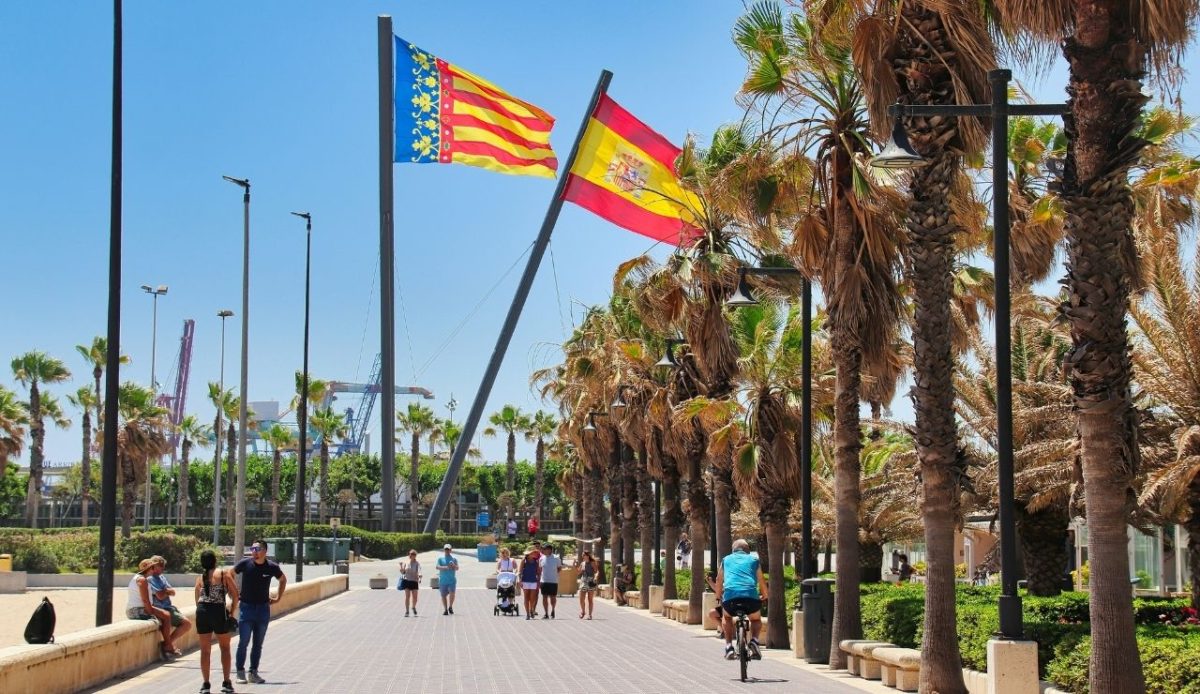
Valencia consistently ranks among Europe’s most livable cities for expats. It pairs Mediterranean weather with a strong economy built on design, education, and technology. The city’s layout encourages cycling, with over 100 miles of bike lanes linking parks and beaches. Locals enjoy late meals, weekend markets, and affordable housing compared to Madrid or Barcelona. International residents praise the welcoming character of Valencians and the relaxed pace that still supports modern conveniences. Its annual Fallas festival and creative food scene add the color that keeps expats settling long-term.
4. Braga, Portugal
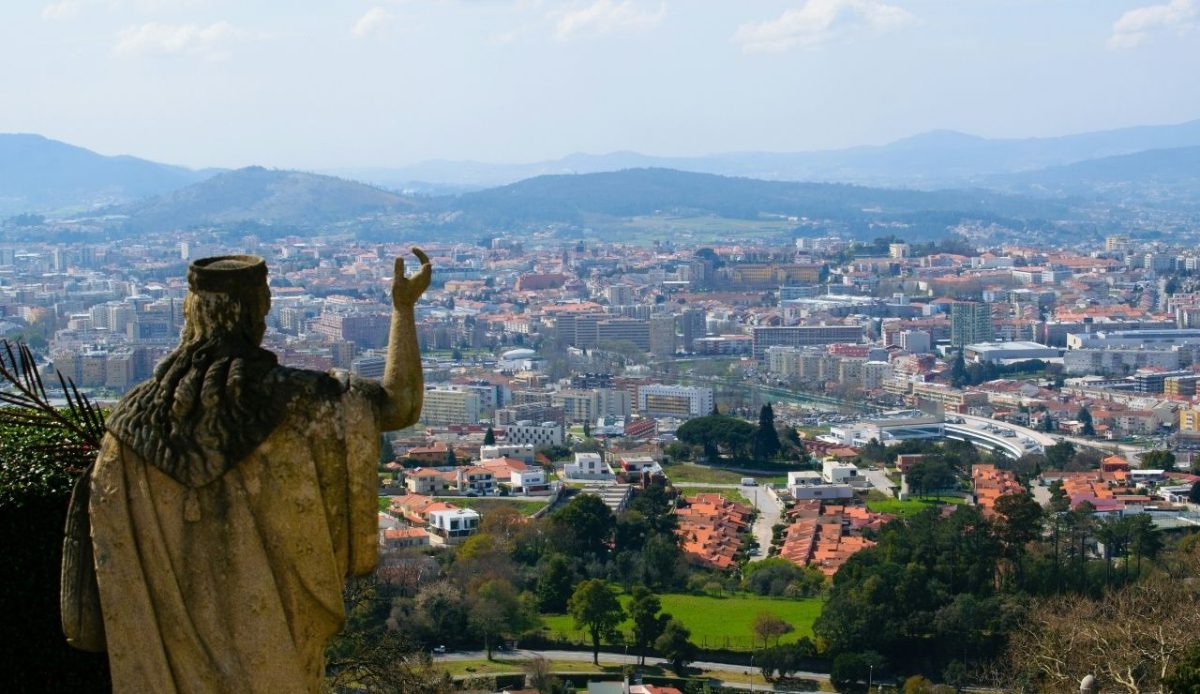
Braga combines youthful energy with deep historical roots. Known for its baroque churches and lively plazas, it’s also a growing hub for technology and education. The city’s smaller size keeps costs low, while train access connects residents to Porto within an hour. Expats often choose Braga for its mild weather, family-friendly vibe, and safety. Cafés and outdoor markets fill most squares, reflecting the local rhythm of work and social life. The city government promotes integration through community events, making it easier for newcomers to build friendships and language skills.
5. Coimbra, Portugal
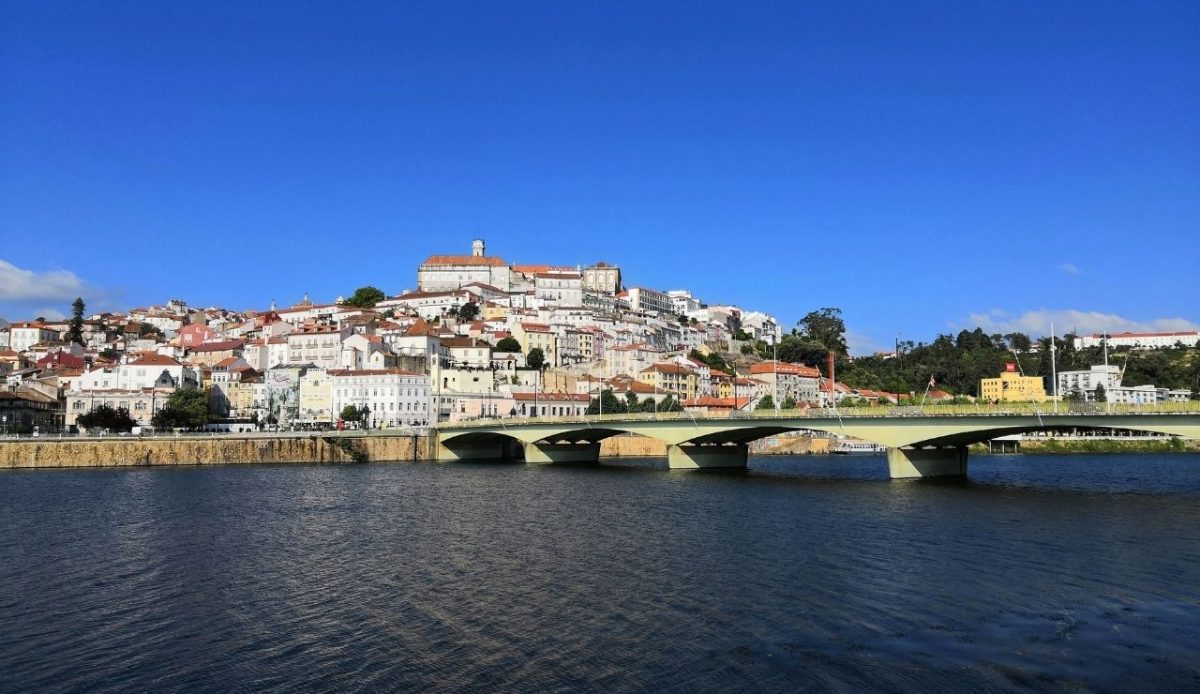
Coimbra offers a quieter alternative for expats drawn to Portugal’s charm but not its high tourist traffic. Its riverside setting and centuries-old university give the city both beauty and character. Expats enjoy the walkable old town, affordable rents, and the slower rhythm of daily life. The student population keeps entertainment varied, with music events and book fairs held throughout the year. Healthcare, safety, and community support rate highly among residents. For many foreigners, Coimbra provides the rare mix of intellectual culture and affordability that larger Portuguese cities have outgrown.
6. Porto, Portugal
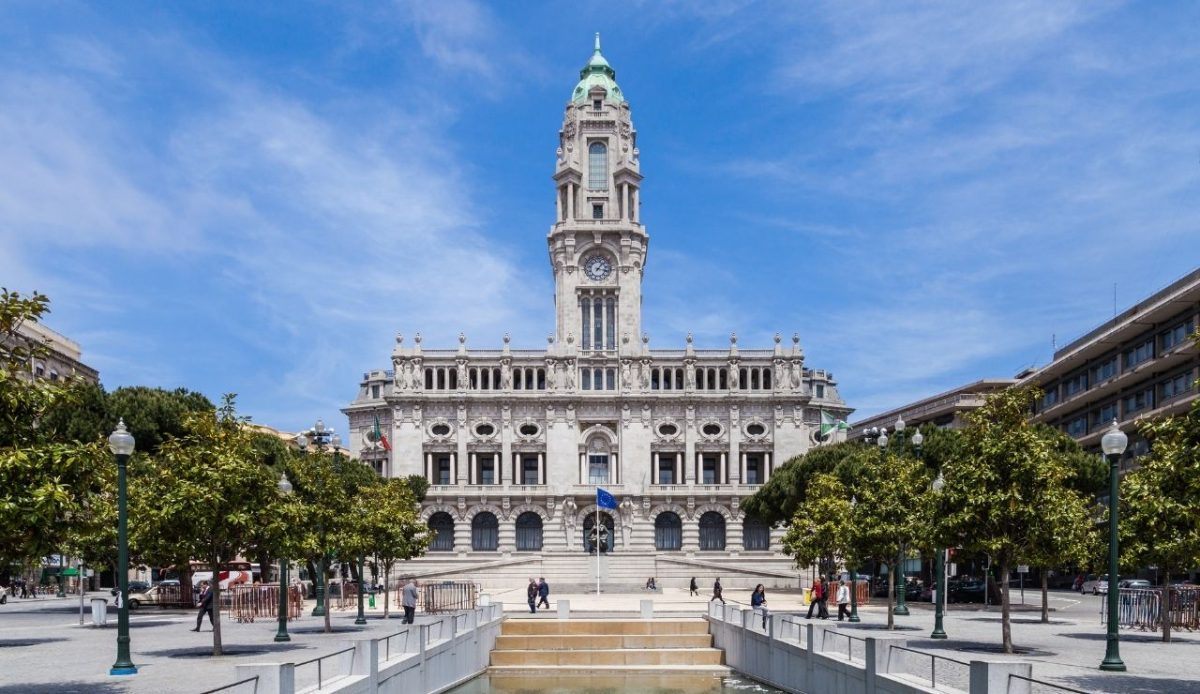
Porto draws expats who prefer an authentic setting over the polish of Lisbon. Its riverfront neighborhoods, steep alleys, and tiled façades preserve a sense of history while still supporting a modern lifestyle. Rents remain lower than in the capital, and small cafés double as meeting spots for the growing international community. The city’s tech and creative industries are expanding, giving professionals more employment options. Daily life flows around the Douro River, where outdoor dining and weekend markets shape a friendly social rhythm that balances work and leisure naturally.
7. Vilnius, Lithuania
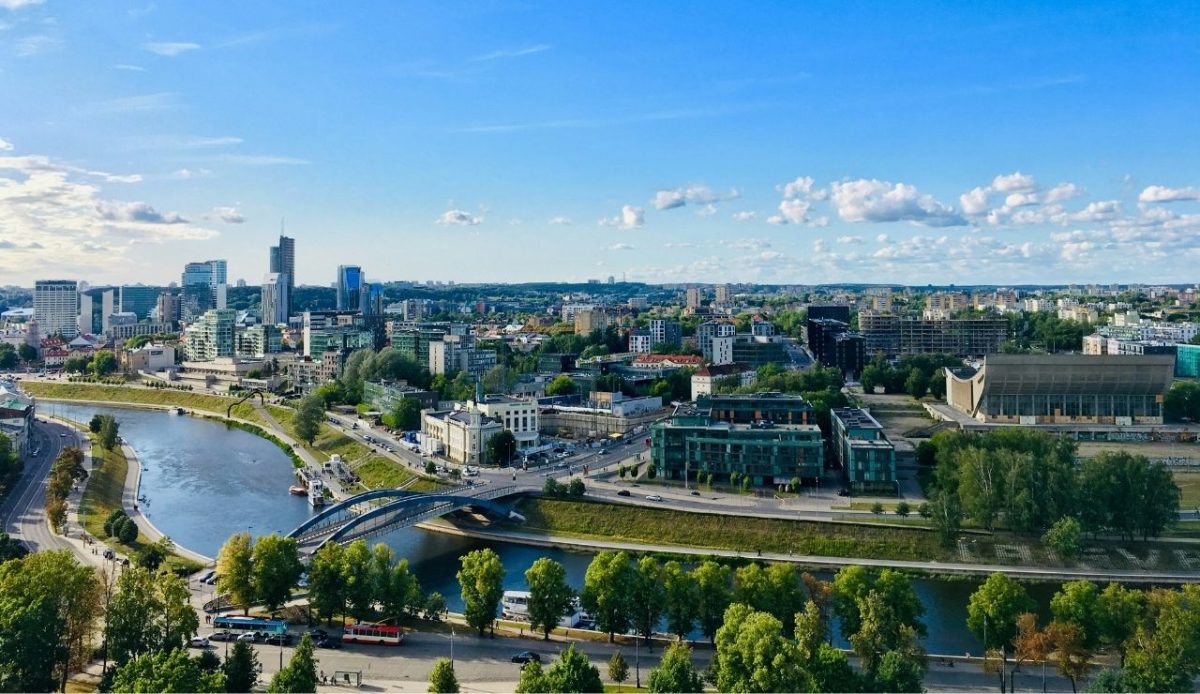
Vilnius surprises newcomers with its calm streets and forward-looking mindset. The old town’s baroque architecture meets a tech-driven economy that makes remote work and startups common. Expats highlight the city’s strong internet infrastructure, safety, and cultural openness. English is widely spoken, easing the adjustment. Winters can be long, but public spaces remain active through cafés and seasonal markets. The cost of living stays manageable compared to Western Europe, and public healthcare is accessible. Many expats describe Vilnius as small enough to feel personal but developed enough to support global careers.
8. Tallinn, Estonia
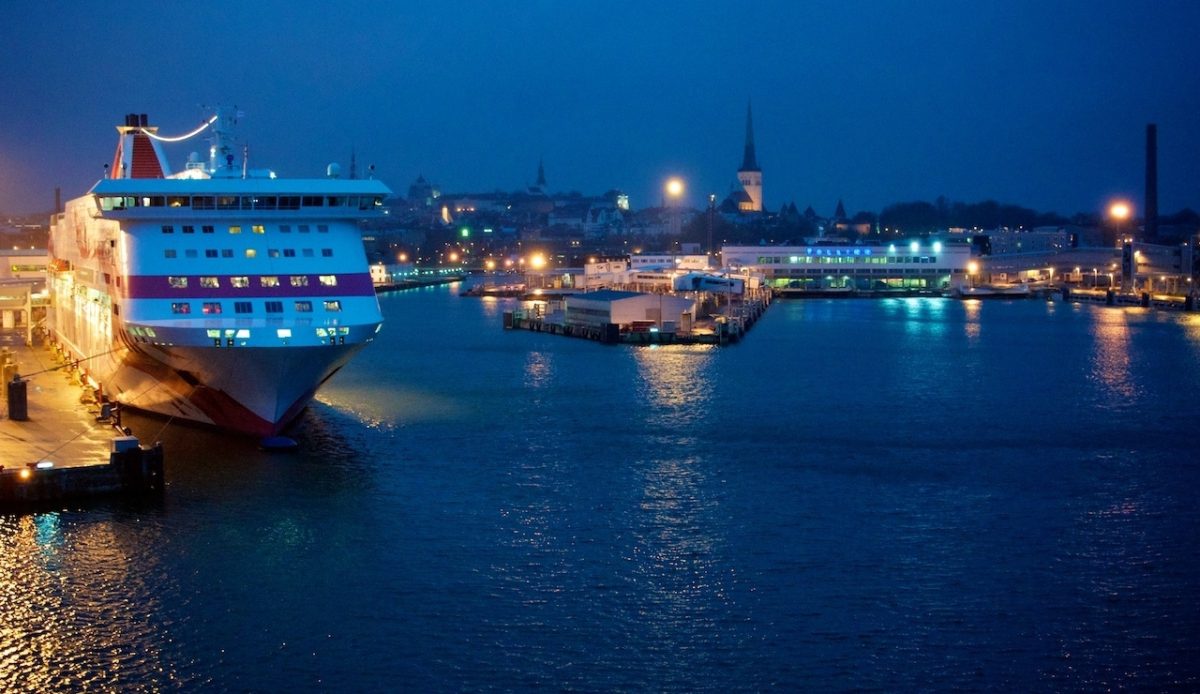
Tallinn blends medieval charm with some of Europe’s most advanced digital systems. Expats appreciate how easy it is to manage paperwork, taxes, and even voting online. The city’s compact center offers both cobbled streets and modern waterfront projects. Tallinn’s startup ecosystem attracts tech workers from around the world, while remote professionals praise the country’s e-residency program. Despite its innovation, the atmosphere remains relaxed, with quiet parks and well-kept bike lanes. The balance between efficiency and livability makes Tallinn a model for how a small city can support a global community.
9. Brno, Czech Republic
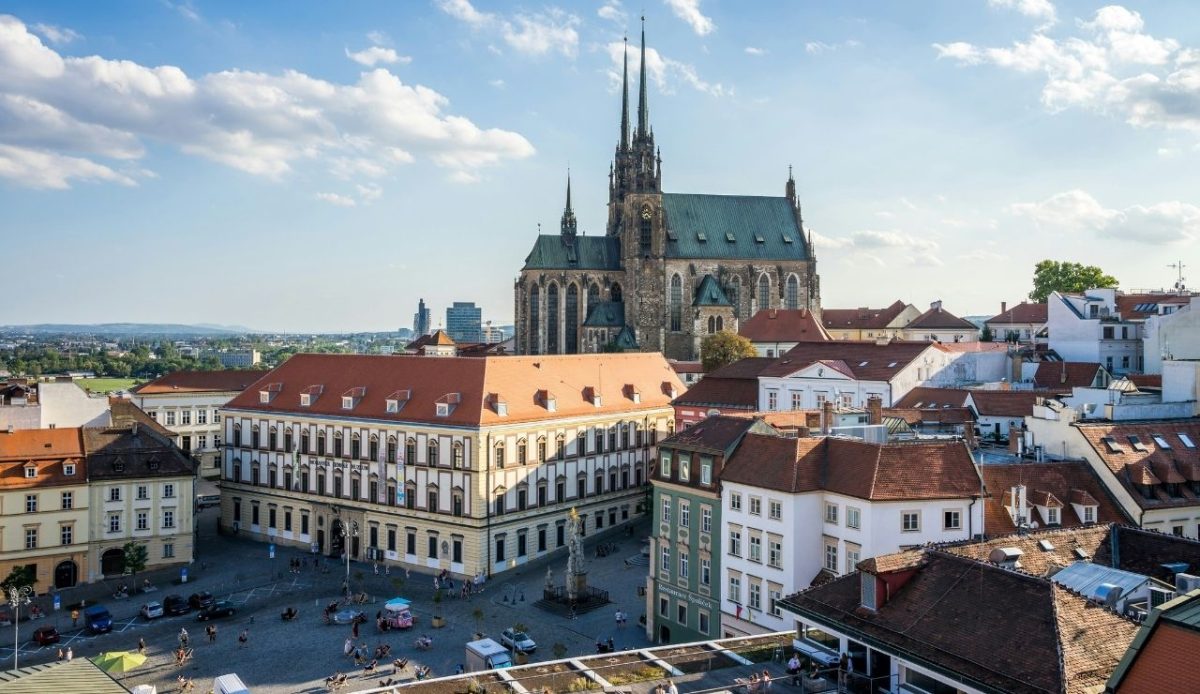
Brno stands out for its practical mix of affordability, safety, and strong education infrastructure. Home to major universities and international companies, it offers job prospects that rival Prague without the crowding. Expats find it easy to navigate daily life thanks to efficient transport and widespread English proficiency. The café culture and relaxed nightlife make socializing simple, while nearby forests and vineyards provide weekend escapes. The cost of living allows newcomers to enjoy a high standard of comfort. Brno’s calm, progressive environment keeps residents staying far longer than planned.
10. Ljubljana, Slovenia
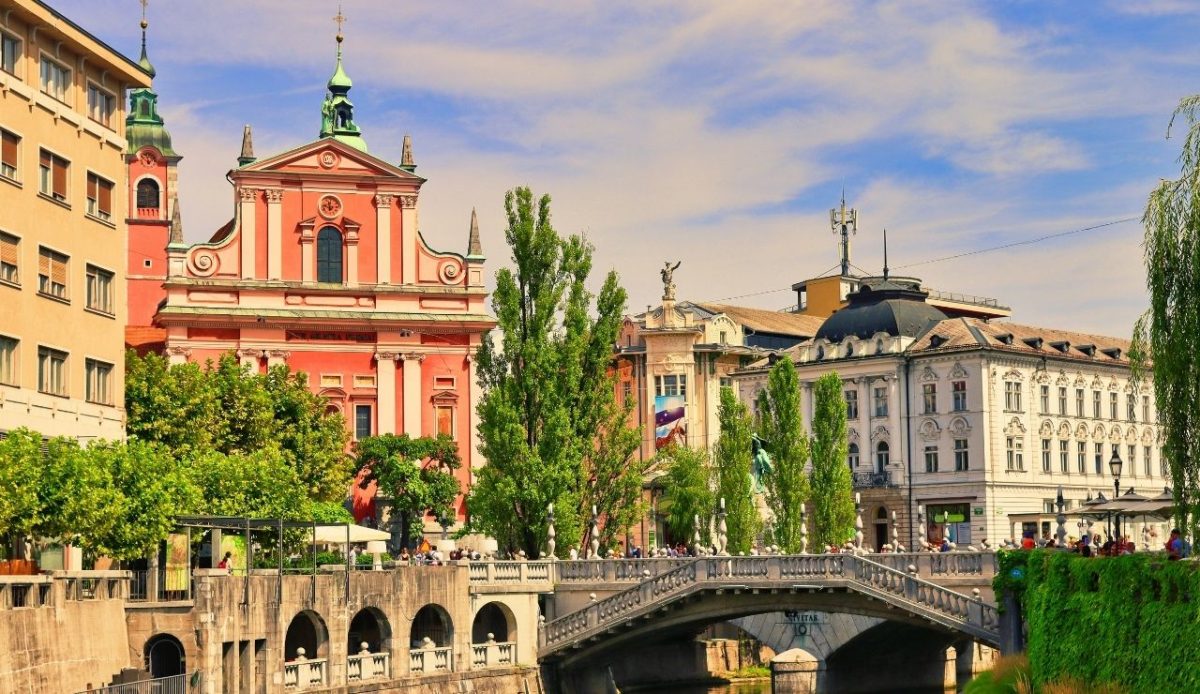
Ljubljana’s small size hides its sophistication. This capital feels more like a friendly town, where riverfront walkways and car-free streets create a peaceful rhythm. Expats admire how sustainable the city is, with clean air, bike paths, and a focus on local food. English is common, bureaucracy is mild, and outdoor life thrives even in winter. The city’s universities and creative industries attract a young, international mix. Housing remains competitive, and public transit covers the entire area efficiently. Ljubljana’s welcoming tone makes it one of Central Europe’s easiest capitals to call home.
