
Seasonal tourism can double or triple a town’s daily population, and the systems that feel it first are the unglamorous ones: roads, parking, water, sewer, trash, and emergency response.
When crowds arrive in tight windows, staff and equipment run hot, maintenance gets deferred, and small failures turn into big disruptions for residents and visitors. Even routine tasks, such as pumping wastewater, plowing a shoulder, and staffing EMTs, become harder.
These 10 U.S. vacation towns show how peak demand collides with limited land, aging utilities, and narrow access routes. Many places respond with shuttles, reservations, and visitor caps, but the pressure returns every season.
1. Bar Harbor, Maine
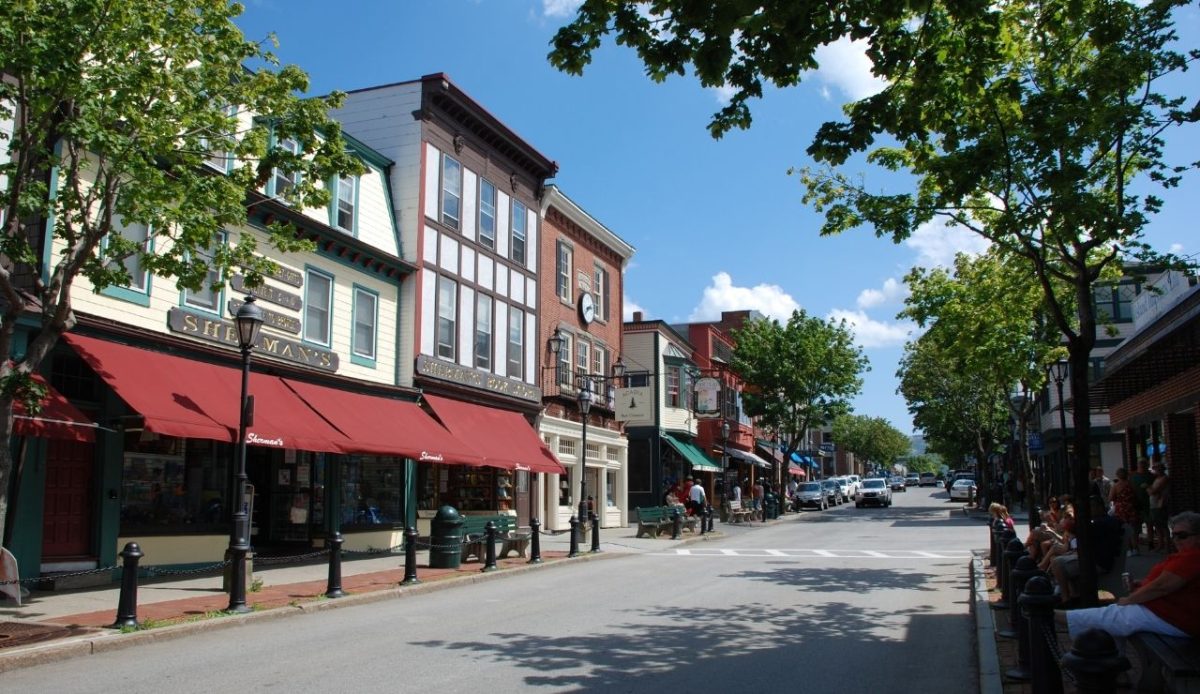
Bar Harbor’s peak days can feel like a small downtown hosting a floating city, with cruise passengers and Acadia-bound traffic arriving through the same narrow corridor.
That surge stresses basics: sidewalks and crossings fill up, curb space disappears, and buses, tour vans, and delivery trucks compete for the same few blocks. When multiple ships tender passengers, arrivals can stack within a short window.
In response, the town has leaned on daily limits for disembarking cruise passengers and tighter traffic control, but crowding still ripples into emergency access, sanitation workloads, and the price of keeping public services staffed all summer long.
2. West Yellowstone, Montana
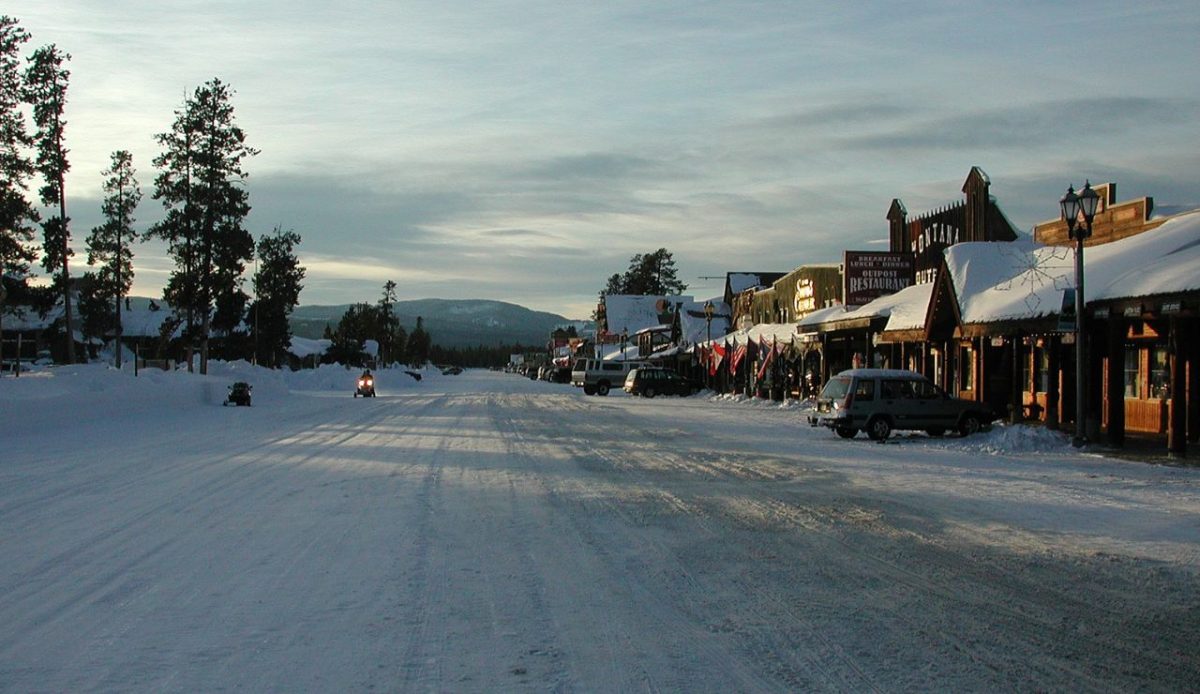
West Yellowstone is a classic gateway town: a small year-round community that has to function like a much bigger one every summer and early fall. The off-season baseline is simply smaller than the peak load.
Traffic backs up at entrances and along the main strip, but utilities take the quieter hit. Wastewater treatment capacity, lift stations, and collection lines can become bottlenecks when hotels, RV parks, and restaurants run full for weeks.
When a system is near its limit, growth slows for everyone, new building permits, employee housing, even business expansions, because the town can’t add demand without risking overflows, odors, or regulatory violations during peak season.
3. Jackson, Wyoming
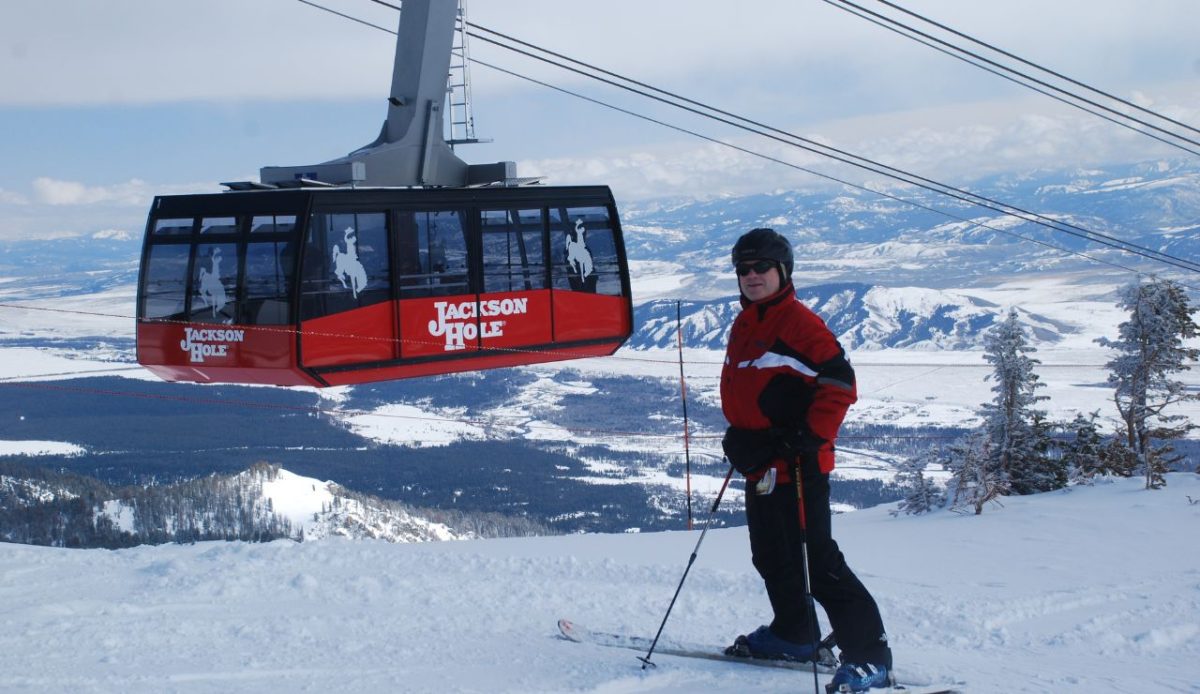
Jackson’s popularity concentrates pressure into a valley with limited road options, long winter maintenance cycles, and an economy tied to visitors.
Peak weeks bring heavy vehicle volumes, crowded trailheads, and longer response times for law enforcement and EMS, especially when outdoor incidents stack up. Staffing is harder when seasonal housing is scarce, and commuting workers add more trips.
The result is a constant catch-up: road repairs, transit pilots, parking controls, and service funding debates, all while the town tries to protect what draws people there, access to public lands, wildlife corridors, and a walkable core during summer weekends.
4. Sedona, Arizona
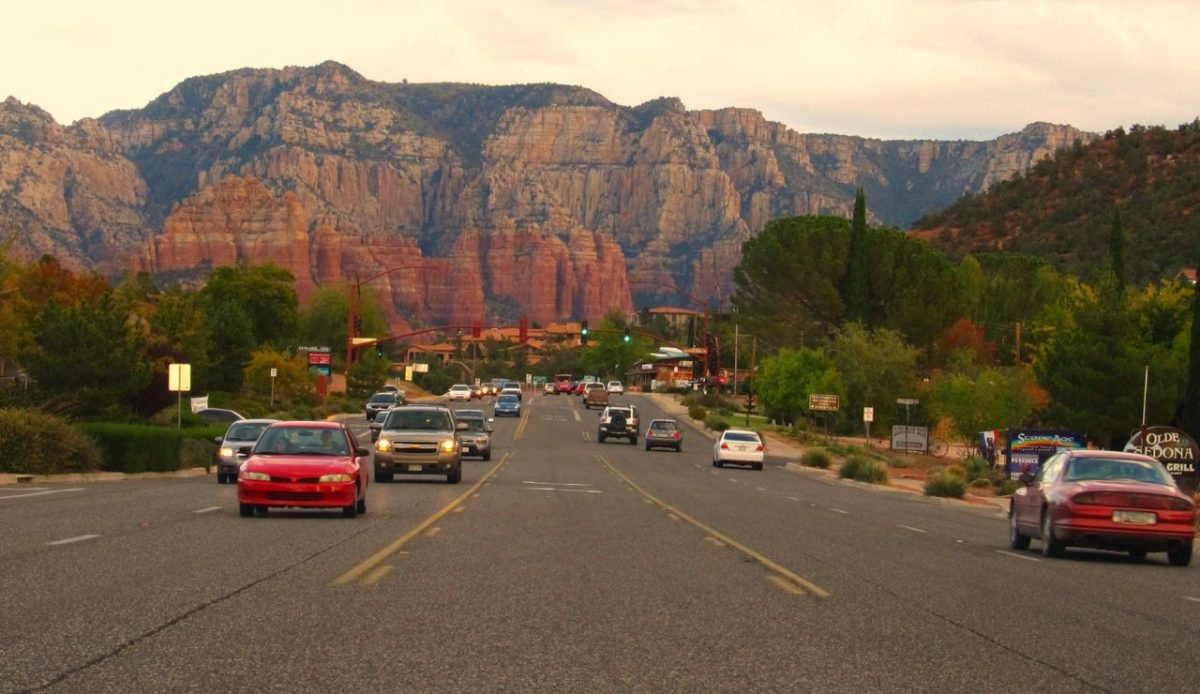
Sedona’s red-rock setting funnels visitors into a few arterial roads and a limited set of trailhead lots, so congestion builds fast in spring and fall.
As parking fills, cars circulate, idle, and spill into neighborhoods, creating safety issues for cyclists, pedestrians, and emergency vehicles. Managing restroom capacity, trash pickup, and trail maintenance becomes a daily workload when temperatures and visitation peak.
Local agencies have expanded shuttles and transit options to reduce private-car dependence, but the challenge remains: the landscape is the attraction, and the access points are finite, especially on weekends and holiday breaks.
5. Moab, Utah

Moab sits in a dry region where water and wastewater systems matter as much as roads, yet visitation can spike sharply around spring and fall travel seasons.
Packed campgrounds, hotels, and short-term rentals push higher daily demand for potable water, sewer capacity, and solid-waste handling. Outdoor rescues and medical calls can rise too, because more people are using trails, rivers, and off-road routes.
When upgrades lag behind demand, the community faces tradeoffs: new connections cost money, construction disrupts the downtown corridor, and residents often feel they’re subsidizing peak-season loads through local fees and taxes each year.
6. Gatlinburg, Tennessee
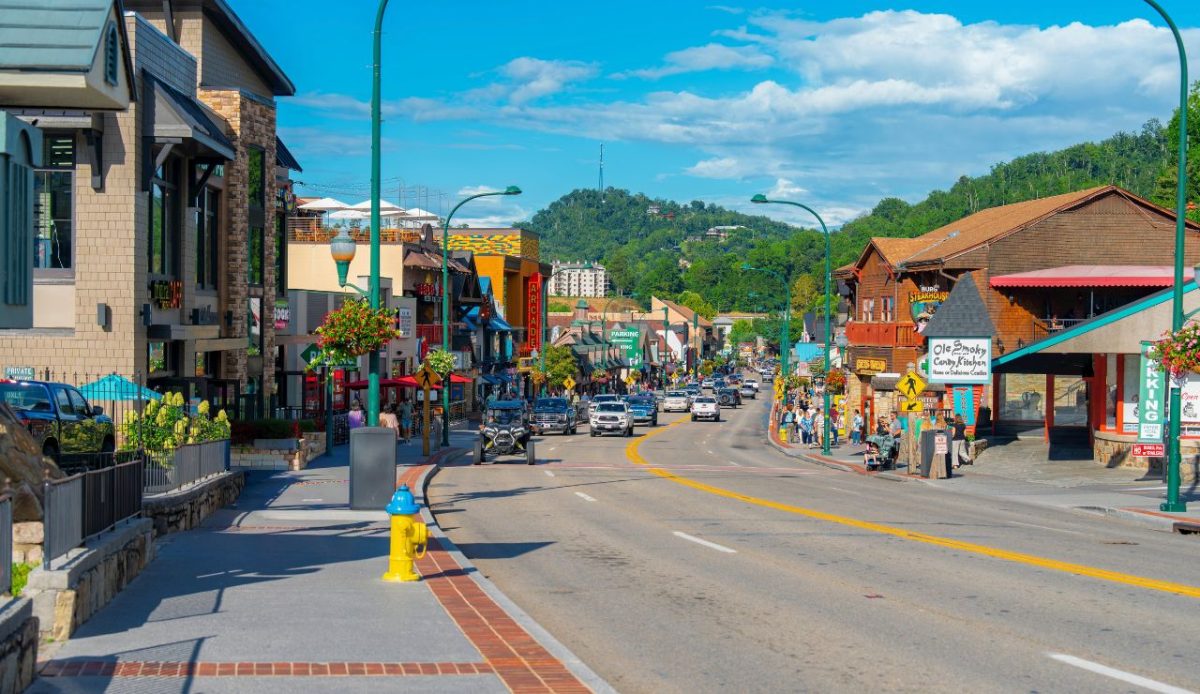
Gatlinburg’s main corridor handles an intense mix of pedestrians, family attractions, and the steady flow of vehicles bound for Great Smoky Mountains National Park.
During holiday weeks, traffic congestion can gridlock the strip, complicating crossings, deliveries, and emergency response. High foot traffic also increases wear on sidewalks, signage, and public restrooms, while trash volumes jump and pickup routes slow.
Local planning has focused on mobility, trolleys, safer crossings, and corridor studies, but the core constraint remains physical: a narrow valley and a single main route trying to serve both a town center and a major park gateway.
7. South Lake Tahoe, California
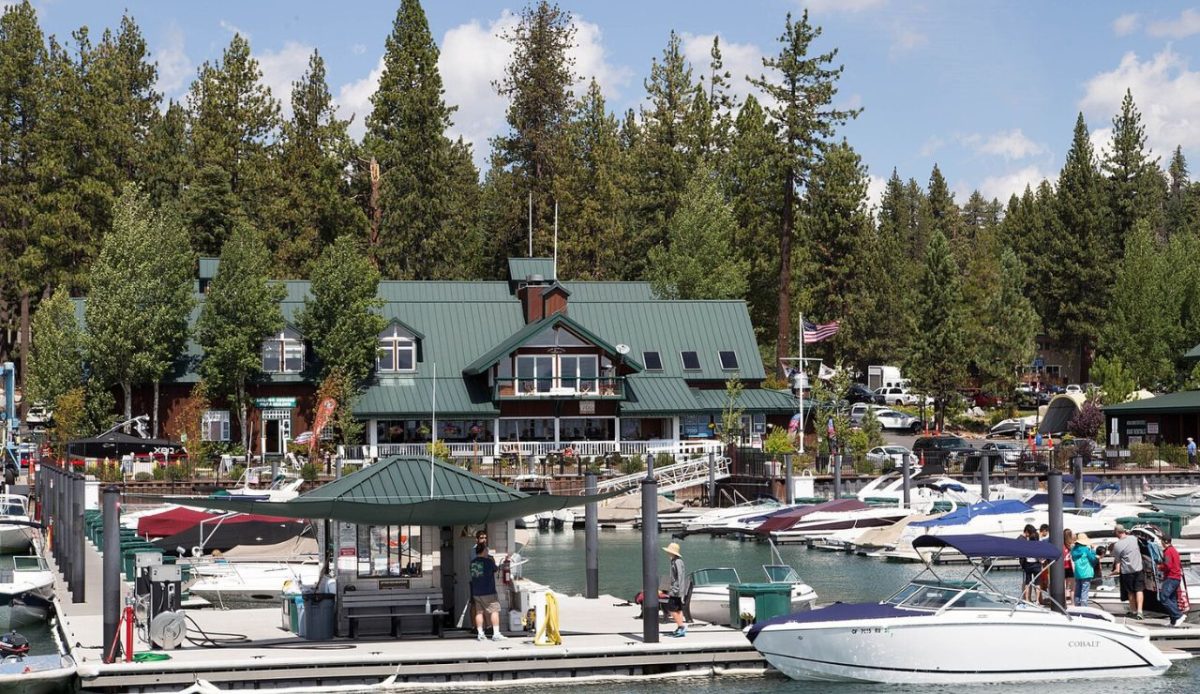
South Lake Tahoe’s peak season pushes demand onto a limited highway network, with popular shoreline stops creating sudden parking surges. Some stretches stay narrow, and winter damage competes with summer repairs.
When lots fill, vehicles line shoulders and side streets, raising crash risk and slowing buses and emergency services. Heavy use also strains public toilets, trash collection, and maintenance of beaches and trails that see large day-use crowds.
Regional partners have tested shuttles, paid parking, and enforcement to manage hotspots, but the basin’s geography makes it hard to “add lanes.” The practical fix often becomes shifting arrivals away from peak hours, not expanding roads.
8. Key West, Florida
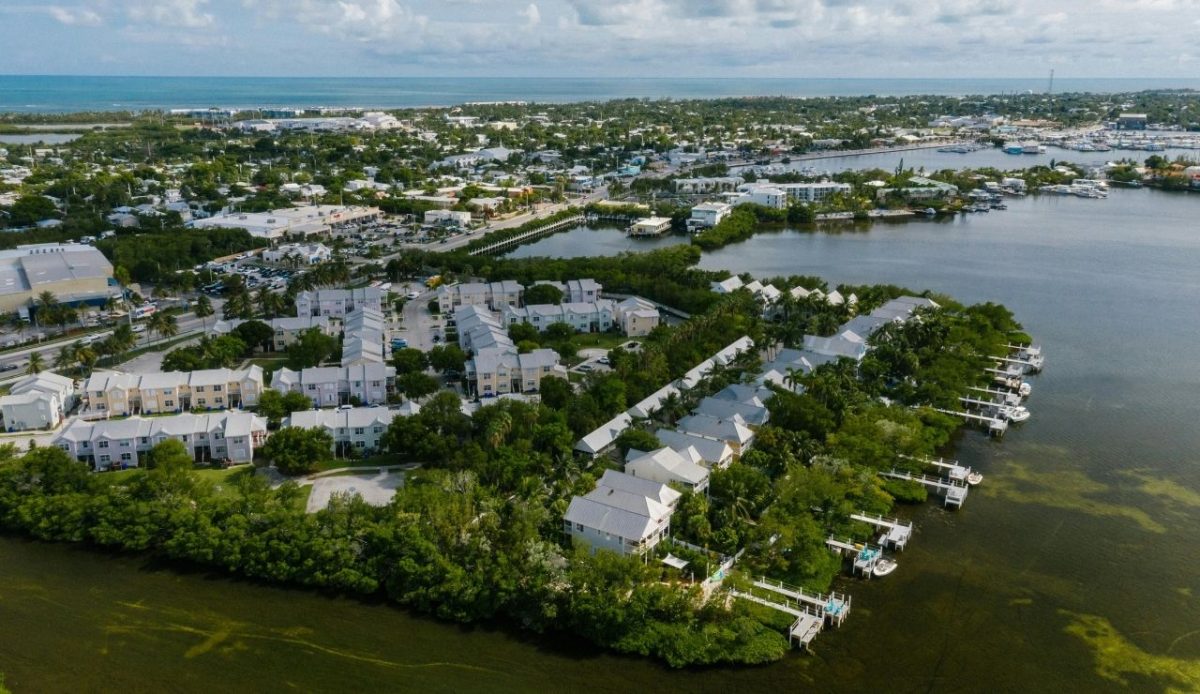
Key West is compact, island-bound, and heavily visited, which means every extra car, hotel room, and day-tripper shows up in the same small grid. There’s also only one main road link off the island chain.
Seasonal crowds intensify pressure on wastewater treatment, stormwater management, and solid-waste logistics, all while heat and salt air increase operating stress. Traffic, curb space, and loading zones become daily constraints in the historic core.
Because land is limited, infrastructure work is expensive and disruptive, think pump stations, pipes, and plant upgrades in tight streets. The city often leans on pricing, shuttles, and visitor behavior changes to blunt peak demand.
9. Nantucket, Massachusetts
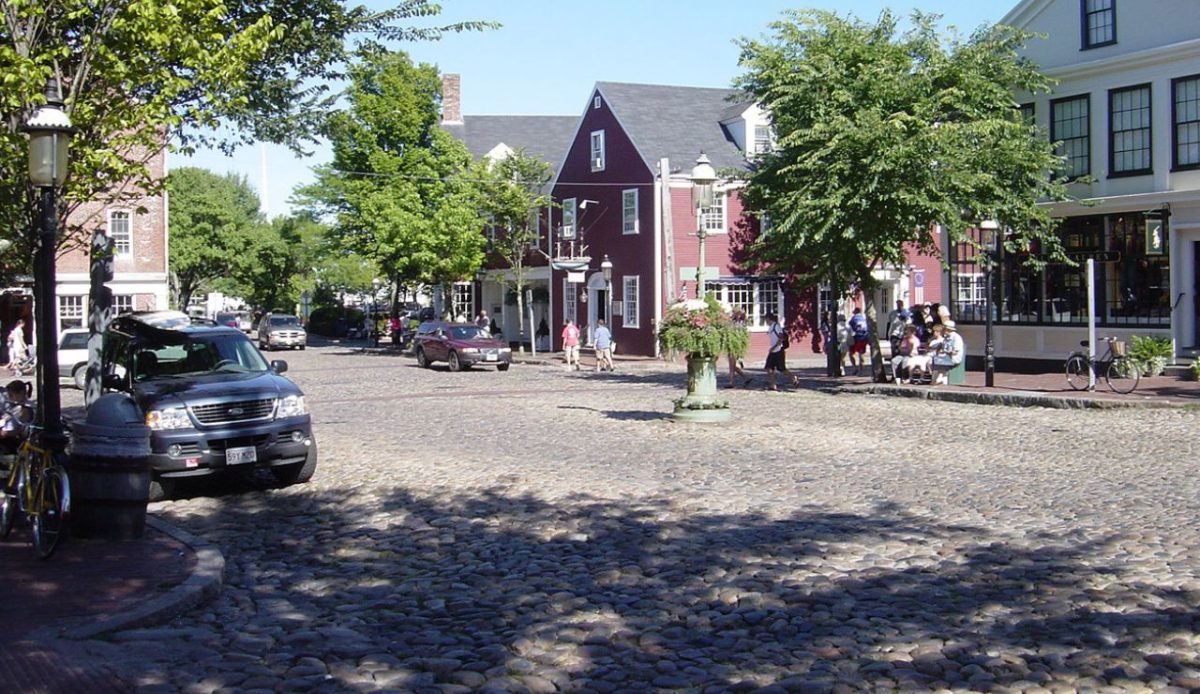
Nantucket’s summer population surge is shaped by ferry capacity and short-term rentals, which can pack neighborhoods well beyond the year-round baseline.
That pressure lands on wastewater and sewer work in compact historic areas, plus road wear, parking, and the logistics of hauling and disposing of trash on an island. Emergency services also face heavier call volumes during peak weeks and beach days.
When systems need repair, timing becomes the headache: major street or utility projects can disrupt businesses if done in summer, yet delaying them risks failures. The town ends up balancing construction windows against tourist season realities.
10. Mackinac Island, Michigan
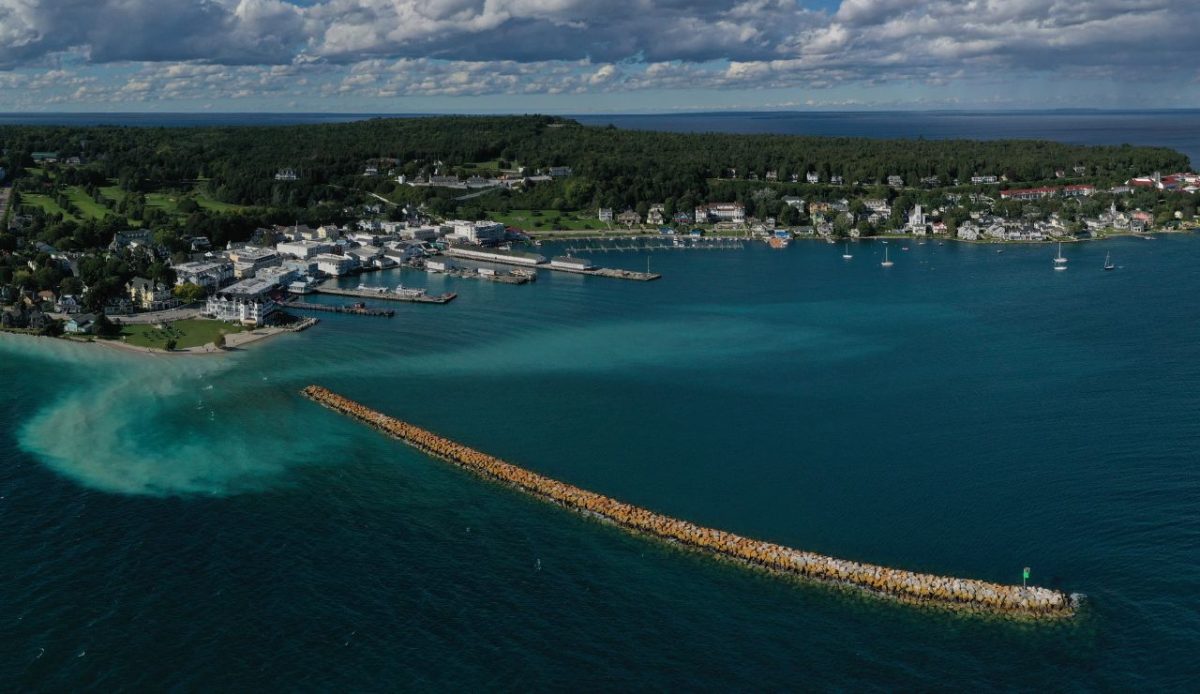
Mackinac Island’s summer swell is extreme for its size, and even without cars, infrastructure still has to support restaurants, lodging, and day visitors.
Wastewater treatment and solid-waste handling take the brunt. Higher daily flows and heavier loading can push aging systems to their limits, while hauling trash off-island adds cost, storage pressure, and coordination during the busiest months.
Upgrades are possible but complicated by seasonality and logistics; materials, labor, and equipment arrive by boat. The island’s challenge is keeping essential services invisible to visitors while meeting modern environmental and health standards today.
