
Transient populations can strain housing when visitors, seasonal workers, and second-home owners compete with residents for the same limited units. In many resort and gateway towns, rentals are pulled into short-term markets, while wages stay closer to regional averages. The result is higher rents, longer commutes, staffing gaps, and rising public costs. The towns below were selected because local plans, ordinances, or credible reporting documents show that turnover and temporary demand are closely linked to housing pressure, not just to growth in permanent population. Each section explains the main driver and response.
1. Jackson, Wyoming
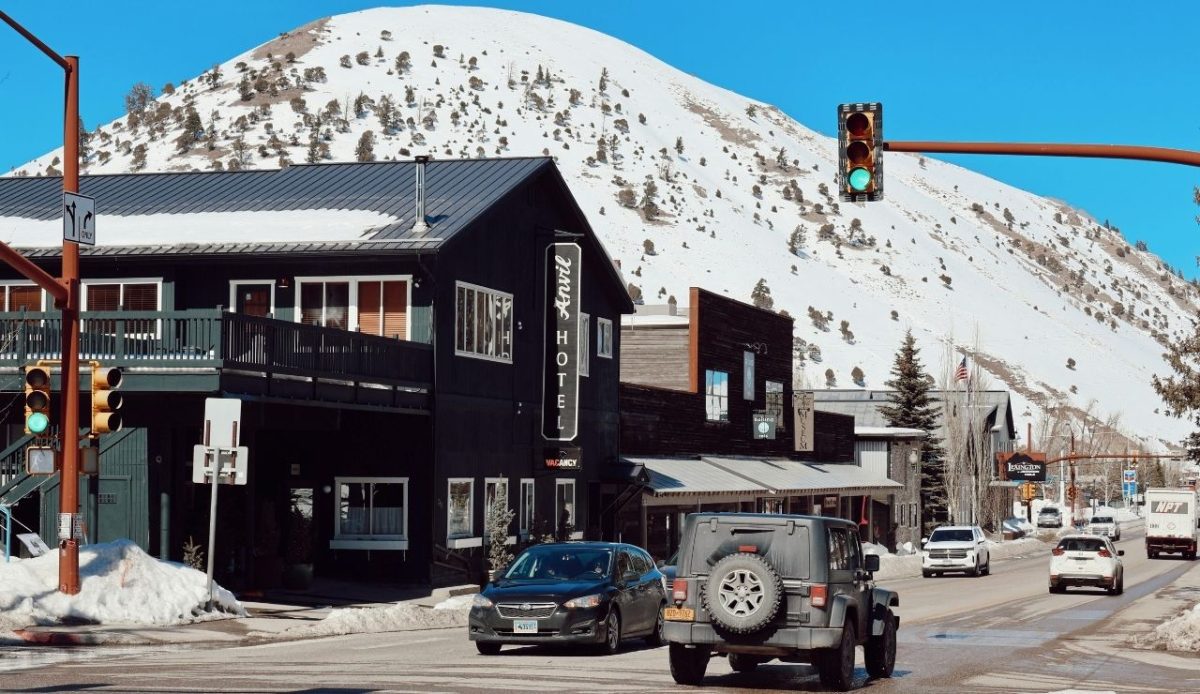
Jackson faces intense housing pressure because tourism and outdoor recreation rely on a large service workforce that rotates through peak seasons. Local assessments note that market rents and purchase prices sit well above what many workers earn, so longer commutes from nearby areas have become common. Deed-restricted homes and employer-supported projects have been added, yet demand keeps returning every season. Staffing for schools, clinics, and restaurants is affected when units are absorbed by temporary stays. As a result, recruitment is harder, and turnover is reported more often than in comparable inland towns.
2. Key West, Florida
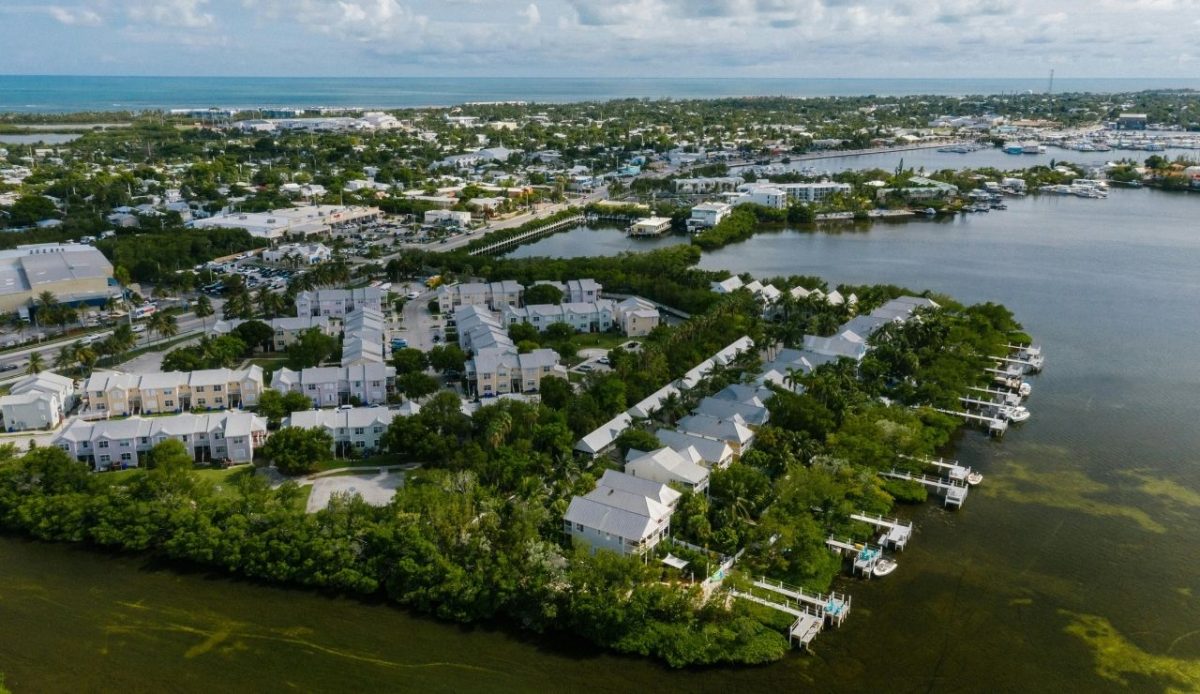
Key West operates on a narrow island footprint, so housing supply cannot expand quickly when visitor counts spike. Workforce studies in Monroe County describe how teachers, first responders, and hospitality staff struggle to find long-term rentals that match local pay. Units are frequently converted to short-term use, and second homes further reduce year-round inventory. Assistance programs and income-based limits have been used, yet the market is still pulled toward transient demand during high travel months. When leases turn over quickly, stable neighborhood life is weakened, and municipal staffing can be disrupted.
3. Provincetown, Massachusetts

Provincetown sees dramatic seasonal population swings that change how housing is used from spring to fall. Town-commissioned research links short-term rentals and seasonal employment to a shrinking pool of year-round units. Workers often depend on shared rooms, informal arrangements, or employer-provided beds that end when the season closes. Residents report fewer options and higher costs as turnover increases. Policy updates and new construction concepts have been studied to keep more homes available for full-time occupancy. The housing squeeze is felt most by younger adults who are priced out before they can settle locally.
4. Nantucket, Massachusetts

Nantucket’s island setting and limited buildable land amplify the impact of seasonal tourism on housing. Needs assessments describe a housing stock where many properties shift to seasonal use, leaving fewer rentals for permanent residents and the workers who keep services running. Employers report ongoing difficulty securing beds for staff, even when wages are raised. Public investment through housing trusts and deed restrictions has been expanded, but scarcity returns each summer. Lower-income households are displaced first. Commute options are limited, so the shortage is experienced immediately rather than being pushed outward.
5. Aspen, Colorado

Aspen has long used deed-restricted housing to protect a workforce needed for resorts, retail, and public services. Even with that system, pressure persists because visitor demand and second home ownership keep market prices extremely high. Housing authority reports show waitlists and strict eligibility rules, meaning many workers must live farther away and drive in. Seasonal peaks increase competition for available rooms. Programs are updated often, yet the gap between wages and housing costs has not been closed. When units are shifted into shorter stays, fewer options remain for the employees who support year-round life.
6. Frisco, Colorado
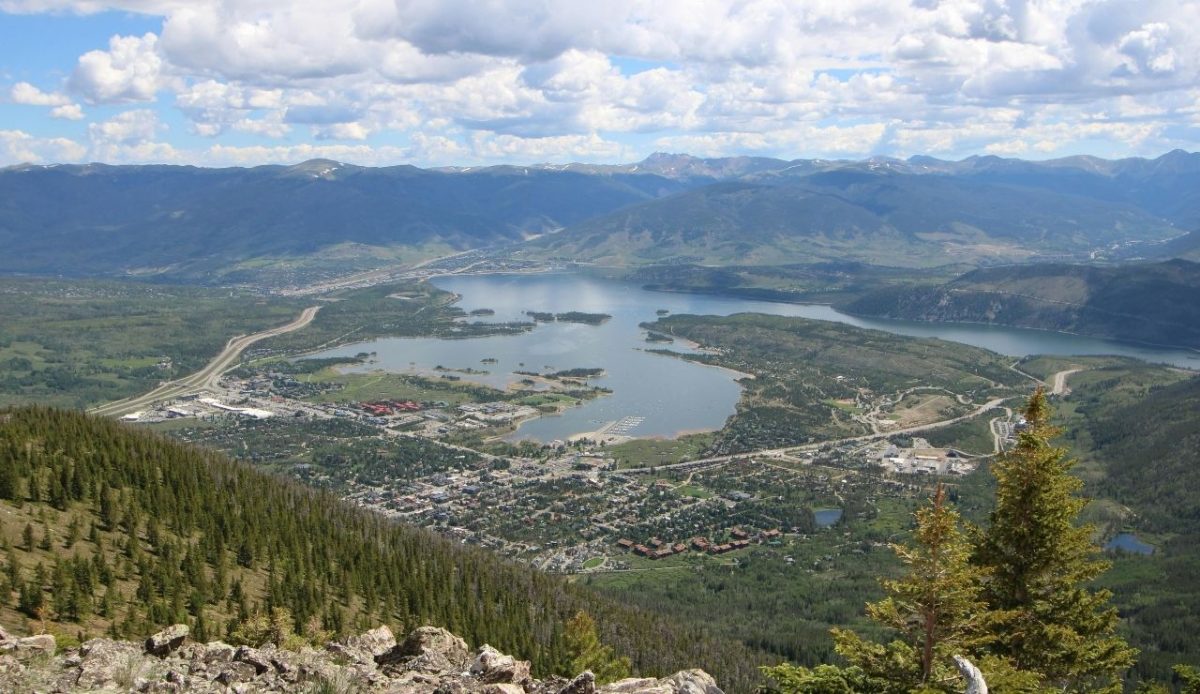
Frisco lies near major ski destinations, so visitor volume can rise quickly while housing supply stays flat. Local rules connect vacation rentals with workforce housing funding through a voter-approved excise tax, showing that transient stays were treated as a core driver of the shortage. During busy weeks, long-term rentals become harder to secure, and workers are pushed into shared housing or distant towns. Planning efforts focus on adding deed-restricted units, but demand remains tied to the travel calendar. As turnover increases, local employers report more unfilled jobs and more frequent midseason departures.
7. Truckee, California
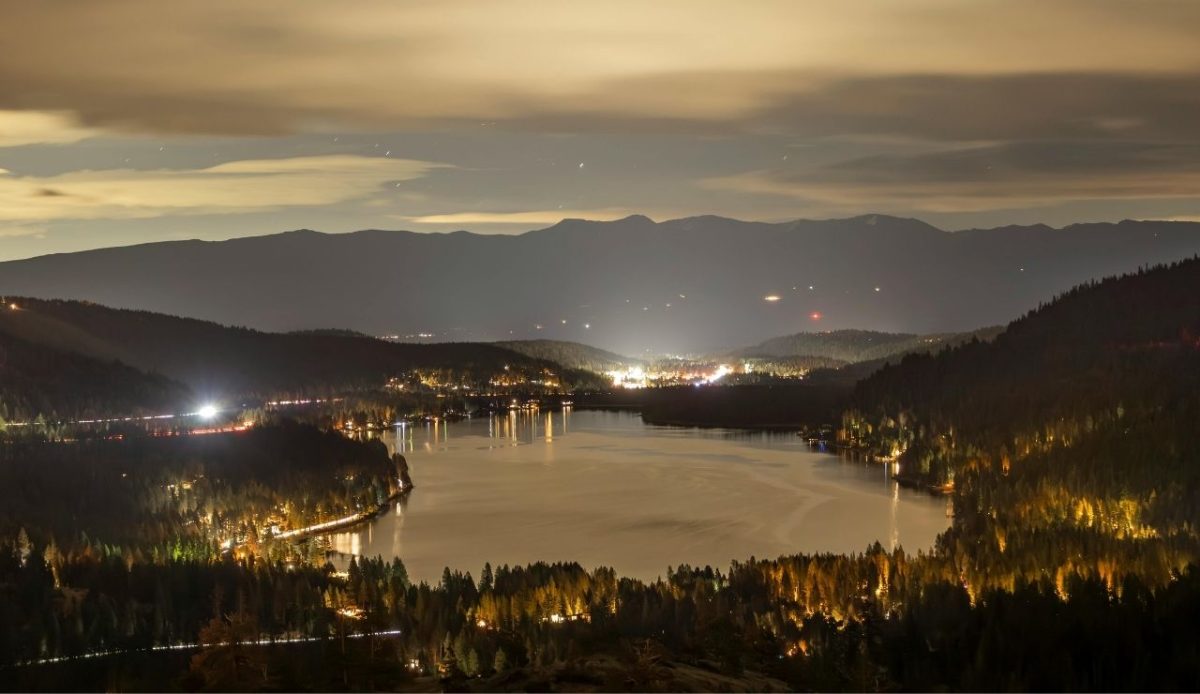
Truckee has responded to tourism-driven housing pressure with rules that tie vacation rental permits with workforce housing production. Its token program requires STR operators to offset impacts, and town studies highlight how second homes and visitor demand reduce the rental supply available to residents. Seasonal population increases can outpace services, so housing scarcity is treated as an infrastructure issue as well as a market problem. By linking permits to mitigation, the town aims to keep more units for local workers over time. Compliance is monitored, and outcomes are reviewed as conditions change across the region.
8. South Lake Tahoe, California

South Lake Tahoe’s housing debate has been shaped by the scale of vacation rentals plus visitor turnover. Measure T and later court decisions show how strongly housing availability has been linked to STR policy. Local reports describe how high occupancy periods pull units away from long-term tenants, raising costs for workers and families. Incentive programs have been used to support long-term leasing, yet tourism remains the dominant economic force. The city continues to adjust enforcement and zoning so that more stable housing can be kept. When regulations shift, the market reacts quickly, and renters can be displaced with little notice.
9. Moab, Utah

Moab’s role as a gateway to nearby parks brings steady visitor flow and seasonal labor demand that affects housing. Regional housing plans quantify the share of homes operating as vacation rentals, and it connects that trend to reduced availability for residents. During peak travel periods, workers compete with tourists for rooms, which pushes rents upward and shortens lease terms. Local planning emphasizes workforce housing and affordability targets because normal construction timelines cannot match rapid shifts in tourism demand. Essential services are affected when employees cannot secure housing within a reasonable commute.
10. Whitefish, Montana
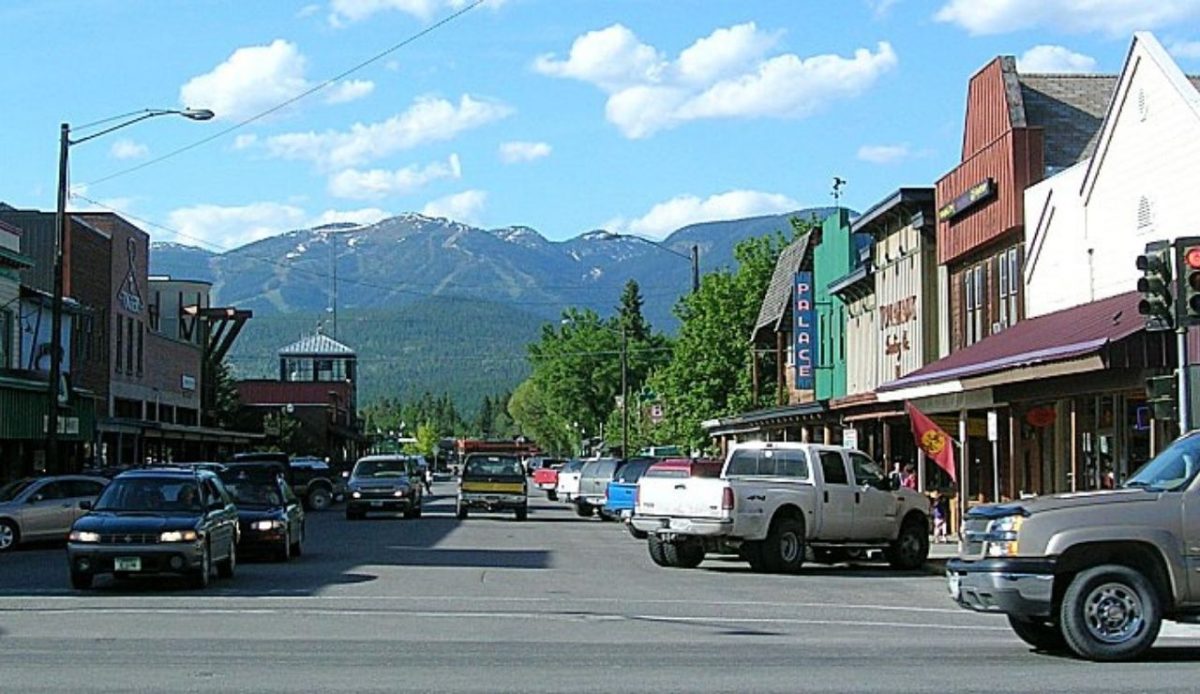
Whitefish has documented housing strain tied to tourism growth, second homes, and short-term rental use. Local assessments describe rising prices and fewer long-term options for workers in lodging, healthcare, and city services. Seasonal demand increases competition for rentals, and some residents are pushed into crowded conditions or neighboring communities. The problem is discussed through planning and housing studies rather than anecdote, with strategies aimed at workforce units and better alignment between permits and community needs. Stability is challenged when turnover becomes the norm.
