
Many travelers assume every national park welcomes spontaneous visits, but that’s no longer the case. Growing crowds and environmental strain have pushed the National Park Service to adopt timed entries, vehicle permits, and limited trail access at some of America’s busiest sites. While you can still admire the scenery, visiting these parks now takes planning and punctual booking on Recreation.gov. Understanding which ones require reservations helps avoid frustration at the gate. Here are 15 U.S. national parks where you can’t just show up anymore.
1. Arches National Park, Utah
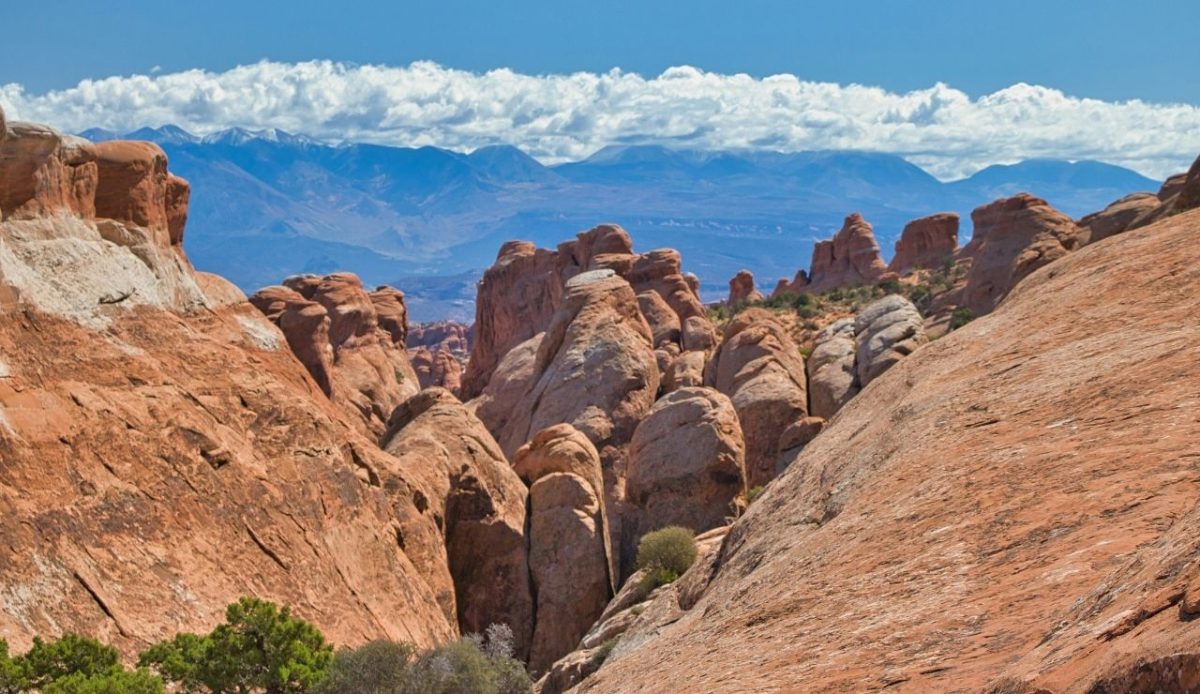
Arches National Park now requires timed-entry reservations for vehicles during peak hours from April through October. This rule ensures visitors can enjoy Delicate Arch, the Windows Section, and other landmarks without severe crowding. Tickets are released months ahead on Recreation.gov and sell out quickly, particularly for sunrise and late afternoon slots. Rangers report that the system reduced backups at the gate and improved trail safety. Travelers planning to explore Moab should confirm both park and parking reservations well before arrival to guarantee access.
2. Glacier National Park, Montana
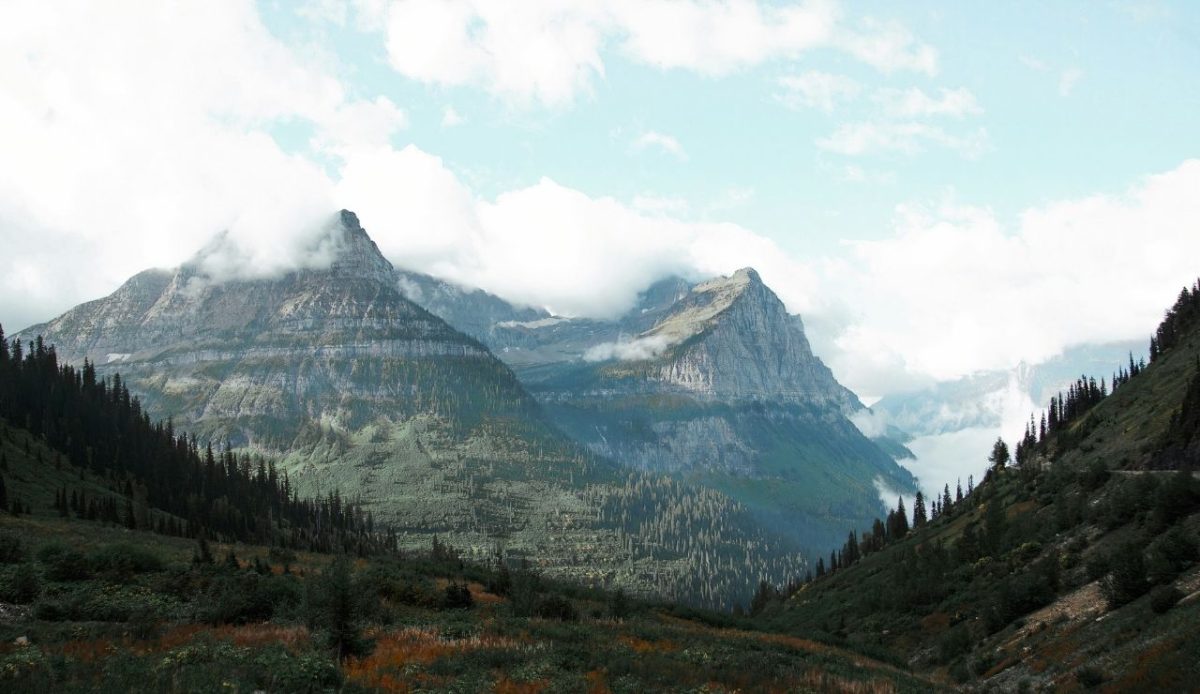
Glacier’s dramatic alpine roads attract so many visitors that timed-entry reservations are now essential for multiple sections of the park. Access to the west side of Going-to-the-Sun Road and the North Fork requires specific-day vehicle passes. These reservations operate from May through September and prevent long lines at Logan Pass and Avalanche Lake. Travelers staying in park lodges or using shuttles still need to plan around these limits. Booking early on Recreation.gov ensures smooth entry to one of Montana’s most scenic yet regulated parks.
3. Rocky Mountain National Park, Colorado
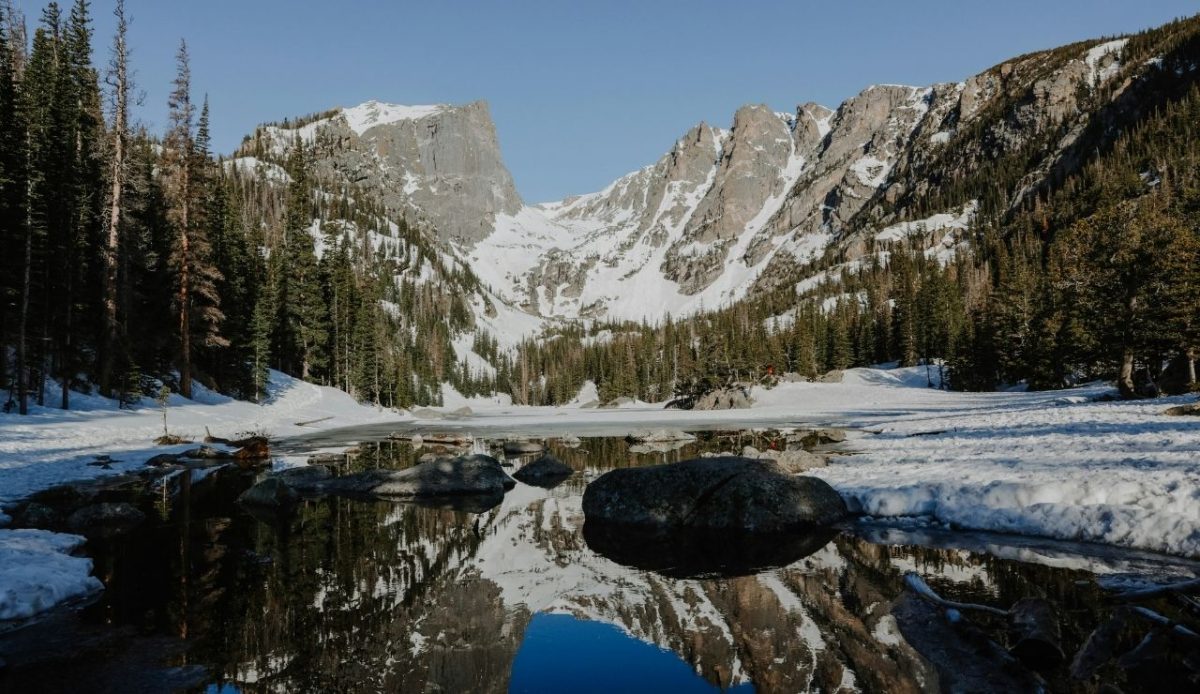
Due to record attendance, Rocky Mountain National Park introduced a two-tier timed-entry system. Visitors must reserve either the Bear Lake Corridor or general park access between May and October. Bear Lake’s permits sell fastest because they include access to Dream and Emerald Lakes. Rangers designed the policy to spread visitors throughout the park’s 400 square miles while protecting fragile alpine ecosystems. Travelers should check the entry map online, as the two permit types differ by route and time. Early morning slots remain the most flexible option.
4. Mount Rainier National Park, Washington
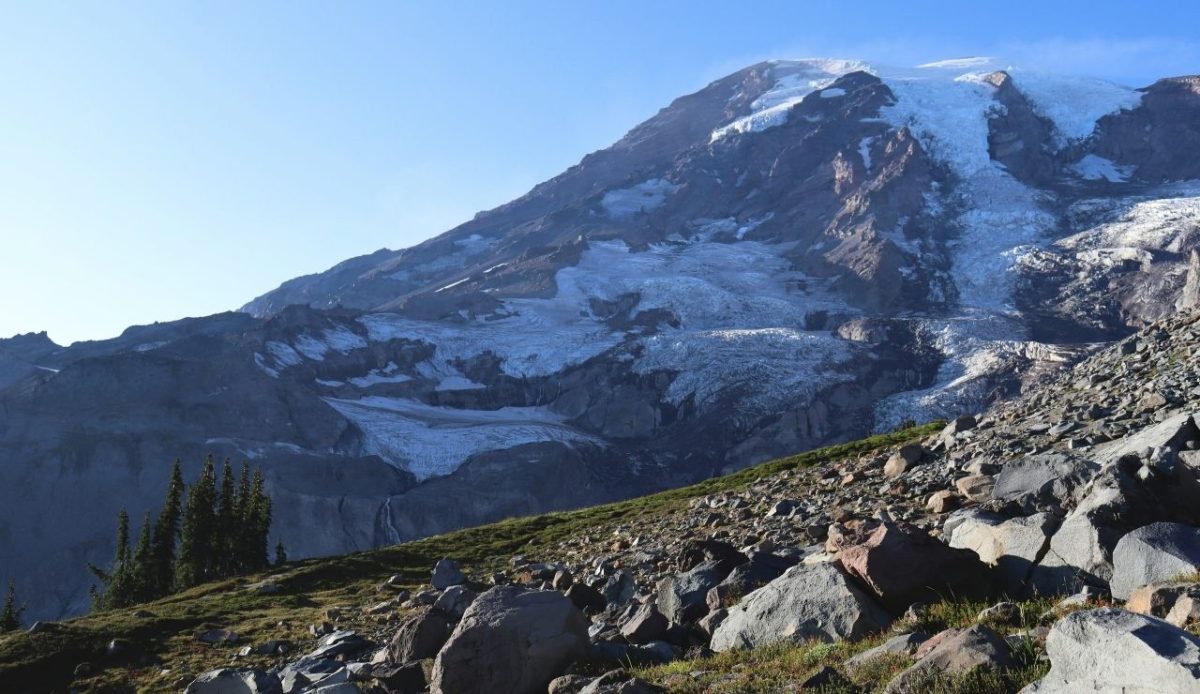
Mount Rainier now limits daytime access to two main corridors, with the Sunrise area being the most heavily regulated. From late May through September, drivers entering between 7 a.m. and 5 p.m. need a timed-entry ticket. The system helps protect subalpine meadows and prevents congestion at popular viewpoints. Reservations can be made up to two months in advance, and weather changes may still affect road availability. Visitors planning a sunrise summit or photography session should secure tickets early and check snow conditions before their trip.
5. Haleakalā National Park, Hawaii
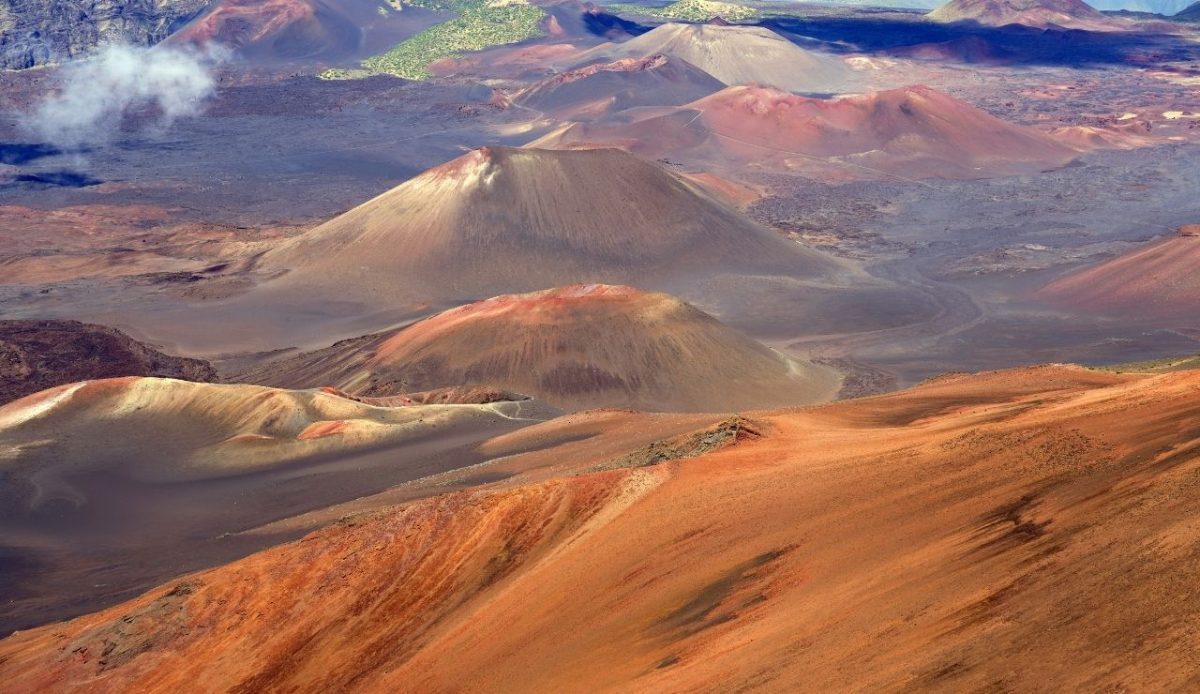
Watching sunrise above the clouds at Haleakalā requires reservations year-round. Only a limited number of vehicles may enter the summit between 3 a.m. and 7 a.m. due to narrow roads and fragile habitats. The tickets, released two months ahead, often disappear within minutes. Rangers remind visitors to arrive on time, as late entries forfeit their slots. Those unable to secure a sunrise permit can still enjoy daytime hikes through the volcanic landscape or visit the Kipahulu District later in the day, where reservations aren’t required.
6. Acadia National Park, Maine
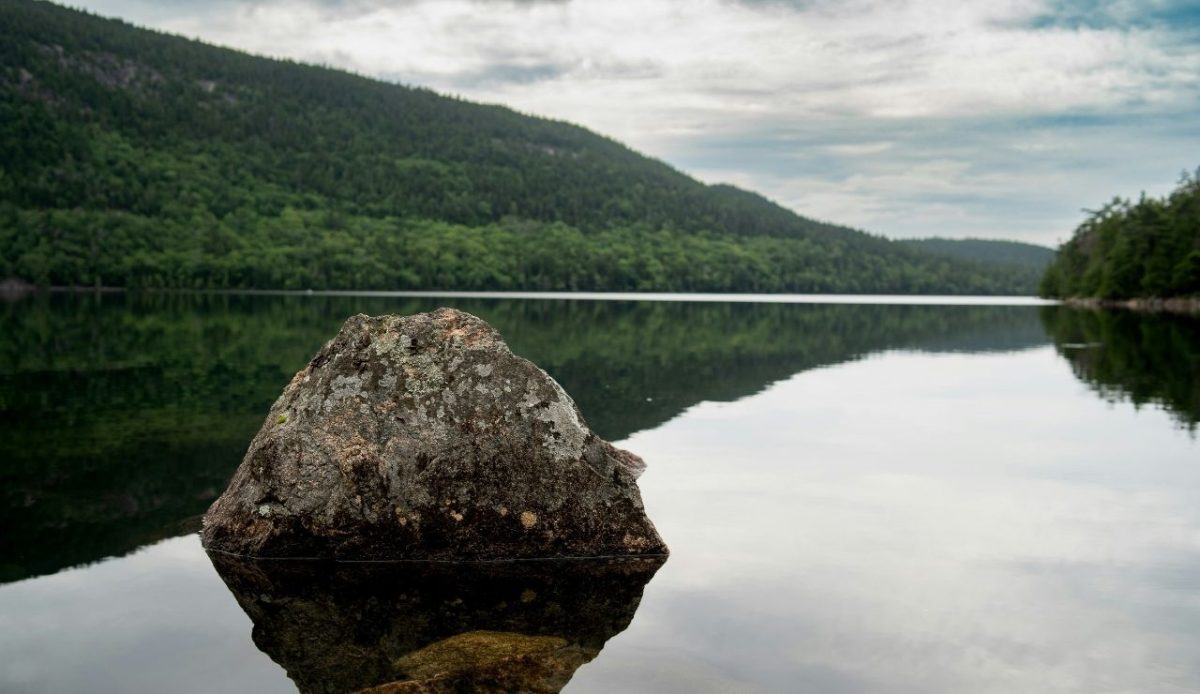
Acadia is among the first parks on the East Coast to require timed-entry reservations for a single scenic drive. From late May through late October, visitors who wish to reach Cadillac Summit must reserve a vehicle pass. These tickets help reduce gridlock on the narrow mountain road, where parking is extremely limited. Reservations open on a rolling schedule, and travelers can book up to 30 days in advance through Recreation.gov. Rangers encourage visitors to plan an early or evening slot for clearer skies and to explore less crowded sections like Jordan Pond and Sand Beach afterward.
7. Zion National Park, Utah
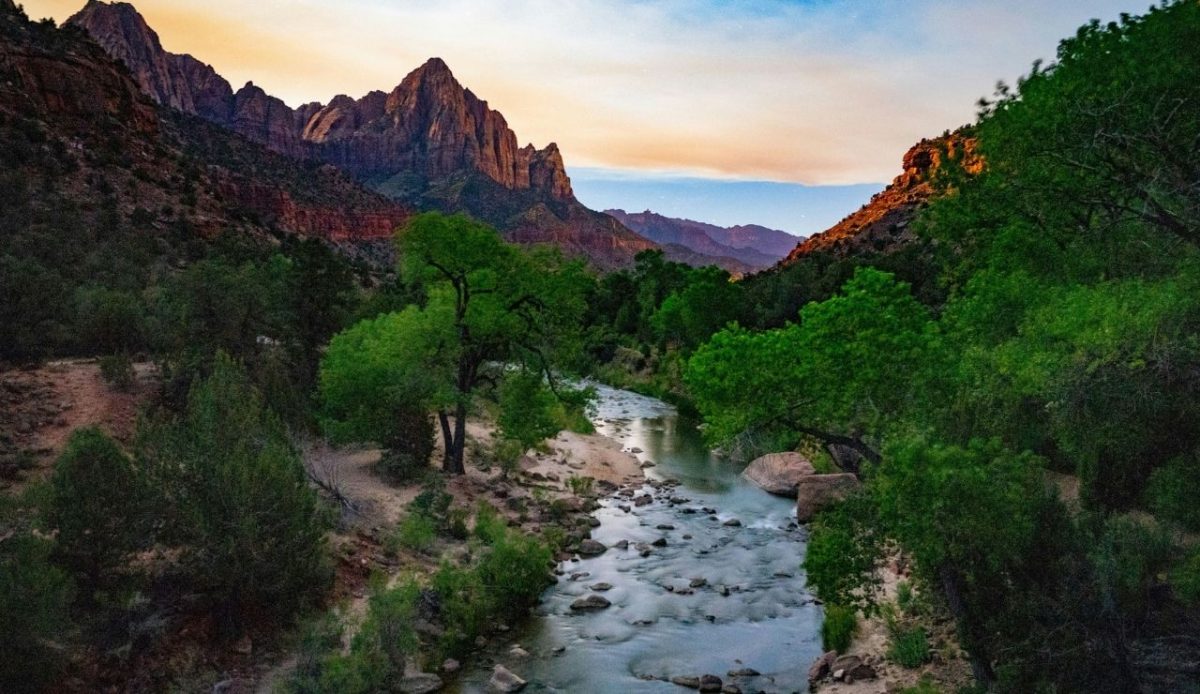
Zion now requires a hiking permit for the famous Angels Landing Trail, one of the most photographed climbs in the United States. Due to safety concerns and increasing congestion, the National Park Service introduced a lottery system for both seasonal and day-before permits. The permit limits help protect hikers from overcrowded conditions along the narrow chain section. Visitors who miss out can still hike the Narrows or Observation Point without reservations. Travelers should apply early and review safety guidelines before attempting the trail, as rescues in summer heat remain frequent.
8. Shenandoah National Park, Virginia
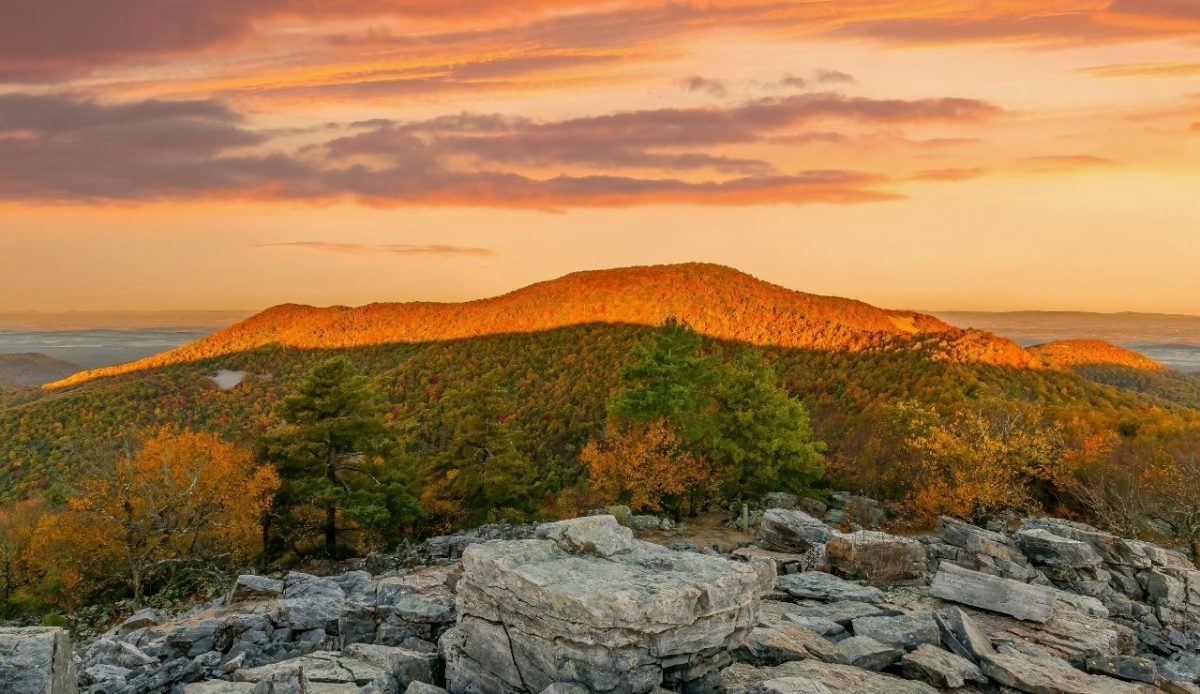
Shenandoah introduced a day-use ticket system for Old Rag Mountain, a strenuous and highly popular hiking destination. The requirement runs from March through November to prevent trail erosion and crowding on its rock scrambles. Each ticket covers one person and is separate from the park entry fee. Rangers report that the new system significantly reduced rescue calls caused by congestion and overuse. For visitors who cannot secure a spot, Skyline Drive offers dozens of other trails with stunning overlooks that require no additional reservations or restrictions.
9. Carlsbad Caverns National Park, New Mexico
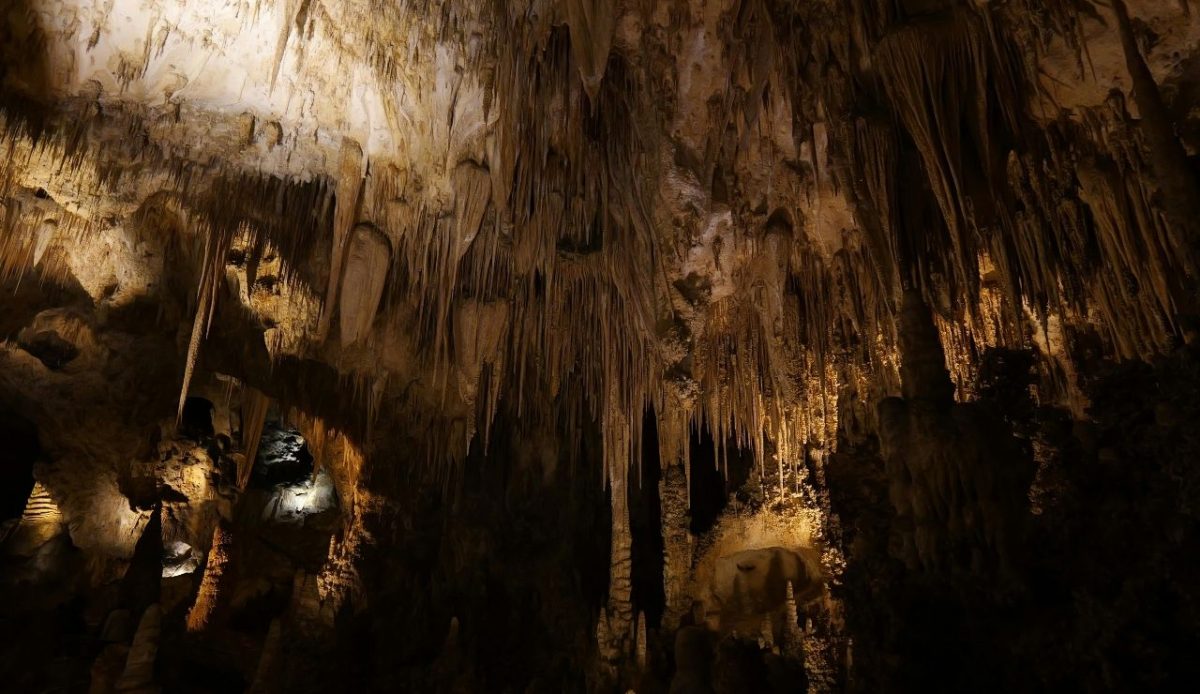
Exploring the underground chambers at Carlsbad Caverns now requires a timed-entry ticket. Because only a set number of visitors can safely enter each hour, reservations are mandatory for all self-guided tours. Tickets can be booked up to 30 days in advance, and arriving without one may result in waiting hours for cancellations. The rule helps preserve fragile cave formations that deteriorate under excessive traffic. Travelers planning a visit should check elevator schedules, as limited capacity can affect timing for both descent and return trips.
10. Mammoth Cave National Park, Kentucky
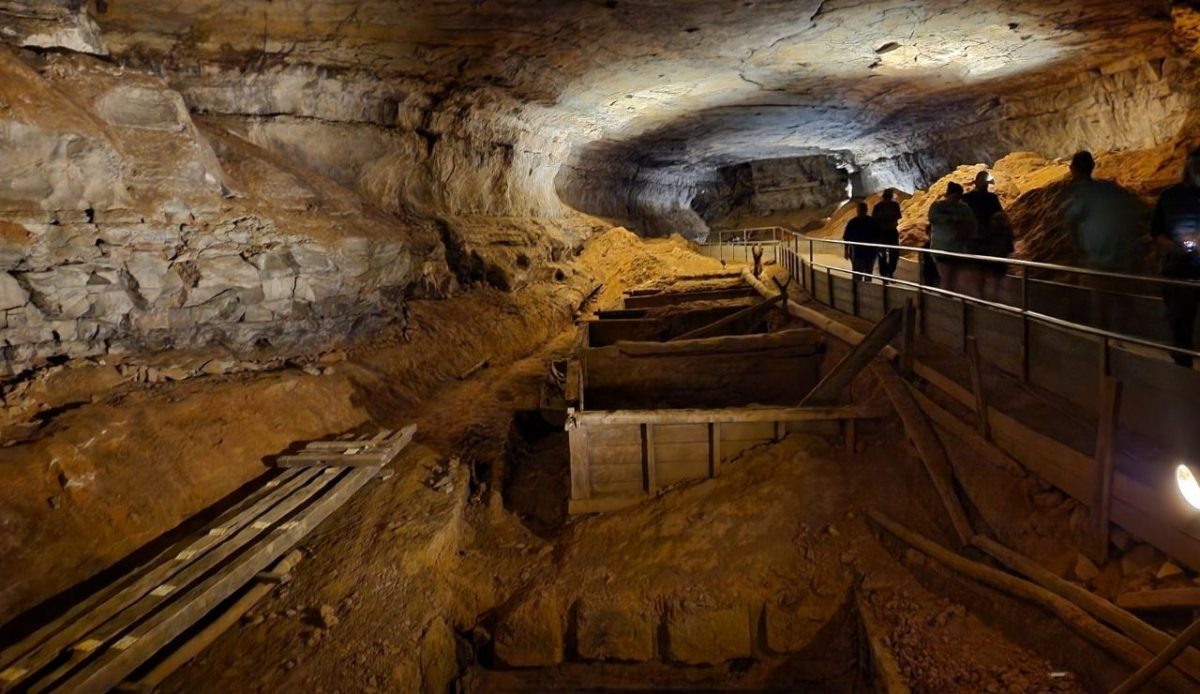
America’s longest cave system attracts explorers from around the world, but entry to its underground passages requires advance tour reservations. Each ranger-led route has limited spots and often sells out weeks before peak season. The park’s management introduced this system to manage airflow, safety, and crowd control within narrow tunnels. Aboveground areas remain open without restrictions, offering hiking and river paddling options. To secure a place underground, travelers should book tours early through Recreation.gov and arrive on time, as tickets cannot be transferred or held past the check-in period.
