
Air quality in the United States is primarily evaluated through long-term exposure to fine particle pollution, known as PM2.5. These particles are small enough to enter the lungs and bloodstream, making them a key public health indicator. Cities with clean air usually show low industrial density, moderate traffic levels, and consistent air movement that prevents buildup. Federal monitoring highlights areas where pollution remains consistently low throughout the seasons, rather than improving briefly. The cities below repeatedly rank well for year-round particle pollution based on multi-year EPA measurements.
1. Casper, Wyoming

Casper records low particle pollution because open plains and frequent winds disperse airborne particles efficiently. Heavy manufacturing is limited, and the city lies far from major freight corridors that increase diesel emissions. Winter heating raises local output, but spikes remain brief and localized. Visibility stays clear on most days, even during colder months. Long-term EPA monitoring shows that annual PM2.5 levels remain consistently low, placing Casper among the cleanest small urban areas in the United States. Regular monitoring confirms these conditions persist over time without large seasonal variation across measurement stations.
2. Urban Honolulu, Hawaii
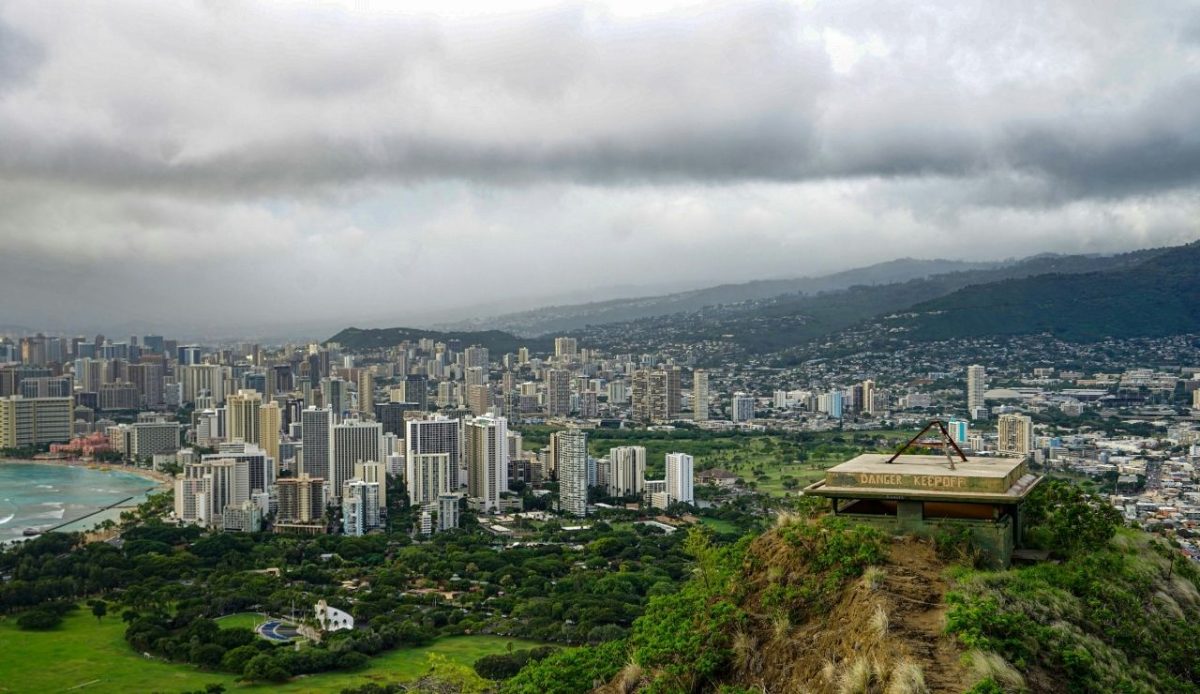
Urban Honolulu maintains clean air through steady trade winds that move vehicle emissions away from residential areas. Large industrial facilities are limited, keeping baseline pollution low despite steady traffic. Coastal airflow prevents exhaust from lingering long enough to raise sustained particle levels. Volcanic activity is monitored but rarely affects the city directly. Multi-year EPA data show PM2.5 levels remain low throughout the year, supporting reliable air quality across neighborhoods and business districts. Regular monitoring confirms these conditions persist over time without large seasonal variation across measurement stations.
3. Kahului-Wailuku, Hawaii
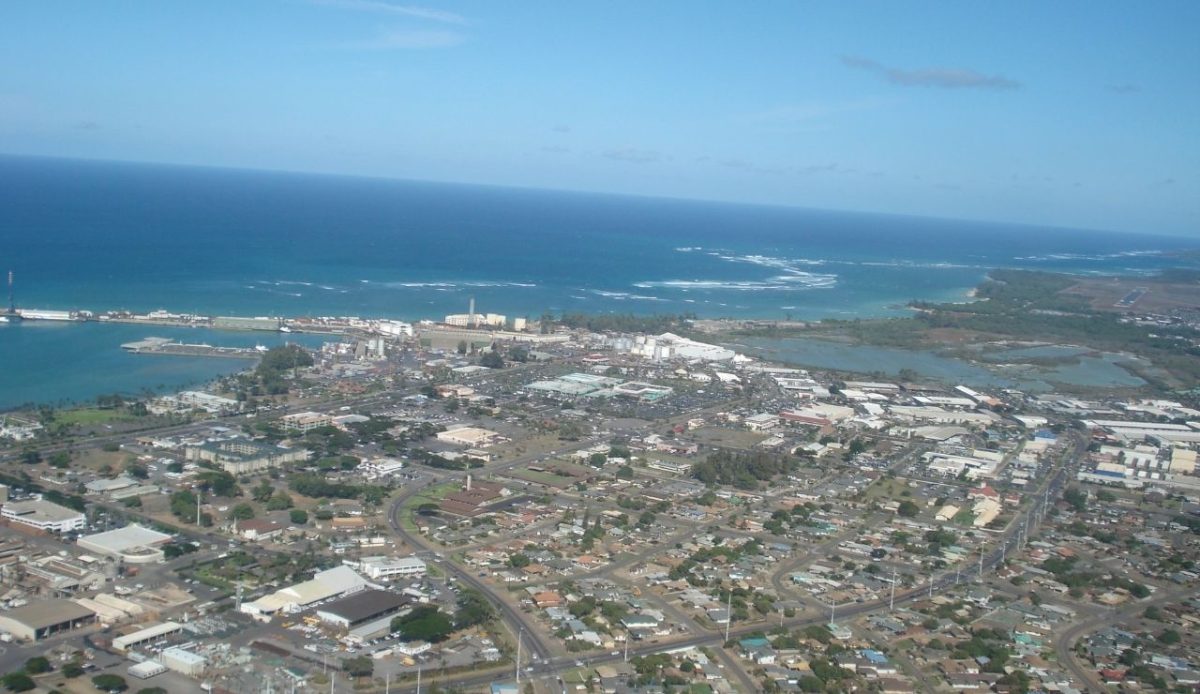
Kahului–Wailuku benefits from continuous ocean breezes that refresh the inland air throughout the day. Agricultural operations follow dust control practices, while heavy industry remains minimal. Traffic volumes stay moderate outside peak visitor periods, limiting emissions buildup. Seasonal tourism does not cause lasting pollution increases because particles disperse quickly. Federal monitoring confirms PM2.5 levels stay well below national averages across multiple years and weather cycles. Regular monitoring confirms these conditions persist over time without large seasonal variation across measurement stations.
4. Bozeman, Montana
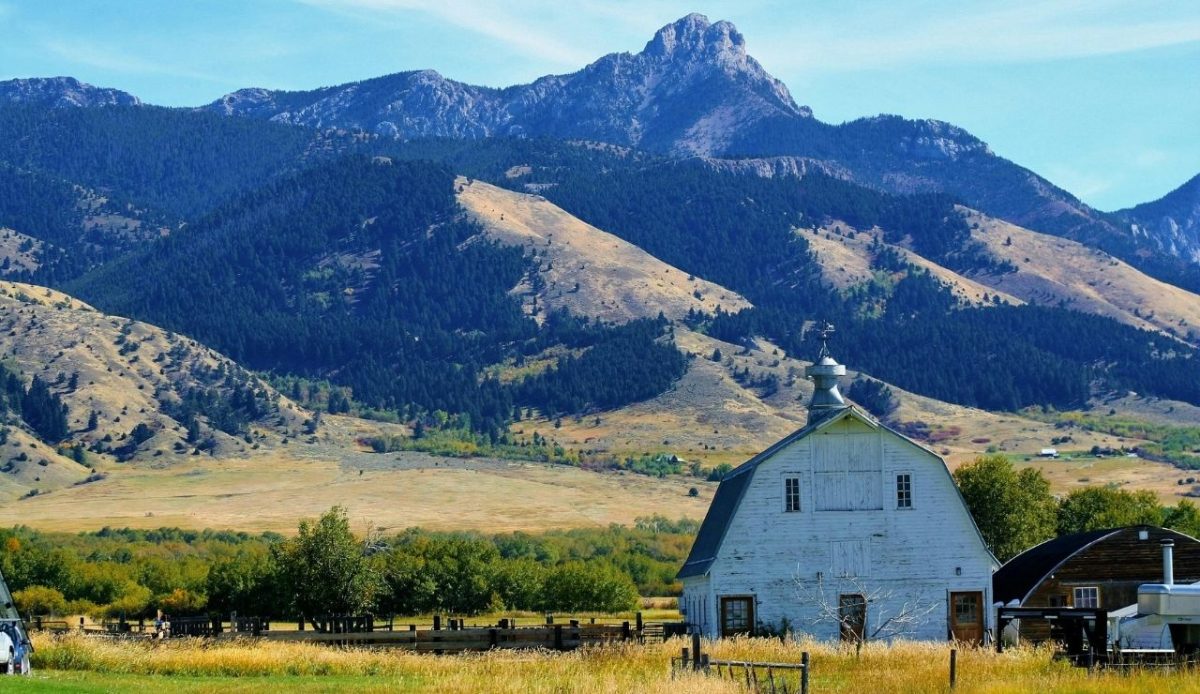
Bozeman reports low particle pollution due to limited industrial activity and managed population growth. Surrounding open land allows steady air circulation that prevents pollutants from settling near ground level. Winter inversions occur at times, but they usually break faster than in many mountain valleys. Local emissions standards and land planning help limit pollution sources as development continues. Annual EPA data show low average PM2.5 readings across most months. Regular monitoring confirms these conditions persist over time without large seasonal variation across measurement stations.
5. Bangor, Maine
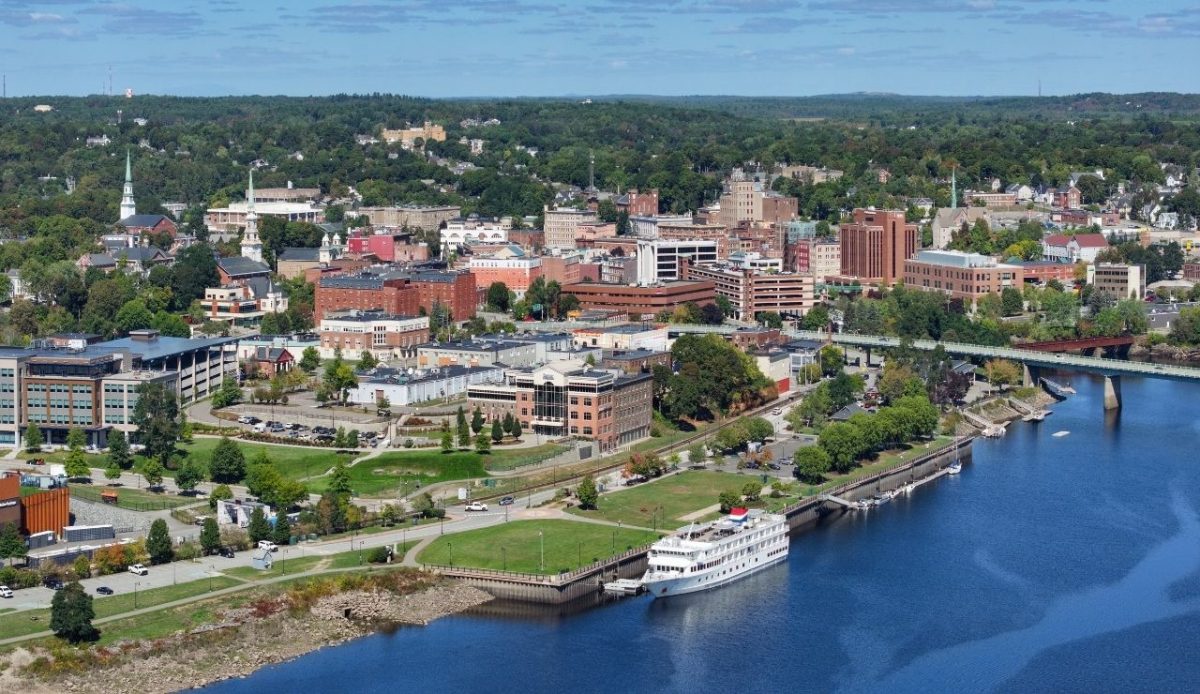
Bangor experiences clean air largely because coastal weather systems promote frequent air exchange. The city has a small industrial footprint and moderate traffic levels, which reduces overall emissions. Forested surroundings help limit airborne dust, while regional energy use relies less on high-emission fuels. Winter heating raises pollution slightly, but levels remain controlled. Monitoring data shows stable PM2.5 readings across seasons. Regular monitoring confirms these conditions persist over time without large seasonal variation across measurement stations, even during colder months when fuel use increases.
6. St. George, Utah
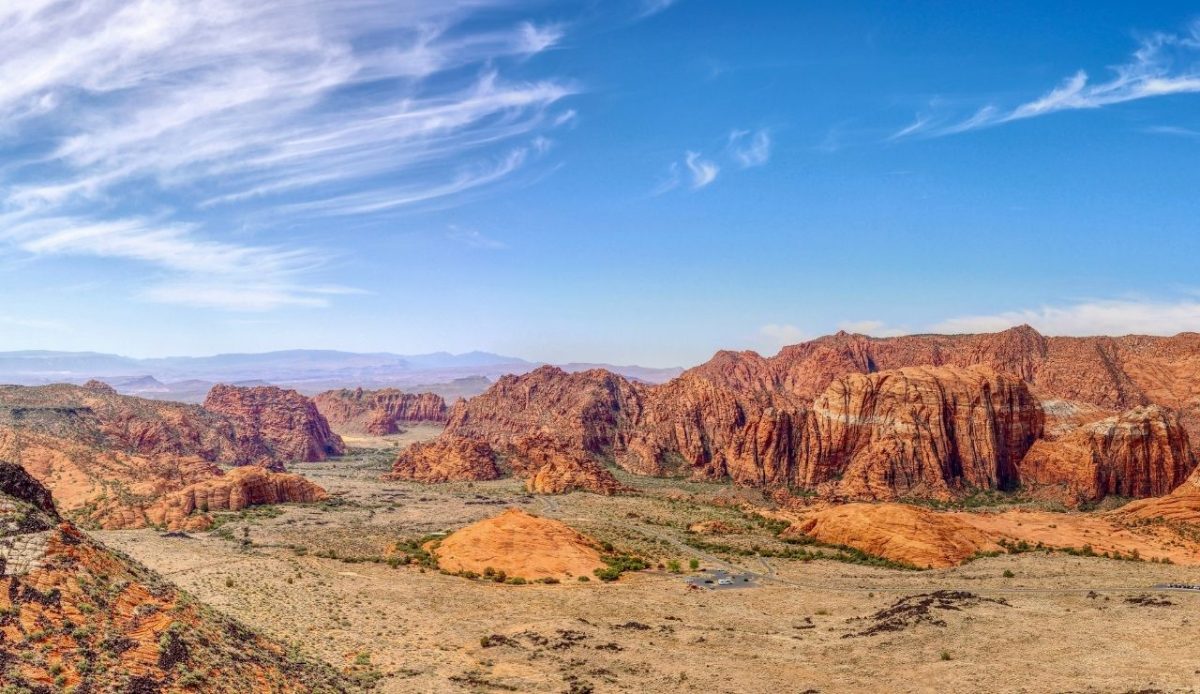
St. George maintains relatively low particle pollution compared with many western cities because it is distant from major industrial centers. Regional wind patterns reduce stagnation during warmer months. Desert dust can appear during dry periods, but events are usually brief. Traffic density remains lower than in larger metro areas, limiting exhaust buildup. EPA monitoring shows PM2.5 increases are short-lived, allowing annual air quality levels to remain within clean ranges. Regular monitoring confirms these conditions persist over time without large seasonal variation across measurement stations.
7. Anchorage, Alaska
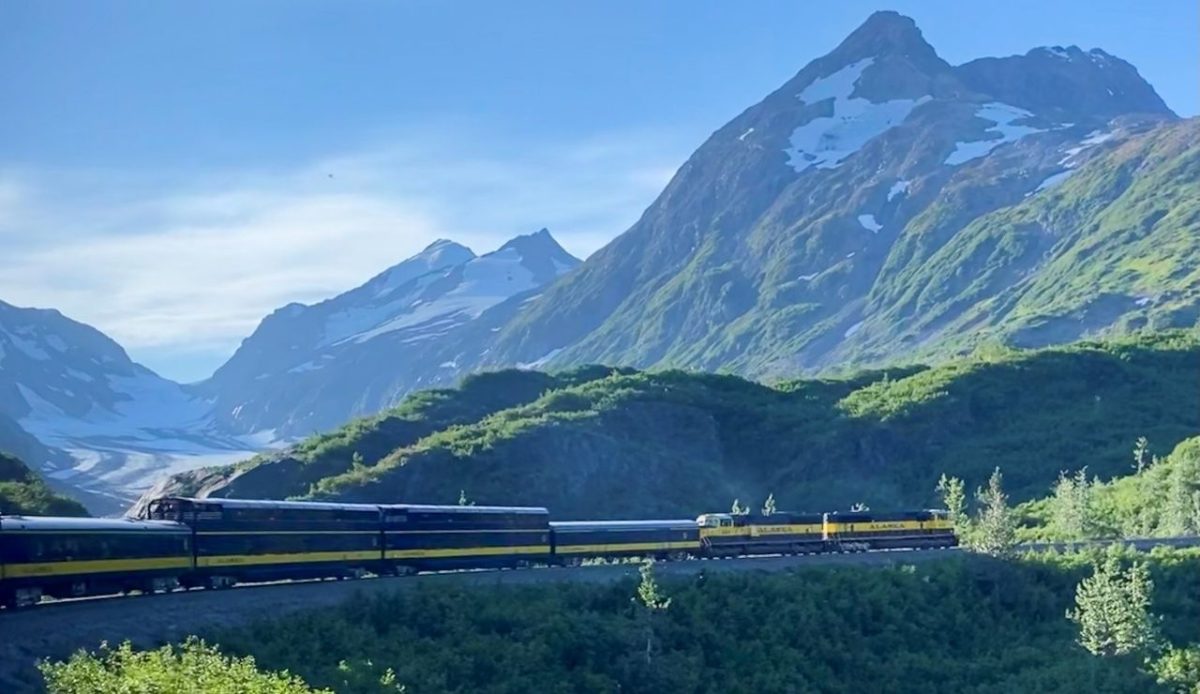
Anchorage benefits from coastal airflow and low population density, which help disperse pollutants efficiently. Industrial emissions are limited, and port operations follow environmental controls. Cold winters raise heating demand, yet extended stagnation events remain uncommon because wind movement is frequent. Snow cover also reduces dust circulation during much of the year. Long-term EPA data show low average PM2.5 concentrations citywide. Regular monitoring confirms these conditions persist over time without large seasonal variation across measurement stations across both residential and commercial zones.
8. Cheyenne, Wyoming
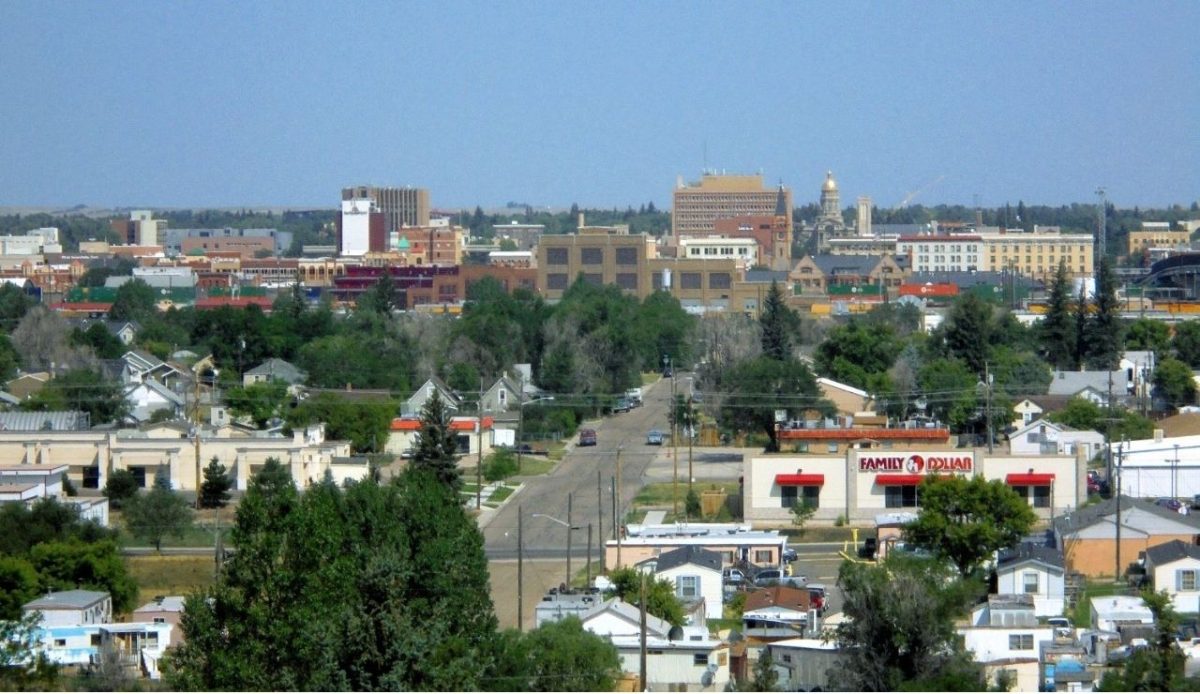
Cheyenne’s high plains location allows strong winds to clear airborne particles before they accumulate over residential areas. Heavy manufacturing is minimal, and traffic volumes remain moderate. Rail and energy operations follow regulated standards that limit emissions output. Winter fuel use increases, but open terrain prevents prolonged pollution buildup. Multi-year EPA monitoring confirms PM2.5 levels remain low and stable throughout the year. Regular monitoring confirms these conditions persist over time without large seasonal variation across measurement stations in the surrounding areas as well.
9. Colorado Springs, Colorado
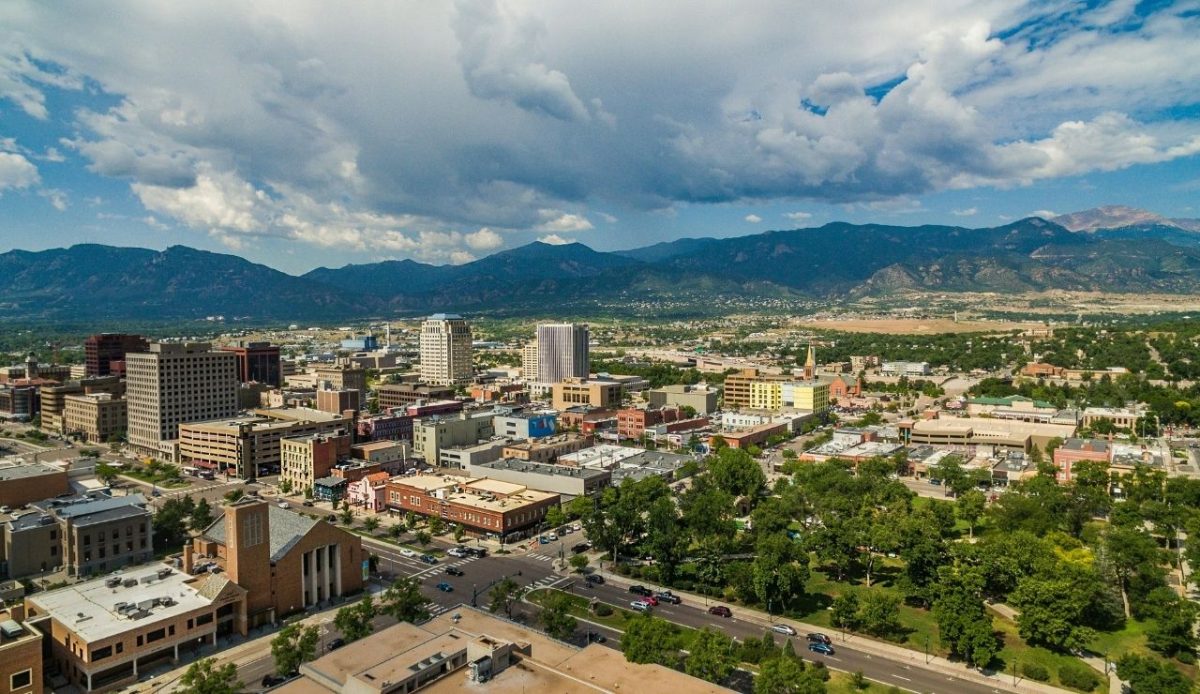
Colorado Springs records clean air due to its elevation, limited industrial development, and regular mountain airflow. Breezes move pollutants away from populated zones, reducing particle concentration. Nearby wildfire smoke can affect short periods, but it rarely alters annual averages. Urban planning restricts high-emission facilities within city limits. EPA measurements place Colorado Springs among U.S. cities with lower year-round PM2.5 exposure. Regular monitoring confirms these conditions persist over time without large seasonal variation across measurement stations across the metro area.
10. Grand Junction, Colorado
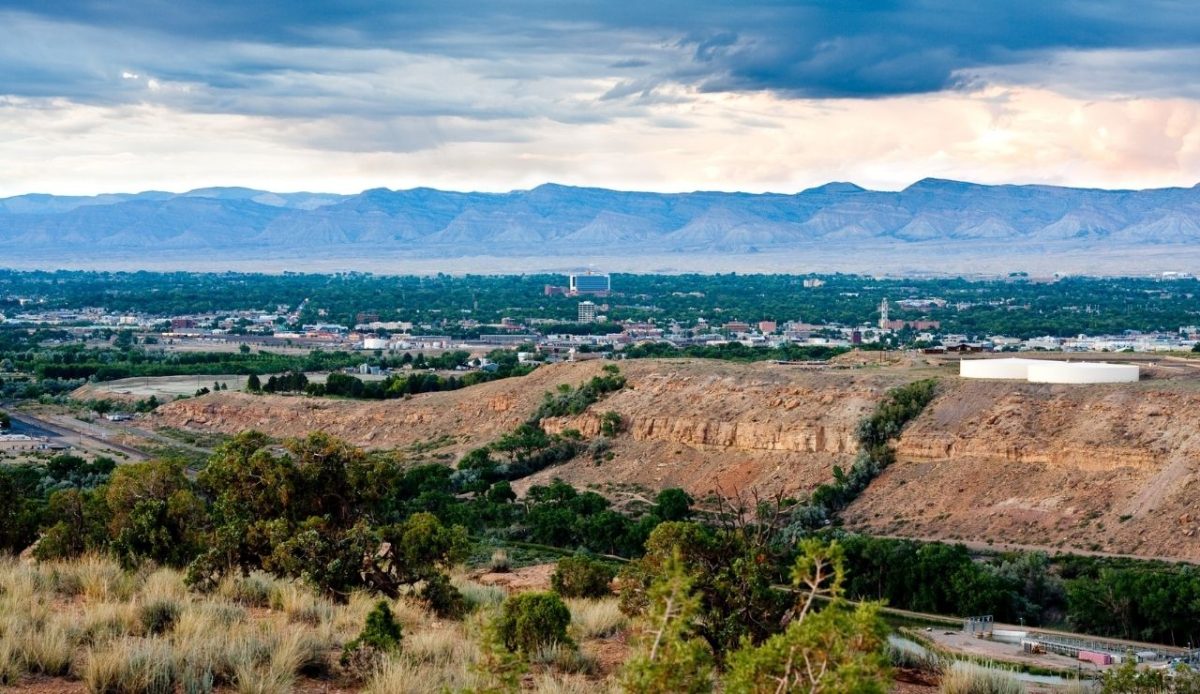
Grand Junction maintains low particle pollution through controlled industrial activity and relatively light traffic volumes. Valley geography can create brief inversions, but these events usually resolve quickly. Agricultural operations nearby follow dust control standards that limit airborne particles. Local air monitoring programs track emissions closely to prevent sustained increases. Multi-year EPA data show annual PM2.5 levels remain low overall. Regular monitoring confirms these conditions persist over time without large seasonal variation across measurement stations serving nearby communities.
