
Tourism keeps local economies humming, but it can also push everyday systems past their design limits. More people means more water use, more trash, heavier traffic, and higher demand on transit, parks, and emergency services.
In smaller cities especially, peak-season crowds can double or triple the “population” on roads and in utilities overnight. Projects like sewer upgrades or road resurfacing are hard to schedule because closing lanes in high season can tank businesses.
Here are 10 U.S. cities where visitor growth is colliding with infrastructure capacity, and what the pressure typically looks like on the ground today for residents, too.
1. Honolulu, Hawaii, USA
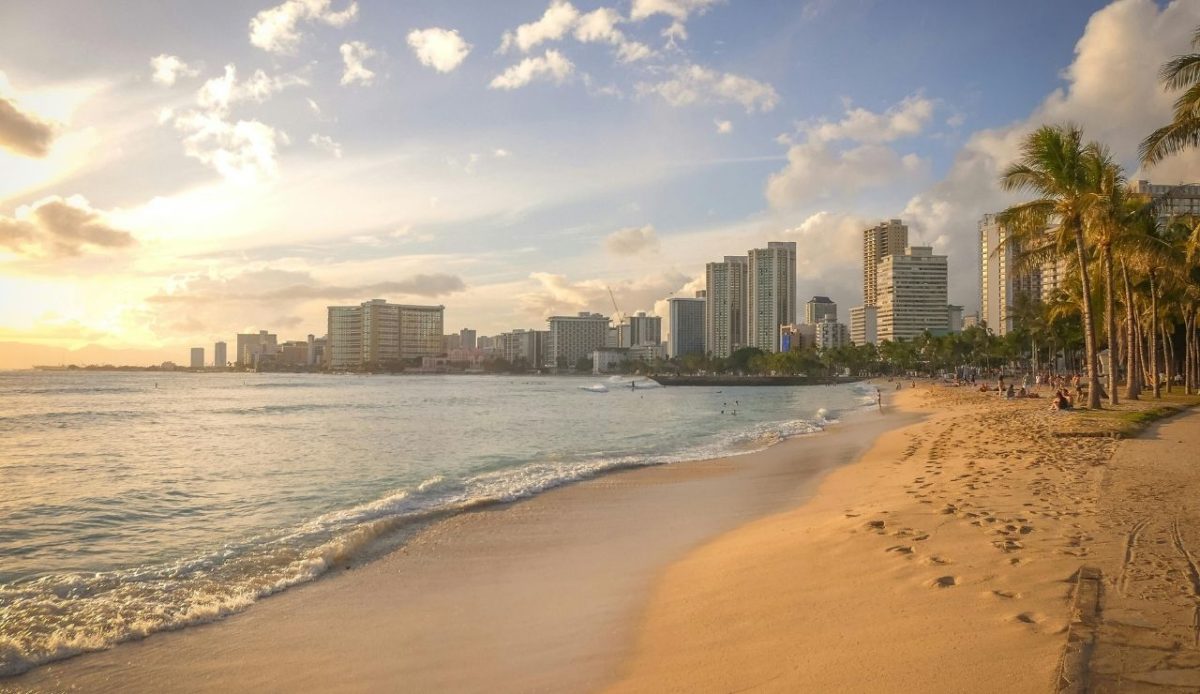
Honolulu’s visitor economy concentrates people and vehicles on a narrow coastal strip, which shows up fast in traffic and transit crowding. Hotel zones also create spikes in water demand and solid-waste hauling compared with resident neighborhoods.
Older pipes, pumping stations, and stormwater systems have to handle heavy use while also dealing with salt air corrosion and flood risk. When repairs require lane closures or utility shutdowns, the timing is brutal because the busiest travel months are also the hardest months to disrupt.
The result is a constant tradeoff: keep the city moving for locals while meeting visitor expectations for beaches, walkability, and reliable services.
2. Key West, Florida
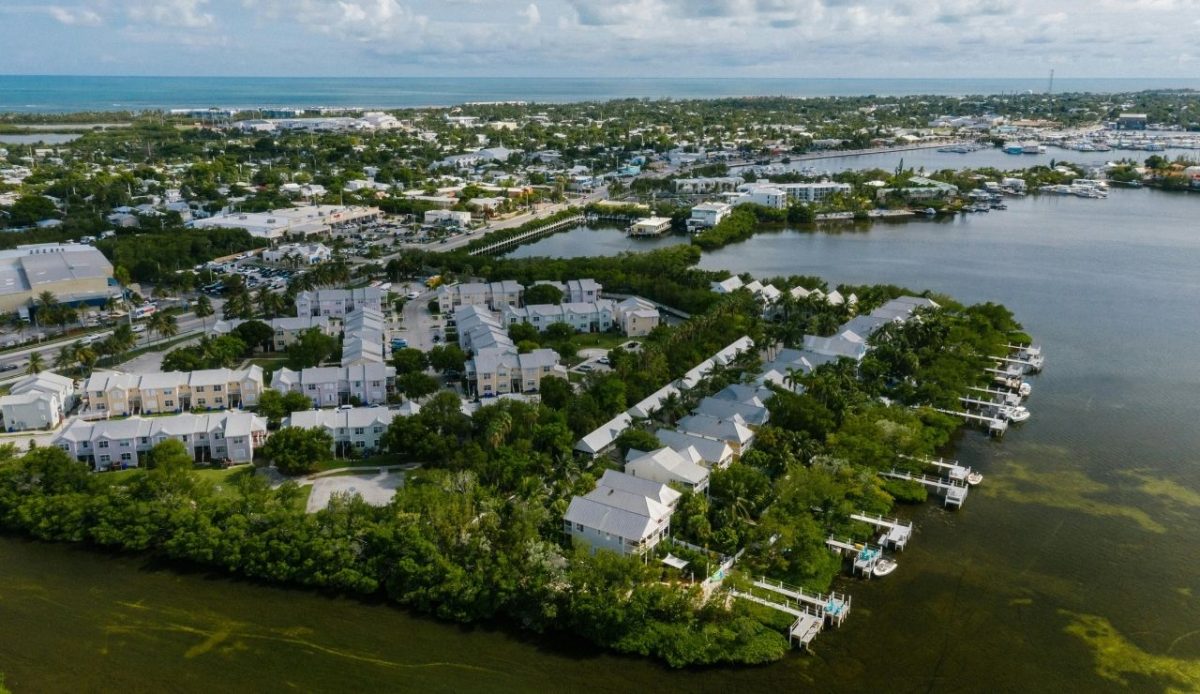
Key West is physically small, but it hosts big crowds, so stress lands on the basics: roads, parking, trash, and wastewater capacity. On an island chain, everything from building materials to garbage removal is logistically harder and more expensive.
Utilities have to treat and move sewage reliably during peak weeks, while cruise days and festival weekends can create sudden surges. At the same time, tight streets weren’t built for today’s ride-share, delivery, and visitor traffic volume.
City crews end up doing “tourist-season triage,” focusing on quick fixes that keep systems functioning while long-term upgrades wait for funding and time year-round.
3. New Orleans, Louisiana
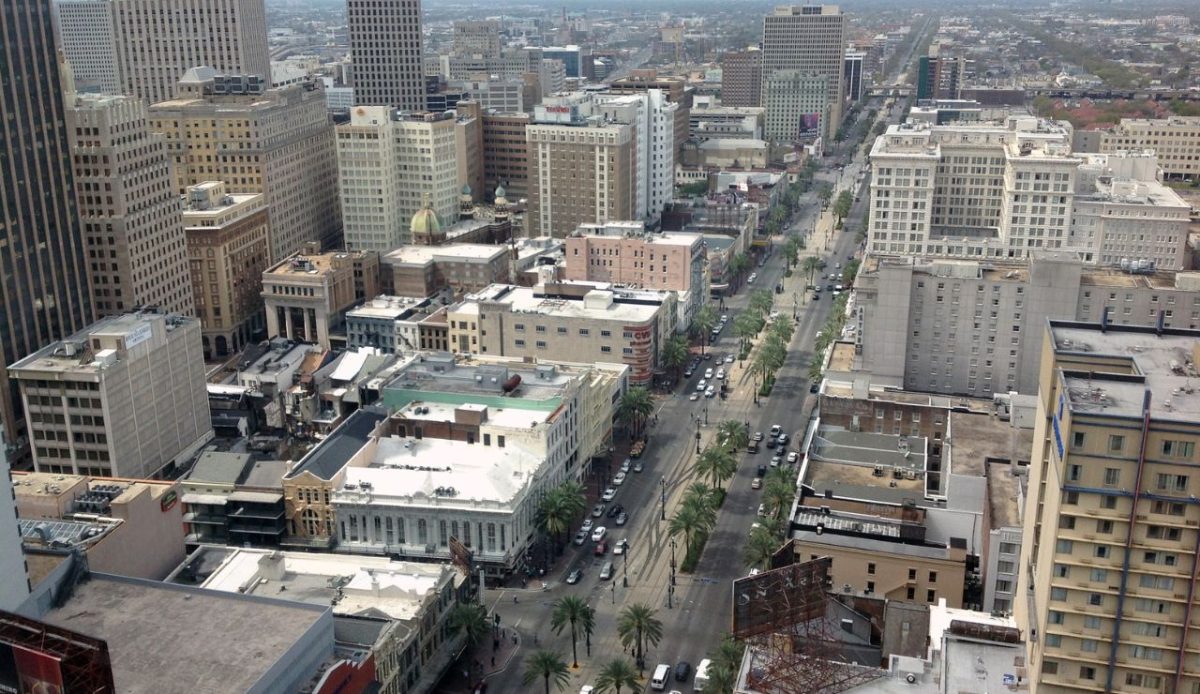
New Orleans carries tourism on top of aging streets and underground systems, and the mismatch becomes obvious during big events. Festival crowds and heavy hotel occupancy raise demand for sanitation, transit, and public safety in a compact footprint.
Road surfaces and sidewalks take a beating from constant foot traffic, delivery trucks, and ride-share circulation. Meanwhile, drainage and pumping infrastructure has to perform in a low-lying city where intense rain can overwhelm systems quickly.
When infrastructure work starts, it often competes with the city’s event calendar, so repairs get staged, delayed, or stretched out longer than anyone wants.
4. Asheville, North Carolina
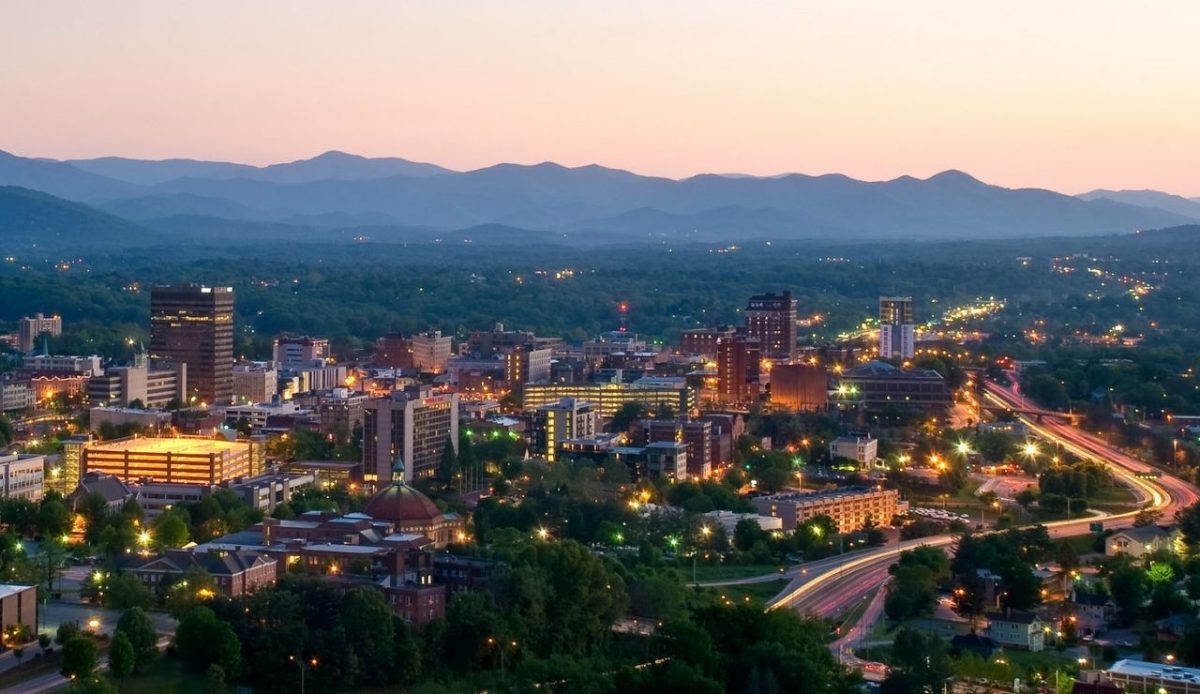
Asheville’s popularity packs narrow mountain roads and a small downtown grid, creating congestion that locals feel even on routine errands. Parking demand pushes traffic into nearby neighborhoods, and weekend peaks can overwhelm intersections built for a smaller city.
Visitor growth also raises pressure on water, wastewater, and solid-waste operations that must scale up quickly in summer and fall. Maintenance is complicated by steep terrain and heavy rain, which can accelerate road wear and strain stormwater controls.
City planners are left balancing economic benefits with the unglamorous work of expanding capacity, often faster than local budgets were designed to handle.
5. Gatlinburg, Tennessee
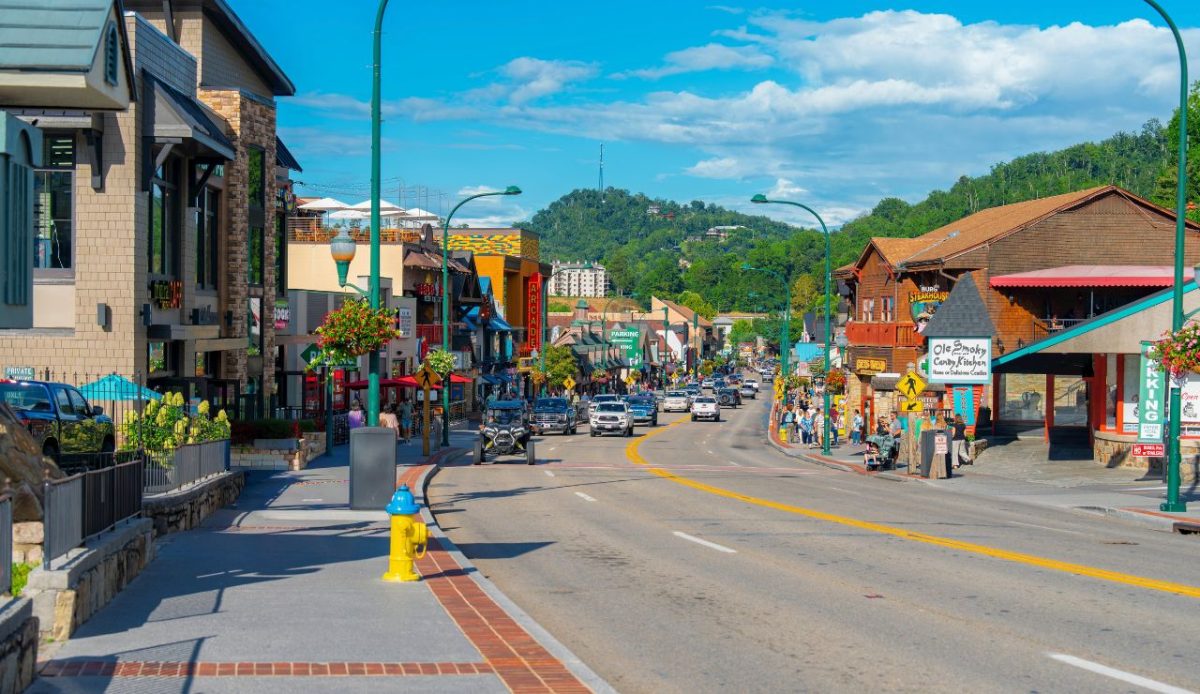
Gatlinburg functions like a small city that temporarily becomes much larger when the Smokies are at peak draw. Traffic funnels through a limited set of routes, so backups quickly affect emergency response times and basic mobility.
Tourism-heavy lodging and attractions increase demand for water, sewer capacity, and road maintenance, while tight valleys limit where expansion can go. Sidewalks, crosswalks, and pedestrian spaces also need constant upgrading to keep pace with foot traffic.
The strain shows up in practical ways: longer service queues, higher maintenance costs, and more frequent “patch-and-hold” repairs until bigger projects are feasible.
6. Sedona, Arizona
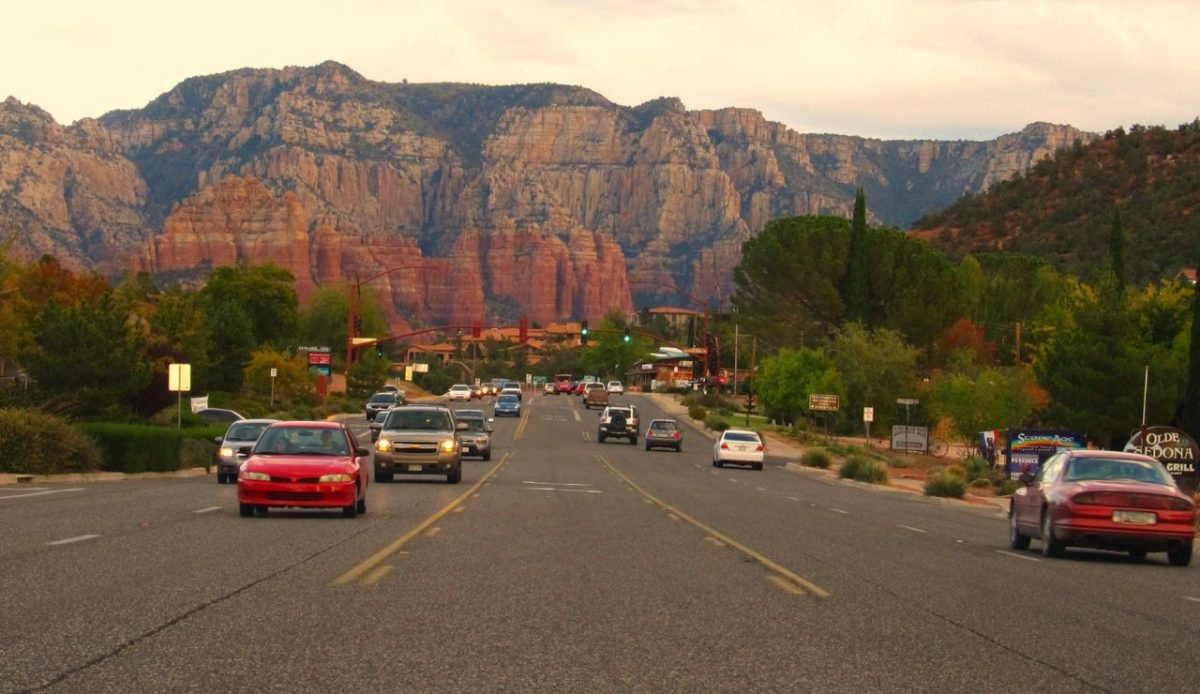
Sedona’s red-rock scenery draws day-trippers in huge numbers, and the first choke point is transportation. Limited road capacity and small parking lots create stop-and-go traffic, overflow parking, and pressure on residential streets.
Desert conditions also make water planning a constant constraint, especially when hotels and short-term rentals are near full. Trailheads, restrooms, and waste collection have to handle peak volumes without expanding into sensitive landscapes.
To manage demand, the city relies on shuttles, paid parking, and access controls in some areas, but those solutions still require funding and ongoing maintenance. Each season.
7. Moab, Utah
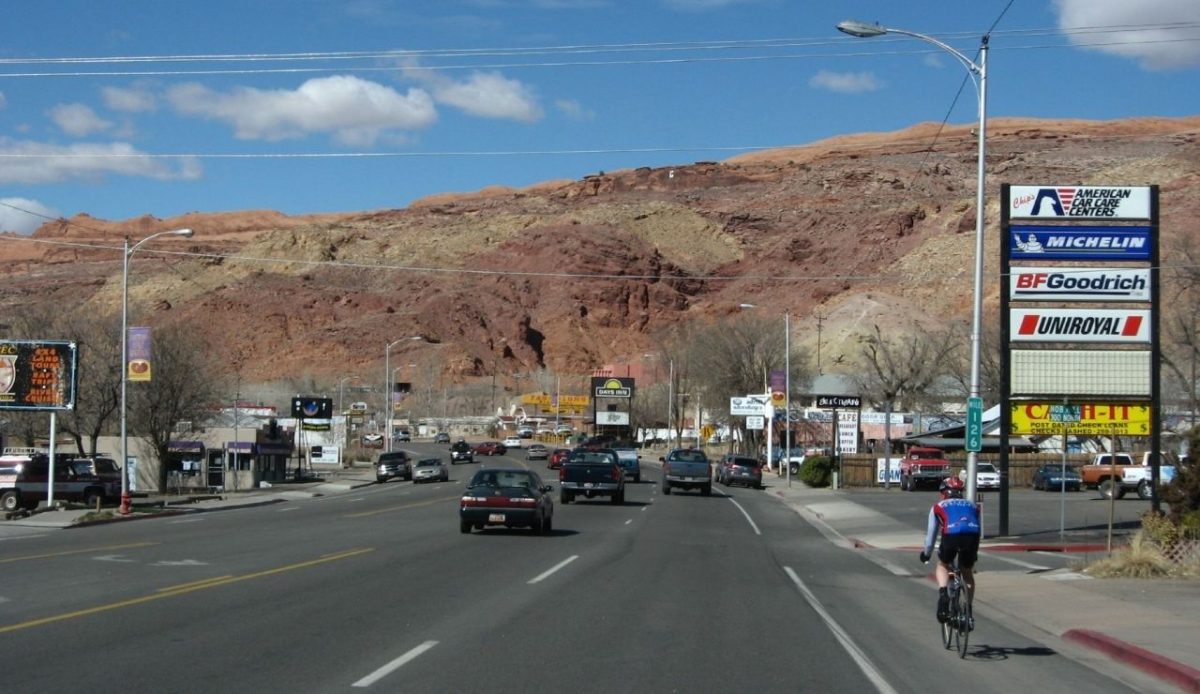
Moab’s resident population is modest, but visitation for nearby national parks can be massive, so capacity gaps show quickly. Traffic and parking surge in spring and fall, and long vehicle lines can spill onto highways and local streets. That makes upkeep urgent.
Utilities face the same math problem: water use, wastewater flows, and trash volume rise sharply with hotel occupancy and campground turnover. Workforce housing shortages can also push employees to commute farther, adding more vehicles to already stressed roads.
Moab’s challenge is building “big-city” resilience, roads, restrooms, and services, without the tax base of a big city to pay for it.
8. Juneau, Alaska
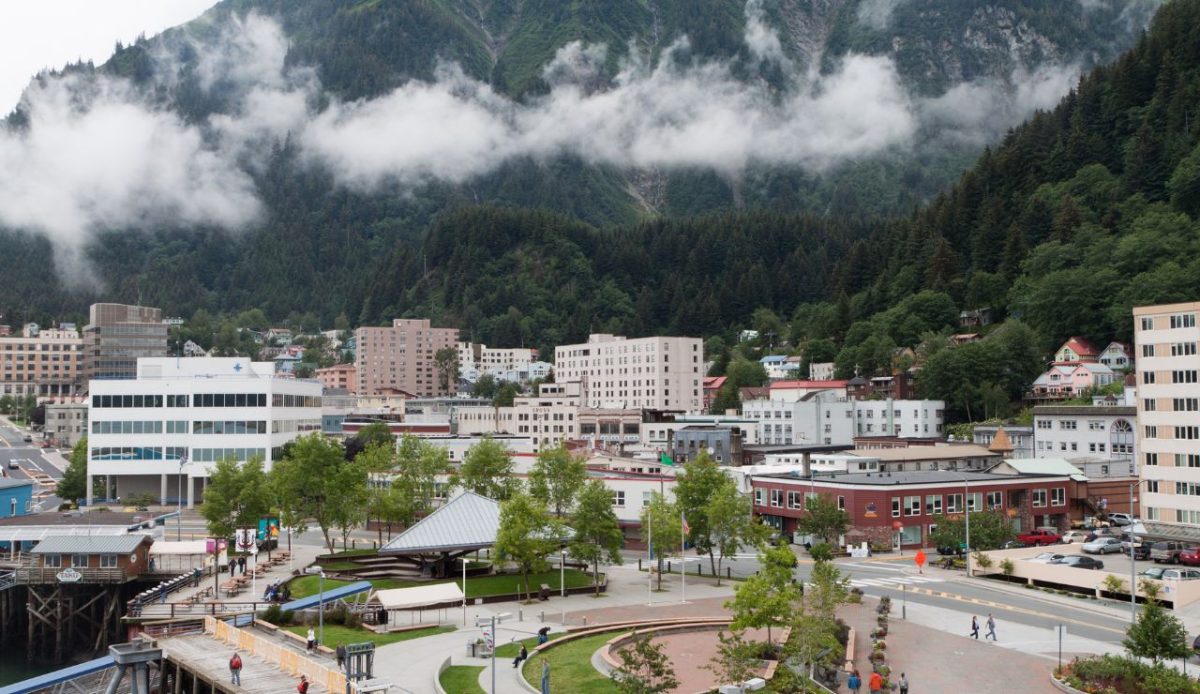
Juneau is reachable mainly by air and sea, so cruise schedules can deliver thousands of visitors at once into a city with limited road links. Downtown sidewalks, buses, and public restrooms absorb the surge, and port operations have to run smoothly to avoid backups.
Seasonal spikes increase demand for drinking water, wastewater treatment, and trash handling, all in a remote setting where equipment and parts are costly to ship. Hillside terrain and weather add wear to roads and drainage.
For residents, the strain is less about one attraction and more about timing: a few intense hours can stretch services that were built for a smaller daily load.
9. Jackson, Wyoming, USA
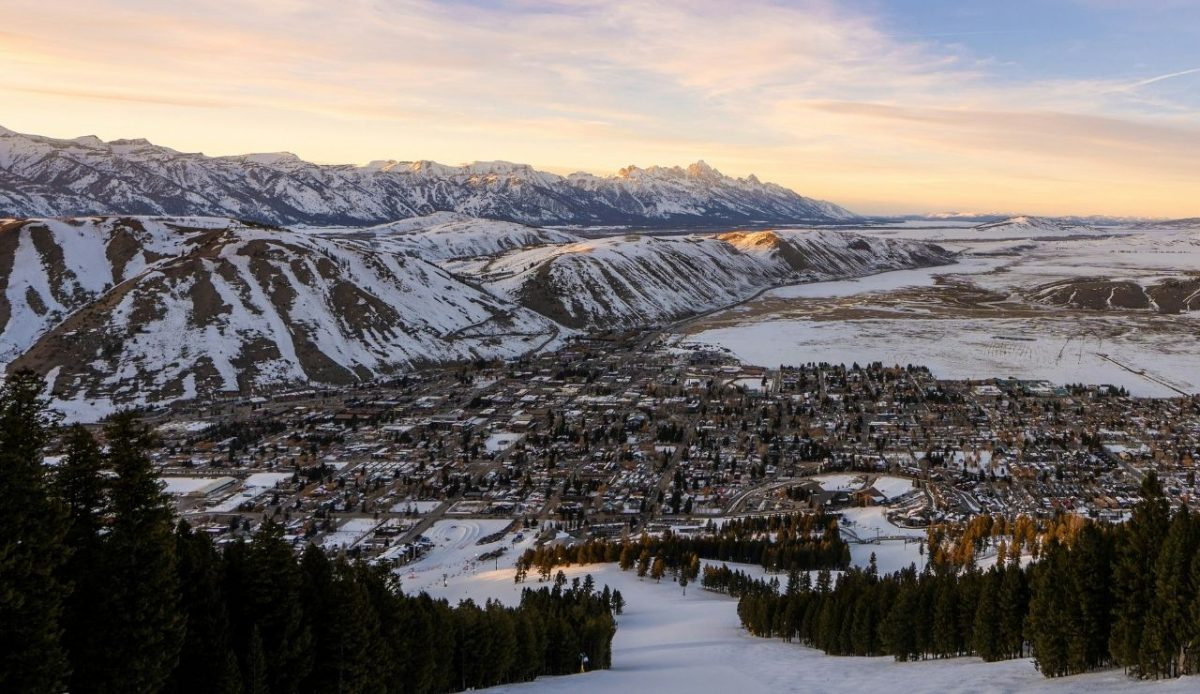
Jackson’s appeal as a base for Grand Teton and Yellowstone turns a small town into a high-demand hub for roads, parking, and public services. Peak-season congestion isn’t just annoying; it can slow deliveries and complicate emergency access on a limited street network.
Visitor-driven lodging pushes utility use upward, while high costs and limited housing for workers add commuting pressure from surrounding areas. Snow season also compounds maintenance needs, with plowing and freeze-thaw damage hitting roads and sidewalks.
Infrastructure planning becomes a year-round puzzle: systems must handle winter weather and summer crowds, even though the permanent population stays relatively small.
10. Bar Harbor, Maine
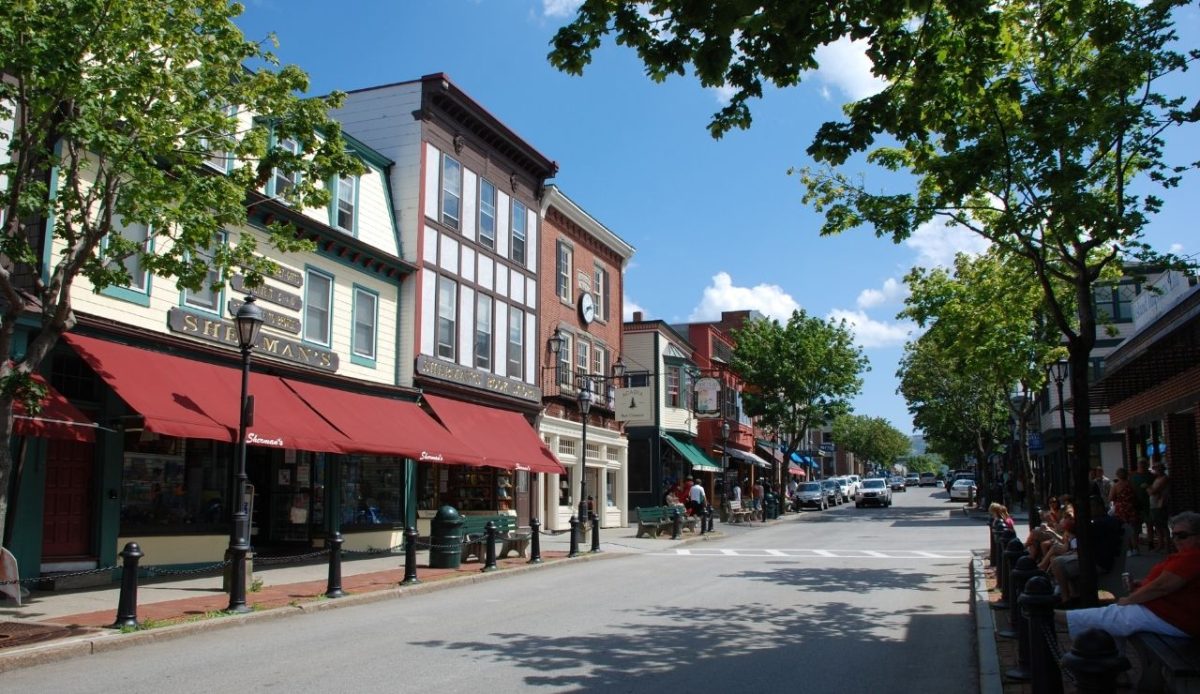
Bar Harbor sits next to Acadia, so visitor volume can swing dramatically from quiet winter weeks to packed summer days. That seasonality strains roads, parking, and local transit, especially when day-trippers and cruise passengers arrive in concentrated windows.
Small-town water and wastewater systems must handle peaks that don’t match the resident base, and trash collection expands fast with full hotels and restaurants. Narrow streets and limited buildable land make it tough to add capacity without changing the town’s layout.
The practical outcome is constant mitigation, shuttles, parking management, and staged construction, so essential upgrades can happen without shutting down the economy.
