
Travel sites rarely show what a visitor pays after taxes and district fees appear at checkout. Several U.S. cities have raised lodging charges or added tourism districts since 2023, pushing more costs onto hotel and short-term rental guests.
These add-ons may fund convention expansion, stadium debt, street services, arts programs, or destination marketing. Some are flat nightly fees, others are percentage assessments that stack with sales taxes, so the same room rate can yield different totals.
This guide highlights ten places where rules changed recently or where a hotel tax measure is headed to a 2026 ballot. Knowing timing and charge type helps travelers compare bookings and avoid surprises on itemized receipts.
1. New York City, New York

New York City lodging bills include multiple layers that are easy to miss on a rate quote. Guests are charged state and local sales taxes on occupancy, then NYC adds a separate unit fee of $1.50 per unit per day.
The city also applies a hotel room occupancy tax, and many stays include a per-room nightly fee, such as $2 per room per day for standard rooms and each room within a suite. The invoice is required to list these charges separately.
Short-term rental supply has been constrained by stricter registration and hosting limits, so travelers often face higher base prices before these taxes are applied. Checking the full total is the safest way to compare options.
2. Chicago, Illinois
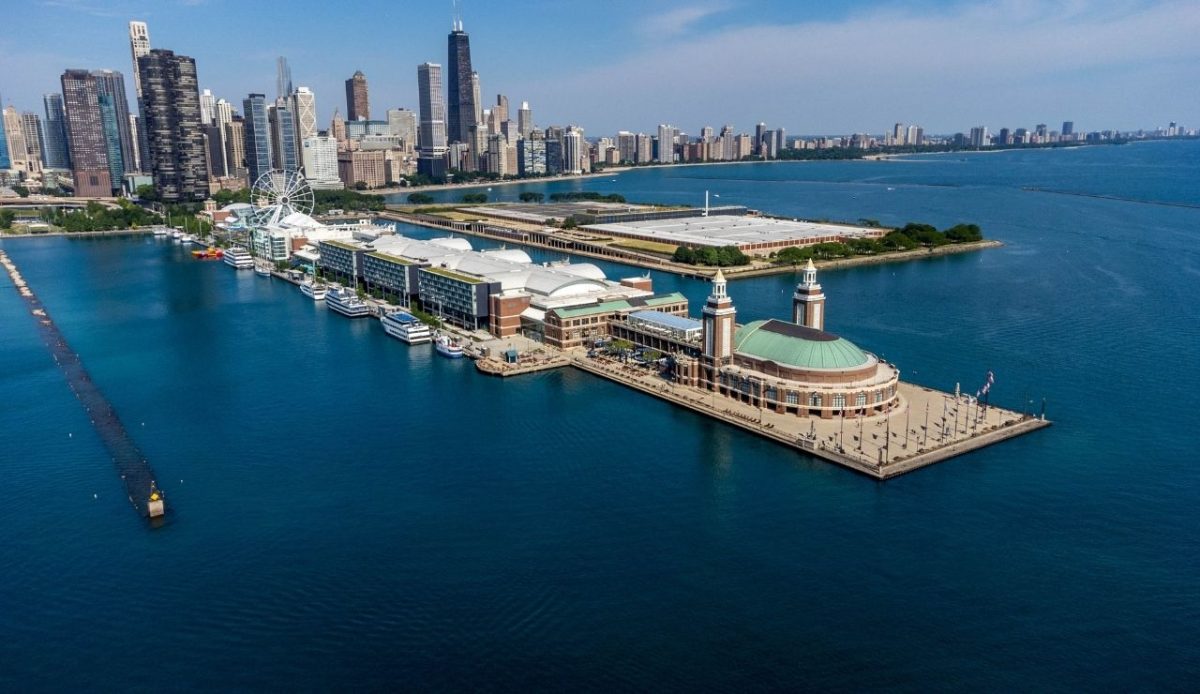
Chicago publishes a city Hotel Accommodations Tax that applies to hotels and, with different rules, to vacation rentals and shared housing. For many short stays, taxes are collected by operators and platforms and shown as separate line items.
On the city side, Chicago lists a 4.5% base rate and an added 4% surcharge for vacation rentals and shared housing, bringing the city portion to 8.5% on that category. State and regional hotel taxes add more on top.
A downtown tourism improvement district surcharge has also been discussed publicly, so travelers booking future trips should watch for new assessments that could raise totals further.
3. San Francisco, California

San Francisco keeps its core hotel levy simple but expensive. The city imposes a 14% transient occupancy tax on stays under 30 days, and it is collected on hotels as well as many short-term rentals booked through platforms.
Because room rates can spike during major conventions and peak travel weeks, the percentage-based tax scales fast. A $350 nightly rate produces $49 in city tax before any state taxes, resort fees, or parking charges are added.
Travelers should also expect additional local assessments at some properties, which may appear as tourism district fees on receipts. Always compare final totals, not pre-tax nightly prices.
4. Los Angeles, California

Los Angeles already adds a tourism marketing district assessment to many hotel bills. The Los Angeles Tourism Marketing District set an assessment increase that took effect May 1, 2022, raising the charge from 1.5% to 2.0% of room rental revenue at covered hotels.
In February 2026, the City Council approved placing another hotel tax question on the June 2026 ballot. The proposal would add 2% to the city hotel tax for a limited period tied to the 2028 Olympics budget plan.
For visitors, the key is timing. A stay in late 2026 or 2027 could face both the district assessment and a higher city rate if voters approve it, especially near major venues.
5. Seattle, Washington

Seattle lodging charges include a standard hotel tax plus a separate tourism district surcharge in many downtown properties. Visit Seattle notes a 15.7% hotel tax, and the Seattle Tourism Improvement Area adds a 2.3% per occupied room rate surcharge.
That surcharge is not a tip, and it is not optional for the covered hotels, so it should be treated like a tax when comparing nightly rates. It is designed to fund destination marketing and visitor services that support convention demand.
Because both charges are percentage-based, higher room rates amplify the impact during summer and large conference weeks. Travelers can reduce surprises by checking the tax and fee breakdown before confirming.
6. Denver, Colorado

Denver uses a hotel-based tourism district to raise dedicated funding beyond the standard lodger tax. The Tourism Improvement District sends some lodging revenue to city obligations tied to the Colorado Convention Center, then to destination marketing.
Visit Denver describes a fixed annual dedication, a small administrative share, and set asides for convention center improvements before remaining dollars support marketing. For guests, the district is shown as its own assessment on the receipt.
The result is that downtown stays can include a district line that many travelers do not anticipate. Comparing suburbs to central hotels is easier when the full tax and fee details are reviewed.
7. San Diego, California

San Diego’s hotel tax changed measurably in 2025 after a delayed voter-approved plan took effect. The city Treasurer notes that the transient occupancy tax rate increased on May 1, 2025, and the city was divided into three tax zones.
Under the new structure, properties fall into rates of 11.75%, 12.75%, or 13.75% depending on location. That replaces the prior single rate and can raise totals most in high-demand areas near the convention center and coastal corridors.
Because the rate is tied to the hotel address, two similar rooms can produce different tax amounts. Travelers should confirm the zone rate before booking, especially for longer stays.
8. Nashville, Tennessee

Nashville increased its local hotel occupancy tax after legislation was adopted in late 2022. Metro Finance reported that an additional 1% began collection on July 1, 2023, lifting the local occupancy tax rate to 7% while keeping a $2.50 nightly fee.
These charges sit alongside Tennessee and Davidson County taxes, so the total tax stack can look surprisingly large for visitors who only planned around the base nightly rate. The increase was tied to broader funding needs, including major stadium finance.
For budgeting, the simplest approach is to treat Nashville hotel quotes as pre-tax numbers unless an all-in total is shown. Travelers should also watch for separate resort or destination fees that are not taxes.
9. Austin, Texas
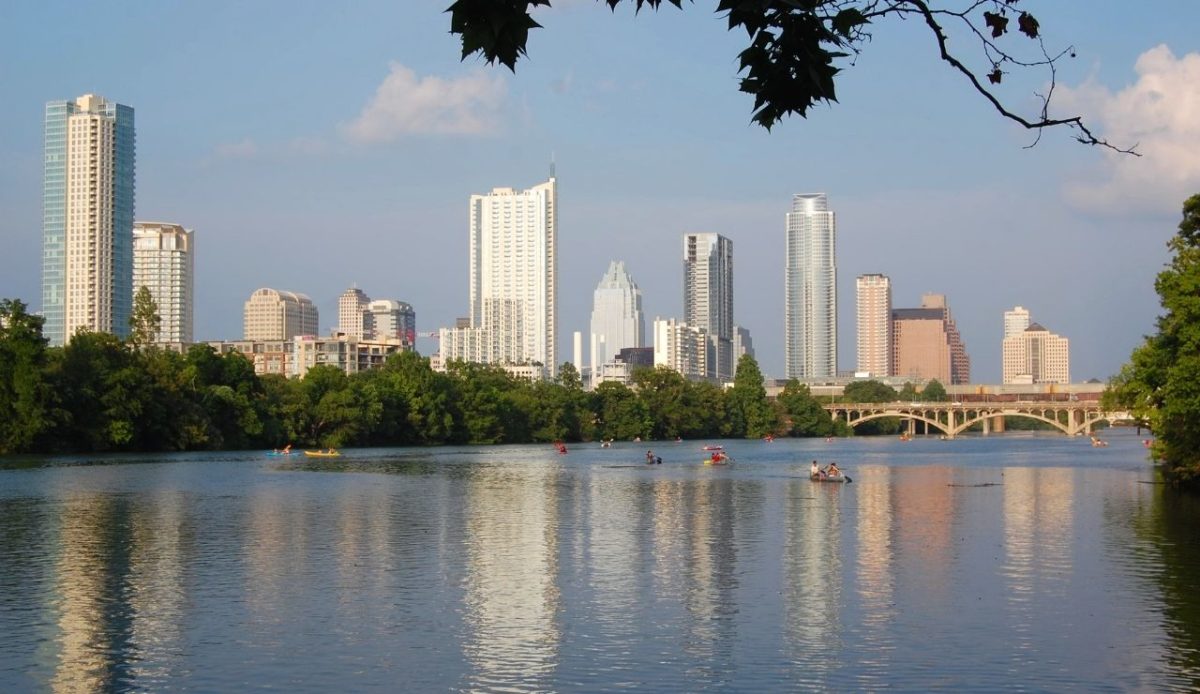
Austin created a new tourism public improvement district that adds a lodging assessment separate from the city hotel occupancy tax. The Austin City Council approved an ordinance change in December 2024, establishing the district for hotels with 100 or more rooms.
Local reporting on the council action says the district will levy a new 2 percentage point assessment on taxable room revenue starting in April 2025, with proceeds aimed at tourism promotion and services linked to homelessness response.
Visitors staying at large downtown hotels may see an added district line on the folio once the assessment is active. Comparing smaller properties to major convention hotels can reveal meaningful differences in the final total.
10. Minneapolis, Minnesota

Minneapolis approved a new Tourism Improvement District that adds a dedicated hotel room charge to fund destination marketing. Meet Minneapolis reports that hotel owners organized the district in 2024 and 2025, followed by a public hearing and council action.
The city ordinance was approved unanimously on June 5, 2025. The district is funded by a 2% service charge on hotel room revenue, which is expected to appear on guest folios for participating properties once implementation steps are completed.
Travelers booking downtown for sports, concerts, or conventions should expect a slightly higher all-in price even when the base rate looks competitive. If a receipt lists a service charge, it may be this district fee.
