
Border state airports handle international flying through limited gates, customs staffing windows, and bilateral carrier rights. Because these inputs are fixed, a single canceled route can remove the only nonstop link to a nearby foreign network.
Route retention depends on demand signals like seasonal load factors, fare levels, and connection utility at the foreign endpoint. When results miss thresholds, airlines redeploy aircraft to larger hubs where border processing costs are spread over more seats.
The cases below track ten U.S. airports in border states that lost specific Canada or Mexico routes. Each section ties a route withdrawal to the mechanism that reduced cross-border capacity and shifted flows to other gateways.
1. McAllen International Airport

McAllen International Airport serves the Lower Rio Grande Valley near the Pharr and Hidalgo ports of entry, so air demand tracks binational work and family trips. International flying is limited by a small gate footprint and customs staffing.
Aeromexico ended Mexico City Felipe Ángeles to McAllen service in November 2025, removing the airport’s only scheduled foreign route. With no nonstop to central Mexico, travelers shift to U.S. hub connections or drive to Reynosa for onward Mexico service.
The change cuts nonstop seat supply and lowers inspection throughput, raising the cost per processed passenger. As traffic consolidates through Houston or Dallas, McAllen retains domestic feed but loses direct entry to Mexico’s national route map.
2. Laredo International Airport

Laredo International Airport is located on the Rio Grande near key commercial bridges, so demand skews to government and trade trips rather than leisure. International service was concentrated in a single Mexico City market.
Aeromar’s shutdown ended Laredo to Mexico City flying in early 2023, eliminating the airport’s only scheduled international route. With no backup operator and limited local demand depth, the city lost nonstop air access to Mexico’s main administrative hub.
After the loss, passengers shifted to driving or to flights via San Antonio and Monterrey, which raised trip time and reduced local airport capture. Lower foreign volume also reduces the case for extended customs staffing, keeping replacement options narrow.
3. Burlington International Airport

Burlington International Airport serves northern Vermont and draws users from the Lake Champlain corridor and southern Quebec, so cross-border pricing affects demand. International capacity depended on one Toronto link.
Air Canada Rouge ended Toronto service in 2018, removing Burlington’s scheduled international commercial flight at that time. Without that nonstop, most Canada-bound trips drive to Montréal Trudeau or Toronto Pearson first, moving traffic and parking revenue out of Vermont.
The loss lowers border processing volume and leaves inspection space underused, raising fixed costs per operation. Domestic service continues, but Burlington loses a direct binational option that supported business trips and visiting friends.
4. Detroit Metropolitan Airport
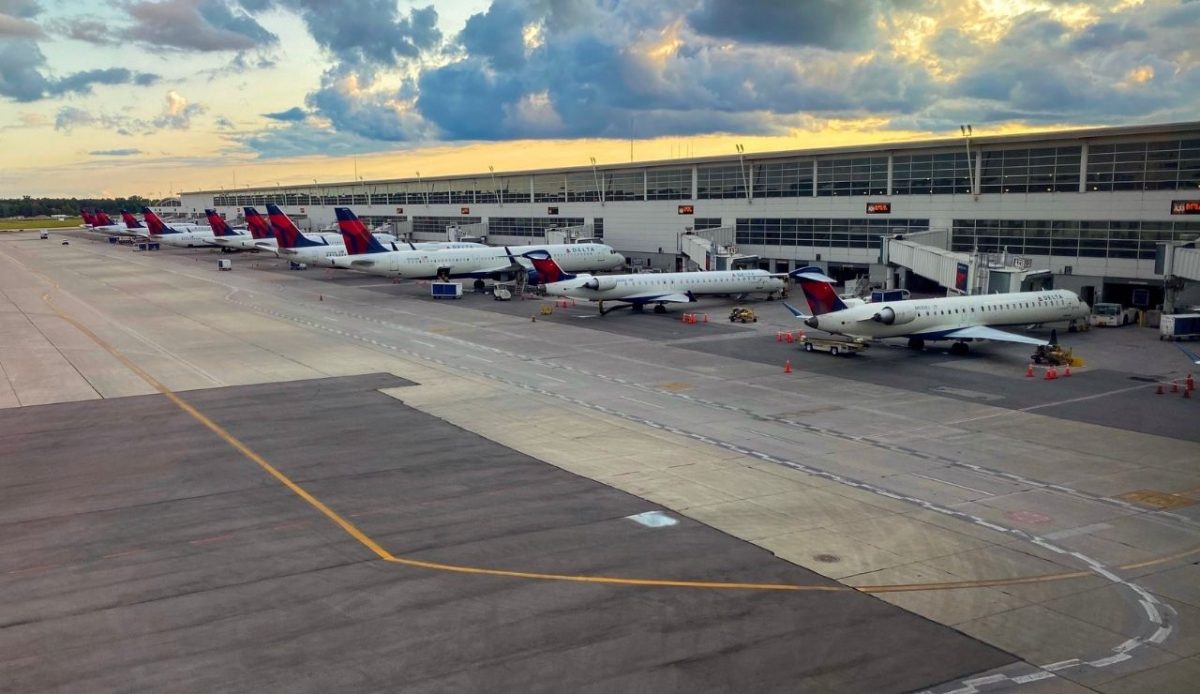
Detroit Metropolitan Airport is in the Detroit-Windsor cross-border metro, where short trips also use the bridge and tunnel. Some Canadian routes at the airport run on seasonal margins despite hub scale.
Air Canada discontinued Montréal to Detroit for the winter 2025 to 2026 schedule during a transborder network reshuffle. With the nonstop removed, many trips reroute through Toronto or U.S. hubs, adding a connection and reducing schedule flexibility for day travel.
The suspension cuts nonstop seats to Quebec during low-demand months and shifts border processing to other flights and time bands. Detroit keeps extensive international service, but this removal narrows a specific Canada access path.
5. Seattle Tacoma International Airport
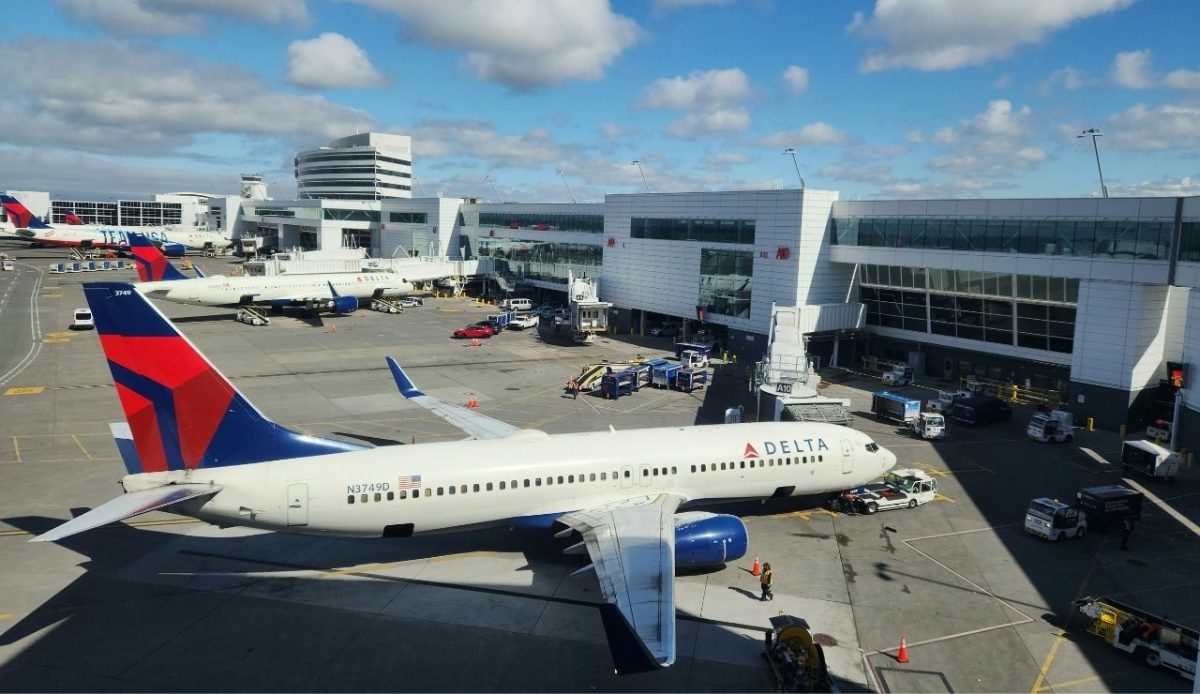
Seattle Tacoma International Airport connects to British Columbia by I-5 and rail, so short-haul Canada flying competes with ground travel time. Secondary transborder routes rely on stable loads and low costs.
WestJet suspended Kelowna to Seattle service during a wider reduction in U.S. transborder flying. When this city pair drops, many passengers shift to Vancouver for nonstops or connect through Calgary, which adds a segment and reduces direct seats into Seattle.
The cut concentrates demand onto fewer gateways and increases reliance on hubs for onward links. Customs staffing still exists, but fewer arrivals can cluster into tighter windows, creating higher peak processing pressure.
6. Portland International Jetport

Portland International Jetport serves coastal Maine, a border state market where international demand is price sensitive and limited in volume. Cross-border service depended on a single Toronto link.
Air Canada ended Toronto to Portland scheduled service in 2013 after repeated adjustments did not support stable performance. Replacement is difficult because short stage lengths raise unit costs, and the airport lacks the connection feed that larger hubs can supply.
After the loss, Portland returned to a domestic-only schedule, and customs facilities saw much lower use. Canada-bound trips shifted to Boston or New York connections, moving international spending and airport revenue to larger gateways.
7. Tucson International Airport
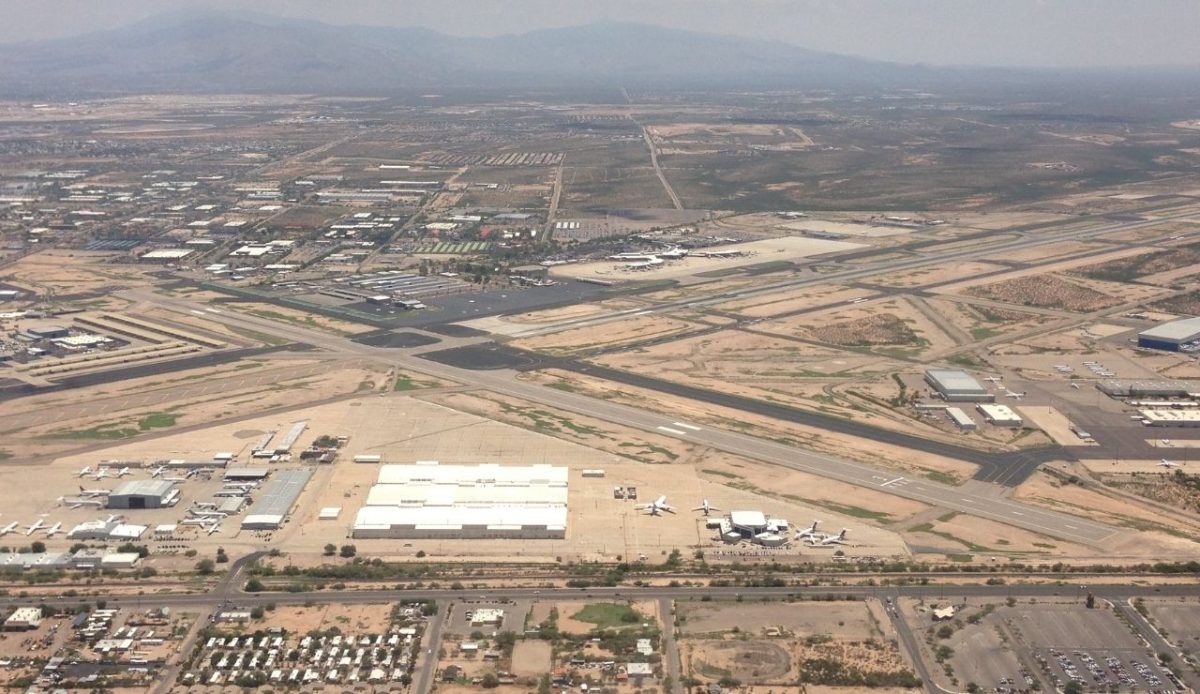
Tucson International Airport serves southern Arizona, where air demand is smaller than in Phoenix and varies by season. Mexico’s flying depended on one carrier and a narrow destination set.
Aeromar discontinued Mexico markets tied to Tucson, including Mazatlán and Los Mochis, ending the airport’s scheduled international service. When the sole operator leaves, replacement is unlikely because the traffic base does not assure profitable loads across the year.
The loss removes nonstop seats and shifts travelers to Phoenix or to land crossings with onward Mexico flights. Lower foreign volume also reduces the rationale for frequent customs staffing, which can slow any attempt to restore service.
8. Albuquerque International Sunport

Albuquerque International Sunport is in a border state but far from the land boundary, so cross-border flying must overcome long surface access and limited commuting. International demand is route-specific.
A planned Volaris nonstop from Albuquerque to Chihuahua was canceled before launch after the carrier reassessed its network. Even with approvals, an unproven route can be dropped if projected loads and fares do not meet the aircraft cost structure.
The cancellation preserved a domestic-only schedule and kept customs activity at minimal levels. Travelers with Mexico ties continued to route through Phoenix, Denver, or El Paso, concentrating demand at larger airports and limiting local nonstop testing.
9. Austin Bergstrom International Airport

Austin Bergstrom International Airport is in a border state and is growing, but international additions depend on bilateral rights and fleet availability. New Mexico links must clear regulatory constraints.
A planned Mexico City Felipe Ángeles to Austin route was canceled after U.S. regulatory actions affected Mexican carrier operations tied to that airport. When operating conditions change, airlines may drop a route before sales mature, preventing demand discovery.
The cancellation reduced planned Mexico City capacity and kept travelers reliant on Dallas or Houston connections. That shift concentrates cross-border flows into hubs where customs staffing and networks are scaled, while Austin loses a direct access option.
10. Dallas Fort Worth International Airport
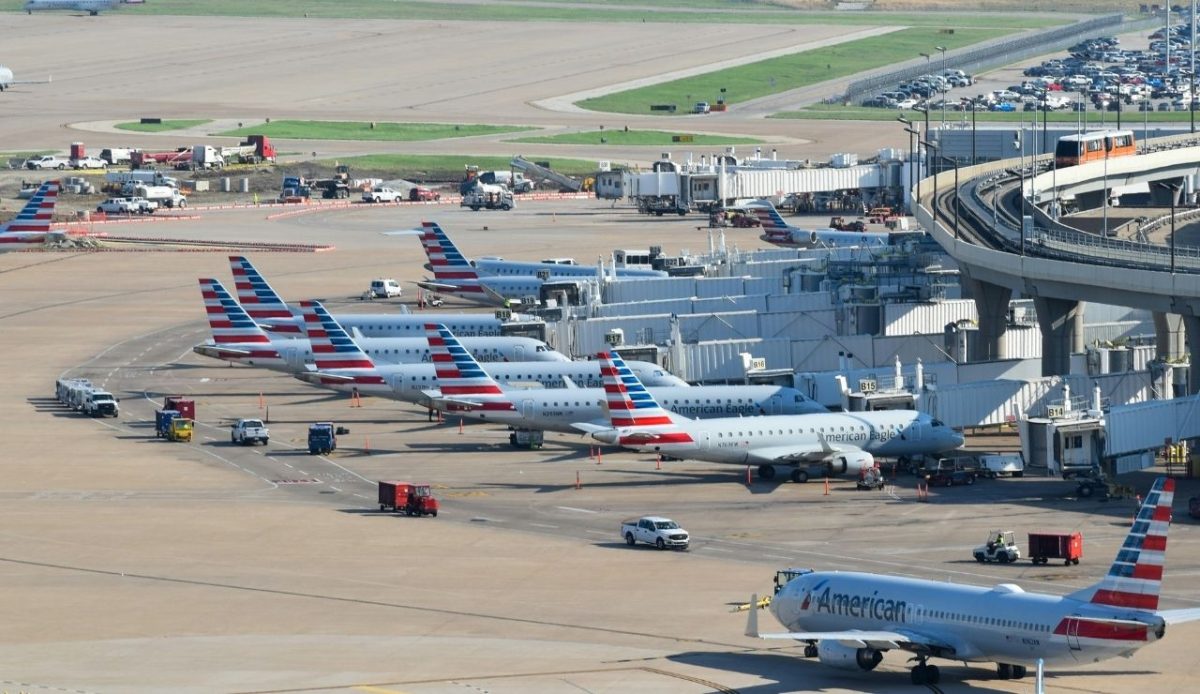
Dallas Fort Worth International Airport is a major hub in a border state, so it can absorb route changes while still carrying high international volume. Yet individual links remain exposed to policy decisions.
Mexico City Felipe Ángeles to Dallas service was terminated under U.S. actions that affected certain Mexican carrier operations tied to that airport. When permission changes, traffic shifts to other Mexico City airports or to U.S. carrier networks, altering connection patterns.
The termination reduced nonstop access to Felipe Ángeles in particular, even though Dallas retained broad Mexico connectivity. It shows that hub scale does not eliminate regulatory risk, and schedule authority can remove capacity regardless of demand.
