
Travel in many Asian countries runs on clear, shared expectations that keep crowds calm and public spaces workable. These rules are reinforced by signs, staff reminders, and daily habits, so visitors can usually see what is expected. Good manners are not treated as “extra,” instead, they protect limited space on trains, reduce conflict in lines, and preserve sacred places. The sections below focus on specific behaviors that are handled with unusual consistency, so travelers can fit in quickly and avoid avoidable friction. Learning these norms before arrival makes day trips smoother, and it shows respect to locals who follow them every day.
1. Silence in Trains In Japan And South Korea
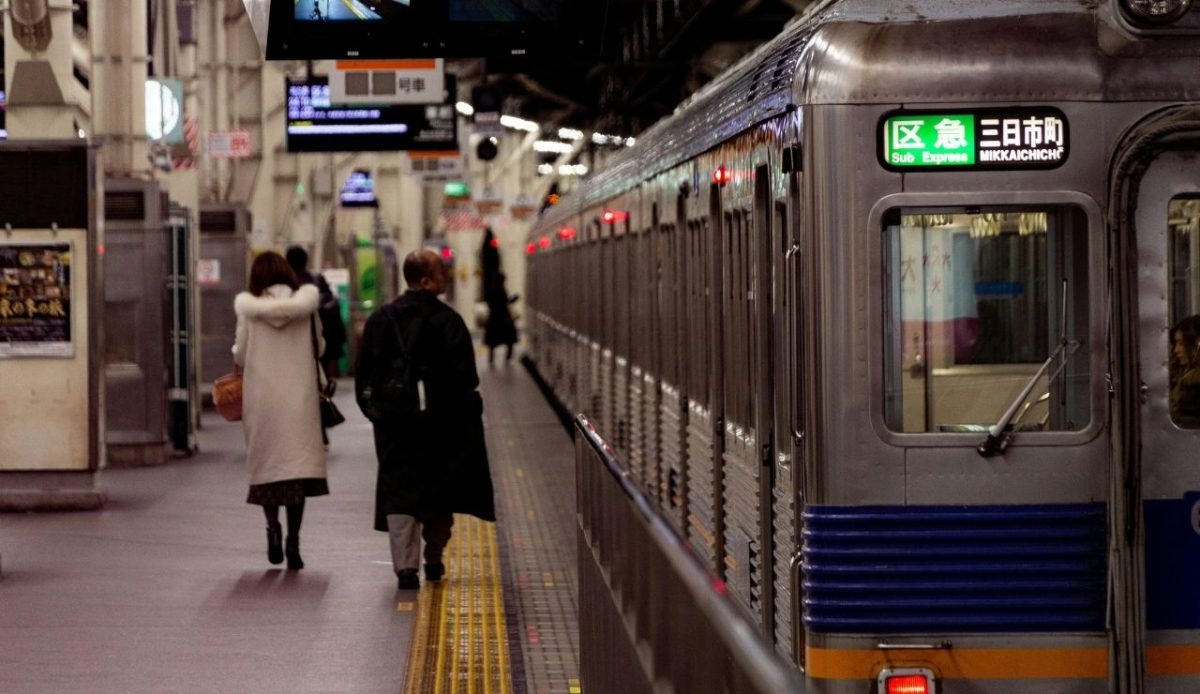
On trains in Japan and South Korea, quiet is expected, not requested. Phones are kept on silent, speaker audio is avoided, and voice calls are usually taken only outside the car. Even small talk is kept low during rush hours, so riders can rest, read, or recover from work. This habit is helped by posters about “manner mode” and polite announcements that repeat on busy lines. Because the norm is shared, enforcement is rarely needed; a loud call is corrected by social pressure, and the cabin stays steady even when packed. Visitors who match the volume around them will be treated as considerate riders right away.
2. Singapore’s Cleanliness Standards With Real Consequences
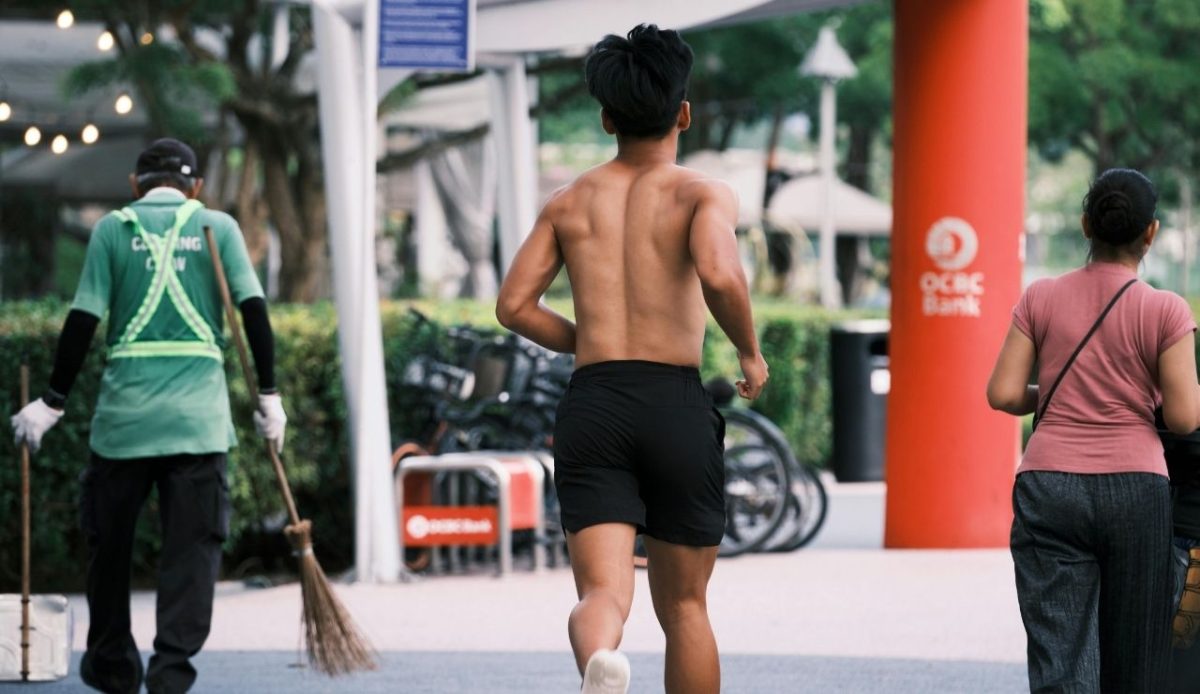
Singapore treats cleanliness as a public duty backed by real penalties. Littering, spitting, and improper disposal are not brushed off as minor; rules are posted, and fines can be issued, which shape behavior long after the sign is forgotten. In hawker centers, diners are expected to return trays and keep tables usable for strangers, and cleaning staff are supported rather than relied on. Travelers benefit from stations, sidewalks, and food areas that stay orderly even at peak times. The expectation is simple: use bins, clear your space, and do not leave a mess for the next person. That standard is applied daily.
3. No Food Or Drinks On Taipei Metro Areas
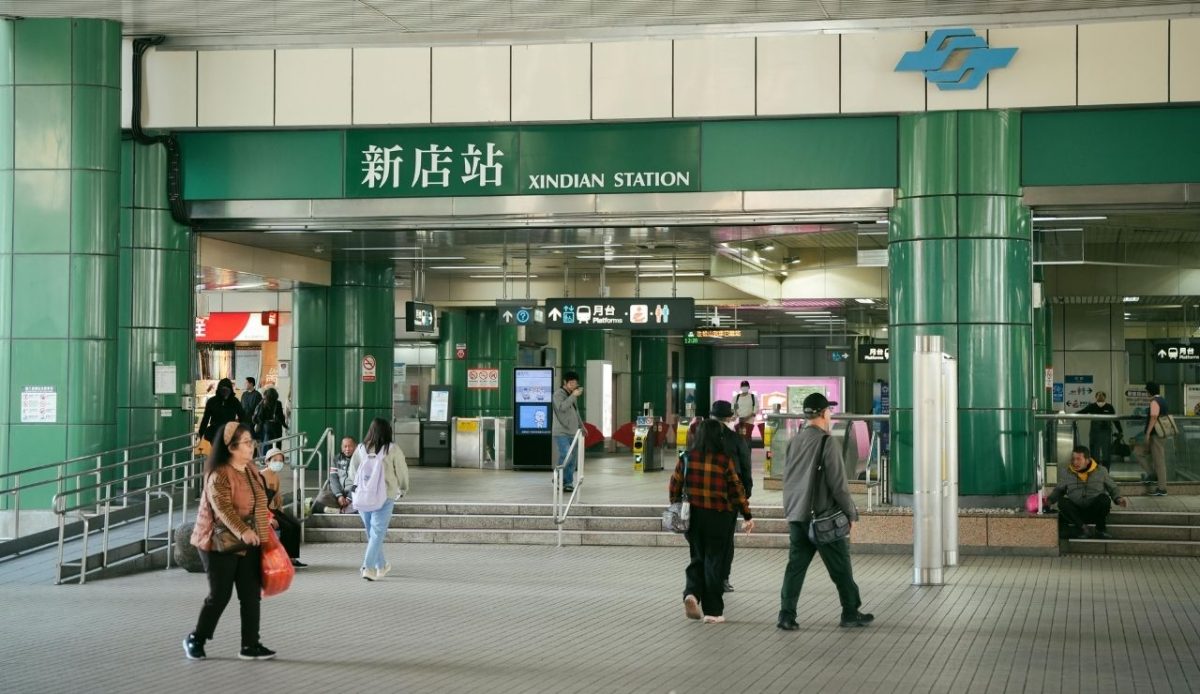
Taipei’s MRT makes a strict point of keeping trains and platforms free of food and drink. Signs mark the restriction clearly, and fines can apply, which removes the “maybe it’s okay” uncertainty that visitors face elsewhere. Because it is widely followed, cars stay cleaner, spills are rare, and odors are reduced in tight spaces. Locals plan around it by eating at street level, using station bins, and carrying drinks unopened until they exit. If water is needed, riders step outside gated areas before drinking. For travelers, the rule is simple: finish snacks before entering, then ride without clutter.
4. Thai Temple Etiquette With Dress And Posture
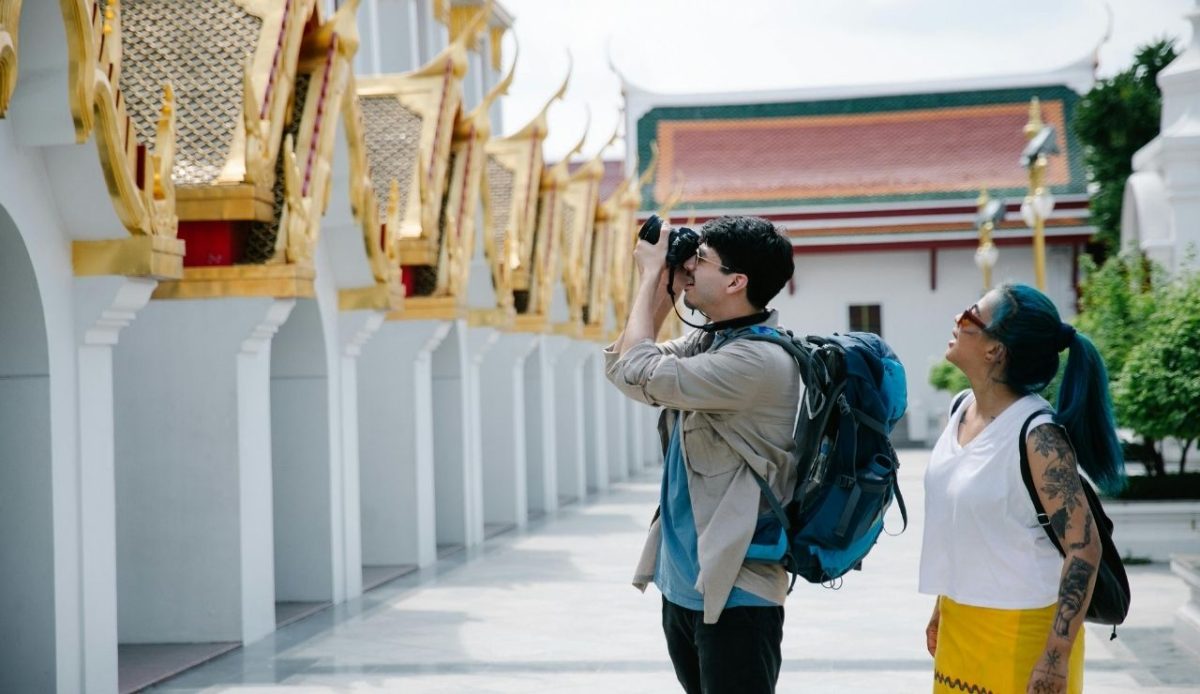
In Thailand, temple etiquette is handled with steady consistency. Shoes are removed before entering worship halls, shoulders and knees are covered, and voices are kept low so prayer is not disrupted. When seated, feet are kept pointed away from Buddha images, and walking routes are followed to avoid crossing in front of people who are praying. Photos may be limited in certain areas, and monks are not treated as props for selfies. These expectations are posted at entrances and modeled by local visitors. Travelers who dress appropriately and move quietly are welcomed, while careless behavior can lead to denial of entry.
5. Japan’s Queue And Escalator Discipline In Stations
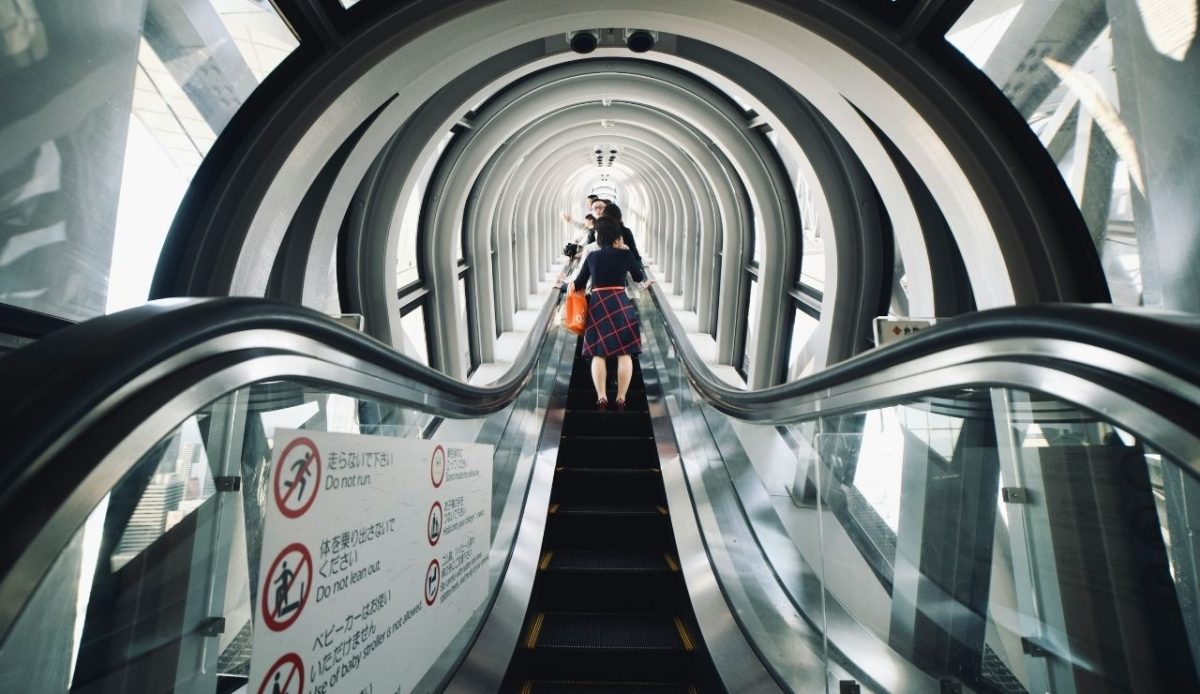
Japanese stations show how crowd flow can be managed through etiquette that nearly everyone follows. Lines form where floor markings indicate doors will open, and boarding happens only after riders exit. People wait behind the platform edge, keep their umbrellas and bags controlled, and step aside to check their phones instead of stopping midstream. On escalators, the standing side depends on the city, and the passing lane is kept open. Because the pattern is predictable, commuters move faster with fewer arguments. Travelers who copy the local arrangement, even when tired, help the system work and avoid blocking traffic.
6. No-Tip Norms In Japan For Clear Transactions
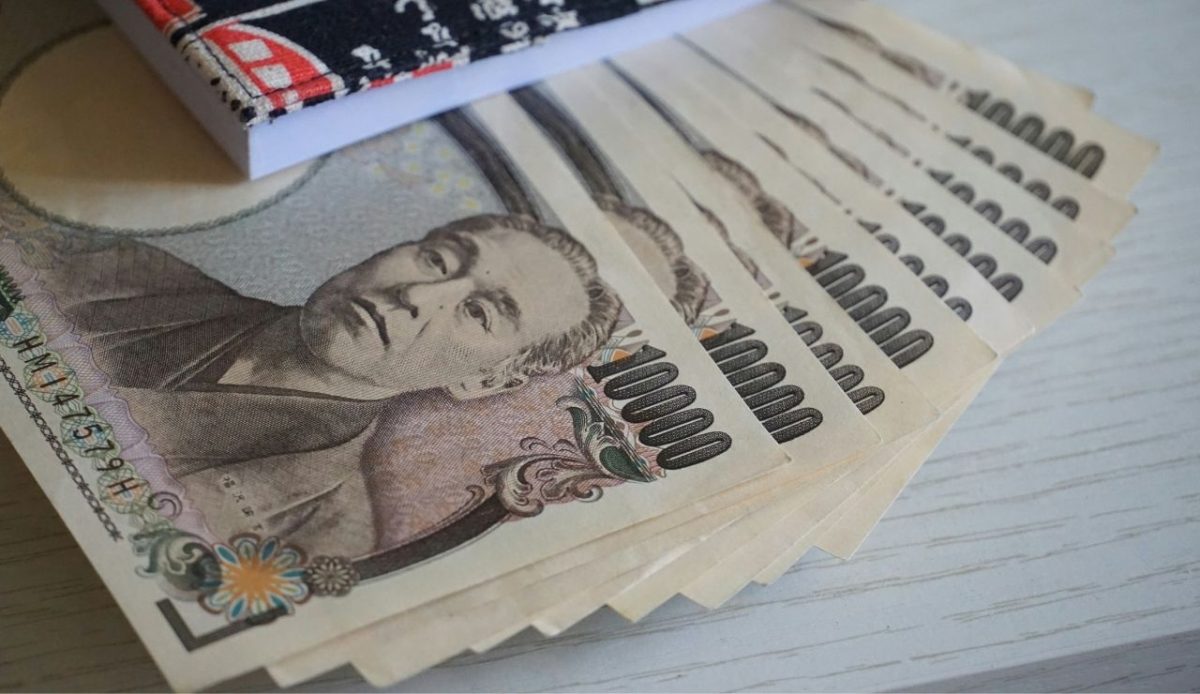
In Japan, tipping is generally avoided, which keeps payment simple and prevents awkward moments for staff. Service charges are built into pricing, so a meal’s cost is meant to be final. Leaving cash on the table may be returned, and insisting can embarrass a worker who is expected to provide consistent service to every guest. At ryokan inns, care is shown through set hospitality rather than add-on payments, and the same pattern is seen in taxis and many bars. Travelers can show appreciation by being punctual, following house rules, and offering a clear thank you instead of extra money. It is understood.
7. Chopstick Rules That Protect Meaning At The Table
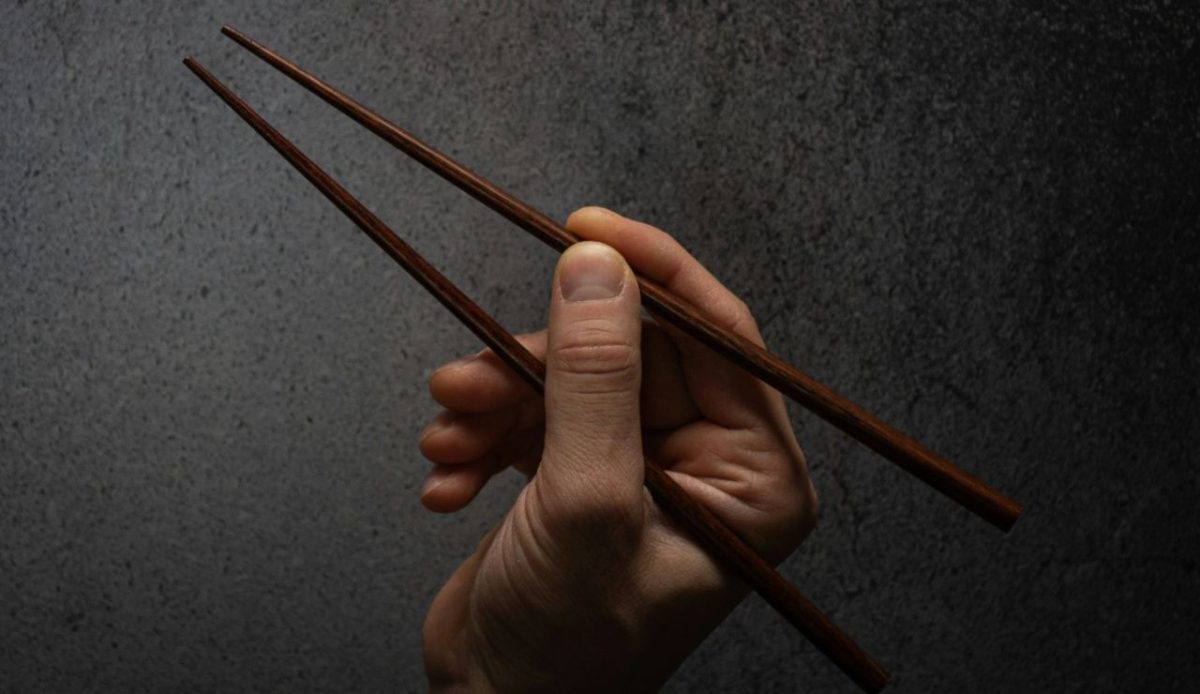
Chopstick manners are treated seriously in Japan because certain gestures echo funerary customs. Sticking chopsticks upright in a bowl of rice is avoided since it resembles an offering at a memorial. Passing food from chopstick to chopstick is also skipped for the same reason. When serving from a shared plate, people may use the clean ends of their chopsticks or a serving utensil so the dish stays comfortable for everyone. When pausing, chopsticks are placed on a rest or across a wrapper, not stabbed into food, and they are not used to point at people. Visitors who follow these rules show awareness that meals carry meaning, not just taste.
8. Onsen Bathing Rules That Keep Shared Water Clean
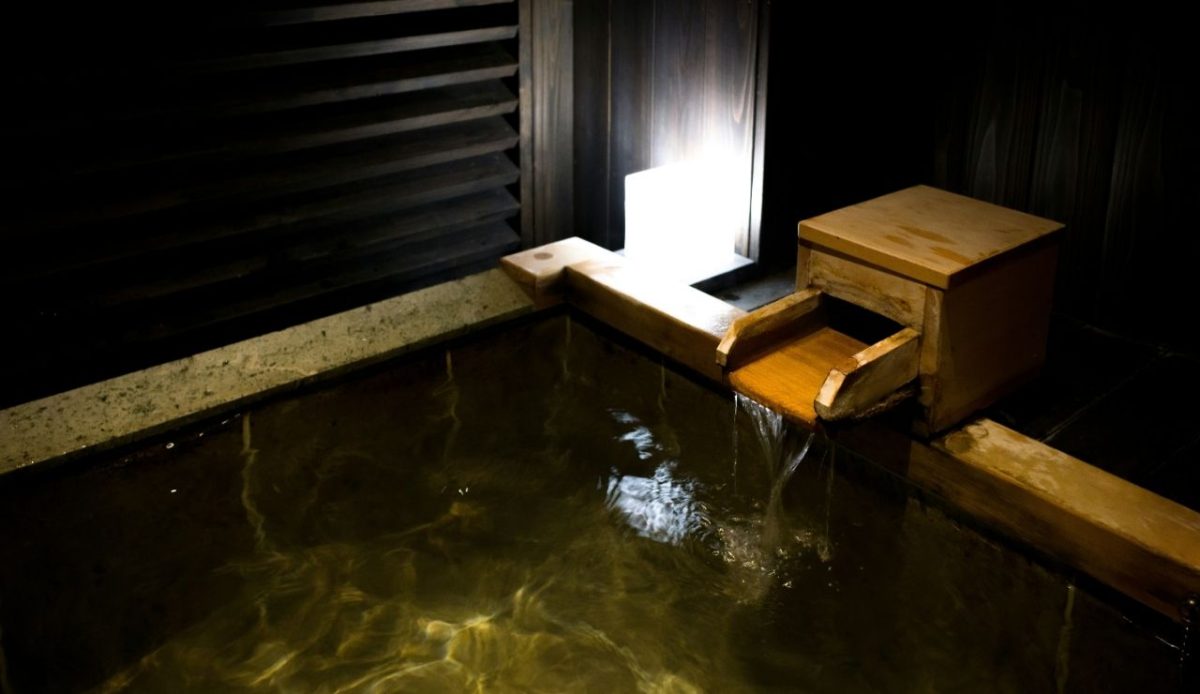
Japanese hot spring baths depend on one rule that is followed with care: wash fully before entering the shared water. Bathers sit at shower stations, scrub with soap, and rinse until no suds remain. Only then is the soak taken, which keeps the pool clear for everyone. Towels are kept out of the bath, and hair is tied up to prevent loose strands. Splashing, swimming, or loud talk is discouraged because the bath is treated as a rest space. Some facilities limit tattoos, so posted guidance should be respected rather than argued. For travelers, the routine may feel strict at first, yet it protects hygiene and makes busy bathing areas comfortable.
9. Shoe Removal Cues In Homes And Small Businesses
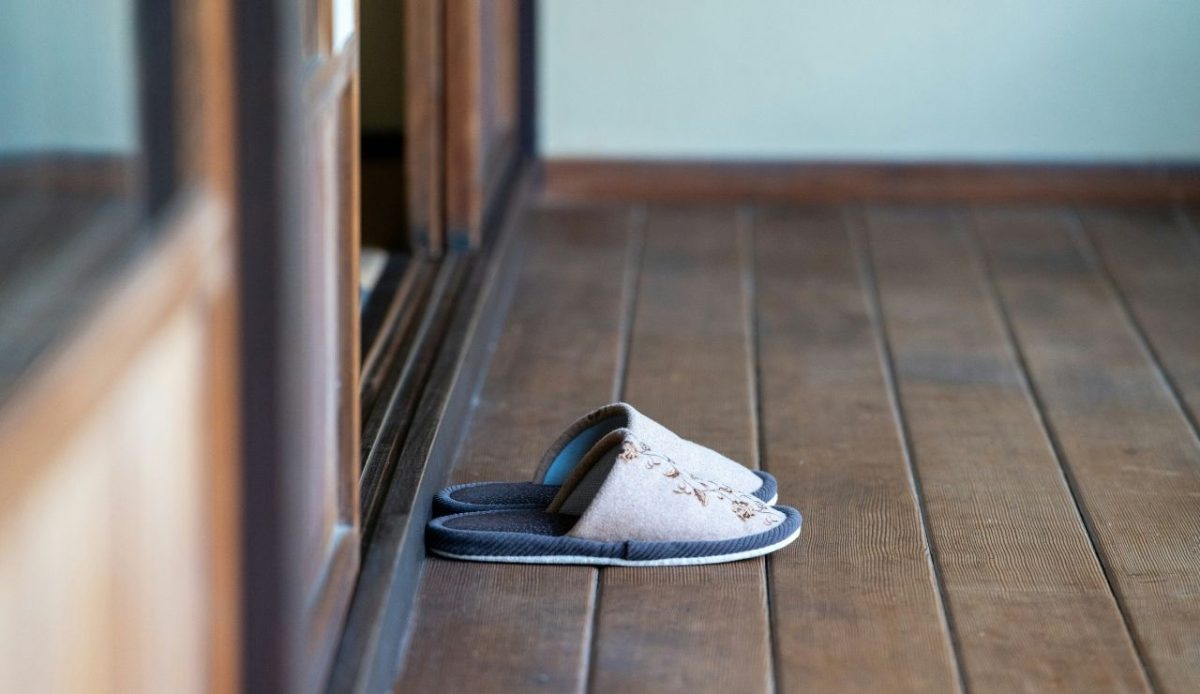
Removing shoes before entering homes and many small businesses is handled with clarity across large parts of Asia, including Thailand and Vietnam. A rack by the door, a raised threshold, or a line of slippers signals what to do. This custom keeps indoor floors clean in places where streets can be dusty or wet. In guesthouses and some clinics, shoe removal may extend to certain rooms, and restroom slippers may be provided for wet areas. Travelers should wear socks without holes and choose footwear that slips off easily. When in doubt, look for locals’ shoes and follow the same pattern without turning it into a debate.
10. South Korean Meeting Courtesy With Names And Cards
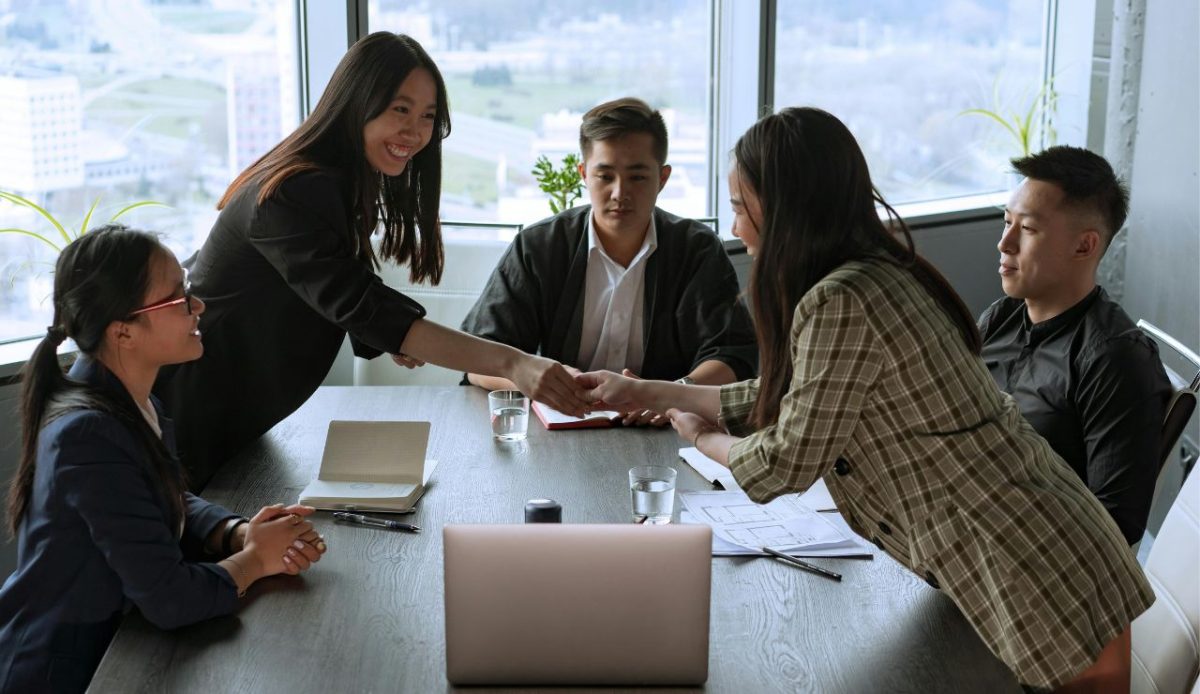
In South Korea, professional courtesy is communicated through small rituals that visitors can follow easily. Business cards are often offered and received with both hands, and the card is briefly read instead of being pocketed instantly. In meetings, titles and family names may be used until an informal shift is invited. This approach prevents accidental disrespect in first interactions and keeps the tone steady even when people disagree. Travelers attending conferences, factory visits, or hotel briefings benefit by slowing down for these exchanges and avoiding casual jokes too early. It is noticed.
