
Travelers often expect famous landmarks to impress, but some places feel unusual because of their setting, history, or natural design. These destinations stand out without needing exaggeration. They may be shaped by volcanic eruptions, carved by rivers, or built by past civilizations. Each location shows how different parts of the world can surprise visitors with views that are hard to forget. Planning is important, since many require careful timing, strong footwear, or respect for entry limits. The result is a set of destinations that offer experiences unlike ordinary travel.
1. Cappadocia, Turkey
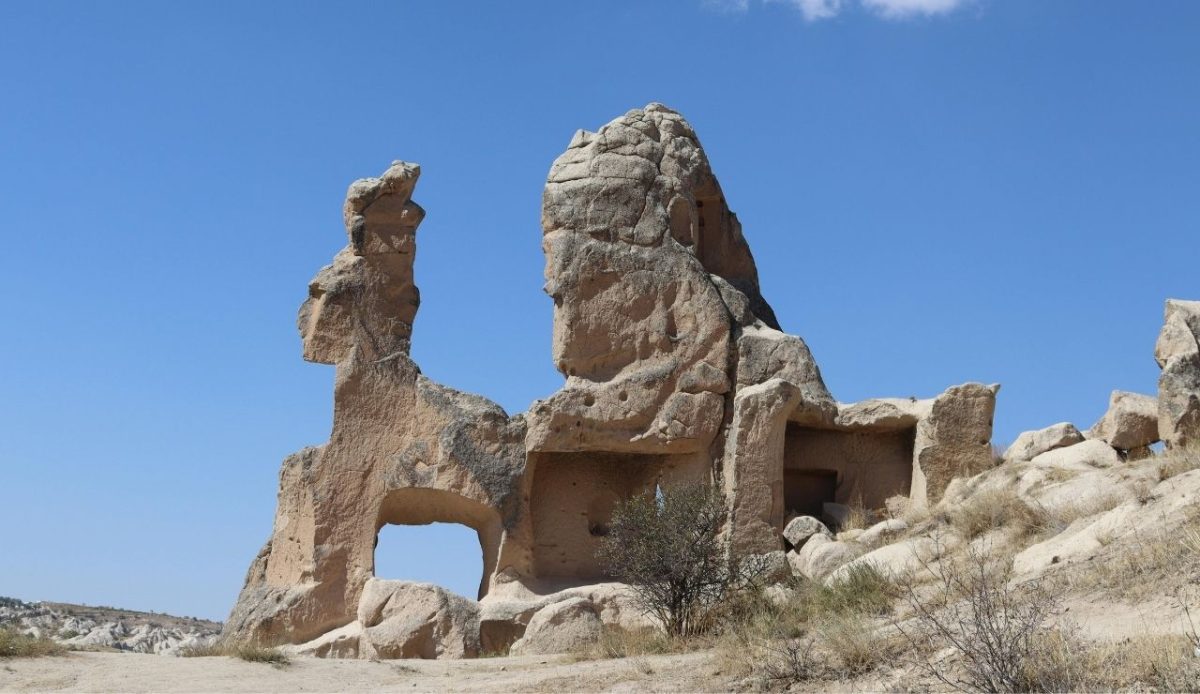
Cappadocia in central Turkey is known for its tall rock towers, carved valleys, and cave homes that stretch for miles. The soft volcanic rock has been worn down by wind and water for centuries, leaving shapes unlike any other region. Visitors often ride hot air balloons at sunrise, drifting above valleys lit with soft colors. Underground cities, once used for protection, still exist below ground, showing how people lived in past centuries. Trails cross canyons lined with red and white cliffs. Summer heat can be intense, while winter brings snow, each giving a different look to the land. Spring and autumn provide the most comfortable walking conditions, making them popular seasons for hiking and exploring villages.
2. Santorini, Greece
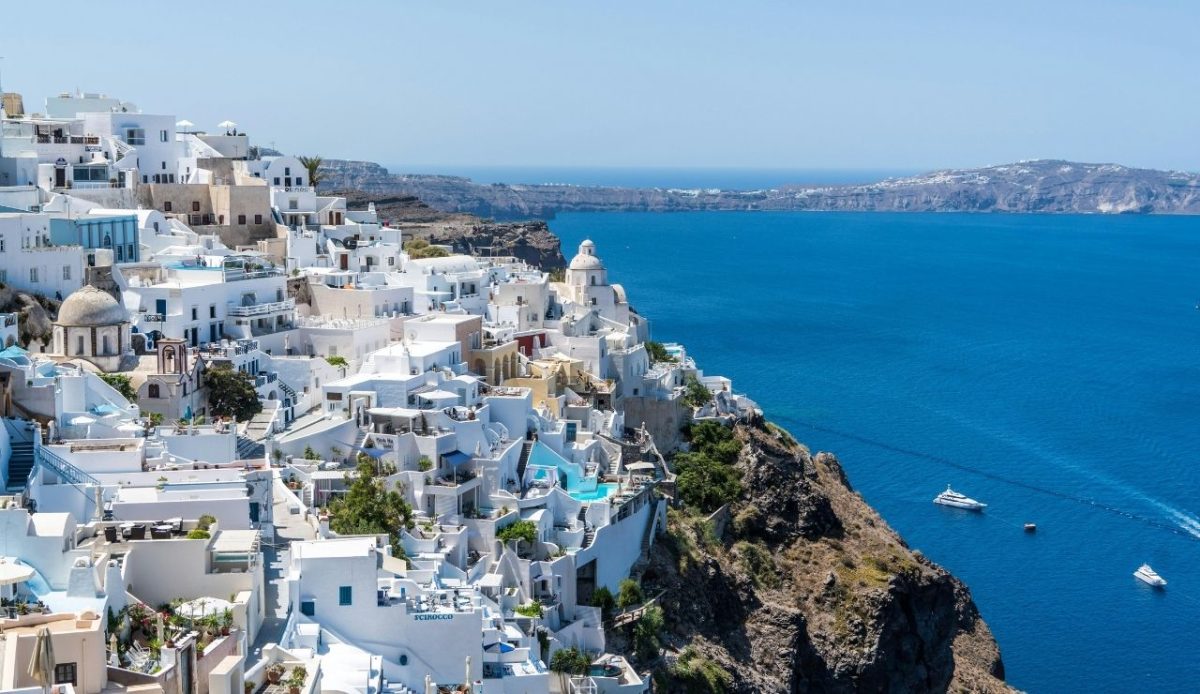
Santorini is a Greek island formed by a volcanic eruption that left cliffs around a wide bay. Towns like Oia and Fira are built along the rim, with white houses and blue-domed churches that face the Aegean. Narrow streets often open suddenly to views across the water. Sunset is the busiest time, as travelers gather on terraces to watch the sky change color. Away from the main towns, smaller villages provide quieter walks and less crowded lanes. Trails connect the settlements, offering a way to see the island on foot. Black and red sand beaches at the base of the cliffs add another side to the scenery. Ferries and flights link Santorini with Athens, making it one of the most accessible islands in the country.
3. Salar de Uyuni, Bolivia
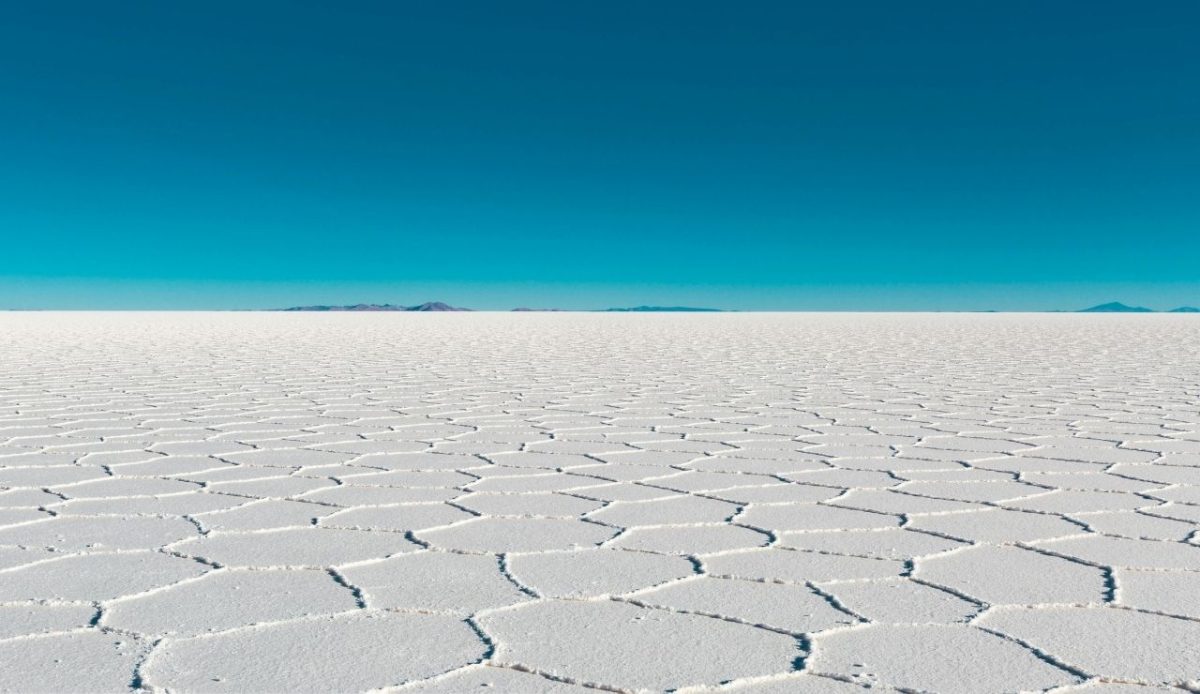
Salar de Uyuni in southwest Bolivia is the largest salt flat in the world. In the dry season, its bright white surface stretches endlessly, reflecting sunlight so strongly that sunglasses are needed. When rain falls, a thin layer of water covers the ground and turns the flat into a giant mirror, one of the most unusual sights on earth. Tours often stop at cactus-covered islands that rise from the salt. Multi-day trips may also include hot springs and geysers nearby. Temperatures drop sharply at night, so warm clothing is required even when days are sunny. The flat is also a prime place for stargazing, since there is no light pollution. Standing here creates the feeling of being between earth and sky with nothing in between.
4. Banff National Park, Canada
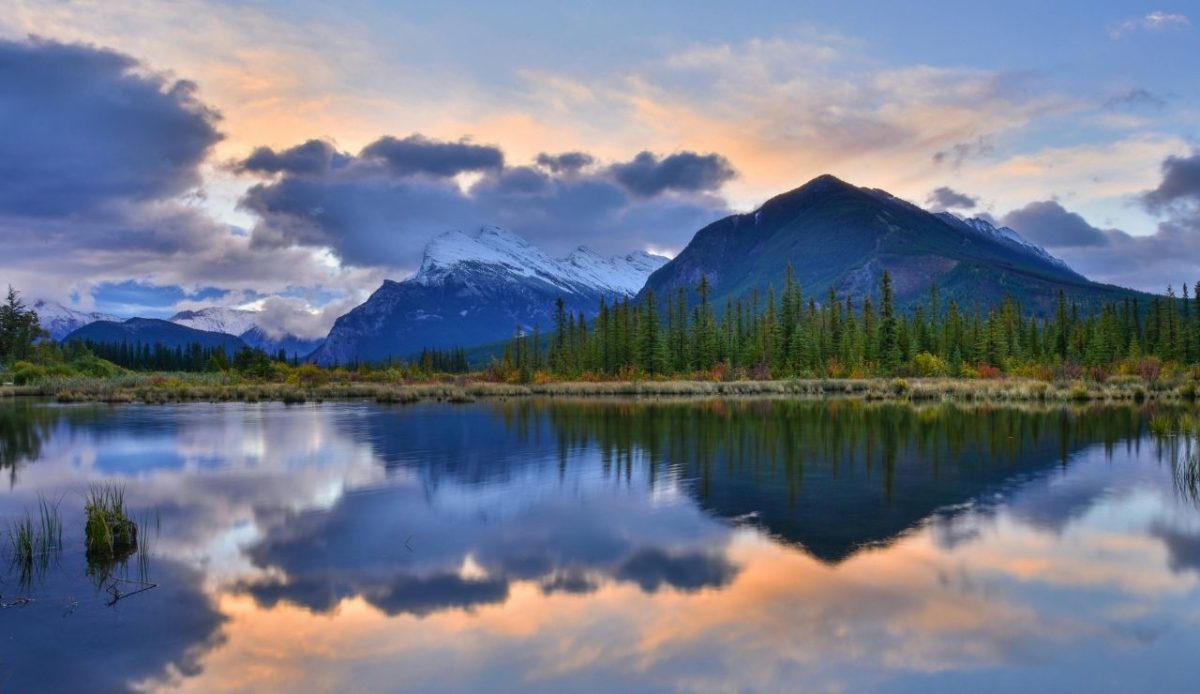
Banff National Park in Alberta combines mountain peaks, turquoise lakes, and glaciers that attract visitors year after year. Lake Louise and Moraine Lake are the most photographed, both colored by fine rock dust carried from melting ice. Summer hiking trails lead to alpine meadows, while winter brings skiing and frozen waterfalls. Wildlife such as elk, bears, and goats are often seen along roadsides. The Icefields Parkway connects Banff with Jasper, offering one of the most scenic drives in North America. Summer is the busiest season, so mornings and late autumn provide calmer conditions. The town of Banff has hotels and restaurants, but the main draw remains the vast network of trails, lakes, and high ridges protected inside the park.
5. Venice, Italy
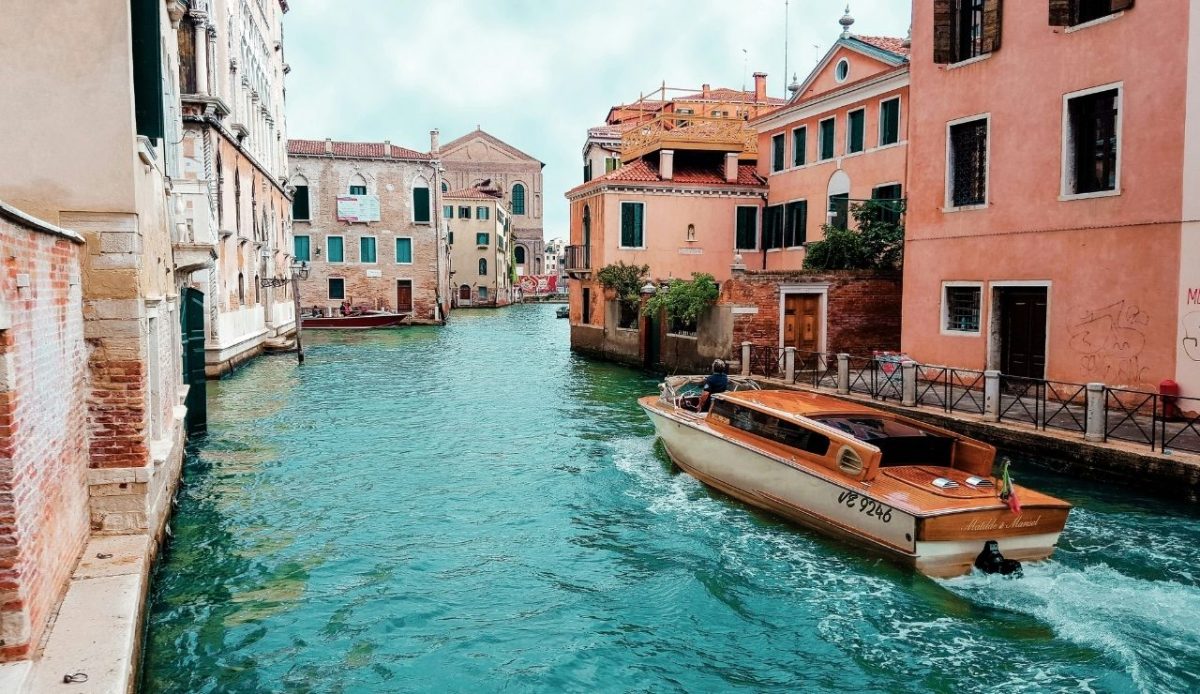
Venice is a city built on canals, with palaces, bridges, and squares showing the wealth of a powerful past. Instead of streets, small boats and ferries move people through waterways that weave across the city. St. Mark’s Basilica and the Doge’s Palace display centuries of art and history, while quieter neighborhoods reveal workshops and homes. Early mornings bring calm reflections on canals before the crowds arrive. Seasonal high water sometimes floods squares, and walkways are raised to allow movement. Despite these challenges, Venice remains unique for its architecture and atmosphere. Walking without a set route often leads to hidden courtyards or shops that tourists miss. Venice continues to feel like a city apart, shaped entirely by water and tradition.
6. Plitvice Lakes, Croatia
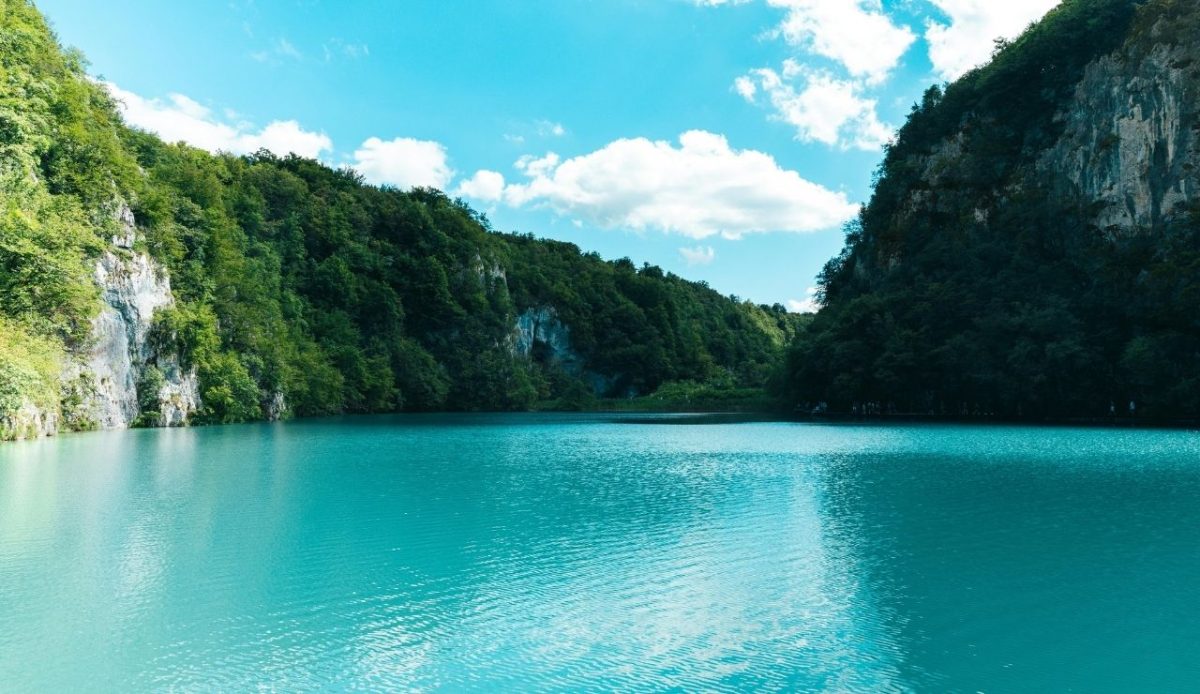
Plitvice Lakes National Park in Croatia is known for its chain of waterfalls that link sixteen lakes through limestone canyons and forest. Wooden boardwalks take visitors over rushing streams and pools, often close enough to feel the spray. The water shifts in color from blue to green depending on light and minerals. Trails are well marked, ranging from short loops to full-day hikes that climb above the falls. Wildlife includes deer, bears, and rare birds that live in the dense forest. The park can become crowded in summer, so spring and autumn provide more open paths and cooler weather. Winter adds snow and frozen cascades, creating a completely different atmosphere. Plitvice remains one of the most striking natural parks in Europe for both scenery and accessibility.
7. Machu Picchu, Peru
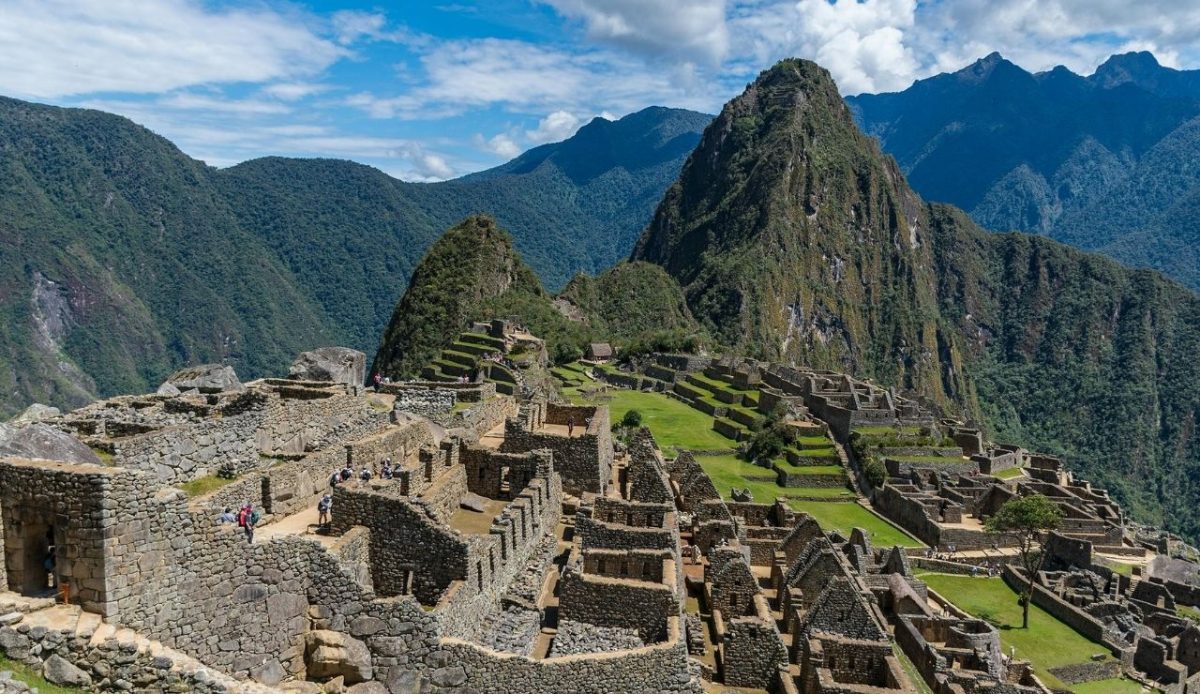
Machu Picchu in Peru is an ancient Inca city set on a ridge above the Urubamba River. Stone terraces and temples remain intact despite centuries of weather, showing the skill of Inca builders. The most famous route to the site is the multi-day Inca Trail, but trains also connect Cusco to Aguas Calientes, from where buses carry visitors up the final stretch. Authorities tightly manage entry with daily limits to protect the site. Morning mist often drifts across the terraces, revealing the city in dramatic light. Huayna Picchu and Machu Picchu Mountain offer higher viewpoints with sweeping panoramas of the valley. The location combines archaeology and mountain scenery in a way that few places match, making it one of South America’s most remarkable destinations.
8. Zhangjiajie National Forest Park, China
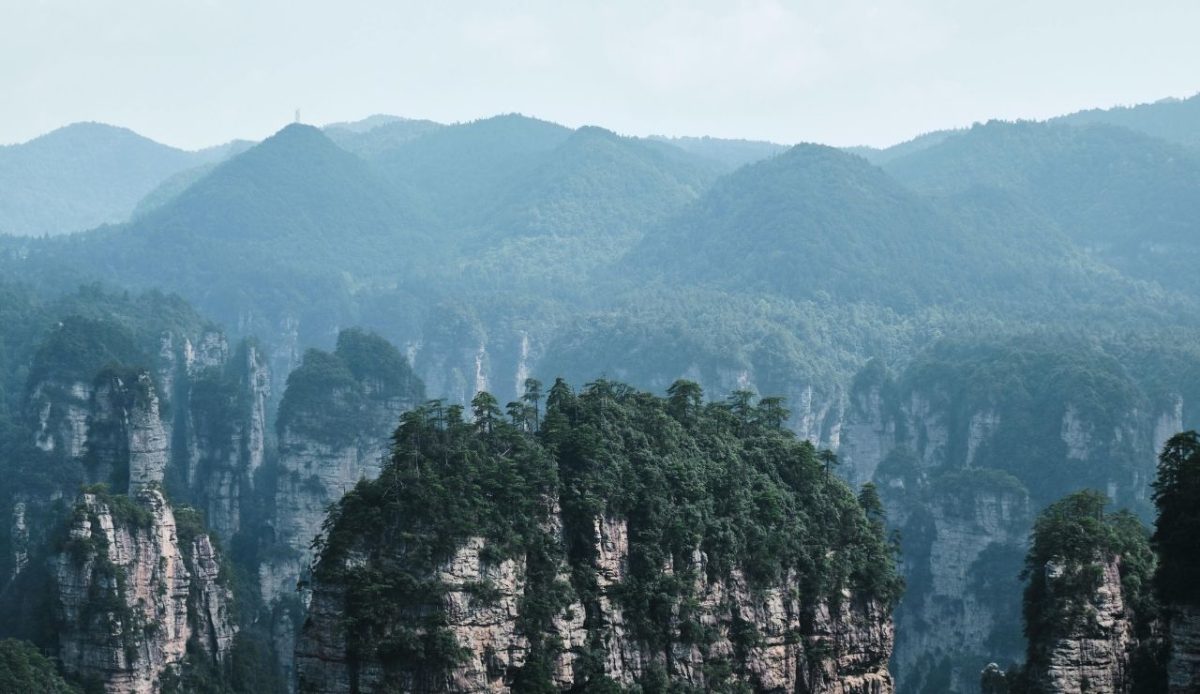
Zhangjiajie National Forest Park in Hunan Province is known for sandstone pillars that rise hundreds of feet above forested valleys. The formations inspired the floating mountains in the film Avatar. Trails, cable cars, and glass bridges allow visitors to view the peaks from multiple angles. The park covers a large area, and exploring different sections can take several days. Mist often drifts between the pillars in the morning, giving the landscape a dreamlike atmosphere. Wildlife includes monkeys that are accustomed to tourists, though park staff discourage visitors from feeding them. The park is busiest during Chinese holidays, so quieter visits are found in spring and autumn. Elevation changes are significant, and good shoes are needed for long climbs. Zhangjiajie remains one of China’s most dramatic natural parks.
9. Hallstatt, Austria
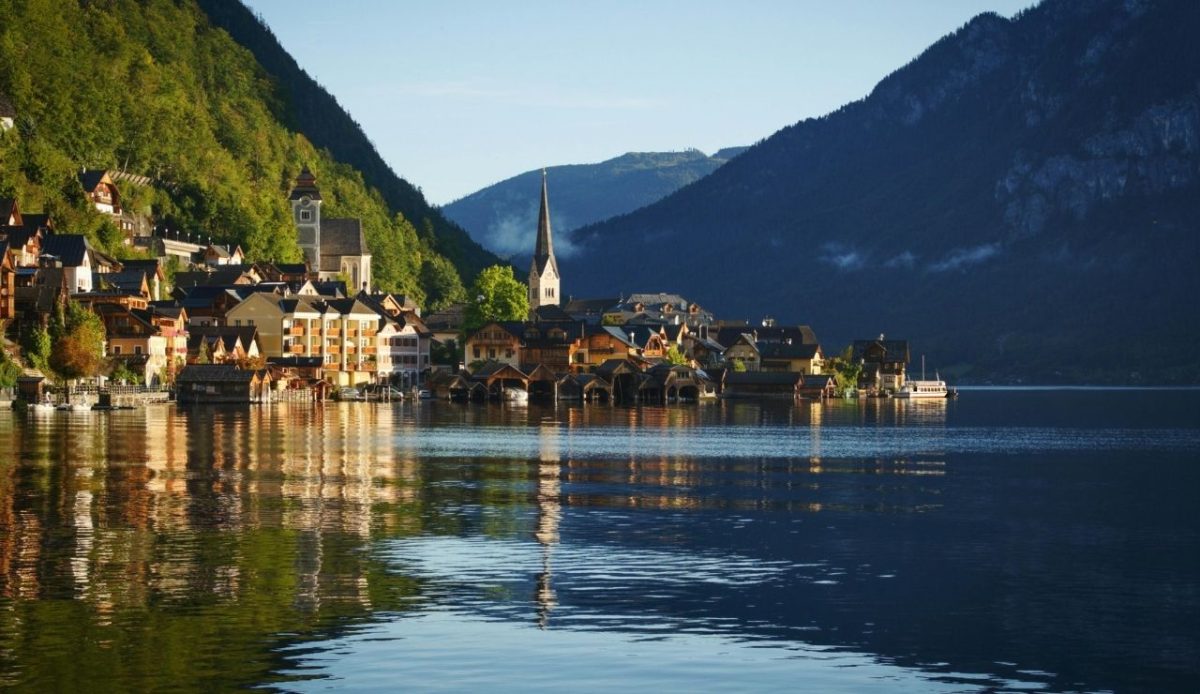
Hallstatt is a lakeside village in Austria’s Salzkammergut region, backed by steep mountains that rise directly behind wooden houses and church towers. The village has a history of salt mining that dates back thousands of years, and visitors can still tour old tunnels carved into the hills. A funicular carries travelers up to viewing decks with broad panoramas of the town and lake. Boats cross the water for equally striking perspectives of the village. Hallstatt attracts heavy crowds in summer, so early mornings and late afternoons provide calmer streets. Winter brings snow that adds to the fairy-tale look, while autumn colors reflect in the lake. Despite its popularity, the combination of setting, history, and preserved architecture makes Hallstatt feel timeless.
10. Petra, Jordan
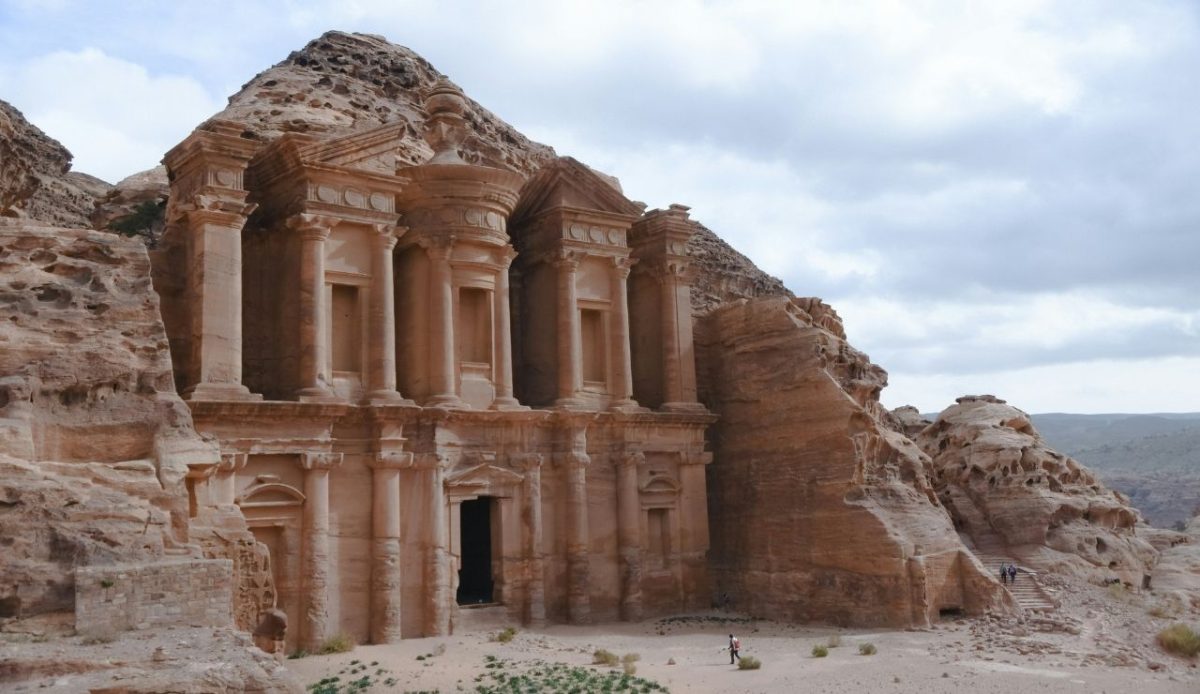
Petra in southern Jordan is an ancient city carved into rose-colored cliffs. The main entry is through the Siq, a narrow gorge that suddenly opens to the Treasury, one of the most photographed monuments in the Middle East. Beyond it, temples, tombs, and amphitheaters stretch for miles across the desert valley. Some areas require climbing steep steps to reach higher viewpoints, such as the Monastery. Archaeologists believe Petra was once a trading hub linking Arabia with the Mediterranean. Today, UNESCO lists Petra as a World Heritage Site and enforces strict preservation rules. Summer heat can be intense, so spring and autumn are the most comfortable times to visit. The combination of architecture, scale, and desert backdrop makes Petra a destination unlike any other.
