
Great climbing areas become famous for repeatable quality: solid rock, a range of grades, clear access rules, and a culture that maintains routes. Geology sets the style, from granite cracks to pocketed limestone, while climate decides whether spring, summer, or winter will work. Management matters too, since permits, parking limits, and closures can change what “easy access” means. The destinations below cover big walls, sport crags, bouldering, and alpine routes, plus ethics that vary by region. Before a trip, climbers usually review current fixed gear notes, rescue info, and seasonal bird restrictions posted by local groups.
1. Yosemite Valley, California, United States
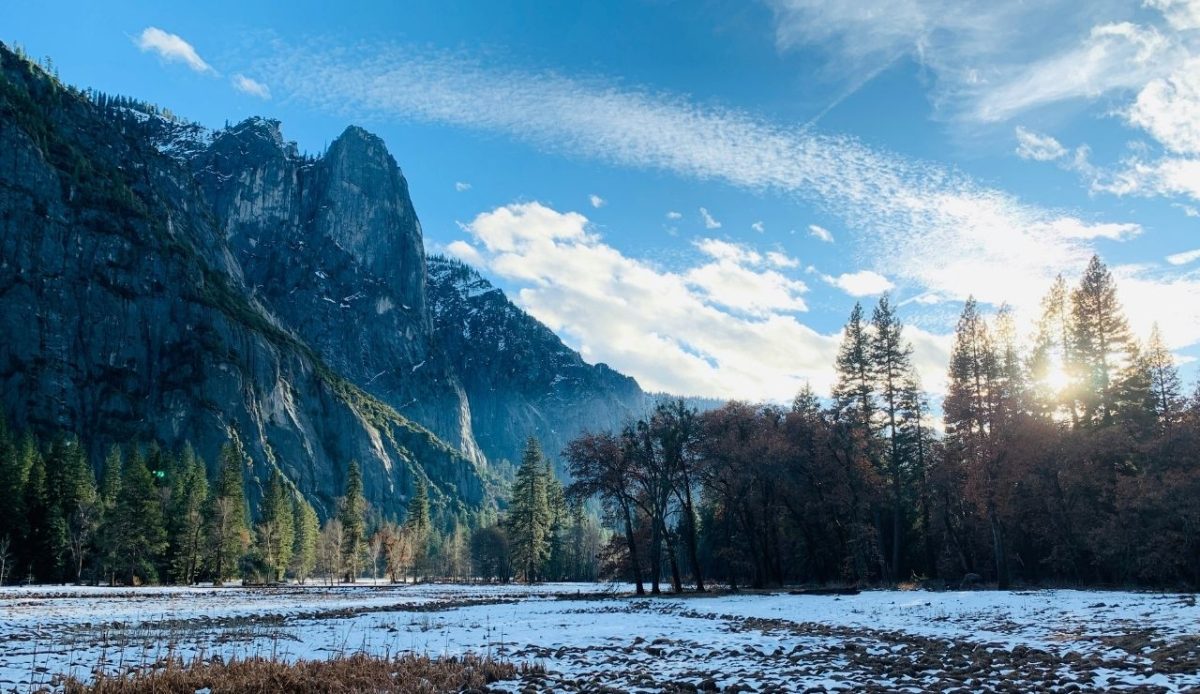
Yosemite Valley is a granite proving ground where long routes demand efficiency and calm decision-making. El Capitan’s big walls helped define aid systems and later pushed free climbing standards, while Half Dome adds long approaches and complex descents. Because it is a U.S. national park, camping rules, traffic controls, and seasonal closures affect logistics as much as the climbing does. Even on shorter lines, crack technique and anchor management are tested at every pitch. Spring and fall often give peak grip, but storms can roll in fast, so teams build extra time for retreat and hydration.
2. Kalymnos, Greece
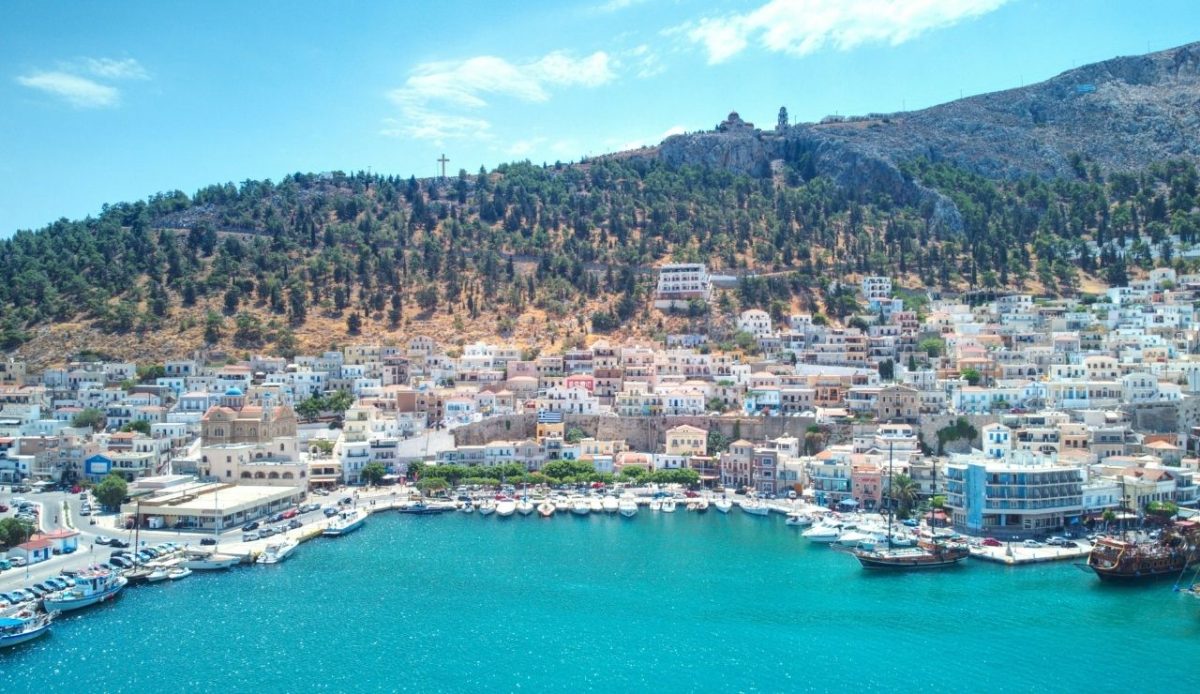
Kalymnos became a modern sport climbing hub after extensive bolting opened its sea-facing limestone cliffs to visitors. Crags are close to villages, so approach walks are short and rest days can include ferry rides or quiet coves. Routes feature pockets, tufas, and steep endurance lines across a wide grade spread, with clear lower-offs and well-kept hardware. Autumn through spring is often preferred, since summer heat can make long sessions risky. Local shops rent gear and publish updates, and many sectors have defined rules on brushing and chalk to reduce wear on popular holds. Buses and scooters help link crags.
3. Fontainebleau, France
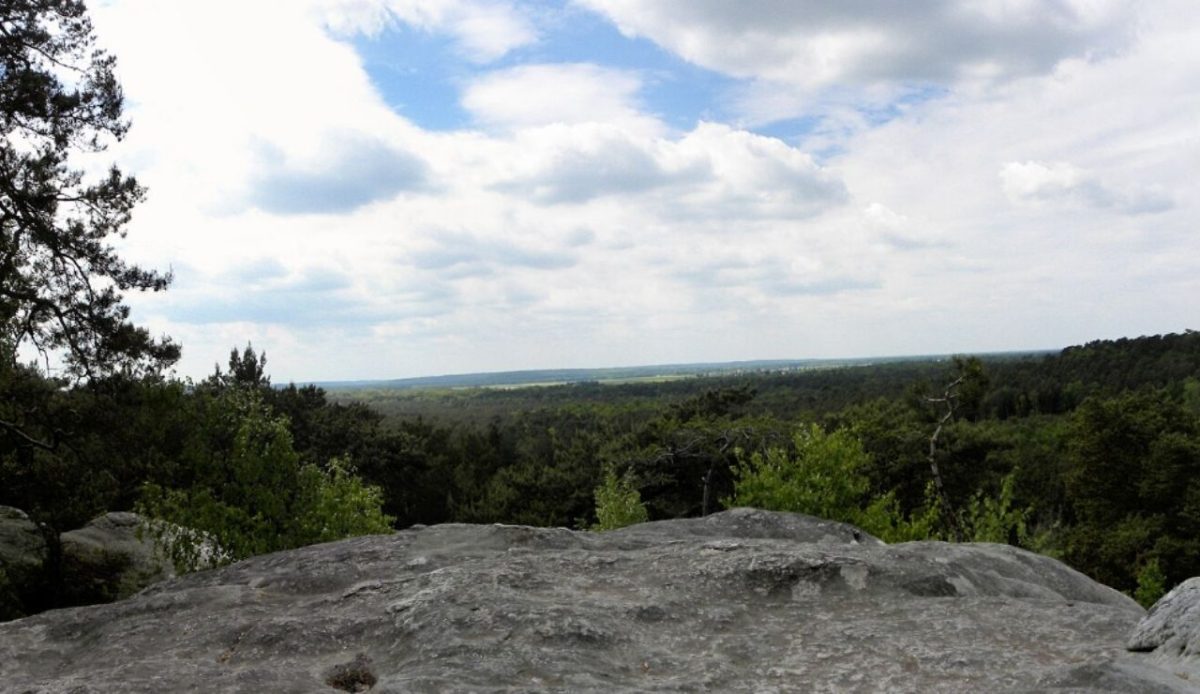
Fontainebleau is the classic bouldering forest near Paris, known for sandstone problems that reward precise feet and controlled hips. Instead of tall cliffs, scattered blocs create thousands of short challenges, many organized into color circuits that work like outdoor training plans. Soft rock can be damaged, so careful brushing, modest chalk, and staying off wet holds are expected. Cool, dry days bring the best friction, while crowded weekends call for early starts and patience. Public transit and bike paths reach several sectors, yet visitors still need crash pads, spotters, and respect for marked access zones.
4. El Chaltén, Argentina
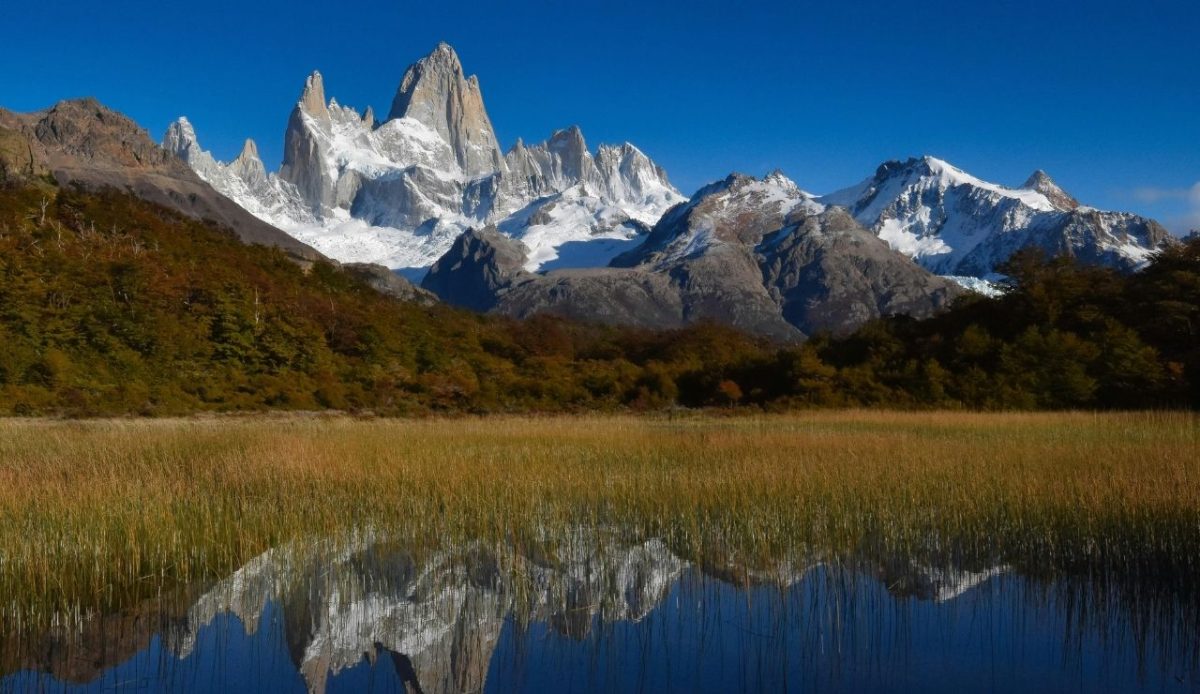
El Chaltén is the gateway to Patagonia’s sharp granite spires, where climbs feel closer to expedition alpinism than to cragging. Fitz Roy routes involve long hikes, snow travel at the start of many lines, and sustained rock above remote ledges. Wind and sudden storms can shut down plans within hours, so teams watch forecasts, pack for cold, and accept long waits. When a window arrives, speed and solid systems matter because descents can be complicated and tiring. The town supports climbers with gear rentals and transport, but rescue is limited, so self-reliance and conservative turnaround times are common.
5. Railay Beach, Krabi, Thailand
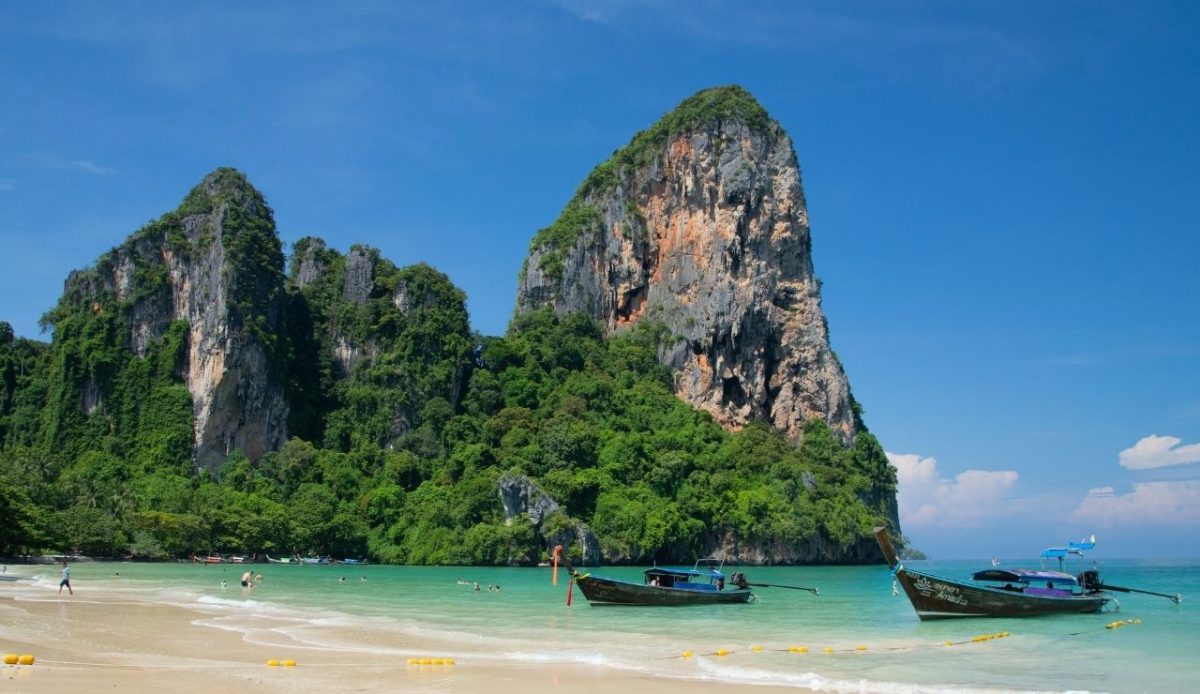
Railay and nearby Tonsai in Krabi are known for steep limestone climbing above beaches, lagoons, and jungle paths. Most routes are bolted sport lines with established anchors, making it easy to sample many walls in a short visit. Heat and humidity can drain energy quickly, so many climbers start early, rest at midday, and return late. Monsoon season changes conditions, and sea spray can affect hardware, which is why local operators monitor rebolting needs. Longtail boats connect cliffs, and guiding schools provide intro courses; visitors should follow closure signs near nesting areas. Shaded cave routes add options.
6. Red River Gorge, Kentucky, United States
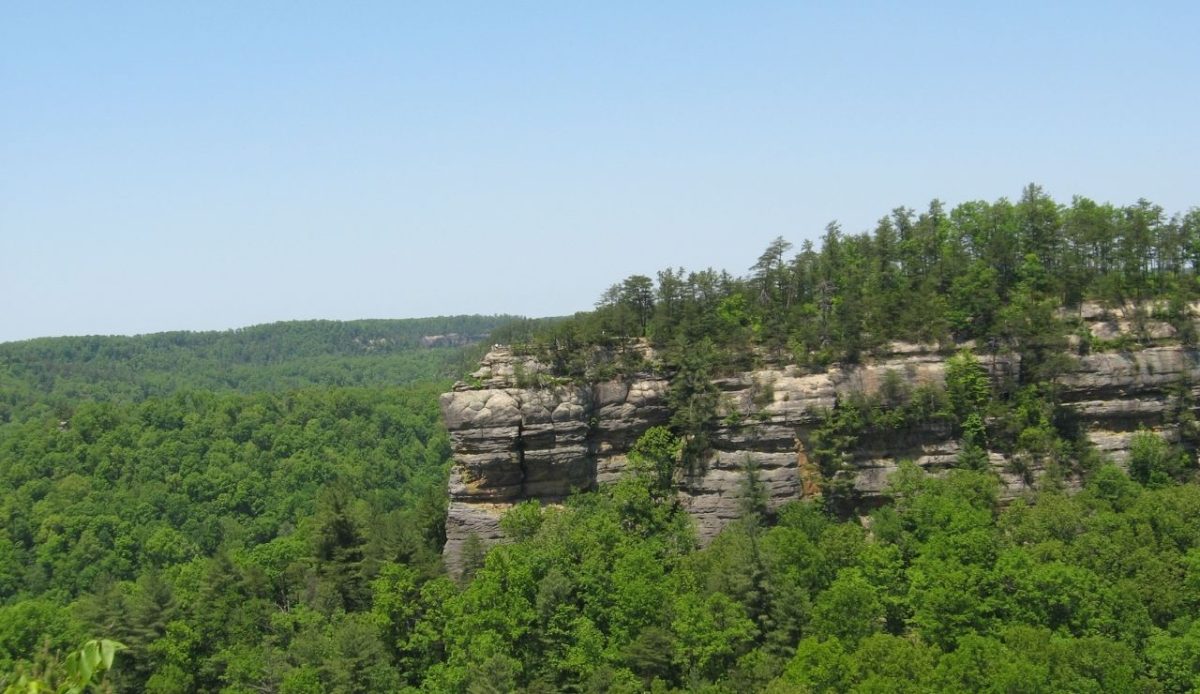
Red River Gorge in Kentucky is a dense sport climbing area where steep sandstone roofs protect routes from light rain. Bolted lines range from short power problems to long endurance climbs on jugs and edges, with many crags reached by forest trails. Access depends on a patchwork of public land and private preserves, so parking rules and day fees vary by sector. Strong local stewardship supports trail work, bolt replacement, and clear guidance on seasonal raptor closures. Fall is popular for cooler temps and lower humidity, while spring brings wildflowers and occasional seepage that can close specific walls.
7. The Dolomites, Italy
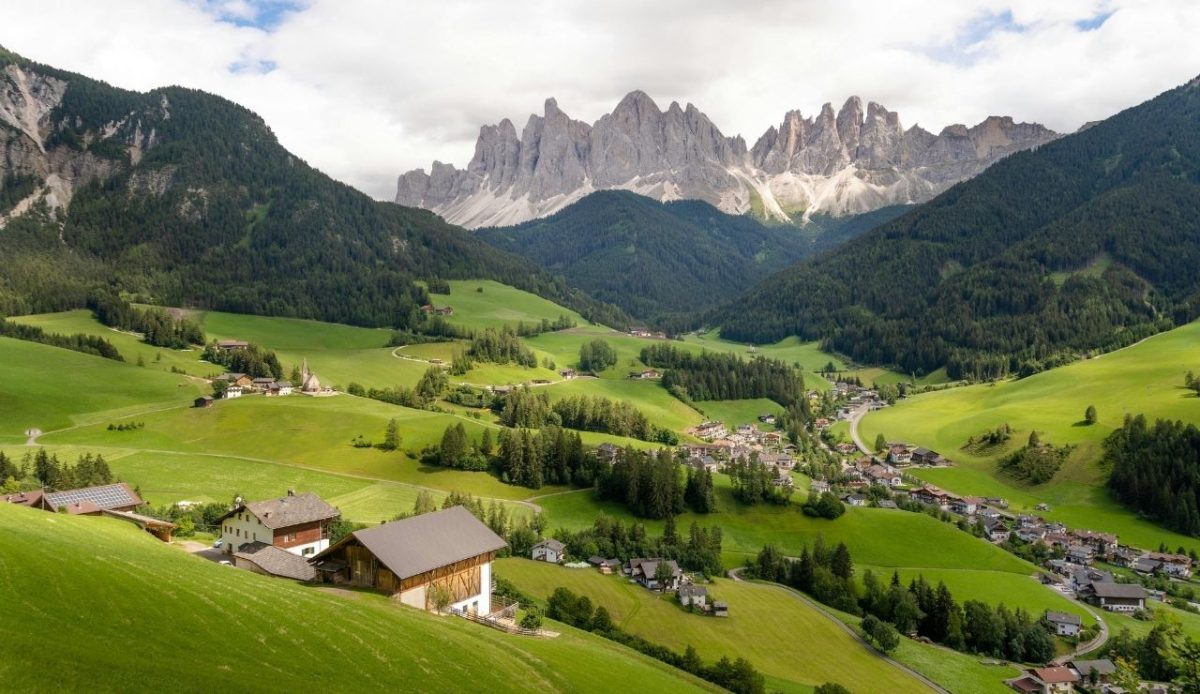
The Dolomites in northern Italy offer long limestone routes where route finding and timing matter as much as strength. Many classics were established early in Alpine history, so protection can be spaced and anchors may vary by face. Via ferrata lines provide alternate access and some descent options, yet the weather can change fast at altitude. Huts and cable cars help link valleys, allowing multi-day plans that combine rock climbing with scrambling, ridge travel, and careful descent planning. Afternoon storms are common in summer, so early starts and helmets are standard, and many parties carry light rain layers even on sunny mornings.
8. Squamish, British Columbia, Canada
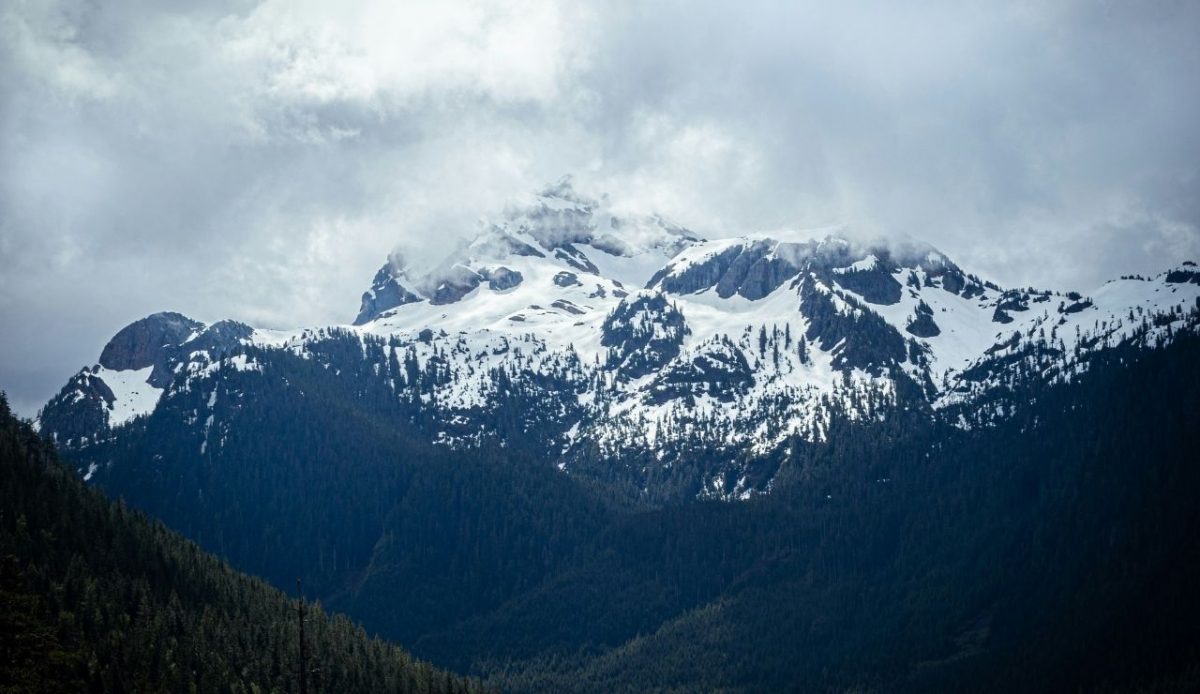
Squamish in British Columbia is known for granite cracks, friction slabs, and long multipitch routes on the Stawamus Chief. Climbers can train on single-pitch crags one day and commit to full walls the next, often without long drives. A coastal climate brings cool mornings and occasional wet spells, so drying time and friction conditions guide daily choices. Local ethics favor clean placements and careful cleaning, and updated topos help visitors avoid sensitive areas and seasonal closures. Many routes require a full rack and solid belay skills, and black bears are present, so food storage and tidy staging areas are advised.
9. Mount Arapiles, Victoria, Australia
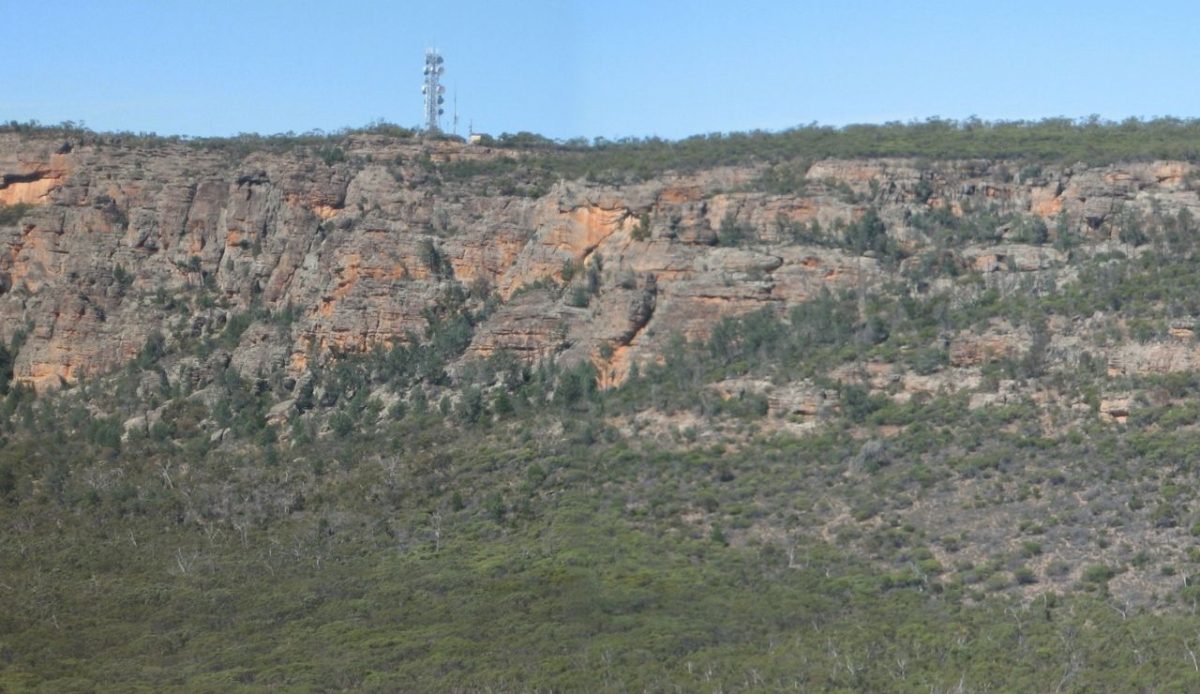
Mount Arapiles in Victoria is a trad climbing classroom with hundreds of sandstone routes and dependable gear placements. Most climbs are single pitch, but the variety of cracks, corners, and faces keeps progression steady from beginner leads to harder classics. The setting is remote, so water planning, heat awareness, and good first aid habits are important. Local access rules protect wildlife and cultural sites, and a respectful camp culture has helped keep the area open for decades. Grades can feel stiff to visitors, so building mileage on easier lines first is wise, especially when the wind picks up on the upper tiers.
10. Joshua Tree National Park, California, United States
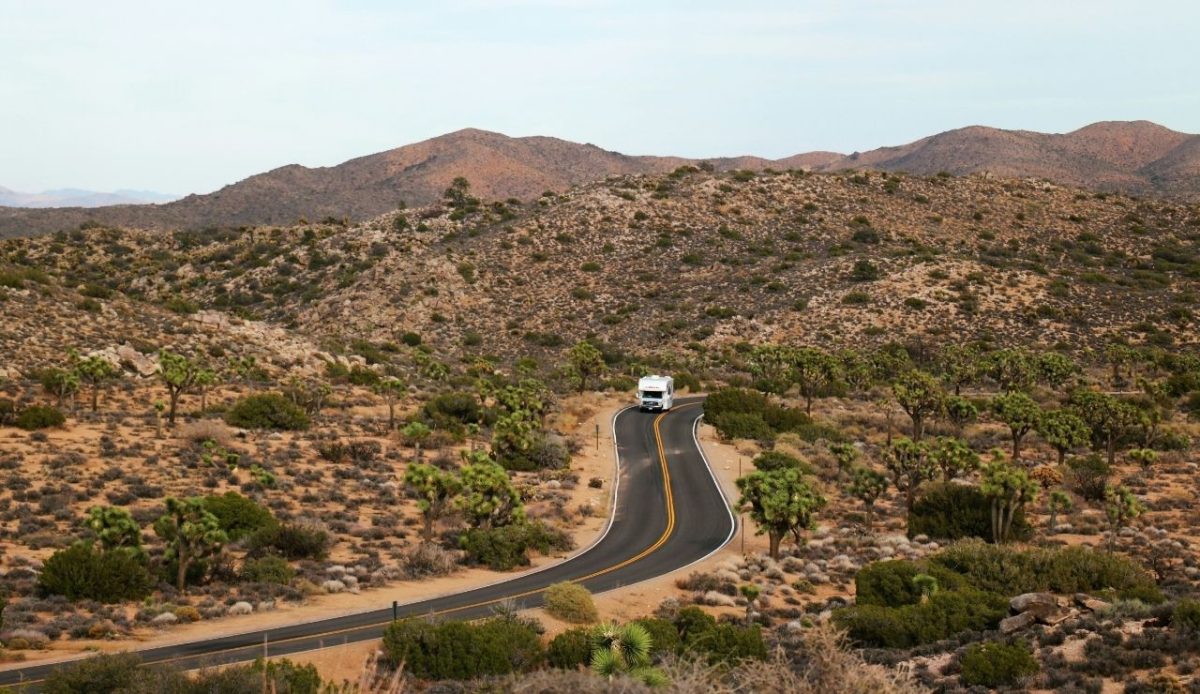
Joshua Tree National Park offers desert monzogranite with sharp edges, rounded domes, and thin cracks that demand accurate footwork. Many routes are short, yet protection can be sparse, so judgment on placements and calm movement are rewarded. Because temperatures swing widely, climbers plan around cool mornings, shade, and reliable water carriers. The park’s spread-out areas reduce crowding if you drive, and regulations on camping, chalk, and trail use aim to protect fragile desert soils. Bouldering is popular too, and wind can strip warmth fast, so layers and a headlamp are common items even on short days.
