
Cycling is part of everyday life in many European cities. For travelers, that means safe lanes, reliable bike rentals, and routes that connect historic centers with modern neighborhoods. Some cities are still expanding their networks while others already hold a reputation as global cycling leaders. Each has invested in infrastructure that makes riding safe for both locals and visitors. Many have reduced car traffic, creating streets where bicycles are given priority. This list ranks ten cities across Europe where riding a bike is not only practical but also one of the best ways to experience local life.
10. Seville, Spain
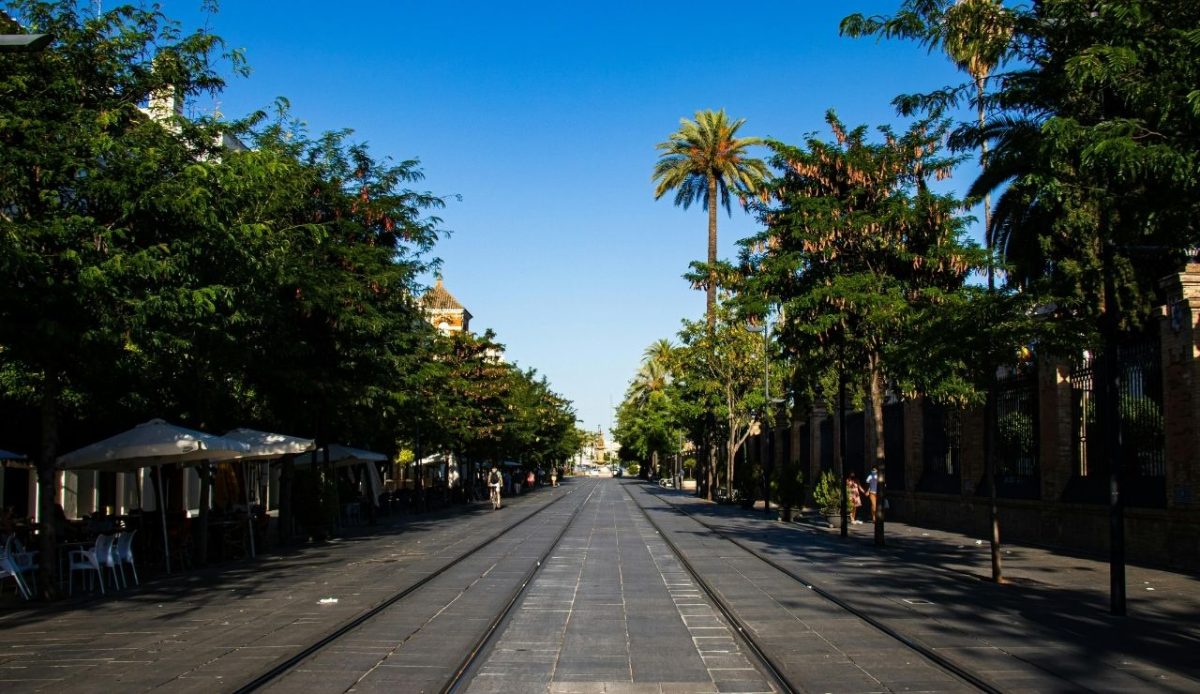
Seville is one of Europe’s most improved cycling cities. Urban mobility research shows bike usage grew tenfold after the city built over 100 kilometers of dedicated lanes between 2006 and 2013. The flat terrain and warm climate make it ideal for year-round riding, while the Sevici bike-sharing program gives visitors easy access to bikes. Cycling through Seville means passing by historic plazas, narrow alleys, and shaded boulevards lined with orange trees. The city has proven that determined policy can quickly reshape urban mobility, but compared with Europe’s cycling leaders, it still ranks lower. Travelers planning a southern European bike trip will find Seville accessible and enjoyable, though not yet at the same level as northern capitals.
9. Barcelona, Spain

Barcelona has steadily built a cycling culture supported by more than 200 kilometers of bike lanes and the Bicing bike-sharing system. The city’s superblocks, where cars are heavily restricted, create safer spaces for cyclists and pedestrians. A mild Mediterranean climate adds to the appeal, offering comfortable riding conditions throughout the year. Visitors can cycle through the Gothic Quarter, admire Gaudí’s architecture, and ride along the city’s beachfront. Despite progress, car traffic and inconsistent infrastructure remain challenges. According to municipal data, cycling continues to grow, but Barcelona still lags behind Europe’s most advanced cycling cities. For tourists, it provides a unique mix of culture and cycling access, though it is more a city in transition than a global leader.
8. Munich, Germany
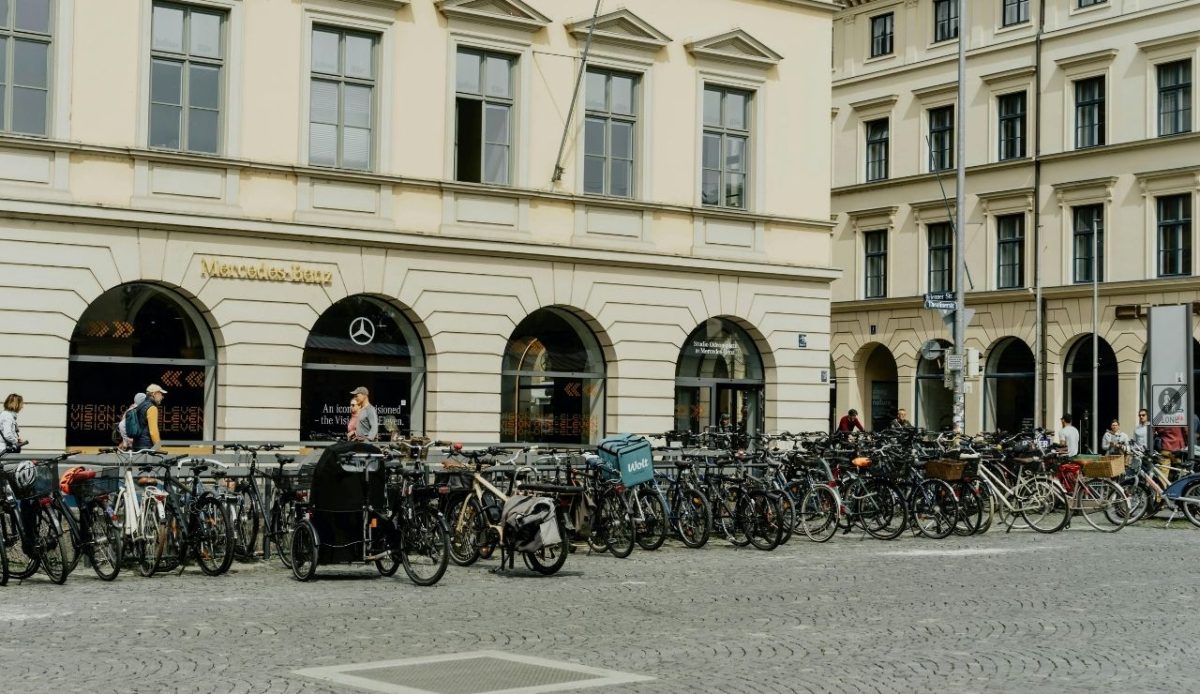
Munich blends German efficiency with a growing cycling network. City data shows that around 18 percent of daily trips are made by bike, supported by investments in wide boulevards, safer intersections, and regional bike highways. For visitors, popular rides include paths along the Isar River, routes through Tiergarten, and longer excursions into the Bavarian countryside dotted with beer gardens. Cycling here is practical for both sightseeing and commuting, and rental systems make it easy for travelers without their own bikes. While Munich offers more than many German cities, car traffic still dominates its transport system. The city continues to expand cycling infrastructure, but compared with the Netherlands or Denmark, its network remains less developed.
7. Strasbourg, France
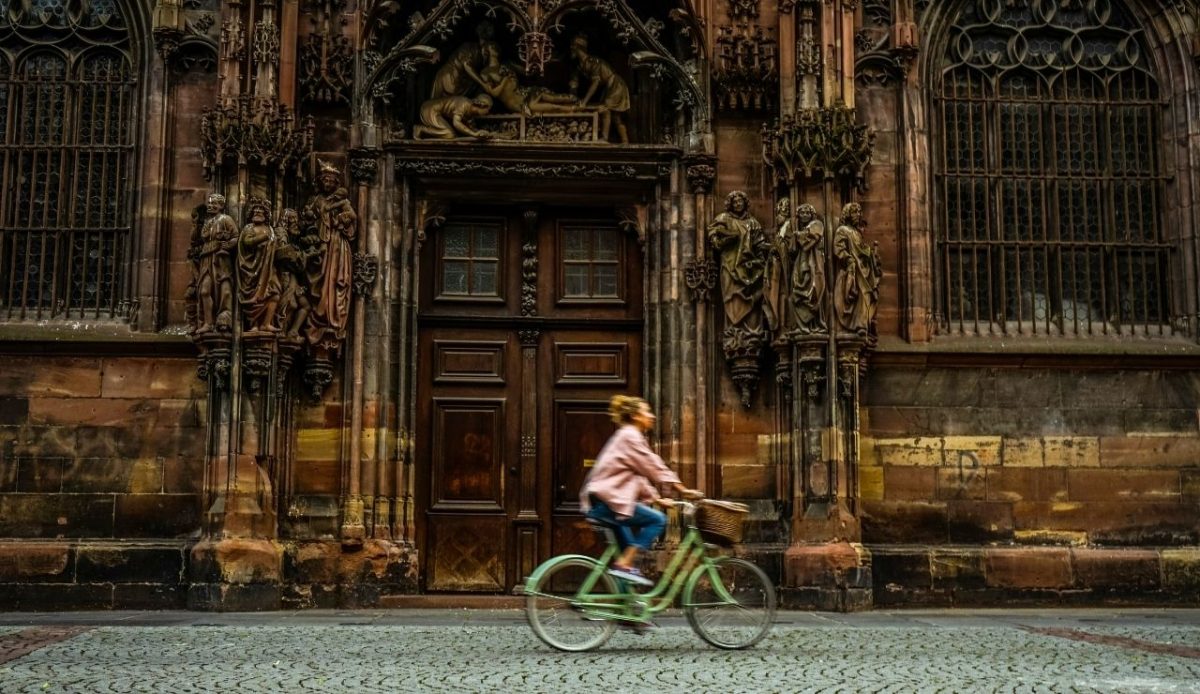
Strasbourg stands out as France’s premier cycling city, ranking consistently high in national mobility surveys. It maintains more than 600 kilometers of bike paths, many running along rivers and canals that provide both scenic and practical routes. The Vélhop bike-sharing system ensures visitors can easily get on two wheels. Travelers can cycle through the historic core, follow riverfront trails, or link to the Alsace Wine Route and the Rhine Cycle Route, both part of EuroVelo. Strasbourg has built a strong reputation, but its cycling share remains below northern European leaders. It is, however, the best option in France for tourists who want to experience a city where cycling is prioritized and integrated into everyday life.
6. Ghent, Belgium
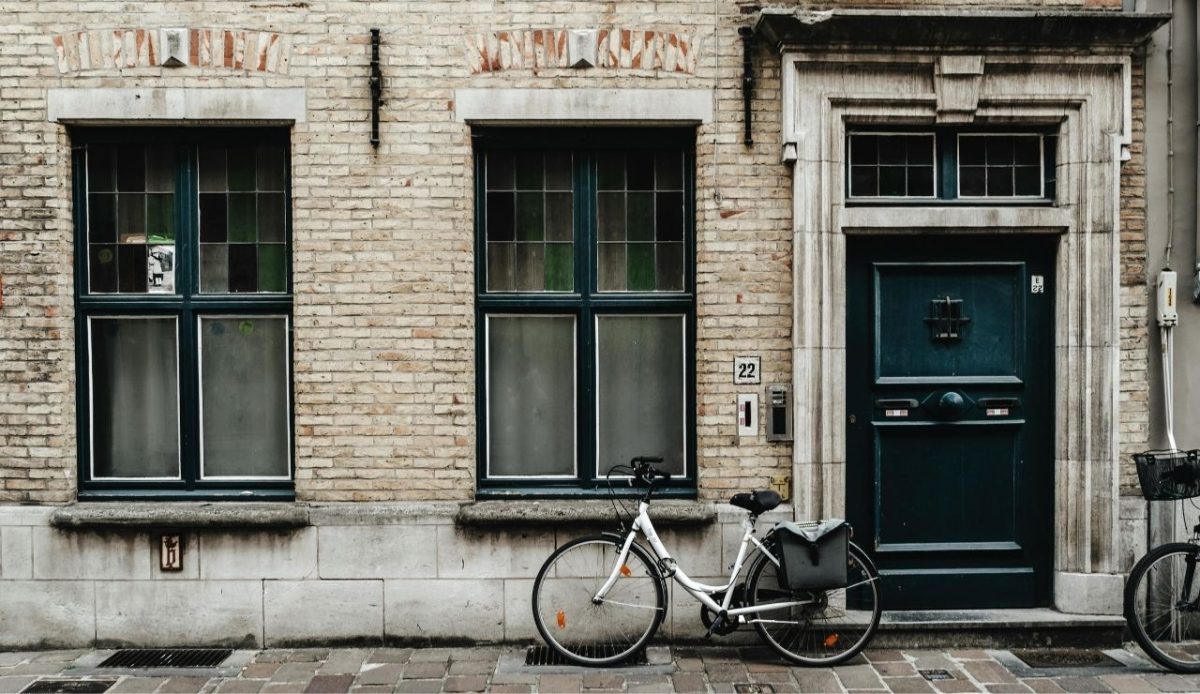
Ghent has transformed itself into a cycling-friendly city by limiting car access in its center. In 2017, a circulation plan reduced vehicle traffic in many areas, leading to a surge in cycling. Belgian transport authorities report that more than a third of trips in Ghent are now made by bike. The city offers a safe and compact environment, with separated cycle lanes and traffic-calmed streets. Visitors can enjoy rides through the medieval core filled with canals and historic architecture, while longer routes connect directly to the Flanders cycling network. Ghent proves that smart policy can create a major shift in urban transport. Although smaller than Europe’s icons, it delivers a high-quality cycling experience for both locals and visitors.
5. Malmö, Sweden
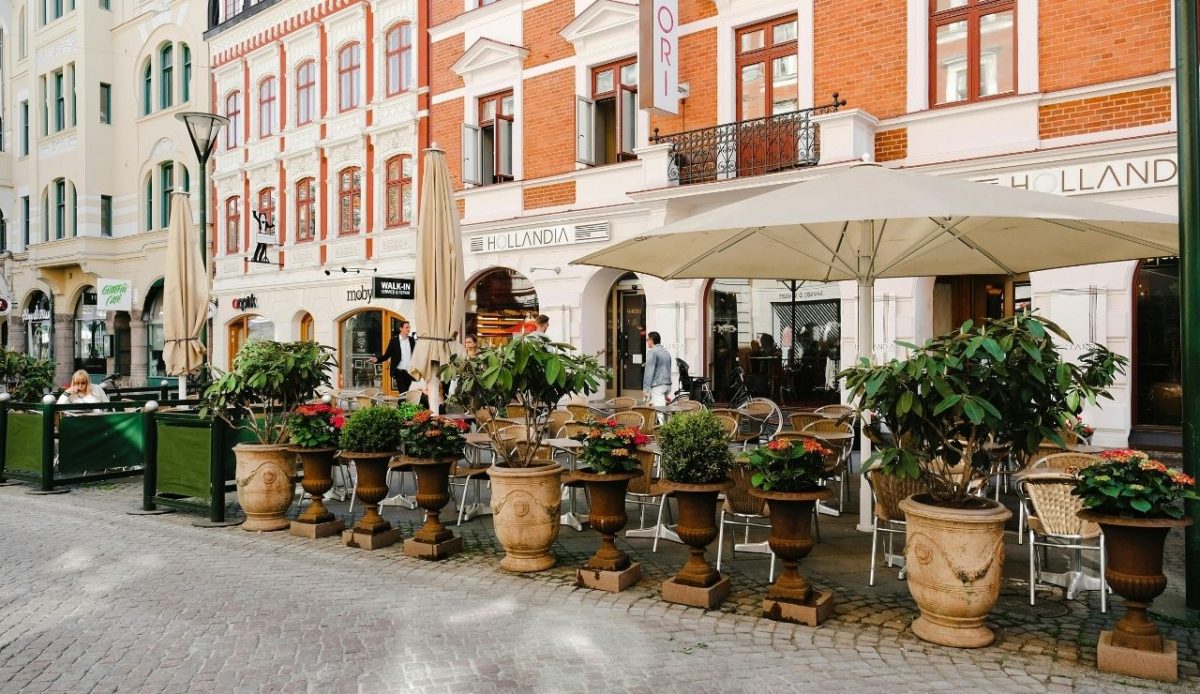
Malmö has become Sweden’s cycling capital, with nearly one-third of all trips made by bike according to city reports. Its network of over 500 kilometers of lanes includes many separated from vehicle traffic, ensuring safety for riders. The city also pioneered “bike streets,” where bicycles have priority and cars must yield. Visitors can enjoy scenic rides along the waterfront and through modern eco-friendly neighborhoods. Malmö is especially attractive because of its proximity to Copenhagen, connected by the Öresund Bridge, which allows travelers to experience two cycling capitals in one trip. With its flat terrain, bike-sharing stations, and commitment to sustainability, Malmö stands as one of northern Europe’s best destinations for cycling tourism.
4. Antwerp, Belgium
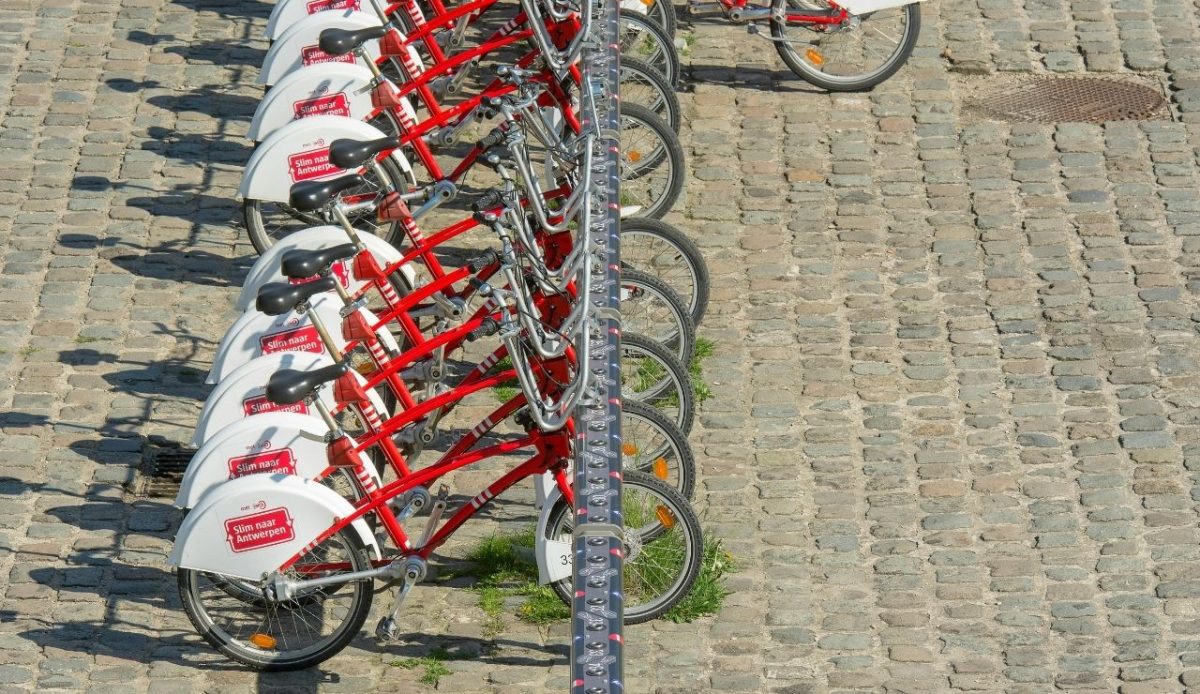
Antwerp consistently ranks among Europe’s best cycling cities. The Copenhagenize Index placed it fourth in 2019, recognizing its wide separated bike lanes, well-planned intersections, and regional bike highways that connect suburbs and nearby towns. Antwerp has also reduced car access in parts of its historic center, making cycling safer and more enjoyable. For travelers, routes include riverside paths, the medieval city center, and connections to longer-distance trails across Flanders. Antwerp benefits from Belgium’s strong cycling culture and plays a central role in the region’s network. While it cannot yet match the Netherlands or Denmark, Antwerp remains a leader in Europe and a must-visit for bike travelers looking for both culture and modern infrastructure.
3. Utrecht, Netherlands

Utrecht is often considered one of the best cycling cities in the world. According to the Copenhagenize Index, it ranked third globally in 2019, with more than half of all daily trips made by bike. The city boasts the world’s largest bicycle parking garage, accommodating over 12,000 bikes. Its infrastructure includes protected lanes, seamless intersections, and strong regional connections that link directly into the Dutch countryside. For visitors, Utrecht’s compact layout makes cycling the easiest way to explore its historic center, while long-distance routes extend outward to nearby cities. With a cycling culture deeply embedded in daily life, Utrecht offers one of the most authentic biking experiences in Europe, making it a top destination for cycling tourism.
2. Amsterdam, Netherlands
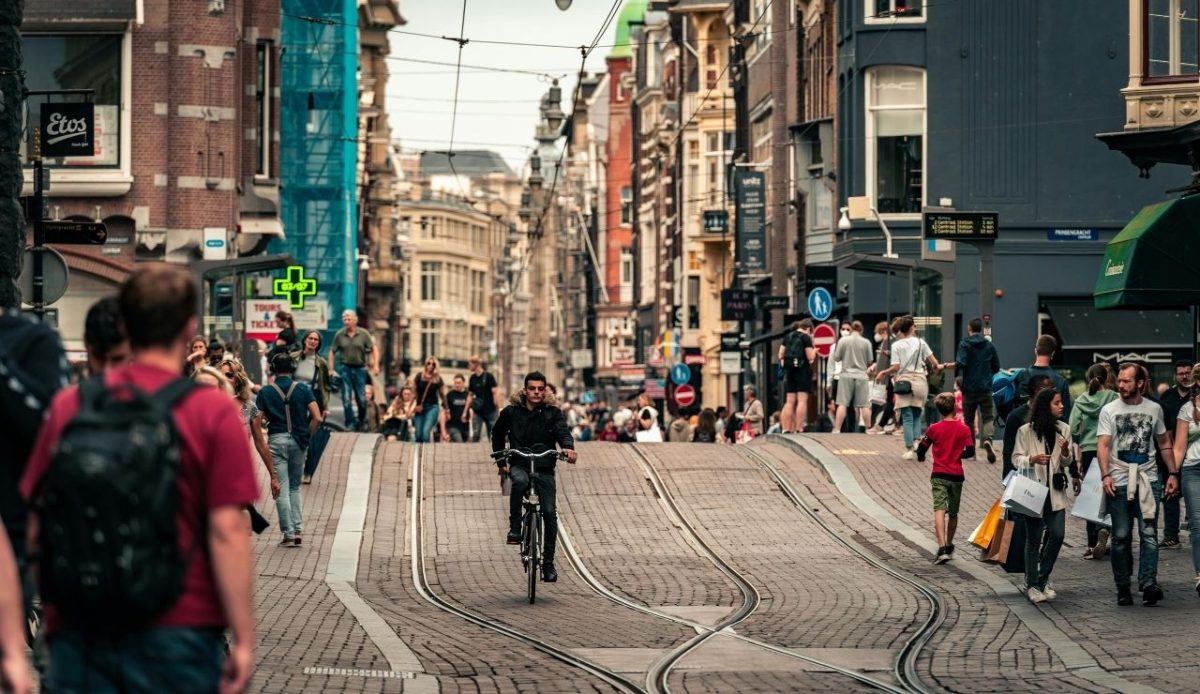
Amsterdam is the global icon of cycling culture. Surveys show that nearly one-third of all trips in the metropolitan area are made by bike, with much higher rates in the city center for short journeys. The Copenhagenize Index regularly places Amsterdam at or near the top for cycling infrastructure and usage. Visitors find extensive protected lanes, floating parking garages, and carefully designed intersections that prioritize safety. Cycling through Amsterdam provides scenic routes along canals, through lively neighborhoods, and outward to the countryside via the EuroVelo network. The city’s commitment to cycling-first policies ensures it remains central to urban planning. Amsterdam is one of the most enjoyable and efficient cities in the world for exploring on two wheels.
1. Copenhagen, Denmark
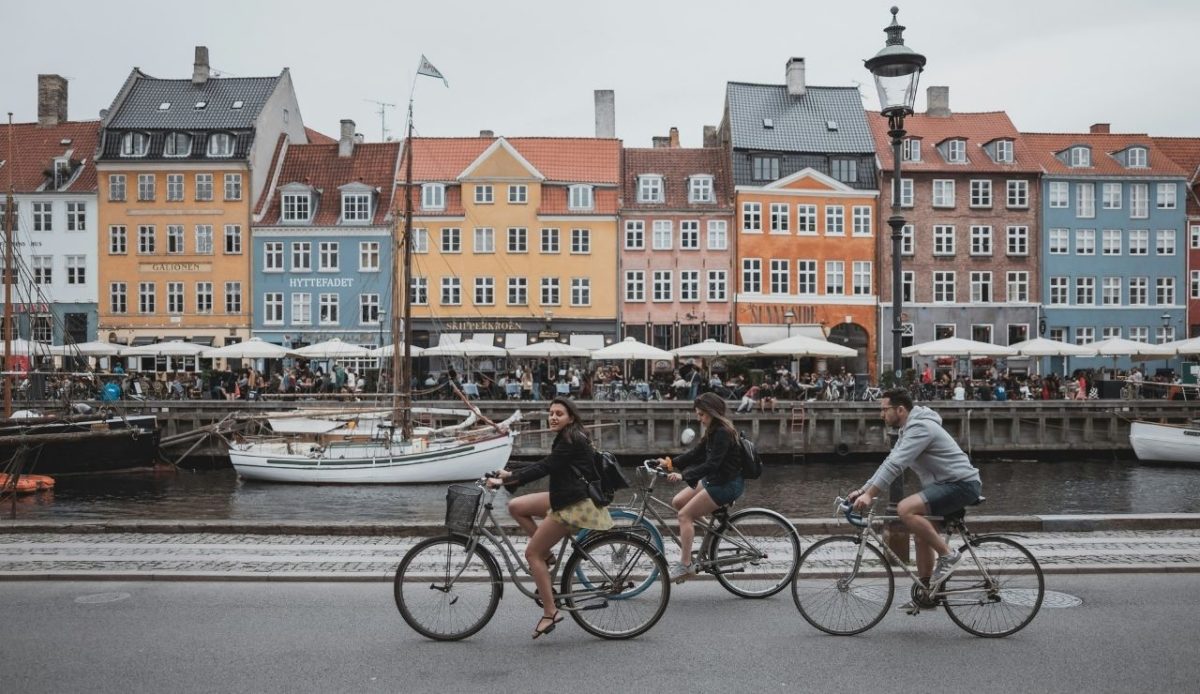
Copenhagen consistently ranks as the world’s best cycling city. The Copenhagenize Index awarded it first place in 2019 with a score above 90 percent. Around 62 percent of residents commute by bike, covering more than a million kilometers daily. The city offers more than 350 kilometers of protected cycle tracks, bridges built exclusively for bicycles, and “green wave” traffic lights that reduce stops during rush hour. Its cycling superhighways connect surrounding suburbs to the city center, making it easy for riders of all levels to travel safely. For visitors, Copenhagen provides one of the smoothest, safest, and most scenic cycling experiences in Europe. Its blend of infrastructure, policy, and culture makes it the ultimate destination for a European bike trip.
