
When planning international trips, travelers often think first of well-known destinations like Paris, Rome, or London. Yet beyond these large capitals are countries so small you could cross them in a single day, but they leave impressions just as strong as their bigger neighbors. These compact nations offer concentrated experiences: medieval fortresses, white-sand beaches, vibrant festivals, and cultural traditions that have endured for centuries. Their small scale makes them easier to explore without rushing, giving visitors time to enjoy the details. Whether high in the mountains, on scattered islands, or within the walls of a city-state, these countries prove that size has little to do with how memorable a journey can be.
1. Monaco – Glamour on the French Riviera
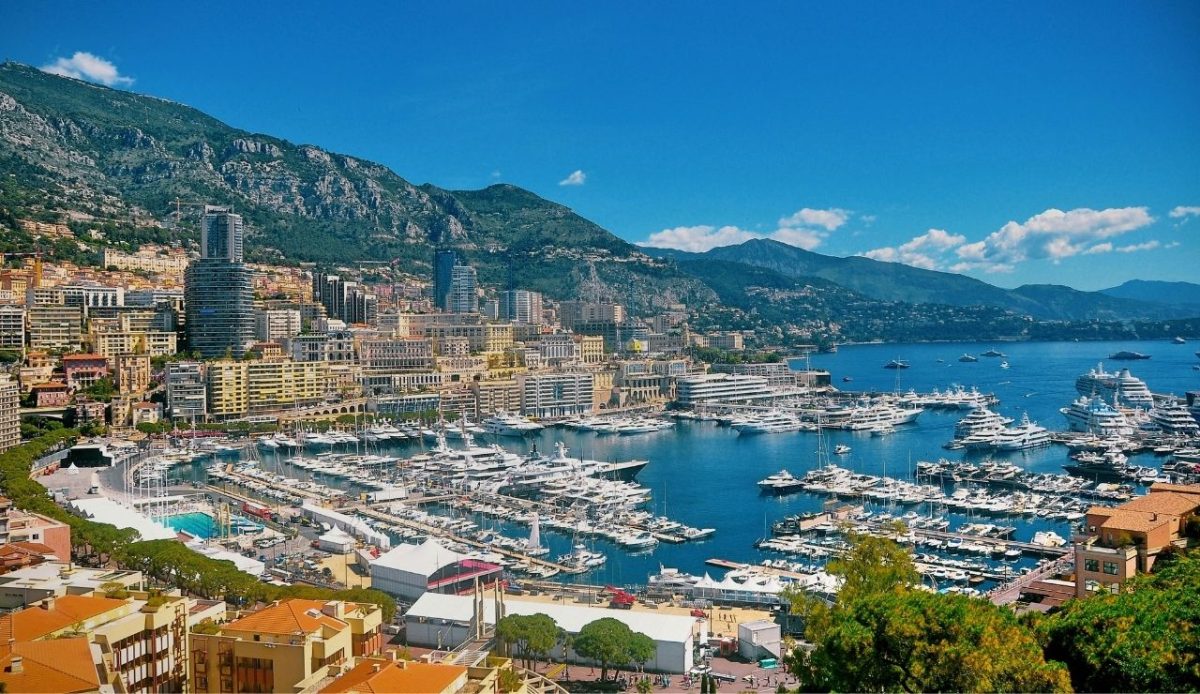
Monaco covers less than a square mile, but it is one of the world’s most famous places. The principality draws attention with luxury yachts, grand casinos, and the renowned Grand Prix. Visitors can tour the royal palace, enjoy waterfront gardens, or watch the harbor’s lively scene. Away from the glamour, peaceful corners invite quiet walks with Mediterranean views. Its blend of wealth, heritage, and coastal scenery gives Monaco a distinctive charm. For such a tiny place, it manages to deliver an atmosphere of elegance that stays with travelers long after their visit.
2. San Marino – A Fortress Republic in Italy
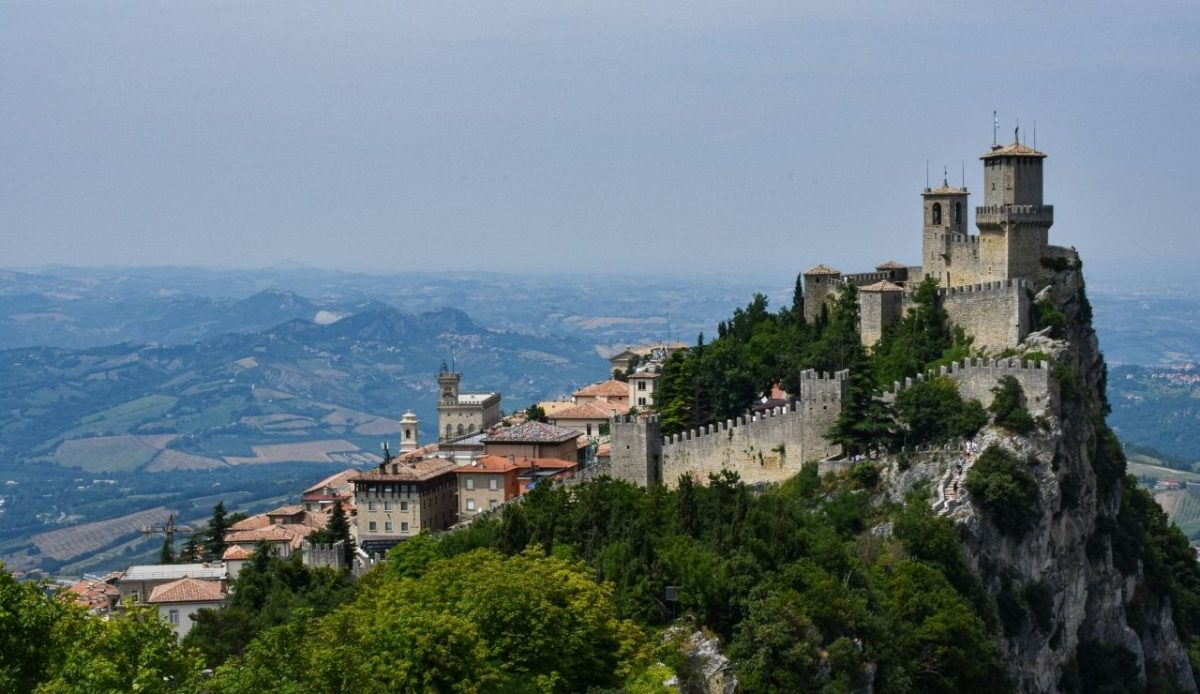
San Marino is located high in the Apennine Mountains and is among the oldest republics still in existence. Stone towers rise above medieval walls, forming a skyline that appears untouched by modern times. Narrow streets lead visitors to museums, small shops, and panoramic viewpoints. Exploring the historic center reveals a community that has protected its independence for centuries. Although the territory is compact, the sense of identity feels strong. San Marino stands as a reminder that determination can preserve tradition and self-rule even in the shadow of much larger neighbors.
3. Liechtenstein – Alpine Views and Castles
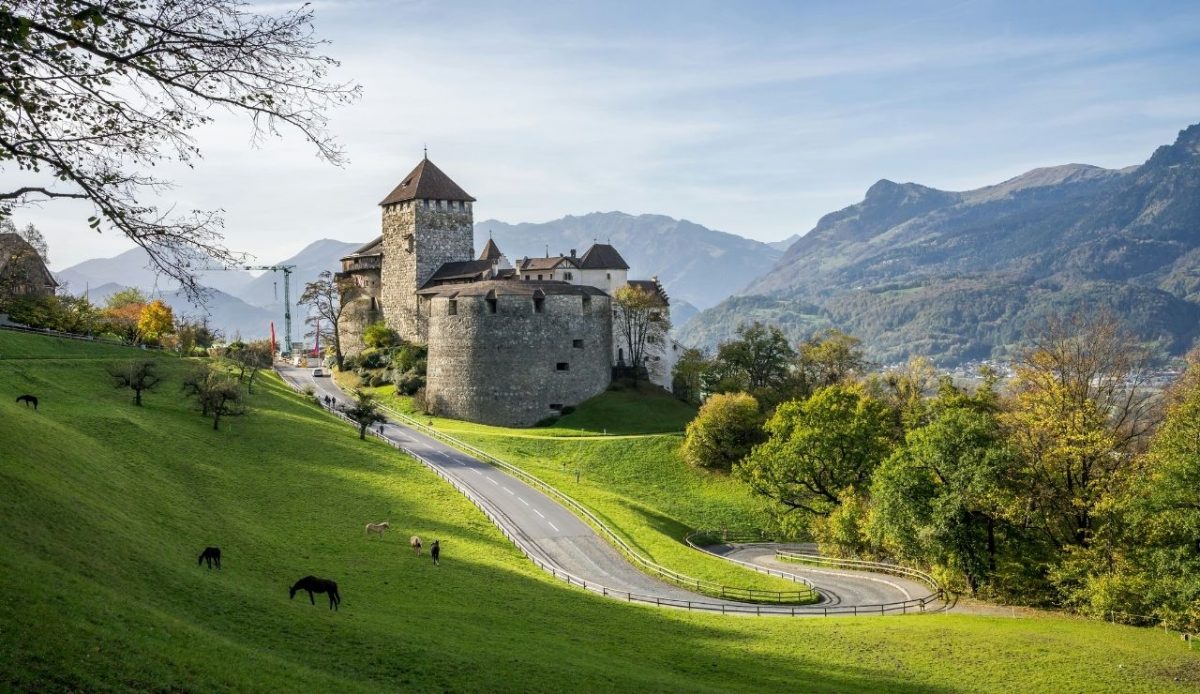
Liechtenstein is positioned between Switzerland and Austria, where mountains frame a landscape dotted with castles and villages. Vaduz, the capital, is watched over by a royal residence that still serves as the home of the princely family. Travelers find colorful houses, alpine trails, and winter ski slopes within easy reach. The country has built a reputation for stability and community spirit despite its size. Visitors describe it as a place that feels timeless yet alive, where history and daily life exist side by side. Liechtenstein shows how a small nation can still feel complete.
4. Andorra – Mountain Charm Between Spain and France
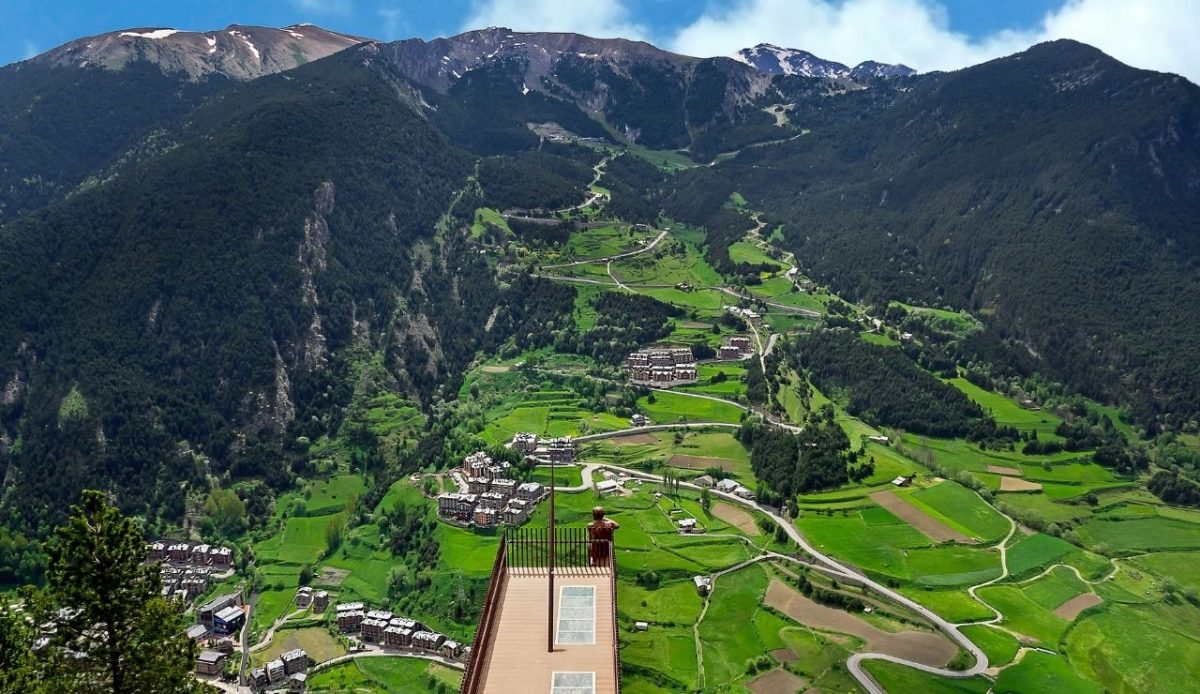
Andorra is located in the Pyrenees, attracting travelers with its mountain scenery and lively capital. Andorra la Vella blends modern shops with historic stone buildings, creating a mix of old and new. In winter, ski resorts draw visitors from across Europe, while summer reveals alpine meadows, lakes, and trails that connect small villages. The compact size allows travelers to see much of the country in just a few days, yet its landscapes and culture encourage a longer stay. Andorra combines outdoor adventure with cultural character, offering more variety than its borders might suggest.
5. Malta – Ancient Temples and Mediterranean Life
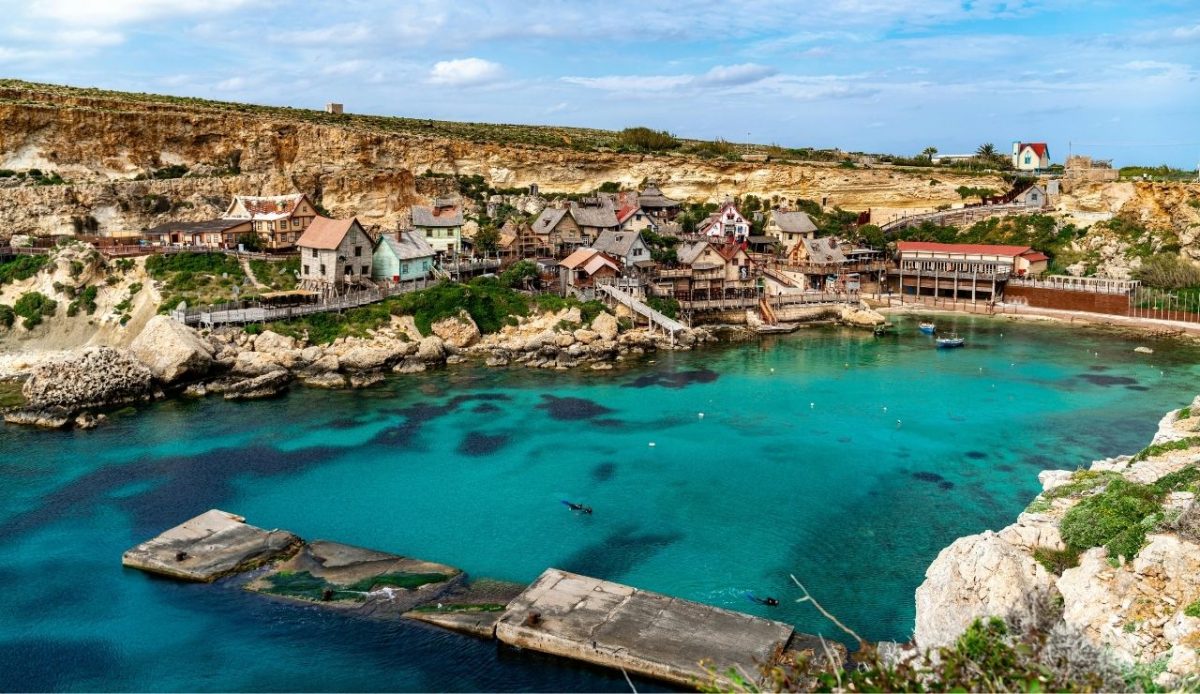
Malta is located in the heart of the Mediterranean, where traces of ancient civilizations stand beside vibrant island culture. Valletta, the capital, is filled with baroque buildings and narrow streets that reflect its long history. Offshore, the islands of Gozo and Comino provide a slower pace of life. Malta’s prehistoric temples are among the oldest stone monuments in the world and give travelers a glimpse into early human society. Harbors, cliffs, and sandy beaches add balance to the cultural experience. Compact in area yet rich in stories, Malta is a nation that rewards every step.
6. Luxembourg – Small but Strong in Culture
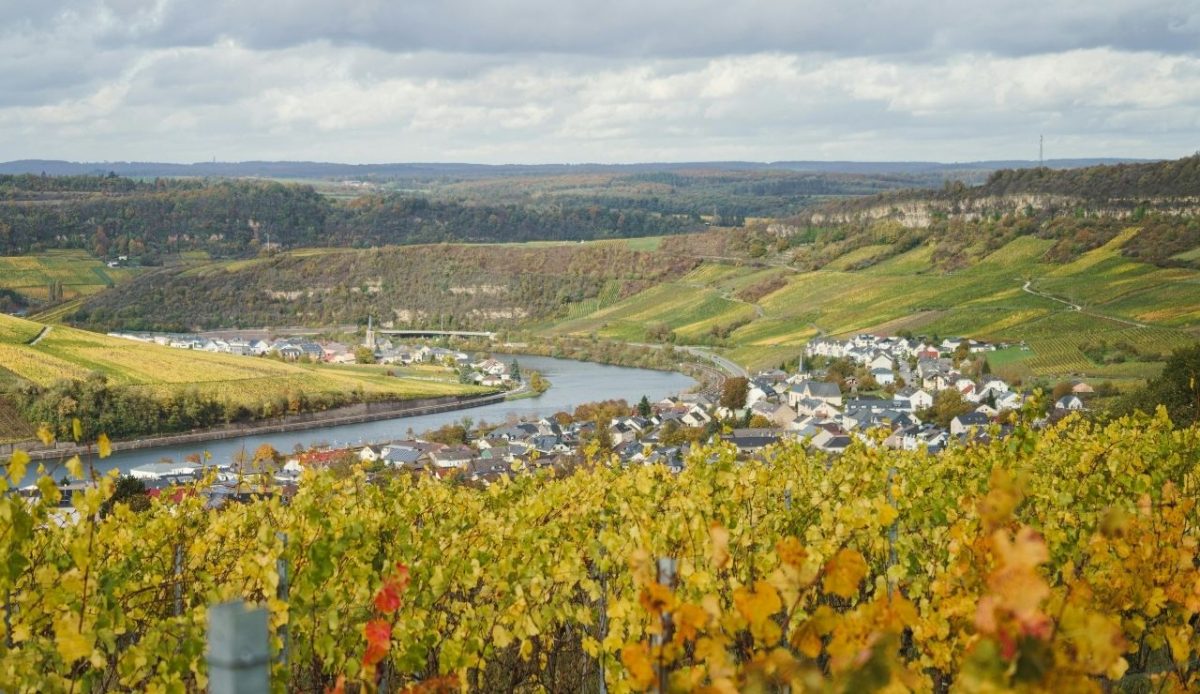
Luxembourg combines a strategic past with modern vitality. Luxembourg City was once one of Europe’s strongest fortresses, built on dramatic cliffs and ringed with defenses. Today, visitors walk through historic quarters, lively squares, and museums that highlight the nation’s heritage. Beyond the capital, valleys and rivers wind through green countryside where castles still guard hilltops. Hiking paths lead into the Ardennes, offering quiet views and a slower rhythm. The mix of history, nature, and civic pride makes Luxembourg feel larger than its borders. Travelers discover a country that has long held an important role in Europe.
7. Vatican City – The Heart of Catholicism
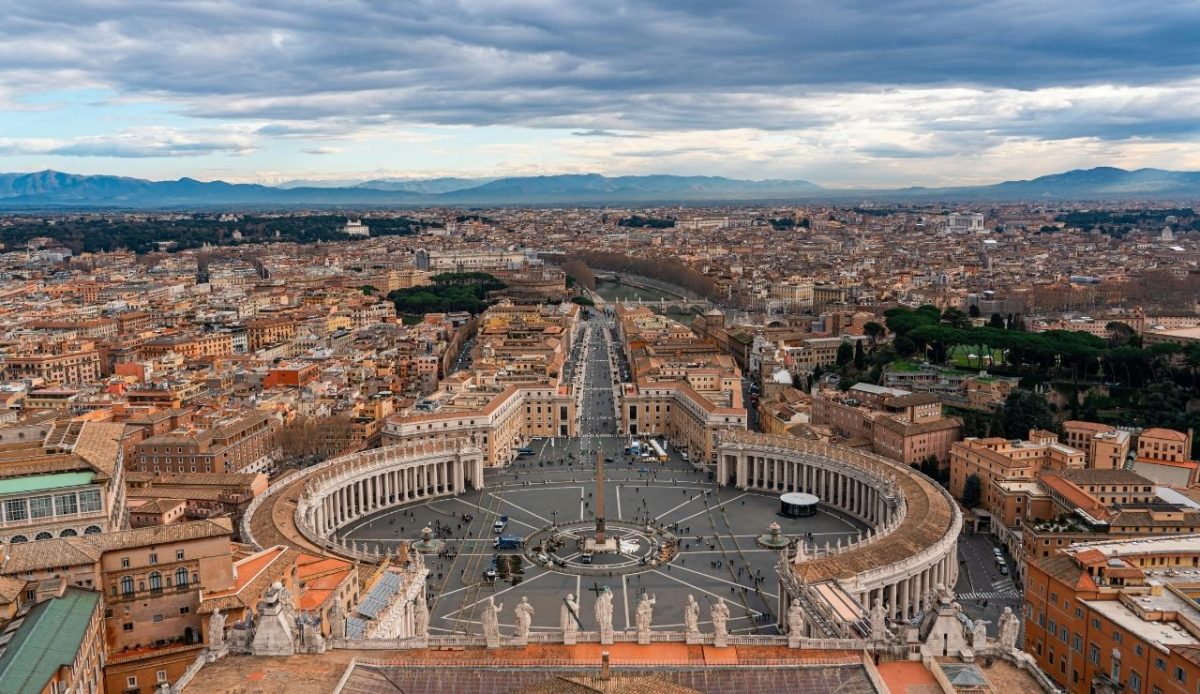
Vatican City is the smallest country in the world, yet it holds unmatched influence. Within its walls stand St. Peter’s Basilica, the Sistine Chapel, and the vast collections of the Vatican Museums. Pilgrims and travelers gather in St. Peter’s Square to share traditions that have endured for centuries. Art and history appear at every turn, from Michelangelo’s frescoes to rare manuscripts housed in the library. Walking across the entire state takes only minutes, but the weight of its meaning stretches far beyond. Vatican City shows how cultural and spiritual impact can come from the tiniest of places.
8. Singapore – A Modern City-State with Tradition
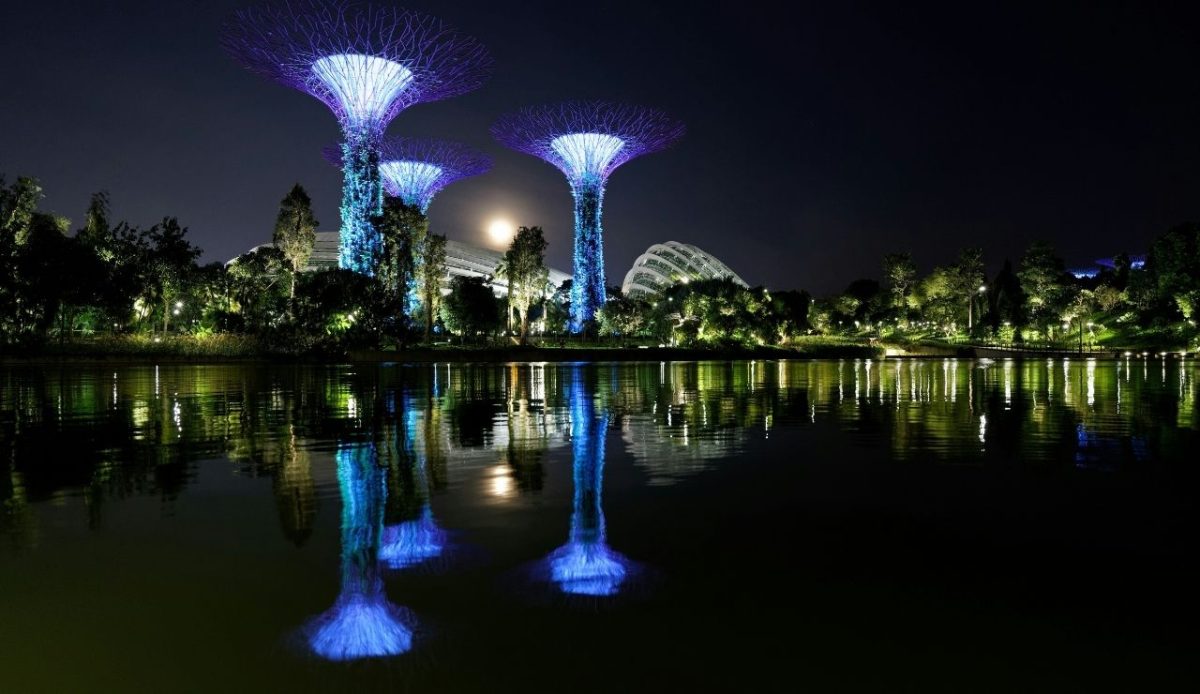
Singapore is both a nation and a city, shaped by trade, migration, and innovation. Its skyline glitters with towers, yet neighborhoods such as Chinatown and Little India highlight centuries of heritage. Gardens by the Bay introduces futuristic design, while hawker centers bring together flavors from across Asia. Visitors can explore temples, shop in Orchard Road’s malls, or relax in urban parks that soften the city’s edges. Safety, efficiency, and cultural variety make travel easy and rewarding. For many, Singapore offers a clear example of how modern progress and tradition can thrive side by side.
9. Bahrain – Islands of History and Pearls
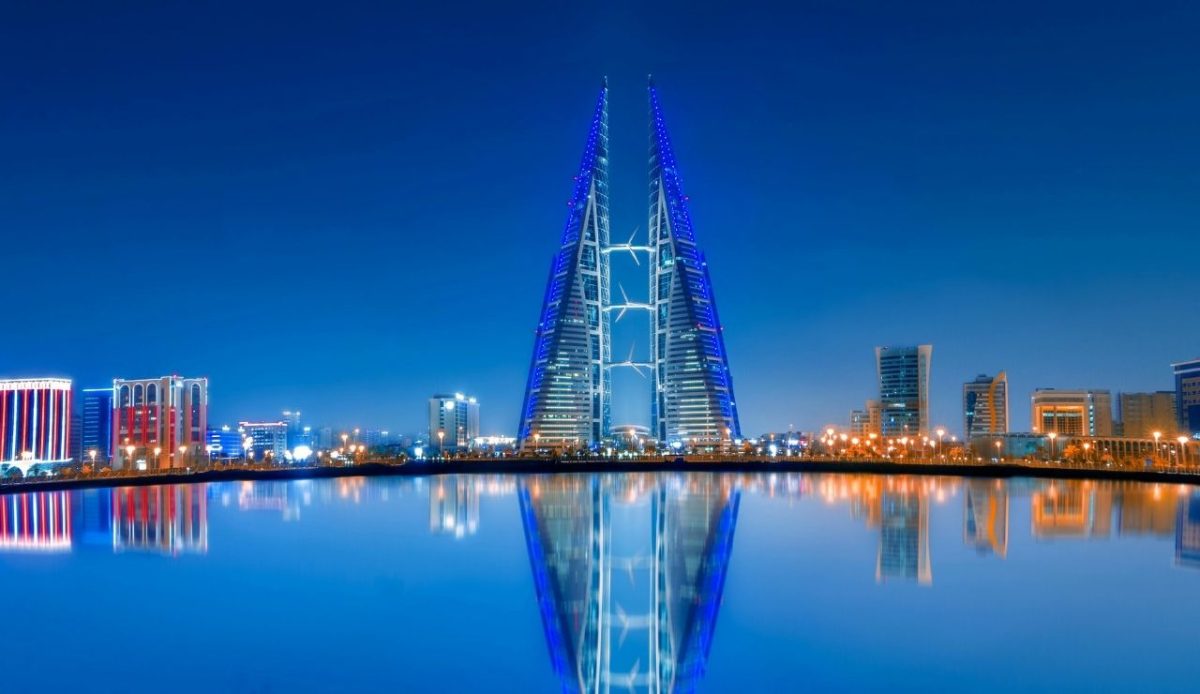
Bahrain is a group of islands in the Persian Gulf known for its heritage and trade. Archaeological sites such as Bahrain Fort reveal the remains of early civilizations, while cultural centers explain the nation’s long pearl-diving history. Manama, the capital, combines old souks with modern malls, showing contrasts that shape daily life. Travelers can drive from desert dunes to beaches in a single day. The scale is small, but the variety is wide, offering both relaxation and discovery. Bahrain welcomes visitors with a mix of modern development and a history that stretches back thousands of years.
10. Brunei – Rainforests and Royal Palaces
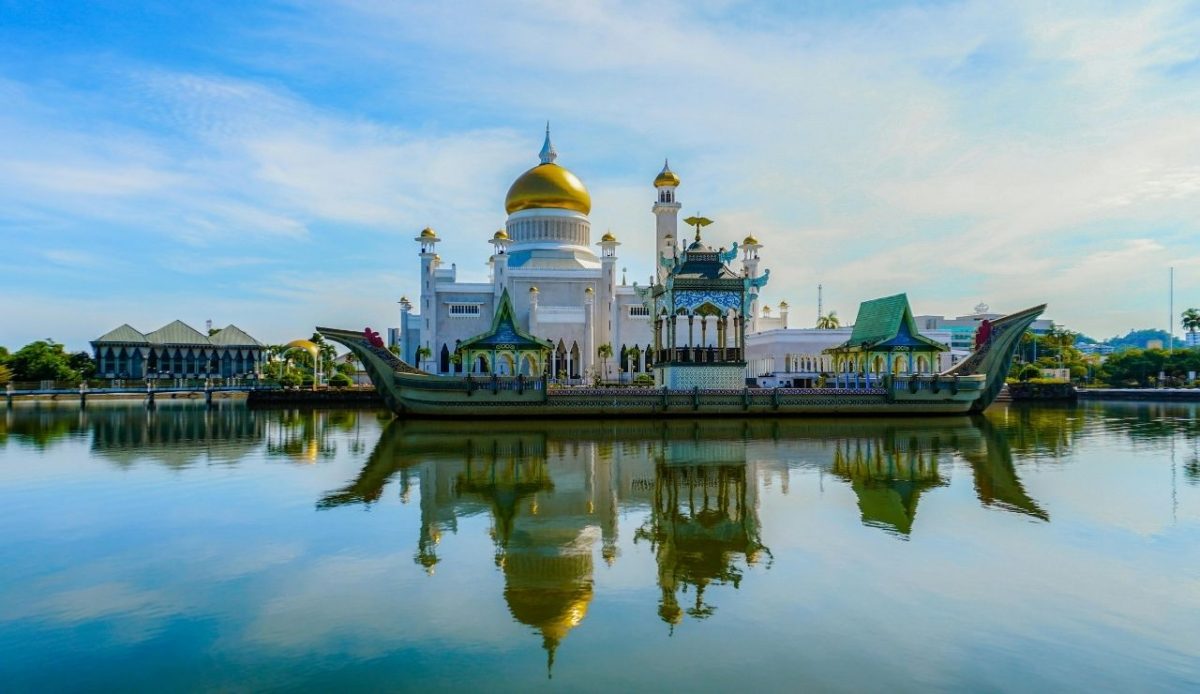
Brunei is found on the island of Borneo, where royal landmarks stand beside untouched forests. The Sultan Omar Ali Saifuddien Mosque, with its golden domes and reflective lagoon, is one of the country’s most striking sights. Travelers can venture into Ulu Temburong National Park to experience dense rainforest from canopy bridges or river boats. Villages along waterways maintain traditional ways of life that continue in the modern era. Wildlife, including proboscis monkeys, thrives in these green spaces. Brunei shows how culture, faith, and nature can remain closely linked even within the borders of a small state.
