
Air travel has changed dramatically over the past decade, and many economy passengers may not notice what’s missing until they board. Airlines have quietly reduced amenities, streamlined services, and adjusted seating to maximize efficiency and revenue. From smaller snacks to fewer comfort features, these subtle cuts impact the overall travel experience and can leave travelers feeling less pampered than in years past. Understanding what’s no longer included helps travelers manage expectations, plan, and avoid frustration. Here are 10 things airlines have quietly eliminated from economy class without much fanfare.
1. Complimentary Meals on Short Flights
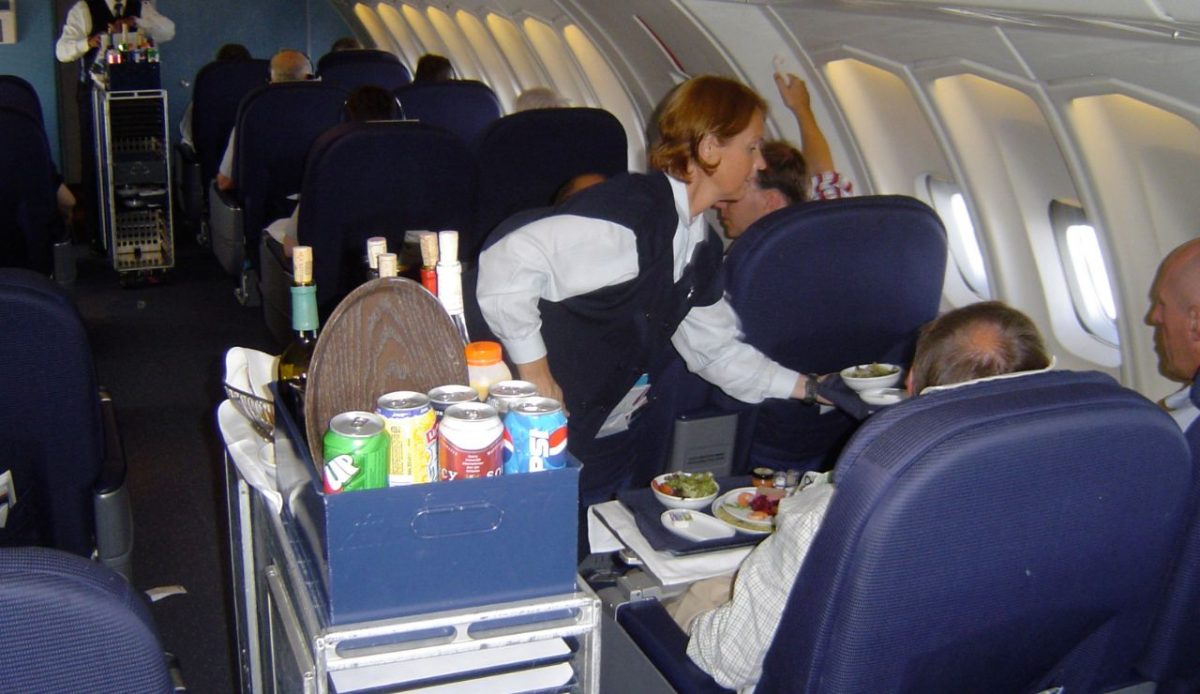
Many airlines used to provide free meals on domestic or regional flights, but most now offer only snacks or nothing at all. Passengers may find themselves paying extra for sandwiches or boxed meals that were once standard, and the options may be limited or lower quality. The change reflects cost-cutting measures and increased competition from low-cost carriers. Travelers now need to plan, bringing their own food if desired. The reduction in complimentary meals has subtly shifted expectations, making what was once a basic part of flying a paid option, and highlighting the need for careful preparation before boarding.
2. Free Checked Bags
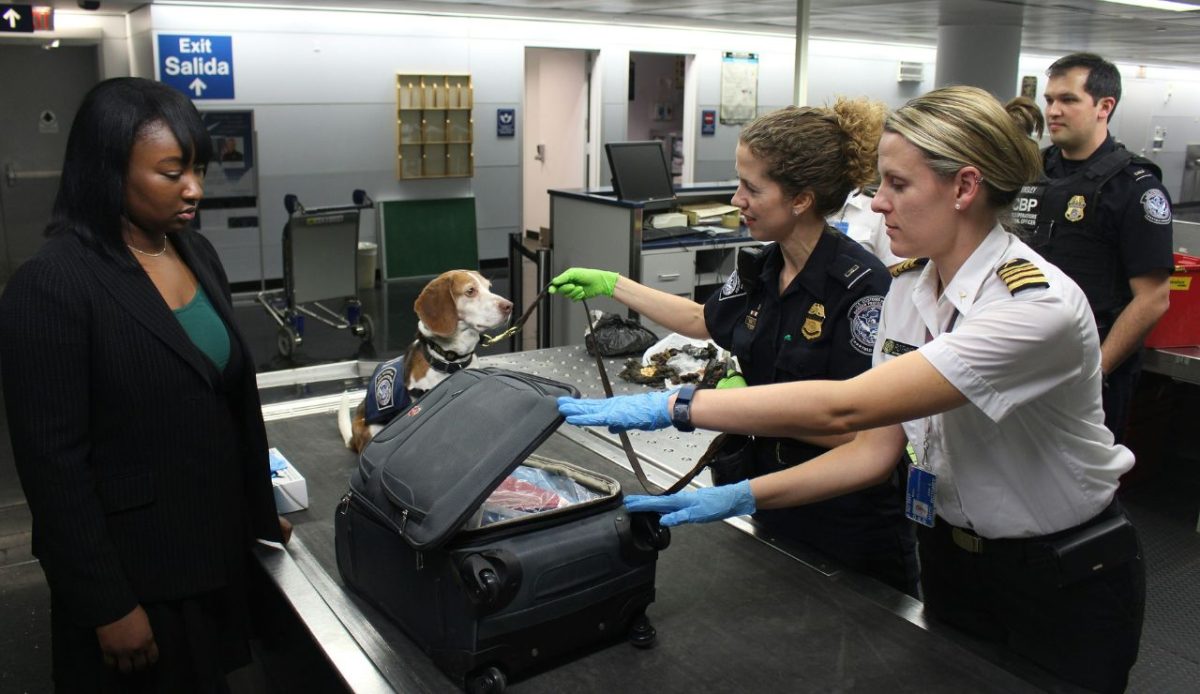
Free checked luggage is becoming a rare perk, even on major carriers. Many airlines now charge for the first checked bag, especially on domestic and short-haul flights. Passengers accustomed to packing freely must adjust to tighter carry-on limits or additional fees. This policy shift encourages travelers to pack lighter and forces those with heavier luggage to incur extra costs. Understanding luggage fees before booking helps avoid surprises at the airport. The elimination of free checked bags reflects airlines’ focus on revenue management and operational efficiency, fundamentally changing how economy travelers plan their trips.
3. Complimentary Drinks
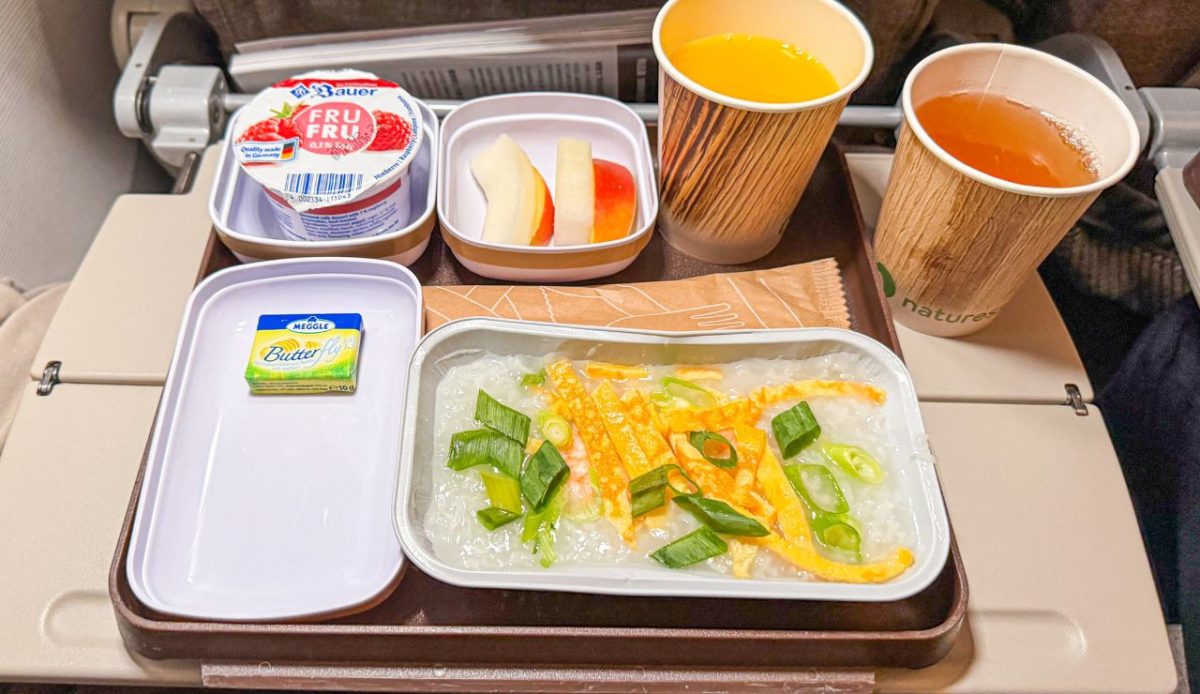
Water, soda, and other beverages were once standard in economy class, but many airlines now restrict free drinks or offer only water. Soft drinks, juices, and alcohol often require purchase, even on flights that previously included them. This subtle change can catch travelers off guard, especially on longer journeys. Paying for beverages has become an added expense, and passengers must bring their own drinks or budget for in-flight purchases. Airlines implement these cuts to reduce costs, but it slightly diminishes the sense of service and convenience that was once a hallmark of economy travel.
4. Newspapers and Magazines
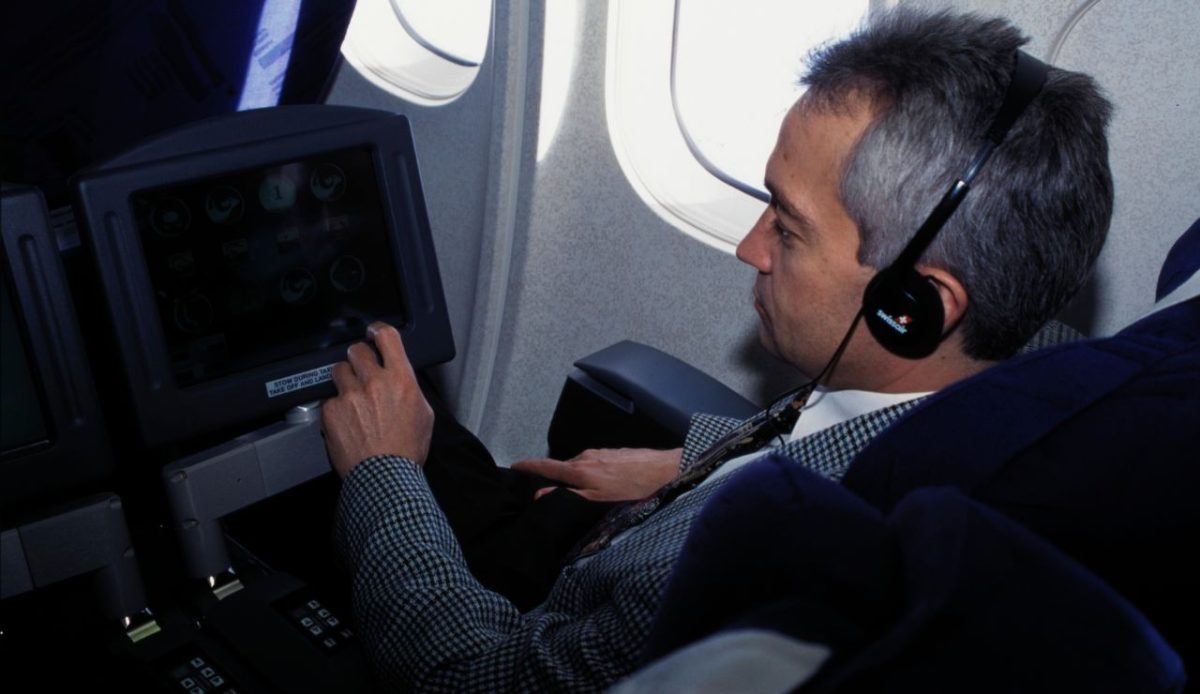
Printed reading materials used to be a staple of economy cabins, providing entertainment during flights. Many airlines have eliminated complimentary newspapers and magazines, shifting toward digital options or in-flight entertainment screens. Passengers who prefer physical copies may feel the difference, particularly on short flights without seatback screens. The change encourages travelers to bring their own reading material or download content before departure. Removing printed media reflects cost savings and a shift to digital engagement, subtly altering how economy passengers experience downtime in the air.
5. Larger Seat Pitch and Extra Legroom
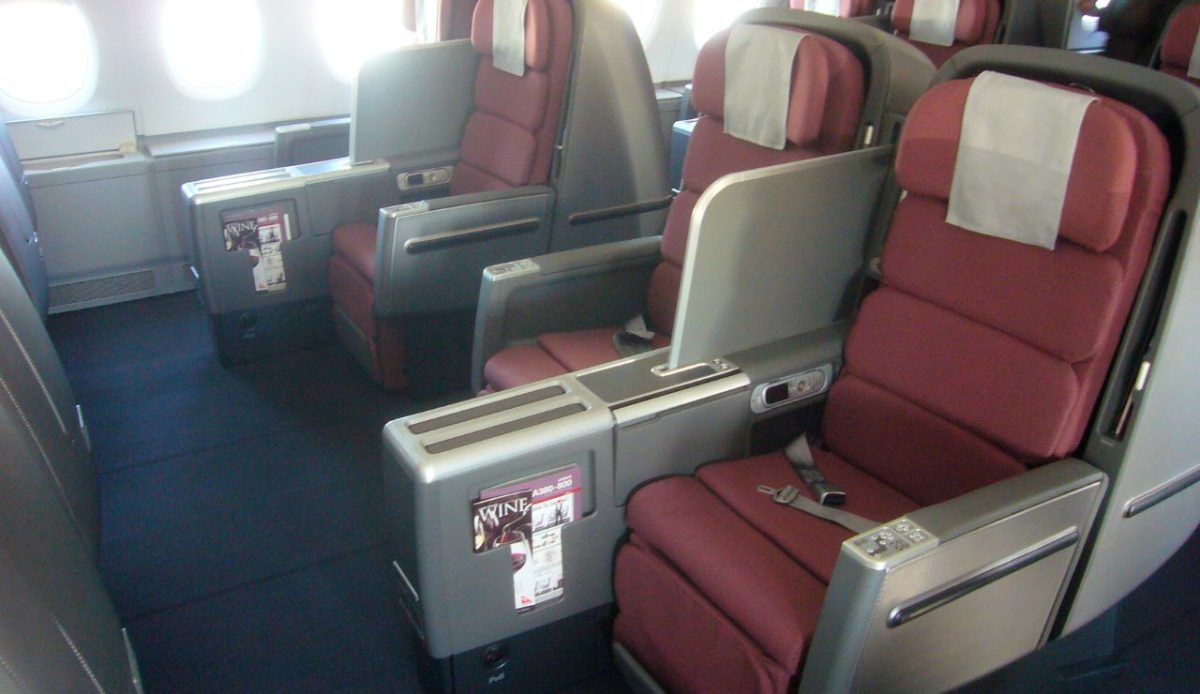
Airlines have subtly reduced seat pitch and eliminated free extra legroom for many economy travelers. Seats feel narrower, and leg space is more constrained, especially in the back of the cabin. Older passengers or taller travelers may find flights uncomfortable. Paying for preferred seating or “extra legroom” options is now standard. The subtle reduction in comfort may go unnoticed on short flights but accumulates during longer journeys. This cost-saving measure prioritizes revenue per square foot over passenger comfort, changing the physical experience of economy class travel in small but significant ways.
6. In-Flight Entertainment Screens
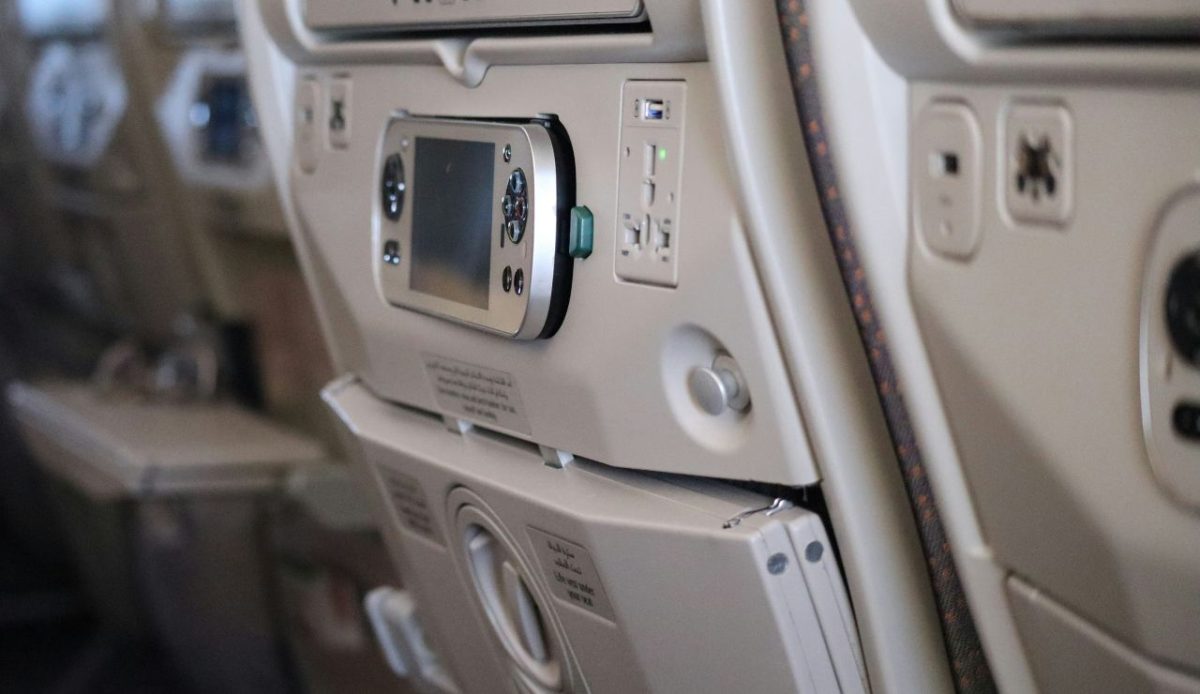
Many carriers have removed individual seatback screens in economy cabins, especially on domestic or short-haul flights. Travelers now rely on personal devices or overhead screens for entertainment. While streaming services and Wi-Fi help, limited connectivity and battery life can restrict options. The removal of screens reflects cost-cutting and weight-saving measures, reducing operational expenses. Passengers accustomed to built-in entertainment may need to download movies, shows, or games ahead of time. This quiet cut changes the way passengers experience long flights, requiring more self-preparation to stay entertained.
7. Complimentary Headphones
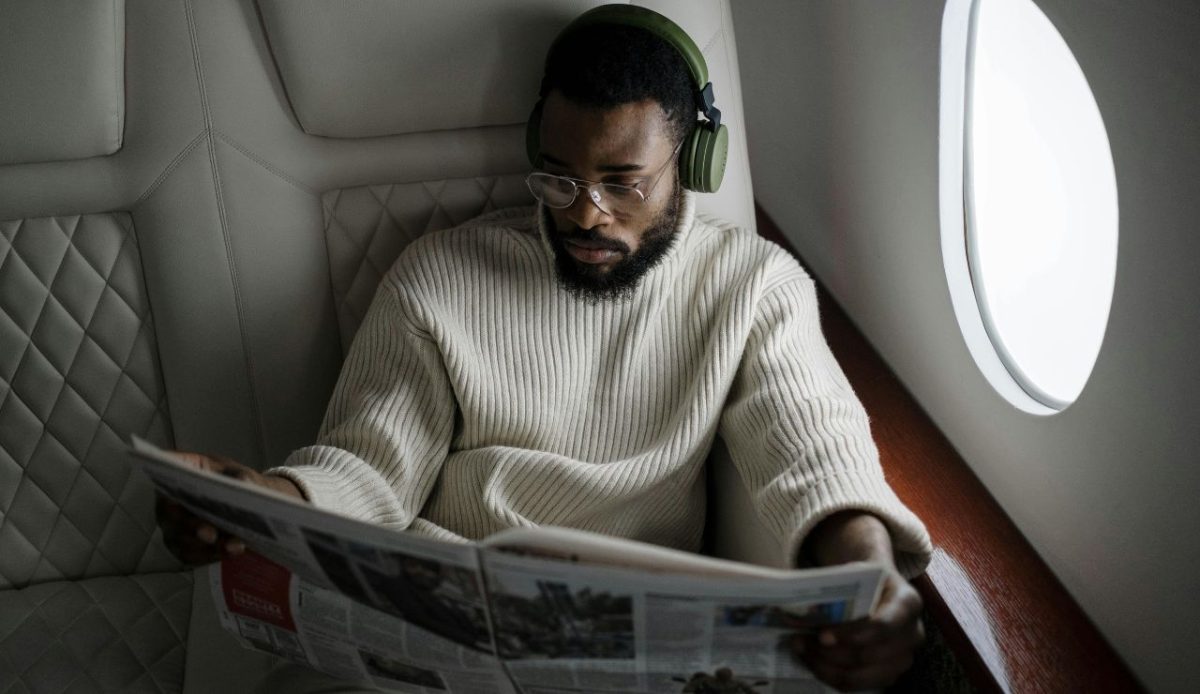
Free headphones were once a given for in-flight entertainment, but many airlines now charge for them or provide only low-quality alternatives. Travelers relying on seatback screens may need to bring their own headphones for comfort and audio quality. This small cut highlights airlines’ efforts to reduce costs, save weight, and encourage passengers to bring personal devices. While headphones may seem minor, their absence can significantly affect entertainment enjoyment and overall flight experience. Economy passengers now need to plan for audio needs, adding an extra step to pre-flight preparations.
8. Amenity Kits
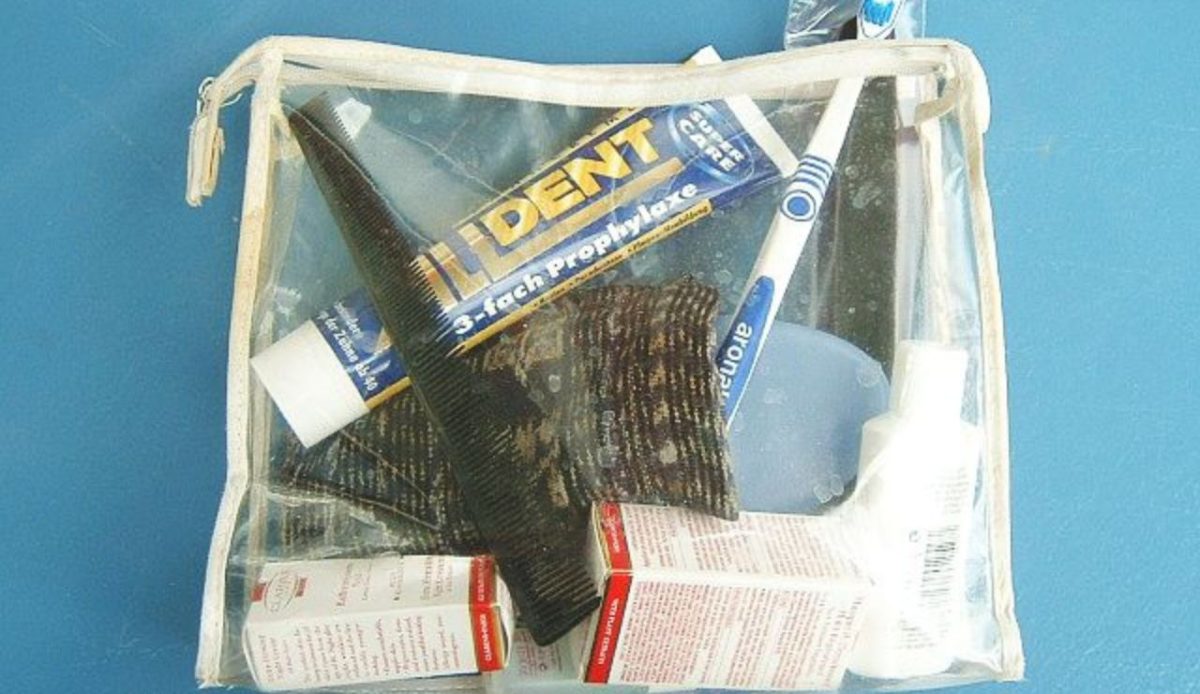
Economy-class amenity kits, which once included items like socks, eye masks, and toiletries, have largely disappeared. Airlines reserve such extras for premium cabins or long-haul flights. Passengers now need to carry their own comfort items, from travel pillows to sanitizing wipes. The elimination of amenity kits reduces perceived luxury but reflects a focus on operational efficiency. Older travelers or those on long flights may particularly notice the absence. Bringing personal comfort items ensures a more pleasant journey, mitigating the impact of airlines quietly removing these small conveniences from economy travel.
9. Free Alcohol on International Flights
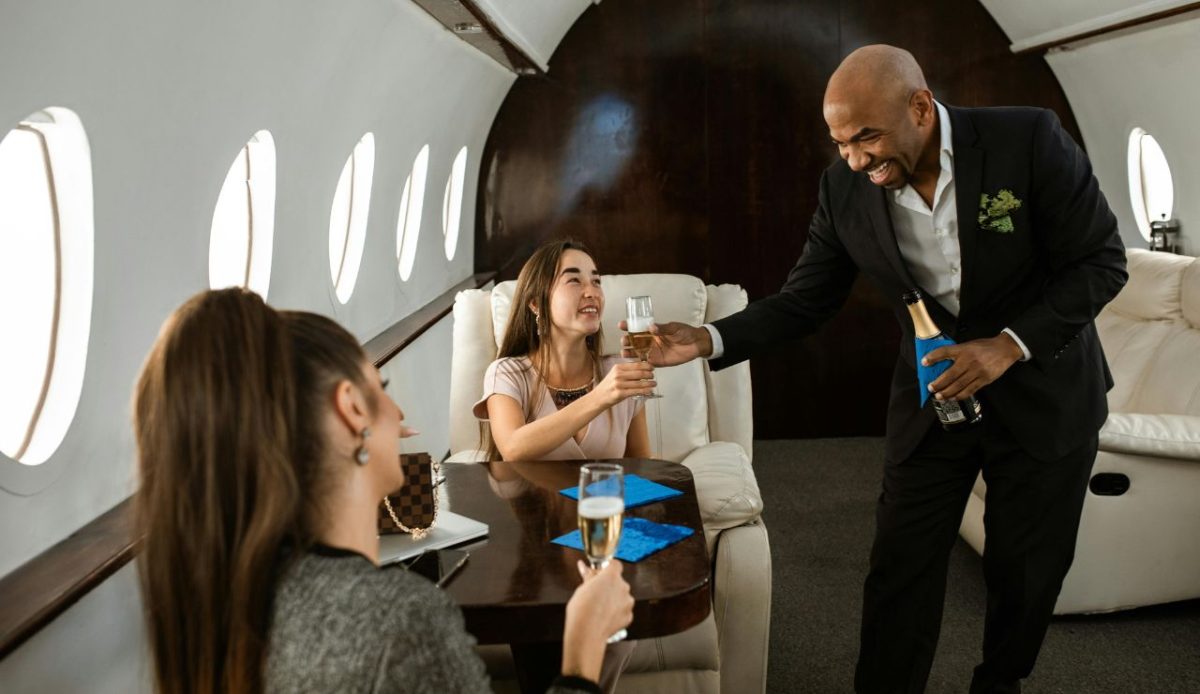
Even on international routes, complimentary alcoholic beverages have been reduced or eliminated on many carriers. Wine, beer, and cocktails may now require purchase, even on flights that previously included them as standard. Passengers accustomed to complimentary drinks must adjust their expectations or pay extra. This policy shift saves costs and reduces in-flight service complexity but can disappoint those expecting a traditional airline experience. Travelers planning longer flights may need to account for drink purchases or bring alternatives where allowed, changing the overall hospitality perception of economy travel.
10. Full-Service Meals on Domestic Flights
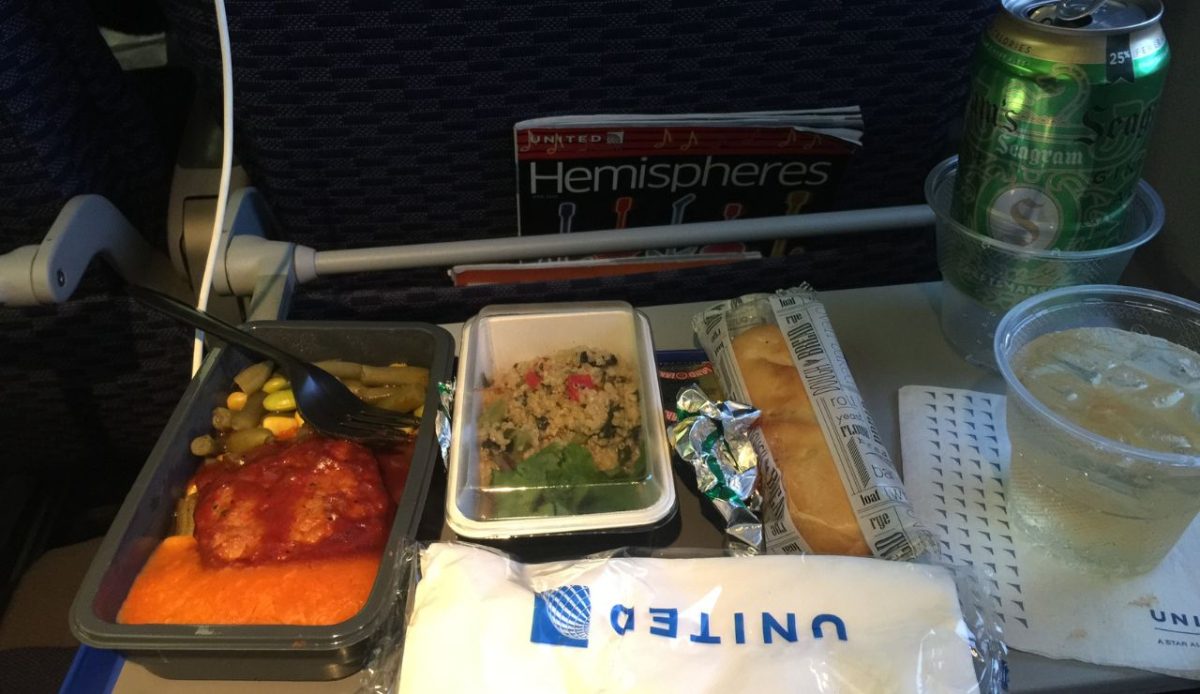
Meals were once a standard offering on domestic flights over two hours, but many airlines now provide only snacks or require passengers to purchase food. This subtle cut alters expectations for in-flight comfort and convenience. Travelers accustomed to complimentary meals must adjust by bringing their own food or budgeting for purchases. The reduction saves costs for carriers but affects the overall travel experience, particularly for longer short-haul flights. Understanding meal policies before departure helps passengers plan, maintaining satisfaction despite quietly reduced service levels in economy cabins.
