
UNESCO World Heritage caves preserve the Earth’s most fascinating natural and cultural stories. From prehistoric paintings to glittering stalactites, these underground wonders reveal humanity’s history and nature’s artistry. Travelers can explore caves that were once ancient homes, sacred sites, or natural marvels formed over millions of years. Each cave invites discovery, offering beauty and knowledge hidden beneath the surface. Here are ten of the world’s most remarkable UNESCO-listed caves to explore.
1. Altamira Cave, Spain
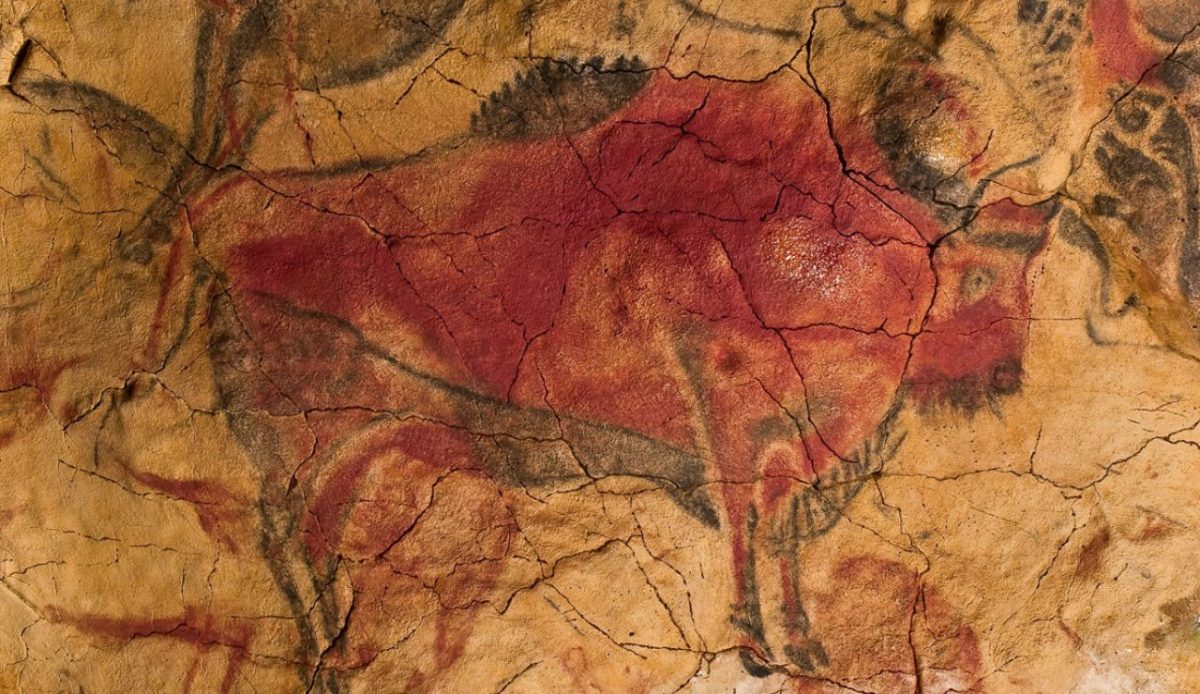
Altamira Cave in northern Spain is renowned for its vivid prehistoric paintings. Dating back more than 14,000 years, its walls are decorated with bison, deer, and horses that showcase early human creativity. Though the original cave is closed to preserve its fragile art, visitors can explore a replica at the Altamira Museum. This remarkable site offers a window into Ice Age life and the origins of human expression, making it a cultural treasure of Europe.
2. Ajanta Caves, India
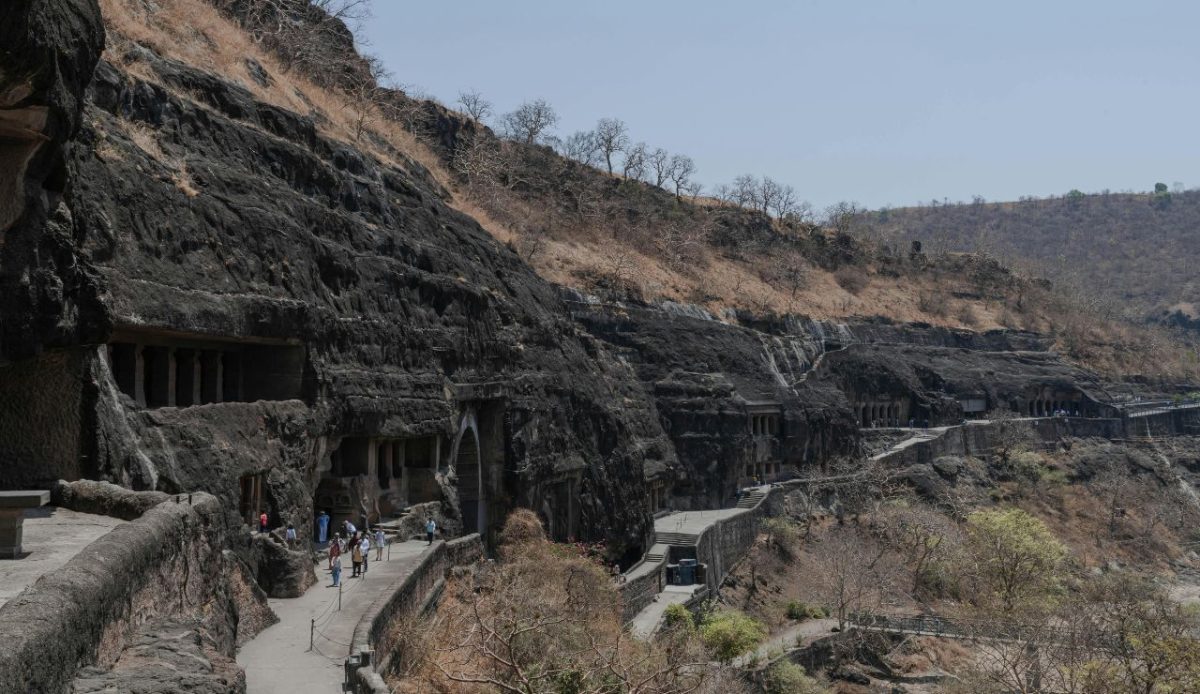
Carved into cliffs in Maharashtra, the Ajanta Caves house exquisite Buddhist paintings and sculptures dating from the 2nd century BCE. These 30 rock-cut caves feature detailed murals depicting the life of the Buddha and stories of compassion. The artistry and preservation of colors are breathtaking, offering insight into India’s ancient spiritual traditions. Recognized by UNESCO, Ajanta remains one of the world’s most impressive examples of sacred art and architecture hidden within natural rock.
3. Waitomo Glowworm Caves, New Zealand
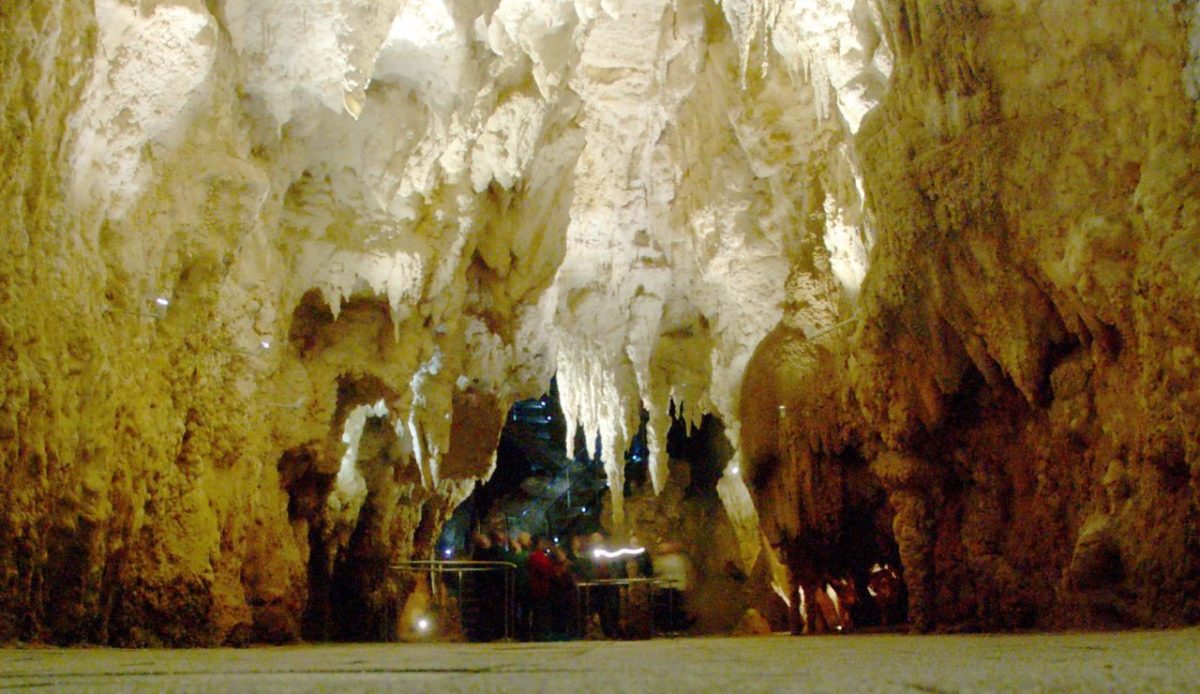
In New Zealand’s North Island, the Waitomo Glowworm Caves offer a magical underground experience. Thousands of tiny glowworms illuminate the dark chambers, creating a starry-sky effect on the cave ceiling. Visitors glide along an underground river by boat, surrounded by the ethereal blue light. The caves are a natural wonder that showcases both geology and unique wildlife. This enchanting site provides one of the most unforgettable subterranean experiences anywhere in the world.
4. Mogao Caves, China
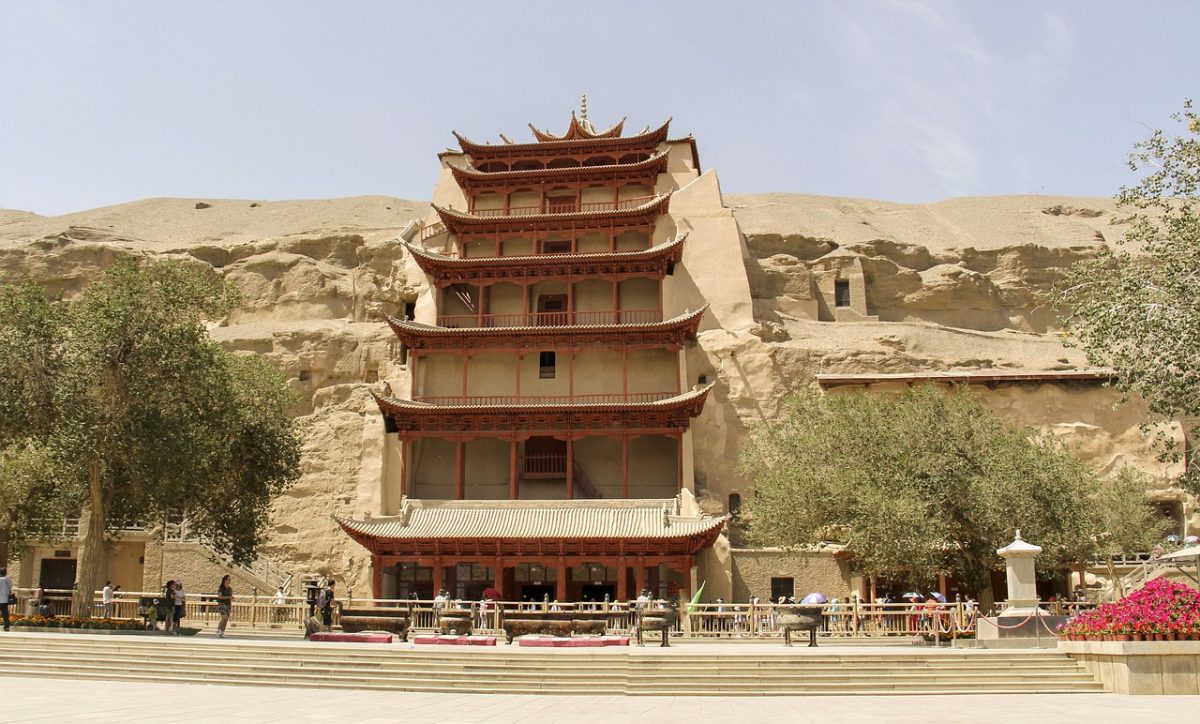
Near Dunhuang, the Mogao Caves form one of the most significant collections of Buddhist art in the world. Over 700 caves contain murals, sculptures, and manuscripts that span a thousand years of cultural exchange along the Silk Road. The caves illustrate the blending of Chinese, Indian, and Central Asian traditions. Walking through them feels like stepping into a living museum of spiritual devotion and history. Mogao is a dazzling testament to human creativity and faith.
5. Škocjan Caves, Slovenia
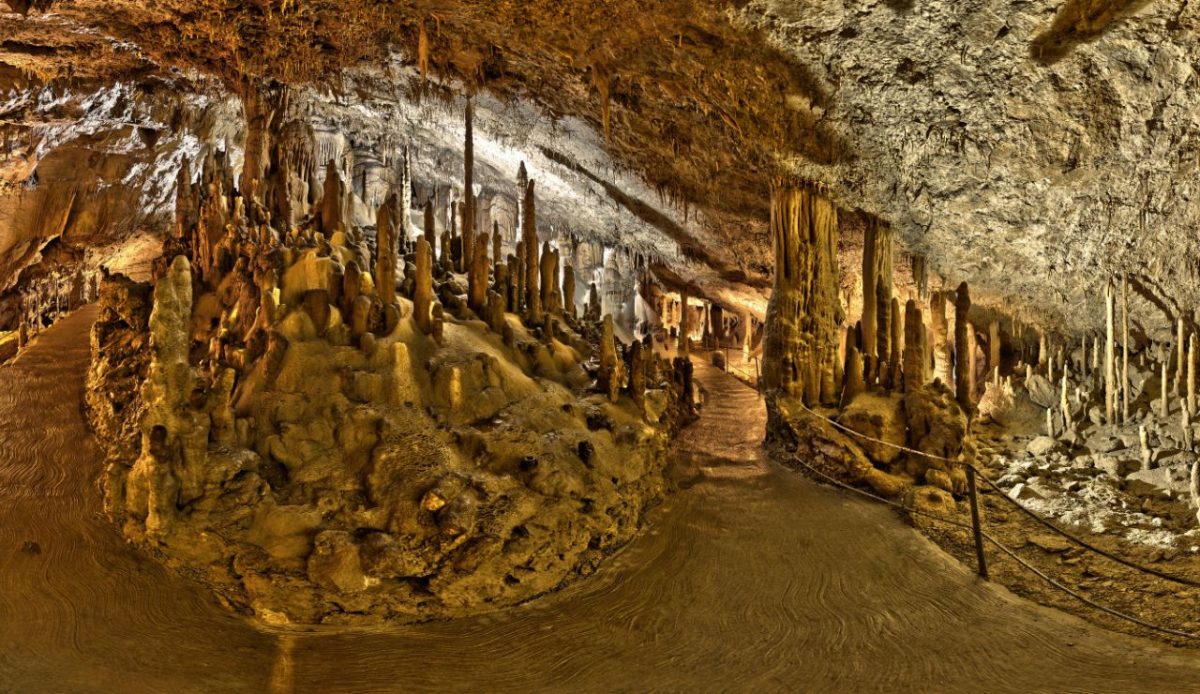
In southwestern Slovenia, the Škocjan Caves astonish with vast underground chambers and rivers that plunge into deep canyons. Recognized for their geological importance, the caves showcase dramatic stalactites, stalagmites, and natural bridges. Visitors explore through walkways suspended above roaring waters, offering both thrill and beauty. This karst landscape is unique, combining natural wonder with ecological significance. Škocjan’s scale and mystery make it one of Europe’s most stunning subterranean destinations for travelers to experience.
6. Elephanta Caves, India
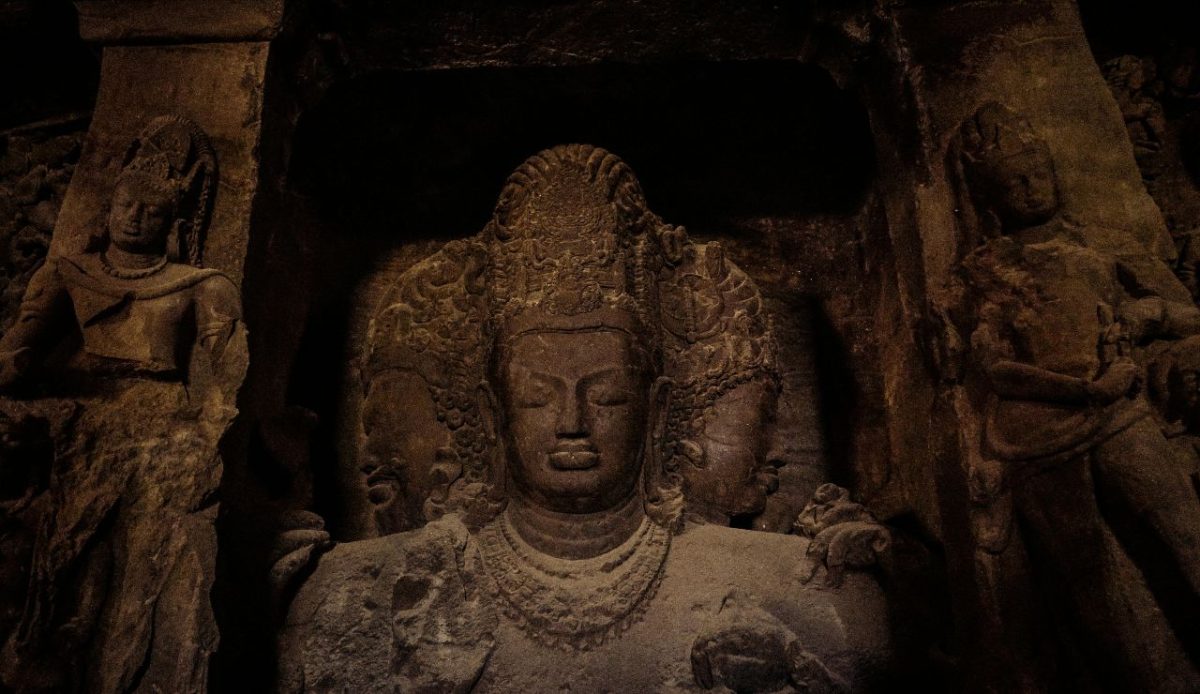
On an island near Mumbai, the Elephanta Caves feature remarkable rock-cut temples dedicated to Lord Shiva. Carved between the 5th and 8th centuries, the caves display intricate sculptures, including the iconic three-headed statue of Shiva, Maheshmurti. The artistry demonstrates India’s architectural skill and religious devotion. Accessible by ferry, Elephanta offers not only breathtaking stone carvings but also sweeping views of Mumbai’s harbor. It’s a fusion of cultural heritage and natural setting that enchants visitors.
7. Lascaux Caves, France
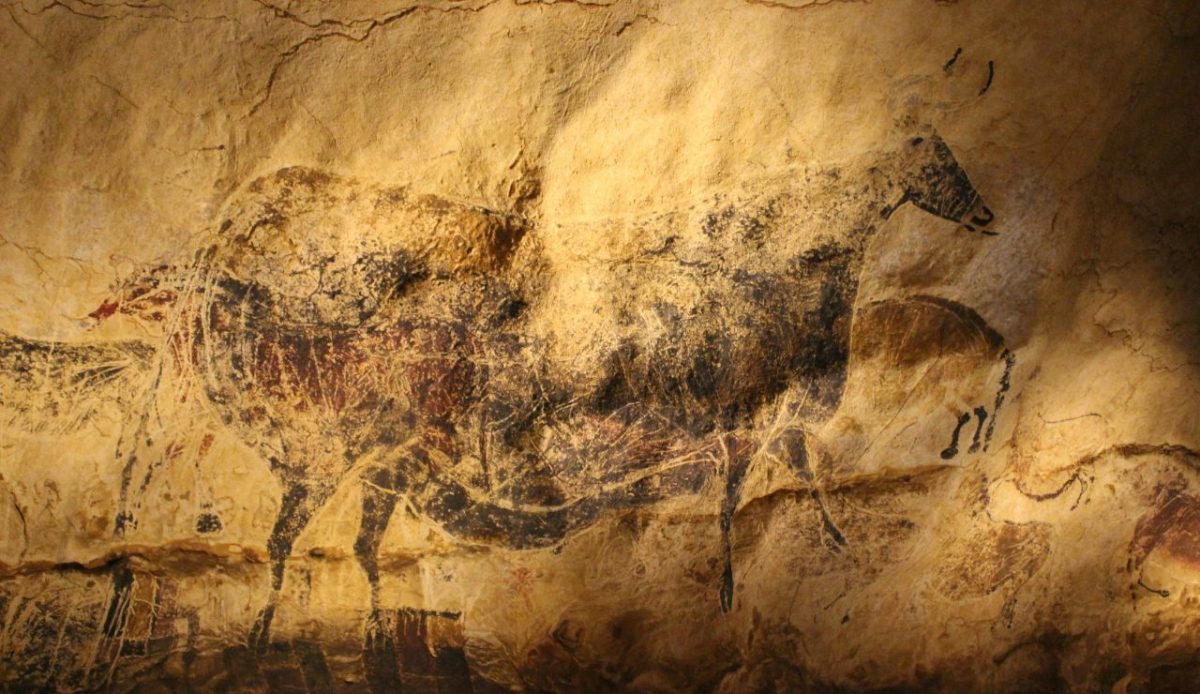
The Lascaux Caves in southwestern France are home to some of the most famous Paleolithic paintings, dating back around 17,000 years. The walls feature detailed images of animals, including bulls and stags, brought to life with vibrant colors and skill. To protect the originals, a replica known as Lascaux IV recreates the cave experience for visitors. Lascaux stands as a masterpiece of prehistoric art, preserving the imagination and creativity of early humanity.
8. Ellora Caves, India
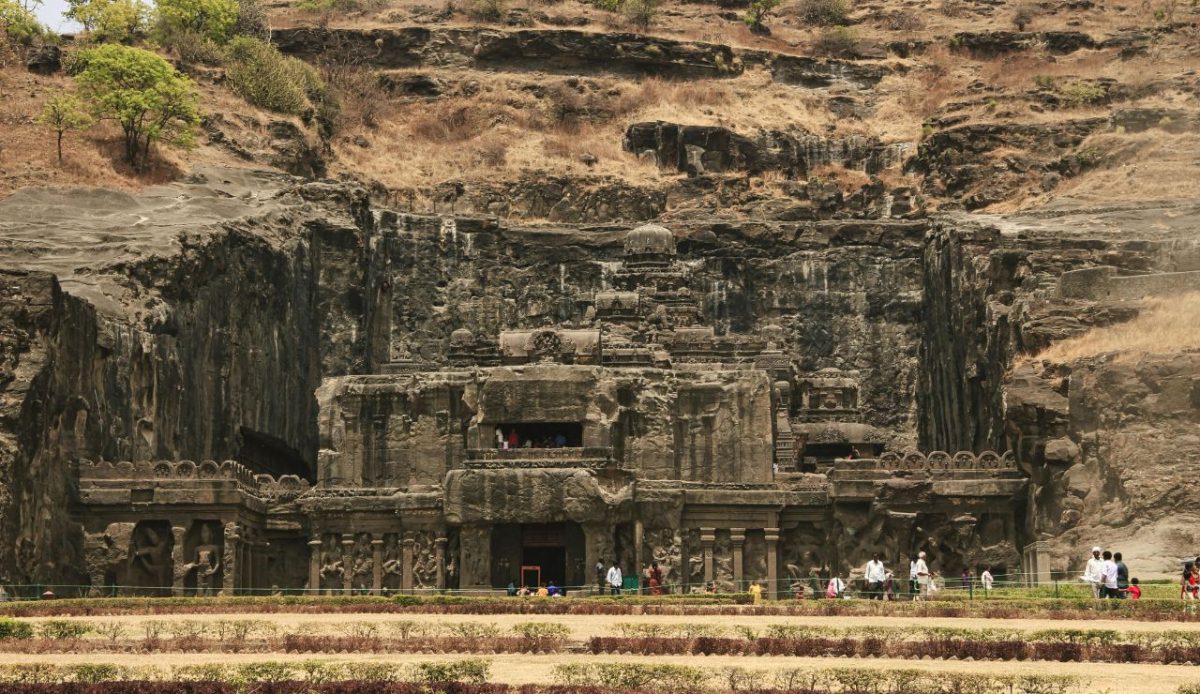
Close to Ajanta, the Ellora Caves represent a fusion of Hindu, Buddhist, and Jain traditions. Carved between the 6th and 10th centuries, the site includes over 100 caves with monasteries, temples, and shrines. The highlight is the Kailasa Temple, a massive structure carved from a single rock, showcasing breathtaking engineering and devotion. Ellora reflects India’s religious diversity and artistry, making it one of the most remarkable rock-cut cave complexes in the world.
9. Carlsbad Caverns, USA
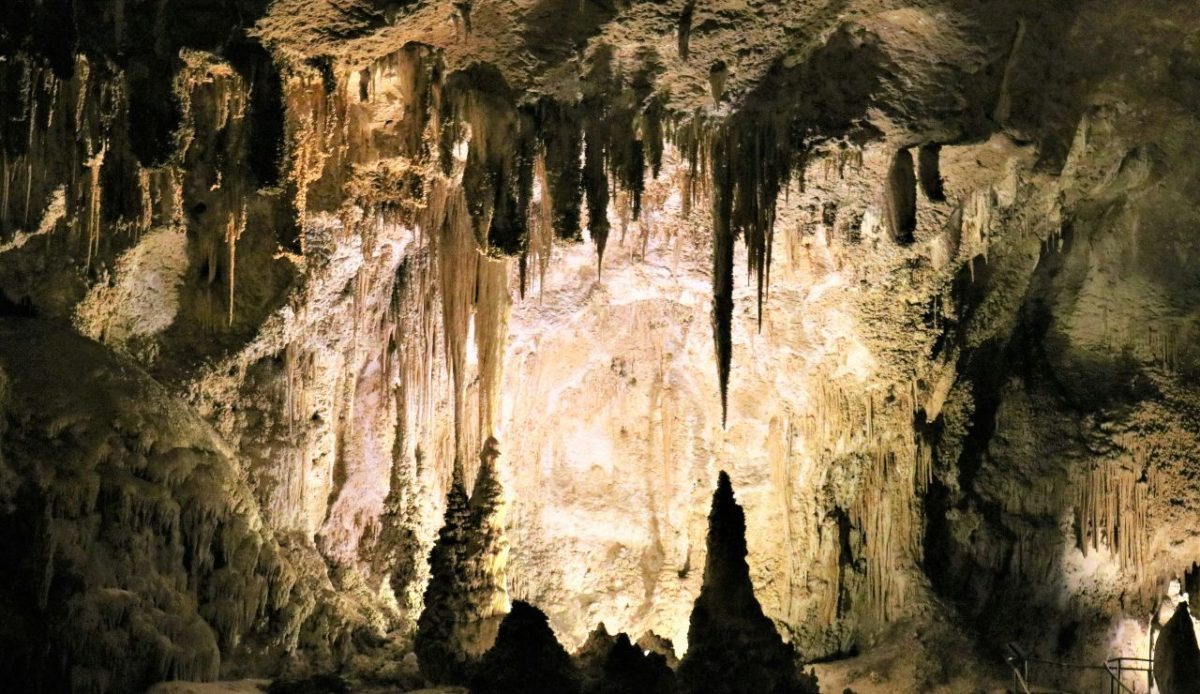
In New Mexico, Carlsbad Caverns National Park dazzles with underground chambers filled with dramatic limestone formations. The Big Room, one of the largest cave chambers in the world, is lined with stalactites, stalagmites, and delicate mineral deposits. Visitors can hike through or take guided tours to explore its geological wonders. At night, thousands of bats fly from the cave entrance, adding a spectacular natural display. Carlsbad Caverns highlight the grandeur of Earth’s natural processes.
10. Postojna Cave, Slovenia
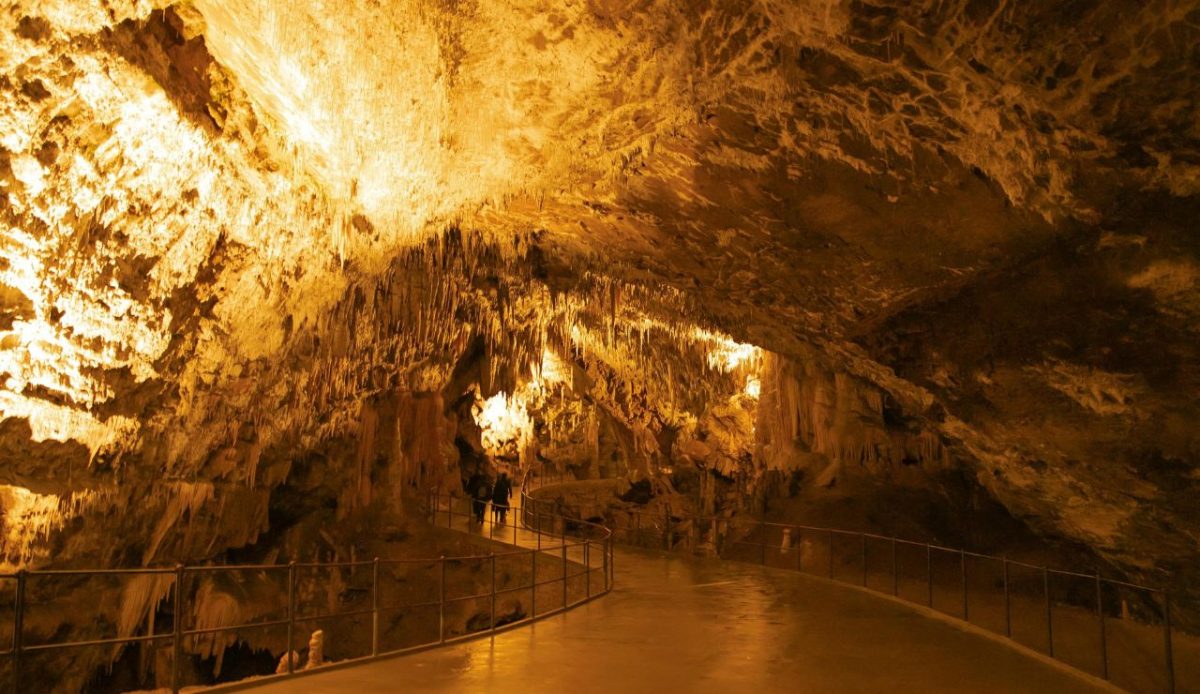
Postojna Cave is one of Europe’s most visited underground wonders. Stretching over 24 kilometers, it features dazzling rock formations, underground halls, and even a train that takes visitors deep inside. The cave’s galleries and passages are lit to highlight stalactites and stalagmites shaped over millions of years. Unique creatures, such as the rare olm, inhabit its waters. Postojna offers a thrilling and accessible glimpse into nature’s hidden world, captivating travelers with its scale and beauty.
