
The American South is rich with history, and its cities played pivotal roles in the civil rights movement. From landmark court cases to iconic marches and speeches, these cities carry the stories of struggle, resilience, and progress. Visitors can explore museums, historic districts, and monuments that preserve these important legacies. Beyond education, these cities also offer vibrant communities, food, and culture. In this article, we highlight ten Southern U.S. cities where civil rights history remains tangible, allowing travelers to learn, reflect, and connect with the stories that shaped modern America.
1. Montgomery, Alabama
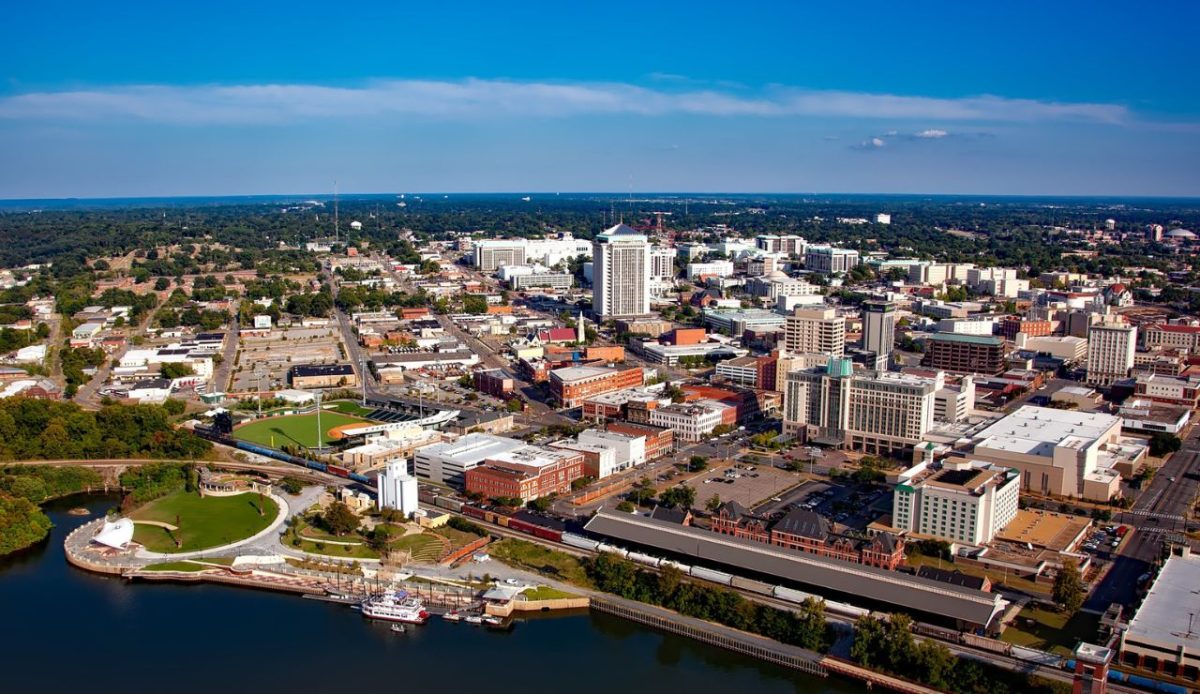
Montgomery is central to civil rights history, most famously for the 1955 bus boycott sparked by Rosa Parks. The city houses the Rosa Parks Museum, Dexter Avenue King Memorial Baptist Church, and the Civil Rights Memorial. Walking tours highlight key sites where activists organized and demonstrated for equality. Beyond historical landmarks, Montgomery’s neighborhoods and cultural centers provide insight into the daily lives of residents during the movement. Travelers often note how the city balances education with engagement, offering an immersive experience of the courage and determination that defined the civil rights era.
2. Birmingham, Alabama
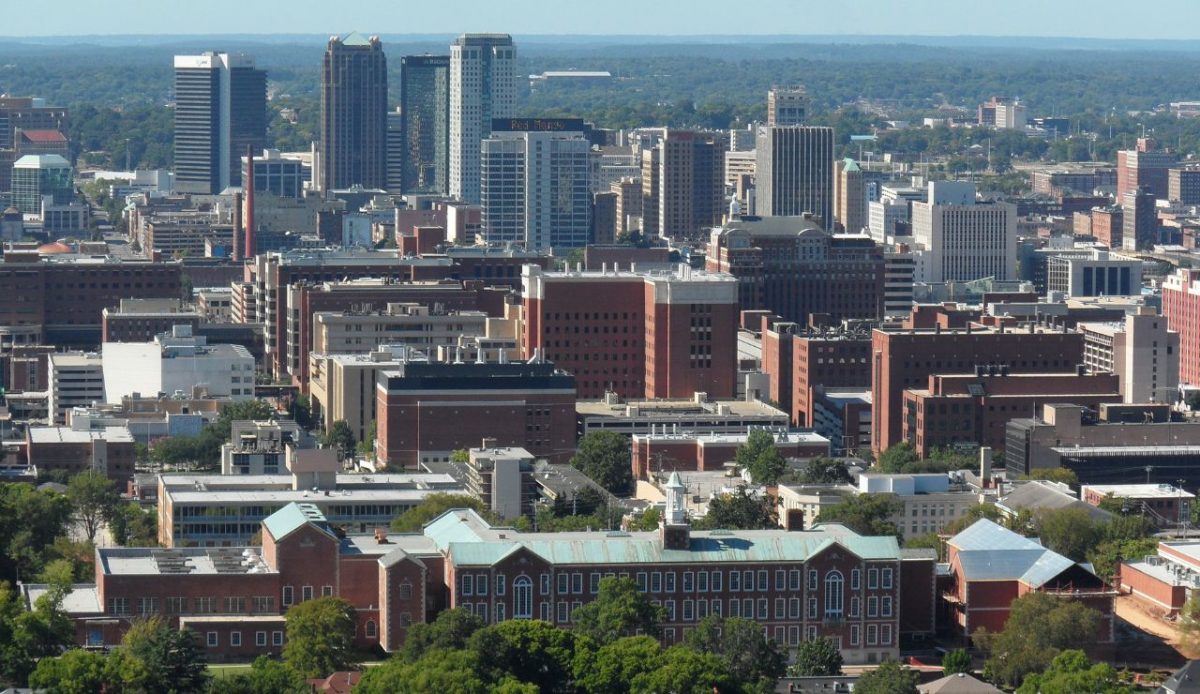
Birmingham was a major battleground for civil rights activists in the 1960s, earning the nickname “Bombingham” due to violence targeting African American communities. Visitors can explore the Birmingham Civil Rights Institute, 16th Street Baptist Church, and Kelly Ingram Park. These sites document protests, marches, and pivotal moments in the fight for equality. Walking through historic streets, travelers gain perspective on both the struggles and resilience of activists. Birmingham’s combination of solemn memorials and vibrant culture allows visitors to honor history while feeling the city’s enduring spirit.
3. Selma, Alabama
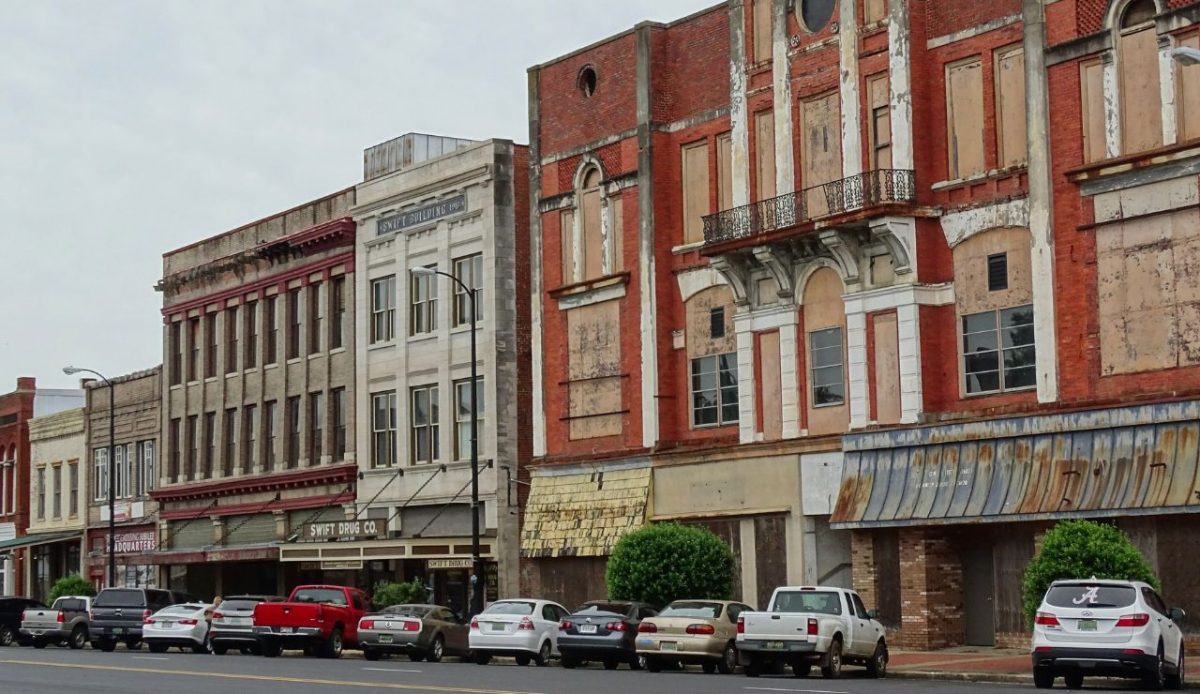
Selma is synonymous with the historic 1965 Selma to Montgomery marches, which were instrumental in passing the Voting Rights Act. The Edmund Pettus Bridge remains a powerful symbol of courage and resistance. Local museums and heritage centers recount stories of activists who faced arrests, violence, and intimidation. Travelers can participate in guided tours that emphasize both historical events and contemporary civil rights work. Selma offers an intimate experience of American history, where visitors witness how perseverance and collective action helped transform laws, communities, and the trajectory of civil rights nationwide.
4. Memphis, Tennessee
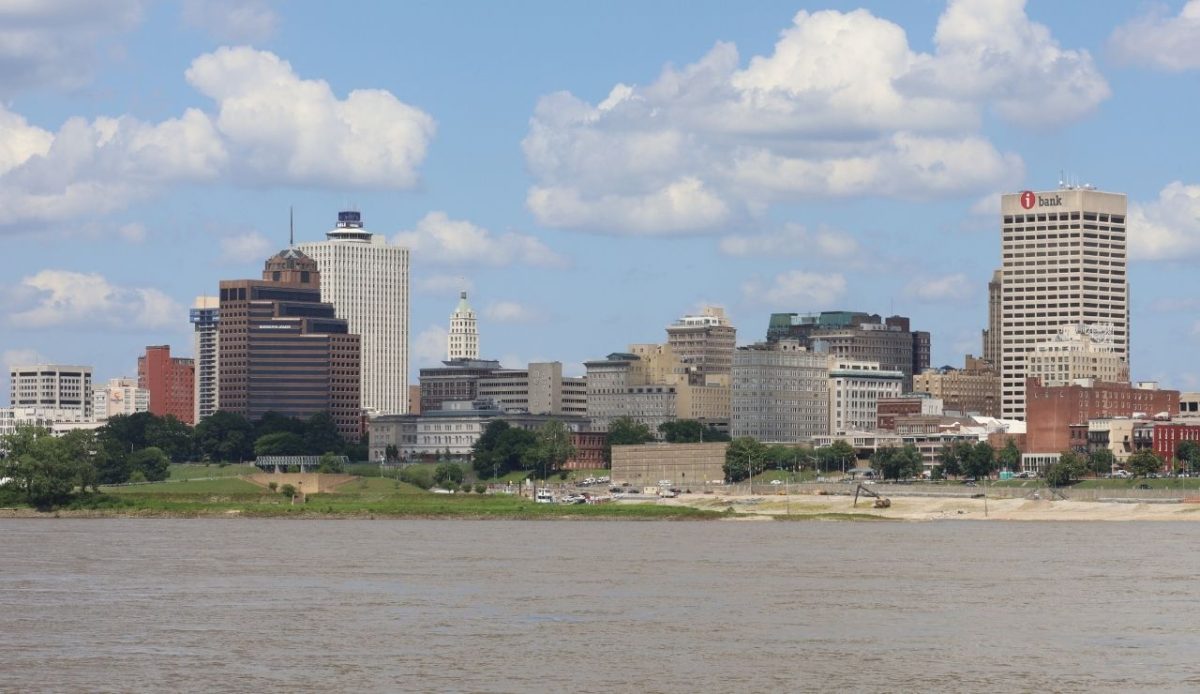
Memphis played a crucial role in civil rights history, most notably as the city where Dr. Martin Luther King Jr. was assassinated at the Lorraine Motel, now the National Civil Rights Museum. Exhibits chronicle the struggle for equality across decades, combining personal narratives, photos, and interactive displays. Beyond the museum, historic neighborhoods and churches provide context to grassroots activism. Travelers can walk streets once traversed by activists, connecting with the legacy of the movement. Memphis demonstrates how cultural, social, and political forces shaped both communities and national progress.
5. Atlanta, Georgia
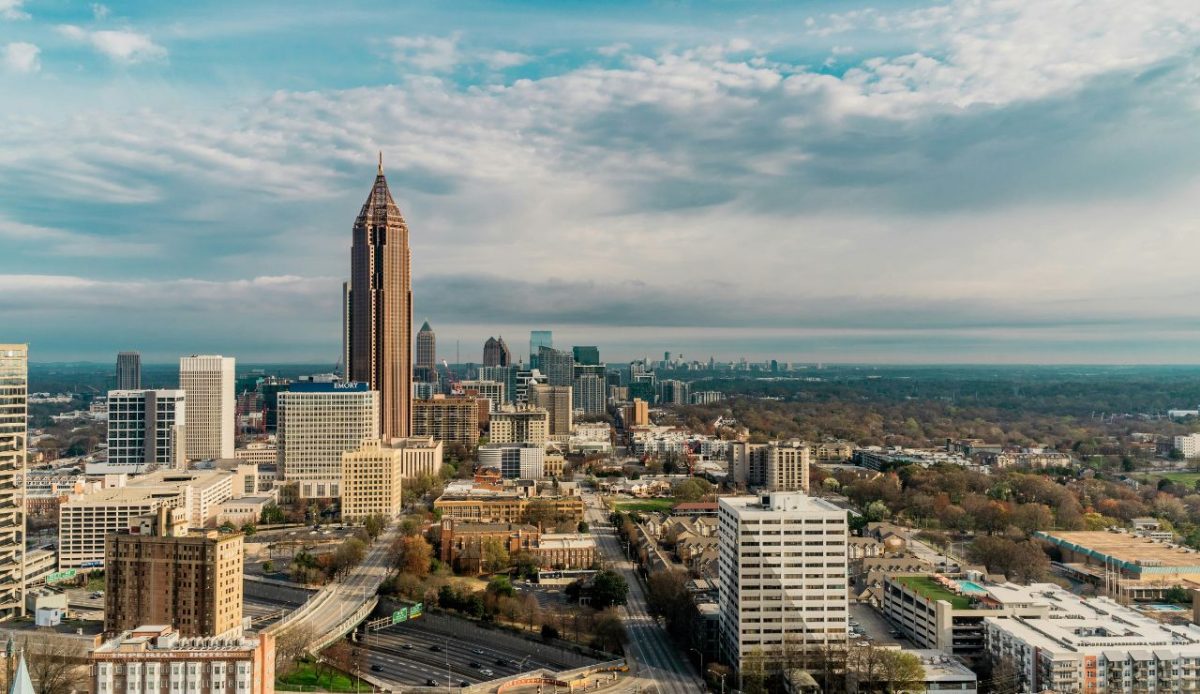
Atlanta is a hub for civil rights history and activism, home to Dr. Martin Luther King Jr. National Historical Park and Ebenezer Baptist Church. Visitors can tour King’s childhood home, explore the museum, and see sites where critical speeches and movements were planned. The city also celebrates contemporary civil rights efforts through educational programs and cultural institutions. Beyond activism, Atlanta’s neighborhoods showcase African American entrepreneurship, cuisine, and music. Travelers appreciate how the city honors past struggles while maintaining a dynamic modern identity, offering a full perspective on civil rights history.
6. New Orleans, Louisiana
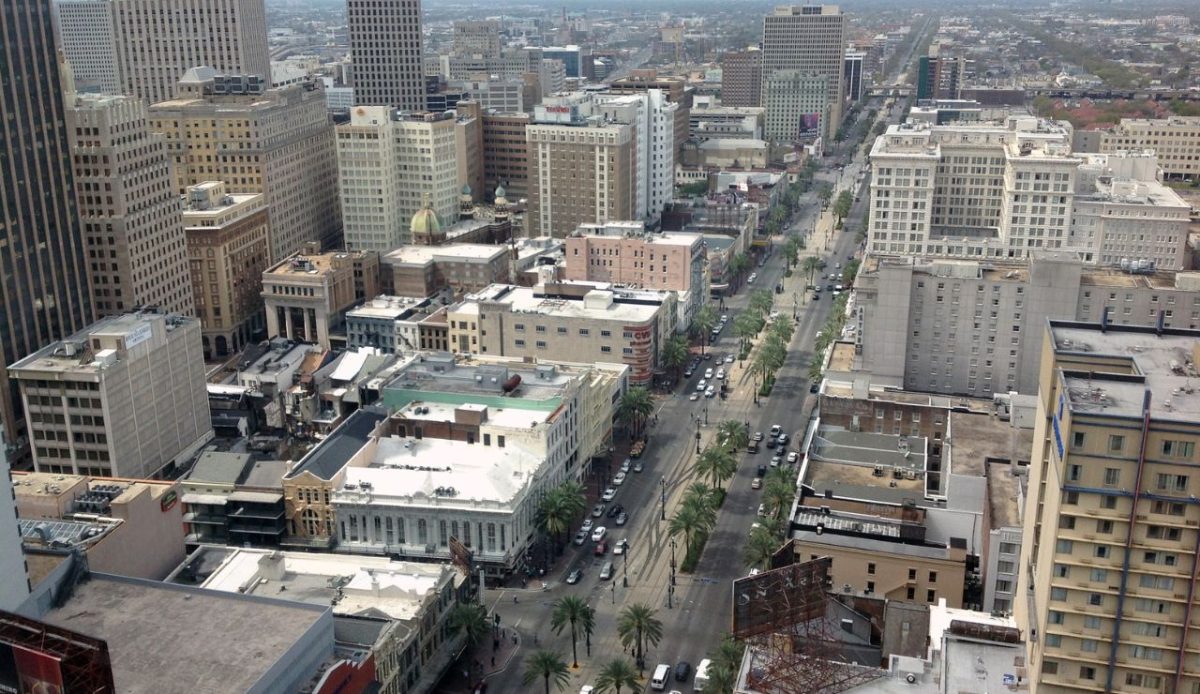
New Orleans’ civil rights history is interwoven with its cultural heritage. From historic Creole neighborhoods to the Tremé district, the city reflects centuries of African American resilience and activism. Museums and walking tours highlight key events, leaders, and contributions to civil rights, while jazz, cuisine, and festivals showcase cultural pride. Travelers can see how advocacy shaped neighborhoods, education, and local governance. New Orleans combines reflection with celebration, providing an immersive experience that honors struggles and achievements while highlighting the vitality of African American culture.
7. Little Rock, Arkansas
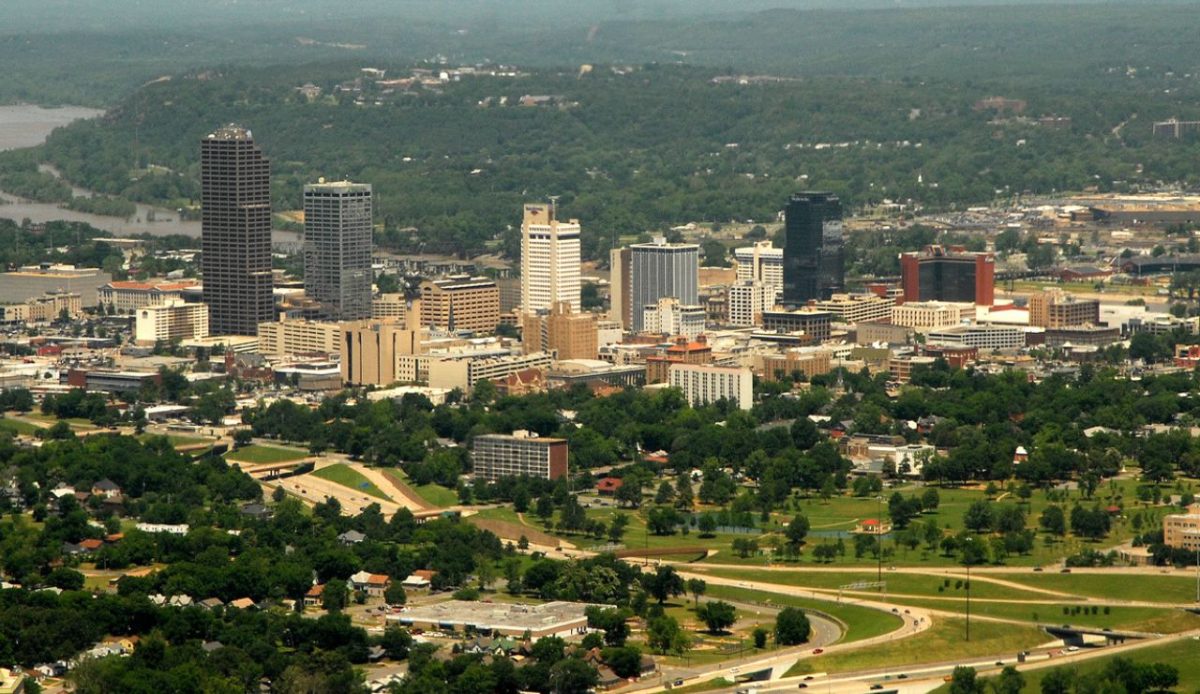
Little Rock is renowned for the 1957 integration of Central High School, a pivotal moment in U.S. civil rights history. The Little Rock Central High School National Historic Site preserves classrooms, exhibits, and stories of courage from students known as the Little Rock Nine. Visitors gain insight into the challenges of desegregation and the broader movement for equality. Beyond the school, local museums and walking tours contextualize social, political, and cultural developments. Travelers often reflect on the city’s role in shaping national policies, making Little Rock both an educational and emotionally resonant destination.
8. Savannah, Georgia
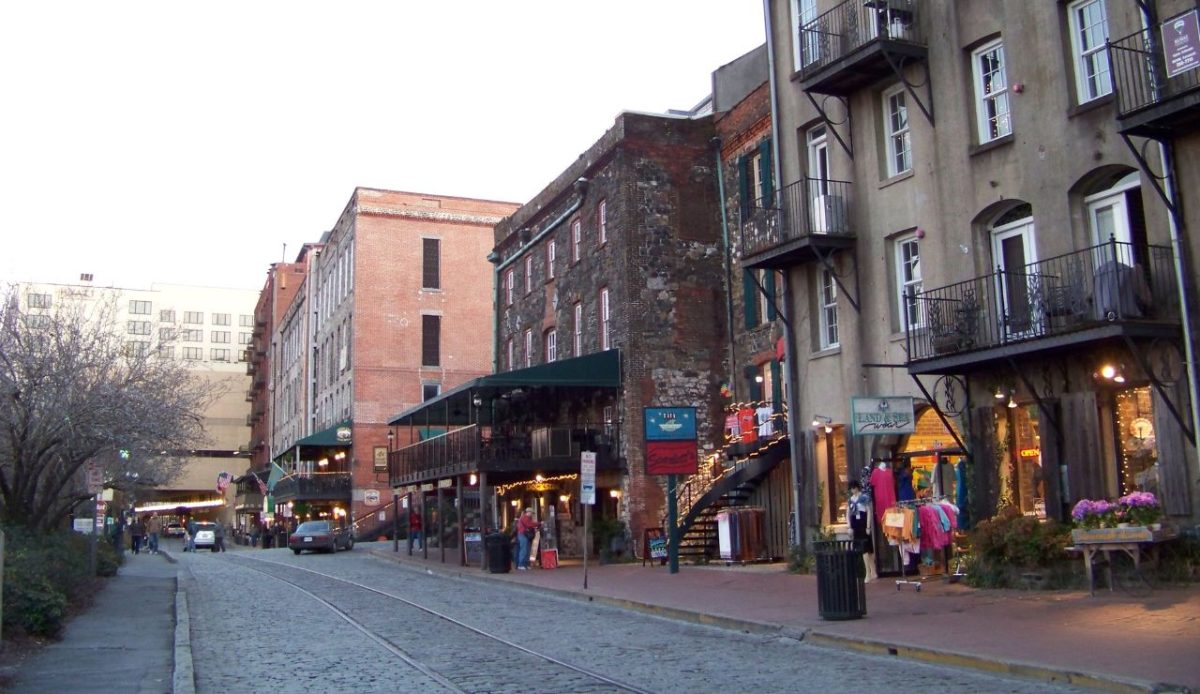
Savannah’s historic districts and riverfront reflect centuries of Southern history, including civil rights struggles. Tours and museums highlight activism in schools, churches, and public spaces during the mid-20th century. Travelers can explore sites where community leaders organized voter registration drives and peaceful demonstrations. Savannah’s architecture and cultural events intertwine beauty with social history. Visitors see how the city preserves stories of perseverance alongside thriving local culture. It offers a lens into civil rights progress and how collective action reshaped communities.
9. Nashville, Tennessee
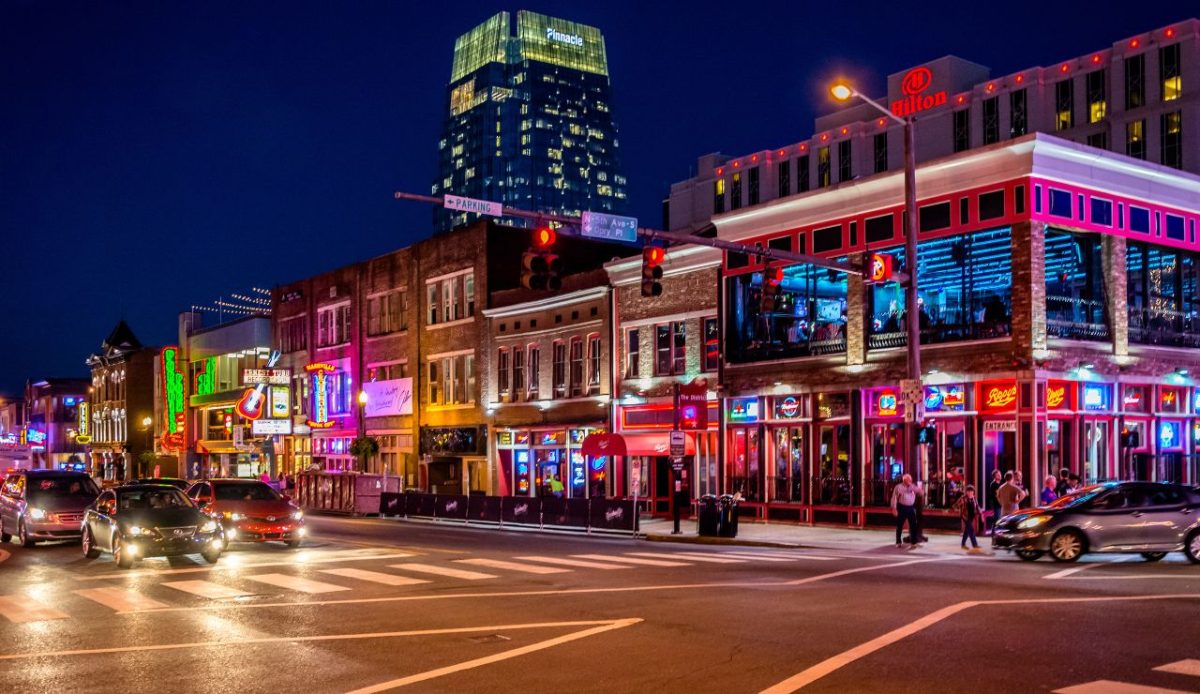
Nashville played a critical role in the civil rights movement, particularly with the Nashville Student Movement, which organized sit-ins and protests against segregation. The city houses historic colleges, churches, and landmarks central to activism. Visitors can explore museums and walking tours highlighting these efforts and their impact on national policies. Beyond history, Nashville’s music, neighborhoods, and cuisine showcase vibrant African American culture. Travelers gain perspective on how a grassroots organization transformed the city and influenced social change, making it both an educational and culturally rich destination.
10. Greensboro, North Carolina
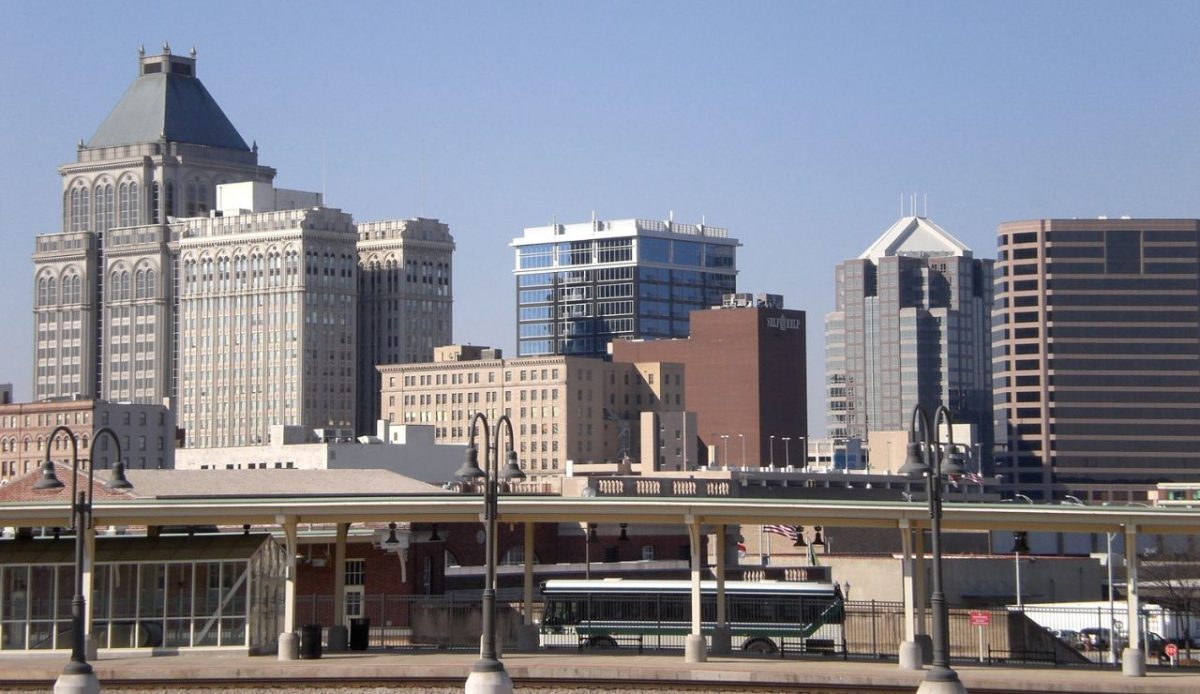
Greensboro is famed for the 1960 Woolworth’s lunch counter sit-ins, a seminal event in the civil rights movement. The International Civil Rights Center & Museum preserves the site and tells stories of student activists who catalyzed national change. Visitors can view exhibits detailing the struggle against segregation and the broader movement’s strategies. Walking tours showcase neighborhoods and schools involved in activism. Travelers experience how a local protest reverberated nationwide, understanding the courage and persistence needed to achieve civil rights victories. Greensboro embodies the power of youth-led action.
